



















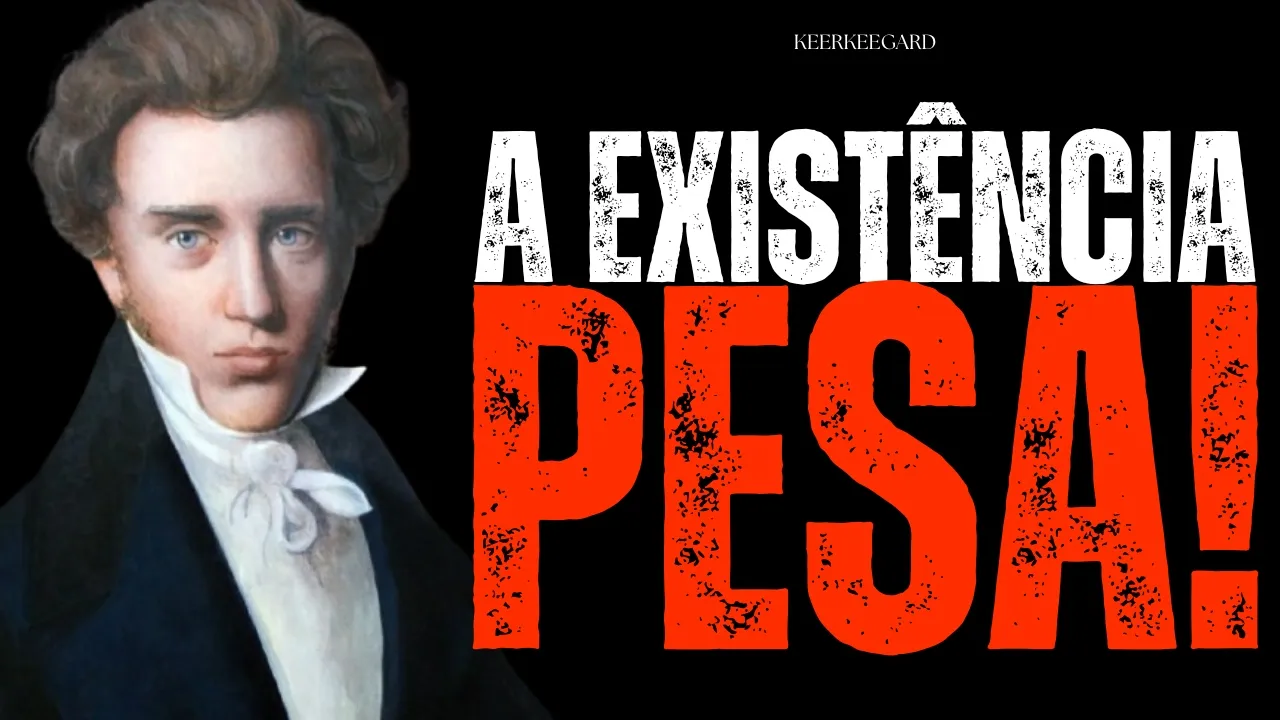




Søren Kierkegaard, a 19th-century Danish philosopher, argues in Fear and Trembling that authentic faith requires passing through 'infinite resignation'—accepting life's inherent limitations, suffering, and the failure of reason to provide meaning—before making the 'leap of faith,' which involves suspending ethical obligations to follow divine commands that transcend rational understanding; this contrasts with superficial religious commitment and demonstrates that genuine faith is not merely intellectual assent but a passionate, paradoxical commitment that goes beyond ethical reasoning.
Kierkegaard's Fear and Trembling: Faith and Ethics | Intro to Philosophy
Added:The biblical narrative of the binding of Isaac (Genesis 22) to understand the central moral and religious dilemma Kierkegaard analyzes.
Basic ethical frameworks, particularly Kantian deontology, which posits that moral duties are universal and rational.
The philosophical distinction between objective reason and subjective faith in religious thought.
An introductory awareness of Kierkegaard's historical context and his critique of Hegelian rationalism.
The specific distinction Kierkegaard makes between the 'Knight of Faith' and the 'Knight of Infinite Resignation'.
Kierkegaard's 'Three Stages on Life's Way' (the Aesthetic, the Ethical, and the Religious) to see how this faith model fits his broader philosophy.
The concept of the 'teleological suspension of the ethical' and its implications for modern religious fundamentalism and secular law.
How 20th-century secular existentialists, like Jean-Paul Sartre and Albert Camus, adapted Kierkegaard's concepts of anxiety and 'the absurd'.
The exploration of 'Angst' (dread/anxiety) in Kierkegaard's other major work, 'The Concept of Anxiety', regarding human freedom and sin.
36K views309likes1:01:49Original Release: 2011-12-06
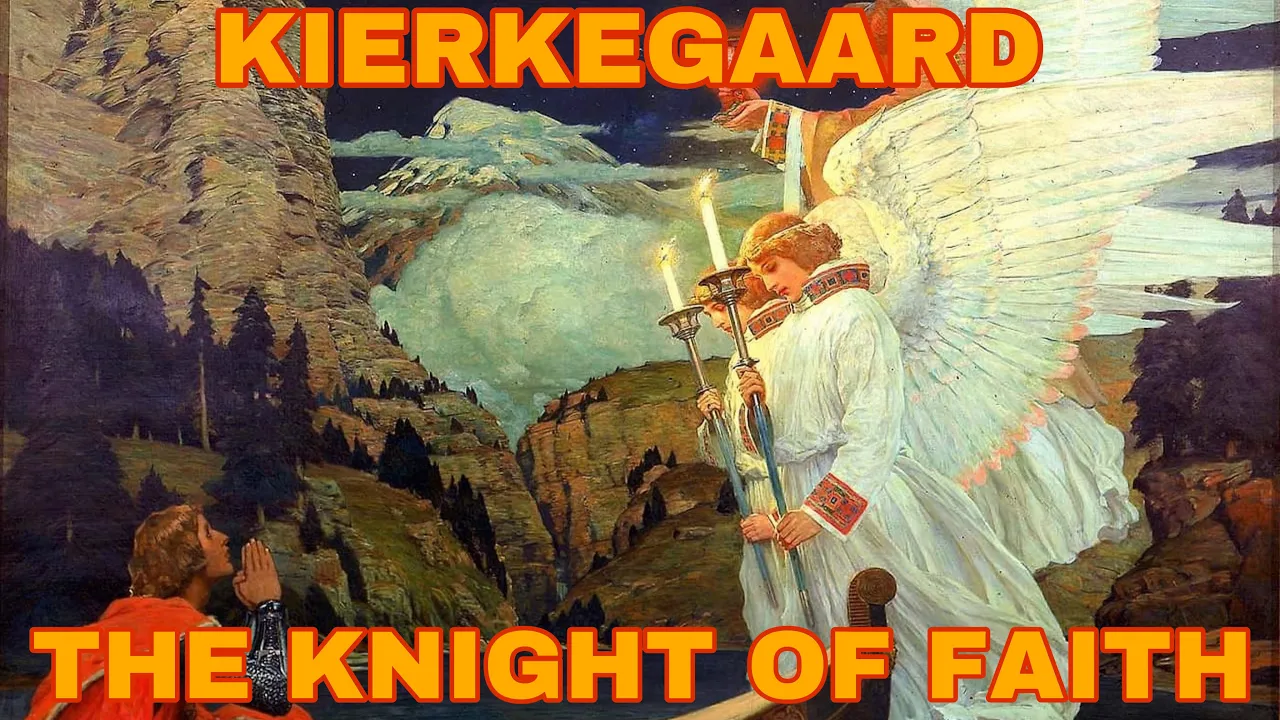
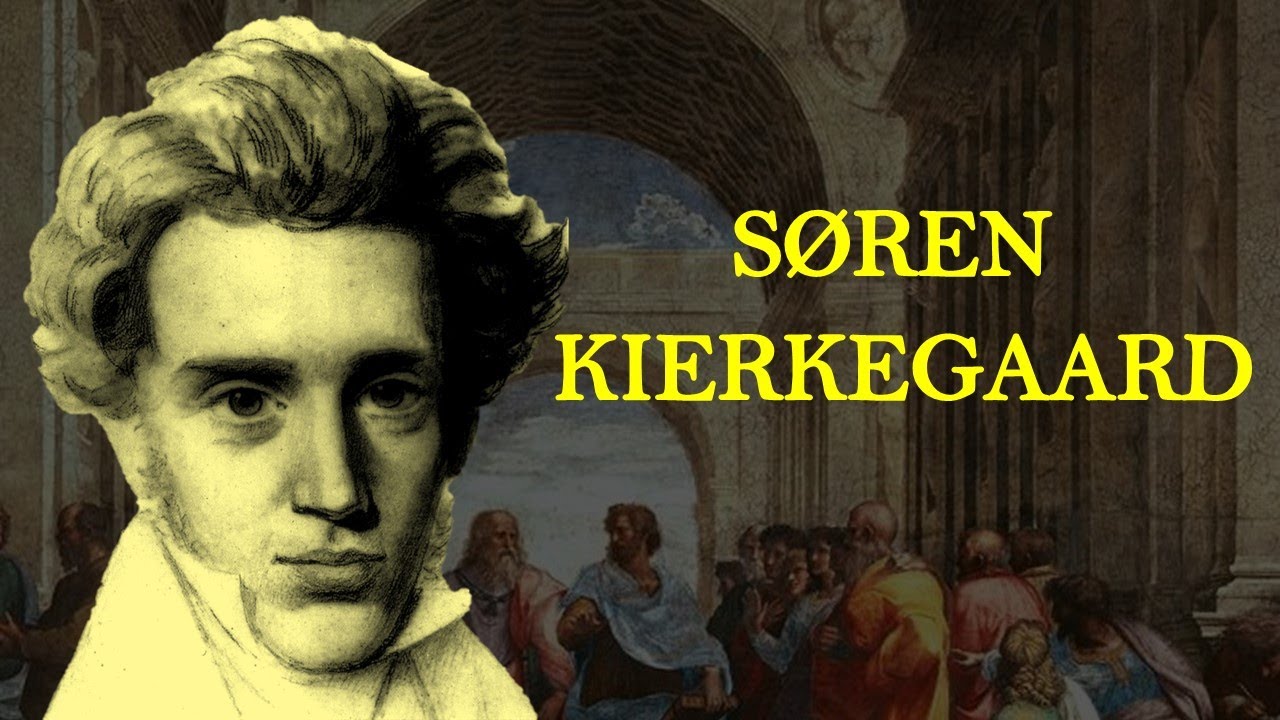
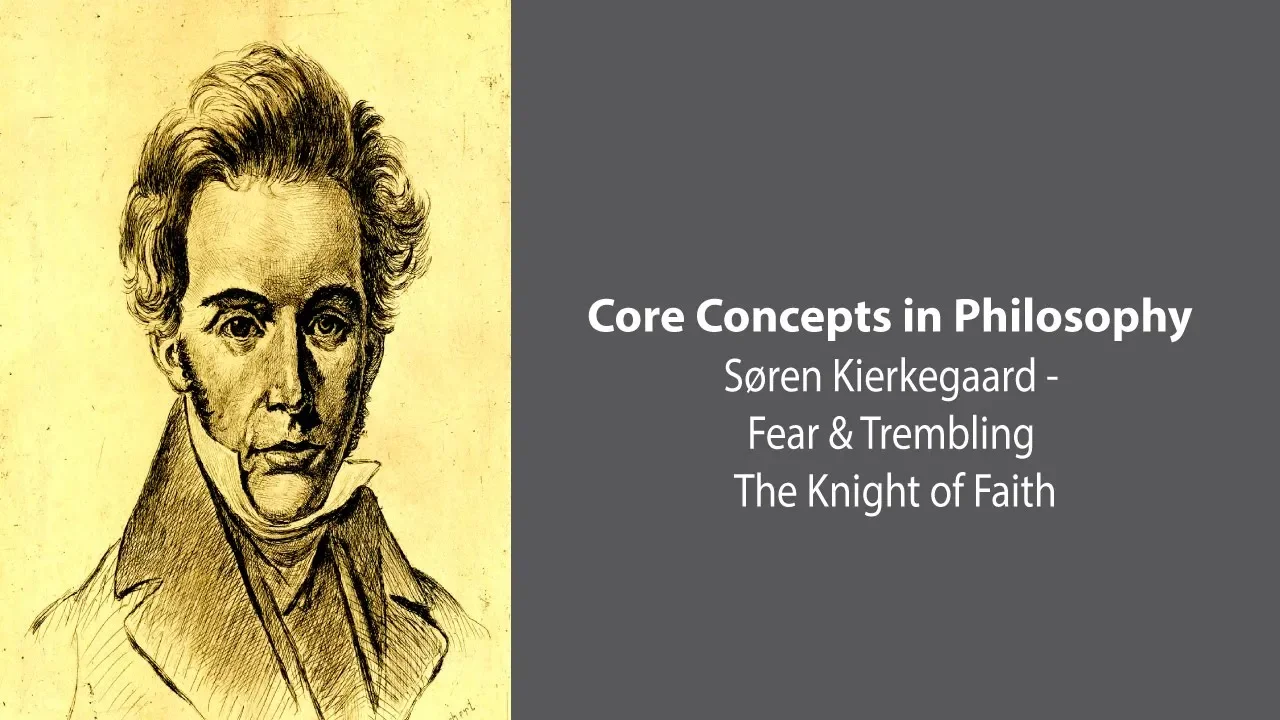
I don't want you to think much about this I want you to straight like the first word comes up for each of these associated with it but what's the first thing that comes to mind I said reason and then what's the first thing that comes to mind when I say state and you can draw on your experience you can do anything in life with same thing with philosophy or religion and then Abraham will give you a minute to to sketch that out I'll tell you about this guy character so we're finishing up the semester nowhere near contemporary philosophy nowhere near where philosophy is today but you know having covered a lot of ground from the ancient Greeks through some of the medievals through some of the moderns and now we're reaching the later part of the mountain period with this guy sir and Kierkegaard here's all the things that's because we Danish and that's a letter that we only have in our English orthography I think it's pronounced Buddha so sooner in Kierkegaard the game was called character and he was a Danish like I said who is writing in the first part of the 19th century so not that long ago and he's responding to a lot of the people that we've studied this semester biggest person that he's responding to we didn't study that's that's Hegel and the reason we didn't study Hegel is because Cagle is notoriously difficult and takes a lot time to learn about because everything is connected to everything else yeah but he did respond to cops and he does talk about Descartes and he also talks about Socrates and in some ways what you can think of Kierkegaard is doing is responding as a religious thinker he is he's a very clearly religious thinker to what's going on in the intellectual culture and ordinary culture of his day and one of the terms that you don't see coming up in this book but which does come up in many of the other books that Evo is it squirming and you know when you're in your history classes you got to remember that that's I remember coming out I get in world history or probably did have medieval history when you talk about Christendom you mean the countries or the cultures in which Christianity plays an important role and that's changed over time has this right where did where did Christianity start out pretty humble beginnings a bunch of Jewish fisherman you know this carpenter guy tax Condor and well they have some Greek people following them around some Romans also Jewish people in furs and then some some Samaritans which lettuce spreads out right you guys all know the history of the spread of Christianity girls start spreading through the Roman Empire and even go outside of the bowels of the Roman Empire yeah Christianity becomes the major intellectual and religious force for over thousand years and then you guys remember you know story about the Protestant Reformation you know there's one big monolithic church and it breaks up into other churches right right Luther the 95 theses and John Calvin and probably remember maps right where here's the Lutheran area and here's the Calvinist area and here's the the Anglican area well they all had a lot of things still in common Denmark was a Lutheran country and Christianity as far as Kierkegaard thought it'd become kind of tepid when when a religion any religion becomes the dominant way of looking at things there's a lot of people who you know give lip service to the religion but are they are they really committed to it are they really practicing it and they're really studying I mean what's what's your experience of that sort of stuff the United States is nominally a Christian nation culturally not politically culturally does everybody who you know claims to be a Christian are they all on fire and you know I'm doing exactly what you'd expect a person to do what's your experience yeah he sort of depends I mean I think some people follow it more closer than others yeah it depends very much and so you know just being within the society or being within the state doesn't necessarily mean that you have any sort of commitments you could you know you could wake it up every Sunday morning and go to church like you're supposed to and it's kind of mumble along and never really think much about it Monday didn't make much sense and a sermon why did it make much x well you're not connecting it to anything else right if that's what you're doing that's just sort of a thing you do there's a lot of people who live like that and there were a lot of people who live like that and you can kick against time but back then it was you know was kind of important that you actually be a member and this is before you know World War one in World War 2 and the Holocaust and all these sort of things that kind of shook people's faith in progress and the idea was you know Europe was the center of the world and they made all this progress and Christianity seemed to be kind of at the center of that and as you know so it looked like everything was just getting better and better and better and all you had to do was sort of you know follow along and you could be part of that and what most about this notion of Chris and Diana and he saw this as a passionate commitment to something that was absurd and that's that's kind of an interesting thing to say do people who you know would like you to be Christians do they usually stress to you this is absurd this doesn't make sense I mean you may feel that way if they're trying to convince you that maybe a reason why you'd reject it do they usually make that as a plea for why you should believe it why not isn't it fun sometimes to believe in absurd things we like to watch kind of absurd TV shows pretty soon do you guys like to watch those claymation Rudolph Santa Krusty Pathan's Wells pure absurdity right reindeers that talk and their noses light up and they fly in the air and they go to the land of misfit toys all that sort of stuff isn't that crazy you don't take it seriously though aaah okay that's it that's it good that's an important distinction it's there for fun religious conviction we don't usually see as being done just for fun though I think some people do it just for fun you know sort of try it out now there's there's a actually a long history of some Christian thinkers stressing the absurdity of appreciator folium said I believe because of some sir and so he's taken as being sort of at an extreme most of the people that are Christians they don't take that line right did they in some come out and say God's existence can't prove it totally absurd just gotta have faith wouldn't be doing this class with the ant song what do you remember about it what's what what's the thing that you associate with them that you're concerned with being yeah what what did you do for philosophy hope you guys remember this a week from now you know an argument about God's existence Thomas Aquinas we looked at him for the same sort of thing did those guys say can't prove that sort of stuff it's absurd gotta believe it you should have a passionate commitment to him not based on anything rational and some said the opposite of that you know even if you don't believe it here's why you ought to believe that here's the argument for it I'm going to use some reason to explain the Christian or least certain parts of the Christian faith so cute regard to sticking out a very different position that doesn't mean that he's not using reason at all or he's not doing philosophy yes but he's doing it in a way that's very unlike most of the other philosophers that we studied he's telling you some stories and then even he's analyzing these these stories he's trying to connect it up with you or the book that we're looking at is fear and trembling so anyone who literally wouldn't recall where this phrase comes from comes from Scripture comes from st. Paul st. Paul so that everybody has to work out their own salvation in fear and trembling and it was kind of about not being a busybody being so concerned everybody else being saved look at your own salvation and that started you know lecturing other people about that and you do it not being completely assured but in fear and trembling right you take this stuff seriously you think that there really is the kind of God that Christians talk about or Jews or Muslims for that matter and you think that he's got this awesome majesty and is infinite beyond anything that we could conceive of even if we can't know something right camera hit or you know it's a Trinity the three nuts or whatever that is if you think that's very seriously you should actually have kind of an emotional response to that realizing you know not just how powerful your reason is but perhaps how weak it is how often we go astray and how easy it is for us to screw things up now this is know these are religious people who are saying this these are these are not just they're saying about themselves we're saying I have to work out my own salvation in fear and trembling because even though you know I've been writing these letters Paul I'm a screw-up what about this guy Abraham what did you guys write down when I ask you to do that sort of word association what what came to mind you might say I'm kind of curious okay yeah I mean we renamed people with a lot of biblical names we used to my family I still do side of Eli and Jacob all these were things as cousins today when Abraham Lincoln okay the Bible we learn about Abraham in the Bible in the first look at it right which is called Genesis and Genesis means beginnings origin god yeah okay cuz in the Bible God has talked about his being the God of Abraham Isaac and Jacob and Isaac is going to be important part of the story too so this guy Abraham he's a he's a Mesopotamian at that time there are two main cultural centers in the Western world or Egypt this old civilization and then Mesopotamia these are both River civilizations they developed a high level of complexity and have their own complex religions and a very urban way of life compared to pretty much everything else was you know either in the forests and hunting or are they were doing some subsistence farming were they were herding sheep and you know imagine that imagine leaving the existence that you're used to getting rid of almost all the the technology that you have been doing somewhere else and starting a new life and now the life that you would have like staked out for yourself like oh so great God comes to Abraham he says all right leave leave the city leave your family leave all these things that you know head up into the desert into the the wasteland like a nomad because I'm going to do some great things for you and Abraham obeys the actually goes along they might so people were really gullible back that we don't know story because well we ever these like you know short verses write an entire lifetimes compressed entities these verses well we do know is that Abraham leaves and God makes a promise to me says two things it says I'm gonna make you the father of many nations what does that mean he's gonna have a lot of kids most kids are gonna have a lot of kids and they're going to and you can think of it a spiritual way or in a physical way but that's one thing and then the other thing is I'm going to give you some land that's that's what you know Jews Israel that's that's the promised land right because Abraham is seen as being a father of Judaism so he goes and he wanders around he's got this wife Sarah I'm gonna have some adventures and I'm they get old I think I mean if he if you think that that Bible stories are boring read the Bible sometime Sarah and Abraham go to Egypt and he pretends that that she's his sister so that the Pharaoh who's got a thing for the ladies won't kill him and take her and then you know God strikes the Pharaoh with a curse and the Pharaohs ticked off now and says you know what are you doing to me I treated you good and then you lied to me about your own wife this is the sort of stuff that goes on in these stories so he does have some adventures but what's really about this Sara can't have children so what happens then to this whole you're gonna be the father of many nations business any of you remember the how the story goes at that point Sara does something kind of tricky least we would see it that way most go maybe something kind of loving she says well I can't even kids but my maid can yeah yeah and that's that's it they're his first son Ishmael who was once believed is the rightful inheritor and then God comes and tells Sarah I'm going to give you a son and she laughs you'll ask that guy again these these old stories are great because they're very human that's not this you know you know I'm gonna do everything you say these people are you know interacting with God in funny ways she laughs I got and God says now I'm gonna hear you have a son yeah sure enough a year later she does Isaac yeah and by this time they're pretty old now here's where we get to the part of the story that that really concerns us what does Abraham have to do with eyes he raises them as his son Ezio ought to eventually yes the Dryad Ishmael away which Abraham didn't seem to be too happy about Sarah was you know worried that Ishmael were trying to steal Isaac's birthright what so now he's down to one son what does God tell Abraham to do we've got one son so sacrificing sacrifice meant then killing you know he said back then what a sacrifice was generally she took a goat or a lamb and put it on an altar and it was bound and you slit his throat blood offerings and then he burned it up burnt offering and God tells Abraham this so after all that wandering after all that time all that trusting in God and God coming through he's got a son by his wife who he loves very dearly now God tells him something that sounds totally crazy you have to sacrifice your son to me this is what I require it and that's what Kierkegaard is is trying to think of with Abraham being a sort of picker sort of pipe Abraham has faith when I when I had you do the thing for faith what what sort of associations did you have what does faith make you think of yeah pair okay a prayer prayer is something that people that they typically do what else do you guys write down I'm is NATO what did you rate God alright the faith in hopefully it's not yeah how many book out Wow more more than half of the class so actually okay that makes sense because we're used to thinking of those things together is faith something that you just haven't got where is faith something that you have to work at how do we often treat it in our time I'm also in character itself we don't kinda like a star player right some people have faith some people don't have to some people believe we have them use faith as a synonym for belief some people believe in God some people oh right what probably determines whether you believe in I'm guessing you probably haven't given a ton of thought to it yeah you'll probably give it more to it later what do you think probably the number one thing we could look at decrepit to figure out who believes in God you've got that belief from wasn't yet born yeah probably from your parents your parents believed in God mr. Church probably believed in God go to church well no college is having most kids your parents didn't believe in God they if they said oh that's a bunch of BS or something then you probably don't believe either and that may change over time you may have come from a religious household and then say yeah this isn't for me or you may come for me your religious household and say oh I wish I would have known about this right now I believe those sort of things change don't they and some of you may have already gone through one change one way or the other well Kierkegaard is talking about faith but he thinks that faith is something difficult a lot of people begin with faith and then they want to go on from faith and I think you probably would see an solver Descartes or people like that in this way mostly oudy actually says he says not merely in the realm of Commerce but in the world of ideas as well as our age is organizing a regular clearance sale through how many of you went out shopping on Black Friday then again for Cyber Monday some of you have your Christmas shopping probably taking care of the rest of you you have some work to do I guess everything is to be had at such a bargain it's questionable whether in the end there's anybody who want to bid you know when something is really cheap people start saying what's wrong with that don't they this is this broken this must be fake because it's really really cheap clearance now respectable to fight price fixer who conscientiously directs attention to the significant march of modern philosophy this is not content with doubting everything but goes forever remember Descartes doubted everything right perhaps it would be untimely a nail time to guess them where they're going but surely it's prettiest amount of true self to regard it is certainly everything since otherwise it would be a query going further the preliminary movement they they they have therefore all of them made presumably with such ease they did not find it necessary to let drop a word about the house for not even he who anxiously and with deep concerns sought a little enlightenment was able to find any guiding sign they're so glad the card did it we're going to start where decart did and this was a very common sort of view about philosophy we have to read the ancient people and medieval people we're going to start with Descartes and you know hyperbolic down and modern philosophy we're just going to move on from there I hope that one of the things that has come across to you in this semester because we read Plato and Aristotle and Anselm and Thomas before we went to Descartes is how much you would have missed if you just started with Descartes I think that some of you at least are going to come away with from this class with an interest in the sky Socrates and it's going to last throughout your lifetime about some of the things that he said and did and they may not make sense to you right away but they may assume greater importance later on and if they do you know why that's the case it's because you did some work see philosophy is in large part do it work it's sitting down with texts and thinking about what's going on here and reading it and mulling it over and seeing if it applies to your own line and seeing if looking at your life and that light changes your viewpoint on things and then moving on to the next thing that you do that like Kierkegaard is saying everybody wants to start we over here when we should be starting over here not just you know taking for granted that we've made this progress we don't need to read this and it's the same way for any any other thing you can think of I think about all the commodity items how many do you listen from time to time to classical music anybody when you hear it right you recognize it and I'm not a good one to talk about this actually because I there's only a few classical composers who I actually get much out of because I'm Kenneth Philistine when it comes to us but I have a friend who knows classical music and said no I like talking with him because I can ask him what's going on in this piece and he can tell me and then when I come away from a conversation with them I not only know so much more I feel so much more my life has become richer you know why because they didn't think that I knew at all and didn't need to ask something about it and didn't need to do some work and it's the same way with your professions that you're going to answer you know you're going to be learning and studying a lot of a lot of stuff and you already have some sort of inclination towards it right at home hey all right doing something that tracks you don't go into something you hate but if you allow yourself to be open to it and begin from the beginning point you're gonna learn so much and you're gonna develop and you're gonna grow well that's what Kierkegaard is talking about he says what those ancient Greece who had some understanding of philosophy regarded as a task for a whole lifetime with a veteran combatant attained when he had preserve the equilibrium of death through all the pitfalls he encountered this is where everybody begins at our time so that's about philosophy it's the same kind of thing he says in our time nobody is content to stop with faith but wants to go further it would perhaps be rash to ask where these people are going and the old days it was different for them asked for a whole lifetime it's very easy to begin by saying I believe in God I'm alright with them I you know in the track that I'm supposed to be now it's all smooth sailing from here on that's a very superficial way of approaching religious faith business whether it's you know stick whatever religion you want that's not the way that the founders of these religions talked or lived and that's not the way of the early generations of people think about staying in song for example he was a month right he went to a monastery that meant that he gave up all of all of his possessions they said I'm gonna settle down with these monks if you read his wife they don't like it a lot of these months took him a long time to win them over by treating them lovingly when they treated him horrible mean things that was work by doing that kind of work he learned more and more what this book that I was about we often approach these these kind of things as if you know the meanings of things is right there on the surface and you grasp them like that or maybe we can get the cliffnotes what do you guys do sparknotes right and what else Wikipedia when you're engaged what else do you turn to there's no shame in saying it's okay that's a good start well sooner or later you actually want to sell down and dig into things and it's that way with with this term religion wonderful stations come up with that for you guys what is religion me yeah God okay religion is usually tied to some conception of God or something what else prayer is you know definitely involved for most people whether they're Buddhist Jewish Christian Hindu most everybody it was involved in religion actually praise God almost what did you count you bro see okay that's kind of interesting because if you look at every world religion controversy was there from the start let's take this Jesus guy for example you hope that I don't offend anybody by speaking kind of into reverently but you know he actually spoke kinda dirty reverently himself didn t he walk around and mess with people and tell them things that were really hard for them to hear and every once in a while they'd say kill that guy and they they tried to do it a couple times didn't they before they they and they did it again I mean there's there's one verse or set of verses I think it's where a couple different sects are trying to you know narrow him down on something and they may ask him this puzzling question and then he throws a puzzle back at that and they realize that you know this isn't going to work that's what what are they gonna do let's kill right that's controversy that gets people's emotions involved their passions involved why would somebody commit themselves to this sort of sort of thing though well they put themselves they made himself ah lowing him around I mean imagine what that was like I got this guy who's kind of unpredictable who just until a couple years ago was a carpenter and now he's making you know I was telling about his parables and stories and he seems to be smarter than anybody else you've ever come across but you have no idea what he's gonna do next and he says leave your families in saying this to people who are like you know 40 50 years old leave your counting table you know leave that money that's been entrusted dated and follow me leave your nets and your boats and all that follow me around here's your bag here's your staff now I'm not going to be with you right now go out to those towns over there and preach this message to them that you just can't you know learn over the last couple of weeks or months or whatever and see how that goes doesn't that sound crazy when you put it like that when it's not even you know the church with candles and incense and all that sort of stuff doesn't sound like a crazy story and yet these people did it and they did it by you know not just one or two but eventually thousands well that's what we call and yeah you know you desert you guys are passionately committed to some things right I think your family well see you guys passionately committed to where you would you would brave controversy maybe even people beating you off they're saying terrible things about you or to you what would you what would you what's worth that for you guys is there anything hope there's something because that's what gives your life meaning the fact that you you have some some attachments you're not you're not just brains right you're also hurts let's go on to this this idea that night at seven Kierkegaard calls a birdie they have there's other nights of faith as well home they can exist they could be in this room right now they could be walking down the street he says you know you can't actually recognize them along this time when they're there but they're they're out there this is what Abraham do he believed that God with the whole time he believed he believed God would not require Isaac ISM it was willing nevertheless to sacrifice him if it was required so you know he's trusting and in God that somehow this is all gonna work out he doesn't have any idea how it's going to happen everything that that's been set up to this point doesn't give him any sort of clue but he is he's trusting he believes by virtue of the absurd for there could be no question of human calculation and it was indeed the obtruded I work where did of them should at the next instant recall the requirement that's kind of crazy isn't it if you your God should you change your mind seem kind of kind of silly but that's what the Bible actually says that in that and since God told them to do something that seemed really out there and then said well don't do that here's the real RAM to sacrifice just testing he says let us go further we let Isaac really be sacrificed abraham believed he did not believe that some day he would be blessed in the beyond but then he would be happy here in the world God could give him a new Isaac could recall the life of him who had been sacrificed he believed by virtue of the absurd for all human reckoning had long ceased to function yeah what is contrasting Abraham - is something different is what sort of sacrifices two people have to make in their lifetime but you can think of your parents make any sacrifices then you look up - yeah oh time should put your time in certain things and not others compromise yeah and you only get so much and as you get older you realize how little you get you know when you're 20 the whole lesson is that when you're 40 you start to get kind of miserly with your time I guess when you're 60 it must be really the next day so time yeah you sacrifice time for things other people who had to sacrifice say their dreams to take care of somebody or sometimes you have to sacrifice a relationship we have to sacrifice sometimes in order for things to be better well let me ask you this when you guys have kids because most of you are gonna have kids I think right kids what would you be willing to sacrifice for them so that they can be healthy happy what do you think I mean everything she once you have kids I can tell you this from experience everything changes and you see the world in a different way not just a larger so have you got a kid you know or anything like that but because now you realize wow now I'm responsible was responsible before when you know I had a girlfriend do not say your wife same thing but you're responsible in a very different way when you've a baby in your arms you can't just like up and quit your job you can't just like you know say oh I'm gonna go off just put the kid in though I'll be back you have to make a lot of sacrifices you lose a lot of sleep a lot of opportunities that you would have taken in the past that's being resigned to something and now nothing about when you make a sacrifice there's some people who talk about sacrifices going oh you know I didn't really want to do it anyway is that making a sacrifice no let's take this event over here right this this film screening if if you say yeah I'm gonna go to that now that's gonna mean I'm gonna have to miss dinner there's probably the case right because you're having a five o'clock class so that's probably why that nobody's gonna go right you rather go to have dinner let's say you gave up dinner is it much of a sacrifice if you if you had some snack before you got to class or you're not really hungry there's more of a sacrifice if you're hungry yeah there's more of a sacrifice if you need something good thing the night of infinite resignation gives up something that's good for some some greater good which may not even be theirs he gives a lot of examples of nights at the reservation that can go that far those are great things what he calls the tragic hero the tragic hero the heroes of tragedies they subordinate their own desires their own wishes their own fulfillment to some greater things something bigger than that they pass something up so you know you give some examples from from his own time and culture Socrates as an intellectual tragic hero I remember when you read the apology and the credo you could have gotten out of town but he would have been given something up in the process you guys some of you you know wrote about this that he would have been you know transgressing what do you been teaching me what do you what he taught continued to lived in it but but Socrates himself he died as a result and even meant that he had to leave his kids without a problem of course you know his kids were but your age okay so they Harbor really kids but he left his wife without a husband all for the sake of philosophy Agamemnon II - excellent Agamemnon sacrifice somebody he sacrificed something later so that the Trojans let the Greek ships could go up to the right and a fight in this this great war because Poseidon said that they couldn't think about movies that you see where somebody gives up a love so that somebody else can be happy have you ever seen a movie like that they back off from their home needs wants desires and they don't even say anything about it so that they don't they don't the other person to feel bad and then you find out in the end that they had you know made this the sacrifice of their own designers that's a tragic hero at least what with character is tragic here they don't have to have faith though so this is something kind of new that Abraham brings Abraham goes through the tragic situation and then goes further and notice the narrator in Kierkegaard's book is not saying that he's a knight of faith he's saying I I see this happen I see the importance of this I can't do the the movements of the infinity says he says generally people are the opinion that with faith produces not a work of art that its course and common work only for the more clumsy natures but in fact this is far from the truth we often look at religious people as if they're just dummies that believe in things and they don't you know they're not content to seek things out to really think things through we don't actually know that that's the case as a matter of fact if you look at religious people and you do so it's sort of objective unbiased eyes you often find out that they had to go through a lot of searching before they arrived at the position the conclusions that they did so the dialectic of faith is the finest and most remarkable of all it possesses an elevation of which I can indeed form a common conception but nothing more I'm able to make from the springboard the great leap whereby it casts them to infinity I could walk around existence on my head but the next thing I cannot do for I can that form the miraculous but only be astonished by it upon this pinnacle stand stands Abraham the last sight he loses sight of the last stage he was excited as the infant in Asia he really goes further in riches faith now your ticker is talking about things that marked faith he says for all these caricatures of faith the miserable lukewarm indolence which thinks I there's no instant need it's not worth while sorrowing before the time the pitiful hope which says one cannot know what's going to happen if I possibly be already after all these are part of life's wretchedness life is over life is hard and infinite resignation means accepting the limitations of life accepting that things are not going to go your way accepting that good does not always triumph over evil that good people get sick and die of terrible diseases a lot of bad people go around and live a great life that you only get what maybe 80 years you may have a few chances that true happiness might have thrown some of them away already well that's all part of what he's calling infinite resignation he says Abraham I cannot understand in a certain sense there's nothing I can learn from him but astonishment if people answer it fancy that considering the output of the story they might let themselves be moved to believe they deceive themselves and wants a swindle God out of the first movement of faith the infinite resignation now this is really interesting Kierkegaard is saying that if you don't pass through that infinite resignation you can't actually have faith so just believing in God because your parents raised you to believe in God is not what Kierkegaard would call having faith it's looking at things looking at life oh yeah this is this is what people said it was converted this is much worse you know this is null also so great and then doing beyond them so it's not this kind of Pollyanna everything is great you know God loves me and I love God that's saying that sort of thing that's not what what Kierkegaard calls faith it's not naivete it's a sort of joy and Trust that comes after passing through this this much difficulty which that's kind of interesting so could good children for Kierkegaard have faith what do you think we say six-year-olds to the six-year-old they do don't need six year olds from life looked at life and said I've looked at a lot of living and it doesn't seem so hot and people don't measure up to my expectations you don't need six year olds let talk like that could there be any I I don't know I mean if there were they'd be really jaded you have to pass through for kick a guy you have to pass through looking reality straight in the face and seeing that it doesn't appear to be magical wonderful put the fairy tales away and then after that he says the Knights of infinite resignation are easily recognized their gait is gliding and assured I mean if you can come to terms with that that makes you very tough good yeah so after all this he believes in God does that what he's kind of like getting to who knows who's saying they may not be for some people but for him yeah Kierkegaard had his own trials part of his biography is that when he had to debate about a couple of things he had a father that he had a very stormy relationship he also had a fiance that he gave up and sort of drove away in order that he could pursue what he felt to be his vocation as a writer imagine that you know somebody who you're in love with loves you and you push them away because you're feeling or thinking that God has selected you for something different that would be very tough not only would it be tough to do when that hurt deep inside let's yeah let's gonna see I thought let's move on to something that because they you know this is a design this is something that I do have on the exam so I sort of a duty to make sure that you guys are introduced to it he talks about what Abraham is doing with this sort of technical terminology so so far we've you know nights that he talks about suspension what do we use that term you talked about this last class somebody's ethical what do they do the right thing okay so what does the right thing usually look like and you can use any moral theory than what is doing the right thing or think about your own experience when you've done the right thing that's been hard for you to do what that look like why is it hard think about like trivial trivial examples you're all pretty well-behaved I'm guessing there was a time when you worked here kids maybe huh lock hit somebody or said something really mean to them maybe swore it then something like that then you quit doing that after a while even though you were still in situations where you can't felt like doing that this does ring true freedom other kids were mean to you and what did you do instead of hitting them how did you do the right thing that could be at your parents may have told you that have somebody is you know bullying you don't give them the satisfaction sometimes it works it doesn't you you engage in a project where you had to make a choice and you chose instead of doing the easy thing instead of doing what you felt like doing you did something different right you identify to something bigger than yourself how many of you have babysat what's that like when you get money out of it hopefully just where use this free labor by your parents what's it like taking care of your kids suddenly you're responsible right yeah you know kids are annoying aren't they sometimes sometimes you'd like to like put them in the closet so you don't come out but you don't do that right why not kids say oh they put me in the closet that's not why you did it right you you didn't do the wrong thing you sacrifice something your immediate impulse you put up with something now think about bigger sacrifices doing the right thing often involves paying attention to does a firefighter do the right thing when they rush into the burning building they're doing a crazy thing they're going into a burning building where they could get hit and hurt a lot some of them died okay why do they do that why why do we look up to them as good people because we like crazy people do you know Filardi things yeah you're willing to let risk their lives and even like their kids growing up without a dad or a mom or you know spouses being separated for complete strangers you're right because those strangers are members of a community your community can be really small could just be your family but it could be as wide as the entire world walk for all human height and to do the ethical thing is to identify with what he calls the universe to make the universal more important than the particular so I'm a particular the Maris community is the universal so instead of just indulging in my desires or let's think about this the thing about the class the people that we studied this semester they are among the people that I like to teach the most but I had to leave some people out that I would have preferred to teach why did I do that what do you think why should the class be structured the way it is should it be structured just to you know I get to teach whatever I like to yeah you should learn the basics right the class is not about me the plan of our own pocket our class is about you and your learning and you walking away from here having been introduced to some of the most important minds of philosophy I would love to have to spend the whole semester talking about blazed Pascual but I don't do that because he's not that important in the history of philosophy or I could spend the whole semester is doing Kierkegaard I really I really enjoyed you but we shouldn't do that because you guys need to be exposed to a whole array of thinkers classic thinkers the thinkers that other people are not me other people think are the most important ones for growing minds to come in contact well that's identified with the universal over the particular all right what is Abraham doing see you can you can have all the levels of the ethical like you could say well my family is not as important as the town I will sacrifice the needs of my family because there's a bigger picture thing here the state that would be ethical that would be the right thing to do in some cases what is Abraham from an ethical standpoint he's committing murder and he doesn't actually do it but he's ready to do it isn't he is there any way you can kind of spin that I mean you could you can do some murders maybe that would be ethical like if you went back in time for murder Hitler would that be a good thing it'd be a lot better than it'd be bad wouldn't it cuz he's gonna win you've led to kill people yeah what would Socrates say Yeah right you're right Socrates would would say it's doing it's doing harm I guess I'm more of a utilitarian whatever I can see this and I think that Kierkegaard might actually in some respects when it comes to the athlete will be willing to say you know if you if you've got somebody who's like a you know a terrible person you'll notice that killing them who saves all the other people that would be the ethical thing to do but Abraham's not doing anything I'm busy there's no greater community that he's gonna serve by by killing Isaac as a matter of fact what he's doing in any part according to the ethical is wrong so why is he doing it yeah that's that so yeah God is greater is a greater concern than anything that's applicable so when he started with Killian logical this means higher and something that here's another term that he uses in commencer when you say this whole thing is in commensurable that means that's a fancy word for saying you can't compare it with something else if there is a duty to God that Duty trumps everything else so that that's a big one right there I mean that doesn't necessarily mean there is a duty to God but if there is a God and you have duties towards that God according to Kierkegaard those duties would trump any sort of ethical duties that you have so they would suspend the ethical does that mean the ethical doesn't matter them no because you know if it's only in that case Abraham is the story of Abraham we all ought to go out and sacrifice our kids because God likes that you know well you're actually talking about that the book this is you know if somebody were to go to your sermon about Abraham and they're to say this is great I'm going home I'm gonna kill my kid now because God likes that clearly Abraham's example it's not saying that the ethical is nullified is no longer the picture it's just suspended in this case and it's totally unpredictable could could Abraham you know figure out ahead of time which things can she wasn't going to know so if again this is why is here right if there is a God if that God does impose demands oh like if you know God talks to you tomorrow it says there's Lois who wouldn't save as well as write use your first name but I want you to go do this and sometimes you know the things that people say God wants them to do often you know really inscrutable you know Peter gets told in one of the stories you're supposed to go to this guy's house by the way he's not a Jew and going in there it's gonna be you know probably polluting yourself going to this house and do this and this and this and really you I'm going to do that that's the way that that those calls would come you can't predict them can't control them you can't just bring them into the ethical this is kind of an interesting philosophical position to take because if it takes us beyond philosophy just I think it's a really good place to end the semester not necessarily you know because anybody believes or doesn't believe at this point but because it shows us one of the limits reason and so this is our last class I hope you guys got a lot out of this I've certainly got a lot of discussing these things with you
Up Next

28:28
Contemporary Philosophy: Introduction to Existentialism | Lecture
@jovejim24
388 views•2022-01-27

164:01
John of Damascus on Holy Images: A Theological Defense
@BannedBooks
139 views•2026-04-25

16:31
George Dickie's Institutional Theory of Art Explained
@GregoryBSadler
3.9K views•2020-01-21
4:57
The Myth of Sisyphus: A Greek Legend of Eternal Punishment
@TEDEd
8.6M views•2018-11-13
Related Study Plans & Knowledge Roadmaps
Structured learning paths in Philosophy
philosophy
Frankfurt School: Critical Theory & Culture
01Foundations of the Frankfurt School and Critical Theory
02Horkheimer & Adorno: The Critique of Instrumental Reason
03The Culture Industry and Mass Deception
+ 2 more learning modules
12h5 modules
Explore Roadmap
philosophy
Philosophy of Language: From Frege to Austin
01The Linguistic Turn: An Introduction to Language in Philosophy
02Gottlob Frege: Sense and Reference
03Early Wittgenstein: The Picture Theory of Meaning
+ 3 more learning modules
15h6 modules
Explore Roadmap
philosophy
Feminist Epistemology: Standpoint & Injustice
01Introduction to Epistemology and Feminist Critiques
02Sandra Harding and Standpoint Theory
03Donna Haraway and Situated Knowledges
+ 2 more learning modules
12h5 modules
Explore Roadmap
philosophy
Environmental Philosophy: Ethics & Deep Ecology
01Foundations of Environmental Ethics & Anthropocentrism
02Biocentric Individualism and Animal Liberation
03Ecocentric Holism and Deep Ecology
+ 1 more learning modules
10h4 modules
Explore Roadmap