




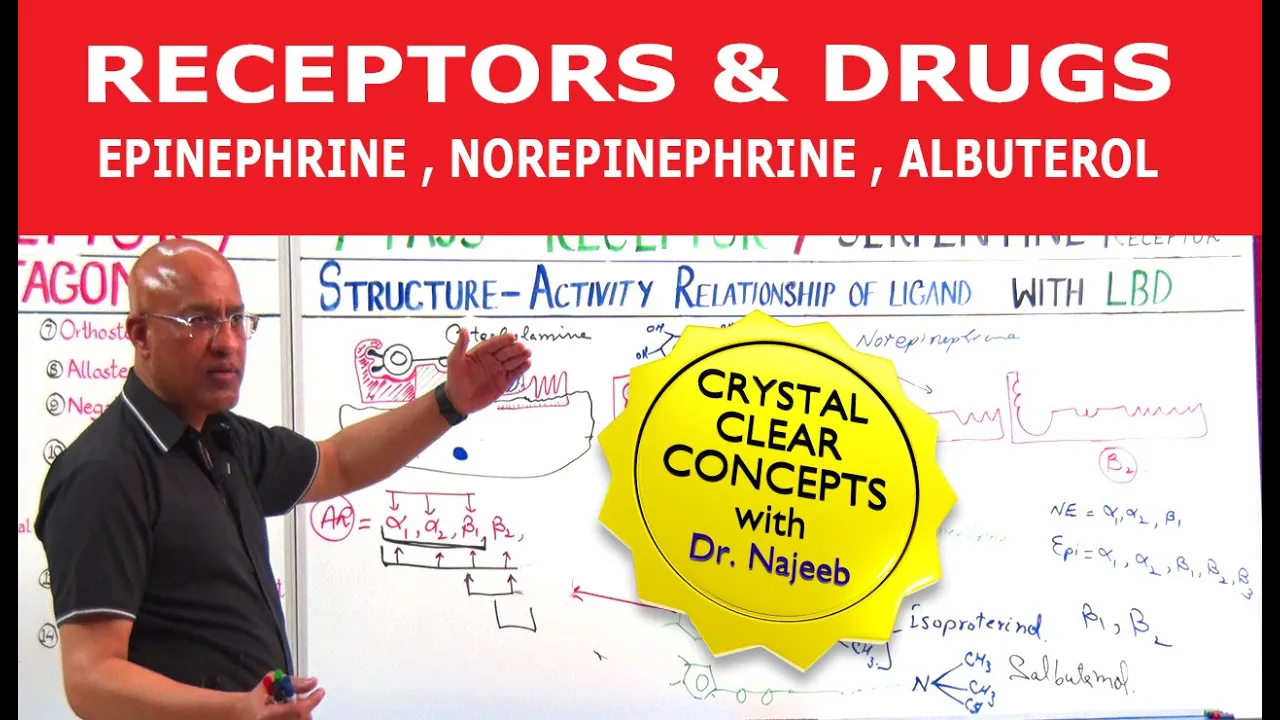
















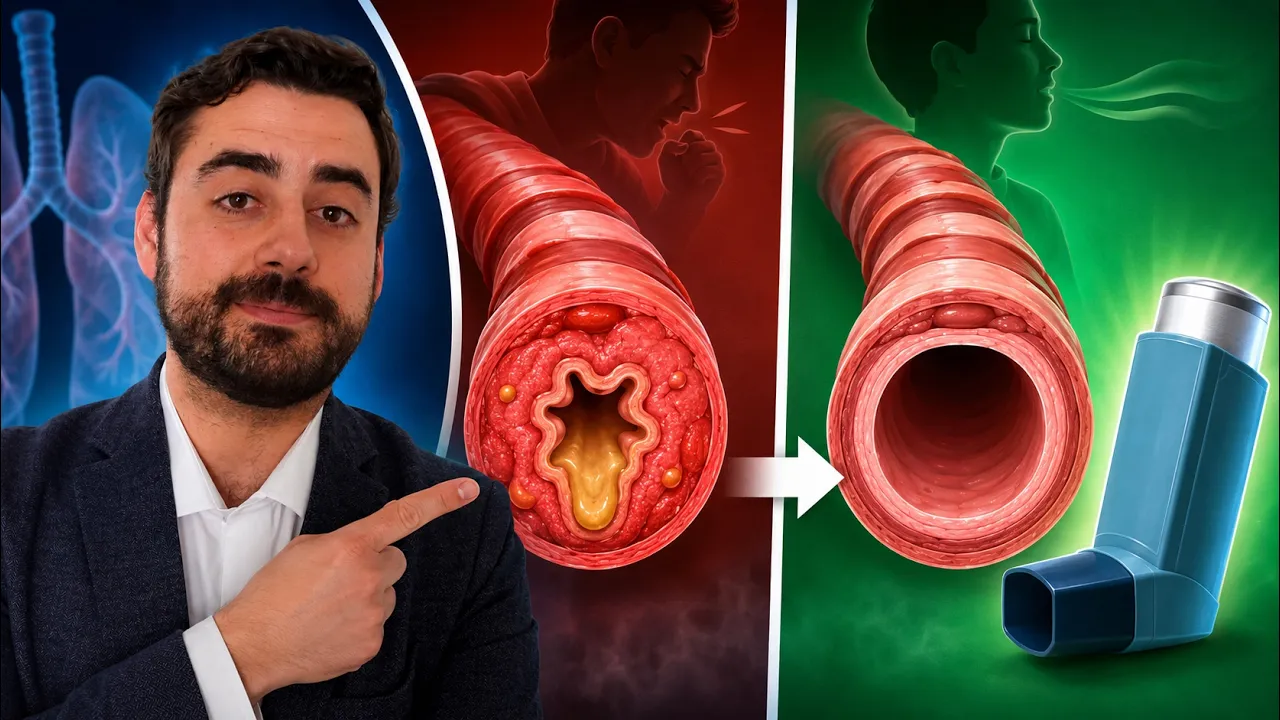




Short-Acting Beta Agonists (SABAs) like albuterol are bronchodilators that work by binding to beta-2 receptors on bronchial smooth muscle, increasing cyclic AMP which reduces calcium levels and relaxes the muscle, providing rapid relief for acute bronchospasm in asthma and COPD flare-ups; they are rescue medications used as needed during exacerbations, not as monotherapy, and should be used alongside controller medications for proper asthma management.
Short-Acting Beta Agonists Explained: Pharmacology & Clinical Use
Added:Basic anatomy and physiology of the respiratory system, specifically airway smooth muscle regulation.
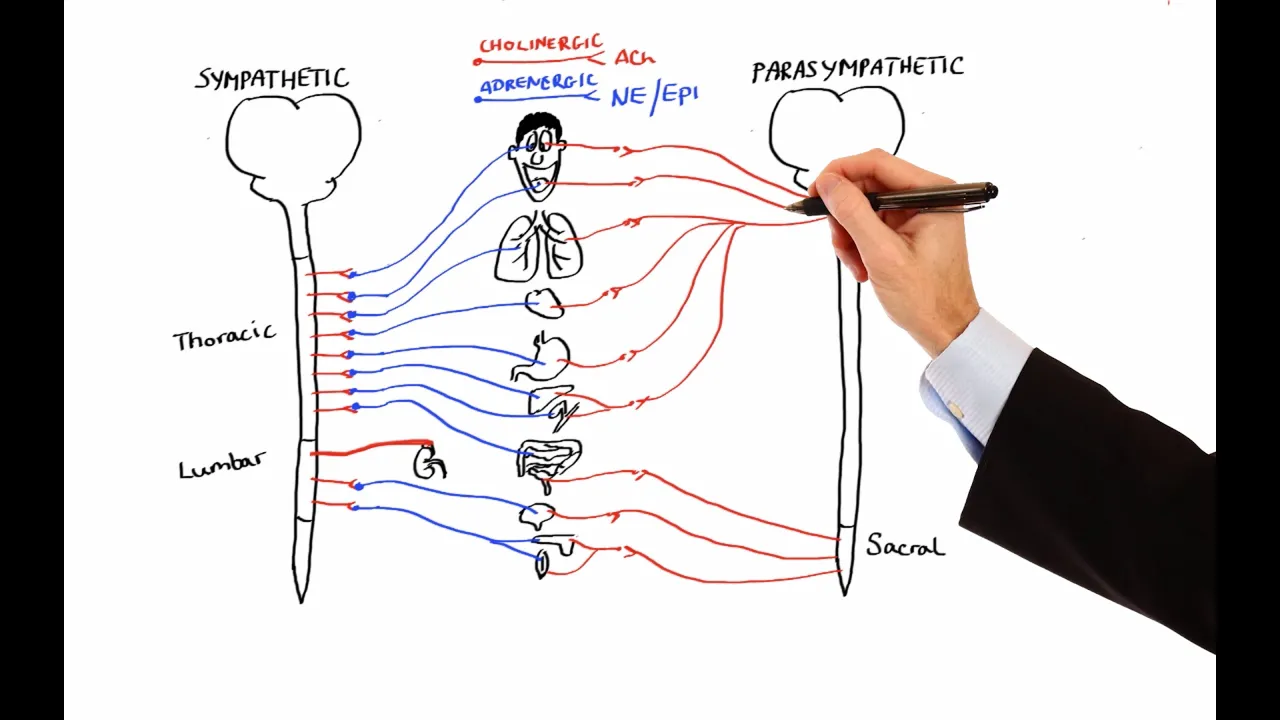
The structure and function of the Autonomic Nervous System (ANS), focusing on sympathetic adrenergic receptors (Beta-1 and Beta-2).
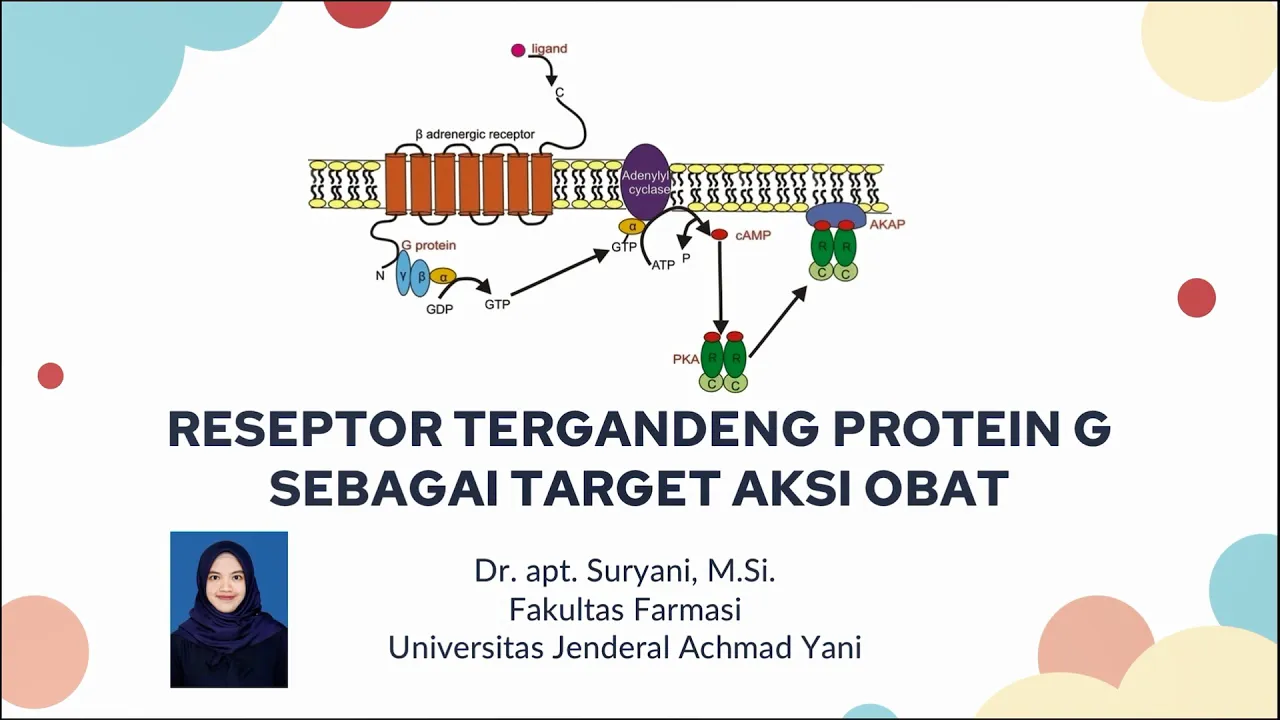
Fundamental pharmacology concepts including receptor-ligand binding, agonists, and G-protein coupled receptor (GPCR) signaling pathways.
An introductory understanding of obstructive lung diseases, particularly the differences between asthma and Chronic Obstructive Pulmonary Disease (COPD).
Long-Acting Beta Agonists (LABAs) and their contrasting role as maintenance/controller medications rather than rescue therapy.
Other classes of bronchodilators, including Short-Acting and Long-Acting Muscarinic Antagonists (SAMAs and LAMAs).
Inhaled Corticosteroids (ICS) and their synergistic use with beta agonists in step-wise asthma management guidelines (e.g., GINA guidelines).
Clinical protocols for managing acute bronchospasm and severe asthma exacerbations in emergency settings.
Practical patient counseling skills, including correct metered-dose inhaler (MDI) technique and the clinical management of systemic side effects like hypokalemia and tachycardia.
10.1K views13likes38:43Original Release: 2026-01-27
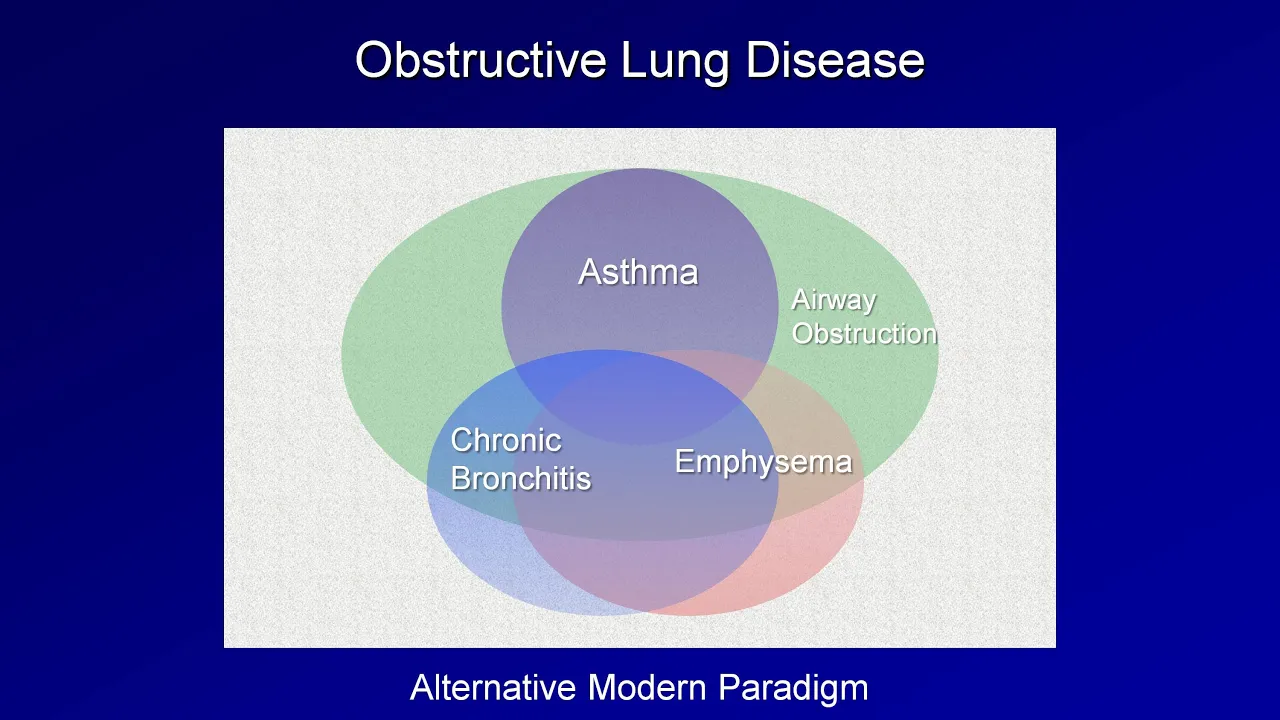
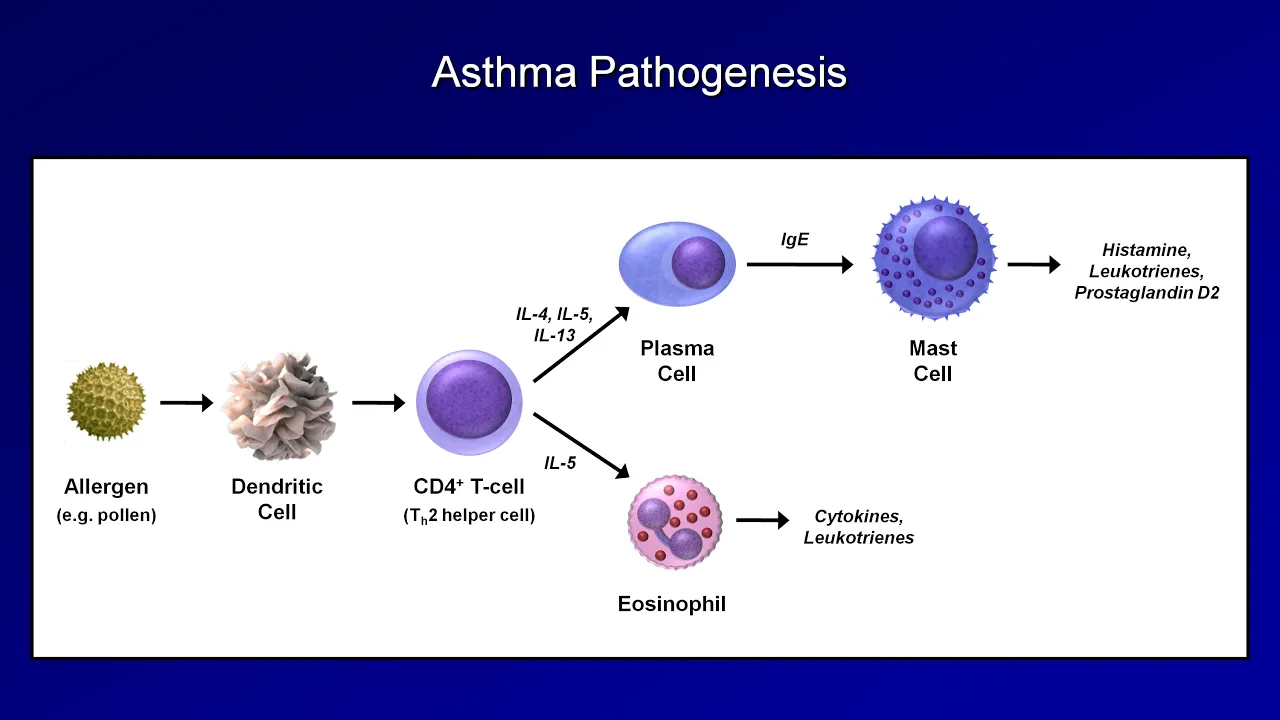
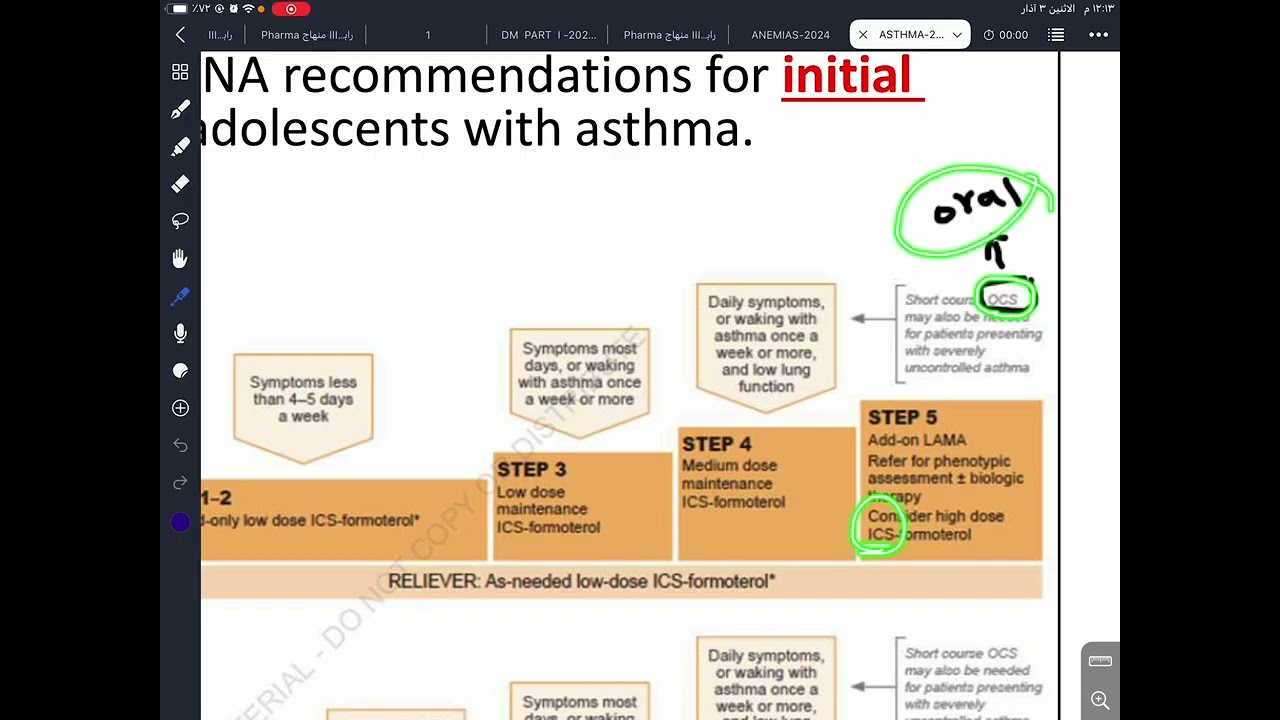
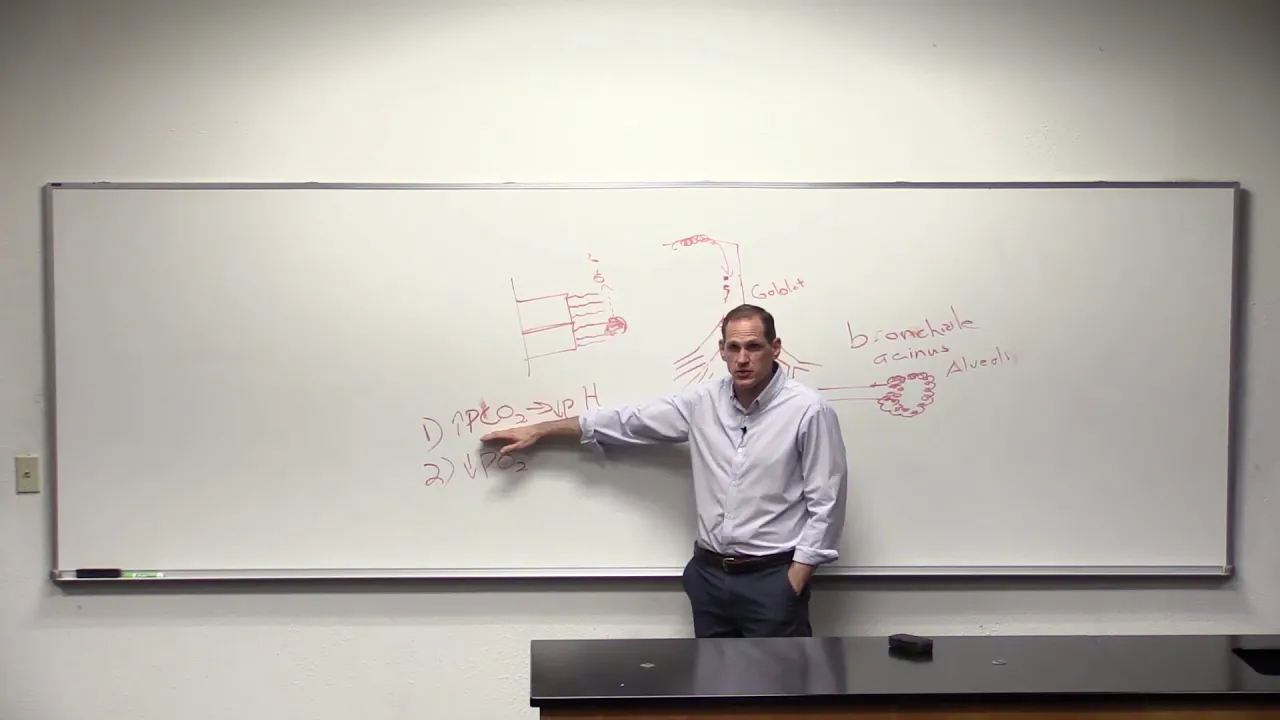
Well, welcome to this pharmacology drug class review on the category of bronchodilators with a specific focus on those short-acting beta agonists (SABA). You know the short acting beta agonists are well-known lifesaving treatment for acute bronchospasm leading to that respiratory distress as we've seen in patients with asthma and COPD. Furthermore, they also work in other life-threatening conditions that I'm going to cover. Hey guys, I'm Dr. Busti, thank you so much for joining me on This Is Why, a show dedicated to helping us as health care professionals really dig in and understand the why behind the decisions that we make. That includes pharmacology and the drugs that we use. Because when we understand the why, the how becomes easier and that mechanism starts to explain the therapeutic effects that we see, what we should be looking for, the side effects, modern parameters, and some of our counseling points. Now, as with all my drug class reviews, we cover core content. We hit the agents that make up that class, common indications and uses. Not all of those are FDA approved necessarily, but they're commonly still used off label. What is the net benefit? Why am I grabbing this drug class over something else? Get into the pharmacology. How does it work? Making that mechanism really come alive? And then transitioning that clinical knowledge, application, the clinical pearls. Okay. Okay. So when we look at these agents, we have albuterol. That's the obvious classic identified agent in this group. Now when I put that up there, this is the understanding that this is both the formulation with the R&R. The R anantimer is the active form. Okay. Um, Lev albuterol is just the R enantiomer, the R albuterol. All the manufacturer did is just filter off the S enantiomer and it just became Levalbuterol. Okay. Um, I included racemic epinephrine here simply because they are short-acting, and there is some beta agonist activity. Now epinephrine also interacts with other receptors. Okay, including alpha receptors, beta 1 receptors, but I I listed it here just to be complete. We're not going to spend much time on it in this particular lecture because we're talking about in the context of mainly asthma, COPD. And then lastly, we have terbutaline. Also, again, I'll talk about it intermittently, but terbutaline is kind of one of those older drugs that has fallen down in its use and acceptance in clinical practice. A lot of potential side effects because we're typically administering it in a fashion, in a manner that is systemic. So, we get systemic manifestations as a result of using it. Okay. Now, we're going to pivot over to the indications and uses. And this is where I'm going to mention a few of the non-traditional things that we don't think about or always think about when we talk about asthma, COPD. Um, but it's important that these drugs are understood in their context outside of that. So, you can see here obviously asthma they are used, but it should not be as just PRN like it used to be historically where patients you know that may have been the only thing they were given. I still see to this day patients only on a short acting bronchodiilator like this and that is inappropriate for asthma. Remember the main state of treatment for asthma that we'll see here in a minute is really centered around the use of inhaled steroids. Then you add on beta agonist so that we treat the underlying problem mainly COPD. There are some patients that we'll see here in a minute that have symptoms and manifestations of hyperactive airway disease. It mimics asthma and and again this would be where patients can have overlap and they have inhaled corticosteroids or they benefit from one agent over another. Okay. So we typically think of antimuscarinic drugs okay or muscarinic antagonist anticholinergic drugs as being the mainstay in COPD. But there is a role for obviously albuterol in the acute phase. And then third is that exercise induced bronco spasm. It can relieve it if it begins to happen in patients participating especially in aerobic activity where their minute ventilation is causing some irritation. Then there's that last bullet where some other causes. Okay, bronchospasm from anaphylactic reactions. And that is really important, right? Next would be probably the other one is Croup with some stridor trying to do everything we can to relax that. That's where sometimes that racemic epinephrine is commonly used to reduce the constriction of those vessels trying to maximize the airway opening in that in that small airway in a pediatric patient which typically has more croo than adults. And then the other one is hyperkalemia. Um, patients with uh come in with their their potassium over at five, maybe they're having EKG changes, maybe they're not, but we've got to be able to sometimes drive that potassium back into the cell. And one of the ways that we do that is with albuterol. And then lastly, there's tocolysis. Basically, pre-term uh labor symptoms. I put plus or minus there because it's really not recommended. uh there may be more harm in doing that because again you're exposing people it's usually a subcutaneous injection. You're exposing people to systemic beta agonist activity. So they get tremors, tachycardia that can lead to other other problems. U and we typically don't want that to happen in pregnancy. But if you end up using it uh just realize that it should be very limited in its use. Now I like to put tables together and I like to talk and teach about drugs in the context of the disease at a basic level. This is obviously not a disease state review but I put this table together which is available at thisiswhy.health for you for free download. The link is for this episode is available in the description if you're watching this on YouTube or if you're on Spotify, Amazon or Apple for our podcast channels. it's there for you to be able to access that for your own personal use. Feel free to share it. This is looking at what are some of the variations and characteristics between asthma and COPD recognizing there is some overlap which I'll talk about here in a second. But the cell type in asthma it is eosinophils, COPD it's going to be neutrophils. Those neutrophils in particular are going to cause a lot of more inflammation damage and remodeling of the airway. Why does all that matter? because the underlying airway activity problem influences the bronchodilator response in row three there. So you see the asthma typically has a better bronchodilator response especially with these beta agonist than COPD patients. That doesn't mean COPD patients have none. It just means it's less and that has to do with the hyperreactivity the spasms that is occurring at the level of the bronchiole. And then of course asthma's main state of treatment is that inhaled steroid, treating the underlying mechanism to control those eosinophils. Whereas in COPD there's limited benefit unless they have overlap syndrome. And that's what I wanted kind of to show you next. So this kind of Venn diagram is meant to say okay there are things that overlap and share some of those qualities. Why does that matter? Because some patients may need extra drug therapy or certain combinations, because that's their underlying problem. And the way we know that in some respects is their symptoms. As we add on, takeaway, do things with their medications, we we try to tweak it to maximize their quality of life and the reduction of their symptoms. But you can see that on the top one there's asthma. On the bottom two circles there, there's chronic bronchitis, which is usually the earliest phase of COPD. and then which are then left untreated constantly being exposed there's that remodeling that occurs that leads to emphysema but if they overlap that's something called ACOS asthma COPD overlap syndrome where patients can res benefit from one agent over another okay now let's move on to our what is the net benefit of the drug class then why would I pick this agent uh or this class of drugs and compared to something else. Well, remember this is nice to have something as needed. When my symptoms get flared up even despite being on those preventative or maintenance medications, it's good to have that because patients will have eczema or asthma exacerbations or COPD exacerbations and they need something to provide a bronchodilatory effect when they need that. In the context of hyperkalemia, the net benefit is that it basically changes the location of that potassium in the hopes to temporarily provide you transition time until you get to dialysis or find some other way of eliminating the potassium maybe out through the bowel. Uh but you got to shift that potassium into the cell. Remember potassium is the major intracellular cation and so in uh albuterol is known to turn on those transporters that drive it in. But remember it can be doing that can be harmful especially with EKG changes already present from the hyperkalemia. So remember they get those peak T- waves. I mean not just peak T- waves by the way that's what we classically teach but they have a lot of variable uh effects on their EKG. So that's where we would typically before we drive that potassium into the cell we would give calcium and then we would administer the albuterol or if we were using insulin dextrose conic combination we we would use the calcium first to stabilize the cardiac membrane as we drive this positive cation into the cell and change electrical potential inside of a heart that could be bad. All right. Now, we're going to pivot and move into uh the pharmacology. But in before we jump into the the the mechanism, which is important, we need to make sure that we understand some of the basic uh lung anatomy um and some of the physiology that is happening there because the reason it matters or the why is that if you don't get the drug to the sight of action, it's irrelevant. sitting in your mouth is not going to help you down in the area of the bronchi of your airway. So this diagram that I'm showing you here shows the kind of the visual of the oropharyngeal area going into the trachea down into the lungs. But you'll see a lot of like ring-ike structures as you go through that extend many and many of the branches on both sides of the lung. And those are cartilagynous rings and they're rigid and they hold the airway open otherwise you would die if they spasomed. So those are important anatomical features that yes there can be some swelling and mucus production in that area but they're not going to collapse typically because of those cartilaginous rings. But when you zoom in at the very distal end so you got to get way deep down into that lung field. you get to the bronchioles where there's the smooth muscle tissue wrapping around that airway and that relaxation contraction of that smooth muscle especially in the acute is what regulates the air flow in and out of that bronchial. Where's it going? Well, it's going to the alveoli. Why does that matter? Well, because when you zoom in on the alveoli there's a lot of blood vessels coming in because you've got to carry deoxygenated blood to the alveoli to get oxygenated from the air you've breathed in. But you also have to expose the alveoli to CO2 that was delivered from the cells after their metabolism as a byproduct. And you need to be able to get rid of it. So there's something called oxygenation which is that air coming in and being able to diffuse across the membranes into the blood passing by. But you also have to facilitate ventilation, the removal of CO2 because if you retain CO2 in the blood, you're going to facilitate a shift in an acid base disturbance and put the patient in a hypercapneic state which can increase their risk of acidosis. Well, okay. So that's fine. Dr. Best, why are you talking about all this? Well, because if I occlude or spasm this airway at that very distal end because I can't get the drug down here by whatever method or formulation I'm using or I don't have the underlying right treatments on board, then I'm going to reduce the airway flow. So I will reduce oxygenation, but I will also reduce ventilation in these patients. And so we get both hypoxia with retention of CO2 putting the patient into more respiratory distress. And this gets worse as time goes on. That's what this visual is trying to show you. So in the normal otherwise healthy airway, we have that relaxation contraction depending on our needs. Okay? Uh you see that the mucus area, the smooth muscle tissue is relatively normal in size. But as you start to have inflammation and irritation from uncontrolled asthma in particular, you get this swelling and edema. And so that airway, the lumen of that airway is now smaller. So less air can get in. And if t's hyperreactive, it spasms. And so you've got to get the drug way down here in order to relax this. And the problem is is as it gets worse then you start making more the inflammatory cells kick in start making more mucus and that's when they can develop obstruction. That's why asthma is an obstructive airway disease. The constriction followed by the secretions obstructs the airway and there's no air movement going distal to that point trying to make it to these alvei for gas exchange. So you air trap whatever's stuck in these alveoli. they get trapped in there the air so it can't get out and then the gas exchange going by is not happening because there's no concentration gradient being created and so you reduce the oxygenation to the blood and you reduce the removal of CO2 okay uh in COPD patients they go through phases again that chronic bronchitis phase where the tissue really just is irritated makes gobs of mucus right and over time if left untreated evolves into a remodeling of the airway that causes damage and those airways lose their compliance and strength and they just collapse and so they trap air in though it's an obstructive airway disease as well. But the reason that it obstructs is different than an asthma. And that's why it's important to recognize the difference and to have these visuals because when we are administering these medications, we have got to get it down here. Sitting in the oropharynx is not going to do you any good. Now, once we get it there, it's got to bind to some receptors on those smooth muscles to create the bronco dilation that we're seeking. Okay. So what is that? Well, R albuterol remember is the active form. It's the active enantiomer. The S enantiomer which is mirror image of it is the inactive. It does nothing. All right. And so that's where levalbuterol this is basically levalbuterol. Okay. It is the R enantiomer isolated. So it binds to this beta 2 receptor which turns on adenylate cyclase which is an enzyme that converts ATP and and facilitates increases in cyclic AMP that drives up our protein kinase A activity and the effect on that is that it does two things. It reduces the phosphorylation of myosin which is necessary to interact with actin to contract muscle but it also reduces the cytosolic calcium concentration. So it has two different very important effects inside that cell and that recauses an overall decrease in the interaction of that actin myosin in that smooth muscle and so it relaxes. It breaks the spasm. It bronchodilates because of that net effect on those two things. And the reason I spend time talking about it is that you if you memorize a drug as being oh it's just a beta 2 agonist. Well, that doesn't tell me how it works. That tells me what it receptor binds to or the class of drugs. But why does it cause bronco dilation? That is what that mechanism is trying to show you is why does it translate into a relaxation of those bronchioles where there's no cartilaginous rings at where we get the desired therapeutic effect that we need that improves the symptoms of the patient. And that goes back to the very thing I said at the beginning. When you understand why you do what you do and why something works the way it does, the mechanism then makes sense of the therapeutic effects that we're looking for and then the side effects and monitoring parameters that we have to consider. Now I want to take a moment and talk about the structures of our albuterol. Um so when you order regular albuterol and whatever whether it's nebulized form or a meter dose inhaler you know type of formulation it doesn't matter it has the the albuterol has an R and an S enantiomer in it. So when we look at the R enantiomer which is what this structure is for albuterol it is the active one. The S enantiomer is not helping us. We should technically remove it but this drug's been around for a long time. So the drug company basically filtered off the S enantiomer formulated it as only the R&R called levalbuturol and that drug is the active form only there's no s an enantiomer in it so it's literally half the dose or half the concentration of plain old racemic or albuterol okay and so when you look at the structures they're identical because they are so if Someone tells you, "Oh, Levalbuterol is better than regular albuterol." That's not true. There's no ounce of evidence at all that proves that. The totality of the evidence actually says there's absolutely no difference. And in some respects, if you look at the product package insert, Lev Albuterol has been reported to have even more side effects. Go figure. Okay. So, I I drive that point home because a lot of people get this thing confused. They've they get they they don't understand the evidence. They don't understand the mechanism. The medicinal chemistry just that level alone makes that clear. Okay. All right. Now you are affecting receptors. Blood vessels have beta receptors in them as well. Okay. uh when you activate beta 2 receptors in the vasculature that can cause some vasodilation which is why beta blockers cause vasoconstriction and are not really great blood pressure lowering medicines for that reason. Okay. When you couple that with the drug being absorbed in the body a little bit even though you've inhaled it, they can also activate beta 1 receptors in the heart but also beta receptors in the kidney. that matters. Like why does that matter Dr. Busty? Who cares? Well, because when you activate the beta 1 receptors in the kidneys from systemic absorption, you release renin. And renin then turns on the renin angiotensin aldosterone system (RAAS) that leads to sodium water reabsorption that increases plasma volume and raises your blood pressure. Stimulation of the beta 1 receptors turns on your pulse. Both of those two things together can raise your blood pressure and affect pulmonary vascular flow. And so they're actually coupled together, this can lead to um increases in blood flow through poorly ventilated uh lung and may actually theoretically cause a little bit worsening of the hypoxia initially. Okay. Now this is only usually at the beginning and then it typically goes away. But it's a it's an aspect of the mechanism that becomes important once you start absorbing the drug systemically. Now I mentioned racemic epinephrine earlier at the beginning. I said I wasn't going to spend that much time on. I'm not u because it interacts with other receptors, alpha receptors, beta receptors, both beta 1 and beta 2. And so its beta 2 effect is the reason we use it in anaphylaxis. We're primarily trying to bronchodilate them. But if they're hypotensive, then we also get that alpha stimulation that raises their their blood pressure. Well, in CORO patients, which are typically pediatric patients, their their airways are small, really tiny, and we don't need engorged blood vessels in that already engorged edematous, inflamed airway from the infection. Okay. So we give these racemic epinephrine which will bind to alpha receptors will vasoconstrict those blood vessels and that reduces the airway edema theoretically and that's one of the reasons why we use it in there to reduce that subglottic edema that is causing their predominant symptoms and respiratory distress. Now in the context of tocolysis remember again I put the plus or minus here um you're relaxing smooth muscle in the airways of your lungs. Yes, it will work to bronco dilate but it also relaxes muscle in other places and that's why people consider it or think about it and historically have taught it to be used in to as a tocolytic basically patients in pre-term labor their their uterus is contracting muscle the myometrium is contracting of the uterus and so we can relax that just like we would relax it in the airway. Uh this is again ad ministered in a parental formulation usually subq and we should only do it if we're going to do it at all because you really don't have anything else or you're there's some reason you need to delay and the benefits outweigh the risk. But most of the evidence would suggest and most experts say we shouldn't really be using this. This is not our main effort to be tool for a tocolytic. All right. Now again we're kind of thinking about the therapeutic effect when we think about it in context of asthma of these broncodilators. I told you at the earlier in that table that asthmatics have a hyperreactive component with a decent or better bronchodilatory response than COPD patients. And that's true in the context of asthma. We have criteria that tells us on a when we're doing pulmonary function test if they have an adequate bronco dilator response. And I've defined that here for you. there's usually a change in the FEV1 or FC by 12% from their baseline before the bronco dilator is given or or at least 200 or mls or more of airflow improvement after giving the bronco dilator. So that is a positive bronco dilator response that we desire and helps us to know this patient has hyperactive airway disease and they are going to respond. The only way you know that is a pulmonary function test. And again, so for patients with ACOS, that asthma COPD overlap syndrome, that's where it becomes a little bit, you know, hard to um to know until you do these tests. Okay. Next is um receptor crossover and the risk of tachycardia, blood pressure elevation. I've kind of alluded to this a little bit, but no, very rarely are drugs, especially that interact with receptors like this adrenergic receptors are they pure only beta 2 only this remember. So when you give enough drug even of albuterol which is preferentially a beta 2 agonist you will get crossover binding to beta 1 and that's why patients will experience palpitations or an increase in their pulse. They will also increase t have tremors and anxiety sometimes and feel like anxious. Okay, that is the systemic absorption and the interaction and the crossover to those other receptors and that's really important to remember including also the kidneys where that renin is going to be released from the juxtaglomerular cells in that those JG cells of the afferent arterial going into that glomerulus they sense that that will trigger the renin angiotensin aldosterone system that will increase plasma volume but and and also known angiotensin two which comes from that activation is a potent vasoconstrictor. So you raise blood pressure. So that's why you can see people's blood pressure pulse go up after they've administered short acting beta agonists in any form. Obviously topical is going to be less than something like terbutaline okay or epinephrine that was given subq or IM. All right. Now we're going to shift over to the clinical knowledge. And this is where I'm going to really kind of start to dive in on the mechanics method of getting those drugs down into that airway. Please do not ignore this section. Do not bypass it. I cannot tell you how many patients do not know how to properly administer the medications that we prescribe. We as a health care team, nursing, pharmacy, respiratory therapy, pharmacy, and physicians all need to take the moment and reaffirm proper technique because that translates into getting the drug to the right location to exert the effect that we just talked about. Okay. So, we have a number of different dosage formulations that are out there. Um when we talk about short acting beta agonist, we're primarily over here in the aerosolized MDI with our pressurized and the nebulizer treatments, dry powder inhalers, whatever. This is just one example. It's not the end all be all. It's just trying to point out the different varieties of dosage formulations that occur. When do we want a you know a certain how to drug a certain drug to work a certain way? um when you use a dry powder inhaler like this, you have to generate much greater inspiratory flow rates to get the drug down to those airways. Well, sometimes in acute exacerbation or symptoms, you can't get a patient to do that. And that's where they get something to help propel the drug where they don't need the same inspiratory flow rate. In fact, they should use it a little less like slow continuous deep inhalation as much as possible so there's no oropharyngeal deposition or deposition of the trachea. But we want to get it down to those bronchioles. Now, sometimes the coordination and the timing of that is affected. And that's where spacers can be very helpful at holding that drug so that you're ready. You've blown out. We'll see there the technique here in a minute. And then you and then you inhale when you're ready to maximize the timing and the drug delivery and deposition to those bronchioles. I cannot stress that enough. And the other thing that I wanted to point out here is that there are a lot of people uh who unfortunately believe that the nebulizer is better. There is no evidence that proves that. Most of the evidence, the totality of the head-to-head trials and studies that looked at using a meter dose inhaler, even in acute exacerbation in multiple age groups, is equally effective and sometimes more effective than a nebulizer treatment, which is just spewing drug everywhere. Doesn't necessarily mean you're getting the right amount of drug delivered to the side of action just because it's on your face and making a bunch of noise and gas. In fact, it can get in your eyes and cause side effects. So, what is the proper technique recognizing that our patient might have nebulizer which they can't carry around with them to the grocery store as you know on their back, right? So, they have to have multiple dosage formulations. Well, they have to use the right technique for the dosage formulation that they're administering to themselves. And so, it varies, right? So you you heard me talk about the dry powder inhalers have a different inspiratory flow rate whereas metered dose pressurized inhalers (MDI) like these on this diagram here require slow continuous deep inhalation. So you remove the cap, you shake the inhaler, rotate it. Okay? And the idea there is to again maximize the pressure inside there so that the pressurized dose that's released is equal each time before you administer the medicine. After you've shaken it, you blow out. So you exhale the air and then you put the device up to your mouth. Okay? And then you begin to inhale and the propellant or the pressurized activation of that device is pushing the drug out and into your airway. And so it's expecting at the timing of that that the air is already flowing in so that it as it comes out it continues to move down and it's got to get way down here in those bronchioles. That's why I went and showed that to you. So there's different techniques even of how you put it up to your mouth in that step. You can see here in this one where the mouth is open and the if the propels out into the oropharyngeal that is appropriate as long as your lips are not blocking the propellant or the pressurized activation and release of the medication. And then there is the method of wrapping your lips kind of around the outside again not occluding the opening. So, you have to be careful in both. They're both appropriate ways to do it. People go to the nebulizer simply because it seems easier, and it is. There's an element of putting it in there, put it on your face, walk away. But the reality is all this gas that's floating around here is getting in this guy's eyes. It's getting out into the air. It's it's bronchodilating the the drape over here and and the pole. No, I need it down here inside that guy's airways. So when when he has got to be bringing it down in there appropriately. So he has even the technique of slow continuous deep breath in and blowing it out is really important to get that drug down there. Just putting something on someone's face doesn't make the drug work better. You still have to do something. And that's where for using a a a spacer is so important. But it's inconvenient to carry that thing around. I mean, who's going to put that in their pocket? Even in a purse sometimes. I mean, you know, there's a lot of things sometimes in purses. So, it creates difficulty. So when we come back, when we get the drug in, whether it's by nebulizer or pressurized canister, we then need to hold our breath at step five for at least 10 seconds. And that allows the aerosolized drug to deposit on those bronchioles where they're going to work. We don't want to just blow it right back out. We got to give it time to deposit on the airway. And that's hard when you're having acute shortness of breath, isn't it? Right. And then when you blow it out, you blow out slowly. So it's not these extreme movements of air that people It's like kind of shocking sometimes to watch people inhale. Like the more dramatic it is, the more effective. No. Right. Proper techniques. Now when we get a and we're using short acting in the most common context is acute symptoms exacerbation. So is there a maximum dose? Well, not really. You just keep going until either the symptoms resolve or they develop side effects, right? But clinically, remember as the bronco spasm increases, the severity of it, that swelling of the airway goes, it's harder. You need more drug to exert the desired duration and effect of bronchodilation. So it makes it harder. And that's even worse if they're already on a long acting beta agonist at the time you're trying to administer because there's receptors are occupied. So sometimes we do have to use much higher doses and repetitive or even continuous nebulized treatments for that very reason. Now I mentioned Levalbuterol and I mentioned that because they remove half of the drug that's not active and they just keep the R in the product. It's half of the dose. You know there's really no again evidence when you look at the totality of the published studies they do not say that lev albuterol causes less side effects. There was one particular study that suggested that but that is not consistent with all the other studies. So the story was inconsistent concern of potential internal validity uh of that study. Do we have something available over the counter? Yes, we do have options that have uh utilized racemic um epinephrine. I know that sounds a little crazy but sometimes patients don't have access to things and you know it this can save their life. There is a meter dose inhaler. Primitine mist. Uh Asmanephrine is another one of those. It's a bulb kind of nebulizer uh device that you can technically get without a prescription. It's not recommended. We don't desire this. Remember we don't want patients treating just their symptoms especially if they have asthma because that's not treating the underlying problem. They need to be on inhaled corticosteroid. If you're using this terbutaline for tocolysis, as I mentioned before, it really should not be used past 48 to 72 hours um you need to get that patient to the right location. This is not something you should be seeing used in uh outpatient ambulatory care practice. A lot of risk of tachycardia, cardiac dysrhythmias, sudden cardiac death, all these things is not recommended. You're also lowering um the the potassium. That's that's one of the things that we use to lower potassium in hyperkalemia is a high doses nebulized treatment uh with albuterol. So adverse effects we can see some temporary hypoxia because that redistribution of blood flow remember that goes away and improves. Uh we can see drops in the potassium because we're shifting it into the cell. Okay. This lactic acid levels here we're talking about is because of the small elevation and that uh effect on the hypoxia again it's not very common tachycardia because of that beta 1 stimulation right tremors because of the again systemic absorption and making people feel nervous. So from a lab standpoint and monitoring we do need to consider if we're using a lot of it right more in the acute setting we do need to check potassium okay um we do need to consider even AG if someone's really out of control but that's not really from the medicine but from a medicine's perspective it's at potassium with the short acting not with the long acting beta agonist the short acting ones and then really we're monitoring patients response their symptoms oxygenation ventilation right that's where sometimes we get an AG we're adding on drugs but they should not be ever used all by themselves in asthma patients with nothing else that's not appropriate management of patients with airway disease even even many respects COPD okay so short acting beta agonist primarily albuterol we have lev albuterol which is really just the active form of albuterol we have racemic epinephrine terbutaline okay these make up the short acting beta agonist and bronchodilators predominantly used for acute asthma symptoms bronco spasms even also including in COPD yes we also use them for hyperkalemia uh and nebulize form for to try to drive that potassium in and again historically some people would try to use it for tocolysis but it's really not recommended binding those beta receptors lowering the cytosolic calcium concentrations lowering the interaction of actin and myosin that causes that relaxation. Now, obviously, you can absorb it systemically. You get tachycardia, tremors, shakes. Again, you're driving the potassium down. So, all of these things, you know, are good and bad depending on what we're using it for. Sometimes they're desired, sometimes they're not. All right. So, I hope that helped you to put the kind of the perspective of short acting beta uh beta agonist and bronco dilators in the context of long acting agents and in the context of asthma versus COPD. Um, again, some of these images and tables are available at thisiswhy.health along with access to collections playlist that we don't have in other places. Um, there's also coupons there for um, board prep material if you're in need of that. So, I'm Dr. Busti. Thank you so much for joining. Again, never stop learning that why behind the decisions that you make and that we do every day and that we see. It makes sense of why we do what we do. You don't need to memorize things anymore. It sticks. And then you actually end up managing patients likely more effectively or at least that's my experience. So we'll see you next time. Take care.
Up Next

3:33
Body Plethysmography Explained | Pulmonary Function Testing Tutorial
@RespiratoryTherapyZone
38.1K views•2022-08-18

32:45
Memory and Long-Term Potentiation | Physiology | MBBS Exam Prep
@doctutorialsmbbs
307 views•2025-08-27

10:28
Neuroanatomy: Central and Peripheral Nervous System Divisions Explained
@AKLECTURES
136.2K views•2014-09-20
3:05
Stages of Labor and Vaginal Birth | Childbirth Animation
@nucleusmedicalmedia
52.1M views•2017-08-18
Related Study Plans & Knowledge Roadmaps
Structured learning paths in Medicine
medicine
Interpreting PFTs: Spirometry & DLCO
01Respiratory Anatomy and Physiology Foundations
02Spirometry: FVC, FEV1, and Flow-Volume Loops
03Lung Volumes and Plethysmography
+ 2 more learning modules
12h5 modules
Explore Roadmap
medicine
Abnormal LFTs: Diagnostic Workup & Pathology
01Liver Anatomy and Basic Physiology
02Introduction to Liver Function Tests (LFTs)
03Hepatocellular vs. Cholestatic Patterns
+ 3 more learning modules
12h6 modules
Explore Roadmap
medicine
Analyzing Blood Smears: RBC, WBC & Platelets
01Introduction to Blood Components & Smear Preparation
02Normal Morphology of Blood Cells
03Erythrocyte Pathologies & Morphological Variants
+ 2 more learning modules
12h5 modules
Explore Roadmap
medicine
Mechanical Ventilation: Waveforms & Alarms
01Anatomy and Physiology of Breathing
02Introduction to Mechanical Ventilation & Core Modes
03Ventilator Settings and Waveform Interpretation
+ 2 more learning modules
12h5 modules
Explore Roadmap