











![FILMMAKER REACTS: FOR HONOR [ALL CINEMATIC TRAILERS] + [BREAKDOWN!!]](https://i.ytimg.com/vi/xh45YJgO_x8/maxresdefault.jpg)


![[알릴레오 북's 51회] 이제는 공감시대 / 공감은 지능이다 - 장동선, 이항심 편](https://i.ytimg.com/vi/fcr8vnxLVIY/maxresdefault.jpg)




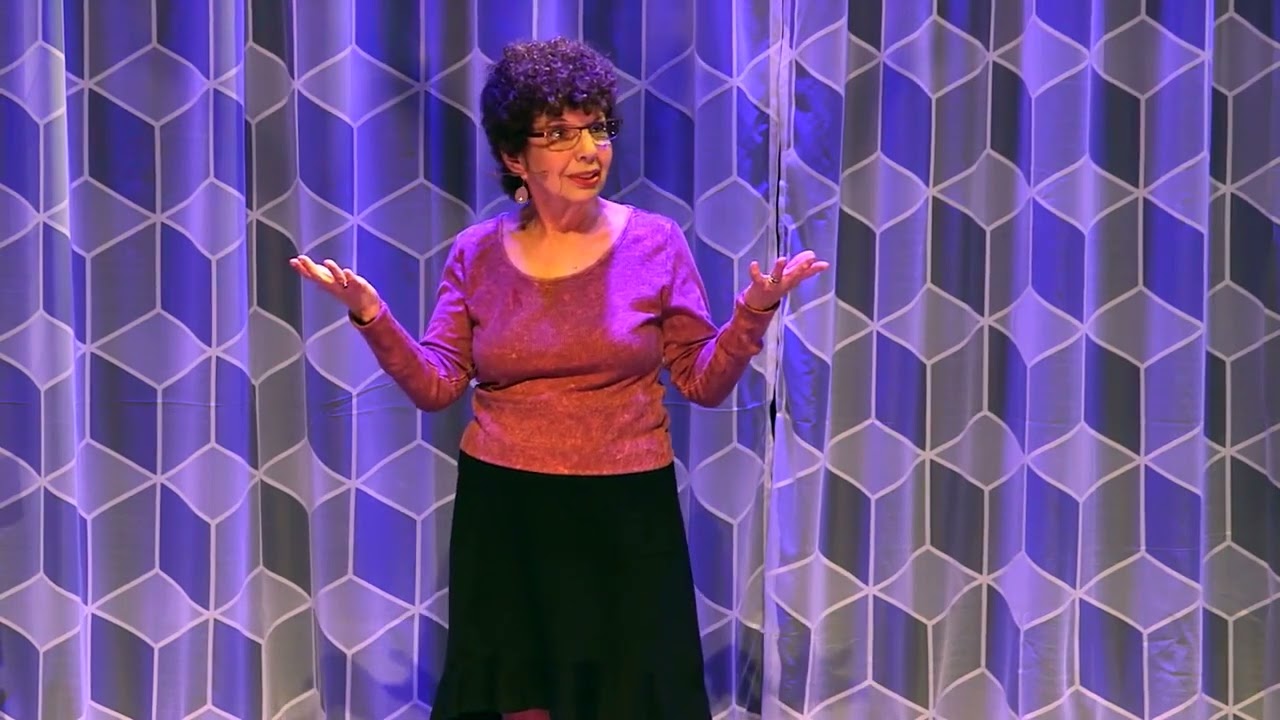
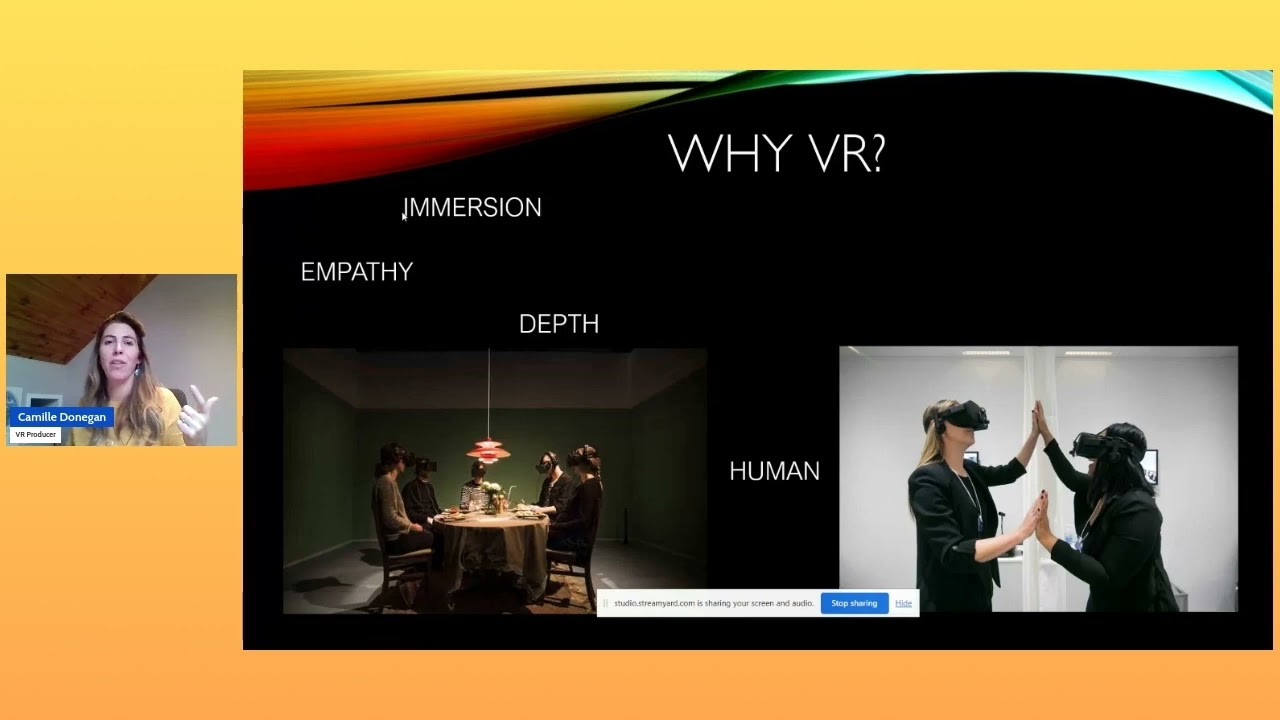
Kinesthetic empathy is the capacity to physically feel another's movement through one's own body, requiring conscious willing to step into another's movement experience; this phenomenon, rooted in phenomenological distinctions between the physical body (automatic biological functions) and the lived body (conscious experiential self), can be evoked through video by connecting abstract movement qualities to viewers' bodily awareness, with research suggesting that abstract video without representational content may offer unique pathways for developing this empathetic connection.
Kinesthetic Empathy in Video: A Research Presentation
Added:Basic concepts of phenomenology, particularly Maurice Merleau-Ponty's theories of embodied perception and the lived body.
The foundational definition of 'kinesthetic empathy' as understood in dance studies and somatic practices.
Introduction to media studies and film theory, specifically 'haptic visuality' (the concept of looking at images in a way that triggers a sense of touch or physical presence).
The distinction between representational and abstract video art, and how non-narrative visual structures communicate meaning.
The cognitive neuroscience of empathy, including the role of mirror neurons in visual and motor simulation.
Advanced screendance (choreocinematography) analysis, exploring how camera movement and editing mimic physical choreography.
Application of kinesthetic empathy principles to emerging technologies, such as Virtual Reality (VR), augmented reality, and immersive media environments.
Practical experimental video production techniques aimed at deliberately evoking somatic and physical responses in audiences.
139 views2likes59:24Original Release: 2019-11-18
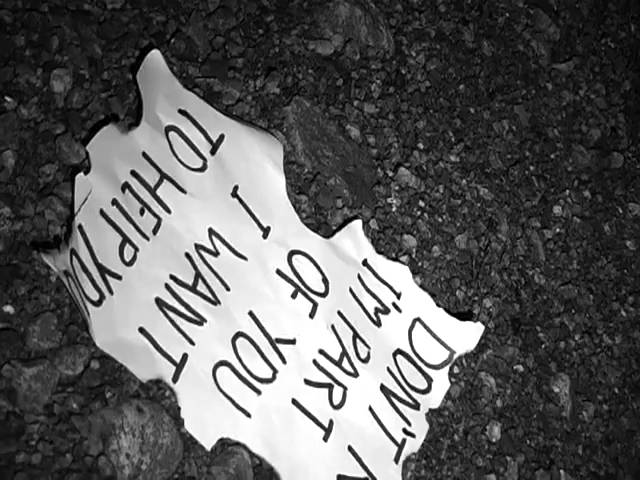
hi everyone I'm Valerie Underland I'm a dance artist and also been involved in video for years yeah a student here doing my writing my thesis and involved in various kind of fields in the video from vjing performances I'm together we have this project called la ya la which in English means gesture it's our research project about the videos video images possibility to evoke kinesthetic empathy in the spectator this is the very first tips of our project we have started it this year and this lecture is also the first ever in this presentation so some words might be there kinda we have given ourselves like three main focus points for our research where the first one we want to extend and extend knowledge about the development process of kinesthetic empathy and this we are very focused on finding how it works in video and especially in abstract video this is where we are now in the first stage in the future we hope to develop concrete tools that we can share for other artists that they can detect and detect how kinesthetic empathy is happening in their bodies and then we also hope to find new meeting points between choreography since we both have I'm like dancer choreographer and video maker and Neil money's involved strongly in video so we hope that when we brewing the same not long enough we will find like new meeting points for example how video and performance could be more immersive or chorographical so next we briefly explained kinesthetic empathy first keenest kinesthesia and then empathy and after that show little example videos and which we can talk together also and yeah to understand and to go deeper into kinesthetic empathy we are observing the kinesthesia and empathy like a first separately and we view kinesthesia from we have focused to view it from the phenomenological perspective and from the way it is used in dance and a little bit about the phenomenological perspective yawn apart we are in the researcher from Tampere University says that kinesthesia refers the functionality of human body and its ability to experience movement and next next type tried to go briefly a little bit deeper Edmund who sir the founder of the Phenom illogical movement divides body into the physical body and leave the body the physical body is organic biologic and physiologic me Canada atoms and this physical body works regardless of my will this leaved body is part of the body who feels and experiences a physical body this leave body we are aware of the lived body and live body is the one who perceives and is being perceived and live body detects and it's been detected like I can touch and I I'm being touched and for example my breath works like despite my wheel like it's the wheel of the physical body but with the live body I can control the pace of my breath or something like this and so meaning the live body is kind of the conscious part of me can subject me and the physical body more is more object me and me we might refer to me if I say me or myself that's the lived body of myself and at most are the things that kinesthesia comes what is the next slide yeah kinesthesia comes before senses so kinda everything needs every sentence needs movement for them to work like for example my eyes the lens of my eye works regardless of my wheel but so it's part of the physical body but my a leaved body can focus and turn head and no so I can shut my eyes and be out of the figure this kind of visual world and it's the like it's this kinesthesia which connects my lived body and the physical body because there's this movement happening all the time in my body I can't be still I can't stop moving my liver is working my heart is working like I'm all the time world in movement yeah next in dance education kinesthesia is used a lot too for dancers to learn to access the physical bodies through their lived body and it wants to kind of widen widen the lived body in the dancers physical body this is this is done through for example in release technique or in movement research practices where many of the movements are learned by not by teachers showing how they're done like it's done in ballet you show the positions and then the students follow them but more that the teacher tells like lift your arm and then the dancer is eyes closed and they have to somehow figure out how would they lift their arm usually it can be also used in various like simple exercises like how do you shift your wife weight so usually it's like you just do it but when you actually observe how it's done you notice that there's very many different muscle groups in action so when the answer is like keeps on exercising on their lift body there get very much more skill and then they can easily access different techniques much more faster than mean other techniques the lights are very bright so this one more time like this I think I said almost everything I did I forget something nothing yeah yeah so next go a little bit through what is empathy hmm empathy is a relatively new word it has come up only in the beginning of 20th century and before that sympathy was used like in a similar way but nowadays like in this modern language we divide sympathy from empathy but empathy needs also a sympathy and polish philosopher Edith Stein who studied underneath who sir and later became his assistant as divided like the process of empathy industry steps and in the first step you notice the situation where empathy happens like somebody's feeling sad and you immediately feel that in your body or in your system and you might feel a little bit sad yourself this is unbelie-- stage the second stage you start to you step into the other ones experience and you feel the other ones sadness in here and this is voluntary step and then the third one you step out from the experience of the other and realize you are your own person and you have your own feelings but you are still like trying to understand why the other one is feeling sad this is also voluntary action so the first one happens involuntarily and the second - you need to actually willingly do and imagine yeah yeah and please ask if ya wanna ask anything or to faster so now the words together kinesthetic empathy yeah this was kind of like kinesthetic empathy it requires a willing act to step into the other person's movement and what they are doing it doesn't happen by itself so yes next one and then when the more the movement is resembles my own way of moving like for me it's easier to step into a dancer's body that moves similarly to me than to a gaseous body who is like trained completely differently but we are able to experience kinesthetic empathy towards any movement for example if we see it like this there's like in this end there's a human movement and then there's the dog movement and then there's the plant moment and we have nicely also dog here and then we have a plant here so it's easy different ways so for a human it's very super easy to understand human motions so when I move you are my you activate your like brain and you feel me moving when a dog moves you need to adjust a bit more to understand that okay they have paws and a bit like our hands and legs and okay now they move like that and now I somehow can access the kinesthetics of they're like little body but when it gets slightly more difficult it's like when we try to access the kinesthetics of a plant and then Edith Stein says that it is possible but it's just quite tricky and how we do it is through the observing the vitality of the plant like plant has first it's like a seed then it starts growing and then it becomes a big tree and then it dies and then it's chopped in the busy pieces and somebody peels the house about from it so for example this one we took it because it looks super sad and here you can notice I also used the word sad so I was putting some like motions towards the plants which is kind of a human way to understand things but it's like we realize like it hasn't maybe got enough water because I would probably look like this if I would be thirsty so if we give it foot water it might get better and then we have had this slightly like empathetic feeling towards their plant of course kinesthetics of a plant is slightly more tricky to achieve because it grows super slowly so it's hard to see the movement of it but we know it has it because we see the different stages for example in a year when feel leaves fall and so on yeah it's same kind of a process then we are growing and the plants are growing and we share vitality so yeah that way we have access to this plant yeah through this reliability your supply yeah how could I say but there we could also to the kinesthetic empathy to the last one add that it is also even though now I mentioned like examples that are living but we believe that it's possible to experience kinesthetic empathy towards any movement even to the movement of the like the paper when it's doing like this or folding or something yeah German researcher Thomas fouché maybe pronounced divides this empathy process in three steps primary empathy extended empathy and fictional empathy this primary empathise and Inter corporal Act which is implicit and needs like a bodily component it arises from like bodily contact and it needs some it needs like this loudest placing presents to happen and like when Laura smiles and I smile and this kind of a thing but this and in a extended empathy we push goes a little bit he doesn't talk about Stein so much but he goes a little bit further in these Stein's three steps that this extended empathy is perspective taking it's explicit and it's in conscious acted I'm just thinking this other person and or I'm I'm feeling that a person but I'm also asking why the other person's feeling this way and I'm it has the imaginative quality so you know it's the imagining involved already there which can be already seen a part of as virtual yeah I'm imagining myself being in the same situation and I'm imagining me as if I wear the other and I'm putting myself to the other ones shoes you could say so this extended empathy needs this imaginary azov structure I have too little bit imagine I mean the second stage the other person doesn't need to be present so it can happen through like a telephone call or something right maybe yeah fictional empathy oh this is like a truly fictional or imaginary which we can feel towards fictional persons or characters or even these non personal agents like whatever class in this we are not engaged in kind of bodily presence but for example in a film we can we can feel that this actors body like the actor is actually given for me but the role the actor is playing it's not actually given to me so I'm gonna I have to imagine this world or I have to imagine it's my imagination my shoulder my relationship to this role the actor is playing so in this sense this fictional entities a little bit one waiting I'm feeling this fictional character but the character cannot sense me but of course there are some parts that if we go very further we can interact with avatars or things like this so there is some interaction or interaction but yeah and yeah first things that this is the kind of how virtuality increases like fictional in towards the fictional empathy in the primary empathy we are in the same space in the bodily contact and in the fictional empathy happens in kind of virtual spaces or true virtual and yeah and should we say about how this fictional empathy like differences how fictional empathy can be it's like there's some good and bad qualities but like I can extend my empathy with this modern technology or digital technology I can feel empathy toward somebody totally somewhere else physics in another like in another physical space and maybe another time or so and this how this this way to kind of get them closer to me but this closeness can be also like a little bit it's not bodily close it's a phantom ice-t-- and it can be very easily broken but yeah at the same time this this fictional empathy brings me closer to the like people I'm not seeing and but also this only primary empathy can kind of free myself from these imaginations this fictional empathy needs to work yeah yeah we were thinking in this like having the example of like for example me I have grown up in a farm where there's like four people I see every day and that's it so my kind of the feel that I can feel empathy towards is very in a way narrow like that they all look like me because now there are my relatives so in a way when I move forward further then suddenly there's like people who look super different so then I have to kind of train my empathy to access more kinds of people but then you can train it like I did by watching a lot of movies so then you see there all these characters so you train different kind of experience that your mind not experiencing in your own life so when you encounter them you might have some like empathy training happen that happened in like TV show or something this is very naive example but at least I think I have learned a lot of empathetic skills from movies even though it's like super one-way in movies but just like that in Braille yeah yeah in in our research we kind of we have very much more as a simple simple division we have divided these things that directly experience and mediated experience and our we are researching this mediated experience of empathy but with this can Studies from direct experience because it has much more literature and it has much more research done from the this direct bodily experience yeah so now the second phase yeah and actually the second phase starts with a small like exercise where we go deeper into our body so it's exercise we all do by ourselves and I will try do my best to direct it for you so is there possibly to get the lights of it down thank you so let's first everybody close our eyes and concentrate to our breathing the process of breathing in and out notice how the air rolls in through your nose or your mouth to your throat and to your chest then take note how your chest during every impress it rises up and during every out breath it sinks back down notice how during every press you take actually your whole body is moving and now imagine how your breath and the air goes all do all the way to your extremities so you don't just take note on your chest or your torso but spread the air towards your legs and hands and few more breath breasts before opening your eyes glad [Music] [Music] [Applause] [Music] [Music] [Applause] [Music] [Applause] [Music] [Applause] [Music] [Music] [Applause] [Music] [Music] [Music] ciclistas ugly right so now we just randomly show with you four video clips without really saying anything before it yeah if somebody wants to comment or did you felt them through your body or with your body or okay yeah go ahead [Music] [Music] because the car yeah what more hoping a recruit dan we were born because you tell the story so that you get about the character and then yeah [Music] very much so Sofia and threating yeah you haven't really met [Music] yeah [Music] yeah yeah yeah the background pictures were not like random in our slides yeah yes I think the notion of somebody deserving my empathy is also interesting that we tried to control our empathy it's like the gifts that we give to the world like mr. ball these are my empathy and I tried to control my empathy into because I'm afraid of heights and when the bike video came up I like heard myself say it telling me I'm not part of this I said I told myself like literally inside myself I'm not watching this I was watching it but I was sort of tried to distance myself mentally physically psychologically from the protesters I was too oh this is one of those YouTube clips with somebody riding somebody crazy from Russian by doing something crazy but I'm not a part of this yeah we tried to like each other's okay imagining part about editing that's really hard to go with the the car video because it's edited so the movement upside is it out in a way for maximum effect yeah it truly needs a bit more yeah those kind of all those videos have these representative qualities like the first one has to space it's digitally made but it's resembles like a physical space so it's easy to like put yourself there and the second one was this vacuum so maybe everybody know but it's like how it goes they look like is a dude pillow pillow types of things and everything so kind of represented representative and and the third one would like documentation so like I don't where I can put myself in the place like I mean the in the middle of the kind of the happening so that the technology brings me to the very middle and in the car chase this technology technology like editing and camera things they are made so that I could be in the center of the happening if you compare to the car chases 50 years ago or even more they were like the outside but now this with new like a meta movements of the camera like shaking or putting some shape there or here and there and the makers of the wall move this movie or movies like total try to get get the viewer of the center of the Avenue yeah I think in their born click the thing that it's showing us is a quality of movement which is like speed so we can't really be born but we can feel the speed he's in so this is somehow I think used about especially is or this born serious movies that they are just like speed and telling how hectic and fast his life is yeah yeah yeah yeah I just mentioned that's like this this setting you were talking about the fear thing or something that this is kind of fun this a civ structure gives me it gives you or me at least safety feeling that I'm safely in my chair watching something like scary it is super scary for me but same time I'm in a safe safe space watching it and it has this little mixed qualities of feelings and yeah mixing the virtual and real what increases now watch this one are getting all the other ones I think we have discussed so much so maybe we can both of them we hope still 50 minutes yeah we have still 15 minutes so next we will watch they're born one again because like we believe that for example sound plays a huge role in our the way we access our kinesthetics so when we in this case when we remove the sound I don't want to talk anymore because I realize I don't want to explain it for you how you will experience that's you can show something about this I don't know yeah technology prema plays like a huge role like in this film SAR what we are kind of experiencing truths through virtual or video and what we've tried to do is often all the clips with and without music because it's like but you don't care about the car because mixing and but he's supposed to be like voluntary but the principle is anything start like removes the possibly having like sensor choice because they know just for this like progress so fast that you don't actually have time to or like a relationship with them they just kind of deal I think that this not like kind of tails you did becomes less about crystallization of ice with something and more about England manipulated by his water phone interesting is that when you left some out it became more abstract to neither I was I was more receiving it as a compositional thing like the flow of forms and different kinds of dynamics of things and others it was distancing me evolved for representation of the paris-dakar or Persian so actually I was feeling now more in a sense of the feeling of the movement this kind of visual needs to achieve as you mentioned this is it is to develop this capacity but catch our own attention so that's also won survivor strategy is that you are not moved by this material which is something that you should be also that is like this struck between physiology and you're like cognition so the moment you opened up your eyes you're playing with the light of course I mean there's all these physiological manipulations you do to bring me in a state of being receptive to whatever you feed me and I thought that this progression of input or stoolie was progressing and i really felt this moment where I was like this is too much and I bet you can feel myself disconnected mm-hmm so I'm curious about this I notice I'm a bit confused about the word empathy I'm not even sure if I got to an empathetic state but I am I wasn't a receptive state so I'm not sure if that's the same so so I'm curious whether you're with it I mean giving this exercise and making the process receptive how did that relates to the work because we really seem to analyze now the not wanting to let and we're student Lee in yes I got sensitized so it's like that's it's hard I might answer a little bit from this side that's not the right question because what we've been actually talking a little bit about because what what I feel that we are doing is sometimes I feel like we are attacking something that is very important to me like for me like the primary empathy of people sharing a space and feeling empathetic towards each other he's super important and as a dancer I find it like it would be horrible that if dance would disappear and we could only watch it through a video and or in virtual reality or something and we are kind of trying to find ways where that could be possible and still work but it needs that of course the willingness of the spectator to step into the play of like the play that we are proposing or the video we are showing that stepping into the play and the breathing is hopefully taking it to closer to your body so you can sense it through kinesthetics as not maybe only as an aesthetics or like historical image and in our research we kind of doing it this Bob bodily exercises to see what's what's in the video or what there is inside and what it with that what it has been eaten or and we have we have created them like method which we are not talking of so much now it's in the very first stages like how to form or how to do film or video in a way that it it's it's it's being perceived or it's kind of touching the viewers kinesthetic empathy so and the method goes like doing some bodily exercises then cooperating them kind of do the camera techniques or editing techniques and again in the space and putting the video into space and how this from the body to the video into space how this what is the process to get most out of the kinesthetic empathy okay so maybe this is the reason to do but it might've exercises yeah and yeah we are very much trying to analyze the movement itself so that's why we are going to the abstract video and like so open to me a little bit talking about that like the movement itself what is the movement we are which the watch we can feel kinesthetic empathy like removing the kind of cinematic empathy what Yahoo were a little bit variant toward some characters or fictional things and maybe we could show this yeah I just say one thing while you know look what a video like it's super interesting to realize like you are not probably like feeling empathetic towards the ball in the first video that we showed because there's so many balls so which boy are you feeling empathetic for but you're feeling like amputated towards the moment that the balls are doing and for me this is the interesting point when you can lose the object and culture straight to the pure movement now I use pure in a very white way okay I'm this one is some yeah let's look something abstract this sound or not Rick [Music] [Applause] yeah yeah giving you mean giving verge for these videos or our abstracting so the experience change of systems yeah no no easy at all yeah maybe we are not so much talk or research or dealing dealing with well dealing with the language of course and the hardness of the language but yeah maybe Todd these things yeah it's a similar problem that happens in dance like I I don't know how to describe this feeling that I'm having from this movement but then it might be similar but I feeling there in the back there just came into my mind if this is a research laughs like now I see that there's a kind of like that have you do you have like become acquainted with that with the neuro linguistic approach because that's merrily mystical NLP or such which was just like audio persons or visual or kinesthetic person that's like a basic level and for me this is a little bit like a problematic choo choo because always when I hear of course I'm a sound designer I was used one years but but you have a connection with the video and the kinesthetic and empathy pardon that one but if you had the audience it's a little bit more terrible I'm always I'm looking this one I'm basically I'm listening and that's something just like okay that's visual material but but the emotions are coming so straight from from the body part and that's also in a neuro linguistic that's that's like there is a like how you feel for something mmm so you saw my store yeah if you if you are related to somebody you start to make that's like kind of like a kinesthetic movement also if you are related and you want if you feel empathy for somebody you start making the same positions as as the person you're talking or something so so I don't know if you yeah well not soap and I like like this like what we were really a little bit showing how it's without the sound and we we really might really think that the sound is with profound thing in also in the visual way so the visuals need the sound yeah yeah but that's maybe the place we have to go in some point and yeah but we get the huge Krantz and everything we have the time and yeah because we believe that the like the sound has such a huge part so we kind of have we want to decide it's so easy to bring emotions sure it sound yeah I know in my in my like a my work with my another colleague we do this very much sound and video like we say the first video last video our our art and special things they are based on that the connection of the sound and video and I'm like that's my daily process just it's just about to say that if you were to have a really weird piece about dance a film Moulin Rouge the tango part it's supposed to be that the turning point of the film but it's really impossible to relate to its then the tango is cut out of it completely it's a musical video it's a funny addition to your list of all right fantastic yeah we have to I love the movie though yeah but that's that's why it's so annoying yeah but that big I think it gives the strength of the tango and okay but the suspense nothing yeah you can't really tell what they are doing yes looking at modern editing yeah it's super edited film yeah I think that's pretty much it's because we're out of time [Applause]
Up Next

3:26
Semiotics Explained: Signs, Symbols & Ferdinand de Saussure
@digitmatt
351K views•2007-11-04

164:01
John of Damascus on Holy Images: A Theological Defense
@BannedBooks
139 views•2026-04-25

68:32
Should We Destroy the Machines? Big Tech Surveillance Critique
@TheStoriesWeTell303
167.9K views•2025-11-30
4:57
The Myth of Sisyphus: A Greek Legend of Eternal Punishment
@TEDEd
8.6M views•2018-11-13
Related Study Plans & Knowledge Roadmaps
Structured learning paths in Philosophy
philosophy
Frankfurt School: Critical Theory & Culture
01Foundations of the Frankfurt School and Critical Theory
02Horkheimer & Adorno: The Critique of Instrumental Reason
03The Culture Industry and Mass Deception
+ 2 more learning modules
12h5 modules
Explore Roadmap
philosophy
Philosophy of Language: From Frege to Austin
01The Linguistic Turn: An Introduction to Language in Philosophy
02Gottlob Frege: Sense and Reference
03Early Wittgenstein: The Picture Theory of Meaning
+ 3 more learning modules
15h6 modules
Explore Roadmap
philosophy
Feminist Epistemology: Standpoint & Injustice
01Introduction to Epistemology and Feminist Critiques
02Sandra Harding and Standpoint Theory
03Donna Haraway and Situated Knowledges
+ 2 more learning modules
12h5 modules
Explore Roadmap
philosophy
Environmental Philosophy: Ethics & Deep Ecology
01Foundations of Environmental Ethics & Anthropocentrism
02Biocentric Individualism and Animal Liberation
03Ecocentric Holism and Deep Ecology
+ 1 more learning modules
10h4 modules
Explore Roadmap