














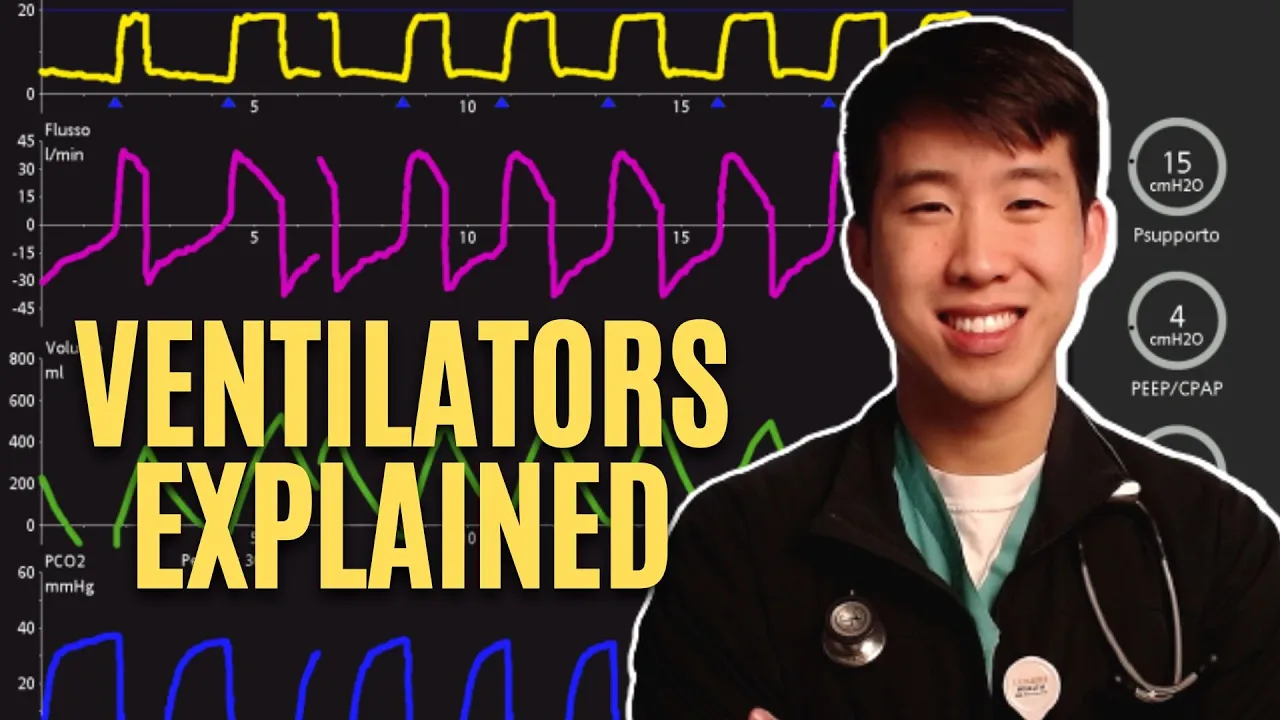



Ventilator settings include tidal volume (500-800 mL), respiratory rate (12-20 breaths/min), FiO2 (35-100%), and PEEP, which work together to deliver adequate oxygenation while preventing lung damage; the two main modes are Assist Control (AC) for full ventilator support and SIMV (Synchronized Intermittent Mandatory Ventilation) for weaning patients off the ventilator, with the primary goals being to decrease CO2 levels, increase pH, and maintain PaO2 above 80-100%.
Ventilator Settings Explained: AC, SIMV, RR & FiO2 Guide
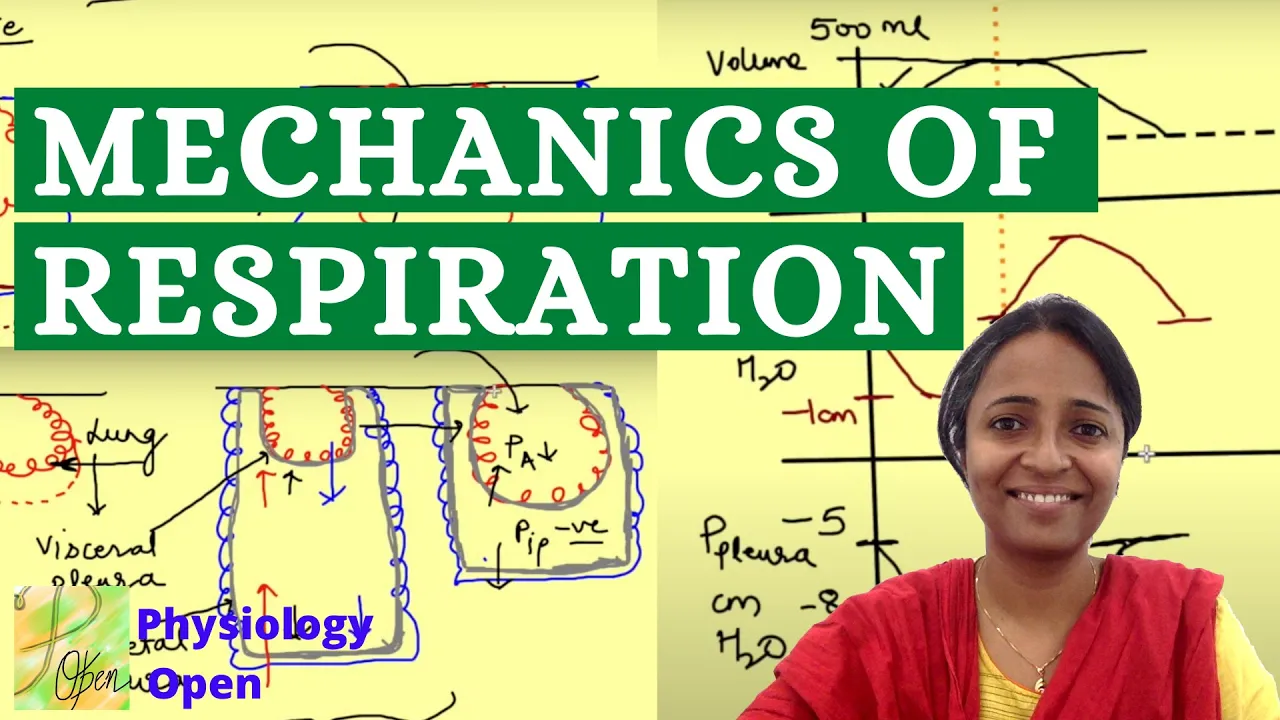
Added:Basic respiratory anatomy and physiology, including the mechanics of natural negative-pressure breathing.
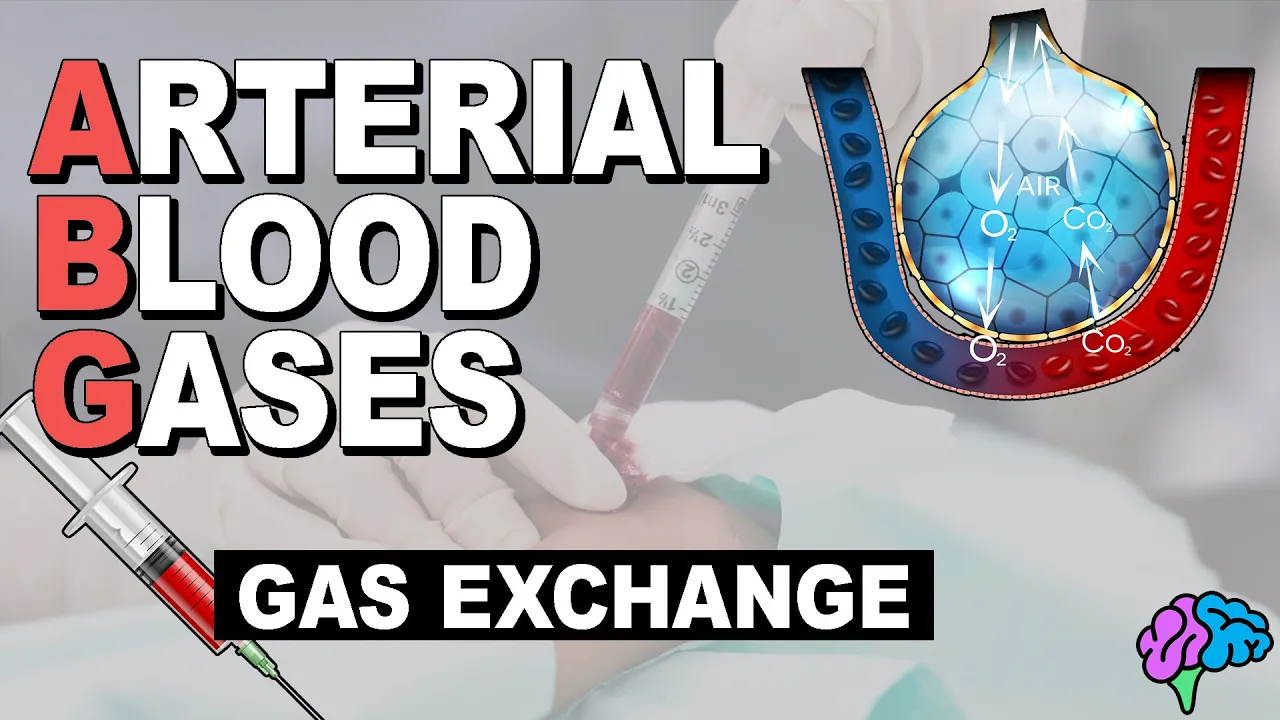
Fundamental concepts of gas exchange, specifically how oxygen and carbon dioxide diffuse across the alveolar-capillary membrane.
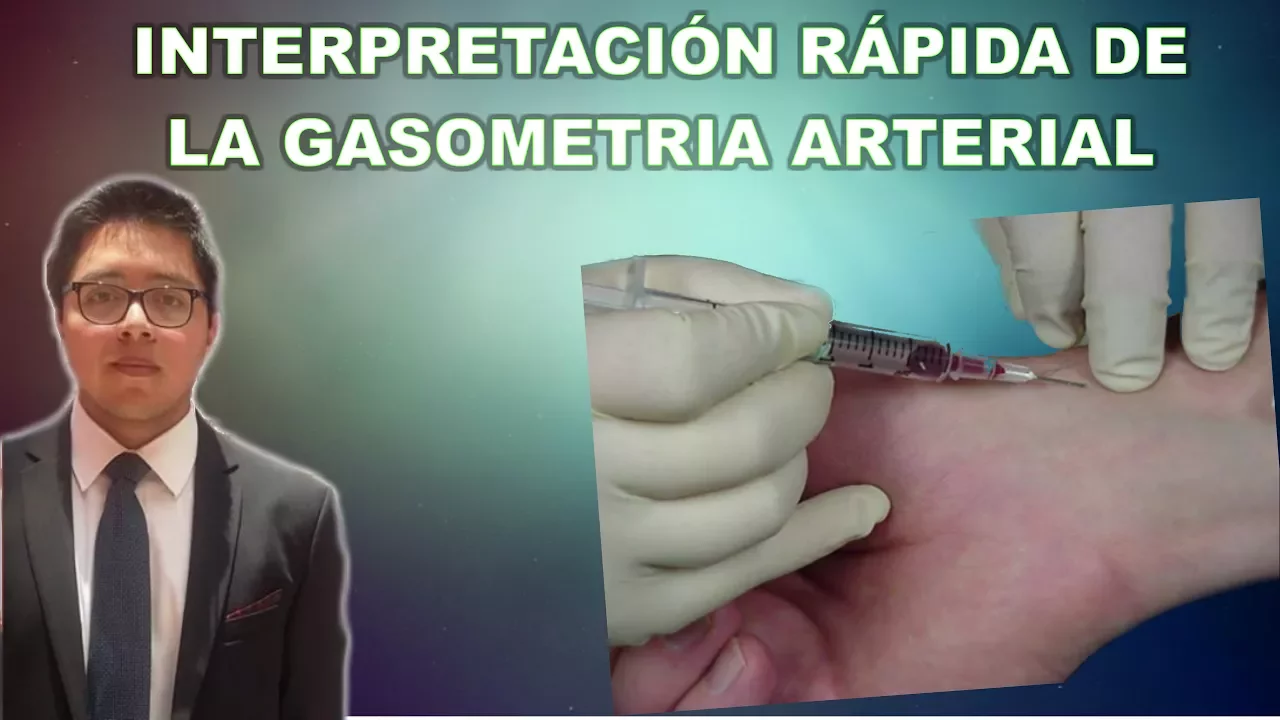
Understanding of Arterial Blood Gas (ABG) values (pH, PaCO2, PaO2, HCO3) and how they indicate respiratory status.
The core distinction between non-invasive respiratory support (like nasal cannula or CPAP) and invasive mechanical ventilation.
Advanced ventilator modes and lung-protective ventilation strategies, such as Airway Pressure Release Ventilation (APRV) and low-tidal-volume protocols for ARDS.
Troubleshooting ventilator alarms and managing patient-ventilator dyssynchrony.
Recognizing and mitigating complications of positive pressure ventilation, such as barotrauma, volutrauma, and ventilator-associated pneumonia (VAP).
Clinical protocols for daily spontaneous breathing trials (SBTs), ventilator weaning, and extubation readiness assessment.
511.1K views2.9Klikes9:39Original Release: 2013-03-02
okay so your patient is on a ventilator what does this mean how do you make sure that your ventilator is cued right as well as what is the different modes of ventilation with your ventilate your ventilated patient well your ventilators work a lot like a dishwasher or an air conditioning system you want to make sure that your patient is getting enough air into their lungs without um bursting their lungs because if we put too much air into the lungs itself it's going to cause your patient to have an overinflation also with this you want to make sure your patient is getting enough respirations per minute as well as enough oxygen what's called our um F2 so let's go into what what this means here okay so for your vent settings and your vent modes so there's two major modes in terms of your um your vent settings you have an assist control mode what's called an AC mode this AC mode just make sure that your patient it's breathing for your patient so your AC mode is full-fledged breathing for your patient and your patient is taking enough breaths but your AC mode is pushing off oxygen pushing air down into those respiratory tracts so when your patient is on an ET tube or a vent endot tral tube here we're basically putting a tube down into the respiratory tract inflating a balloon and pushing air from this endot tube okay now your patient can also be on a um they can also have a hole an opening right here where we're putting a tube right there as well as just breathing for your patient okay your patient who has long-term respiratory failure where let's say your patient is um brain dead and they can't breathe for themselves they're going to be on an assist control mode which is forcing air down into their lungs making sure that it's breathing for them now let's say your patient is coming out of anesthesia after an O after an operation we're going to put your patient start him or her on AC mode mode switch them over to what's called simv mode also known as your weaning mode just making sure that your patient we're we're kind of decreasing um the vent and your patient's going to hopefully start breathing by themselves and this weaning mode is putting the patient in control of the respirations and kind of taking the responsibility of the ventilator itself off the main responsibility of pushing air into the patient's lungs does that make sense hopefully you also have something called tital volume which is a setting on your on your uh ventilator so this title volume pushes a certain number of MLS milliliters into the patient's respiratory tracts so your patient will probably be on between let's say 500 to 800 mlit whoa get a better pen here let's say your patient's on 500 to let's say 800 milliliters of air down into the respiratory tracts you want to make sure that this tital volume is set right for your patient's body weight if you put too much pressure too much volume down into those lungs you can burst the lungs also called a pumo thorax you can actually burst the patient's lungs if you overinflate them so the title volume is making sure that we're just inflating your patient lungs just enough okay for your respiratory rate your respiratory rate should be between 16 to 20 respiratory I'm sorry breaths per minute we're filling your patients lungs up with oxygen and hopefully that rate is good for your patient now anything between 12 and 20 is adequate but we want to make sure your patient is breathing enough um and this rate at which oxygen and air goes down into the lungs will help us to do that now your F2 is the amount of oxygen that we're putting inside the ventilator itself to pump your patient lungs up with air so usual F2 is between like 35% to let's say 50% F2 if your patient's not compensating and not getting a lot of oxygen we can bump it up to let's say 75 even close to 100% F2 so the main things to remember here is that you have different modes as well as different settings for your patient on the vent now there's also a few other things that we um that help keep your patients Airways open so you have positive and um pressure what's called peep this peep helps keep those avioli open at the end of the respiration so sure we're pushing down a lot of of air into the distal portions of the respiratory tracks after that air is delivered the avioli sometimes collapse so how do we make sure that those avioli are keeped are kept open so that we don't have a collapse right after we push all that title volume in well it's something we call PE and this peep is our positive end expiratory pressure [Music] p it helps keep that avioli open so avioli is kept open at the end of the respiratory um basically at the end of the respiratory pressure so your patient's avoli is not going to collapse at the end with this oh here it is with this peep that's to keep the avoli open hopefully we're hoping to increase the oxygen supply and that oxygen exchange so the main goal is to decrease your CO2 decrease or I'm sorry increase your pH make sure we're not acidic um we're trying to get out that carbon di acid to make sure your patient is not in respiratory acidosis as well as increase the oxygenation of your pulmonary artery oxygen your pao2 we're hoping it's greater than 90% um I'm sorry greater than between 80 and 100% anything less than 60 is criteria for acute respiratory distress syndrome
Up Next

20:43
Ventilator Modes Explained: AC, SIMV, PCV, PSV | ICU Lecture
@StrongMed
469.4K views•2011-11-26

48:47
Graphic Medicine: Comics for Collaborative Healthcare Communication
@nationalpatientadvocate
189 views•2023-12-04

10:28
Neuroanatomy: Central and Peripheral Nervous System Divisions Explained
@AKLECTURES
136.2K views•2014-09-20

3:05
Stages of Labor and Vaginal Birth | Childbirth Animation
@nucleusmedicalmedia
52.1M views•2017-08-18
Related Study Plans & Knowledge Roadmaps
Structured learning paths in Medicine
medicine
Abnormal LFTs: Diagnostic Workup & Pathology
01Liver Anatomy and Basic Physiology
02Introduction to Liver Function Tests (LFTs)
03Hepatocellular vs. Cholestatic Patterns
+ 3 more learning modules
12h6 modules
Explore Roadmap
medicine
Analyzing Blood Smears: RBC, WBC & Platelets
01Introduction to Blood Components & Smear Preparation
02Normal Morphology of Blood Cells
03Erythrocyte Pathologies & Morphological Variants
+ 2 more learning modules
12h5 modules
Explore Roadmap
medicine
Mechanical Ventilation: Waveforms & Alarms
01Anatomy and Physiology of Breathing
02Introduction to Mechanical Ventilation & Core Modes
03Ventilator Settings and Waveform Interpretation
+ 2 more learning modules
12h5 modules
Explore Roadmap
medicine
Neuro Exam: Localization & Stroke Syndromes
01Foundations of Neuroanatomy and Vascular Supply
02The Neurological Examination: Step-by-Step
03Principles of Neurological Localization
+ 3 more learning modules
18h6 modules
Explore Roadmap