













![#IPBES9 Opening Video [English Subtitles]](https://i.ytimg.com/vi/dax6uDb0rdw/maxresdefault.jpg)

Traditional Ecological Knowledge (TEK) represents the collective, place-based wisdom of Indigenous peoples that has been passed down through generations, encompassing interconnected knowledge systems of land management, plant medicine, and environmental stewardship that promote sustainable relationships between humans and nature; this knowledge was historically suppressed but remains vital for addressing modern ecological challenges and fostering mutual respect between Indigenous and non-Indigenous communities in environmental management.
Traditional Ecological Knowledge in Environmental Stewardship
Added:Fundamental concepts of environmental science, including ecosystem dynamics, biodiversity, and the core principles of ecological sustainability.
An understanding of Western scientific methodology, specifically how modern conservation science collects, analyzes, and validates ecological data.
An introductory awareness of Indigenous history, cultural diversity, and the philosophical differences between land stewardship and resource exploitation.
Familiarity with major contemporary global environmental challenges, such as anthropogenic climate change, habitat fragmentation, and biodiversity loss.
Analysis of collaborative co-management frameworks, where state/federal agencies and Indigenous nations jointly manage natural resources and protected areas.
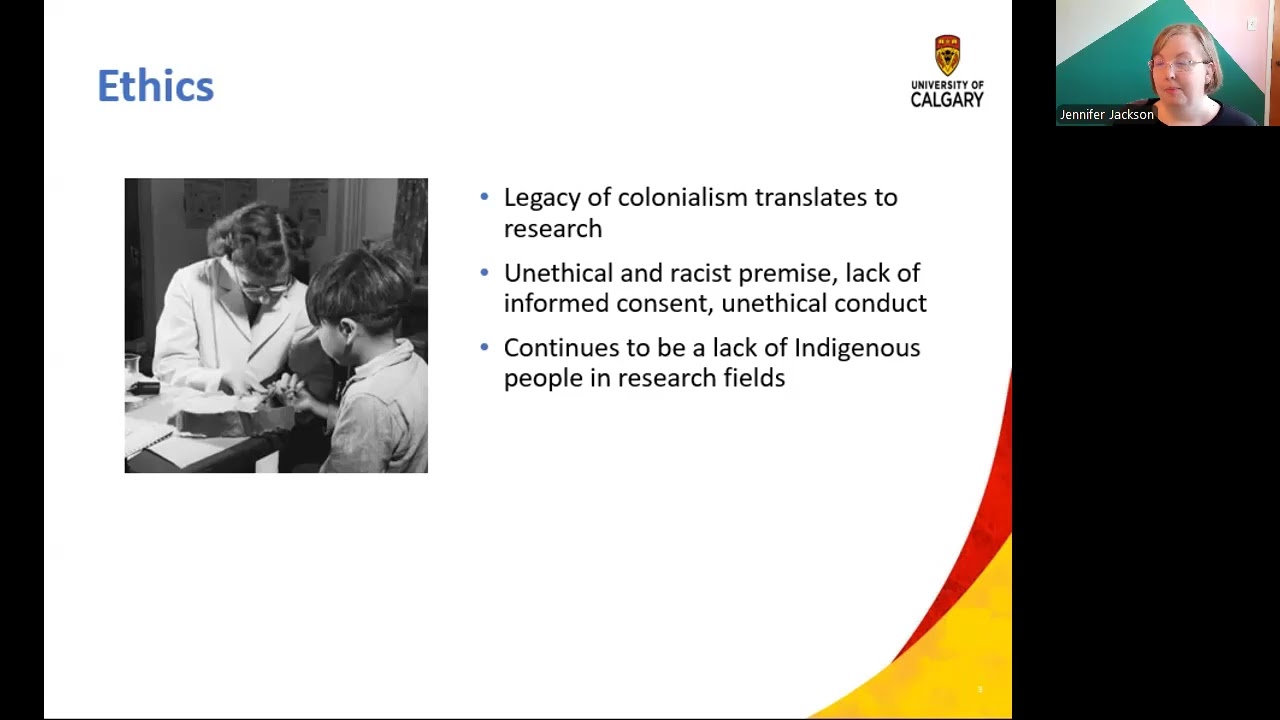
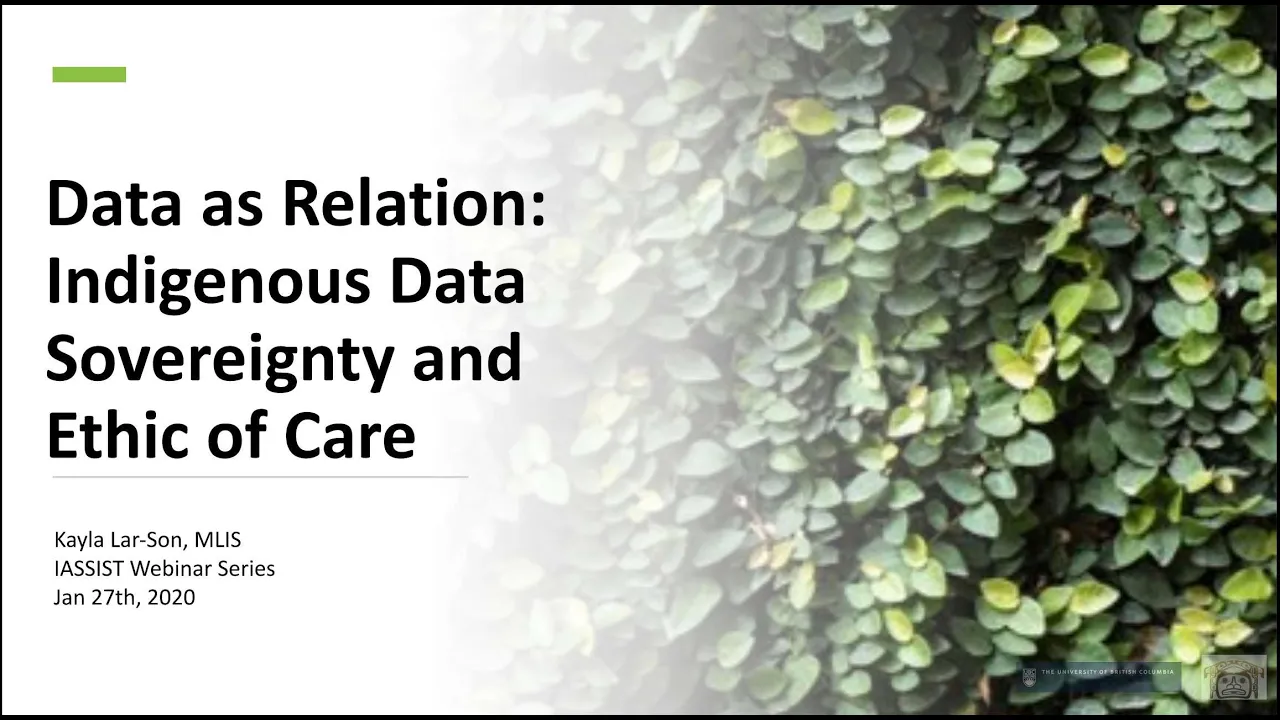
The study of intellectual property rights, data sovereignty, and ethical guidelines regarding the documentation and application of Indigenous knowledge by external researchers.
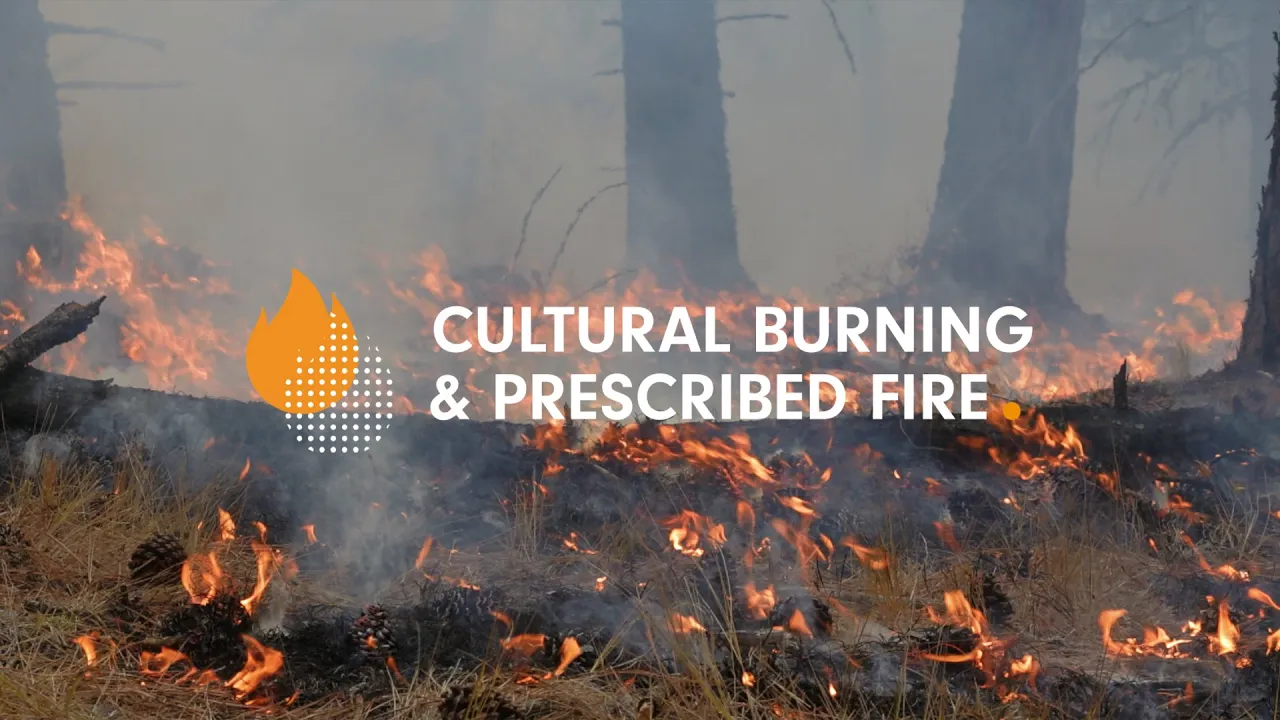
Examination of real-world case studies demonstrating TEK in action, such as cultural burning practices for wildfire mitigation or traditional polyculture farming systems.
The integration of TEK into global environmental policy and international agreements, such as the Intergovernmental Science-Policy Platform on Biodiversity and Ecosystem Services (IPBES).
13.7K views246likes27:37Original Release: 2013-06-03
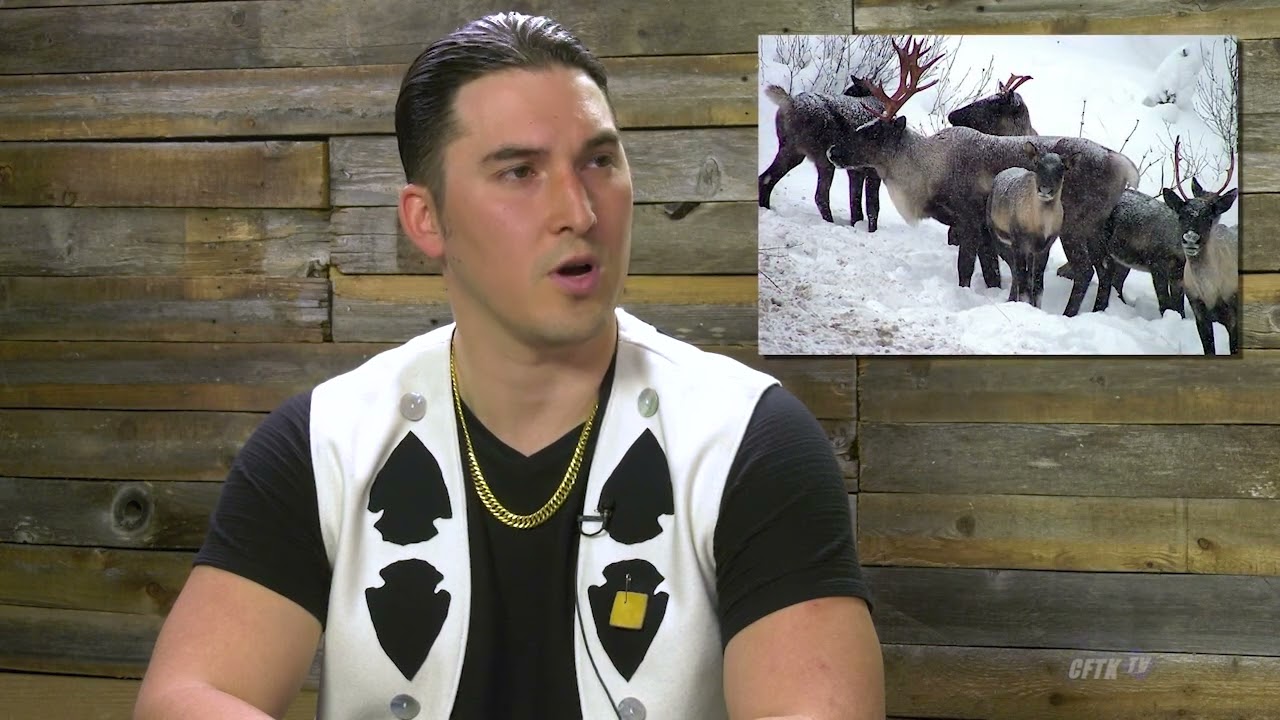
[Music] traditional ecological knowledge represents the collective knowledge of all the people from a tribal area that knowledge that collective knowledge has come through generations over time and it's recorded in stories as recorded in the landscape as you look at it and you learn to read the landscape and understand the landscape through that knowledge of place and it so in that sense and it's place-based knowledge that's specific to a specific region traditional ecological knowledge is the Forester we just call it elder knowledge or just the stuff we know it's tradition actually it would probably be the closest term because for us it's not segregated siloed compartmentalized like contemporary foreigners to science it's all together they're all interconnected so to us it's all tradition traditional ecological knowledge or Tek is as we know it has an interesting definition because it can mean so many different things it's different depending on the tribe the location the type of work or land management projects that are going on currently tribes are sitting down in and coming up with definition as we speak Tek is traditional ecological knowledge and in my own words what it has come to and my experience here in Chico is that what I'm doing is actually looking at the skill set of our indigenous ancestors and still of today as a technology that is vital for understanding the sustainability of our land and its resources foreigners came and did their best to eradicate that knowledge and we're you know varying degrees successful unfortunately but there were some people who were smart enough elders who were smart enough to somehow convey it to other people who are Qaeda there is some knowledge that came through so we're trying to piecing that jigsaw puzzle back together a hundred years ago tribes were told they couldn't manage land the way that they had been doing it for thousands of years they were told it was wrong you know a European idea of how land should be managed was introduced into America and up until just recently it was thought that was the way to do it miners and settlers that came to this area and dredged and up earth a bunch of gravel and changed the landscape that had it been a more reciprocal type of relationship between the settlers and the land perhaps it would have worked out to a balance instead a lot of settlers came to this area many got rich others struck out so to say and the land suffered for it the traditional resources have been reduced so much I mean you can throw out numbers you know one percent of the original grasslands the whole Central Valley used to be carpeted with wildflowers John Muir talks about 400 miles of wildflowers throughout the whole valley which we don't you know it's all farmland agricultural now the riparian area is 2% we build dams everywhere so we don't have the flooding we used to have so we don't have the vast riparian stretches of that rich ecosystem next to the creek the violence that's really happening is truly happening now of extractions drillings mining you know of a peripheral tunnels being put into our rivers that is a very violent action against our our ecological community tribal people have always felt this connection to the land and when they when that was severed or you know all the actions that keep them from doing it it's had an adverse effect on people and you know we've seen it in the history of Native people if you look at what's happened to the indigenous community there's high rates of suicide alcoholism depression there are some very negative impact results because of a being removed from the land and being forced into assimilation [Music] I began to really advocate for Tek as a subtle not direct you know a suggestion to depression and suicide is that it's it is an earth relation it's a relationship to the earth and Tek is a great way of advocating that relationship traditional ecological knowledge promotes the self to be involved with the community of the environment that relationship for us and for most native people in California is because we all came from this place we're very stuff early Earth and our stories tell us that we're not separate from that that's that's a huge distinction between us and the newcomers is that they believe they're above it and somehow separate and so that gives them the right to dominate it own it do whatever they want to it and our stories tell us we're a part of it and actually we're at the end of the line for us it's your last your youngest so you owe thanks to everybody who came before you that created this place that's a gift for you that feeds you provide you sustenance so you need to be thankful and respect all the others that came for you because they're all your elders [Music] I used to read those stories about you know the Native Americans how they would they knew how to get places you know take a right at the bent tree and you know the funny looking rock and and all that I never really understood that until you know I really developed this relationship with big ballpark and now you know I know the park like that so it's really a special thing to have that kind of relationship with the land that you've been the place that you live the best way the lawyer on about how to raise plants in California then was to ask the question what did the Indians do because they've lived here for thousands of years and made their living from a relatively small area they weren't like the Plains Indians that rode horses and chased Buffalo for thousands of miles the California Indians lived in a very localized area so they managed to extract from their ten-mile village site then all the necessary materials for surviving and to develop a culture to develop an art to develop crafts the language music you name it they did that all right here and we can certainly learn a little about how to sustain our life and make it a better life if we pay attention to some of the things they did the practitioners on the ground we're really doing science you know they were practicing principles of application in understanding you know okay if I do this and this is the outcome then if I do this again I get the same outcome than that because part of practice you know how much experimentation there must have been to get to the point where you knew which plants were the best plants for poison oak you know the gum plant work best for poison oak and you know we still sell that stuff in pharmacies so it's valid it's a valid thing that we it's still useful to us a little worm causes malaria we call it a protozoan but nevertheless is nothing more than a little creepy crawly worm and one of the traditional uses of this plan that goes back thousands of years is to cure malaria and in fact today when you take a medicine for for malaria frequently it's been extracted from this planet this is manzanita the leaves can be used to make a tea the tea used with the leaves is used to treat poison oak a more tasty drink would be boiled from the berries that look like little apples and these actually are green now but they turn red and when they're red they're sweeter and so the natives actually use these they dry out on the stem and they can be ground up into like a sugar or a sweetener but also they can be boiled into a tea or an apple cider of sorts this is milkweed also known as Indian milkweed it is probably best known for it's used to make cordage the stock is really thick and when it's pulled it can create fibers that can be woven into cordage and it provides really strong cordage another use for it though is that it has milkiness to it and that can be used to treat sores and wounds willow has medicinal purpose willow also has a spur Ellis in it which a derivative of aspirin so you'll find that you can get a medicinal use out of the willow bark and during the springtime you could actually spritz and the summer strip away the top outside of a big a larger piece of willow and tie the inside of the bark on side of your leg to relieve a headache and I kind of bring down your body temperature there was actually an understanding of how much was in the environment what and and what was there it's not so much plant life but animal life tracking hunting the whole spectrum of what's going on in the environment was specific to traditional ecological knowledge so so it doesn't just have to do with plant medicine there's a general interest of maintaining that knowledge but then also bringing it together with the scientific methodology to fortify that knowledge not necessary to validate it but to just fortify it and give additional set of methodology to the practices on the land and you know ultimately this all comes back into adaptive management where things are applied looked at reassessed adjusted as needed and then when you have ethnocentric scientists who believe that technology is only from space technology when they're only looking at it as far as computer technology engineering technology from a very sci-fi point of view you completely miss the perspective of traditional ecological knowledge and that that is actually a built-in technology I'm teaching kids the skill set the native skill sets though that they're they understand that they're not primitive or undeveloped but they're actually a technology that's applicable today and probably a good foundation to learn how to create sustainable technology in the future they would not only harvest the white wood but they would take the new growth and guide it so that the next year when they came back they would have a nice stem to harvest but they would take these stems and clean them up and then extract the fibers from them and use them in their basketry so the the the technology of the basket and the willow it's not so much in the weave as well but it's also in the gathering of the willow and how you cut the willow and how you keep the willow patch kind of going and the idea of the willow is that usually what willows do underground is kind of hold the ground in a way for anti erosion so willow is really good along the banks that keeps the erosion line good so there's a process of mutual benefit of cutting the willow so the roots of the willow are strong to take that the erosion portion and then you cut the tops as you make your own baskets so there's that mutual benefit that goes back and forth the point is is that they're doing adaptive management that's a new concept in science you know relatively but that's what Tristram the ecology ecology is involved for you know for such a long time the Indians managed these plants they didn't just go out in the wild and pick anything quite the contrary they they worked hard and worked from dawn to dark then managing the plants [Music] so you can argue on and on about why we should preserve a place why which why we should preserve a particular resource but I don't think people most people are convinced by those arguments I mean maybe they're convinced intellectually but unless people actually feel something for that resource for unless they feel something about for nature and for a specific place or a specific thing that they're not really going to do too much about it there's there's a way of perceiving the environment that changes the way you perceive yourself and I encourage everyone to look at the environment in different complex ways taking a bus downtown and looking at the window at the sidewalks and the streets I know that when at one time there was a creek there's a tree there was a place there that was more organic and less man-made more less concrete and I look at the creek and I look at the organic matter as the real the realness of the area and the dominance that we have over you know with urban sprawl with our with our cities it's Saturday it breaks my heart and the only way I think that we can't tear down what's already exists but what we have left what is left what we see around us the beautiful ferns the tall trees the beautiful coast that we have in Northern California they need to be taken care of intended and we have to listen to the indigenous voices in this area that care and I can't give up no matter what there there's got to be a voice from the past that cares that can see what happens in the bytes [Music] terms of obstacles of implementation of of traditional ecological knowledge I think the biggest obstacle that exists for a lot of the land-based and even sea based management is really linked to policy and then of course there's access issues on private land or public land and if you could really take away the ego and take away a lot of the entitlement that US citizenship seems to give a lot of citizens to land and sea resources and gently understand and gently understand humbly understands that you are guests at an indigenous land base that intimate connection yeah we came from a bush we came from the ground that really defines us and everything we have we were just talking about that other the other day within our community that the language itself comes from the ground because as we came into the world we had to interact with it we had that we talked about what this place was that we had come into and so we had to figure out how to do that and we formed words we created words and then language to describe that and that formed the basis of everything else that came after it culture science relationships everything else not only was the concept the ideas of you know how to how to manage the land and take care of it in an in a traditional way but there's a spiritual side and there's a real importance to that you know when you have an elder out there talking to the plants and it may sound silly to some people but it really isn't there's really there's something to it [Music] [Music] we were talking the other day about the octal solar project it kind of is a glaring example to me of least two different philosophies and here you have the government for once trained to do something that native people have been doing trying to connect the land trying to take care of the land but there the application of their philosophy almost doesn't allow them to do it in a way that makes sense instead of putting solar panels in everybody's house they're sticking them out in the desert where they have convinced them self there's nothing there it's totally barren land so nobody will care and then you put it right down on our cultural site secret sites and our burial sites you know being able to go out and and set fires or to be able to go out and do so many of these different activities falls under so many regulations and depending on whose law you want to abide by be a traditional law or you know the public laws of the United States or state or local governments all those things come into conflict you know all those traditional laws are based on the land where the laws that public you know the public laws aren't necessarily based on the land they're based on somebody else's idea of how we should all behave and act in this world the green movement symbolizes how the government's always treated us even though they say we're doing is for your own good you can benefit too on on the shattered remnants of our culture well I think that Tek becomes for me it's almost like a mutual partnership between the native and the non-native it's like a mutual understanding it's a ground that we could both walk up to and have respect for each other when we build relationships with agencies and agency people because agencies are monolithic but they work because people work within them so we're not concerned with the agencies we build relationships with people and I feel that you know just the clothes you know ground or on the ground working with tribal people agencies are learning more about how tribes manage land and learning not just the science behind it but the spiritual side behind it and they're gaining or respect you work with them in a respectful way and you work with the land respectfully and if they see that hopefully they'll get it that will change what they do from the inside and that's what's gonna in the long term it's gonna work changing it from the bottom up not from the top down and it's a long-term thing and we're gonna have lots of losses along the way the advocacy of Tek was to counteract suicide that was annoying on my end a country a not only an ending country but you know as a person as a personal testimony my own sense of depression and sense of loss and sense of displacement and wanting not to be here anymore in different times of my life and thinking of different solutions rather than suicide to get to feeling fulfilled you and so I really began to look at an idea of indigenous earth relations Alliance let your relationship to the earth is contingent upon your relationship with yourself and so I experimented with that through basketry and through tending willow and through having a relationship with plants and their response to me and my response to self seem to be quite measurable and my personal happiness my personal sense of well-being there's been a lot of talk about regaining our songs getting our songs back and you know we've lost our land you know we have lost our language in many ways and we've lost our songs but there I in my heart I feel there's a healing process taking place now where we may be regaining our songs they're coming back to us and and I believe that tribes being able to have more hands-on work with land management is a way of getting those songs back if we work with one another that knowledge that's there even in some instances may be fragmented you know because of settlement histories and things like that we can start to rebuild that knowledge and share that knowledge and build better partnerships to build a better future for everybody stewardship is taking care of the land taking care of those resources so that they'll be there for future generations there's been a resurgence of interest and in the way the Indians manage their environment so effectively for many years and maybe encouraging us to learn how we might remedy some of the awful things we've been doing to the environment so you have to go beyond and above the call of duty and create more of a movement that changes the overall policy that exists that changes the nature of how people act as a whole collectively my belief is that if we do what we're supposed to be doing people will see that and those who have the capability within themselves to grasp that to relate to it somehow they'll get it any real effect what they're doing it's about being who you're supposed to be and treating the land how it's supposed to be treated [Music] [Music] [Music] [Music] [Music] [Music] [Music]
Up Next

101:41
Understanding Social Metabolism: A Framework for Socio-Ecological Analysis
@EPOGvideos
245 views•2023-11-09

15:54
Life in Biosphere 2: Sustainable Ecosystems & Human Survival
@TED
334.9K views•2009-06-16
14:30
Microplastics Everywhere: How Plastic Impacts Our Lives
@TEDx
100.9K views•2018-05-08
10:28
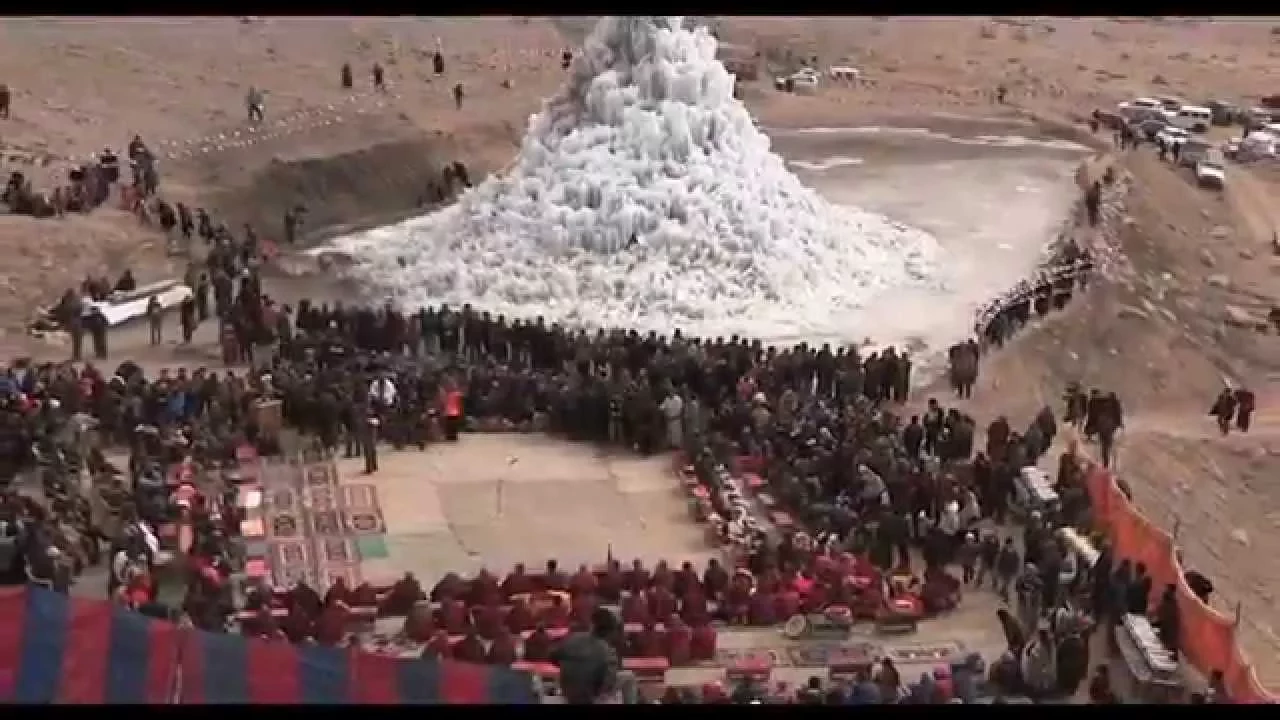
Ice Stupa Artificial Glaciers: Solving Ladakh's Water Crisis
@SonamWangchuk66
3.2M views•2015-05-03
Related Study Plans & Knowledge Roadmaps
Structured learning paths in Environmental Science
environmental-science
Ocean Noise: Cetacean Impacts & Mitigation
01Fundamentals of Underwater Acoustics
02Marine Mammal Bioacoustics
03Anthropogenic Noise: Shipping & Seismic Surveying
+ 2 more learning modules
16h5 modules
Explore Roadmap
environmental-science
Road Ecology: Corridors, Overpasses & Fencing
01Foundations of Habitat Fragmentation and Carnivore Ecology
02The Road Barrier: Ecological Impacts of Transport Infrastructure
03Principles of Ecological Corridors and Connectivity Mapping
+ 3 more learning modules
14h6 modules
Explore Roadmap
environmental-science
Ocean Acidification: Kelp Buffering & Shellfish
01Fundamentals of Ocean Chemistry & pH
02Chemical Pathways of Coastal Acidification
03Bivalve Physiology & Calcification Under Stress
+ 2 more learning modules
18h5 modules
Explore Roadmap
environmental-science
Ice Stupas: Glacial Retreat & Water Security
01Foundations of Glaciology & Mountain Hydrology
02Climate Change and Glacial Retreat Dynamics
03The Science of Ice Stupas & Artificial Glaciers
+ 2 more learning modules
14h5 modules
Explore Roadmap