





















Cloning and expression vectors are engineered DNA molecules that enable the introduction and expression of specific genes in host cells to produce recombinant proteins. Expression vectors contain regulatory elements such as promoters and enhancers that drive high-level transcription of inserted genes, allowing the production of therapeutic proteins like insulin, growth hormone, and interferon in microbial and mammalian expression systems. The development of these vectors, pioneered by researchers like Paul Berg, Stanley Cohen, and Herbert Boyer in the 1970s, laid the foundation for the multi-billion dollar biotechnology industry, enabling the production of over 160 approved biotech drugs that have helped more than 325 million people worldwide.
Cloning & Expression Vectors Explained | Recombinant Protein Tech
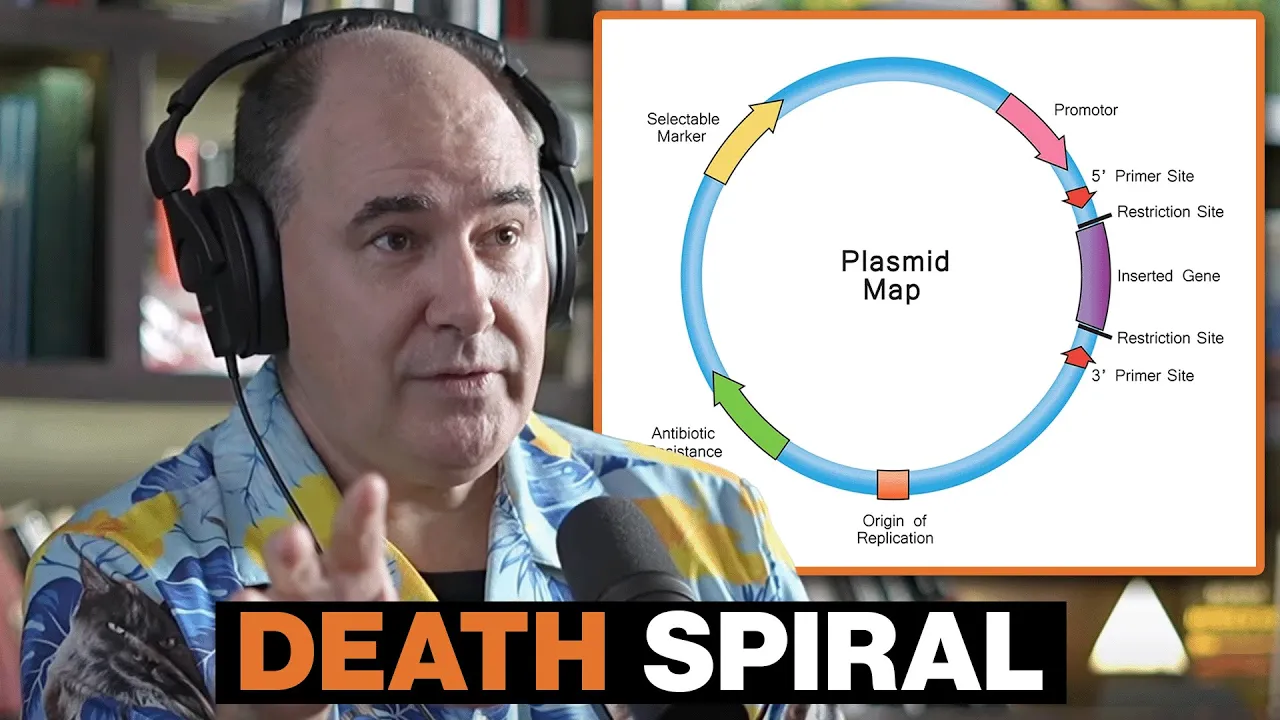
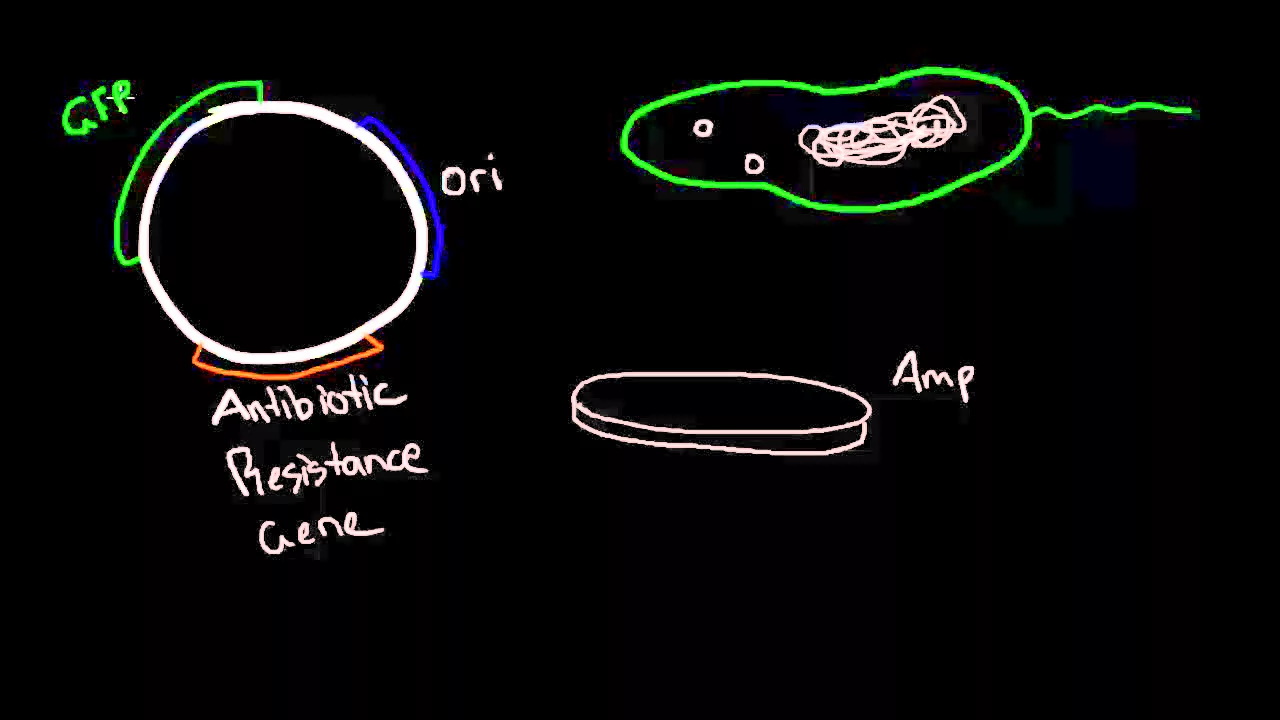
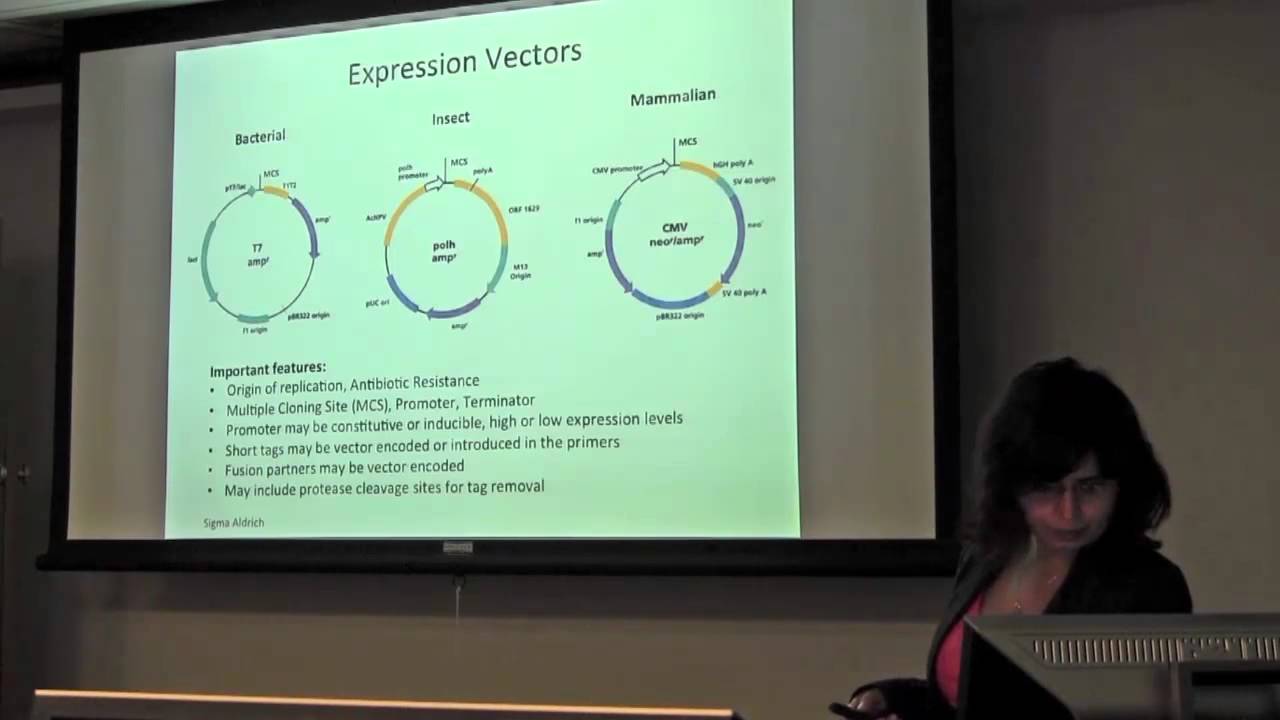
Added:[Music] [Applause] [Music] welcome to this lecture series on eukariotic gene expression Basics and benefits today we're going to discuss about um cloning and expression vectors because the purpose of this lecture course is not only to explain some of the major Concepts in the area of eukariotic gene expression and make you understand how gene expression is regulated we also time and again keep emphasizing how this knowledge that we have obtained from this basic research has been or or is being used for the benefit of mankind so one of the very important aspects of regulation of gene expression that has really benefited mankind is our ability to produce recombinant proteins a number of recombinant proteins like insulin growth hormone interferon and many other proteins are now being produced in large amounts both in microbial as well as Maman expression systems and this has largely benefited Mankind in a big way so it is very important for us to understand how one designs or one constructs expression vectors what kind of expression vectors are now being used and tomorrow if you want to know Express a protein using a particular promoter what kind of expression Vector you would desde design would you express it in a procaryotic vector would you express tic Vector all this information is very very essential so the way I have designed this lecture series is not only you understand some of the basic concepts of eukariotic gene expression but time and again you also apply this knowledge and see how we can or how this knowledge has been used for the benefit of mankind so one of the important aspects in the area of biotechnology which has really made a huge difference is our ability to express proteins from any species in any other species so today we can easily take a gene that goes for a protein from a plant or from a human human protein and you can put it in either in a plant EOL system or you can express in a yeast vector or you can express in a plant and so on and so forth so let's now try to trying to understand how these expression vectors or how these cloning vectors are designed and how you can actually clone genes into these vectors and sometimes Express these Pro genes so that you can get your protein of your interest so let's try to understand about cloning and expression vectors so the knowledge that expression of protein coding Gene can be induced by placing this Gene Downstream of a promoter has led to the development of a number of expression vectors both procaryotic as well as eukariotic so today it's possible if you want for example any Gene that you are interested in whether this Gene can c for insulin or growth hormone or any Protein that's of interest to you you can take this Gene put it down stream of a promoter of your choice and you can make this protein in that particular organism of your choice this is explained much better in the next slide for example suppose you want to express the insulin or growth hormone or Hepatitis B surface antigen or a clotting Factor like factor8 you simply take these genes which coding for these respective proteins and clor it into a promoter of your choice for example if you want to express the in a bacterial system you put this Gene in front of a bacterial promoter and you have to construct what is called as a bacterial expression plasmid on the other hand if you want to express this Gene in a yeast cells you have to put this Gene in front of an yeast promoter and construct what is called as an yeast expression Vector the same way if you want to express your Gene in insect cells you have to express what is called construct as insect expression vectors and you have to use a promoter that works in insect cells and similarly if you want to express in Maman cells including human cells you have to clone this Gene in front of a Maman promoter and make what is called as a Maman expression plasmid and introduce them into mum cells and Maman cells will now start expressing your G interest and your protein will be made in Maman cells and last but not least you can also now express your Gene of interest in plant cells all that you have to do is you put a plant promoter in front of this Gene and make a plant expression plasmid introduced into plant cells now plant cells will make your PO of your interest so you can see the idea of the knowledge that promoters which contain binding for transcription Factor sites and rnf polymerase they can be exploited for expressing the expression of any Downstream Gene has now led to the development of what call as a recommon and DNA technology and production of recomended proteins of your choice and is one of the major areas in the area of biotechnology where a number of Industries and number of companies are expressing a number of therapeutic proteins using this kind of a cloning technology so let's spend some time to understand how do you design a cloning Vector how do you design expression vector and what kind of expression vectors and cloning vectors are being used so expression vectors became the basic tools for biotechnology for the production of recombinant proteins this is going to be the basis of today's lecture so what is an expression Vector an expression Vector is usually a plasmid that is used to introduce a specific gene into a Target gel and express the protein that is coded for by the gene so once in inside the host cell the gene encoded by the expression Vector is transcribed by the host transcription missionary that is the host transcription factors and host or polymerase will transcrip the Gene and the RNA that is synthesized is then translated by the host translation missionary leading to the synthesis of a particular protein of your interest so if the gene has to be expressed inside the host cells you need to contain the expression plasma should contain regulatory sequences that act as either enhancer and promoter regions and lead to efficient transcription of genes carried by the expression vctor so if you want to express a gene of your interest in a particular system either bacteria or Yeast or a Maman system the regulat region that you have chosen must contain a promoter and Powerful enhancers so that powerful transcription factors can go on bind to the sequences and a large amount of hear can be synthesized which in turn gets translated into a protein and you can then make your protein of your interesting large amounts so the goal of a well-designed expression Vector is therefore production of large amounts of mRNA and therefore large amount of proteins so this is what is the rationale behind constructing an expression Vector so the design and development of expression vectors and their use in biotechnology for the benefit of mankind is very closely linked to discoveries in two major areas namely recom and DNA technology also known as genetic engineering so a lot of development took place in the in the period between 1970s to 1990s advances in cell biology recom technology cloning technology and so on so forth and it is these Technologies together with our knowledge that promoters and enhancers are important for the expression of uh genes has led to the development of an entire area of biot Technology leading to a new field wherein you can express any protein of your interest and make what are called as the recombinant proteins so let's spend some time to understand what are the important advances that took place in the area of recom Da technology or genetic engineering especially in the early' 70s and late '70s and how these advances has led to the development of expression vectors and a billion dollar botch industry leading to the expression of recombinant proteins now in 1972 a researcher known as Paul Burke in Stanford University California used certain enzymes called restriction enzymes these are enzymes which can specifically cut DNA by recognizing specific sequences today we know there are number of such restriction enzymes for example you have an enzyme called eco1 which cuts a specific sequence called gaat TC so if you have a DNA and if you have the sequence GC and if you add Eon to this DNA preparation it will cut this DNA wherever GC is there so like that we have a number of restriction enzymes now the number is now goes in thousands these restriction are usually present in bacterial cells these enzymes have been purified and prominant enzymes are now available so using these enzymes you can precisely cut DNA at specific regions so what Paul Berg did in 1972 is to use such a restriction enzyme and isolate a gene from Human cancer causing monkey virus called as the San virus party or sv40 party sv40 and used an enzyme called DNA lias to join this virus DNA with a molecule of DNA from a bacterial phase called bacterial virus called Lambda so he cut a monkey virus DNA with a restriction enzyme and took this DNA and joined to a DNA which is present in the Lambda phas of the Lambda DNA by using DNA liase so restrictions and cut the DNA you take this DNA and you can liate or attach to another DNA molecule from a bacterial of pH origin using a liase this is the first example of creation of a recombinant DNA today recombinant DNA technology or genetic engineering is an household name but is Paul Berg who actually demonstrated for the first time that using restriction enzymes you can cut a DNA from a Maman virus and then put it into a or liate it or attach to a DNA from a bacterial Fage realized that this experiment of making Chimas that is you can take DNA from one species and like it to the DNA of another species may have very tremendous advantages and if it not used properly can lead to lot of lot of disadvantages are dangerous to the Mankind and therefore he suggested that the regulator agency should come forth and then design proper guidelin so that a recombinant DNA technology whoever wants to use this recombinant technology for follow these guidelines and some kind of a overseeing body is there to make sure that this recom technology is not used improperly so he did this experiment and he proposed that for at least one another one year nobody does this recom in experiments till proper guidelines are framed then he later resumed and his effort this paper he was published in PN in 1972 biochemical method for inserting new genetic information into DNA of simun virus party sv40 DNA containing Lambda F genes and the galactose opon of eoli it's a landmark paper which actually discusses the generation of a first de Comin DNA molecule and for which Paul Berg was awarded Nobel Prize in the Year 1980 okay so paulg got the credit for generating the first recombinant DNA molecule where he took a DNA from a monkey virus and insert into a Lambda or a bacterial Fage virus and then demonstrated that it is possible to stitch two different different kinds of dnas together using recom technology now around the same time Paul Berg was doing these experiments two researchers Stanley Cohan and Herbert Boer one person was University of California and another person is in Stanford University they actually were also interested in generating this kind of recombinant in molecules and they actually met in a scientific conference in Hawaii which is discussing on plasmids plasmids are nothing but circular extra chromosomal DNA molecules which are present in bacterial cells we'll discuss a little bit later exactly what plasmids are so this conference was actually discussing about plasmids because those are the time these plasmids were actually being generated and being researchers working on this plasmid in a big way so they were attending a conference which was primarily discussing about plasmids and how this plasm is caner antibiotic resistance in bacteria and they met over a cup of coffee and buer lab were actually had isolated enzyme as the restriction enzymes which actually Paul Berg had actually used to generate a common DNA and these restrict enzymes as I told earlier can be used precisely to cut DNA into segments and then using enzymes called DNA lies you can liate to another DNA molecule this is what Paul Berg also did so Bo slab is the one who actually isolated the first restriction enzyme Stanley Kohan had actually developed a method to introduce antibiotic back carrying pal plasmids into certain bacteria as well as a method of isolating and cloning genes carried by plasmids so here is one person who discovered enzymes that can precisely C DNA and here is another person who was trying to characterize plasm mates and how to introduce plasm mates into EOL cells they soon realized while discussing over a cup of coffee that if they can combine their expertise together they can actually generate a lot of money because this technology has tremendous potential so they can introduce any gene into bacterial cells and you can express these genes and this can have tremendous implications so what stanle Cohan and Herbert Bo did is they published the paper between 1973 and 1974 before publishing the paper they also filed two patents one in 1974 1975 about how this process of joining two DNA molecules can have tremendous importance and how proteins can be May synthesized in back organisms like eoli or other procaryotic species so this US patent number 4237 224 is one of the landmark patents in the area of biotechnology they filed a patent around 1973 74 and the US patent office actually granted this patent in 1980 now as I speak today today if you ask me which of the most profitable biotechnology patents in the area of biotechnology the Cohan and Boer patent is one of them you can see the two patents of generating recombinant DNA which was filed by Stanford and University of California called as the Kohan Boer patent this patent covers the fundamental technology used throughout molecular biologist in including recommened research and from 1980 till 1995 about 15 years time these patn generated an income of about $139 million so whoever generates recant DNA molecule and which has been used for making a recant protein has to pay royalties to University of California and Stanford because they own the intellectual property for this so you can see how this knowledge that you can use restriction enzymes to create a recombinant DNA molecule and this recombinant in a molecule or in the form of plasm mates can be introduced into bacterial cells and you can make a protein of your interest has generated a huge amount of money and has now led to a billion dollar biotechnology industry so expression of genes using appropriate promoters and inserting this gene into appropriate plasmid vectors and making bacteria make proteins in large amounts has had a huge impact in the area of biotechnology berer went on to find found what is called a biotech company called Genentech this is the world's first biotechnology company today we have a number of such companies so the credit for finding the first biotechnology company goes to buyer along with another venture capitalist and Genentech then went on to produce human insulin bacteria so using this recomend technology what berer did is they chemically synthesized the insulin Gene and put this insulin Gene in a bacterial expression plasmid and demonstrated that bacterial cells can now make insulin so this is the first demonstration of a production of a recombinant protein using recombinant in technology so Genentech in September 1978 actually demonstrated that a human protein can be produced in bacteria and they licensed this technology to another btic company called el Le and by 1980 this Mark the start of a Biotech Industry so you can see it is the Stanley and Stanley Kohan and Boer who actually responsible for a for the creation of a huge Biotech Industry that is now running to billions and billions of dollars now now so gench was the first botch company to be formed followed by Biogen in 1980 which actually produced another very important molecule called interferon using the same recommending technology and by 19988 within about 8 years time five proteins were are produced using bacterial cells and were actually approved by United States Food and Drug station for use in humans this include synthetic insulin human growth hormone hepatitis B vaccine Alpha Inon and a blood clotting protein called a protein which is involved in dissolving blood clots called tissue plasmo activator so five important therapeutic proteins were actually synthesized using this recombinant DNA technology patented by Stanley coh and Herbert Boer so by the end of '90s at least 125 more genetic engineering drugs were approved so you can see what was the impact of this demonstration of a recombinant DNA technology by Cohan and B today over $350 billion has been invested in botch industry since the emergence of this industry starting from Genentech and Global revenues Rose from $23 billion in 2000 to more than $50 billion in 2005 so you can see the roots or the fundamental the foundation for The Botch industry that is prospering today was actually laid by Stanley Cohan and Herbert berer way back in 1970s when they created the first recomed molecule and one of them started to to establish first BoTech company Genentech so the growth of recomend technology in addition to this this discoveries another important disc also made sure that commercialization of this fundamental knowledge became possible and that is another important ruling by US Supreme Court where which actually in 1980 had demoned or ruled that another Indian who is residing in United States of the time Anan chakrawarti was granted a patent when he was working in a company called General Electric that you can actually patent a genetically modified living organism so the patenting of creation of recommon and DNA molecules and and the and Rule US Supreme Court ruling that you can actually patent genetically modified microorganisms these are the two very important events that took place in the early '70s and between 1970s and 1980s that actually are responsible for the growth of a billion dollar biotechnology industry today so starting from Genentech in 1976 you had a number of other biotech companies which were formed in United States Biogen amen imun Chiron genzyme and so on and so forth and all these companies exploited this knowledge and made a number of recombinant proteins that is being used by human beings all through so as I speak today more than 325 million people worldwide have been helped by 160 approved biotech drugs and vaccines so you can see this technology has led to expr of so many recombinant proteins and so many recant vaccines are being used are made by this recommended in technology 350 more biotech drugs and vaccines are now in various stages of clinical trials that can that if many of them are successful you can actually can cure a number of diseases which are at least about 200 of them and biotechnology is today responsible for hundreds of diagnostic tests HIV tests pregnancy test DNA fingerprinting and so on and so forth so the recombinant DNA production or recombinant protein production which was started with Herber and berer is now proc in as a very very successful Biotech Industry today so having said how important it was to demonstrate or Express clone genes into bacterial cells Express these genes successfully let us now spend some time to understand how does one design vectors for cloning genes as well as for making recombinant proteins so I gave this introduction so that you understand the importance of this knowledge of generating or making recombinant protein so let us now try to understand some science of it how exactly one would go about and construct a cloning Vector how would you go about and construct a expression Vector which is actually the basis for the making recombinant proteins in a number of organisms so I'm going to start explaining to you with what are called as plasmid vectors and phase vectors these are actually procaryotic vectors although this course is on eukariotic gene expression because the entire protein expression system started with procar vectors and a number of ukar proteins have been expressed using procaryotic expression vectors we must first understand how procaryotic vectors were designed and it is the design and development of the procaryotic vectors which then paved for way for the development of ukar eukariotic vectors so in this class let us spend some time to understand the history or the development of various vectors that were actually used in procaryotes and in the next class we'll discussed how this knowledge was used for the development of various eukariotic vectors so what is a vector a vector is used to amplify a single molecule of DNA into many copies and then a DNA fragment is actually inserted into this plas spin vector and in addition to this recom molecule this cloning Vector should also have what is called as an origin of replication so that once you introduce into bacterial cells this Vector should be able to replicate so that it can make large amounts of these plasmic vectors vectors so these are basically what's called as a plasmin vector so the general features of these vectors so to you want suppose you want to now clone a gene into a vector what kind of a vector you would use a vector must be able to replicate autonomously in a host cell if you want to make a bacterial cloning Vector that Vector should be able to express replicate in B replicate autonomously in bacterial vectors or if you want to put it in E cells it should be able to express or it should be able to replicate in E cells or in Maman cells you should have a Maman origin of replication so it can replicate in Maman cells so vectors must be able to replicate autonomously in a host cell and must have suit able restriction enzyme sides for the introduction of foreign DNA because you can precisely cut the vector at a specific site and introduce your Gene of Interest into those sites so the presence of origin of replication the presence of convenient restriction sites is a must for a vector in addition the vector should also have a selectable markers usually genes coding for antibiotic resistance are used as selectable markers because you have to distinguish cells which have taken up the DNA and cells which are now taken up the DNA remember this procedure called as transformation of bacterial cells is a very very inefficient process and only one in, or one in 100,000 one in million cells actually take up this DNA depending upon the efficiency of a transformation procedure so majority of the cells don't take up your DNA so you need to have a mechanism by which you have distinguished cells which have taken up the DNA and those which have not taken up the DNA that is usually done using appropriate selectable markers it show also have a restriction enzyme sites so that it can clone your Gene of your interest it should also have ins insertion in activation indication indicator genes that is genes that are insertionally disrupted by the cloning process to indicate that cloning has occurred should also have a promoter usually if you are interest in expressing a protein of your interest it should have a strong promoter Upstream of the cloning site so that when you clone your Gene in the multiple cloning site the Upstream promoter the transcription factors n polymer should bind to the promoter and transcribe your Gene of your interest it should also have a Terminator at the end of the gene so that after transcription the transcription is terminated and and of course as I said it should have an origin of replication so that when you put it in the organism you can organisms can make multiple copies of this Vector so it can make large amount of this Vector so these are some of the general features of what kind what is called as a vector plasmids as I already mentioned plasmids are nothing but circular double standed DNA molecules that exist in bacteria and in the nuclear of some of the eukariotic cells like each cells also have some plasmids they usually replicate independently of the host cell they are called as autonomous replicating elements the size of the plasmids vary from few KB to 100 KB these are called as Mega plasmids bacteria like pseudomonas have many plasmids Mega plasmids ranging up to 100 KB and these are actually have actually genes which can metabolize number of exotic compounds and pl PLM usually can DNA up to 10 kilobases can be easily inserted into the plasmids plasmids May incude a wide variety of genetic determinants which permit their bacterial host to survive better in an advanc environment or to compete better with other microorganisms occupying the same ecological n so bacteria which have plasmids have several advantages over those which do not have plasms one of the most important genes that these plasmids carry are the genes coding for antibiotic resist resistance so when bacteria have this antibiotic resistance gen on plasmids they're resistant to antibiotics whereas those bacteria which do not have this kind of a genes they are susceptible fat bacteria in fact today one of the major problems in the area of biomedical research is the emergence of water col as the drug resistance bacteria and plasmids play very very important role in this so plasmids have enormous medical importance since some of them include antibiotic resistance as well as specific virulence traits so many genes which are responsible for virulence of certain pathogenic bacteria are also included by the plasmids plasmids Rel on plasmid rely on host encoded factors for the replication and plasmid replication initiates a predetermined site called Ori or origin of replication so the plasmid should contain a region called as Ori or the origin of replication from which the origin of replication can start it should have convenient restriction sites it should have an appropriate promoter for expression of Gene it should have certain selectable markers usually antibiotic resistant genes for selection now let us see what kind of plasmid vectors people have been using for the last years I just listed some of the plasmid vectors here PSC 101 PBR 322 pu series 8 9 18 19 and so on so forth and something called as shuttle vectors so let's discuss some of these vectors and see what are these vectors and how these vectors were actually used for making cloning genes and expressing genes so I'm going to discuss the first generation plasmid vectors the reason why I told you this story of Stanley Cohan Herbert Herbert Boer is the plasmid Vector which Stanley Cohan designed is actually belongs to the first generation plasmid Vector which actually responsible for generating a huge amount of money and led to the birth of the first biotech company and a billion dollar BoTech industry this is the plasmid which Stanley Cohan actually made and which he patented and made a huge amount of money that's why it's called as psc101 SC stands for Stanley Kohan now this plasma Vector as you can see see it is loaded from an atcc website he actually deposit this Vector in American type culture collection you can go on anybody can go and buy this Vector anytime you want the the website here so this is the vector here and as you can see here it contains an antibiotic resistance Gene called t r so if EOL contains this plasmid they become resistant to tetracycline it also has a site for an restriction en called bam H1 and many other restriction sites so if you know cut this plasman with B H1 now the the antibiotic resistance Gene is disrupted and you can now clone another Gene which contain a bamh and vents into this and such bacteria carrying this plasmid now cannot grow on tetracycline whereas bacteria in which the foreign Gene is not inserted can happily grow on tetracycline so you can see you can easly distinguish between two t bacteria bacteria which contain the unmodified plasmid and bacteria containing a recombinant plasmid in which a forign gene has been inserted into this antibiotic resistant Gene so by based on the sensitivity to tetracycline you can distinguish organisms which contain a recombinant plasmid organism which contained only the psc1 this is the plasmid Stanley Cohan actually designated to demonstrate that it is possible to generate aomin DNA molecules and propagate them in bacteria following this psc101 a number of second generation vectors were actually developed one of them which was very popular in the 1980s and 1990s is a vector called PBR 322 this plasmid is about 4 kobas in size it is a low copy number plasmid plasmids are of two types one is called as a low copy number another high copy number there are some plasm mates which are present in more than 100 to 200 copies per cell these are called as high high copy plasma numbers whereas there are other plas which are present only in ones and tens and these are called as low copy number plasmids and it also had restriction sites for enzymes like E1 bam1 PS2 hindi3 Etc and they were located on two two antibiotic resistant markers amp Tetra cycling PSC 101 which Herbert berer used Stanley Cohan used had only one antibiotic resistant marker that is tetracycline PBR 322 has two antibiotic resistance marker one for C resistance for tetracycline another for ampine so you can see you can actually clone a gene into the pst1 site here which will disrup the ampine resistant Gene and therefore if you clone your Gene of your the pstd sun set of am assistant Gene and sells then which harbor such kind of recombinant plasm mates will now be resistant to tetracycline but sensitive to ampine okay on the other hand if you clone your forign gene or Gene of your interest the bamon site and disrup the tetracycline Gene and eal SS Haring such recombinant DNA molecules will be resistant to ellin but sensitive to tetracycline so depending upon which antibiotic resistant Gene you are introducing your Gene you can either score for tetr resistance or amp resistance so equal cells har bring only the the PBR 32 will be resistant for both tetracyclin and ampicilin whereas if you clone your gene into the osin gene cells harboring this will be resistant to tetracycline whereas if you clone your gene into tetracycline Gene those cells be resistance for ampine so using this kind of a differential antibiotic selection markers you can distinguish cells which harbor recom molecules so cloning into one of the restrictionism sites just like what I mentioned now would activate one of the antibiotic resistant markers leaving the other for the selection of the transformation so insertion of your foreign Gene would inactivate the resist marker antibiotic resistance marker and that can be taken advantage for selection of those hor cells Haring this particular um recant DNA screening for the absence of the second antibiotic marker was the putative evidence of a successful cloning event and lower molecular weight of the PBR was also allowed cloning of larger fragments so this was the first very popular cloning Vector which was designed after Stanley cohens psc101 the PBR 322 was one of the most commonly used deal cloning vectors especially in the late 1980s and late 1990s it had a replication called rep responsible for the replication of the plasmid it also had a r Gene which Cotes for a r protein which promotes the conversion of the unstable RNA 1 rna2 complex to a stable complex and serve to decrease the copy number so PBR 32 is a very low copy number plasmid and the blog Gene actually quote for the betacom protein which actually convert resistant to oselin whereas the T Gene quotes for the tetracyclin resistance protein okay so these are the basic features of a second generation plasma Vector PBR 322 which are two antibiotic selection markers An Origin of replication and a low copy number property third generation plasmid vectors the third generation plasmid vectors are known as pu vectors it started from pu 1 2 3 and so on and went on up to puc 18 19 and so on and so forth these puc plasmids were actually engineered from PBR are 322 origin of replication to include the alpha portion of a beta galacto Gene the beta galact is there is an enzyme involed lactose metabolism it so it has the promoter of the beta galacto Gene the beta portion of the Lai was included in the chromosome of the host so the host containing the plas was La plus I will explain this a little bit later in more detail what is called as an alpha complementation basically the P also had more restriction s than the pbr322 for example the PC 8 or 9 plasmid had six restriction sides where P 18 and 19 had 10 restriction sides and this is actually called as the multiple cloning site of the MCS or a poly Linker and this multiple cloning site is the place where you can insert your foreign genes so when you insert your gene into this multip clonic site it would disrupt the laxi Gene and therefore the laxi protein will not be made and therefore cells harboring a recombinant pu plasmid will form White colonies whereas if you don't insert a gene the laxy Gen will be properly made and do cells will uh if you now plate the cells on a plate containing what is called a chromonic substrate called xgal it will CLE beta galao will clean this x gal and you get blue colonies so EOL cells which harbor this plasmid pu plasmid will turn blue if you play them on a plate containing xgal whereas if you clone a gene into this pu plasmid and then plate them on xgal plate SE col be white in color so using simply blue white selection you can distinguish cells which have taken up the native plasmid and cells which have contain the recombinant plasmid the na laxi promoter is situated just Upstream of the cloning Gene allowing the expression of genes on insert that are correctly oriented and most of the non-essential have DNA has been removed to provide ability to clone larger fragments and as you can see the PBR 322 was almost about 4 KB right whereas the p is only about 2.6 KB so the vector size is much smaller and therefore larger plasmids can be cloned into POC it had an amp selection marker for selection for antibiotic resistance this is the detailed map of the PC plasmid as I said the multiple cloning site contained a number of restriction sites here so if you insert your Gene of interest and you can clone your Gene of introducing any of these restriction enzymes and then you can use a blue white selection to select the recombinant plasmids this what explains how exactly you do the selection after cloning your genes into P plasmids the P plasmid had a high copy number remember the second generation plasmid PBR 32 is a low copy number plasmid whereas the Pu plasm mates are high copy number plasm mates the blog gen actually is responsible confer the beta it goes for a beta lactamase therefore confers resistance for ampicilin the region of the Eco opon L containing the cap protein I'm sure those of you have studied procaryotic Gene EXP expression would have studied Lac operon in detail how Lac operon is regulated you have what is called an operator promoter and then structural genes and how two proteins the Lac repressor and the cap protein play a very important role in the regulation of Lac operon I will not go into the details so basically the Lac opon containing the cap protein binding site as well as the promoter Pac and the Lac pressor binding site is part of the vector that what constitute the promoter so because you have this lack promoter here the PC actually serve as an expression Vector so if you clone your Gene downam of Downstream of this P PL mate you can actually express your protein of your interest so when you clone your Gene Downstream of the gene the Gene gets expressed using the lack promoter and whose expression can be induced by isopropyl thog galactose or ipg so the synthesis of the the basically this this Vector contains only five Prime Terminal part of the laxi gene including the inter terminal part of the bacular days so this is where the very unique system Comes This plasmid contains only the five Prime region of the ly Gene so it only quotes for the ammal amino acids of the LXI the C termal am of LXI actually comes from the chromosomal bacterial chromosome so only if you have both the amino terminal part and carox terminal part of the LXI together then you will get a functional La lactose beta lactose days or laxi protein so if you have only the vector then you if you have both vector and the appropriate host you get a functional bet galac but if you clone your gene into this multi clonic site then a functional am terminal part of the L will not be made and therefore a functional axygen will not be produced so in the presence of ipg which is nothing but isopropyl thog galactose which is an inducible of the Lac opon they synthesize both the fragments one coding for the aminal region of laxi another coding for the carox region of the LXI which comes from the bacterial chromosome and therefore you get functional uh bua Galax days and if you grow such colonies on a medium contain what is called as X gal you get blue colonies that's what is shown here can see there are blue colonies here whereas if we insert a gene into the multi cloning site then the amino terminal laxi will not be made and therefore you will not get a functional axi protein and such bacteria which contain a recombinant plasmine in which the gene is insert into the mic site will become white on the plate you can see here so the blue colonies means cells which are expressing only the Pu plasmid the white colonies are those which are expressing recombinant P plasm mates in which the insert has been inserted so bacteria carrying the recombinant plas therefore give right to White colonies this entire process known as the alpha complementation is actually described here can see the chromosomal DNA quotes for the carbox terminal fragment of the beta galacto days so if you have if you don't have plasmid the EOL can express only the carox part of the LXI and therefore it can form only a White colony in presence of ipg and xgal whereas if you now introduce the P plasp into this bacterial cell the cal part will be made from the bacterial chromosome the LXI the Amal region of the Lai will be made from the plasmid therefore both complement each other you get a functional beta Gala as days and now if you plate them on a plate con ipg and X gal you get blue colonies so by doing what is called a blue white selection you can distinguish cells which are harboring only the plasmid and cells which are harboring the recombinant plas ples is a very very popular method of generating recom molecules in Laboratories so we have so far discussed about what is called the first generation plasmid vectors second generation plasmid vectors third generation plasmid vectors now there are also very important vectors called as shuttle vectors that's what is described here shuttle vectors are plasmid vectors that have origins of replication for more than one cloning host so virtually shuttle vectors can replicate in two different organisms for example there's a vector called as P mk34 which has a gr positive origin for cloning in basil subas and gram Negative Origin of replication for cloning in equal so it can replicate in both the holes both in billus as well as in equal so in this way genetic engineering may be done in eoli because eoli is a much more easy organisms to manipulate and once you do all the basic cloning techniques in you coli and generate a recombinant plasmid then you can take this recombinant plasmid and put it in basil subtilus for expression in fact many UK cartic expression vectors which we are going to discuss exually in next class they are called as shuttle vectors because they contain a eukariotic promoter but they will contain a bacterial origin of replication as well as a m origin of replication so you can first do all the cloning into this vector and put them in bacteria and make this bacteria make this plasma large amounts and then introduce them into an eukariotic cell then the ukar promoter will work in UK cartic cells and you put prot can be expressed there so shuttle Vector vectors are very very important for making recant prot proteins and expressing genes of your interest now what are the limitations of plasmid vectors they can AC accommodate only small inserts so if you have a gene which is more than 10 KB you cannot clone them into bacterial vectors I mean plasmid vectors because they cannot accommodate more than 10 KB in insert size the efficiency of transformation also very low so if there are probably 10,000 or th000 cells of IIA only one or 2% of them actually take up the plasmid but although there are now more efficient methods of transformation like electroporation and so on so forth the efficiency of transformation still high therefore it becomes very very important to have an appropriate selection marker so that you can easily kill the cells which have not taken up your recombinant DNA that's why the blue white selection antibiotic resistance they all become very very important because of the low efficiency of transformation you can eliminate all those cells which have not taken up theant DNA The Colony size are usually large when the equal colonies are very large and therefore you cannot screen too many colonies this is a big drawback because if you want to know make genomic libraries where you want a large huge number of colonies on a plate then the bacteria are not the ideal ones that's where you have to do what is called the Fage vectors which we'll discuss in the next few minutes so you can only SC screen few Ray components per plate because the colonies are very skull so you cannot plate this into very high cell density so that's one of the major drawbacks of plasmid vectors so so because of these drawbacks in plasmid vectors that is smaller size of cloning and you cannot screen too many colonies and the third one is uh low efficiency of transformation people went on to develop water called as the phage vectors so what is a phage Fage is a virus that infects a bacterial cell so it's basically a bacterial virus so there are number of viruses which routinely infect bacteria and Li them so people take advantage of this and see can we actually eliminate some of the non-essential regions of this phase genome where you can now put your foreign DNA into this genome and develop what are called the phase vectors the two popular phase vectors which routinely used are called as the Lambda phase vectors and m113 phase vectors now let's see what these are Lambda now Lambda is a linear double standard bacterio phage which is one of the most well studied bacteria phases and in fact a very important information on regulation of gene expression in respect to procario came from the understanding of the back phase life cycle especially the Lambda life cycle so Lambda is a large temporate equally bacterial phase with a linear large double standard D genome at each end of the uh genome the five Prime stand overhangs and the three prime stands by 12 bases and these single stand overhangs are complimentary and un to form a cite following into into a host and once unal the genome is circular and completely double stand molecule which Serv as simp template for Rolling circle of replication so the two ends of the Genome of the cost sites and once they enter into the equal cell these cost un sites un with each other and generate a circular DNA uh so that this phas genome can be replicated by using a rolling Circle model some of the phases which have been extensively used for making this kind of a phase vectors called called Caron phases they actually contain replaceable regions that are exchanged for the cold clone Target GNA and simultaneously remove reporter gen such as Lac or bio allowing screening of putative candidate clones so another mechanism to detect cloning event makes use of the fact that Lambda requires a certain size of the genome in order to package D into the phase head removal of the replaceable regions leaves the genome too small to package that is it must be replaced with DNA to produce viable Fage and various size replaceability regions allows a range of insert DNA what this actually me is that in order for the Fage DNA to be packaged inside the fagee head you require a certain size so if you if you have a Fage without a foreign DNA then the phas genome is too small and therefore such phas genomes will not be packaged into the bacterial phas so this is one good very good way of screening so if you want to eliminate bacterial cells which have taken only the small phase DNA such part for the phase DNA which have not taken up the inserts will never get packaged into the bacteria head so you can easily eliminate those phase DNA molecules which are not recombinant so only the recombinant phase DNA in which the foreign DNA has been inserted into the phage is of appropriate size and only they will be packaged into the Fage head and therefore you will get colonies many Lambda based vectors have been developed by companies such as Newland baps clone teex stratagene Etc and they're all commercially available now so if you want to clone any large insert which is more than 10 KB or you want to make genomic libraries the preferred Vector is Lambda vector and not the plasmid Vector but if you want to make a small Gene like three or four KB and you want to just Express them in bacteria plas vectors are the appropriate choice this just exam mentions one of the popular Lambda vectors called as Lambda gt10 which is extensively used for uh making genomic libraries in the late 1980s and late 1990s and for example it contains the these are the F genomes it contains a head and tail region the F genome also contains what is called a non-essential region and it contains the regulatory genes and basically you create an ecoan site here which will which inactivates a gene called C1 so C1 protein will B be made if you clone your Gene of your interest into E1 site so basically what you do is you cut this Fage DNA with E1 and then put your Gene of your interest clone your foreign DNA into the C1 region and this recombinant DNA now can be put inside he's done what is called as so once you have this foreign uh once you have put your foreign DNA between the head and tail region and Regulatory regions you take this recombinant DNA and then use what is called as a packaging extract that is these are the proteins and other things which are required for packaging the foreign DNA into the Lambda DNA into the bacteria Fage and once you have this packaging extract containing all this assembly proteins and ATP and so on so forth this DNA will get packed inside the Fage head and now if you now add to the eiz cells this Fage will be taken up by the eoli and you will get the bacterial will successfully replicate inside the eoli and you get a recombinant phage so you can generate a recombinant phas containing your foreign DNA by using this kind of a mechanism so instead of cloning your DNA into a plasmid DNA you can clone your foreign DNA into a phas DNA and then package this into a recombinant phage and then infect eals with this Fage so you get large amounts of these recombinant phases what are the advantages of this Lambda vectors it can accept insert up to 25 kilobases where the plasmid vectors would be discussed just now can accept only up to 10 kilobase DNA and the deficiency of infection is very high compared to low efficiency of transformation of the plasma DNA into equoli and they produce very tiny blocks so it can screen much lot larger number of colonies whereas if you make a library cdna library or a genomic library in a plasmid Vector you can only screen about 5,000 colonies per plate whereas if you make a same library in a phase Vector you can screen up to 50,000 PLS in a single plate so it's a huge Advantage I've given some references which you can use for uh studying more about these Lambda vectors and so on so forth another very popular bacterial phase Vector which is routinely used for generating recombined molecules is called as M13 the difference between m113 fge and the Lambda fge is Lambda fge is a double standard DNA M13 is a single standard DNA and another important feature is M13 is that it can exist both in a single standard form as well as a double standard form inside the bacterial cells exists as a double standard form and once it comes out as a phage in the phage it ex as a single standard form so I I not going the details because these are all mostly proar vectors you can actually go through some of these details and understand how an M13 phase is constructed one can always go to the website of New England baps extensive details about some of these vectors are given in these websites so I strongly UE to visit some of these websites neb all the details about these vectors bacal phase vectors P plas vectors are given in this website the other important Vector that are designed were called as the cosmid vectors now cosmid vectors are plasmid that contain coents of bacal phase Lambda and they allow packaging of DNA into the Lambda phase heads so what are the advantage of CMEs package large inserts and THS are ideal for genomic libraries they have also a selectable marker have an origin of replication they also have a poly Linker with multiple cloning sites they have the same cost sequences like the Lambda so that they can be easily packaged into virus heads and they are packing defective virus page particles they produce the difference between a cosmet and a f is that cosmet produce colonies whereas phases PL blocks this is the major distance between a cross mid vector and a phase mid vector or a phase vector again cosmid vectors are actually made from a number of companies here is one of the COS vectors made by company called stratagene called pw5 again it's a plasma with a Lambda phage cost sites so that they can circularize inside bacterial cells it can take up to 40 kilobase of inserts whereas the Fage can take up only about 25 kilobases so cosmes can take up even longer DNA so the foreign DNA can be easily cloned into this multiple cloning sites of this F M cosmat packaged and infected eoli and in in eoli it propagates like a plasmid and it also has what is called a neomy marker so this plasmid can also be introduced to UK carotic cells and you can also select UK cartic cells harboring these cosit molecules again you have packaging extracts so once you have generated recombinant DNA containing the foreign DNA inser to the cosm vector you can package them and you can produce a recombinant Fage but the advantage of of this is that once it is inside the equalized cell this will multiply like a plasmid that's the differentiation between a cosmid vector and a phase Vector similarly you have phosmet which are again hybrid combinations of Fes and plasmids very similar to cosmides we will not go into the details some of the very important or very successful plasmids are for example the PC 118 and 119 which also contains what is called a M13 packaging origin site and therefore it allows the plasmids to be packaged as single stand DNA into M13 page phage heads so the blue script M13 again is a very popular Vector made by stratagene again we have PTZ vectors made by G Healthcare earlier used to be called as phaia these are all very very important called FAS Ms or fmes which has been tremend extensively used in the area of molecular biology and recom DNA production if you want to clone even larger fragments of DNA you what is called bacterial artificial chromosomes or backs now backs can hold up to 300 kilobases of DNA you can see we started with the plasmid which can hold up to 10 KB we went and then to phage vectors which go to 25 KB we went to to cosmets where you can clone up to 50 KB now we have bacterial artificial chromosomes which can take up to 300 kilobases of forign DNA so you can see depending upon what size of DNA you want to clone you can choose any one of these vectors so the F factor of equa is capable of handling large segment of DNA the recombinant bacterial artificial chromosomes are introduced into equal by electroporation and once inside the cell the recombinant bacterium replicates like an F factor and one of the very popular bacterial C chromosomes used is called as pbac 108l we will not again go into the detail but these are all very very popular vectors in fact used for introducing large chks of DNA into bacteria these backs and Ys they all played a very very important role in things like human genome sequencing and all that when you have to clone huge amounts of huge pieces of human DNA into these Human Genome projects M genome Pro and such things these backs and acts are made a very very important difference so just like had a bacterial artificial chromosomes we have ear artificial chromosomes they can also hold up to 500 kilobases of DNA and Yaks are designed to replicate as plasmids in bacteria when for no foreign DNA is present and once the fragment is insert Yaks are transferred into cells and they replicate like ukar chromosomes so the Yaks contain East centrom here two East cro Tome a bacterial origin of replication and bacterial selection Mar marker and East plasm behaves like an East chromosome the other important aspect that we can now discuss is called as the expl vectors they can also be constructed from any plasmid or wirus vectors the purpose of these expr vectors is to overexpress a protein from a clone Gene so far many of the vectors we have discussed there are called cloning vectors you can't really express your protein in large amounts using these cloning vectors but now we have expression vectors where you put a powerful promoter and you can express your Gene as well so these are called as expression Vector so the difference between a cloning vector and expression Vector is that cloning Vector can just clone the genes whereas in the expression vectors usually contain very powerful promoters so you can not only clone a gene you can also Express the protein encoded by the gene in very high amounts so usually expression vectors contain a very strong promoter up stream of the Clone Gene as as strong Terminator promoter F gen promoter such as Lambda left word promoter or a t7 promoter are very popularly used in vectors like pet vectors and pt7 vectors which are very very popular expression vectors that people now use for making commant proteins I'll just take couple of minutes to explain what are called as a p pt7 vectors t7 promoter based expression vectors which are extensively used today in the area of molecular biology and recommend technology what is the mechanism of t7 expression system t7 RNA polymerase is a AR polymer Cod byed by the t7 bacteria F and this t7 AR polymer recogniz a very short sequence about 15 to 20 bases that is called as a t7 promoter so what you do is that you place this t7 RNA polymerase Gene under the promoter under a ipg inducible lack promoter and put it in a chromosomal DNA of a bacterial cell and usually the equal stain which harbers such a t on in the bacterial in chromosome is usually called bl21 de3 equal cells then you introduce your plasmid which actually contains your Gene of Interest Downstream of a t7 promoter so your forign Gene of Interest Downstream of the t7 promoter is placed in a plasmid and then you introduce plasm into this equalized cells now if you take these cells and add ipg the ipg will induce the lack promoter the T polymer enzyme will synthesized from the bacterial chromosome that t t polymer will now come and bind to the T promoter binding promotor site present in the plasmid and indu the expression of your foring Gene so you can see the AR polymerase comes from the bacterial chromosome and goes and binds to the promoter site present in the plasmid and your protein is expressed in very high amounts so the ton polymer gen from the t7 F it is not present in ukoli the t7 r polymer Gene is integrated the chromosome of ukoli using a temporate Fage D3 so de3 stands for a temporate phage the t r polymer is under the control of a lack promoter therefore by adding ipg you can induce the host to produce t r polymerase and this t r polymer activity is much higher than equal polymerase and therefore protein expression by t7 expression Vector is very high so you can express proteins at very high levels using this t7 based expression system I've just discussed some of described some of the very popular t7 based expression vectors that are sold by number of companies I will not go into the details one of them called as a PR set a b c and so on and so forth you can go to this this this is sold by a company called clonch you can go to these websites and learn more about them so what I discussed so far is something about vectors like I just mentioned here we just talked about cloning vectors we talked about expression vectors there are also what are called as transcription vectors where you can make large amounts of RNA using what is called the t7 RNA polymer and sp6 RNA polymer you also what called the p toning vectors called P2 so on so forth but since they're not directly related to ukar gene expression we will not discuss about those things one can always go and read more about them you have secretion vectors where you can secret your poent of your interest have cos me vectors Lambda vectors phas Ms one can go and read up and I have listed here what are the major features of these vectors and what are their applications and what are the characteristic features of these vectors one can read up this and then get some overall view about what these vectors are so what will this discuss in the next class so far we discussed primarily about procaryotic cloning vectors and procaryotic expression vectors and with this background of knowledge in the next class we'll discuss about what are UK cartic expression vectors so the UK cartic expression vectors are similar to procaryotic expression vectors they are also construct in ukoli they usually are subtle vectors so you first clone the genes propagate the plasmids in eoli and then shift them to tic cells they contain again regulatable promoter usually they also contain intron and usually CS are used for expressing new CTIC vectors why do you need a new expression Vector they they they they have many features I think we'll discuss these things in the next class in more detail they contain many features which are not present in procaryotic expression vectors and if you want many of these features you have to clone your gene into UK cartic expression vectors I just mentioned some of the very classical papers which I think one can go through and understand how the biotechnology industry um was started in the 1970s and 1980s and how a lot of people made money using these kinds of a uh Technologies I think I'll stop [Music] here
Up Next
Measuring Fluorescence in Bacterial Cultures: A Lab Protocol Overview
@syntheticbiologyone1519
3.6K views•2017-09-08
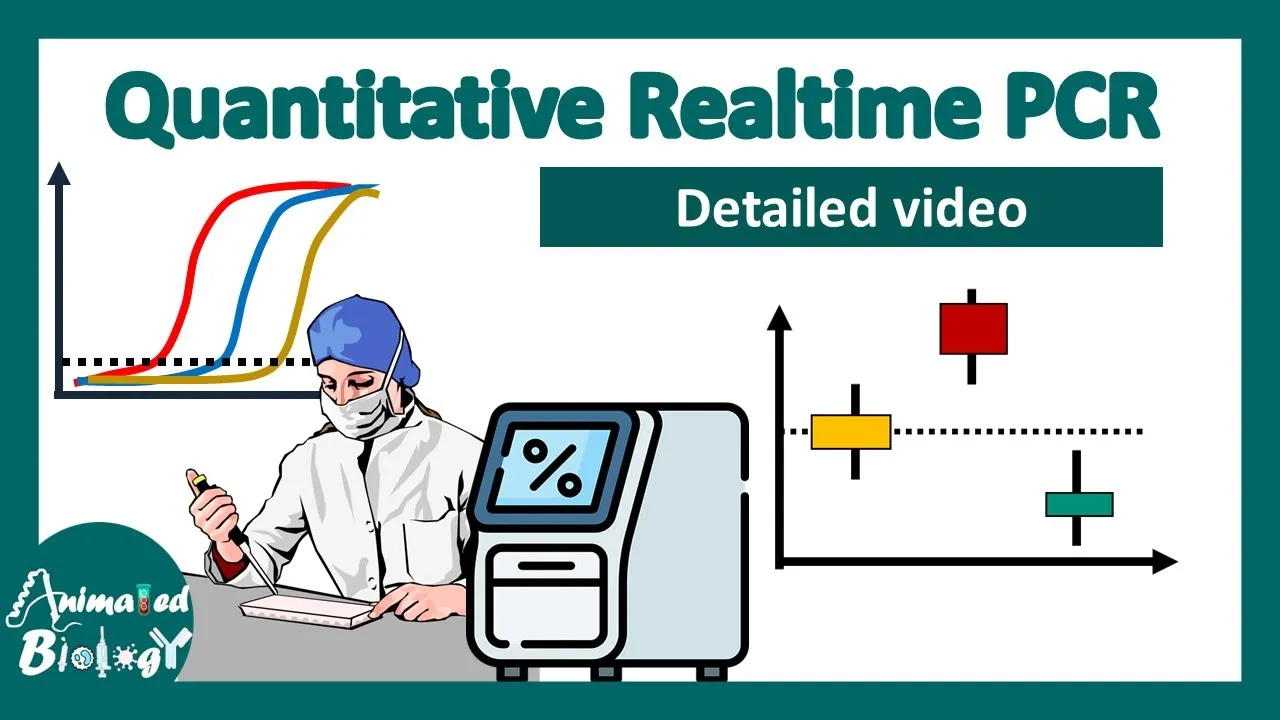
Quantitative Real-Time PCR (qPCR): Principle, Method & Data Analysis
@animatedbiologywitharpan
129.2K views•2023-09-06
Microbial Degradation of Plastics: Biodegradation Pathways & Sustainability
@majeedhammad
2.9K views•2021-04-11
CRISPR and Genetic Engineering: How Gene Editing Works and Why It Matters
@kurzgesagt
30.5M views•2016-08-10
Related Study Plans & Knowledge Roadmaps
Structured learning paths in Biotechnology