

























The Brooklyn Bridge, completed in 1883, represents a pioneering hybrid suspension-cable stayed bridge design by John Roebling that solved the problem of collapsing European suspension bridges by combining large central cables with diagonal support cables, requiring innovative construction techniques like pneumatic caissons and demonstrating remarkable perseverance through the deaths of two engineers and years of delays.
The Engineering of the Brooklyn Bridge: A Historic Feat
Added:Basic principles of structural mechanics, specifically the concepts of tension, compression, and load distribution.
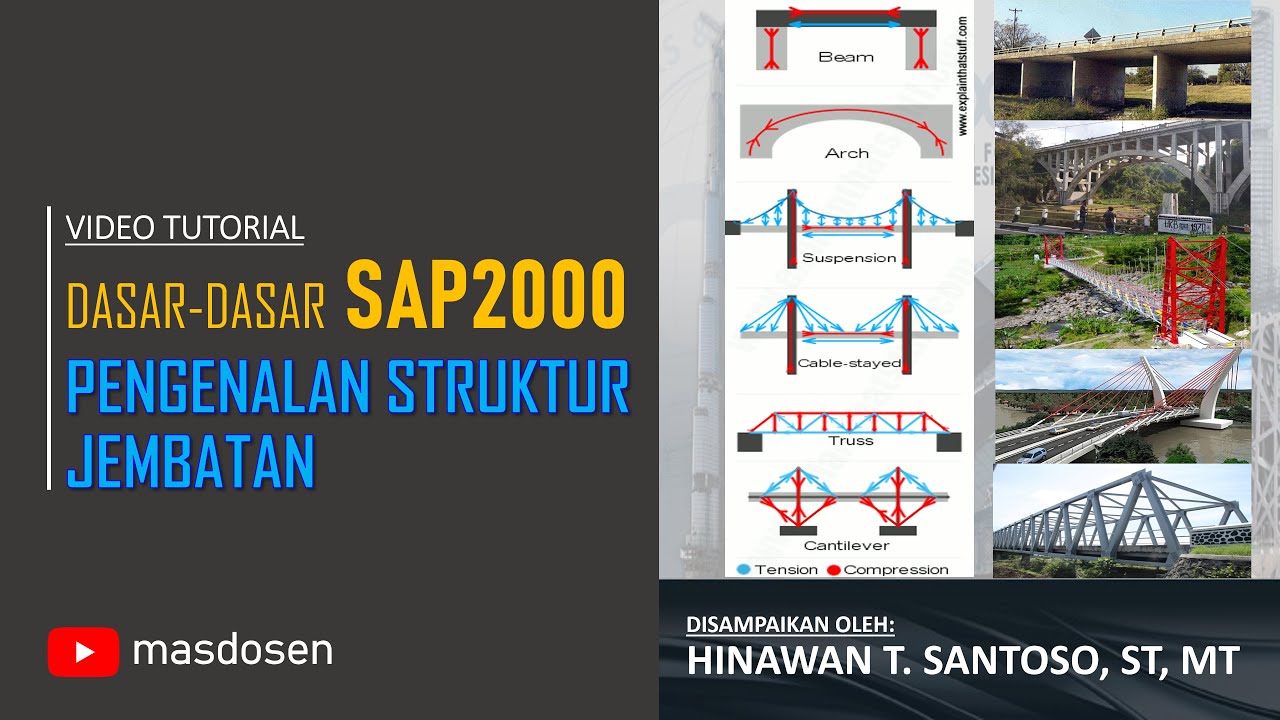
An understanding of different bridge types (arch, truss, suspension) and their basic structural behaviors.
The historical transition from iron (wrought and cast) to steel as a primary structural material in the late 19th century.
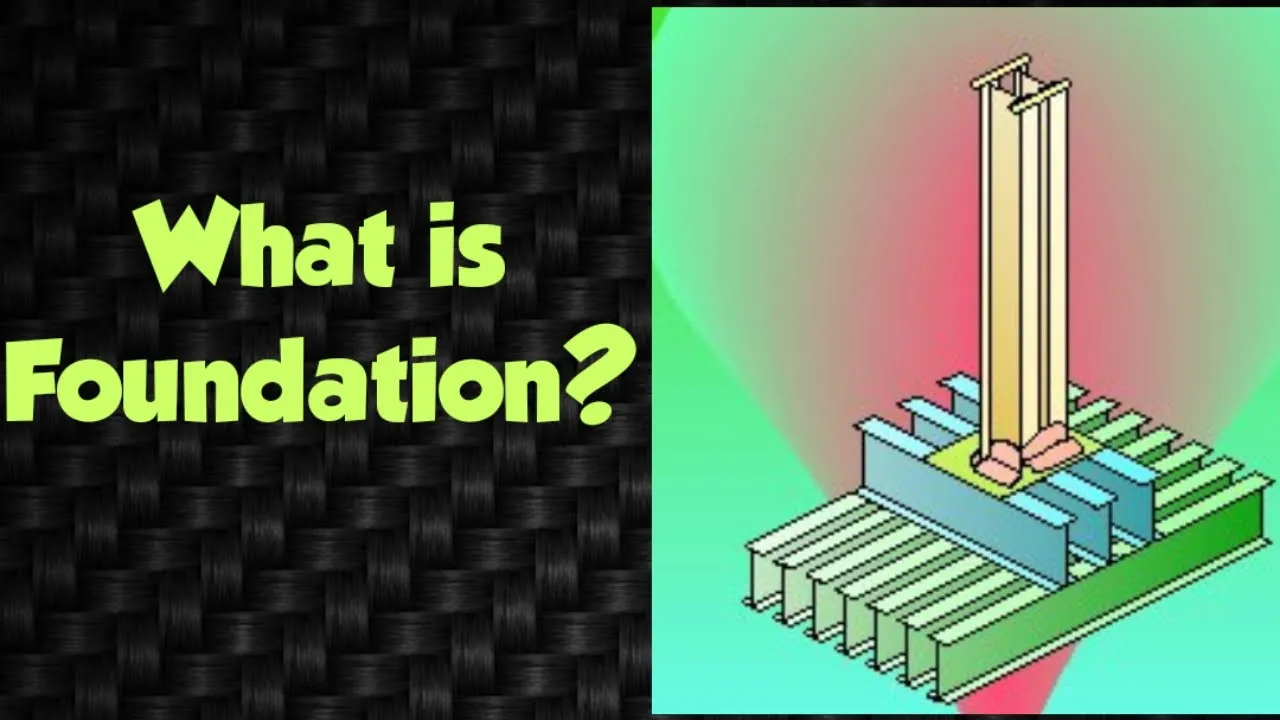
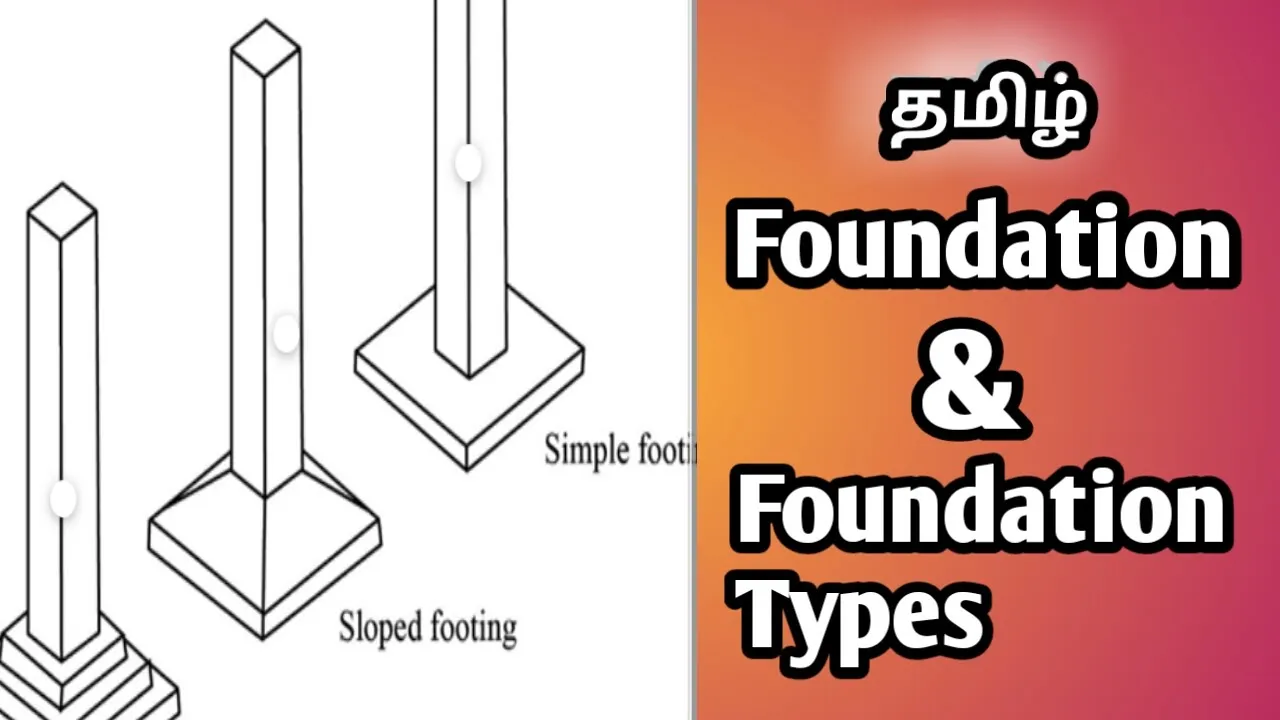
The role of foundations in civil engineering, including how loads are transferred from a superstructure to the earth.
The design and mechanics of modern cable-stayed bridges as an evolution of Roebling's hybrid suspension design.
Geotechnical engineering and the physics behind pneumatic caissons, including the history and biological impact of decompression sickness (the bends).
Aerodynamic stability in long-span bridges, exploring historical failures like the Tacoma Narrows Bridge and modern wind-tunnel testing.
Structural health monitoring and preservation techniques used to maintain and retrofit historic steel and iron infrastructure.
1.5M views28.6Klikes5:16Original Release: 2020-02-11
In the mid-19th century, suspension bridges were collapsing all across Europe.
Their industrial cables frayed during turbulent weather and snapped under the weight of their decks.
So when a German-American engineer named John Roebling proposed building the largest and most expensive suspension bridge ever conceived over New York’s East River, city officials were understandably skeptical.
But Manhattan was increasingly overcrowded, and commuters from Brooklyn clogged the river.
In February of 1867, the government approved Roebling’s proposal.
To avoid the failures of European bridges, Roebling designed a hybrid bridge model.
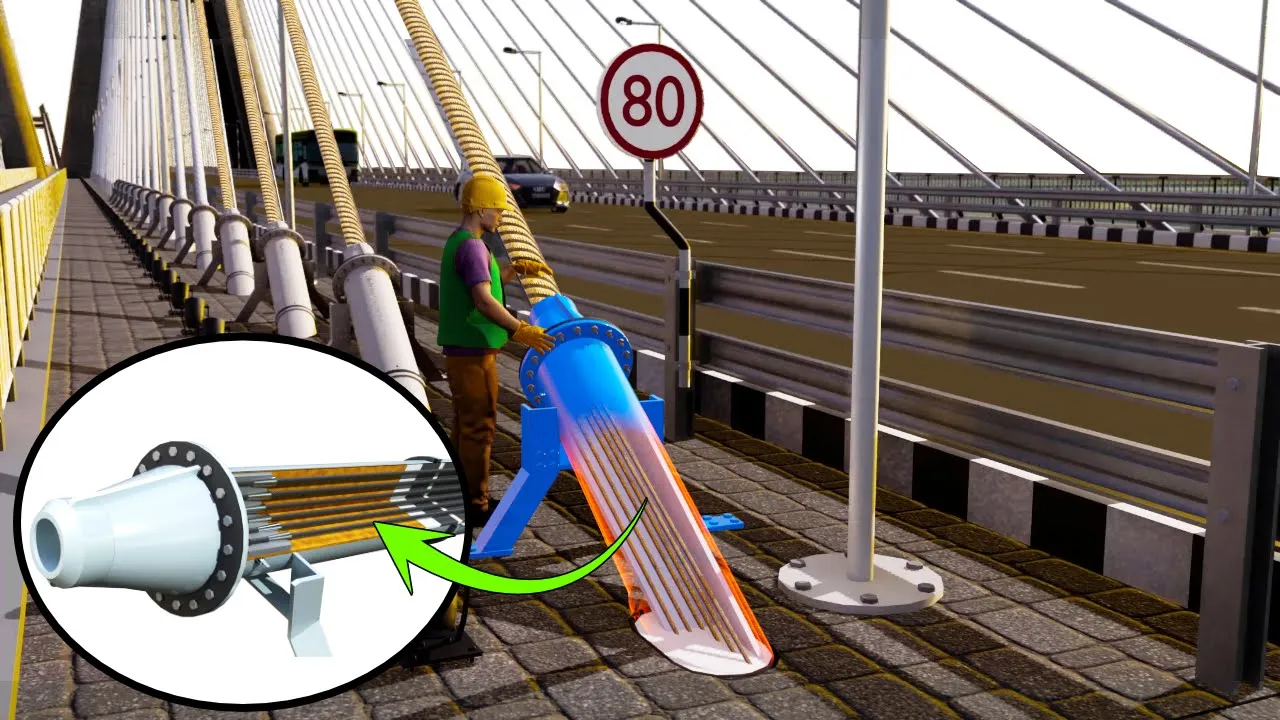
From suspension bridges, he incorporated large cables supported by central pillars and anchored at each bank.
This design was ideal for supporting long decks, which hung from smaller vertical cables.
But Roebling’s model also drew from cable-stayed bridges.
These shorter structures held up their decks with diagonal cables that ran directly to support towers.
By adding these additional cables, Roebling improved the bridge’s stability, while also reducing the weight on its anchor cables.
Similar designs had been used for some other bridges but the scope of Roebling’s plan here dwarfed them all.
His new bridge’s deck spanned over 480 meters— 1.5 times longer than any previously built suspension bridge.
Since standard hemp rope would tear under the deck’s 14,680 tons, his proposal called for over 5,600 kilometers of metal wire to create the bridge’s cables.
To support all this weight, the towers would need to stand over 90 meters above sea level— making them the tallest structures in the Western Hemisphere.
Roebling was confident his design would work, but while surveying the site in 1869, an incoming boat crushed his foot against the dock.
Within a month, tetanus had claimed his life.
Fortunately, John Roebling's son, Washington, was also a trained engineer and took over his father’s role.
The following year, construction on the tower foundations finally began.
This first step in construction was also the most challenging.
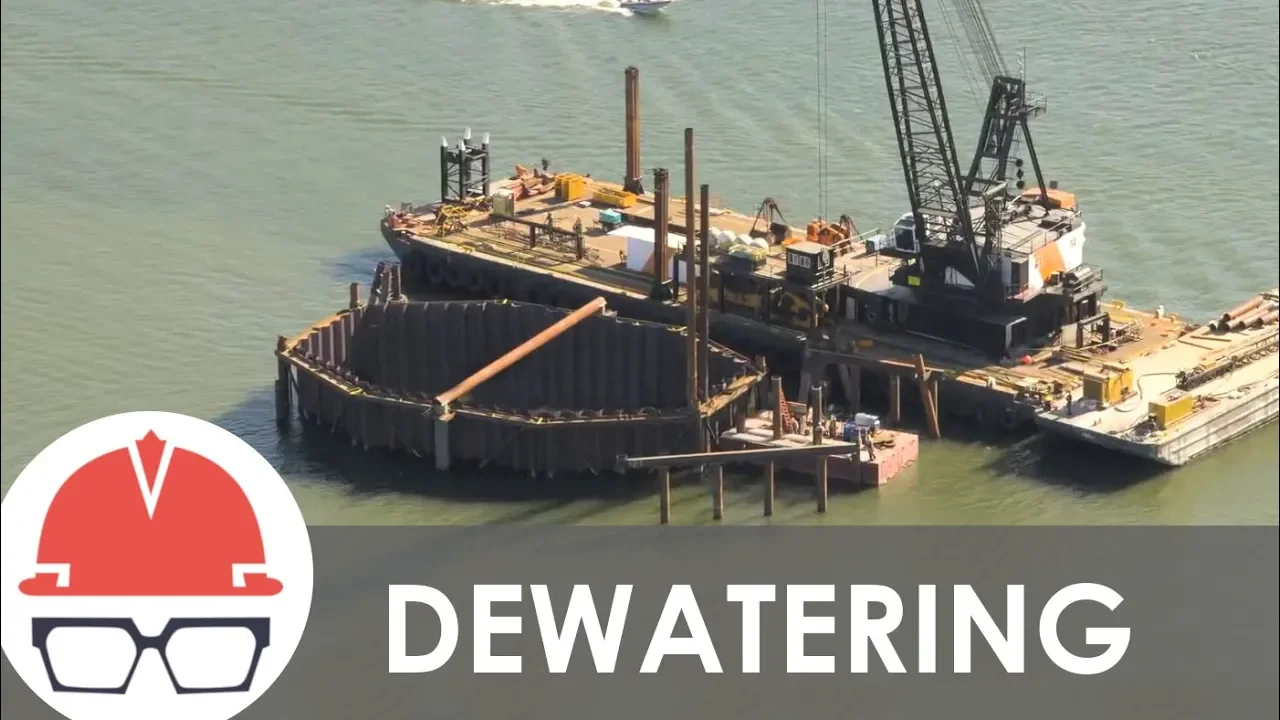
Building on the rocky river bed involved the use of a largely untested technology: pneumatic caissons.
Workers lowered these airtight wooden boxes into the river, where a system of pipes pumped pressurized air in and water out.
Once established, air locks allowed workers to enter the chamber and excavate the river bottom.
They placed layers of stone on top of the caisson as they dug.
When it finally hit the bedrock, they filled it with concrete, becoming the tower’s permanent foundation.
Working conditions in these caissons were dismal and dangerous.
Lit only by candles and gas lamps, the chambers caught fire several times, forcing them to be evacuated and flooded.
Even more dangerous was a mysterious ailment called "the bends."
Today, we understand this as decompression sickness, but at the time, it appeared to be an unexplainable pain or dizziness that killed several workmen.
In 1872, it nearly claimed the life of the chief engineer.
Washington survived, but was left paralyzed and bedridden.
Yet once again, the Roeblings proved indomitable.
Washington’s wife Emily not only carried communications between her husband and the engineers, but soon took over day-to-day project management.
Unfortunately, the bridge’s troubles were far from over.
By 1877, construction was over budget and behind schedule.
Worse still, it turned out the bridge’s cable contractor had been selling them faulty wires.
This would have been a fatal flaw if not for the abundant failsafes in John Roebling’s design.
After reinforcing the cables with additional wires, they suspended the deck piece by piece.
It took 14 years, the modern equivalent of over 400 million dollars, and the life’s work of three different Roeblings, but when the Brooklyn Bridge finally opened on May 24, 1883, its splendor was undeniable.
Today, the Brooklyn Bridge still stands atop its antique caissons, supporting the gothic towers and intersecting cables that frame a gateway to New York City.
Up Next
50:03
Engineering Marvels: The World's Greatest Bridges Explored
@TheB1M
955.7K views•2024-01-29
30:32
Ultrasonic Transducers: Resonant Frequency Measurement and Horn Design
@imajeenyus42
229.9K views•2017-02-22
54:16
Polymer Environmental Degradation: Mechanisms & Stabilization
@iit
1.8K views•2012-07-10
33:39
How a Student's Question Saved a NYC Skyscraper from Collapse
@veritasium
22.8M views•2025-04-26
Related Study Plans & Knowledge Roadmaps
Structured learning paths in Engineering
engineering
Building Acoustic Levitators: Physics & Arduino
01The Physics of Sound and Standing Waves
02Piezoelectric Transducers and H-Bridge Drivers
03Arduino Programming: Generating 40 kHz Signals
+ 2 more learning modules
14h5 modules
Explore Roadmap
engineering
Building Peltier Cloud Chambers: Particle Tracks
01Cosmic Rays & Cloud Chamber Physics
02Thermoelectric Cooling (TEC) Fundamentals
03Custom Liquid-Cooling Loop Design
+ 2 more learning modules
18h5 modules
Explore Roadmap
engineering
Yagi-Uda Antennas: Modeling, Build & VNA Test
01Introduction to RF and Antenna Fundamentals
02Yagi-Uda Antenna Design Principles
03Antenna Modeling and Simulation in 4NEC2
+ 2 more learning modules
18h5 modules
Explore Roadmap
engineering
ECG Monitor Design: Op-Amps, Filters & Noise
01Electronics & Breadboard Basics
02Op-Amps and Instrumentation Amplifiers
03Bioelectricity and ECG Fundamentals
+ 2 more learning modules
18h5 modules
Explore Roadmap