

















Music is fundamentally about emotional authenticity and personal expression rather than technical perfection or adherence to rules; the most impactful music comes from exploring one's genuine interests and feelings, staying open to unconventional choices, and trusting the creative process rather than waiting for certainty or external validation.
Jacob Collier Masterclass | Music & Life Q&A, Mexico City
Added:Fundamental Western music theory, including chord construction, scales, and key signatures.
The basic concept of polyrhythms and how different rhythmic subdivisions interact.
Familiarity with Jacob Collier's musical style, particularly his use of multi-instrumentalism and vocal harmony.
An understanding of creative block and the psychological aspects of the artistic process.
Advanced harmonic concepts, such as negative harmony, microtonality, and just intonation.
Techniques for arranging and orchestrating music across diverse genres and vocal ensembles.
Practical methods for facilitating interactive musical experiences, such as audience-participation choir conducting.
Integrating personal philosophy and emotional vulnerability into songwriting and music production.
266.3K views7.4Klikes1:39:24Original Release: 2024-04-17
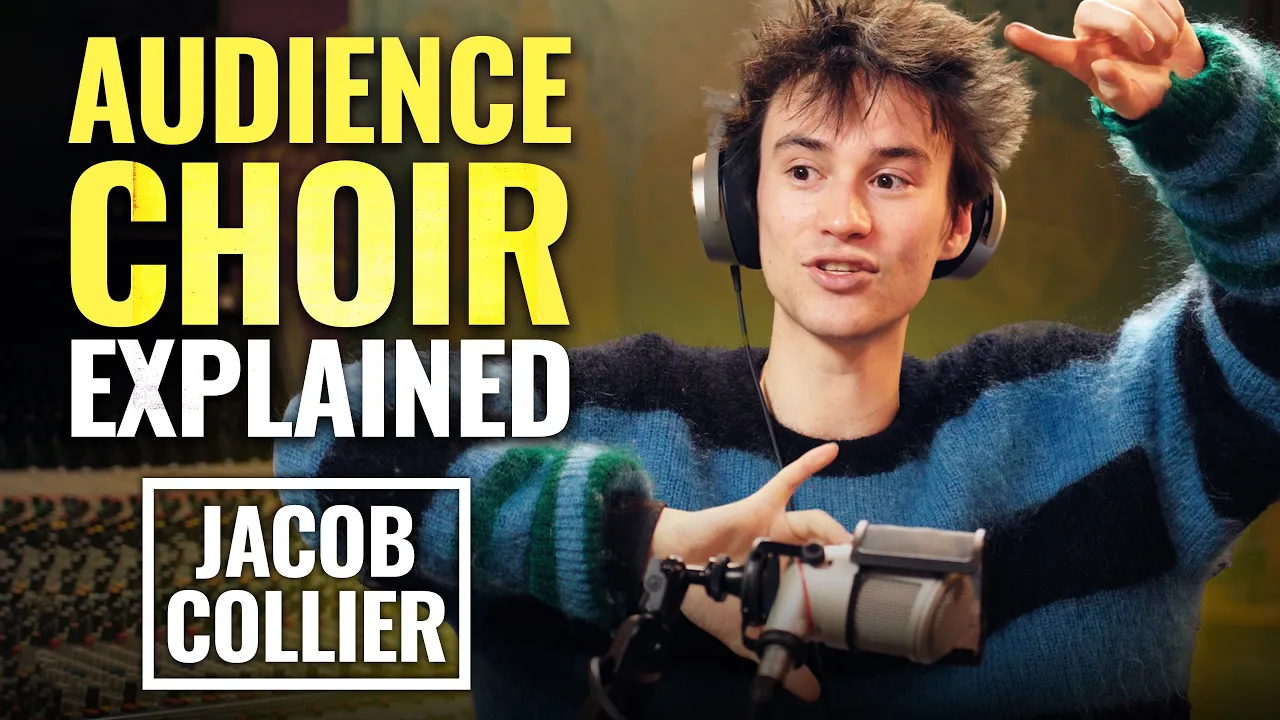
graas thank you very much well this is my first ever time in Mexico i' uh I've never been here before and it's crazy awesome it's crazy awesome this morning at 6:00 in the morning I was in a hot air balloon looking over the pyramids just out of the city insane are you serious it's crazy that's like proper amazing um thank you for having me and thank you for welcoming me so so beautifully I've been so excited to visit Mexico for basically as long as I can remember and I so I've traveled here all the way from London I arrived on Tuesday and um tomorrow I have my first ever show in Mexico City which is just it's so awesome and in fact um Yeah tomorrow's show is the first show of my world tour this year I'm doing a world tour for Jesse volume 4 and um I've been really just so excited for so many uh so many years honestly definitely weeks and months but years for for this exact moment so thanks for sharing it with me it's really really nice um basically I'm just I'm just here to hang out with you guys um and I'd love to answer any questions that you might have about music or life they're quite similar actually but we can get into that later um Harmony questions Rhythm questions life performing questions kind of anything you want but before we get into questions you can get to think think up some questions now I I'll just tell you a bit about myself I'm Jacob and I come from England which is a long long way from here and I love it dearly and um I make music amongst other things and have been doing so for 29 years that's my age and um over the last few oh I guess over the last 10 years or so I've been sharing that music with the world it was sort of being created far far beyond that back into my deep childhood but um I've learned so many things in the last 10 years and I I much as I could sit here and say I've learned about lydian and diminished and altered and all that stuff i' I've mostly learned about life and um I think when you live a good life it factors straight into your music it offers itself right into your fingertips and whatever you do as a musician I think it's it's really important in fact my good friend Quincy Jones often says make a life not a living which I really like that I think that's very important we need to be sparked by the things in life and that's what sparks our music so so I I find that very interesting and I spent a lot of time thinking about how it works to be a creative person and a musician it's not always an easy thing to be in the world um the world is quite determined to sort of make us go down the straight and narrow and follow the rules and and stop us get you know getting too crazy and so I've enjoyed being a little bit too crazy sometimes stretching it and um I think I've learned a lot of things about music but one thing I would say is that music is um well first of all it's for everybody and it's made of everybody um there's no such thing as good music and bad music that's made up it's just the music that feels right for you you build yourself a a world an inner world and the describing of that world that's what connects with people way more than any skills that you might have or knowledge that you might possess and I think that all the connective powers that you have come from you the person not from you the musician but music is a tremendously powerful language when it comes to extending your your Humanity through other people you know I also think music is inherently very simple it's a very simple thing and it's built out of very simple principles the kind of most fundamental building blocks and axes of music you know think about things everybody in the world understands big small everyone knows about this everyone feels this high low everyone understands that and then some more advanced things like you know departing and returning you know everyone understands the feeling of leaving leaving someplace or moving away and then the feeling of coming back and so a lot of music is about the process of sculpting Journeys that remove you from a situation and then return you to it in a satisfying way so much of music is about like you you you could say tension and release creating tension and then having it be released you know um and every great story if we think about storytelling every great story is built from those building blocks the idea that you create characters that are interesting inspiring challenged deep and then those characters go on Journeys and you go on the journey with them and you feel all the things that they're feeling and as they move through the world you learn how to move through the world differently and then when they eventually come back around come home or move somewhere else you're moved with them and so the art of making music is the art of moving people um not reaching people that's different um I think a lot of people nowadays who I speak to about the music industry think about the idea of making the best music is about reaching the most people that's actually not true you can reach people but for for me definitely I found that the most interesting music I think that I make and that I hear other people make are when it's it's music for for the depth of itself it's not music that's trying to reach up a whole bunch of people if you move a person person then that person is moved for life even if it's in a small way and um I've really um fallen in love with I think that as a concept and I think it's important to bust the myth that the best musicians are the people who reach the most people don't think it works like that but you can reach as many people as you like as long as you're moving them that's also joyous you know joyous to understand um I grew up mostly as a self-taught musician my mother Susie Kia who's like a Timeless Legend shout out Susie Kia um yeah oh yeah um she is an extraordinary teacher very very gifted teacher but she's like a master enabler I like to think of it so she she gives so much permission um for people to be who who they are so when I was growing up it wasn't about oh piano lessons violin lessons bass lessons drum it wasn't any of that it was just about creative conversations and conversations that reminded me of the world and how awake the world is and I think I was always played a lot of music in the house um so like for me growing up my my childhood Heroes were like Stevie Wonder massive hero of mine um bark oh so great one of the best one of the best um Stravinsky killers come on well that was the biggest cheer even even more than Stevie Wonder that's interesting um I love listening to Queen when I was growing up I love listening to sting when I was growing up staying beautiful so many so many different kinds of musicians but I never thought about the idea of genre until someone asked me I think I was about 14 or 15 soone hey hey man what genre do you like I thought I have to pick one I have to pick one genre that I like and that's that's my my lane and I I could never answer that question and then it became well what what kind of genre do you make thought I don't know I just make music I make music that feels right to me um sometimes that's like folk music sometimes it's death metal music sometimes it's Jazz related or pop related or electronic or whatever it's cool you can do you can do whatever you want you know and that's one of the joys of music is us just you're it's wide open you can you can take it anywhere you can take yourself anywhere and um so over the years I really enjoyed the process of of learning yeah just how these how these principles kind of work emotionally I think that that's been one of my biggest Joys you know for example um here's a grand piano oh by the way this is Jethro the crocodile Jethro yeah Jethro just he just got washed for the first time in 5 years so he's really clean oh that's kind of crazy anyway Jethro Mexico okay cool um so okay if you sing can you sing a d very good can you sing a high D up there keep singing that note keep singing that note and examine the feeling of being this note as I change the chord around okay ready so cool lovely nice [Music] cool so that process of keeping one thing the same and changing other things that is a lot of the best music is is designed based on that principle so you were just the note D for a while and the note D in the chord of D major is very different from being the note D in the chord of E flat major right it's like if you're a d and e flap major then you're making tension you're the tension maker we're fighting you're fighting against the [Music] chord or if you're D in the chord of d flat 7 it's like who it's really tension but then if I become a SE then you're wider you do do you experience this you feel it so this is an amazing thing and one of the like unspeakable Magics of music is that without saying a word I can put feelings in into the room and you share them you know you you you feel adjacent or similar things to the things that I'm feeling and um so when I improvise at the Pian which is what I do a lot of the time one of my favorite hobbies and I'll do it on stage tomorrow probably haven't planned the show yet so I'll do lot improvising a lot of the process is of finding something I like or sometimes starting with a song that I wrote or know and modulating you say modulating your perspective different so that you have an emotional experience when you're listening to the to the flow and There's No Greater Joy than this for me especially when I'm on stage because there's something about being comfortable with without without knowing what's coming next I always find that really important I think actually if you look at the world right now there aren't really clear answers to a lot of the world's biggest problems and a lot of us I think definitely me included live a life where we think well gosh what how can I help you know what how do I understand these problems how can I plan a future how do I how do I imagine myself into you know what's coming next and I think music teaches us many things but one of the greatest things is to be comfortable truly comfortable without knowing that things are certain and without necessarily knowing what's coming next and you can talk about this harmonically you can talk about it rhythmically you can talk about it lyrically compositionally melodically um and and in terms of humor as well you know you can take people by surprise in interesting ways I've always found that to be very reassuring and it's it kind of hooked me into music at a young age the idea that you can explore basically everything there is to explore about life you can explore through music I often think about this but music right when we learn music we learn you could say all all there is to know I know that's quite a big thing to say but we learn mathematics physics history geography we learn language spelling syntax communication skills we learn of empathy trust we learn physicality we become athletes in a sense we learn patience we learn story telling we learn trust mentorship all of that knowing all of that teaching and and and studying that's all life stuff and so there's like no better thing to study in in my mind than music when you do it right because it's about being open and about being curious about the world and then being unafraid to kind of explore it on your own terms there have been a lot of moments in my life creative life where people have said hey Jacob you know you can't do it like that that's wrong you can't you can't put this note in this cord are you crazy you know you can't play you can't play A D major chord and put an F on the top you can't do that you're not allowed but actually you can that's beautiful right and um the same thing goes for many other chords and other parts of music for example you could say well you can't have a G7 chord and put an F in it can't do that but sounds great right because the f wants to rise and the F wants to sing right so even though that's like it's still fine you know and I love this because time and time again I I'm I'm reminded of the Infinity of choices and how how basically if you commit to something that you that you feel is right to the story you're telling it is right for the story you're telling there's no such thing as that chord isn't in the book so you can't use it or you know and I think a lot about mixing and production um you know at this point I've produced and released Five albums by myself um including some collaborations from unbelievable artists but the process of mixing is something I Do by myself and I love it so much and a lot of the techniques I've learned about producing mixing beat making sound design I've just kind of fallen into it by accident you know like I never sort of took a class like okay Jacob but this is how you have to design your sound I just got a microphone for my 11th birthday and Logic for my 11th birthday and then I just started messing about you know and gradually you find like recipes that you that you find satisfying I like that one that's cool I like I like that sound I'll keep it for later you know and then I guess the the process of of the last few years and decades has been like a massing it's like it's like um writing a recipe book of stuff that you just like a lot stuff that you know works and I often think about how important it is to to to listen to what you like um and how important it is as a starting point for so so many things um first of all I think it's important to Define your life based on things you like not on things you don't like and it's easy actually to to start saying oh I don't like that oh I'm not the kind of person who listens to that music oh no oh this I don't like the way no I don't like that oh I would never go I would never go there I'll never do and this becomes your your your main like emblem your signage is like I don't like this this this this this these are my main features but actually it's so much more important to say well here are some things I genuinely love like I like mango you know I'm just going to say it you know I like Crocs you know you say here's hey I love it love to see it momm um but you know saying it it doesn't matter how small the thing may be or I say I love music but you know the the idea of collecting things that you like and building a language out of those those things is really cool and really interesting so I like this chord I like that a great chord so I'm going to put it in my in my language book it's like my it's like a a c book in a sense you know um I spent a lot of time as a child I wouldn't necessar necessarily say practicing kind of like this kind of thing but I would I would say okay I like I like this chord uh let's see I like I mean even to say this chord that's a beautiful chord don't you think love it so I play you play this chord in all the different keys and you find how it feels to move between all the different Cs and different ways and you can you can get to know cords in this way it's like your cords become your friends in the same way that other elements of Music become your friends you know it's like you you literally amass a language of stuff that's important to you and then you build your work and your Creations out of that stuff and if something doesn't interest you that's fine that's cool you know and if something you make is not interesting to people that's fine as well not being interested in something is is is not judgmental it's like if I put a spoonful of salt in your mouth you might be like but that doesn't make the salt invalid it just means that it's not for you today or you haven't met salt in the right context you know you might want some chips or you say fries or chips what would you say here both okay yeah fries probably right cuz like okay but yeah the idea that you know I might not like one chord in one situation but actually in a different context it's the perfect chord you know so it's important to to stay open and to create things freely and and not in fear of of other people's Judgment of you and Al not in of your own judgment because even things for me even things I've thought were bad or not cool have ended up being cool by accident later so I'm glad I haven't like completely disposed of them and I've I've remembered the things that I I liked and I put them in my secret stash you know there's like a stash in here this pocket of all the things I like in the world it's invisible to you but I can I it's all in here for me um so yeah I think that's a really that's a lovely way of of learning music and and that's not to say that you know you you you only pick from uh you you only need to pull from Concepts that are interest you right now I think a lot of the things I learned as a child were from exploring Concepts or being shown Concepts that maybe didn't interest me at the time but in my exploration of them seeing them through to the end you learn actually I I do like this thing about that thing you know and then you end up incorporating different elements into different things and no one can tell you what to what to create other than you that's up to you that's something that you have control over and um and that's important to remember so anyway to sort of sum up my whole thing uh I think I've been definitely been creating music for my whole life but the last 10 years has been very interesting because it's been about sharing some of the things that I've made with the world which is a very interesting experience and I've um I've toured all over the place I've I've really fallen in love with the idea of being on a stage being comfortable on a stage just to sort of be me I think I used to think that when I went on stage I had to be like really like good or something but actually that's not that being good is overated it's not it's not about being good who cares it's just about being comfortable and it's the same thing same thing about things you make you know if I make something really really good it's like literally who cares you know but if I make something that's interesting that to me then it's probably going to be interesting to some of you or if I make something that I find challenging to me then it might be challenging to some of you or if I make something that feels bold or feels unusual or something that feels just feels very very honest those those are all very good principles to to think about but the idea of oh this is bad or good so it doesn't doesn't really exist like that at least to me it doesn't exist like that at all some of my favorite singers in the world are bad singers you know I remember um there's a singer called David burn do you know David burn from the Talking Heads he has an amazing quote he says he says something like um the better the singer the harder it is to understand what they're saying which is actually really kind of true because you know these amazing singers who are very very good at singing but they're not actually necessarily saying something that is is is touching you you know um and also you can have someone who's you know graveling around but actually actually is it is interesting and is is cool and it's challenging something you can also have something that's very proficient and very fluid and very languid and very capable of being itself that is moving I think that's that's an important myth to bus too because it's not like oh you you're very brilliant and technically good or you're meaningful and deep like that's crazy to me too CU I spent a lot of my life sitting at pianos and drum sets and bass guitars and mandolins and computers and things just trying to figure out how to make how how to have things make sense for me and a lot of that concentration is about deepening your craft deepening your language but what becomes a part of that language is is kind of up to you the other great thing about liking things is that it's effortless you know if I give you some food I I think food is an interesting example if I say hey taste his food you don't have to decide if you like it or not you're not you don't say okay let me just calculate um yes I like it you know you have to do that it's like an instantaneous feeling yeah or like ah no no I don't want this today I this is not for me and the same the same goes with a lot of things in the creative process but definitely with Musical musical elements it's like you know you you you're attracted to things effortlessly you don't have to try to be attracted to things and it helps to start building music out of things that you're you're attracted to in a sense so for me I was always attracted to these chords that had like lots of notes in a row you know these kinds of kinds of sounds or like wow wow amazing these kinds of sounds with tension in them it's great so juicy like mango juice and so I I I didn't decide to like those CES it wasn't a decision I I have no agenda here I didn't I I don't have a point to prove you know I just like the chords so well it's cool then to build a language out of out of that out of that kind of stuff and I really I love that stuff and I also love chords like this that's a great chord or you know or you could say it's lovely isn't it and and the process of yeah essentially just finding sounds that you like and then figuring out why you like them I think for me that's like one of the biggest it's one of the biggest things and that doesn't just go for for musical instruments goes for yeah sounds and production choices so you know for example like in pop music there's a lot of that they call it side chain compression all that stuff I I always thought that was really cool you know um so you have to figure out why do I think that's cool I think it's cool because it kind of moves like that you know and then you figure out how to how to make it you watch a YouTube video it's like how do you make this sound and and you figure it out or you make up your own solution you back in the day I used to automate in in um in production software there's this thing called automation where you get to draw in lines for certain parameters of your sounds and so I would have certain sounds I draw in every single beat I draw for the whole song you know and then I realize you can you can put a compressor on it and blah blah blah blah but um you know it's yeah it's fun to it's fun to be open to everything that you like um and believe that there's a way of making it all make sense because there is there's a way of it all making sense and um and I love that I think that's I think that's cool does does that is that making sense to you yes um I mean I can obviously just keep talking but I'm I'm really curious about your questions and if anyone has anything they'd like to specifically poke me about or ask me about um feel free to ask your questions yeah so hello Jacob you so my question it's regarding the way you approach an arrangement and in production because it is known that you know how to make a song work with only your your voice but also you manage to merge all of these ingredients like um collaborations instruments Styles gen personality Etc so the question is how do you stay true to the idea of the song knowing those Endless Possibilities yeah that's a lovely question it's a really really great question um I think I think the first thing is not to be afraid of of trying too many crazy things at least for me I love the thing of just being like if an idea comes to me I'll just throw it on the wall you know it's like sometimes I think about making music like throwing paint you know you know if you have an idea it's like put it on the wall everything's welcome and you trust that that there'll be a way to do that um I think I mean there's a lot in what you just said I think that the collaboration is is very interesting working with other people um there's also in a sense like a production part of the question about like how to sonically how to make things make sense I think when it comes to collabor ation um I made an album called in my room it's the first album I ever made I made it by myself in London and um that process taught me so many things but by the end of it um I I even T that with as a just with a onean show so just by myself on stage but by the end of it I was so ravenous for collaboration but I was also like slightly terrified by it because I didn't know what to expect and what would it be like to try and incorporate other people's voices you know you said I know my own voice so well and what would it be like to Fashion things outside of that um and so the only way to learn something is to try it you know so I I thought well I I'll put myself in the deep in the deepest part of the of the swimming pool or the ocean and I'll just see what happens and so I said okay I'm going to make four albums and I'm going to collaborate with like everyone I want to work with in the world who will agree to my crazy plan you know so I sent like 50 or 100 emails or DMS and things hey I'm Jacob want make it and you know I was I was really blown away at how many people said you know yeah I give it give it a give it a go and and um but I didn't know how to mix Orchestra you know for example until I tried you know so I went to record Orchestra in Holland for Jesse volume 1 and also Jesse volume 4 and um recording Orchestra is crazy you know there's 80 microphones in the room one for every musician massive string section brow section woodwind percussion and lots of room mics as well and so I went home and put them in logic and it's like where do I even start you know where do you even start and so you you ask people pull for advice a little bit so I for example when I realized that when you have um when you have an orchestra and you're panning things around you're moving things left and right it actually really helps to pan things as as if you were the conductor of the orchestra so you put all the violins on the left all of them on the left not like violin one violin two Violin 3 volin four which is what I would have done for my own voice because if I'm doing you know High voices middle voices low voices I I tend to scatter them all down but all the violins here all the trumpets up at the back you know all the cellos and bases over there I I didn't know that stuff until I tried you know but I think the process of of just giving things a go has been has been really helpful for it and there's not really one way of it of it working always you have to just you have to try as many things as you can so you know for example like mixing the vocal of someone like Camilo right is very is a very different experience from mixing the vocal of someone like Tay you know or um UMO sangari from from Marley Africa or um Tor Kelly you know like hey uh yeah all they're all so different from each other so the the only way to ever really know is just to is just to try things and you kind of you you amass a knowledge of stuff that works for you I suppose um but yeah it's not it's not like there's one tried and tested method for things always working but I I love the challenge of just thinking like I know there's a there must be a way of this working there must be um and then then there always is but sometimes it takes a lot of patience you know you have to think I'm really going to spend time on this I'm really going to get it right and um you know Jesse Bing forward like was a hard album to finish you know it's like so much potential and so many songs or hundreds of songs all these different things I thought how do I finish this album but you just have to believe that you're going to get there in the end and and um every song is is like solving a different puzzle and then you solve it it's like I did it you know and then I like slept for five months you know I I just woke up yesterday but um anyway does that answer your question yeah okay amazing amazing any other questions from anybody at all we'll take one from over on this side uh yes sir who's your favorite Mexican artist oh Mexican artist okay I I had no idea that Santana was from Mexico this was a mystery to me but but he is right crazy I mean he's a legend total Arts a legend but I would like actually some recommendations can can people shout out some recommendations of okay say one what [Music] you k guyis can you can you write that down okay okay cool EST okay that's one okay I'll take one more one more suggestion from over this side say again domus domus thank you that's right I mean there are so many we could go forever like this but this this is a good good good place to start good place to start very good okay any other questions any other questions yeah go ahead okay um first first of all thank you for coming here and like I've always admired you you remind me so much of me not not not to say that I'm the greatest musician cuz I think you are but like but the way you approach music I I like I feel the the same way you describe and my question is what's the thing you would have liked to known ear earlier in your career that's a really good question I think the thing I'd like to have known earlier in my career is that no one knows what they're doing I think I used to think oh when I grow up I'll know what I'm doing and because obviously everyone else seems to know what they're doing but they don't no one knows what they're doing even me I don't know what I'm doing but I I I do have things I I know I like it's going to go back to the same thing so I think I would have found that comforting as a Young musician to realize that there's there aren't really any rules that you it's not like you get to a level where you're like all right now I'm ready to start my thing like when are you ready I'm not ready no one's ready you know you just have to get comfortable with going in and doing it so I I think that's actually quite an important point to make um you know if you wait until you you feel like you're ready to start releasing music or writing songs or playing the ukulele or whatever then you could wait forever because there's not really a moment where you think okay I'm now ready and I also think that some of the most qualified people make the most least make the least interesting stuff so it's it's like a matter of just being like you are already you've already got all you need you've already have everything you need to just start literally just go and you don't have to get it right first time you don't have to sort of you know like if i' there's no way I would have just come out and made in my room on day one of making songs you know I had to do like 20 years of experiments you know and then 10 more years to get to Jesse volume 4 and then in 10 years time I'll be saying oh Jesse Volume 4 now I've got it but but there's not really a time where where you're ready but I think there's a time where it feels right to start and but I think the main thing I'd say is you no one there's no such thing as reaching the point where you're good enough or ready enough or people like enough people are listening and you know or you have the right it's like that stuff doesn't matter very much it's just about like are do you want to share something in to the world go ahead you know there's always people who are going to be grateful for you sharing things in the world yeah cool yeah you're welcome you're welcome welcome any other questions uh let's see over here thank you um I really like your approach uh to music and I feel very interested about it but um I H think um that musical theory is very interesting I I think it's very useful when we try to compose or even to play music H with an instrument but I have struggle and in in the way that I I try to think about what I learn about music what I have to think about music and what I have to feel I think the way you approach to music has to do um a lot with h feeling feeling and discover your own sound and your intentions what you want to tell H to people through music so I just want to know in your opinion how could I discover this this balance between knowing about music about musical Theory and feeling it what what what can I expect when I think something's wrong but I like it yeah yeah yeah very important question I love the question um yes is as you say it's about the balance right it's like the balance of you could say the left brain and the right brain the left brain is like the right brain and that's life the life is about finding that balance and honestly it's it's hard to find it I find it hard to find that in my life sometimes cuz I'm so I love both sides so much and sometimes I'll let one side take over and it'll be like right brain or like right left brain everything's going to be right you know so I guess the short answer is there's no one way of doing it that I can definitely say definitely just follow these simple instructions and you will achieve the balance um but but I I think you know it's maybe it's important to to differentiate the difference between practice and play in a sense um you know you can you can Define these as the same but you can also say okay well in in the state of practice it's about it's about like zoning in on the things that matter to you and you could say from a theory perspective from a technique perspective or whatever so it's like okay if you find a if you find a sound any sound say say you find this sound uh right classic um you know I could if I wanted to I could just play this chord and I it doesn't do have a name really just as I don't really have a name someone just made up a name for me Jacob doesn't really have a name it's just a sound but what I found interesting and helpful is as I communicate to other people about this chord I can say well this chord had there are properties of this chord that I can Define for you that are that are that are that make it interesting to me so for example like you can say this is a C13 flat n chord if you want to do or you can say it's a major or C major you know um or you can say it's it's a bunch of weird intervals you know and um I guess what I'm trying to say is there's there's many ways of defining a thing but if I was going to practice incorporating the sound into my repertoire you know then it it may be important to think about oh where does this want to where does this want to move you might say we wants to go there you know and then you come up with Melodies that that bridge the gap [Music] [Applause] so you know something like that or um uh so exploring the ins and outs of these chords now some of this stuff you could say some of the stuff is is purely feeling based and some of the stuff is purely like academic but the truth is there's there's always both things going on so if I play a C13 flat n chord cuz I want to and then I play f major on the top of that right I mean I could say okay well the reason why this works is cu the diminished scale includes all those in the bla but maybe more important than that is well I like this sound and I like this sound and I like this sound so let put them all together and it's really interesting and that's cool all of those have emotional connotations but me knowing that a major works over C is actually interesting um when it comes to ways of making tension because it means that any in if I'm in b flat major then I know that that chord is a particular kind of color right or if I'm in if I'm an E major then I know that that chord works you know so so i' sit for hours figuring out all these chords and you can say oh this is kind of left brain stuff and it it is in some ways I'm I'm figuring out the shapes that matter to me but the thing that drove me to make that decision was just because I like the sound um so I think I think yeah that's that's one thing I'd say and and I think yes so in practice practice is about again zoning in concentrating on something understanding it whether it's on Theory terms or even just in your own terms when I was a child I used to make up my own words for stuff you know so be like oh that's the you know or something uh like I remember discovering that c Shar works over C major with the right in the right context I thought well this doesn't have a name so I'm going to give it the name super lydian so I named it super lidian and then I realized you can actually put every note in the world over C [Music] major and that's every note in the world on the piano and so I called it super ultra hyper super ultra hyper Mega meta lydian and this is this is just a way for me to um like interface it internally in my head but I didn't read it like if you if there's something you like that there's not name for or if you don't like the name for it then you can just make up your own names you know and that that could be really helpful for me but whether I understand a sound in in a theoretical sense like this is what these are the components that make this work or this is my own madeup word for it or I don't know what it is I just like it you know that's all fine I think what really matters is that the way you incorporate that chord excites you and if if you if the way you use that chord is exciting to you then yeah then that's that's that's that's what's hip that's where it's at um and you know this this chord you've probably heard this chord in in every like wedding reception jazz pianist you know there again you know again that's another one I mean oh I've heard it so many times but what if I go that's cool now there's not a name for this chord really it's kind of like I mean you if you really had to forgive it name you can say it's like E flat major 7 sharp n but it's like that's I was going to say a rude word that's that's messed up the the thing that matters is that the notes want to resolve so then then when I paint pictures you know this tune Misty yeah exactly yeah [Music] what's that I have no idea but what do I know well I know that fifths are cool fourths are cool a minor is cool F minor is cool E minor is cool you know so see you you build yeah you build stuff out of um out of out of things out of things you like and yeah I think a lot of a lot of the solutions I found in my early YouTube video I made these YouTube videos a long time ago me singing different harmonies and um I would come up with some like really but but like bananas harmonic solutions to Pro problems but one of the reasons why I was doing so is because I wasn't read I wasn't reading it out of the book I was I didn't read the book on like how to harmonize Jazz I I just listened to Jazz and Incorporated it in a world that I was building and and kind of understood and so you get to get these really weird yeah weird sounds like you know [Music] and then occasionally you sweeten it you [Music] know sweet [Music] and I don't if you said oh what are those cords and why are you using I don't I don't know I'm not thinking about it like that I could slow down and explain every chord but who cares you know and so it's it's about painting in in bigger ways and often when when I'm improvising I'm not thinking this is another difference between practice and and play if I'm practicing I'm kind of thinking about where I am and if I'm playing playing I'm thinking about where I'm going so if I'm if I'm thinking if I'm if I'm just playing you know what if I say I'm playing Misty I'm already in my head right and you you sort of think you sort of think ahead and and not just musically but you think emotionally ahead you think okay I'm in I'm in twisty tiny and then I'm going to go then oh you know and like that language like I it it seems absurd to say it like that but that's literally what everyone experiences with music you know all these experience so I hope that kind of answers the question but I think it's very cool to explore things you understand and don't understand incorporate both things and don't be afraid to deepen and focus in on certain sounds you like incorporate them into your like Diet musically but then when you play there's no you can do no wrong there's no such thing as a bad bad decision you just play and you see where it goes and you can't just practice and not play cuz otherwise you end up with all these theories about stuff but you you have no flow and if you just play it could be really fun but sometimes that you might be missing opportunities to Zone in on certain things that could that could be useful colors for things you want to do in the future so both things are really important um so you have to feel first and maybe think later yeah I would say that's how I've done it but you can also think first and feel later that's fine too you know some someone might say like hey man uh I'm a jazz piano teacher and I'm going to tell you that this chord here is a great chord you should know about it and you might think okay I'm not sure how do how do I relate to that chord I don't know but but then then you think about it you think okay well you know you know whatever and but then as as you play you might find that you might find that sound crops up and then and then it makes sense to you so you know there's no there's no wrong way to learn something I guess it's not like don't learn from this brain only learn from this one like like open both brains up and just be go everything is welcome and as something comes in you kind of know where where to put it or how to think about it and you also don't need to think about it too much because all the stuff that matters to you will already come to the surface like whether whether you like it or not so as far as the practice to play ratio is concerned I've done a lot more playing in my life and practicing I've just played so so much in deep ways um and so for that reason I I'm not one of those people who's going to go you know you have perfect technique and blah blah blah but I do have a sense of what I I have a sense of how to create magnetism and Sparks and gravity and stuff like this so you know I I find that stuff is is more important in in the sense thank you very much yeah you're welcome for sure for sure um how we're doing for time do we know do we know how much time we have left anybody know 30 minutes oh we got so much time this is so much fun oh okay I'm going take a question from with this side because I haven't been over here yet what's up guys um let's take a question from you okay hey hey what's up thank you my question is kind of more personal to you we have all seen your videos you performing on stage and we we saw it here it's amazing it's I'm truly speechless it's thank you thank you for that oh you're welcome and you look well I would say this like a compliment you look like a 5ye old us like a pure feeling you love music you love being to stage and you love like you say moving the people with you you know H so my question is when was the first time that you because you know how it feels you know when was the first time that you feel that certain feeling I it could be on your on your first show maybe when you cre your first song or maybe performing the first time to your mom piano and kind of from question was that the first was that the first time that you decided to involve in music all your entire life that you you that you want to dedicate your entire life to music great question thank you for saying that it's lovely um I don't know if there was one big moment where it was like this is the moment you know I think there have been lots of moments like that I think the first time I played the piano was probably like that you think like oh my God [Music] are you serious right that's actually super important and um you know when it comes to like I I'm slight diverse I'll come back to the question you know stride piano you know [Music] like all that stuff that I used to love listening to this the best way of practicing this I found was to play how it felt to listen to it which is is basically I'm just doing this with my [Music] hands but that feels kind of good right like it's in time and stuff like that process is actually way more important than thinking right um voice sings uh voice sing um you know that that thing it's like you can refine this if if I just concentrate a little bit more think okay my hands that's my voicing right now I can refine it it's kind of e flatty so like I know my ey has learned to C E flat or is on the piano so I kind of know if I kind of aim in that direction that's cool and C7 that's his E flat major and C7 is is not E flat major right so F minor not F minor right yeah that's kind of it that's kind of the essence of it and then over time obviously you can think okay what actually what C maybe that is cooler than that you know but the thing never to lose is the feeling of that so you know when you sit down as the piano as a baby or 5-year-old whatever and and that's the experience you have that's a really valid experience and it's actually way more valid than some of the experiences you have later on when it is about God I hope I get this right you know if I don't get this right I'm not going to this be bad you know or my teacher won't like it or I won't have any friends or whatever you know you start to think maybe I'm a bad person you know um it's crazy but yeah I think I think there are so many so many stages of learning I think yeah first time you know you instrument is always a fun one cuz you think well what the hell is this you know and then I remember the first time I recorded a song on logic with a microphone it was really big moment I thought this is crazy I can just sing what I want and it goes on the computer then I can move it around it's like I've done this in my head for so many years but I haven't been able to do it this is crazy you know and then I definitely remember you know the first time I I I I was on a stage um I think I think back of the day when I was on a stage you know I I I wasn't as I wasn't comfortable in a sense as comfortable being outward I was quite inward as a child you know and not in not in a not in like a closed way I was very open but I wasn't like I I was just kind of like I was just kind of in my own world you know and I'd be like well you know hola um but I think over time you just learn how to be like this is cool and I'm I'm kind of comfortable foing around I think that's probably something I do have in common with five-year-olds it's so fiveyear olds are cool is just being weird or Stu s silly stupid or whatever and it's like obviously not not fulltime but I'm comfortable with just being whatever and I I I believe that that Comfort helps people because I think that people start thinking it's really serious like music is so serious God I'm going to but it's actually not really that serious like it's very important but it's not serious two very different things very important but serious is like that that's not music maybe other things are like that but um I think one of the biggest ones that stands out in my memory was the first time I ever did the audience choir was a crazy moment I was in San Francisco end of February 2019 and I just got to the end of The Encore which is Blackbird by The Beatles it's great tune and I was doing an F classic key classic and so I got to the end of the of the tune and you know it was like uh yeah FL dark that night I was here and then the crowd was went I like wow that's crazy and I've always encourage the crowd to sing along it's always fun you know I do call and response I've been doing call and response and clapping and St all sorts of these things I've been playing with and trying out and but when they sign this C I thought wow I came to the front of the stage and I looked out at the crowd and they were just go I thought wow okay so okay whoa and they all went up and it was just like wow that that is a moment I'll never forget the moment I felt like there was a string that was like attached to my hand and I'd like pulled up so part it's like a church organ like like what is going on you know you know and then I didn't go too far that that day cuz I was so blown away I was just kind of like this is too big I don't know what I'm doing here but I I managed to get the cause to move a little bit around and then I thought about it a lot after the show thought hang on a minute so if I can if if the crowd can be an instrument then I so many things become possible you know but it wasn't really till 2022 that I really really got into the full range I think for a while I stayed just within the comfortable range of like and it was like great but then I remember the first show of the tour 2022 uh I just remember we going and they went up up and I thought this is crazy like there's no limits to this and then then I did this thing once at the end of 2022 in U in Rome in Italy Rome and I because I was trying to think okay the audience they're very good at being in major key they can always be in major scale you know but what if I want to do something this chromatic I kept thinking like how could I get them to be chromatic without telling them you know and then I figured out it was you want to see the the solution I figured out okay so if we're an F [Music] [Applause] go go great but thank you but my job so with the audience quiet my job is to present a harmonic environment where over 50% of you are likely to go to the chromatic one so the the thing I figured out was if you go right and then I lower these two parts then you will know you can do that right but that is not in F major that's not in F major at all so what I tend to do is like I I give you the eyes you know I'm like you know what to do you know and then the wrist is different from the hand and that was that was literally I felt like I'd won the World Cup when I did that I was like on a stage and R I was just like yes it was crazy crazy and at the end of the um at the end of the audience choir thing I like stopped the choir everyone just stood up like that um you know Italians are very like they're very boisterous but like the feeling in the room was like I felt like I cut through like SpaceTime or something you know I mean it's all a bit traumatic but it was a very cool Discovery so I think moments like that like blew my mind and blow my mind even think about them because it's like there are things that are possible that you just don't know a possible until you do them you know or you try to do them and I often say like don't wait for things to be possible before you start doing them you just have to start doing them and then they they become possible as you do them there are so many things that I've done in my musical life in my career that kind of hadn't been done before you could say but I I didn't that wasn't a I didn't plan that I didn't think I'm going to do things no one's ever done before I just thought I'm really interested in this why has no one done this you're like why has no one written a song in d half Shar major yet why not I I'll do it you okay I'll do it you know um or you know modulating yeah modulating to micral Keys was one of these other things I was kind of like people have been studying this for you know thousands of years so it's not like I'm the first person to be interested but um I found certain ways of getting between keys that I found so fulfilling in the Popular Song form that I was really inspired by him and so yeah I think moments like that too felt like like I did an arrangement of a song called Moon River and in the last verse of it it goes to g g half Shar major and I think when I was singing the parts of that like by myself in London you know just in my little room and then I published it to the world that definitely felt like a that felt like a big moment harmonically for me in a sense it was like I've I've truly gone places here that I didn't think I could ever go to but I've I've just I've just been determined like I've got to I've got to find it like the feeling of it the feeling of G half Shar major or I think it's actually D what is it it's like d e half flat I suppose is the key it goes to um but like and I can't play I can't play it for you because this does not exist on here um but it it's like a particular world Sonic world that's just like unlike anything I'd ever heard so the process of discovering it it's like wow you know and so I think yeah maybe that's the best answer to your question it's like these these moments where I'll try something that that is new for me and you know back in the day these things weren't new for anyone no sorry these things weren't yeah these things weren't new for anyone other than me like it was just like major are you serious I know this sound I know this sound I found it it's mine now I could do the sound in other Keys as well whoa my God you know and so like it it's not that different the feeling of discovering major to like the chromatic audience quite it's just on a different scale I think but I live for those moments of discovering like oh man this is a I've just found this like you would believe I just found this in the soil you know it's like I found like some old Aztec thing you know like yeah what this was crazy you know so yeah does that answer your question okay superb superb all right cool uh question from over this side and we're going to go with you hi what do you not what do you think but um what's a good way to approach and manage the lack of inspiration when composing or arranging a song great question very good um so for me I don't know what it be uh for me the the best uh way of dealing with that is pick a starting point and lower the bar in a sense like try and make the worst song in the world have youever have you ever tried that it's really fun try to make the worst song ever written and be surprised at how interesting your song is because you're not afraid of trying weird stuff so for me I I I get kind of inspiration blocks creative blocks when I'm trying to be really I'm like I'm I'm holding tightly to a to a plan I'm trying to be really good like come on this has got to be like H but that or you know I've got to I want to impress someone or I want to make you know and we've all been there and it's an important part of learning but I think for me the freeing yourself from that completely being like if I'm bad that's fine you know I don't have to release the song you just write the song and and see where it takes to you that can be really helpful to me because basically you you always have everything you need to create It's just sometimes there are blocks in place that are your mind or body's way of trying to protect you like it's just it's just just trying to protect you it's it's it's fair enough but also you don't need the fear you never need the fear it's never helpful um so it's like for me and I think about this a lot it's like it's finding ways out of the fear where I don't it doesn't have to define a process you know and it might be yeah the fear of oh what if I haven't done this enough in this song or what if this person won't like it or what if I I don't know I mean there's endless you know or what if I'm trying to be too clever or what if I'm not being clever enough or you know what if what if I haven't used enough materials or what if I've used too many or or you know and sometimes you can't explain you're just like why do I just feel like I don't I don't want to you know and though some of it's a hard those are hard feelings now because you know at least for me I take it personally when I'm not feeling creative I'm just like what is wrong with me man like I'm Jacob come on I got to be creative all the time but it's like again it's like if you remove the idea you have to be great or you have to be creative or you have to be excellent orever you just think literally if you make anything even if it's just one note and that's your that's today that's fine and that's really important to remember that and sometimes it's just about saying I will make something no matter what and not saying I will only make this if it's good I think that's the thing you can say what no matter what it is I'm going to write something today even if it's a song about toast like that was today but normally once I've got into the state where it's like oh so I can ride by anything toast and then I end up like I've write great song about toast because I'm not worried about toast being weird or because I've freed myself from the idea and obviously you know when I say it like that it's like it's easy just free yourself from Fear it's like life's work you know um I know there voices we all do it's part of life but I think what music can has taught me and can teach me the creative process can teach me is how safe you can feel at going through it um and the confidence you can build from saying oh I don't mind if my I don't mind if I'm if I'm wrong or I don't mind if I'm bad or you can say you don't like it that's fine you know it's like these these processes like I know the real Jacob I know the real Jacob doesn't mind what anybody thinks it's just being Jacob you know same with all of you it's like the your true self is just wanting to build things and just wanting to express things um isn't making any judgments why would it help you to make a judgment of someone else you know your true self doesn't do that your true self just notices things and is interested in things and is drawn to things and that's cool so it's like you know tuning back into that voice even even when it's so compelling to think you know you think come on it's it's fine it's okay you know um and it's also it's also funny if you don't want to make something you know you can just not make something you don't want to i' I've never believed in the idea it's like you must make something you know or anything like that I mean people tried to do that with me and I just I'm just like no I can't like I I try and I just like No And I think I'm definitely think thinking of like what my mom would say here but like my mom was she would never Force something if it's not meant to be today it's not meant to be it's fine you know you don't have to you have to make something work but if there's a part of you that wants to make something work there's always a way you can let something out safely without being shut down by the by all those all those voices but yeah making bad stuff is fun I I'd recommend it yeah it's really good um okay question from from the middle somewhere in the middle uh yes hi um I'm such a huge fun but I have to be honest and I'm not like a really professional musician I'm more like a dancer and that is H my question about like have you ever collaborated with uh other artists like dancers or like a theater or um actors like movies because H like you said before music is everywhere you you can learn everything and like when I watch your videos I I watch you dance because you dance with your music but it's is different than than my my type of dance or any so returning to my question have you ever ER collaborated with an other kind of artists with your music and or um if you haven't H do you want to oh that's a lovely question that's beautiful um yeah I think there's there's lots in common between music and dance you know that music and dance are both about line you say form about weight accents oh my good yeah accents um movement Stillness gravity you know um communication humor you know like relationship it's it's beautiful it's all the same forces so so yeah I I dig I haven't worked extensively with dancers specifically though I have had some amazing experiences working with dancers um when I was a very young person I think about 14 or 15 I was asked to write a piece for a dance it's like a dance troop and they were doing a dance and I said Jacob write this a piece I thought and then I wrote this piece and and it was really interesting because it makes you think about your choices differently it's like what you know it kind of it simplifies your musical decisions or what's going up what's going down you know what's what what's going to inspire what how can I what am I seeing when I when I listen to this what am I seeing and it helped me a lot and I'd I'd really like to do more because I think there are there's so much common ground to be found between all these different Avenues and in a sense I think that 2024 right now is is a it's the best time I've ever seen for cross disciplinary collaboration you know because so many people want to work together it's like I just want to make stuff come on guys and so I'm loving the openness that I'm perceiving in the music industry and Beyond just in terms of how to join these dots together join the lines together and make it for everybody um I think it's very very inspiring and and thanks for saying all that stuff and I agree there's there's so much common ground and I'd like to do more you know yeah cool you're welcome you're welcome for sure um cool I might take just two more two more questions uh and then then I might I'll play I'll play a song to finish off um that's see I haven't been over this side at the back of this side yet so I'm going to take a question from oh my God uh hi Jacob what's up nice to see nice uh it's an honor to meet you first of all um just have a little uh can I shake your hand as well what's just a quick one um all right so do you have an actual first ever memory of a moment where you were exposed to music when you were just a you know little kid yeah great great question yeah I remember being on on my mother's lap like sitting on her lap and looking up and seeing the violin of above me like the ceiling of the house and then hearing the violin and it's I was like inside the music you know that's a crazy feeling I'll never forget that it's be beautiful feeling um that's probably like one of my earliest memories but there there were there were a few moments like that where I was like I found myself in the middle of something musical I was like this is cool you know what I mean yeah very good very good okay super superb okay I'm going to go over to the other side now and I'm going back I'm going to take a question from hi Jacob how are you fine so well my question is were you where do you get your ideas from doing riffs riffs yes oh yeah okay great so okay RI a riff is an interesting thing because a riff can be musical like vocal riffs you mean vocal riffs ah okay well I guess I think about riffs I don't think about riffs like a singer I think about Rifts like a like a piano player more you know so I I see the harmonies changing so like in bridge over trouble water for example all the Rifts at the end it's like I didn't I I wasn't really thinking okay a singer is going to do this I was more thinking okay so I want to hear this passageway and I I sang it in myself and it was rough but then obviously Tori can sing it all so it's kind of like crazy but um I think I think about the I think about the harmony centers and I I joined the dots so I can show you the end of bridge um so it's like yeah so so uh where she go A B major yeah [Music] and I knew I wanted to go back to this a [Music] no so hi I know this works because it's one of those clever things where you're on one note and you you pivot to a different key it's like quite a Brian Wilson thing to do so [Music] um you think it's going to be like but it goes which is like triumphant and then it all starts uh and I guess you think how I think about the Rifts it's like I just I'm just fashioning away to to the to the chord I want to get to so obv the melody is trouble water right but it's just like it's an embellishment of it you know oh and I've been listening to like Tori and all these amazing singers for so many years I kind of just like turn on the tap of Tori Kelly and like that just came out you know I'm not sure who takes credit for that but probably her iay me down this is like it's just a way of outlining the the the dominant chord I guess um yeah like as a piano player you would play this kind of thing but you wouldn't necessarily sing it unless you were Tory [Music] Kelly down and again I knew I wanted to go there for that to feel like an arrival so I just had to figure out a way [Music] of and that just it's like you're highlighting the the contrast between chords so if I [Music] like that's fine but going me me this note is like far away from the eventual note so I think it just in my mind as a painter it's like it's like you're highlighting the [Music] contrast and this was like I just I knew I wanted wanted to go back to a flat the whole of this verse is moved between b and a flat there like two amazing keys to the [Music] best again it's like it's it's it's it's almost pianistic yeah if I if I think like a singer Then I then I'm just I'll do singery stuff but I wanted to I wanted to go further um so [Music] yeah again that's the contrast is that one and here you know I could have done I could have done me me or even me but going L it's like like when when not like not home but we're going to get home you know it's like delaying delaying delaying and then delaying again and then this ridiculous line what's the [Music] chord that one it's just like again a singer U thank you um yeah a singer no singer would normally uh I'm basically spelling out a chord it's a voice it's like a piano cord and Tor goes and then a bluesy you know and then for the [Music] end it's just like it's like cuz Tori is home by this point she's got home but I'm just not quite there yet a home a home in the High voices but the left voices it's not home yet so to say no I'm home right but and then then they unite and you get home so it's a journey for sure but thank you um thanks there there's no better like resolution in my mind that that is such a beautiful chord because it's both home literally the home chord is in the chord but it's also really far away from from there and it's in an inversion which means that in this section the end I could remember what these chords are everything's going do contrary motion like bark you know so low note goes down right note goes up so and it's still still going still going down still going down and then when you get down you've gone down so it's like all the motion is pulling apart but this chord is so interesting because you've got tension you know tension it's like tension tension and then tension and it's all like that's basically the best way I can describe it and then like you know you were there but the reason that feels so powerful is because you you are already there you know if it was if if it was [Music] like that's just naps cheesy but it's like like this oh like who cares you know but the thing about this which is so beautiful is it's like you are home you're already home but I just haven't quite figured out how to see it until I change change the colors around it so it's like it's like I don't change the chord I change the context does that make sense so I I love all this stuff it's like it's real like painter ship but obviously the other thing about Bridge which is like other acapella angels have done which is which makes it fun and Powerful is that I'm not playing on the piano I'm singing every note and some of the notes I'm singing like six or seven times on top of each other so it's like I'm really controlling the amount of resonance in the sound so for example at at the end I'm going like and by the time I get to that note you can hear like all the tones is like shining you can hear [Music] like you know you can hear it's all glistening so if you sing you can try this at home if you sing like 11 times you just hear like all these overtones and then you tune into those overtones and so a lot of the contrast in original this it's not it's not just harmonically what notes do I choose to play or not play it's like how do I sing the chord oh wow cool yeah it's like it's it's like how do I how do I sing the chord you know is it ooh or o or ooh or o you know if I go I'm trying to think like for example when Tori goes she goes uh me L me right I'm going like I'm lit sing it like that but I'm singing like that like so many times that it averages [Music] out you know and the contrast between and is like so emotional because she's going lay [Music] meay like Lay Me Down Unison like a you know so all those choices like for br tone form and overtones these are all things that I consider when I'm recording the arrangements but once again like I don't think about them in I'm not applying theories or concepts I'm I'm just I built a language from 10 to 15 years of Acappella recording of stuff I know works and then I'm using those principles again like I know how to unlock [Music] the I know how to unlock that because I've just done it before um and that was from listening to like D'Angelo records and like all this stuff you think oh I like I like the way he did did this and or take six records or you know you you you grapple with the principles then you build your stuff that works but um all of them all the tools you have in your toolkit they can all combine in favor of like this emotional experience that you that you are having and I think the other important thing to say is that I think you were saying about intention you know you play with intention I don't always know what I'm going for like if I'm playing the piano I'm not thinking right I'm going to I'm going to make the audience feel despaired longing you know I'm not I don't think in that way or happy or Joy I'm just playing and as you play as I play like I discover as much as you what I'm feeling you know like we all learn together and I think that was the thing with bridge that I found really profound was I knew the power of brid water was a song I've loved it for my whole life but I didn't I didn't know what I was what I was quite going to find in the arranging of it but um the arrangement took me 3 days so it was very quick I didn't have time to hesitate and think oh okay well maybe I'll come back to that tomorrow it's like I just like didn't have very much time to make the album at the in the final stages and Tori recorded the vocal like a matter of days before the album was delivered so it was just kind of like well this is it you know we'll make it work and so I I learned it's like oh interesting I I I I seem to have done this I appear to be singing this I think oh that's interesting um I'm not necessarily thinking right I'm going to really convince people that this and that the I'm just thinking I'm going to play and I'm going to pour all of my like I I know about gravity I know about push and pull I know about the forces on my terms best I can do is just to say this is the best painting I can imagine that is making this song Shine and I discover how it feels as I'm painting it and that's the thing that will eventually transmit but it's kind of outside my control you know I I can't necessarily design how what I want to say or what I like it come back to the same thing before I I just I just have to just let it come out and then we all learn what it was like oh gosh you know um but Bridge something like bridge is is for me it's fun because I feel like I've got a lot of experience in the Acappella world so I I get a lot of joy out of pulling those those harmonics those emotional harmonic feelings out and I knew jesse4 needed a song like that on it because there's like nothing else that I've ever heard or made that hits that nerve for me of like than like a wall of voices can do I think there's something important about that for me so yeah so to go back to the question riffs I think the riffs come from the come from the cords the cords come from the feeling and then the feeling comes from the Rifts and it all goes R big circle um but uh but I'm I was so inspired by Tori singing those like was just absolutely filthy like ridiculous insane musicianship and her ability to recall what I'd sung sing it back and we just had such a fun it was like 55 minutes the session so short um I went to her house in LA and and we did it and it was she it was just incredible and we worked together on it and carved it and then that same night it was like probably about 2:00 in the afternoon she was playing a show um opening for the Jonas Brothers actually with with some other friends of mine and I went I went home that day to where I was staying in LA and I I recorded all the voices that day and then I took a flight to Mumbai and I delivered the album from Mumbai it was just a crazy last minute thing but um anyway I hope that answers the question cool yeah you're very welcome you're very welcome um I know I said two more questions but that was like that was a lot so I actually if it's okay I might just play song cuz I know you have busy schedules uh are there any any requests anyone want to hear a particular song [Applause] [Music] [Applause] [Music] you don't know babe when you hold me you giv me sely it's the sweetest thing and it don't change if I had it my way you would know that you are you're the coffee that I need in the morning you're the sunshine in the rain when it's [Music] foring won't you give yourself to me give it [Music] oh I just want to see how beautiful you are you know that I see you I know you're a star where you go I follow no matter how if life is a moon then you're the best part [Music] oh you're the best [Music] father you're the best part oh oh you're the best part [Music] oh is the sunrise and those brown eyes yeah you're the one that I desire I when we wake up then we make love it makes me feel so [Music] nice you're my water when I'm stuck in the desert you're the tabl that I take when my head hurts you're the sunshine on my life oh hey I just want to see how beautiful you are you know that I see it I know you're a star where you go I follow no matter how far if life is a mo then you're the best far W your oh you're the best [Music] part if you love me we just say something if you love me won't you if you love me won't you say something if you love me w't you love me you if you love me you say something you love me you if you love me W you say something if you love me W you love me won you you love me you say you love oh if you love me you say if you love me you me W you you me me you me you say me [Music] you you love me what you say something if you love me w't you love me won't you oh [Music] the sun is in my the sun is in your eyes through me the C throw me the cold cold water of your smile smile again to take me by surprise you take me by surprise throw me the B B B throw me the B Treasure of your lips again I'm again and again and again and where I go you lean me in the right direction with your L my protection I'll be [Music] a your projection and where I go singing songs to your affection with Rhymes to your perfection in my eyes see a reflection of you I see you clearly now [Music] I you de now the [Music] S is in my heart in my me [Music] m [Music] [Applause] [Music] hi I love the way that a few when you put your arms on me must make it oh the way that you get in the groove when you walk away only me cuz every time I think about it can't stop thinking about it you were all I need hey I love all the you could car back around right now must I kiss oh I love the illumination you br to all the ordinary things about every time I think about it can't stop think about it you were all I need sing all I I'm singing in the star all the mo light oh all cuz I love your smile it makes me feel all right all right I will singing to the song you always the for me Let Your Love Shine now Let Your Love Shine Down [Music] cuz every time I think about it can't stop thinking about you were all I need sing it [Music] [Applause] [Music] CU I love all right I'll be singing to the Let Your Love sh Let Your Love Shine [Music] Down I'll singing in the star all the oh cuz I love your smile and it makes me feel all right all right I will sing it to the Sun the Let Your Love Shine Let Your Love Shine Let Your Love Shine [Music] oh [Music] [Applause] [Music] h [Applause] [Music] [Applause] [Music] [Applause] [Music] [Applause] [Music] w [Applause] [Music] thank you all so much thank you thank you it's a a total a total and utter joy to come and hang out with you all thanks for spending an hour and a half with me of all people thank you for the flowers and the lovely doll there's not a better way I can imagine having started off my world tour so thank you thank you so so much and I'll see you tomorrow I'll see you tomorrow love you all thank you [Applause]
Up Next
5:07
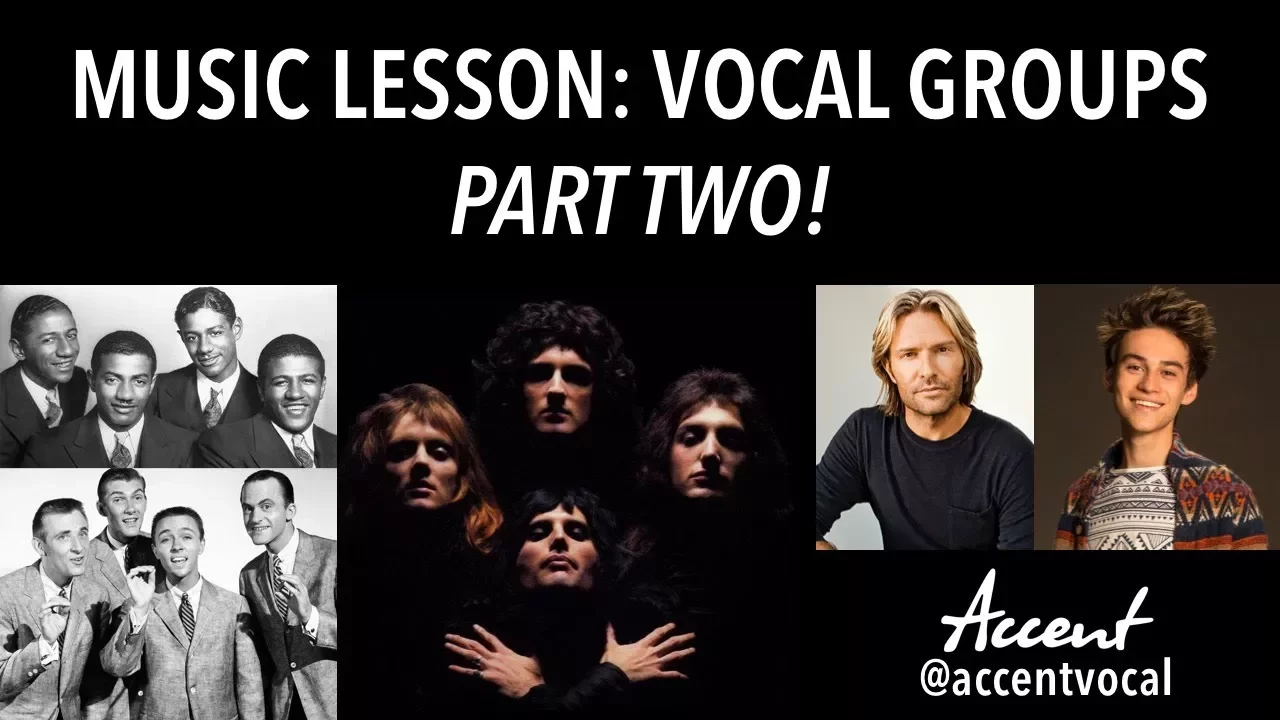
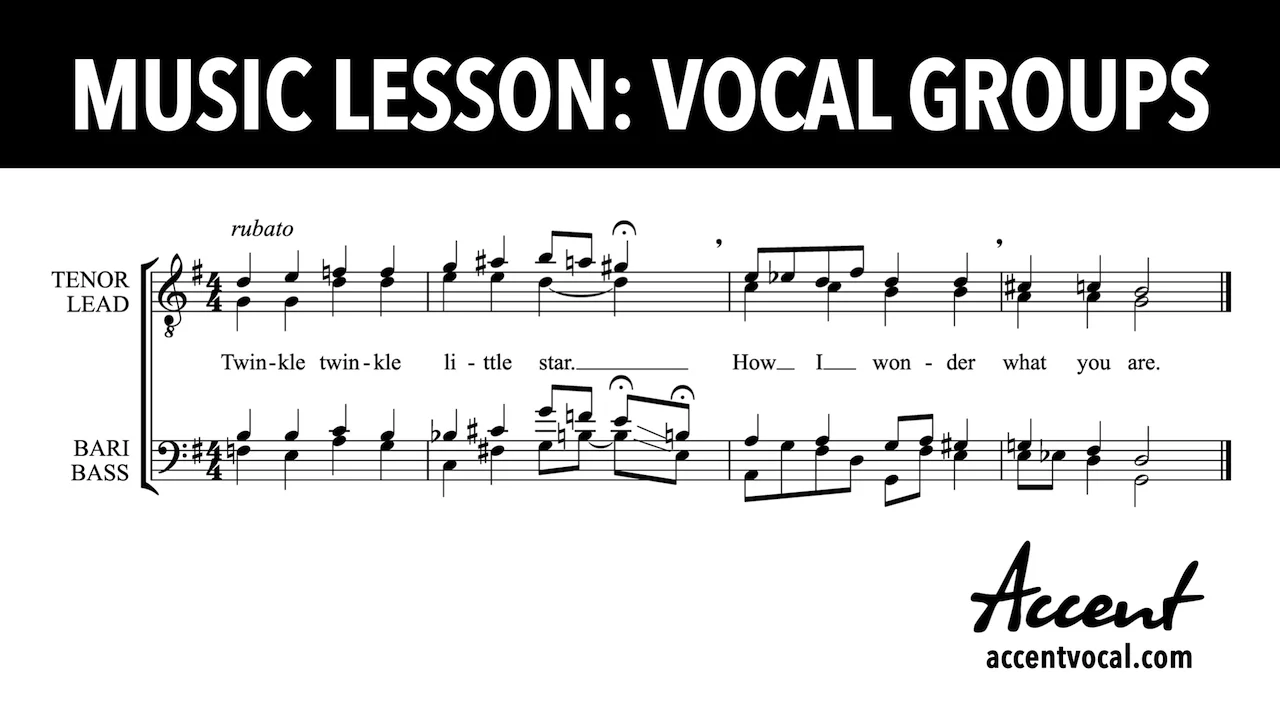
Vocal Group History and Styles: A Musical Journey Through Arrangement Techniques
@AccentVocal
163.2K views•2017-02-22

26:22
Walking in the City: Urban Rituals and the Flâneur in Contemporary India
@PSBTIndia
1.9K views•2016-08-02

9:49
FastAPI vs Flask vs Django: Choosing the Right Python Web Framework
@TechWithTim
302.5K views•2024-05-26

1:42
Game of Thrones Opening Credits: A Cinematic Analysis
@gameofthrones
46.3M views•2011-04-18
Related Study Plans & Knowledge Roadmaps
Structured learning paths in General & Interdisciplinary Studies
general-studies
Artificial Light: History, Tech & Human Impact
01The Pre-Electric Era: Fire, Oil, and Gas Lighting
02The Incandescent Revolution and Grid Electrification
03Gas Discharge and Fluorescent Illumination
+ 3 more learning modules
14h6 modules
Explore Roadmap
general-studies
Elevator Engineering: History, Physics & Cities
01From Hoists to Safety Brakes: The Dawn of Vertical Lift
02Hydraulic vs. Traction: The Engineering Physics of Elevators
03Modern Speed, Safety, and Algorithms
+ 2 more learning modules
12h5 modules
Explore Roadmap
general-studies
Rubber: Material Science, History & Geopolitics
01Origins of Natural Rubber & Mesoamerican History
02The Chemistry of Natural Rubber & Vulcanization
03The Geopolitics of the Rubber Boom & Colonization
+ 2 more learning modules
12h5 modules
Explore Roadmap
general-studies
Containerization: Evolution, Logistics & Trade
01Ancient Trade & Bulk Cargo: Amphorae to Barrels
02The Industrial Revolution & Cardboard Packaging
03The Containerization Revolution: Malcom McLean
+ 2 more learning modules
12h5 modules
Explore Roadmap