





![Ogniwo Peltiera [RS Elektronika] #75](https://i.ytimg.com/vi_webp/dIDoYq1SrKo/maxresdefault.webp)
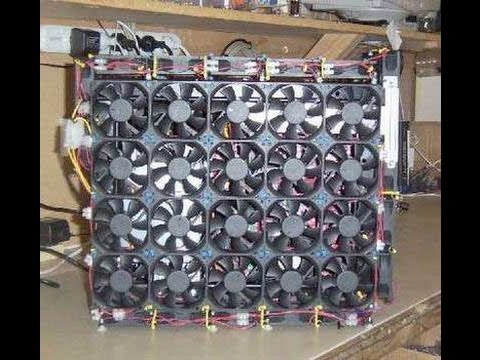





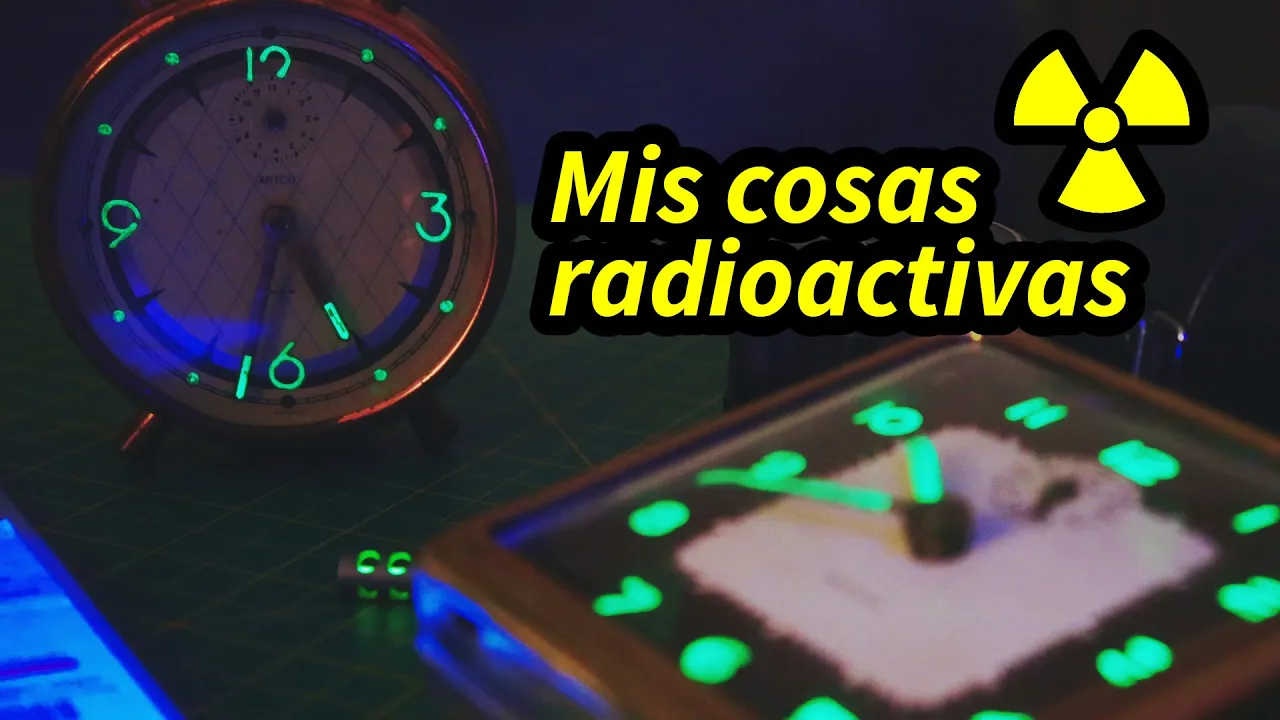










A cloud chamber detects invisible cosmic radiation particles by creating a supersaturated alcohol vapor environment where passing particles ionize the vapor, causing it to condense into visible tracks; this allows observers to see alpha, beta, and gamma particles from natural radiation sources like bananas or cosmic rays from space.
How to Build a Cloud Chamber Particle Detector
Added:Understanding the concept of supersaturation and phase transitions, specifically how vapor condenses around nucleation sites.
Basic knowledge of ionizing radiation, including the distinction between alpha particles, beta particles, and cosmic rays.
Familiarity with the Peltier effect and how thermoelectric cooling modules create a temperature differential.
Basic atomic structure, specifically how charged particles interact with matter and cause ionization.
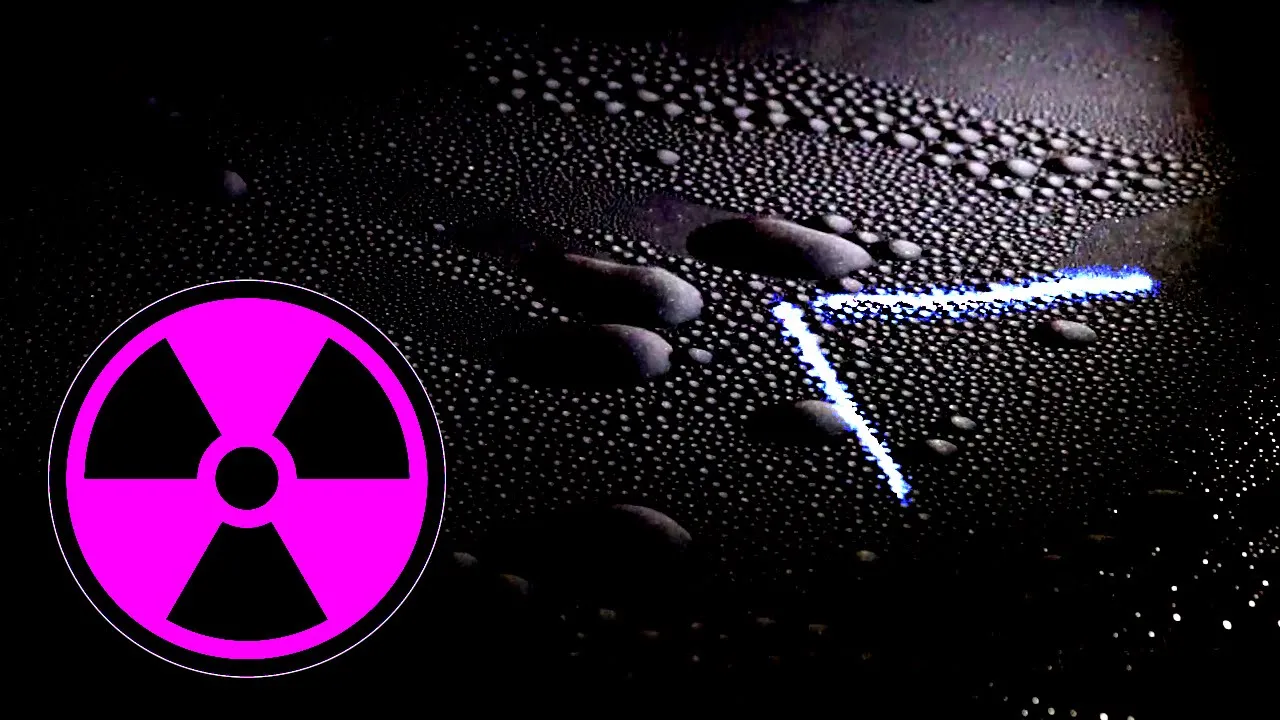
Analyzing and identifying different particle tracks, such as distinguishing thick, straight alpha tracks from thin, erratic beta tracks.
Integrating a magnetic field into the cloud chamber to study the Lorentz force and determine the charge-to-mass ratio of detected particles.
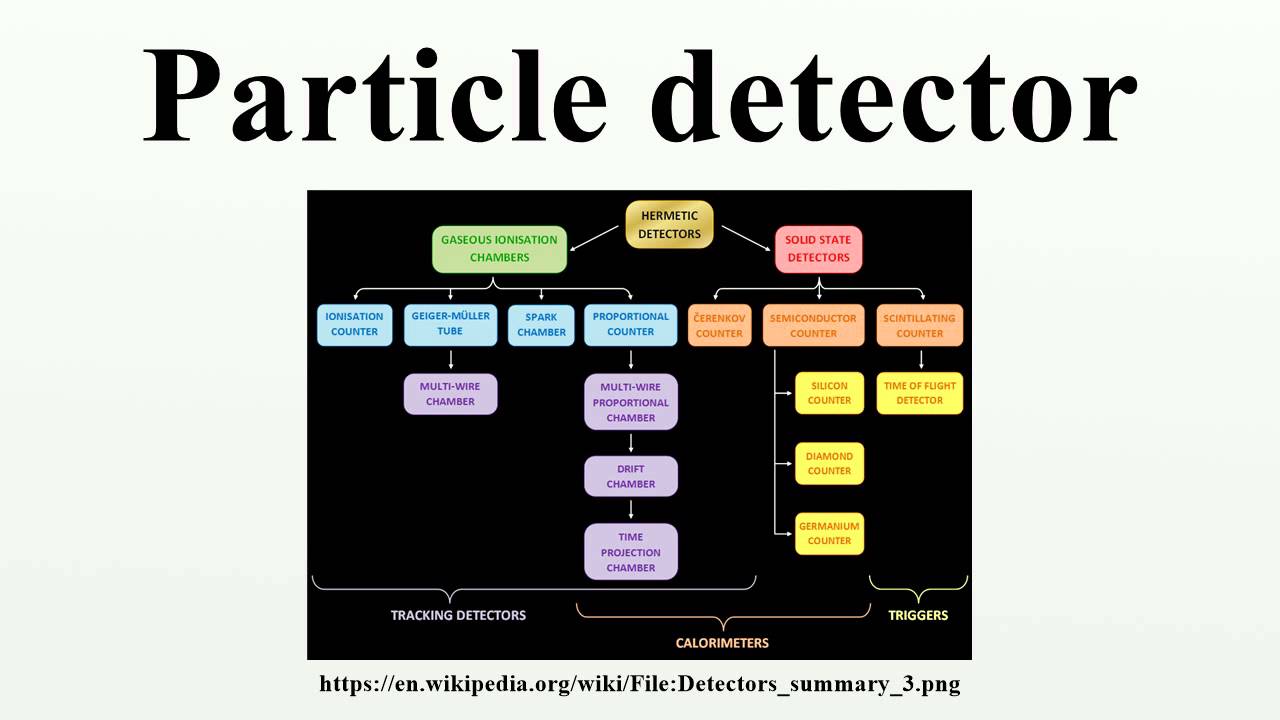
Exploring the history and evolution of particle detectors, transitioning from cloud chambers to bubble chambers, spark chambers, and modern silicon detectors.
Investigating cosmic ray physics, including their origins in deep space and their interaction with the Earth's magnetosphere and atmosphere.
2.7M views121.4Klikes12:09Original Release: 2019-11-14
hi - this video is sponsored by curiosity stream the source of some of the best documentaries in really a sellout right at the beginning what we like science and knowledge documentaries don't we yeah at least put a proper shared on people will figure out crazy fine you realize we are the same person don't you I like to show you how to make a particle detector so in case of a nuclear disaster you can see with your own eyes the amount of radiation you are receiving before your body melts just joking this device is a fun project to help you observe the radiations and particles we are bombarded with every day from the universe in case of a nuclear disaster your body melting would be a good enough indicator this device is called a cloud chamber originally designed by Charles mance Williams Wilson basically it's a glass container with a super cold surface on the bottom that contains alcohol vapor the vapor creates a thin layer of cloud over the cold surface which is our detector let's make it then I'll explain later I've never made it before but I know how it works okay so hopefully it won't fail badly I've seen other youtubers use dry ice to create the super cold they need but for my cold surface I'll be using my Peltier device cold surface I made in my previous video what did you think I make it for a fridge no I like particles and radiations and hello FBI agent what this is for educational purposes only is it now just watch to the end of the video before swatting my house oh yeah oh wait oh by the way do you SWAT Canadian residents - we do yeah the problem I have with this is that with my inefficient fan cooling system I can only cool the surface down to 5 to 3 degrees Celsius while according to Wikipedia I need cooler than minus 26 degrees C when we apply a DC voltage across a Peltier device which is this white piece attached to the heatsink it creates a temperature difference between its two surfaces up to like 60 degrees Celsius now if we cool down the hot surface with the same temperature difference between the two surfaces the whole surface can be freezing but with my fan I can only cool the hot surface to around fifty to sixty degrees Celsius and so the cold surface comes close to zero but I have a plan I'll create a container filled with water and put the heat sink in it and freeze the water with the ice water at zero degrees my surface could go down to minus 50 degrees hopefully I create the container using this wooden panel which should also help with thermal insulation I don't want to make a sawdust mess in my room again I wonder if I can cut it with my knife are you getting nervous for me cutting towards my finger you should you must never cut toward your body parts slap like on this video if you agree approved let's see if connected with a knife helped at all nope I have to use a saw now we just hot glue these pieces together then I'll fully cover inside of this box with silicon to make sure the wood doesn't warp or damage with water [Music] now I will make a clear container using Plexiglas epic beautiful now I will glue them together using some two-part epoxy I did bad glue job the surface is dirty with glue never remove the protective layer until that glue is dry maybe I can clean it a bit better after the glue dries for now let's silicon I add more silicone around the whole thing to insulate it better from the outside world and also put some silicone on the edge of the surface and then I add some soul to the edge of the glass so it doesn't stick to the silicon and then I push the glass on top of the silicon and let it dry the silicon should provide a good seal to prevent the air from escaping now we peel this off not bad but I don't know if this seal was necessary now I'll fill this container with water and put the whole thing in freezer to freeze while I'm working on the glass now we cut some sponge in half and we want to glue these inside our container right here these sponges will be soaked in alcohol and act like alcohol container but before we glue our sponges in there we cut them open at the center and sprinkle some resistors in the groove see I put three one point two kilo ohm resistors in series and I'll place them in this cart I made in the phone and I'll run the system between 24 and 30 volts and these resistors will create some heat that vaporizes the alcohol smash like now I solder the two forms in parallel and now we hot glue our foams in the glass I ran out of proper sized glue sticks for my hot glue gun now we need some lights but the problem is that this string runs on 12 volt the good thing about these string lights is that you can cut them along these lines and they continue being functional like an earthworm so we cut to pieces the length we need every piece is still functional at 12 volts now we just solder them in series and they'll work at 24 volt and now we do our lights to the side of the glass right at the bottom like this now when we turn on the light it will illuminate the mist created on the cold surface oh man what happened here why is it peeled off deep water get under there and iced up or did the whole thing contract look at this it pushed my module up it's all ice damn it look at all the ice under these modules I tried to fix it let's put it back in the fridge as is and see if it works otherwise I'll have to do dry ice okay now that we are waiting for the big one to freeze I froze my single module in water and let's see if it can actually go that low of a temperature I will run it at 10 volts which I want to do for the big module and the temperature reading here is in degrees Celsius which is zero right now let's power it up look at it go [Music] well it's cooler than minus 26 that we need and it's probably colder my thermocouple is not making a good contact let's go to maximum 12 volt well that didn't make much of a difference well the result is not super promising it's kind of marginal especially with my bigger broken plate as soon as the water melts and heats up the temperature rises too so I have only a few minutes especially when the ice melts around the heatsink it makes a good insulator to the eyes and it's temperature rises and you see that the temperature doesn't fall as low as we expect it to not nice well whatever let's try it I'll soak the phones in alcohol power it up and now we wait I created the mist it's detecting nothing though not a single particle is passing through my detector or maybe it's because it's not cold enough or maybe I'm blind oh I saw something up there it is I saw it oh yeah there I saw it hey FBI man do you see it yeah it's beautiful we'll kill what though I can see them they are so dim but I can see them I bet it would work better if it was cooler and look at that it's beautiful wow that was big see there are three particles alpha beta and gamma and the biggest ones look at that look at that which are two protons and two neutrons that's the heaviest part these particles come from nuclear reactions and radiations from material around us and from space Sun and cosmos and they are organizing so they could cause cancer shouldn't be smiling for that well their natural amount is so small they wouldn't cause a problem unless you're exposed to much more levels of radiation that would break your DNA and cause cancer when those particles pass through the alcohol vapor they excite the vapor molecules the molecules stick together and condense into a much thicker cloud that we can see okay let's try again this time I refroze the water with some salt in it so hopefully it can stakeholder longer and now we wait I can see the mist clearly seems it takes so long to start detecting something there that was it I want to try something I've heard bananas are radioactive so maybe they provide more all four particles I don't see much of a difference good so we can conclude that bananas are safe to eat we know that smoke detectors contain dangerous radioactive material let's see if they affect our reading at all this sensor might be quite shielded though let's see well too bad they might have shielded it pretty well so I can't see anything there either but if we were to take the radioactive stuff out of it you would clearly see the lines jumping out of it well it definitely works although my cooling surfaces doesn't get super cooled and it's broken but it's another success story in my books with the proper cooling system and something to cycle alcohol this would work phenomenally I guess exactly like the commercial ones they sell out there well I was curious if I could build it and I did I love curiosity curiosity stream is the first streaming service for documentary now you care there is no one with you in the room I guess not with over 2400 documentaries and nonfiction titles including exclusive originals founded by John Hendrick the founder of Discovery Channel their documentaries are available worldwide on many different platforms made by some of the best filmmakers featuring some of the greatest scientists that you don't know any of them I know Stephan Hawking you can get full access starting at less than three dollars a month but using my link you also get the first 31-day is free in which you can watch tons of videos I was just watching a series called human limits that shows how much humans can push their limits physically and mentally and do incredible things mind-blowing stuff use my link to watch it [Music]
Up Next
7:45
A Beginner's Guide to Custom PC Water Cooling Components and Setup
@Lifehacker
4.7M views•2012-09-04

12:54
Triumph of Orthodoxy Icon: Byzantine Art & History Explained
@BenCallan
2.1K views•2024-08-06

9:49
FastAPI vs Flask vs Django: Choosing the Right Python Web Framework
@TechWithTim
302.5K views•2024-05-26

1:42
Game of Thrones Opening Credits: A Cinematic Analysis
@gameofthrones
46.3M views•2011-04-18
Related Study Plans & Knowledge Roadmaps
Structured learning paths in General & Interdisciplinary Studies
general-studies
Elevator Engineering: History, Physics & Cities
01From Hoists to Safety Brakes: The Dawn of Vertical Lift
02Hydraulic vs. Traction: The Engineering Physics of Elevators
03Modern Speed, Safety, and Algorithms
+ 2 more learning modules
12h5 modules
Explore Roadmap
general-studies
Rubber: Material Science, History & Geopolitics
01Origins of Natural Rubber & Mesoamerican History
02The Chemistry of Natural Rubber & Vulcanization
03The Geopolitics of the Rubber Boom & Colonization
+ 2 more learning modules
12h5 modules
Explore Roadmap
general-studies
Containerization: Evolution, Logistics & Trade
01Ancient Trade & Bulk Cargo: Amphorae to Barrels
02The Industrial Revolution & Cardboard Packaging
03The Containerization Revolution: Malcom McLean
+ 2 more learning modules
12h5 modules
Explore Roadmap
general-studies
Textile Tech: Evolution, Labor & Global Impact
01Pre-Industrial Textiles: Handloom & Cottage Industry
02Mechanization: The Spinning Jenny to the Power Loom
03The Factory System & Global Labor Transformation
+ 2 more learning modules
10h5 modules
Explore Roadmap