






![[인지중재치료학회] 인지예비능으로 치매를 예방하자~! / 분당서울대학병원 정신건강의학과 한지원](https://i.ytimg.com/vi/cc6HoaCSjR0/maxresdefault.jpg)














Research demonstrates that bilingual individuals exhibit enhanced cognitive abilities, particularly in attention and executive function, due to the mental exercise of managing two languages; the key factor is the quantity of balanced language use across both languages rather than proficiency level or frequency of switching, and these cognitive benefits can persist even after language use has ceased, as evidenced by studies showing 'lapsed bilinguals' still perform midway between lifelong bilinguals and monolinguals.
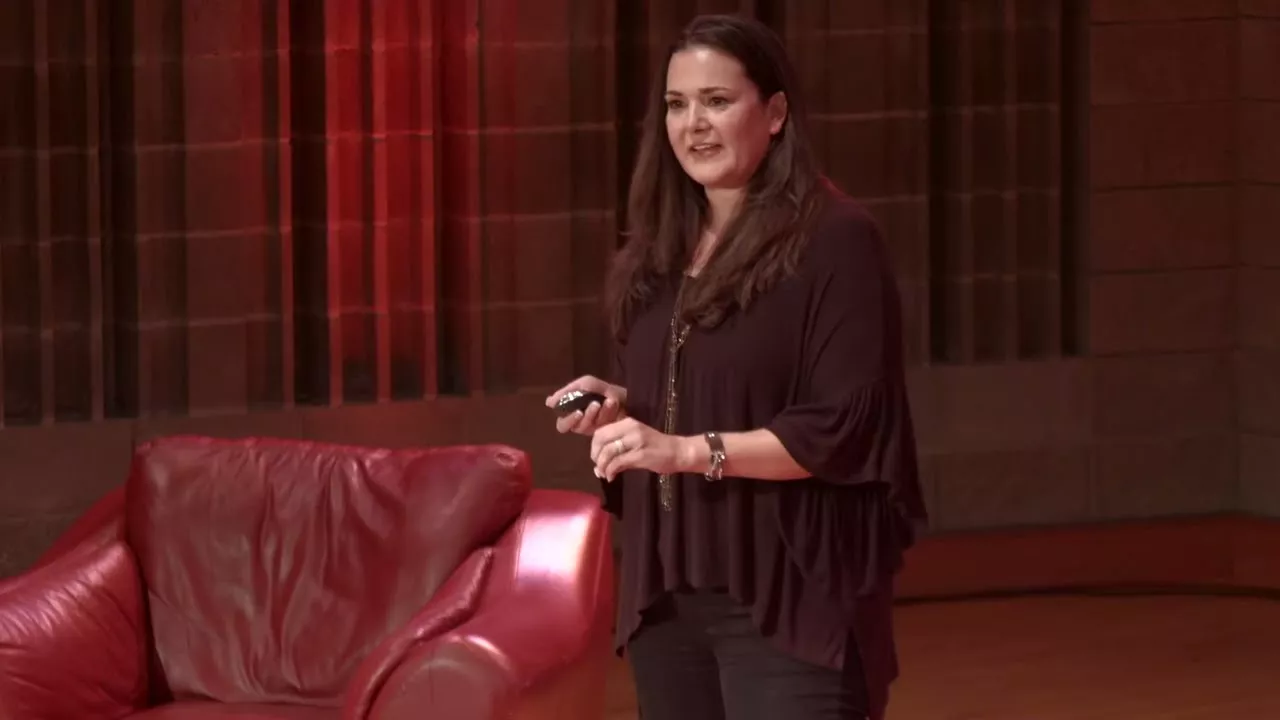
Bilingual Brain Benefits | Ellen Bialystok
Added:Understanding the concept of executive functions, particularly inhibitory control, working memory, and cognitive flexibility.
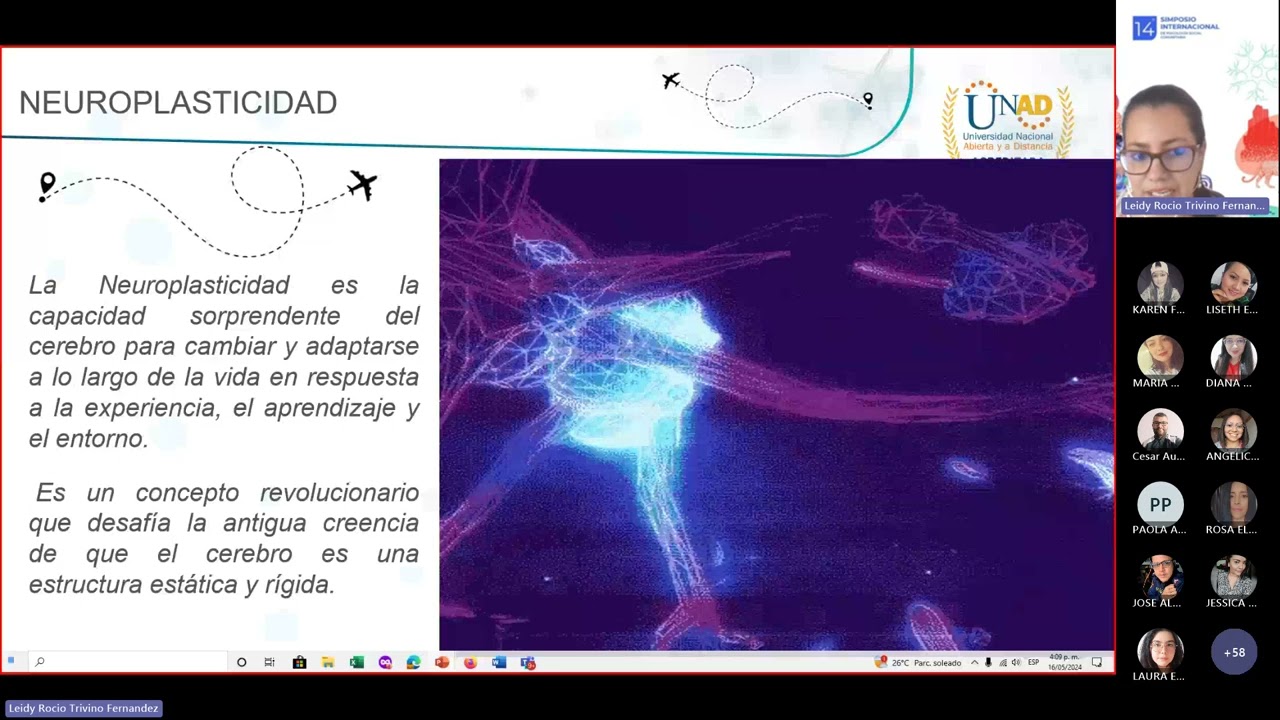
Basic knowledge of neuroplasticity—how the brain adapts and reorganizes its structure and function in response to experiences and learning.
Familiarity with the definition of 'cognitive reserve' and how it differs from physical brain reserve (structural integrity).
An introductory understanding of cognitive aging and the typical neuropathological changes associated with age-related decline and dementia.
Investigating the specific neural mechanisms and frontostriatal brain networks involved in language switching and control.
Analyzing clinical studies on how bilingualism delays the symptomatic onset of neurodegenerative diseases, such as Alzheimer's, by several years.
Exploring the educational and social policy implications of bilingual benefits, such as advocating for dual-language immersion programs in early childhood.
Comparing bilingualism with other active lifestyle factors that contribute to cognitive reserve, such as musical training, lifelong education, and physical exercise.
5.9K views82likes18:07Original Release: 2016-03-17
thank you very much and it's my pleasure to be here I'm very happy to be talking to you about my work now it's estimated that about half of the world's population Peaks more than one language effortlessly fluently and regularly does this experience have any effect on these individuals their language abilities their cognitive abilities everything about our experience we now know profoundly it effects our minds and brains there's research showing taxi drivers in London who have to learn all the streets and alleys of London have an enlarged part of the spatial navigation part of their brain musicians have rewiring and reorganization of their brains and cognitive abilities from the experience of playing music jugglers video game players every intense activity that we engage in leaves its mark on our minds and brains what about language of all human activities there can't be anything that's more intense and more consistent and engages more of the brain than language done so are there consequences well obviously there are consequences for language bilingual people speak more than one language they can travel they can order better food and restaurant they can see the other side of arguments if they're in another language those are obvious difference but what I want to talk about is the possibility that just knowing two languages or jamming two languages into the same mind brain structure somehow changes the mind Pembry with aging cognitive facilities resources and skills naturally decline cognitive reserve is the idea that engagement and stimulating activities maintains those functions this is what you hear all the time do crossword puzzles join a group read books do aerobic exercise all of those activities are known to feed into cognitive reserve and maintain general cognitive levels they the feature of all those activities is that they are difficult and stimulating so to put it as a simple piece of advice difficult stimulating activities are good for your brain now what is more difficult and stimulating than learning a foreign language wonderful idea it's been done so I'll tell you a couple of examples we've done it with children we have run two studies where we take five-year-old children and then give them a summer camp experience where they have intense exposure to either music classes or art classes or French classes they're all monolingual at the start none of them knows anything about music and then we test them before and after these experiences to see what changes and we can track the changes we've done it with college students where we test them before they start a first year Spanish class these are monolinguals they have no foreign language experience and we give them a battery of our tests and then send them off to do Spanish 101 and we come back at the end of the year and test them again and we compare them to a group of their peers who didn't take Spanish in the first year they took introductory psychology so again when we compare them at the end of the year we can see what's different and we got all the right effects and finally a recent study out of Edinburgh is the same thing with the group of retired seniors in the outer islands of Scotland where as kind of a senior activity they engaged in either oh I don't know various kinds of history classes or literature classes or language classes they learn Welsh and again they got exactly the same results so you're right because the majority of the research suffers from this basic correlational design but there are studies that are able to extract that exact pattern using training this is really important so first before I answer the question because it deserves an answer I have to say that my guess is my guess is going to be as we have some data it's not how proficient you are it isn't even how much you switch between languages it's simply a quantitative assessment of how much you use both languages so that's where I think it's going now from a more empirical point of view we are currently developing we're about to hopefully publish an instrument that's very detailed and has component scores that we extracted through a factor analysis from this long instrument where we can look at the role of switching the role of proficiency and so on to try to figure out exactly what you're asking which of these aspects of the complexity of bilingual experience is most important so we don't have the final empirical answer but from what I've seen my guess is its quantity abuse for two languages when I'm talking about usage I mean usage towards some balanced ideal so the more you're using both languages so what I'm saying I don't think is gonna matter ultimately is let's say you have kind of 50/50 I don't think it's gonna matter quite as much about your patterns of mixing and switching I think what's going to matter is that you're using both languages 50/50 I think it's that idea of balance I think there's also an important point here that you're not raising but I think follows from your question and there are large demographic differences in bilingualism the research I do is conducted in Canada where the demographics of bilingualism is completely different from the demographics of bilingualism in the US and it's different in important ways and I'll just say that because of the climate the demographic climate and attitudes in Canada it's much easier for an individual to achieve that kind of 50/50 real bilingual usage because languages are more supported they're more tolerated and they're more valued in Canada than they are in the US which is a more homogeneous predominantly English Society this is an interesting question because there there are some people who claim they have an answer to it my strong feeling is that we can't really know here's one reason we can't really know I mean there are people who publish data saying more is better and here's a problem when we're researching bilingualism especially the kind of heritage language bilingualism then I study here where we must have families who have maintained their heritage language over a couple of generations so the children and grandchildren know that language nobody in those communities made a choice to become bilingual so they didn't learn no Farsi or Portuguese or Somali or Swahili or or do whatever the language is and there are a hundred and forty languages in our community that are used in homes children didn't make a decision to learn them parents didn't say oh you know my child is really smart I think I could expose him to the language there's no pre selection and that makes it a powerful test and that's why we find these bilingual monolingual differences at all socio-economic levels in all kinds of language group levels because it has nothing to do with pre selection however when you get to multilingualism I think it becomes more complicated I think here we may indeed have pre selection and people who go on to master multiple languages and keep multiple languages active in their repertoire may indeed have other confounding factors they may be smarter they may be more motivated they may be more talented they may have better language learning skills I relate to these attentional functions that I've been talking about so it becomes less clear that difference is between multilingual --zz environmentalism monolinguals are purely because of the number of languages they speak I'm not saying they are are they I'm saying it's just harder to know we've actually looked at that and we found about the kinds and music is stunning to me the best example because it's the most similar and what we found is that the effects of musical training are similar but not identical to the effects of bilingual ISM and that individuals with both we have not seen any additive benefit we have not found it perhaps it exists perhaps we haven't used the right kinds of measures to find it but what we find instead is that there's slightly different outcomes for each and so each experience serves up its own kind of of effect the additive part of it we haven't found in fact we rarely find out it is effect I can give you another example we know that low SES is associated with poor attention poor performance on all of these executive function tasks then higher SES so we in our studies where we compared middle class children and what we called working-class children because they weren't really in poverty basically they had parents with lower education so they live in less stimulating environments so we compared them and in each group we had monolinguals and bilinguals again we just found two main effects no additive effects so lower SES was associated with poorer performance and monolingualism was associated with poorer performance but they didn't they weren't additive so monolingual low SES kids weren't doubly disadvantaged so we recently published a study on exactly that question which we irreverently called the lapsed bilingual effect so here's what the study was we took again our sort of 20 year old young adults or university students and we had three groups one is just monolinguals so we know who they are now that a lingual group this time we're kids who had become bilingual primarily because they attended these very popular programs in Canada French immersion programs so in these programs when you enter kindergarten at five years old from that point on everything that happens in school is in French everything so these kids learn a lot of French they don't all become bilingual and we selected those kids who stayed in this program through the end of high school and continue to use fringe up to the present so they were taking university courses in French and so on so they really were French English bilinguals who had become bilingual through these programs so those are our monolinguals and bilinguals our last group is this funny kind of thing because French immersion programs are super popular there's waiting lists to get in there's lotteries to get in people buy expensive houses to be in a neighborhood where the school offers these programs these are really popular but after sixth grade just before the transition to middle school a huge number huge number maybe the majority I would say of kids move back into mainstreaming mainstream English and a huge number of them never speak another word of French so here we have your situation they used to be bilingual another monolingual and the transition happened about halfway through their lives when they were 10 11 years old right so we found all of these lapsed bilinguals k2 had been French immersion in elementary school and not used French since all three groups get the same battery of attention and executive function tests okay so here's the results that bilinguals do better than the monolinguals just like we always get what do you think happens to the elapsed bilinguals you tell me I actually have no idea it's incredibly logical the results are exactly halfway between the other two group and not significantly different from either so they're right in the middle now it would be that's only ten years after they stopped using French I think it would be interesting to find these people in another ten years and see if there's still halfway or if they keep kind of monolingual fiying as time goes on but for this period of ten years at least as residual effect so I would assume that if they then resumed using another language they would get back their bilingual brain so has an older adult engaging in the activity of learning a foreign language you're exercising your brain you may never become bilingual you may never get those kinds of changes in the way your attentional system is allocated but you're keeping your brain active and that's an important thing to do at the same time there's the study I mentioned earlier in which the retired people in the outer islands of Scotland after this intense foreign language learning experience were indeed starting to show some of the actual bilingual effects but obviously to a lesser degree than you'd see in lifelong by wrinkles so it's always a good idea and anyway you also get to learn another language and people lose sight of that that's a good thing it isn't like taking medicine that's good for you it's taking something fantastic that gives you you know all sorts of advantages besides the the clinical ones you
Up Next

5:19
Continuity Theory of Aging: Psychosocial Framework & Examples
@GetScienceTechnology
29.6K views•2016-09-12

68:32
Cognitive Skills for Differentiated Instruction | Teacher PD
@BrainWareLearning
631 views•2017-12-17

9:55
Thinking, Fast and Slow: Daniel Kahneman Animated Book Summary
@FightMediocrity
2.3M views•2015-06-05

6:40
The Nocebo Effect: How Beliefs Can Cause Real Harm
@CGPGrey
10.4M views•2013-12-23
Related Study Plans & Knowledge Roadmaps
Structured learning paths in Psychology
psychology
Neuroscience of Creativity: Networks & Training
01Foundations of Creative Cognition
02The Cognitive Neuroscience of Insight & Fixation
03The Triple Network Model of Creativity
+ 1 more learning modules
15h4 modules
Explore Roadmap
psychology
Imposter Syndrome: Etiology & CBT Framework
01Defining the Imposter Phenomenon
02Socio-Developmental Etiologies
03CBT Fundamentals & Thought Distortions
+ 2 more learning modules
15h5 modules
Explore Roadmap
psychology
Adult ADHD: Executive Dysfunction & Scaffolding
01Neurobiology of the ADHD Brain
02The Core Triad of Executive Deficits
03Executive Dysfunction and Emotional Regulation
+ 2 more learning modules
12h5 modules
Explore Roadmap
psychology
Loneliness: Evolution, Neurobiology & CBT
01Evolutionary Origins of Human Connection and Loneliness
02The Neurobiology and Physiology of Chronic Loneliness
03Maladaptive Social Cognition: The Psychological Loop
+ 2 more learning modules
12h5 modules
Explore Roadmap