





![[영상법칙] 180도 법칙 응용편 X [Q&A]픽사 vs 디즈니?](https://i.ytimg.com/vi/84S5WkgzMoU/maxresdefault.jpg)






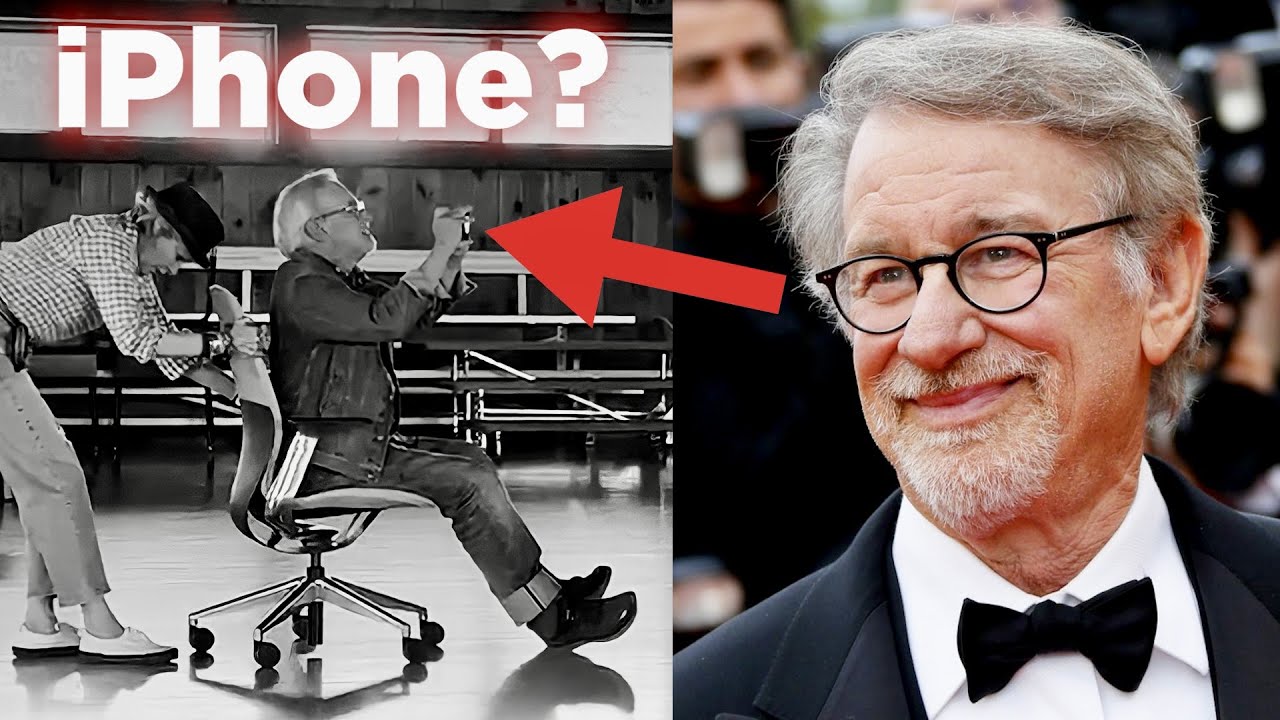






Steven Spielberg creates emotional depth in his films through carefully crafted dinner scenes by using homey settings, strategic blocking (seating arrangements that visually represent power dynamics and relationships), and thoughtful camera placement to convey emotion without relying on dramatic music, transforming everyday meals into profound examinations of family, conflict, and character.
How Steven Spielberg Directs Emotion: Dinner Scene Analysis
Added:Fundamental cinematography terminology, including camera angles, shot sizes (close-up, medium, wide), and basic camera movements (pan, tilt, tracking, dolly).
The concept of 'blocking' in film and theater, which refers to the precise physical movement and positioning of actors within a given space to reflect relationships.
The 180-degree rule and continuity editing principles, which dictate spatial relationships and screen direction, particularly in multi-character dialogue scenes.
The relationship between visual subtext and narrative, specifically how a scene's emotional undercurrents can be communicated through visual composition rather than dialogue.
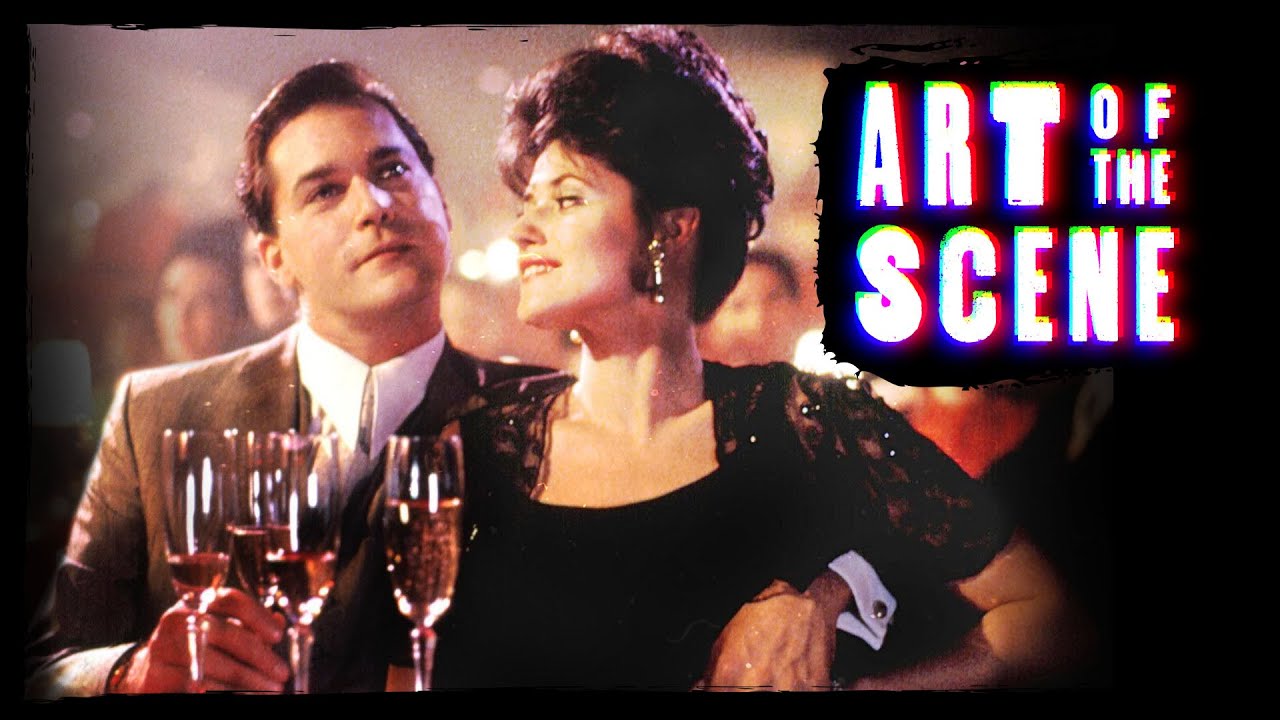
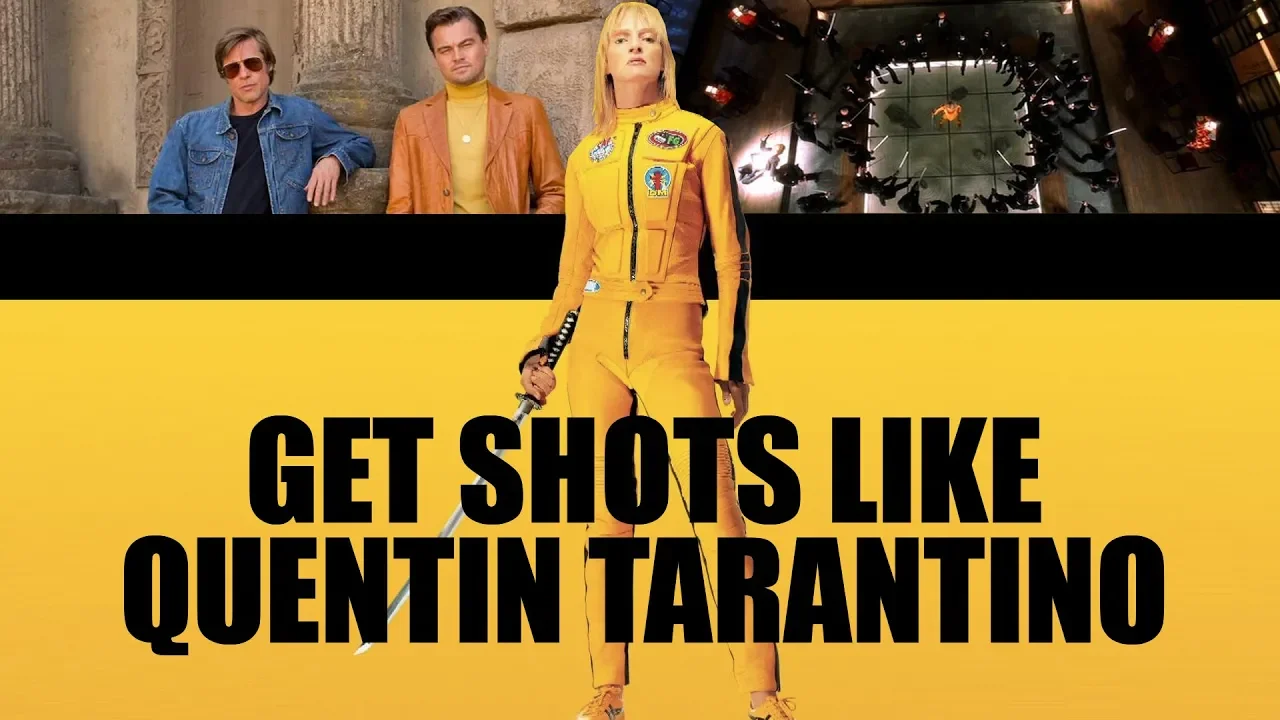
Comparative analysis of ensemble scene blocking by other master directors, such as Martin Scorsese's kinetic tracking shots or Quentin Tarantino's tension-building dinner table scenes.
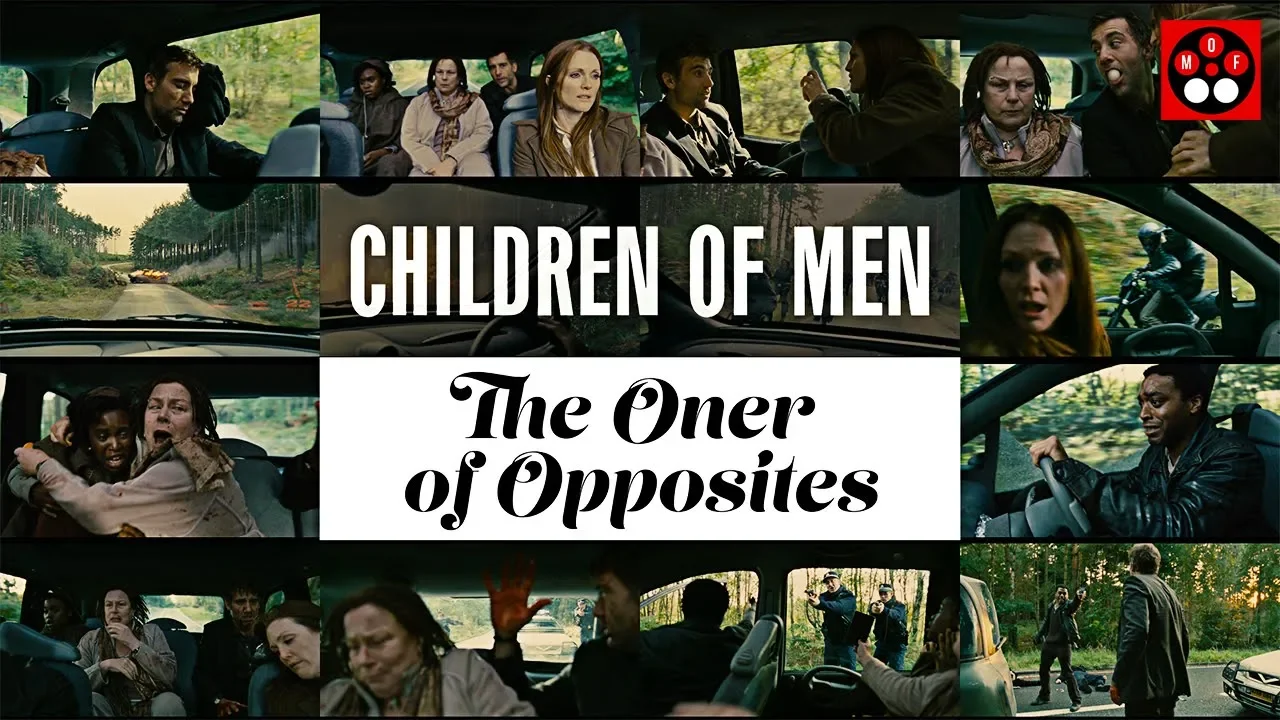
A deep dive into the 'Spielberg Oner'—the technique of using complex, continuous camera movement and character blocking to capture an entire scene in a single shot without cutting.
Practical application of blocking and camera choreography in screenwriting and directing, learning how to write scene descriptions that suggest visual movement.
The role of production design in scene psychology, studying how physical barriers (such as table shapes, lighting placement, or centerpieces) are utilized to enhance dramatic tension.
51.9K views2.4Klikes11:02Original Release: 2026-01-05
You're going to need a bigger boat.
>> When we think of Steven Spielberg, we often think of his ability to capture spectacle. From spacecrafts to dinosaurs to boulders.
But the lasting power of Spielberg's films, what makes them stand apart from other blockbusters is their grounded emotionality.
And nowhere is this more present than in a favorite type of scene that recurs throughout many Spielberg movies, the dinner table.
By dissecting [music] how Spielberg approaches these sequences, we can understand how the legendary director establishes characters, emotions, and relationships simply through careful blocking and coverage.
>> Frank, would you like to say grace?
Spielberg creates emotional resonance through his characters by showing them as relatable [music] people. And one of the most direct ways of doing this is by having them share meals.
>> How was your day?
>> Eating together establishes emotional bonds between characters and between characters in the audience. These are scenes where small moments can breathe [music] and where Spielberg uses the full vocabulary of film language to [music] underscore emotional beats.
Notably, one of Spielberg's [music] go-to techniques for creating an emotional wallup is often absent from his meal scenes.
There is no big John Williams score. So Spielberg has to rely on misansen blocking and camera placement to convey feeling.
The Spielberg [music] dining scene often feels familiar. It takes place in a homey setting over a homey meal. These settings aren't incidental. [music] They are crucial to the Spielberg recipe, making characters relatable and grounded before they are thrust into unrelatable and extraordinary circumstances. [music] Any alterations to this formula are informative.
>> Is anyone eating this?
>> No.
>> Only one meal on the table signals dinner is long over.
Dinner in front of a TV signals a father who is in over his head as a parent.
An expensive looking meal in a space like this underscores a cold, unnatural feeling.
The difference in how meals are presented in the same film can also be telling. The buffet in the beginning of Empire of the Sun has a drastically different feeling to Jaime eating alone later. His whole world has changed.
There are three meals shared by [music] the assassins in Munich. Each one is shot with harsher lighting [music] and shadows as the morality of their actions weighs upon their souls.
>> Blocking is equally telling in a Spielberg dinner scene.
Dinner scenes are inherently sedentary, but where characters sit and when they do move can tell an audience volumes about relationships and emotions.
[music] In the Fableman's, Sammy sits directly [music] between his two parents, highlighting visually that they are arguing over him, and he's stuck in the middle.
>> Uh, what's wrong with your Bolex?
>> You could afford to be a little encouraging >> about what?
>> This is a favorite technique of Spielberg himself, a child of divorce.
>> Yourself.
>> In Close Encounters of the Third Kind, the parents are on opposite ends of the table. Ray's obsession after his runin with a UFO has made distance grow between them and the kids again are caught in the middle. A similar device is used in The Color Purple. The two characters are talking about Sely and so she looms in between them.
>> Sely is coming with us.
>> Say what?
>> Sely is coming to Memphis with us.
>> Over my dead body.
>> You satisfied? That's what you want?
Now what wrong with you?
>> Blocking can also signal to us where our attention should be directed.
>> The seating arrangement along with the triangular table in this scene from ET puts the focus on Elliot. He is driving the scene with his insistence that he's seen an alien and ends up being the source of conflict.
>> It's not that we don't believe you, honey.
>> Well, it was real. I swear.
In AI, the kids sit at one end of the table while the parents sit at the other. This lets the conflict between David and Martin escalate before their mom and dad even notice, continuing a running theme that the parents are ignorant to Martin's treatment of David, a robot child his mom procured when he was in a coma. [snorts] >> Today in the office, >> you will break.
>> Oh, that is ridiculous.
>> Exactly.
work has just become so >> in such stationary scenes any character movement can feel dramatic.
>> You're not getting one penny of my money. NOT ONE THIN DIME.
>> D I ASKED YOU FOR ANYTHING.
>> When Celely stands, the emotion of the scene escalates [music] drastically and she visually seems more powerful towering over the rest of the table.
When Albert then rises, the power in the scene shifts to him. The camera is now at a low angle in his coverage and a higher angle for everyone else.
In Jaws, Ellen's standing gives intimacy to the moment between Brody and their son after a hard day while she watches on.
Her movement to get the door bifurcates the scene, transitioning from the tender familiar interaction and returning to the harsh reality of the killer shark.
Spielberg further emphasizes this [music] transition by jumping the 180° line.
>> These blocking decisions work in concert with Spielberg's coverage. Where the camera is placed, its framing, [music] and its movement are all crucial to understanding the emotional tides of his dinner scenes.
>> Absolutely.
On its surface, Spielberg's coverage of dinner conversations can feel relatively straightforward. He often starts with an establishing shot and works his way in as the scene's emotions escalate.
But the small decisions he makes in addition to this approach add several layers to what's going on.
Crucially, Spielberg's coverage isn't based around dialogue. It's [music] around emotion.
Ellen and Hooper talk at the door, but we stay on Brody.
>> Your husband's home?
>> Yes.
>> I'd really like to talk to him.
>> This scene is about him finding new resolve to move forward.
In AI, the parents are the ones talking, but the camera focuses on David and Martin. This scene is about their confrontation.
Spielberg typically uses camera placement to [music] establish perspective. In ET, for example, characters coverage are nearly all from Elliot's vantage point, and his head takes [music] up a large part of the frame.
In Close Encounters, the focus of the scene is Roy, but his coverage is mostly shot from a lower angle, simulating the perspective of his children. It emphasizes the key takeaway of this scene. His actions are hurting his family.
Well, I guess you've noticed something that's a little strange with Dad.
[snorts] >> Spielberg also uses unique twoots to establish relationships and themes. This angle puts Malcolm and Donald in the same frame, juxtaposing their two opinions about the park and literally making Donald smaller, like he's a fly buzzing in Malcolm's ear. It's hard to appropriate to start hurling generalizations, if I may.
>> This shot places Celely and Arnold right on top of one another, even though they're sitting far apart. It lets us see how each character is reacting to the other in real time. Sely being much closer, however, [music] puts the audience in her shoes.
A similar shot here employs a split diopter to show both Royy's anguish and his sons, which makes the moment exponentially more powerful.
Like with blocking, camera movement in a dinner scene is always notable since for the most part it stays relatively stationary.
>> I don't want to jump to any conclusions, but look, >> Spielberg is always one for using camera movement [music] to underscore emotion.
This can be a simple pushin like when Allan speaks for the first time in the meal. Because the rest of the shots in this scene have been nearly motionless, this move gives Allen's monologue additional weight.
>> [snorts] >> Two species separated by 65 million years of evolution have just been suddenly thrown back into the mix together. How can we possibly have the slightest idea of what to expect?
A pan, meanwhile, can show how overwhelmed the character is. We see Sami's family talking about him and land on his panicked face.
A tilt, on the other hand, can break a character out of his days.
Of course, this is Spielberg, so camera moves can be even more showy.
>> Where is Robbie?
>> You went out.
>> Out where?
>> What starts as a twoot in War of the Worlds becomes a dramatic circling single, signaling that the light small talk has taken a turn.
The dolly pan here is used for dramatic effect, but it also links David and his mother. What started as a referendum on his relationship with his brother has become one on his relationship [music] with his mother.
Spielberg's dinner scenes show us what makes him not just a great blockbuster filmmaker, but a great [music] dramatist. Someone with a deaf field for subtext and emotional nuance.
setting, [music] blocking, and coverage can turn a meal we all have every day into an examination of family, conflict, and above all, character.
Ready to build your own dinner scene?
Plan your next shoot with Studio Binder pre-production [music] software, where you can script, storyboard, and schedule all at one table.
That's all for now. Bonapetit.
>> Everybody say grace.
>> Bless this O LORD.
>> GRACE.
ALL MY FAVORITE NEVER.
Up Next
14:57
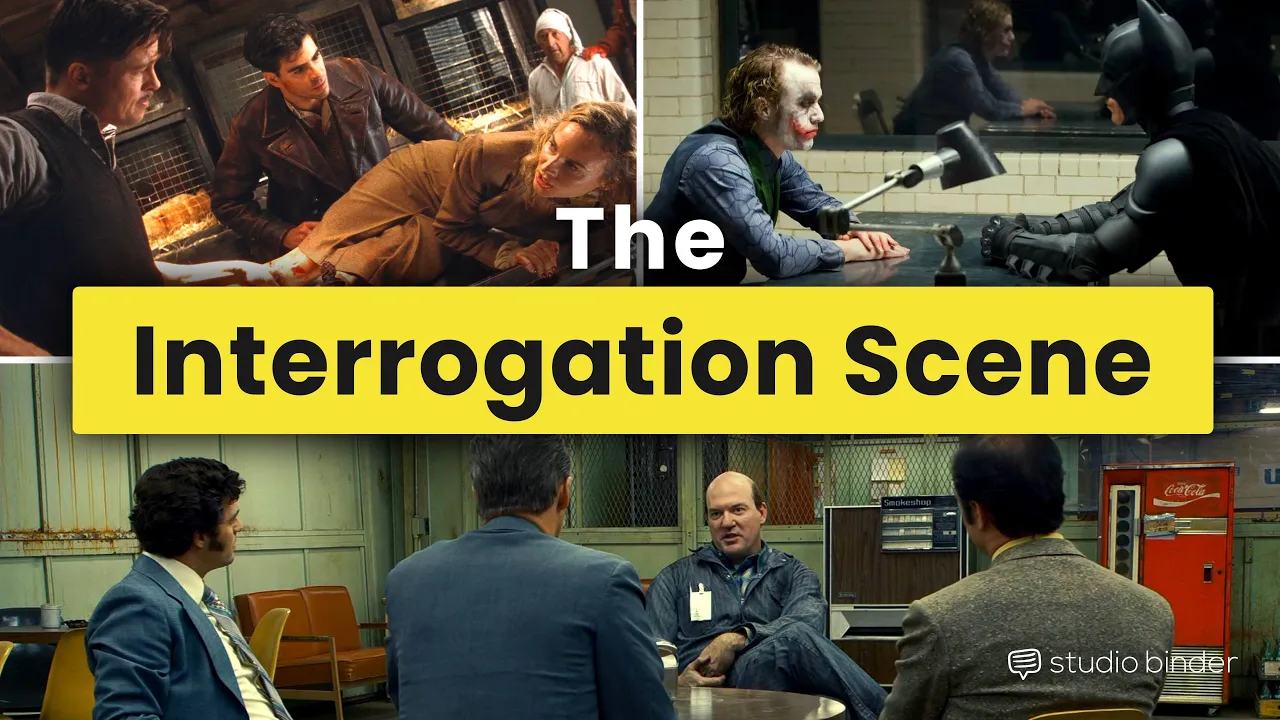
How Directors Build Power Dynamics in Interrogation Scenes
@StudioBinder
231.6K views•2021-12-13

23:14
Visual Analysis Essay: How to Analyze Graphic Novels in College Writing
@nataliepleimann5941
1K views•2020-10-14
19:56
Andrei Tarkovsky's Filmmaking Style Explained
@StudioBinder
206K views•2025-02-03

4:00
Evolution of Darth Vader: Anakin Skywalker's Animated Journey Across Star Wars Films
@TellItAnimated
13.4M views•2019-03-30
Related Study Plans & Knowledge Roadmaps
Structured learning paths in Film Analysis
film-analysis
Sensory Cinema: Foley, Haptic Sound & Texture
01Introduction to Film Sound and Foley Artistry
02Micro-Sounds, Textures, and Extreme Amplification
03Haptic Audition and Film Phenomenology
+ 1 more learning modules
12h4 modules
Explore Roadmap
film-analysis
Breaking the Fourth Wall: Mockumentary & Satire
01The Invisible Wall: Basics of Cinematic Illusion
02Looking at the Lens: Direct Address & Character Glances
03The Mockumentary: Satire, Realism, and Complicity
+ 2 more learning modules
12h5 modules
Explore Roadmap
film-analysis
Analyzing the Long Take: Cinema, Space & Ethics
01Foundations of Film Grammar: Montage vs. The Long Take
02Choreography and Mechanics of the Simulated One-Shot
03Phenomenology of Film: Real-Time Spatial Continuity
+ 1 more learning modules
14h4 modules
Explore Roadmap
film-analysis
Anachronistic Music: Period Drama & Subversion
01Foundations of Film Sound and the 'Needle Drop'
02Traditional Authenticity vs. Revisionist History
03The Rise of the Anachronistic Soundtrack
+ 2 more learning modules
12h5 modules
Explore Roadmap