
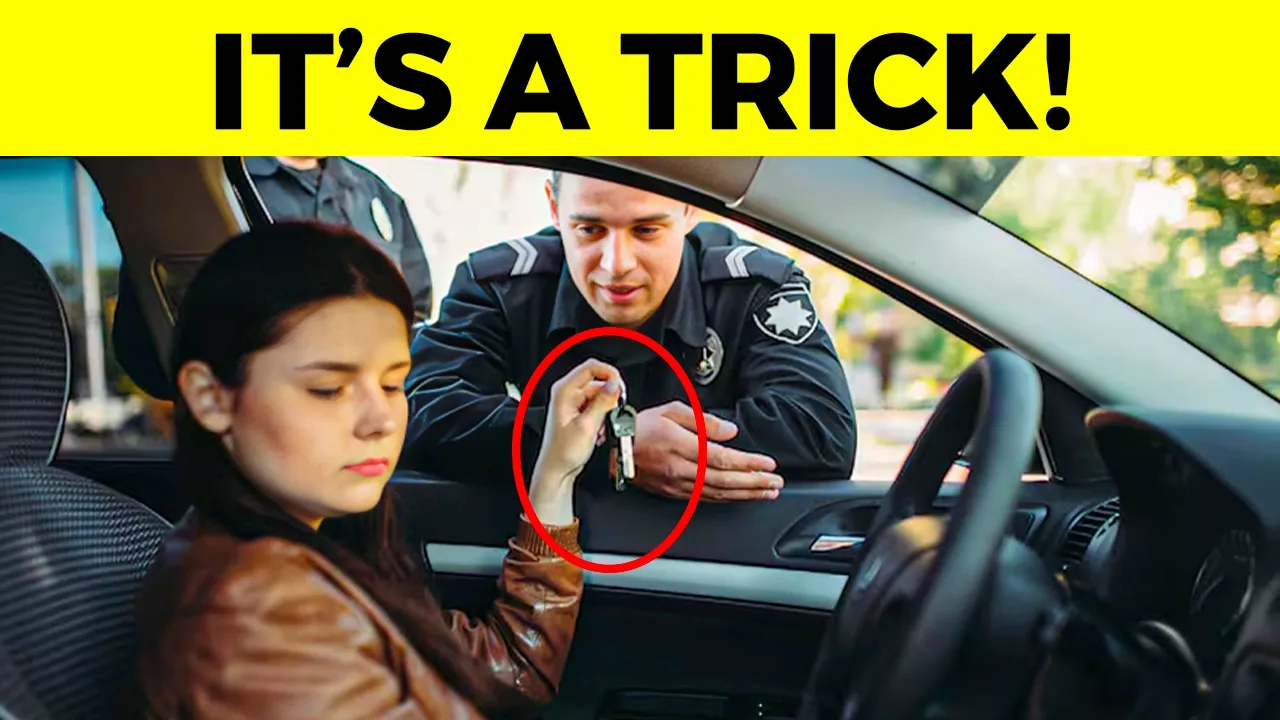


















Police were immediately suspicious of the two boys due to several factors: no sign of forced entry, their behavior seemed incongruous with the brutality witnessed, they appeared concerned that the supposed attacker was still in the building, and they were sitting still and talking on the curb outside the house. One boy even lit a cigarette. Police noticed boxes had been tipped over as if a break-in had occurred, but nothing appeared to have been taken. Sebastian's fingerprints were later found on those boxes. Police spoke to the boys all night, checked their clothes for blood traces, and found none. The house showed no bloody fingerprints, bloody shoeprints, or physical evidence positively implicating the boys except for blood on Atif's pant leg.
Rafay Family Murders: True Crime Case Analysis
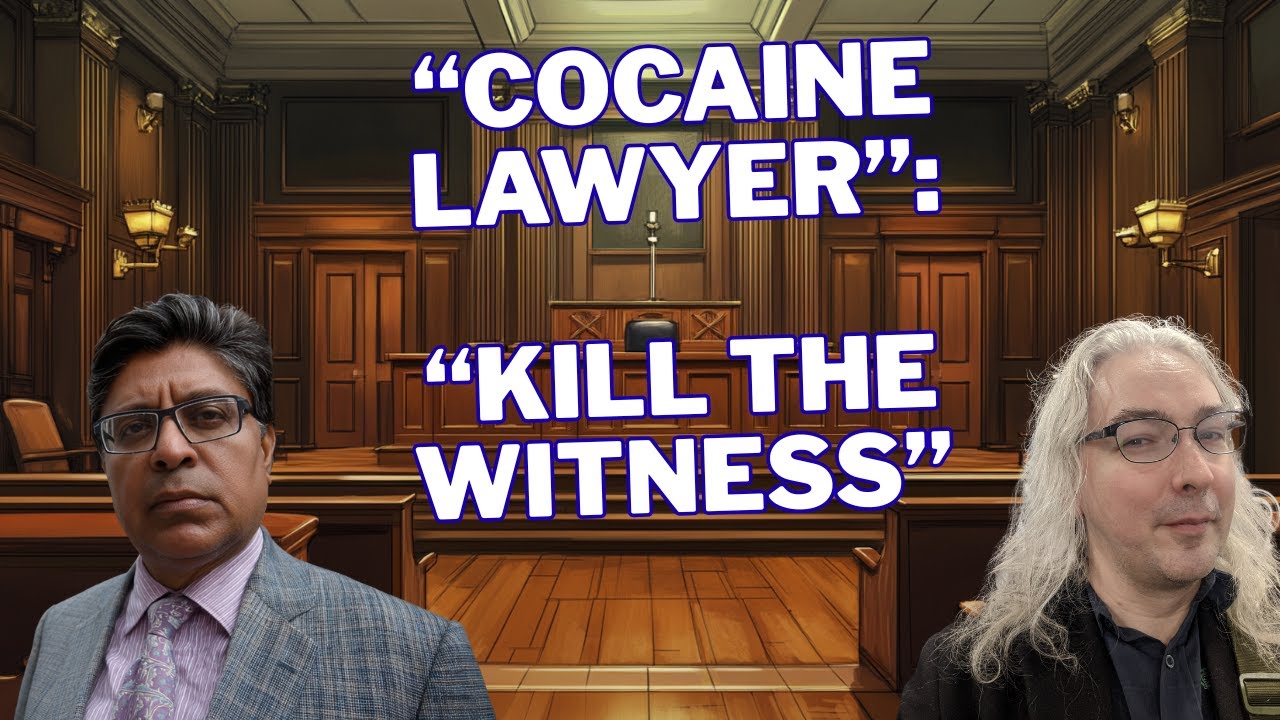
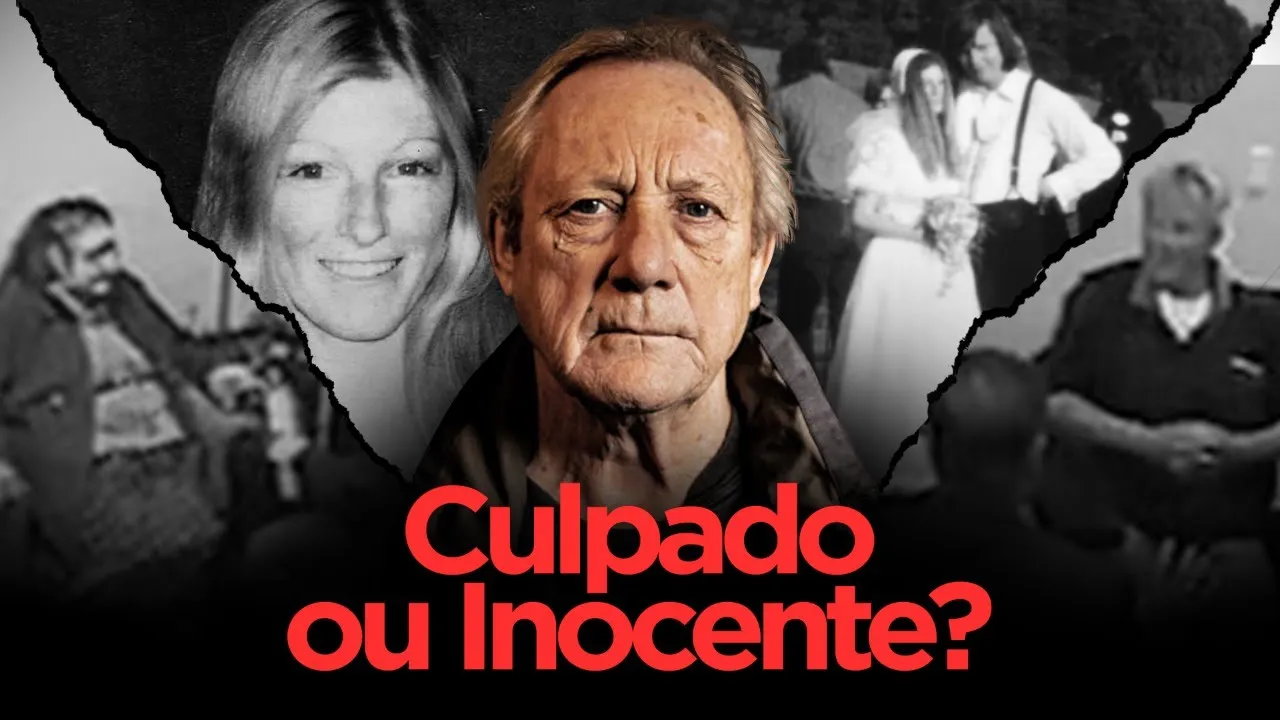
Added:[Music] it was a remarkably happy and and lucky life I would think in almost every respect and I had amazing devoted wonderful parents I mean my parents were extraordinary people and I didn't really just love them I admired them it was a real enormous privilege to have the parents I did [Music] Mark Twain once wrote that if you tell the truth you never have to remember what you said depending on who you ask the investigation into the rafay family murders is either an example of liars being caught red-handed or the very face of malpractice deception and manipulation either way deceit is the name of the game in 1995 suspects Sebastian Burns and Atif foray were arrested for the triple murder of Atif for F's mother father and sister the main piece of evidence against them was not fingerprints not DNA not eyewitness testimony but the PA's own words in outright confession after almost a decade of awaiting their trial they were sentenced to life in prison over the years however a steady minority has grown to support them and called into question the legitimacy of both the evidence against them and the tactic the police used to extract a confession the story has been told multiple times comprising many different points of view and even as the Public's per perception of the culpability of Burns and rafay has changed considerably there remains a sharp divide in those who believe them absolutely guilty Beyond Reasonable Doubt and those who think their Bright Futures were stolen from them by an unethical sting operation and overzealous officers for this reason we're calling the case of the rafay family murders the most controversial in True Crime history Glenn Sebastian Burns and Atif Ahmad RAF were born in Canada in 1975 and 1976 respectively the pair met in high school in Vancouver and quickly became close after graduation Sebastian was a pilot for the Royal Canadian Air Cadets and Atif was a student at Cornell University studying philosophy of mind and computer science his parents had moved to Belleview Washington and were well respected in the local Pakistani Community being practicing Muslims Atif and Sebastian have both been described as intelligent arrogant condescending pompous and also very bizarre one teacher from high school likened Sebastian to the infamous Waco cult leader David Kesh Sebastian and Atif had vandalized the school yearbook one year in high school by slipping in coded language which levied insults at the staff suffice to say the school was not pleased the two boys have also been characterized as having strange views about the world informed by their love of philosophy and especially that of n when they were living together in 1995 neighbors alleged that they had been harassed and physically threatened by Sebastian on multiple occasions all in all a fair amount of people had not great things to say about these boys and they were certainly an odd pair but the things that they were accused of and ultimately convicted of were so outlandishly barbaric that it almost seems hard to reconcile with having been enacted by any functioning member of society this video will attempt to lay out all of the relevant information in a logical manner giving fair play to both sides along with some analysis along the way but not any firm conclusions in July of 1994 Glenn Sebastian Burns traveled from Vancouver Canada to bellie Washington to visit Atif rafay who was staying with his family during the summer the two 18-year-old students were at the house for 5 days and on July 12th the Parry decided to go out around 8:00 p.m. at 2: a.m. on Wednesday July 13th Sebastian placed a following 911 call come on see what are you reporting uh there's uh I need an ambulance what's the problem there there been some kind of break in okay just calm down what's the problem the the two uh uh my friend his mom and dad uh are we think they're dead just calm down I I don't think it's safe here I want we'll be outside okay go ahead and go outside please fast okay they're on the way they're on the way we'll be outside okay go ahead after the police arrived they witnessed a horrifying scene in front of them ati's mother was dead on the floor at the front of the Home ati's Father Tariq was found dead in his bedroom Lee detective Thompson later reported that Tariq had likely been bludgeon 40 to 50 times A's disabled sister was still alive barely clinging to life in her room she would later die at the hospital police were immediately suspicious of the two there was no sign of forc entry and their behavior was read as being in congruous with the brutality that they had apparently witnessed the boys seemed concerned that the supposed attacker was still in the building but they had been spotted by neighbors sitting still and talking on the curb just outside the house one of them even lit up a cigarette at the time police had noticed that boxes had been tipped over as if a break-in had occurred but it didn't look like anyone had taken anything Sebastian's fingerprints were later found on those boxes police spoke to the boys all night the pair told them their version of events detectives obtained permission to check a thief's computer and after taking in their clothes for testing they checked their faces and bodies for any small trace of blood none was found furthermore the house turned up no bloody fingerprints no bloody shoeprints or any physical evidence which positively implicated the boys except for blood on the bottom of A's pan leg likely from when he walked into his sister's room in the morning the officers took them out to eat and brought them to a hotel so they could sleep the following afternoon the boys were interviewed again Atif told the detectives that he had noticed his Walkman and a family VCR tape was taken detectives found it odd that he didn't try to help his disabled sister when he found her bleeding out in her room but was lucid enough to remember which items were missing when asked about this he responded something along the lines of I don't know there was nothing I could do I don't even know how to put on a Band-Aid he also told police that he was not close with his sister and honestly he found her gross the detectives were taken about by these statements but eventually the interrogations ended and they left the boys alone to sleep in the hotel in a move the police really didn't like Sebastian and th left the bellw hotel and went back to the burns house at Vancouver the next day the funeral of A's family was broadcast on the news Atif was enraged at the fact that he had not been informed by either his family or the detectives that the funeral was taking place on that day he called the lead detective detective Thompson and left an angry message but he didn't hear back Thompson himself was Furious that the boys didn't tell him that they were leaving when he gave his contact info to them much has been made about the fact that Atif should have known that bodies must be buried within 3 days in the Muslim religion while is true that this is a part of the faith it is reasonable to believe that Atif might not have known this as he was not as religious as his parents and likely lacked knowledge of certain Customs as Atif and Sebastian stayed with the Burns family in Vancouver the Belleview police continued their investigation and checked out the Alibis the boys had provided them employees at each establishment recognized them and confirmed that they were there at the times they said they were the timeline goes as follows after leaving at around 8: :3 they first went to The Keg restaurant they then left around 9:25 they attended the 9:40 p.m. showing of The Lion King at Factoria cinema around 12:15 they drove to an allight diner called Steve's Broiler around 1:45 they left the restaurant and tried to get into a nightclub called the weathered wall but we're turned down as it was almost closing time you might have noticed that we didn't mention what time the pair left the movie theater as this is the subject of contention in this case Atif and Sebastian have always maintained that they stayed through the duration of the entire movie but they were not seen after 10:05 or as early as 10 According to some sources even though the boys were seen going to the 950 movie there's no proof that they stayed is there a way for these two boys to exit the theater without drawing attention to themselves say during the movie Jose Martinez sold the boys movie tickets that night and he showed us how they could sneak out from this theater got this exit behind the Cur or the other one over there if they slip through this curtain you're not letting any light into the theater correct then up these stairs and out this exit door two do outside what we do know for sure is that the movie ended at 11:20 and the pair were not seen again until 12:15 at the diner we will be returning to our timeline later but for now the events listed are the ones we will be working with while the boys had returned to their native country the BBY police were not buying their story and felt the two Canadians were acting incredibly suspicious the police were not exactly shy about their opinion that Sebastian and Atif committed the murders and they spoke to press many times about how strange they found their behavior even though there was almost no physical evidence linking them to the crime one massive clue implicated them when luminol was sprayed in the shower of the raay family home it lit up and indicated a large quantity of Dr Ra's blood meaning that the killer had showered after the murders as luck would have it all of the hairs in the base of the shower drain belong to Sebastian shortly after the death of his family the life insurance policies paid out to Atif and the boys moved in with their high school friends Jimmy mioshi and Robin puga detectives showed up at their house a number of times and even followed a tee to a memorial for his parents all attempts by the police to investigate them were in vain as the boys refus to speak to the authorities this was until the RCMP got involved the Royal Canadian Mounted Police also known as the RCMP is the central police agency in Canada equivalent to the American FBI in January the bellie police met with the RCMP in Vancouver and it was agreed that the RCMP would both assist the investigation as well as carry out their own the Canadian authorities wiretapped their house they wiretapped their phones and they wiretapped their car but this wasn't all they also launched an extremely complex undercover operation called project estate for most outside observers of this case this is where the story truly begins from the months of April through July Atif Jimmy and most importantly Sebastian would become entwined in a sting operation involving two RCMP officers named Al hlit and Gary jarak these officers employed an investigative tactic pioneered by Haslett and another RCMP officer in the 1980s known as Mr Big or simply the Canadian technique officers pose as Mobsters who befriend the accused in this case Sebastian and small step them into a false sense of security they feel as though they can tell the truth about anything all while the RCMP Recs every single piece of evidence through hidden wire Taps this is done with the sole purpose of eliciting a confession from the suspect since this technique is generally seen as coercive it is banned in almost every country except Canada while the RCMP has reportedly disposed of the original tapes most of the important conversations are extent in books and documentaries this is crier Haron calling for Sebastian to confirm his appointment with Gregory tomorrow when this call was intercepted by the RCMP they figured now was the right time to strike on April 11th the first undercover agent made contact with Sebastian outside the hair salon Gary sharak walked up to Sebastian and told him that he had locked his keys in his car and he needed a ride back to the hotel that he was staying at Sebastian obliged and as they hung out he told him about his movie idea which was about two youths who were unfairly targeted by a police investigation after one of the two main characters families had been murdered they called it the Great despisers we were worried that it would sound a bit nerdy because having the word great in the title sound makes sound kind of nerdy and uh if we'd call that for example just the despisers um that would have uh been more unimpeachably cruel however we we decided to have the courage to stick with this nerdy title a little on the nose but sharak told him that he liked the idea Sebastian needed money to create his film so Shankar offered to introduce him to his B Mr Big Mr big was of course Al Haslet shenar brought Sebastian to his trip Club where he met Al Al made it clear to Sebastian that his business was criminal and Sebastian would have to earn money by working for him two days later sharak and Haslet gave Sebastian the job of driving what he thought was a stolen car belonging to the wife of the boss of a rival crime syndicate the mission was to break in and drive it 2 hours to a different location initially he was flushed with nervousness at the prospect of doing so but he quickly acquiesced later he chastised the criminal bosses for not giving him enough money and not planning the crime out enough in advance he told sharak that when he and his friends committed crimes they would plan meticulously and make sure nothing would go a Miss sharak asked him what he meant to which Sebastian smiled and replied never mind Sebastian later denied this and said he was referring to shoplifting when he mentioned committing crimes this remark from Sebastian began a long pattern of subl cryptic sometimes ridiculous and always self-incriminating statements in the following weeks HLA and sharak were busy with other RCMP projects and did not contact Sebastian pass a message left on his answering machine by shinar on April 29th Sebastian then called the hotel the two agents had been staying at leaving multiple messages trying to get the two to contact him voly concerned they wouldn't speak to him again he even dialed the hotel operator to ask if hasla and shinar was still at the hotel to which the operator responded that they were Sebastian hung up in frustration all of that took place in one day and shankara got back to him on April 30th during this encounter the Mobsters flashed handguns and implied that someone in their gang had recently murdered someone with one of the handguns Sebastian would later credit this moment as the time he felt he should leave the group after admitting to being the main suspect in a triple homicide in Washington Sebastian told them that he couldn't risk being involved in a criminal organization has assured him that their organization was tight lipped and careful he told them that he had killed someone and sharak had covered for him by murdering an eyewitness before the trial Sebastian at first doubled down on his apparent exit from the group he was too busy then he did a complete 180 and mentioned that he would be interested in working with them in the future if they needed help getting people killed or stuff blown up jenart pressed him and Sebastian added that he was dead serious he couldn't seem to stop himself at this point and made more incriminating statements adding that he wouldn't mind trafficking drugs or laundering money and once again adding that he would have quote no dilemma about killing someone but he doesn't know know much about shooting guns and he's simply too busy to become a hitman two weeks later Shankar met with Sebastian and Jimmy mioshi hlit one of them to assist him in money laundering the boys went around in town and deposited money into various Banks after which sharak paid them each $2,000 Sebastian asked Haslett twice about what the police department had on him during this encounter and Haslett told him that he had a mole in the Belleview police department and he would let him know soon after the two agents left the hidden microphone picked up the following [Music] interaction Sebastian and Jimmy met with Haslett to assist with more moneya laundering Sebastian told Haslet that he believed his phone was tapped Haslet pressed Sebastian for details so he could properly ascertain what information the police had against him but Sebastian resisted his questioning without outright denying that he did the crime at one point he paed for a whole minute before saying uh the ways of the police are uh the way they've decided that I'm a murder suspect and anything I say could end my life Sebastian told Haslet that he wanted to know what the police had on him but he didn't want to say anything else he told Haslet that he had read about undercover officers extracting confessions through sting operations in a newspaper it's about a man charged with murder based on boastful confessions they say to like police officers disguised as Mafia and undercover bikers hasle responded what are you accusing me of right now first of all what are you asking me if I am Sebastian said I'm not accusing you of [ __ ] answer me this why did you guys do this money why do you want to know cuz I just want to know I want to know what kind of guys I'm going to be working with you can answer that that's a simple [ __ ] question you know you did it the police even [ __ ] know you did it we'll take care of the police I want to know for the piece of [ __ ] mind I'm not a weird Sebastian said I'm not some sleazy super violent guy I'm not some philosophical weirdo dude listen the way you're asking me this it's like your cop I don't give two [ __ ] what I'm like Hasler responded it's on my mind and I want to know why Sebastian went on to lecture Haslet about n's Eternal recurrence before the conversation returned to the matter at hand Haslet asked Sebastian if he could kill again in the future and Sebastian replied that he doesn't want to because quote it would be very [ __ ] brutal it's [ __ ] making me an old man and my hair falls out and my face is aging Hasa asked Sebastian if he had any fear I fear ultimately I guess I fear having a really shitty life and I guess what I want to do is have a really great life a good life takes money I know that's why I ended up doing in bellw Sebastian stopped talking their meeting had gone on for nearly 4 hours and having felt that he had pushed Sebastian enough aset scheduled another meeting for later Jimmy and Sebastian talked to each other in the hotel after the investigators had left the two talked at a whisper which was undetectable to the hidden wre tabs the estate file so you been reading the paper lately yeah most of it what do you think Al met with Sebastian again and this time he showed him a fake Memo from the bellw police which detailed the evidence against him but also stated that they are getting ready to file charges against the two boys as soon as Sebastian's DNA was done being processed well I tell you I'm going to lock your ass up yours near friend show you something you never [ __ ] saw this for Meed hair like I mean that that could have been like almost many time you know what I mean like I can't say that obious referring to the murder right well no but what I'm saying is that I that that could have been there from like two days before like yeah but hold it hold it the night you showered after the murder did you watch yourself those red towels um I don't even know what do you don't know I don't remember what what [ __ ] to were there blood be located in the garage I don't know sh about BL I don't know you were there like if I knew I could [ __ ] probably tell you I don't know and I can't start asking all these questions yeah until I [ __ ] know that's the bottom line well okay but I mean there there there there is this possibility there can be things that I don't know about that like they're basically fabricating to look like the count you know what I mean I don't believe they're sending report to the lab or whever this report is asking if factri get [ __ ] evidence and I you know you just get freak out and like you know I there's something I just I can't help you with like some stains on wash from water I don't know what the [ __ ] that is listen to me I got to wait it's all be set up to take care of the lab you see what I'm saying well I want your help yeah you need my help so tell me what going on down there and I can tell you how I'm going to take care of your problem Al urged Sebastian multiple to tell him what happened and the mole can make all the evidence disappear from the B Police Department [Music] basically yeah I mean how you three people at [Applause] once would you [ __ ] uh do the dirty deedie see you left that out see I'm trying to check up on things you didn't tell me that you left the movie that in a movie sorry I know that no I [ __ ] off her grand so just look the shower C know these weapon you use uh that how find it Well I I don't know but um pretty early on they they kept saying that they found murder weapon yet they kept saying in the press and stuff and whatever they and they could be just some front or something but they're not going to find your clothes is your blood on your clothes [Music] how do you [ __ ] uh it's on the basb have the shower blood on dude [ __ ] know that either [ __ ] you're whole [ __ ] they me what you saying to me like oh well what do I need to know well yeah I want to know I don't give two [ __ ] if you get naked and staying smart it's little detailed like that that I going to [ __ ] us up in the end you see what I'm saying you see why I get be little pissed off cuz I can't afford for fuckups okay actually I my right Mone sorry um I had a g great where are those G you have to [ __ ] box your shirts out in the dryer whatever they're talking about there definitely [ __ ] where' you guys get the baseball pack from I think it was like just kicking around or something you go buy in the store down there where they can trace it back to you guys no how Sol a teeth Sol man yeah you not going to [ __ ] up with down after and say IU could ow man how long you think we've been enduring all this stuff dude we like this I I I really I do not think that anything that that's going to happen to us now was going to compare to the [ __ ] it it was quite intense around those days I mean we just sit around and feel kind of sick just all the time you know what I mean cuz like you know it was just rough and like I mean what those would be the days like cops were saying to his [ __ ] face like d we know that you know did they so you know something about it you're not telling us stff I'm going to meet him before too long I'll tell you that right now cuz when we have this plan in motion I make sure that [ __ ] is solid I mean [ __ ] solid well I haven't told about it yet well no we tell them together the next day Al had Sebastian call a tee to the hotel room room and Atif corroborated Sebastian's confession describing roughly the same sequence of events Atif had stayed downstairs while Sebastian murdered his mother with a metal bat but not watched as Sebastian killed his father and sister he also stated that he had intentionally removed the VCR machine and Walkman to make it appear as a burglary they then drove to different dumpsters in the area and got rid of the murder weapon as well as the clothes Sebastian were wearing when they committed the crime [Music] you and Sebastian a little bit of trouble fact you and him are so close to going to jail right now it's [ __ ] unreal and I know that because of different things I know when I read who choose the B us why would you get a [ __ ] 22 pop pop pop to get tell were to buy it back then and you know found her and all this crap and I tell you something else okay one thing we didn't know about immediately after I guess you you know me know that but time I was introduced that con the test Jim another great what jice what happen to um he knows one week later Jimmy mioshi was brought in to establish what the RCMP offic officers felt was a conspiracy to commit murder Jimmy was clearly wary at this point that HLA and shinkaruk were undercover officers but in order to satisfy them as best he could he gave very cryptic answers and spoke quietly what I like about you so far is that uh when they were going down to the stat you didn't [ __ ] R them up nothing to R about what you could have ratted them up huh you could have ratted them up I'm just saying that there's nothing to R up he B just wants to know like to confirm with you I guess did you know like what you know was going to go on in in the stat kind of thing you talk to Brian it's isn't going to work D I know that I can trust you with my life you know I mean he doesn't know that right okay and so if you explain yes I knew that in advance uh I didn't say [ __ ] to anybody okay it just shows that basically you know you didn't [ __ ] me up so you know about it huh you want me to speak loud no I don't speak loud you're sitting there like your little [ __ ] puppy dog okay you know who killed the parents yeah [Music] who is that what you want and I just want I just want you to explain to me exactly the purposes of you want to know is that so we can establish this kind of totally for trust totally for trust totally okay yes I do okay who did it there yeah Sebastian I knew that all along so you're not [ __ ] telling me something I don't know just over a year after the death of the rafes Sebastian Burns and Atif were arrested and charged with the triple murder of ati's entire family from this point Sebastian and Atif were in custody for years waiting extradition to the United States during this time Jimmy mioshi fled to Japan and changed his name Sebastian in jail slept with his original defense attorney yes seriously VM lawyer in Seattle is in trouble for having sex in jail with her client who is a murderer how creepy is that huh sex with a lawyer kena's Supreme Court fought hard for assurances that the King County Prosecutors would not seek the death penalty after 9 years behind bars it was finally agreed that the boy's maximum sentence would not include capital punishment a huge win for Sebastian and natif no doubt but unfortunately the confession would be included in the trial despite it not being legal in the United States this thing was carried out in Canada and thus would be allowed under International treaty not a good omen for the boys regardless they were going to plead not guilty Sebastian's initial defense teams attempted accounting for the bad Optics of the rcmp's videotapes was to enlist DEA agent Michael LaVine as an expert witness if you looked at the video Burns is doing typical criminal braad doio now let me break off here for a second Criminal braad doio I'll use a case for example DEA headquarters asked me to play Mr Big in an undercover sting operation targeting corrupt DEA agents I posed as Mr Big A mafiosa met one of these DEA agents and he so wanted to impress me that he said things on camera that would have gotten him indicted for homicide or conspiracy to murder like burns on this is an experienced DEA undercover agent not a 19yearold and the reason I say that is to show you how vulnerable people are in the right situation to brag even though it's a lie criminal bragado doio is common as dirt well it's true that people do sometimes brag about things they haven't done just for furthering social status it's far from a recognized legal or scientific phenomenon either way on account of Sebastian having sex with his attorney he was assigned new repres presentation who felt that a more proper defense is as follows Sebastian was an ambitious teenager who had been falsely accused of a crime he did not commit without a job and without a community when a group of mobsters offered him an opportunity he took it however he quickly realized how dangerous these men were and he would say anything to convince them that he was a real criminal and could hang with the best Sebastian became afraid that the Mobsters thought he would rat them out and he couldn't afford to do anything which would jeopardize their relationship in turn he acted how he thought a criminal associate should act going along with the crimes and being an accomplice this has been referred to as the fear defense and has been frequently invoked by Sebastian when later questioned about his involvement and dealings with hasset and shankara as well as Atif when talking about the confession while the fear defense holds up remarkably well at specific moments the overall picture one gets of project estate is that Sebastian was very very happy to be involved during the trial over 100 Witnesses took the stand including damning testimony from Jimmy mioshi he had flown in from Japan what did Atif tell you when he discussed what had occurred at the time of the murders I remember him telling me after his mother was struck that he went and got the VCR while Sebastian had gone in into uh his father's bedroom and when they had left that his sister was um I guess still alive the court case lasted for months but eventually all jurors found Sebastian and Atif guilty Beyond A Reasonable Doubt all R for the jury with the jury find the defendant Glenn Sebastian Burns guilty of the crime of Murder in the First Degree as charged in count one verdict form 1f with the jury find the defendant Atif Ahmed ra guilty of the crime of Murder in the First Degree as charged in count three doe in no small part to the videotape confessions the boys had given the undercover officers with that bw's most infamous murder case came to a close and the maximum sentence was handed down to each of the two defendants closely mimicking the script the boys had been working on almost 10 years earlier two convicted Killers getting the harshest sentence possible in the movie the death penalty in the real world three life sentences each with no possibility of parole real life Justice and figurative Poetic Justice had been served except for one [Music] thing in Sebastian's movie they are falsely accused sure they pled non-guilty and always maintained their innocence but a mountain of evidence contradicted their stories and they had confessed an entirety over the years however a steadily growing group of activists True Crime fans and documentarians have become staunch supporters of the two boys innocence not least of which include Sebastian's prolific and expensive ivy league educated attorneys who believed in him so vehemently that they took on the difficult case at public defender rates far below what they would usually charge 2018s the confession tapes dedicated two episodes to illuminating the argument for innocence instead of the usual one episode that it allotted for other cases the essence of the show is exploring controversial cases where a questionable or coerced confession is what led to the defendant or defendants getting convicted it might sound like a stretch that anyone would believe them to be innocent after they admitted to the crime so let's look at some of the main talking points that have been put forth by the confession tapes and other Advocates over the years the main piece of evidence that ultimately sealed the boy's fate was the confession to the undercover officers which is understandable considering that most people believe they would never confess to a crime they did not commit in recent years however many American police tactics have come under Fire for being potentially catalytic in creating false confessions such as the read technique polygraphy and the legal right of police to lie about evidence despite all of these potentially dangerous techniques being allowed the undercover operation utilized by the RCMP is actually illegal in America we feel that this speaks volumes about the reliability and safety of this operation though the R CMP insists that Mr Big stings can clear suspects of any wrongdoing they have been known to generate false confessions before I will not say I did didn't do it didn't do it that's but on screen Al H as Mr Big seems unmoved go all stairs to the lounge have one [ __ ] beer think of this over come back off and say Watch What Happens Next Rose returns not from one beer but 2 hours in the bar and apparently from being coached on what to tell Mr Big to get his help an undercover officer suggests to him it must have been his drunken Alter Ego who they call Andy too who committed the killings that true Andy yep yeah I need your help well maybe I was blocked out to right can I get your help or please well we'll go with I did okay did you off those to people yes okay clearly however none of the wir tape statements made by Sebastian look very good for his case and that is compounded by the fact that because of the fear defense Sebastian has to essentially double down on this legal strategy continually even when the original defense fits the scenario better but even though it looks bad Sebastian was being brought to task by one of the pioneers of the Mr Big technique in a situation which was designed to lure Sebastian into a false sense of security it was highly manipulative the two agents hlit and sharak posed as extremely Violent Men and said and did many things which would constitute an implicit threat something which goes far past the bounds of normal police procedure finally he was shown the fake Memo from the bellw police which made it clear that if he did not admit to it he was going to be prosecuted even if he was innocent despite the numerous factors which could be argued to parallel a stereotypical false confession expert witness Richard Leo was prevented from testifying for the defense with the given reason being that his research focuses on false confessions in police station settings while the Mr big sting constituted a different situation entirely the trial court also stated that jurors just don't need an expert to tell people if someone is afraid or not of course despite the inherent danger of coercive investigative techniques these operations can and do often result in True Confessions which has led many people to take a second look at the specific details of Sebastian and ati's conversation with the undercover officers pausing for a moment you would at this point be forgiven for scoffing at the idea that these two confessed murderers who partook in organized crime could possibly be innocent but if allowing for the possibility that the police got the wrong people other evidence starts to fall neatly into place Sebastian story about telling the Mobsters what they wanted to hear seems to match up better in places than the idea that the pair really committed the murders first of all when asked the basic questions the stories changed multiple times Atif seems pretty uncomfortable with the whole process and at one point says the following why did you do this well um uh I guess uh anything was to ourselves up everything I do if there ever was a statement that sounded like giving someone what they wanted to hear that was it there were also many inconsistencies with the confession sister who basically um yeah was standing up and walking around whatever Sebastian initially indicated that he had thrown out the clothes he was wearing when they did the murders but that quickly changed to him doing it while naked which later changed to him wearing underwear he says at one point that the murder weapon had been in their possession for some time but a later says they bought it at a store recently where did you get the baseball P from I think it was like just kick around or something you go buy in the store down there they can trace it back to you guys yeah Jimmy moshi's confession barely added anything of note and all of the admissions contained practically zero info which was not public knowledge or would have been known only to The Killers not only is the confession inconsistent with itself but it appears to be inconsistent with the available forensic evidence as well the states theory of the crime and what Sebastian had told Haslet is that he had done the killings in nothing but his underwear with a teeth standing far enough away to avoid getting blood on him this way he could shower and wash off both his body and the bat he used to kill the family after this they supposedly drove around town and disposed of the murder weapon as well as the clothes they had been wearing at the time of the 911 call not only were the boys wearing the same clothes they had been spotted in earlier that evening but test revealed not one drop of blood in the car perhaps Sebastian had washed off the murder weapon leaving no blood on it and then thrown his underwear in the washing machine instead of bringing it with him in the car indeed tests were carried out on underwear that was in the raet family washing machine the result zero blood the boy is changing out of and then back into clothes that they had been seen in earlier while they did the murders plausible or likely given that they really are guilty but no blood anywhere on Sebastian and none in the car seems unlikely enough to make you pause and reconsider even the hairs in the shower mixed with Dr raf's Blood don't seem as damning when you remember that Sebastian had been at the RAF house for days before the murders so it wouldn't be surprising at all to find his hairs in the drain in 1985 psychologists Saul cassen and Lawrence wman identified three types of false confessions voluntary where the suspect confesses falsely without coercive techniques coerced compliant where the suspect confesses as a result of the mounting pressure of a long and tedious interrogation and coer internalized where the pressure makes the person actually believe they committed the crime thinking back on the nature of the undercover operation viewing Sebastian 's admission to the officers as a coerced compliant confession actually makes a lot of sense the fake organized crime gang may have been appealing to him because he had been ostracized from public Life as a result of media accusations and rumors while it can be hard to ascertain the true rate of false confessions there are a surprising number of examples which run counter to the idea that no one would ever confess to something they didn't do multiple Studies have listed coercive interrogations often held for absurd lengths of time as being one of the leading causes of false confessions says 1989 the Innocence Project not to be with other Innocents projects mentioned later has exonerated 130 people in prison for murder out of the 130 a staggering 62% had falsely confessed to the crime since proving that a false confession occurred requires that the government fully admit their mistake it is hard to say how common false confessions really are obviously the same applies to the Mr Big technique Al Haslet the veteran Mr Big himself insists The Sting tactic has never resoled in a bad conviction I I'd like to ask you this do you know of anybody in jail today that has confessed falsely in a Mr Big UC scenario and found guilty this may strike you as a fairly obvious Catch 22 as the main evidence which has put the accus Behind Bars is the confession if they confessed then they are guilty and per haslett's thought experiment we just shouldn't worry about those who didn't end up behind bars if there is I tell you I'd be the first that I'd like to know about it and I would would definitely talk to you about it further you should know about it because you were involved in it Mr Rose confessed and was convicted was released you asked me the question I'm answering it he wasn't released because the confession wasn't utilized he was released because of DNA evidence and somebody else confessing the very fact that there were such close calls should give you serious pause about the validity of his assertions [Music] Not only was the boy's confession inconsistent with itself but it was inconsistent with several other pieces of evidence during the trial the state's own expert on blood spatter testified that the blood stains in Dr Ra's room were consistent with three attackers Sebastian's confession only made mention of him being present in the room while th was downstairs so we have killer number one moving the pillow we have killer number two bludgeoning Dr rafay with the bat and then we have killer number three who has to remain in the exact same place throughout the entire duration of the attack on Dr the expert witness determined that bosma had never been standing up walking around as Sebastian attempted to Club her to death despite Sebastian confidently asserting the exact opposite He also mentioned that there were no smudges on the wall consistent with the attacker wearing gloves while Sebastian had claimed to be wearing gloves blood spatter is an extremely contentious topic and it has its fair amount of detractors but the fact that the state called an expert with contrary findings to testify in the proceedings tells you a great deal about how little forensic evidence there is against the two teens other evidence inconsistent with the confession is the presence of a fingerprint on the shower door and DNA in the base of the shower mixed with Dr Ra's blood two blood stains were also located in the garage of which four DNA profiles were developed one was Dr aay and the other three quote contained a mixture of male and female DNA from at least three persons the state expert reported that it was probably DNA from related people who had been in the house before however it seemed strange that there would be blood from Dr aay in that location in the first place as neither confession from the boys mention anything about the garage also on the back of Dr A's neck there was an injury consistent with a sharp blade indicating that a knife was also used to attack him a detail also curiously absent from the confession a dark coarse hair of an unidentified male was found in Dr A's bed where he had been killed and finally 6 weeks after the murders two cigarette butts belonging to an unidentified male were located in the backyard of the house none of these pieces of physical evidence were ever matched to Burns or but it seems the investigators were unable to match DNA between the samples taken Atif and Sebastian were painted as being emotionless at the scene of the crime but early police notes actually described them as being extremely shaken up at what they had apparently witnessed the pair had chased down the police cruiser that was dispatched to their location banging on the window as the responding officer had mistakenly driven a few houses past the raay residence the only Oddity noted by the original responding police is that when the boys had been told to calm down they seem to quickly flip into a more reserved and less agitated State even so it's not exactly the picture of the ruthless killers that had been widely circulated in the media but of course Atif certainly said strange things in the interviews such as stating that he found his sister gross just hours after she had died that's certainly strange but that's about as much as you could realistically say about it that is strange science has long shown that people can have wide and varied responses to shock and grief it's easy for police to pick up on anything they perceive as guilty behavior when in reality the suspect's strange mannerisms can often be explained by the immense trauma that they are experiencing if Atif really did help Commit This brutal crime why would he say something so obviously incriminating it looks bad but it might fit more in line with someone shaken up to the point of not being able to form coherent sentences something observed throughout the initial interviews with a defen Sebastian my mom what did you do I may have gone after I can't remember I don't know what I did um can't remember did you go walk over to your dad um I don't think so no did you touch your dad I don't think so well You' know though would you yeah I I don't I I don't know if I I don't I don't think I furthermore although the two teens did leave the bellw hotel without telling the lead investigator Sebastian's parents had phoned the Canadian consulate who called the biew police which confirmed that the boys were free to leave whenever they wanted detective Thompson was not personally notified by either the suspects or the police department itself when they went back to Canada their insistence on avoiding the media and detectives was because they were already being treated as the guilty party Sebastian's father had contacted a lawyer who advised that the boys do not speak to detectives at all the two teens decided to follow the advice guilty or not that absolutely made the right decision and speaking of lawyers Jimmy mioshi testified against the two only after being threatened with a conspiracy charge and extradited to the United States it seems reasonable that he would say whatever the prosecution wanted him to in order to avoid being convicted and possibly getting executed with the time that you were living in Ontario going to school and then the time when you moved to Japan there was a total of about six years where nobody contacted you about this case yes and and when this case came back into your life it ended up touching your job didn't it yes eventually it did affect my job and it was clear to you that if you refused to come here and testify your company would find a reason to fire you in the immediate future that's what I believed yes and I'll ask if this is a copy of an email that you sent to Mr conak the King County prosecutors in the first paragraph sir did you state the following I did not believe you had it in yourselves to damage careers that my wife and I have worked considerably hard to rebuild from our situation almost 10 years ago I am not sure what we have to live for at this point and I am not convinced that we can ever recover from this did you write that yes July 31st 199 9 5 I'm going back to that day you were arrested one of the things they were telling you is that you could go to jail if you didn't say Sebastian Min told you about the murders and Sergeant Ren confirmed that for you he told you hey we'll reopen our conspiracy to commit murder case against you in Canada if you don't come and testify consistent with your immunity agreement that's what he told you right possibly yes you recall saying that a te told you his sister was alive when they left the house after attacking the family you said that yesterday didn't you yes it's the first time in eight years that you have ever said anything like that isn't it sir I I probably have mentioned things like that but not necessarily in those statements you're making it up as you go along sir that's why you're saying things for the first time yesterday no I don't believe I am you actually called my office before you came here to testify didn't you yes I did one of the things you said during that conversation was well Mr Robinson how would the situation change if I were to be a witness for your side remember saying that um no I don't Burns and raay also had a near airtight Alibi something which the detectives considered to be just another facet of their meticulous planning in the police theory of the crime the boys had snuck out near the beginning of the movie through a curtain in the movie theater out a side door before going home and murdering the family however Nextdoor neighbors independently came to the same conclusion that the murders had started before shan: both neighbors were interviewed the day after their family had been killed the two Neighbors on one side of their family residence said about 9:45 and the other neighbors said 956 the neighbors who heard these sounds described them in great detail and verified what they were for the police all heard them well before 10:00 at night the boys were seen leaving the restaurant very shortly before the 950 movie it would be physically impossible for them to take the 7 to 10minute drive kill the family shower and then returned to the movie theater one of the neighbors Julie raky had a very consistent nighttime routine and usually got in bed around the same time every single night she pinpointed a window of timee definitely before 10:15 and probably after 9:40 estimating that it was about 9:56 when she started hearing the loud banging sound detectives had her retrace the steps of her nighttime routine down to the very book and chapter she was reading when the reenactment ended and she reached the page she was on when she started hearing the murders it was exactly 956 eyewitness testimony is notoriously unreliable which is why it is usually supplemented with other forms of evidence and stronger eyewitness testimony is usually backed up by various people after interviewing multiple people at all the locations Sebastian and Thief had gone to not a single witness reported anything which contradicted the boy stories if that doesn't cause some level of reasonable doubt it's hard to say what would the prosecutions answer to this carefully gathered testimony which runs counter to their case they just must have been wrong prosecutor Kat went as far to suggest in his closing arguments that perhaps theas had been murdered before the boys went to the movie theater something which appears equally as impossible given that the neighbors and Witnesses at the restaurants are correct another important point for the defense is that the boys didn't have a particularly strong motive to commit the crime the state alleged that the reason the raay were murdered was so Atif and Sebastian could Rak in life insurance and inheritance money an act facilitated by their arrogance and willingness to disregard societal taboos via Nan philosophy if that sounds farfetch you're not the only one to think so the crime seemed so hateful so targeted as if the culprit wanted to not just kill the family but absolutely ravaged their bodies if you'll recall Tariq raay had been bashed in the face many times when only the first strike was likely to be the Leo blow it seemed to fit better with someone who had a deep personal grudge against Dr a something which ostensibly has never fit any witness statements about Atif by all accounts he seemed to love his parents but self- admittedly did not like his sister which begs the question why would the boys leave his sister alive proponents of the team's guilt maintain that BOS muray would not be able to identify her killer even after recovery as she was autistic and non-verbal however this seems strange as reports indicate that she could function at a high enough level to communicate even if non-verbally if bosma had survived it's plausible that detectives would have asked her to indicate if it had been Sebastian who attacked her and the boys would be put behind bars as a result of leaving one of the victims alive of course she died soon after the attack and there was no chance to make this interview happen despite the lack of a strong motive no one was able to think of any viable alternative suspects that was until a few days after the murders when calls started coming in to the bie police [Music] department three separate informants all considered to be trustworthy by other law enforcement agencies gave info about other suspects with stronger motives the first person brought to the attention of the Belleview police was vetted by the RCMP he told them that he had learned of a murder For Hire contract that had been targeting an East Indian family that had moved from Vancouver and was living in bellw this was the only one of the three tips which the police followed up on ultimately concluding that it didn't need to be investigated any further a second informant s by the FBI gave even more detailed information the FBI contacted the BBY police and informed them that one of their informants had information about the Rafa murders and was going to come to the BBY police department and give that information the FBI informant told them that he himself personally knew and a mom who lived in the area who had ordered the murder of Dr rafay and his family and he knew the two men that he says actually went and committed the murders then he went on to tell them that he was with one of those men and the man opened the trunk of his car and the informant saw a baseball bat and because of the way this guy behaved the informant drew the conclusion that that was the murder weapon that was only a few days after the murders the Belleview police at that time did not know that the rafes were killed with a baseball bat some months later the bellie police through sound Recreations determined that the RAF family was murdered with a baseball bat that's not a coincidence and this FBI informant did not come to them with vague information he gave them the names of the people that he believed were responsible for these murders he gave where they worked he gave their addresses he gave phone numbers he also provided them with photographs a third informant sent by the Seattle Police told the Bellevue detectives that a terrorist group based in both Pakistan and America had been involved in the death of the rafes various sources indicate that this same group was also involved in the death of a Pakistani family during the'80s who were friends with Tariq Ra's boss at Alpha engineering thinking back for a moment to the initial police interviews Atif had actually mentioned that the only suspects he could think of would be his mother's estranged Shia Muslim friends ATI calls Sultan's former friend quote enemies of the family and seems to indicate that his mother had ended the friendship over ideological differences and had a falling out additionally Dr Ray was actually something of a public speaker who held cultural events which is part of why he was so well known and respected in the community as an engineer he applied his rigorous and logical thinking to his faith Dr rafay believed that the mosques in Canada had been built at an angle and were not actually facing the correct direction as all Muslims pray towards the city of Mecca he believed that Muslims should move their prayer mats to align with what he felt was true East it's not a stretch to see how this could lead to fundamentalist members in the community being disillusioned with his teachings Tariq rafay was also the co-president of the Pakistani Canadian friendship organization along with his close friend raset Ali Khan Khan would also be murdered unexpectedly in 2003 shot dead in front of his home in Vancouver no suspects were ever arrested and the case remains open to this day KH was one of Atif for's only visitors as he awaited [Music] trial could it be the very portrait of malice a member or members of the local community perhaps with ties to a larger organization were lingering among the crowd gathered to hear Dr Ra speak a friend an acquaintance a stranger or perhaps a mixed group of the above either way no hard evidence has ever been found to prove that Dr Ra had religious enemies but given all the circumstantial evidence you may be starting to come around to the idea that Sebastian and Atif might really be innocent and you wouldn't be the only one in addition to Sebastian's lawyers three separate innocence projects believe the boys to be falsely incarcerated innocence International at TS University Idaho Innocence Project at Boise State University and Pacific Northwest Innocence Project all of which according to Ken konky head of Innocence International believe Atif and Sebastian to be be 100% innocent as you're watching this video a question may have started to form in the back of your mind if there was no evidence besides a few strange comments and a demeanor which seemed off why would the bellie police and even stranger why would the federal government of Canada launch an investigation aimed at the two boys [Music] in early 1995 three agents of the RCMP met with bellie detectives looking over the case files for a week something which stood out to the RCMP agents was the cash of various emails stored on A's hard drive the data of who it sent and received each email had been lost and all that could be cleaned was context clues however many of the emails were clearly between Sebastian and Atif Oh yay I'm more and more certain that being a criminal is the way for me to go for one I think I'd be good at it I have an honest face I'm not dumb I'd be a conscientious Criminal Who believes in what he does if I killed someone it would never plague my conscience I'd be a great criminal I think or assassin or something we shall know nothing until we know whether we have the right to kill our fellow men here is an aphorism I wrote myself I really like it we often condemn criminals as being not fit for society when it is precisely the noblest among men for whom no Society is fit ever your friend Atif perhaps the initial email shown could reference the fact that Atif was either soon to move out or cut contact with his parents but given the circumstances it should be relatively disquieting to any supporters of his innocence the other emails affirm the prosecution narrative that the boys believed in an interpretation of n which held that moral and societal laws did not hold true for Superior individuals it was those very emails that the RCMP took to a Canadian judge allowing them a warrant to wiretap the boy's house car and phones and believing that the murders had been planned in Canada they then opened their investigation consider another detail which may mean everything or May mean nothing during the trial one of Sebastian's Exes from high school took the stand what was this comment that Sebastian Burns made that that stood out at you he said I want to try to kill someone one day to see how how it would feel because I think I would find it enjoyable did you think he was serious he wasn't laughing and he said it in a serious tone a on line paraphrase of a sarcasm from a hippie dippy 3:00 a.m. conversation 10 years ago ago and I can't remember enough about it to defend myself against it the defense found evidence that she had made similar remarks indicating that it may have been something akin to an inside joke the judge prevented the jury from hearing her testimony regardless going back to the crime scene for a moment one detail which has been interpreted in different ways is the fact that sulten had been murdered while she was praying and her Shaw had apparently been placed over her head postmortem as she seemed to be facing away from her attacker along with the absence of any forc entry into the house it looks bad for the boys if Sebastian and Atif were responsible AE placing the shaw over her head might be an example of psychological undoing where a perpetrator of a crime wants to symbolically lessen the guilt of a murder they have committed against their target usually a family member or partner in one study in the Journal of forensic Sciences in a sample of 975 homicides they found 11 cases of undoing 1.1% methods of undoing involve the use of blankets to cover the victim's body positioning the body use of a bed or couch washing the body using pillows as well as removing clothing and adding other types of adornments but on the other hand if the killers really had been fundamentalists present at many of Dr R's speeches they may have known the family and it wouldn't be too hard to think of a reason that there wasn't any forced injury at the crime scene also consider for a moment the type of neighborhood that Somerset in Del was in every crime documentary someone remarks that their neighborhood was quote just not the type of place where things like this happen in this case Somerset really was that type of neighborhood there has always been low crime in belw and the killing of the rafay family was the first recorded triple murder in the city's history in short is it really that hard to believe that the rafes might not have always lock their front door even today not everyone remembers to lock their doors and in a safe neighborhood like summer set it's not out of the question if fellow Muslims broke in and murder the raas the Shaw and Prat have obvious religious significance now we cut back to sultana's photo she was obviously murdered with the shaw over her head Facing East I mean if you ever want a red flashing light that said this is an Islamic fundamentalist based murder that's it the existence of the informance in and of itself is strong exculpatory evidence but the confession tapes overplayed their hand to make it seem better than it was despite the episode making it seem like all three of the informants were talking about the same group they weren't the first informant indicated that Dr F was killed by members of a Canadian Mafia Family which was investigated and determined to be false the leaders of the group had died months prior and the alleged Hitman wasn't tied to any DNA at the scene Dr a also had no connection to the group the second uniform it did specify that Dr raay had been killed for his religious beliefs and gave a long list of names but he didn't name any specific criminal organization only the third informant named an international terrorist group the confession tapes conveniently mashed all elements together and omitted parts that didn't match with the terrorist narrative it is the opinion of this video that if Dr re was killed for his religious beliefs it was likely by members of the local community and without the help of a multinational organization that being said in considering the extremist angle one has to recognize the implausibility of such a scenario how many times have you heard of religious extremists killing someone with a baseball bat then showering off in the victim's bathroom before leaving religious extremists may be known for their brutality but are generally pretty efficient in committing crimes on the other hand you know who thinks death by baseball bat is badass Sebastian Burns during high school he was the lead in a play called rope about two 19-year-olds who kill a younger teen for fun in the original script the two boys strangle the victim however Sebastian requested that in their version he be allowed to use a baseball bat as he found it more dramatic rope the pursuit of murder as an act of morality the perfect role for Seb read another one of A's emails in the end it seems there are are very strong pieces of circumstantial evidence which point both towards and away from the two boys leading to the AFF forementioned divide in which most people find themselves stuck on one side of a giant chasm unable to bridge the ideological Gap there are many things to consider the blood of unidentified people versus Sebastian's hair in the shower the lack of any Violet past versus ati's disturbing emails the multiple informants the many witnesses and the lack of any blood on the pair versus the boy's own words the list goes on but one thing is for certain that Sebastian and the thief will likely spend the rest of their lives in prison one final thing to consider before we wrap up today's video is the world view of you dear viewer how much do you trust the police the justice system the ethics of a federal sting operation how much devalue one's emotions and mannerisms in determining guilt what we ask is that you take a look at both sides before coming to a firm conclusion thank you and in March of 1992 you got into a a a a car collision didn't you yes uh you were driving your family car at the time that's correct yes I mean you hit a pole in a parking lot did you own up to it at the time no I did not I'll be it with this stupid little car crash what you decided to do was to pick up the pieces of evidence that were at the scene of this Collision am I right correct you put those back in your car am I correct correct you took them to an entirely different location in North Vancouver am I right correct and uh you staged a scene in a parking lot am I right basically you manipulated the evidence to appear as though it was something that it wasn't am I right yes and the reason you did that sir was so that you could say that this accident occurred while you were at the movies am I right correct sir you weren't at the movies when that accident occurred were you no Mr Burns the reality is uh what you said about doing was very similar to what you told Haslet you did in this case isn't that correct the difference is that the first one is a car accident and the second one is a homicide that's correct Mr Burns
Up Next

The Science of Lie Detection: A Body Language Expert's Critique
@TheBehavioralArts
184.7K views•2022-04-30

Triumph of Orthodoxy Icon: Byzantine Art & History Explained
@BenCallan
2.1K views•2024-08-06

FastAPI vs Flask vs Django: Choosing the Right Python Web Framework
@TechWithTim
302.5K views•2024-05-26

Game of Thrones Opening Credits: A Cinematic Analysis
@gameofthrones
46.3M views•2011-04-18
Related Study Plans & Knowledge Roadmaps
Structured learning paths in General & Interdisciplinary Studies