

![Romantismo: Características, fases, contexto histórico, autores e obras [PROF. FELIPE VILELA]](https://i.ytimg.com/vi/6TTQb9fUkFg/maxresdefault.jpg)
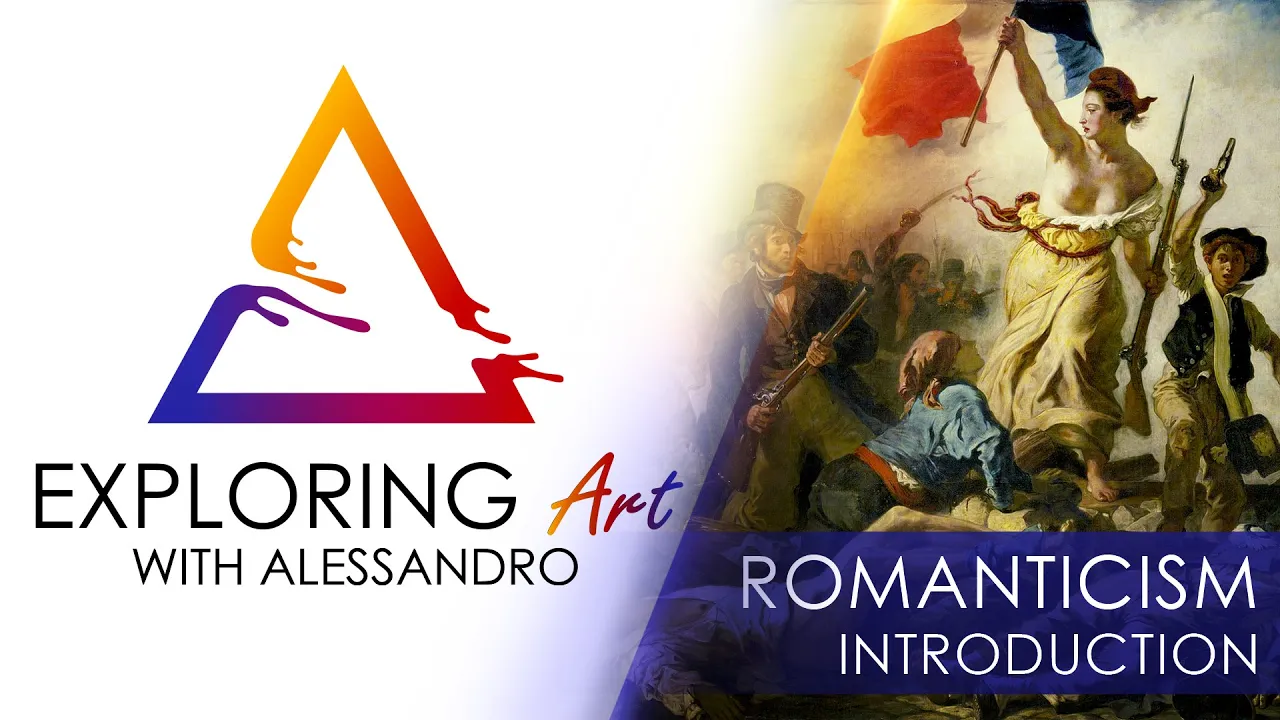













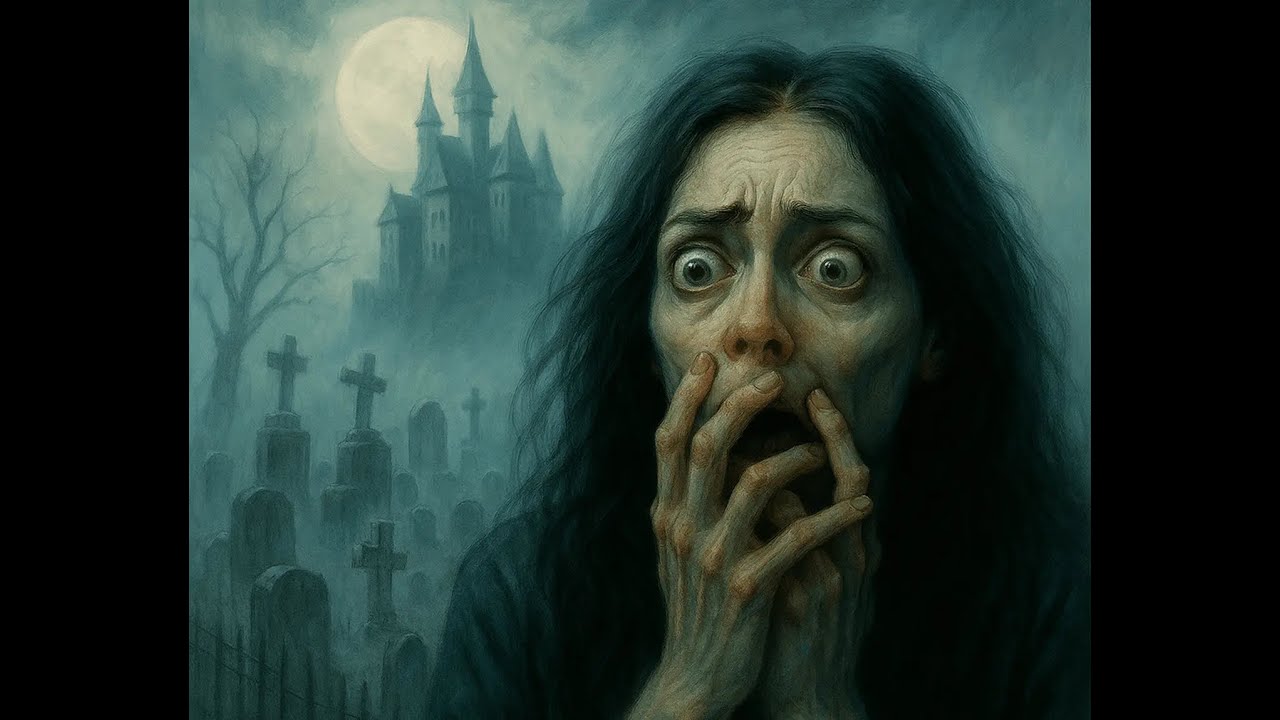






The sublime in Gothic literature is an emotional, terrifying, transformative, and beautiful experience that evokes awe and fascination, often found in nature, decaying castles, and supernatural elements; it serves as a powerful literary device that challenges Enlightenment rationalism by transforming ordinary settings into sites of wonder and exploring human vulnerability alongside terror.
The Sublime in Gothic Literature: A Brief Introduction
Added:Basic conventions and history of the Gothic literature genre, including its focus on isolation, the supernatural, and psychological suspense.
The historical context of the Romantic Era and its artistic emphasis on intense individual emotion and the power of nature over human reason.
An introductory awareness of Edmund Burke's aesthetic theory, specifically his distinction between the 'Beautiful' (which brings pleasure) and the 'Sublime' (which stems from terror and awe).
Familiarity with the general plots and themes of foundational Gothic texts mentioned, such as Mary Shelley's 'Frankenstein' and Bram Stoker's 'Dracula'.
Immanuel Kant’s philosophical expansion of the Sublime in his 'Critique of Judgment', exploring the mathematical and dynamical aspects of aesthetic experience.
The literary distinction between 'terror' and 'horror' as defined by Gothic author Ann Radcliffe, and how each interacts with the sublime.
The evolution of the sublime into modern 'Eco-Gothic' literature, where the terrifying force of nature represents ecological anxiety and environmental collapse.
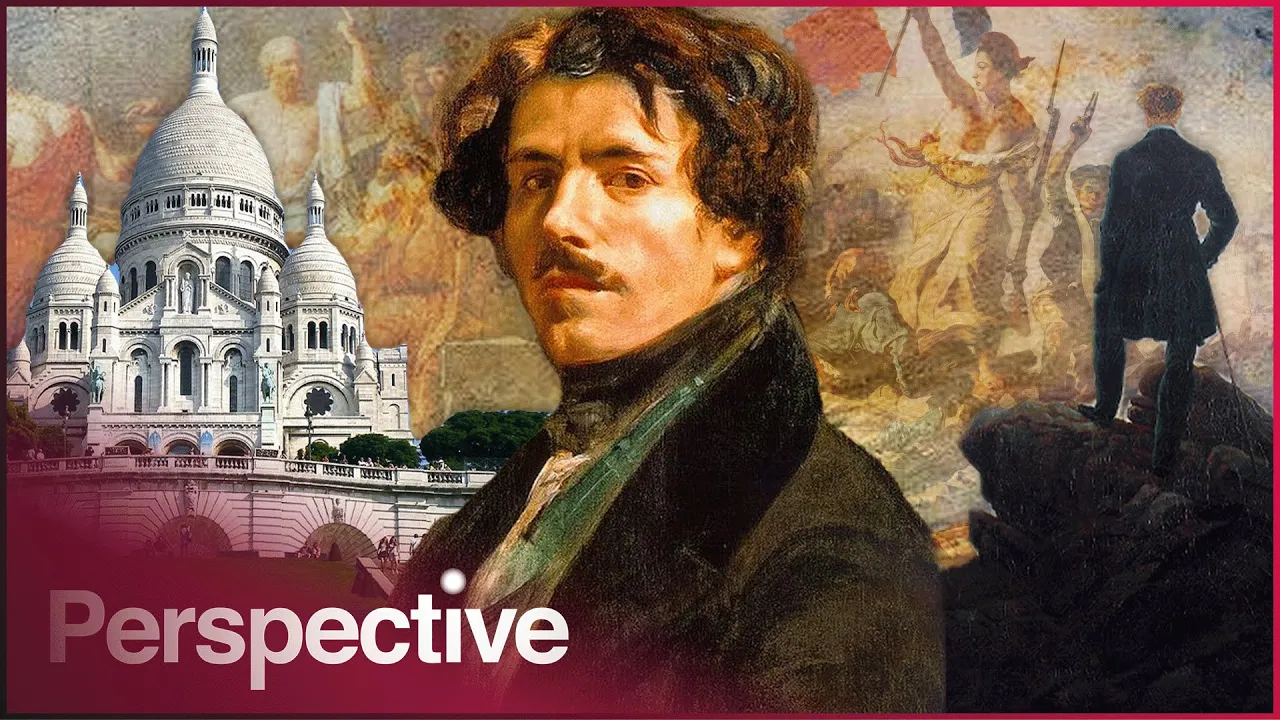
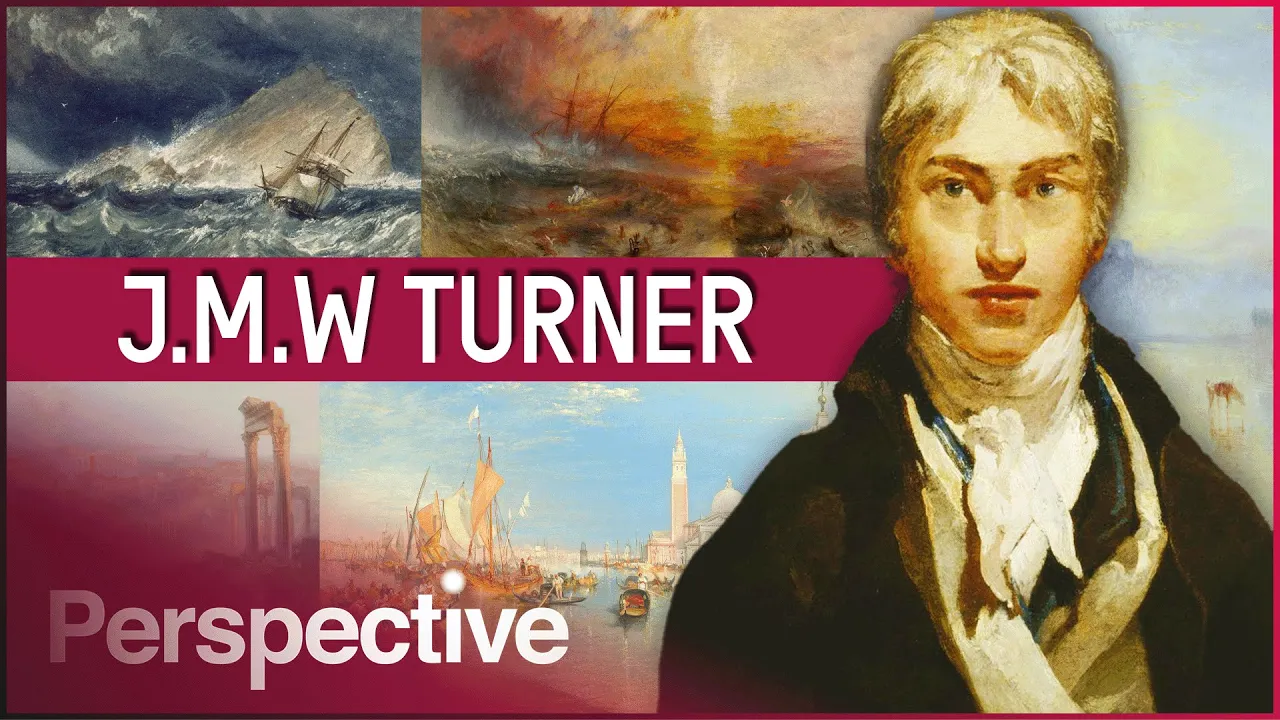
Interdisciplinary connections to visual arts, analyzing how Romantic-era painters like Caspar David Friedrich and J.M.W. Turner captured the sublime on canvas.
1.5K views41likes8:26Original Release: 2023-08-27
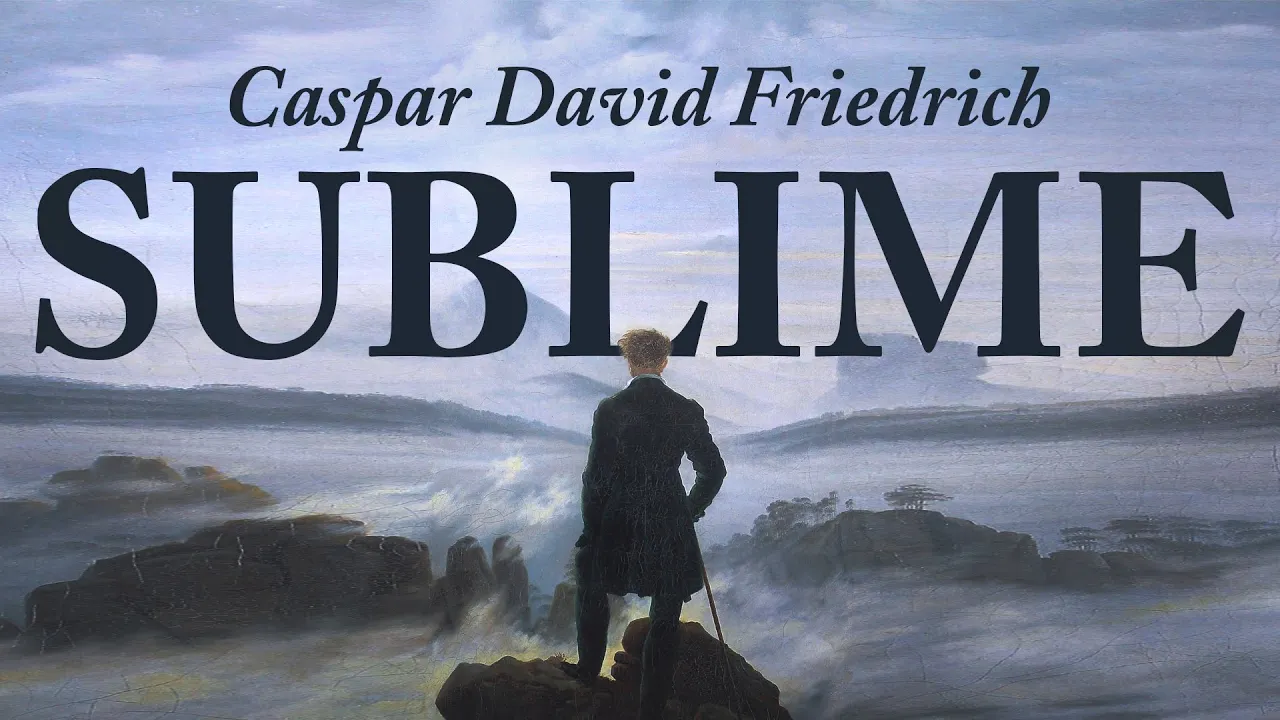
a man immersed in fog wanders to the edge of a mountain and stares into the wondrous sight ahead of him it is Sublime more than that the man undergoes an emotional terrifying transformative and utterly Splendid experience this painting Casper David friedrichs Wanderer above the Sea of fog is a highlight of German Romanticism which like English literary Romanticism emphasized the value of nature nationalism fraternity Revolution the Middle Ages subjectivity and the individual while smitten with these wonderful things Romanticism knew the power forms from Terror the risks science brought and the weakness of man such is the case for Gothic literature a significant part of Romanticism there are Terrors sure from ghosts to vampires there's a good reason why Gothic literature manages to startle however Gothic literature also draws on the sublime the subject of this video here I'll articulate what the sublime is and how it relates to Gothic literature and wider romanticism I'm Madeline Jones and I study History Literature and culture welcome to snowy fictions the sublime is for things emotional terrifying transformative and beautiful you can find the sublime in nature in buildings across the older new worlds and my urgently within human beings perhaps the sublime is a wonderful case of I know it when I see it Bram Stoker the genius behind Dracula he had a challenge ahead of him to this writer the sublime was found in Romania in vampires in Old castles sex and melodrama yet not everyone agreed in the 19th century for this was also the age of the Enlightenment science anti-clerical attitudes Empire and Industry Romanticism and Gothic literature didn't completely oppose these things but they did challenge these assumptions returning to stoker him and other Gothic writers used storytelling to explore alternatives this was done by tying regular human experiences whether this was love fear and Melancholy into transformative encounters Dracula is a wonderful example Ahsoka evokes genuine awe and Fascination within the radar whilst characters transform into vampires as the story progresses the radar also develops his or her understanding about the sublime thus encouraging a romanticization of reality a decaying Castle in Romania was now a place of Wonder or and Fascination thanks to the transformative power of the sublime in many Gothic novels the sublime can terrify the reader and this is the case in Mary Shelley's classic Frankenstein here the supply May lie in Switzerland or England these gorgeous European countries Shelley was terrific at riding storms Misty fields and imposing landscapes such environmental writing contributed to the Romantic critique of Enlightenment rationalism I would argue that Shelley goes further and finds a Sublime in both Frankenstein and the monster here it's important to note that the sublime isn't always good the hubris and Melancholy of both characters is not an easy read yet it's certainly a powerful and all-encompassing experience when combined with Shelley's Tendencies towards melodrama and Terror it is near impossible to not experience awe and Fascination particularly in the scenes where it is just Frankenstein and his monster talking about human nature that said there is beauty to the sublime the gothic exists in a context brimming with history and fantasy as seen in Harry Potter and the awesome novel Jonathan strange and Mr Norrell our characters here go through strange oftentimes enchanting experiences so different to the reality the reader has I have made several videos specifically on Harry Potter especially in relation to godrick's hollow and hogsmeade to summarize JK Rowling uses well-known British and Irish settings and makes them magical to our eyes and by doing this she reveals the Majestic forces lurking within our reality I also must stress that diversity existing within the sublime Gothic literature is already a cross-cultural event two and author like Elizabeth costovar who wrote the shadowlands and the historian the sublime lies in Bulgaria and her bustling cobbled streets with Orthodox churches and snow-caped mountains yet to Richard Flanagan the supply May lie in Tasmania or van diemen's land Australia's most southern state and a site for natural beauty and Colonial history Gothic literature and film has a varied view of the sublime there's not a single building or place which can fully capture the concept the gothic is also cross media we have Gothic films video games novels Comics tours buildings and churches paintings and sculptures all with their own takes on the sublime yet they all hold one important thing in common the desire to evoke emotion from the audience or reader this can be fear Melancholy surprise or even Joy so often Gothic literature is prone to exaggeration and melodrama this richness therefore is a Sublime in itself what are your favorite Gothic novels have you been somewhere Sublime comment below I'd love to start a discussion about this thanks for watching and if you'd like subscribe for frequent videos about History Literature and culture I also have creative writing classes on skillshare with a new one about writing better sentences on top of this there is a monthly mailing list linked below regardless thanks for watching and I will see you soon
Up Next
12:38
Frankenstein, Part 2: Romanticism and Critical Readings
@crashcourse
1.1M views•2014-04-03

13:43
Formalism in Literary Criticism: An Academic Lecture Overview
@mattalberhasky9952
39.1K views•2015-08-05

6:08
Point of View in Fiction: First Person vs. Third Person
@magicalthriftyteacher
153.8K views•2014-03-31

15:25
1984: Orwell's Dystopian World and the Mechanisms of Totalitarianism
@AlternateHistoryHub
7M views•2017-03-04
Related Study Plans & Knowledge Roadmaps
Structured learning paths in Literature
literature
Graphic Memoirs: Visual Art, Trauma & History
01Foundations of Sequential Art and Visual Language
02Autographics and Processing Historical Trauma
03Visualizing Personal Trauma, Grief, and Graphic Medicine
+ 2 more learning modules
14h5 modules
Explore Roadmap
literature
Campus Novels: Evolution, Themes & Critique
01Introduction to the Campus Novel Genre
02Mid-Century Satire and the Post-War Academy
03Dark Academia and the Critique of Privilege
+ 2 more learning modules
14h5 modules
Explore Roadmap
literature
Theater of the Absurd: Philosophy & Plays
01Postwar Existentialism & Historical Roots
02Dismantling Narrative: Esslin & Absurdist Conventions
03Samuel Beckett and Tragicomic Existentialism
+ 2 more learning modules
12h5 modules
Explore Roadmap
literature
Revenge Tragedy: Justice, Madness & State
01Foundations of Early Modern English Theatre
02Anatomy of Revenge: Structural Conventions
03Psychological Complexity: Madness and Melancholy
+ 2 more learning modules
15h5 modules
Explore Roadmap