





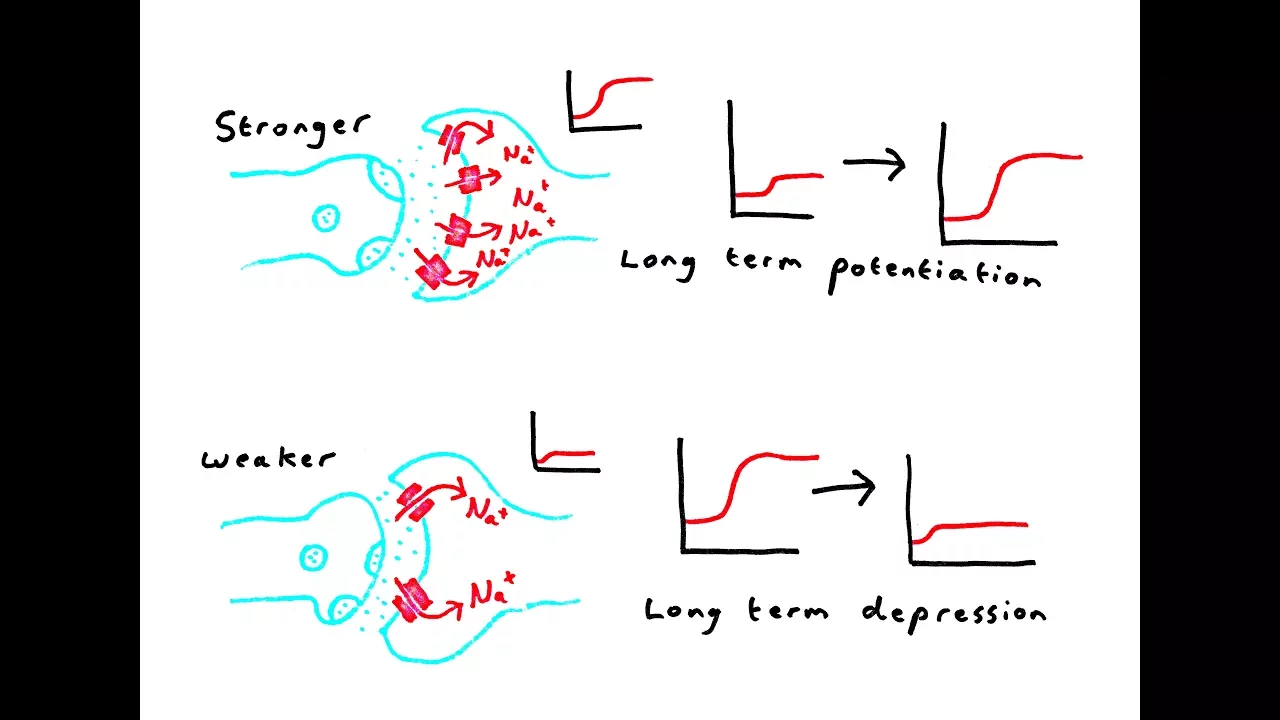



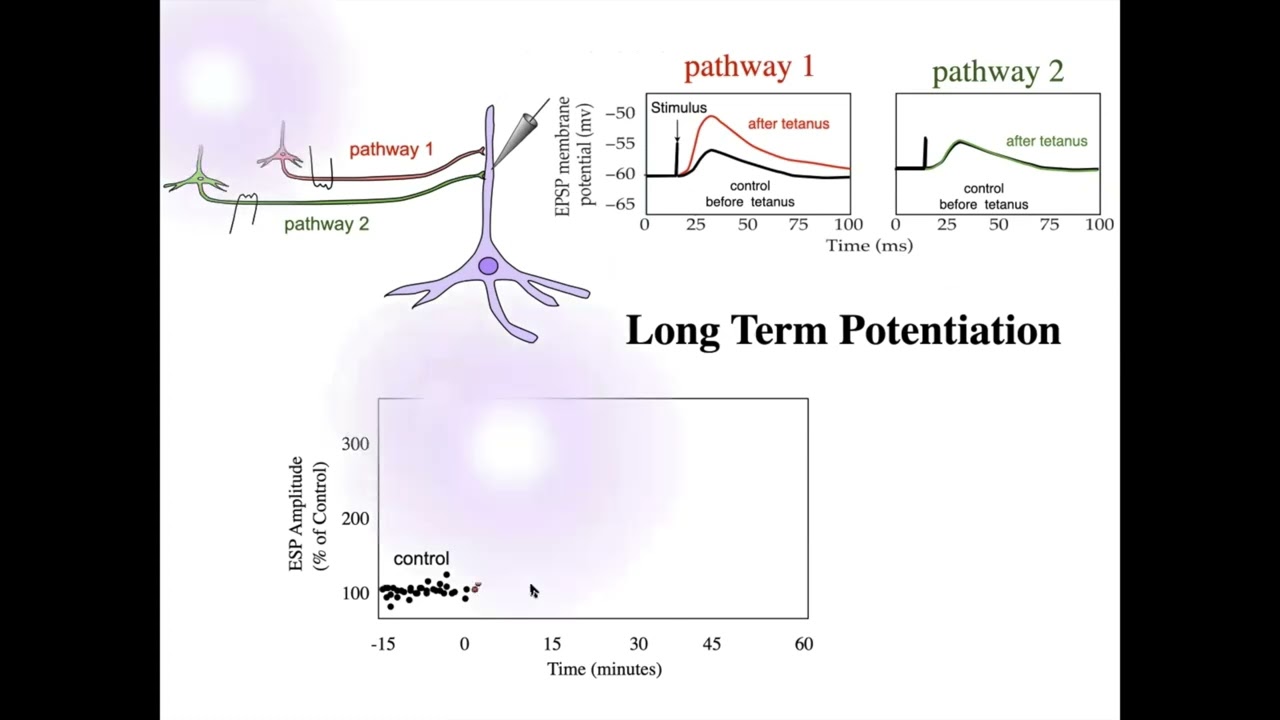
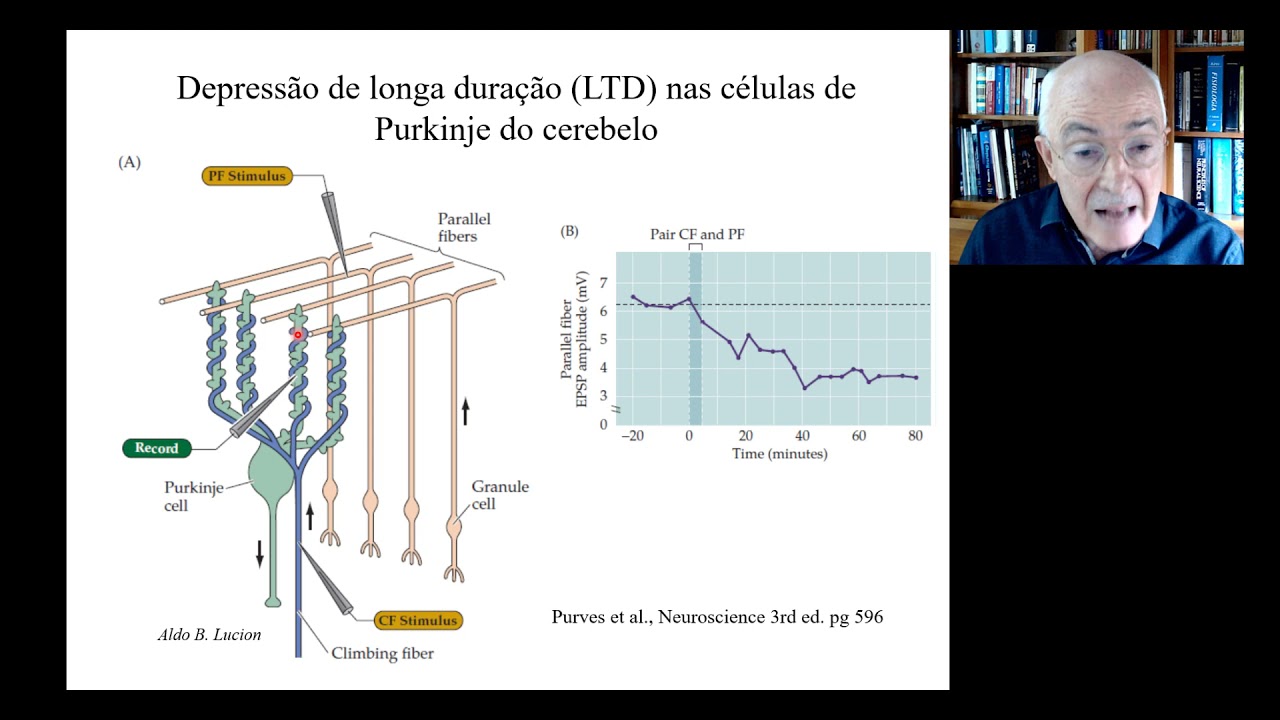

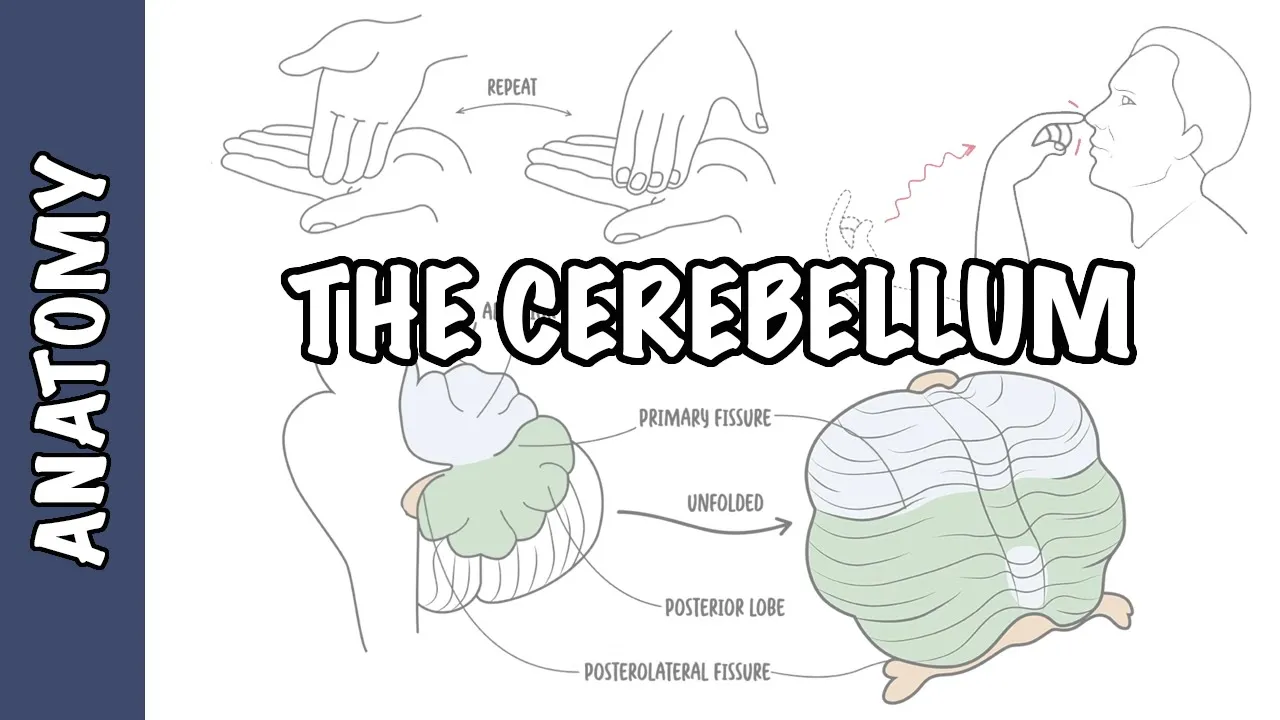








Long-term potentiation (LTP) at parallel fiber to Purkinje cell synapses, rather than long-term depression (LTD), is the main mechanism underlying cerebellar motor learning. This was demonstrated using a mouse model (L7-PP2B) where PP2B phosphatase was blocked specifically in Purkinje cells, which prevented LTP induction while leaving LTD intact. Behavioral tests showed that these mutants were unable to adapt their vestibular ocular reflex or perform Pavlovian eyelid conditioning, indicating that LTP in Purkinje cells is essential for survival motor learning.
Cerebellum Motor Learning | Long-Term Potentiation Explained
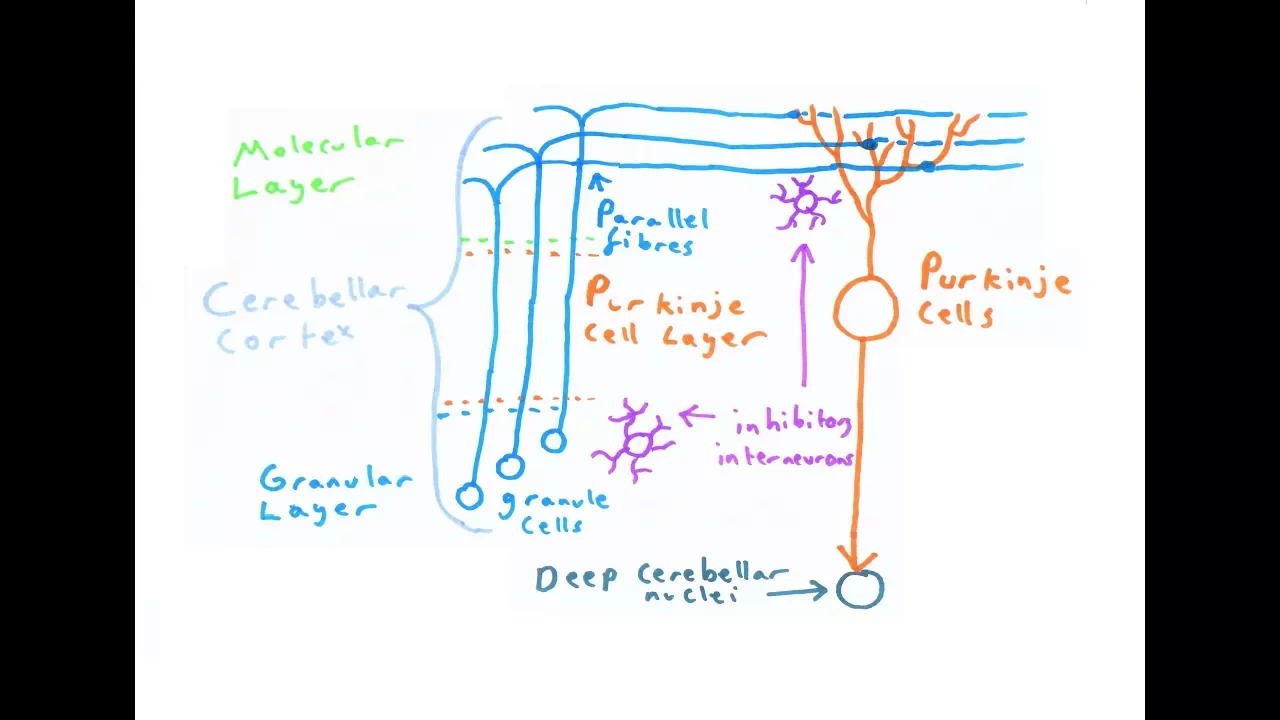
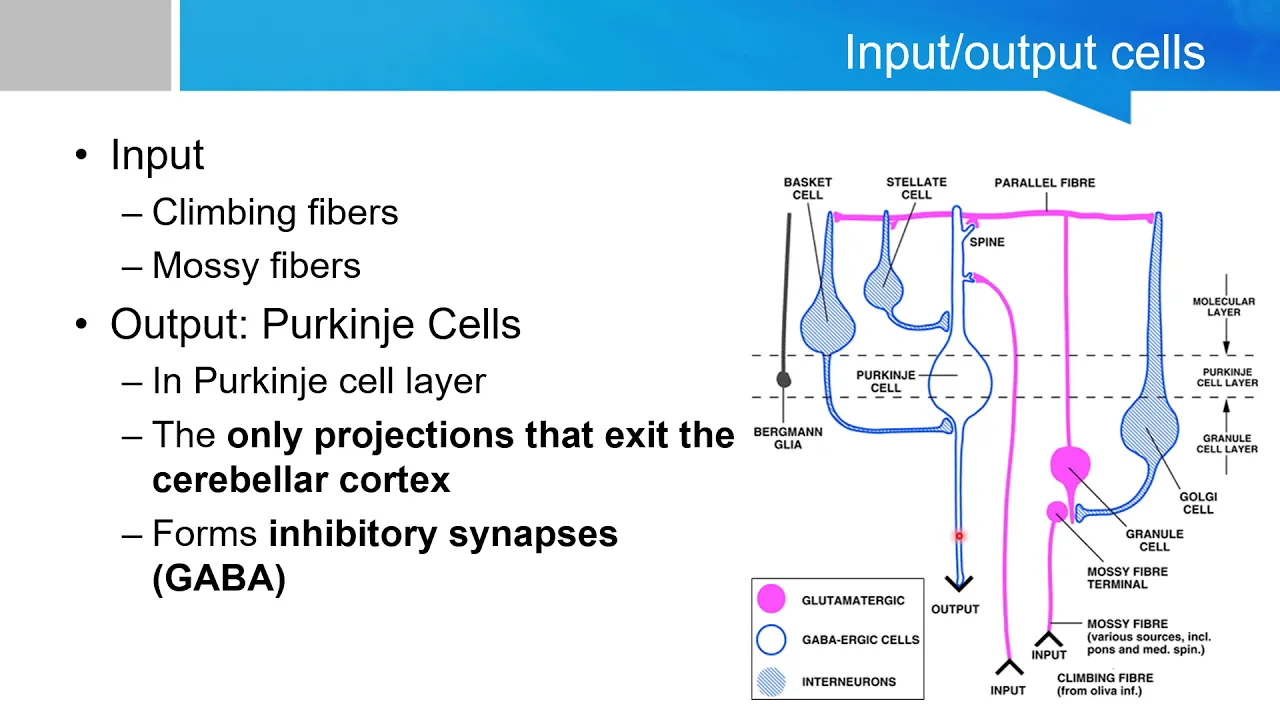
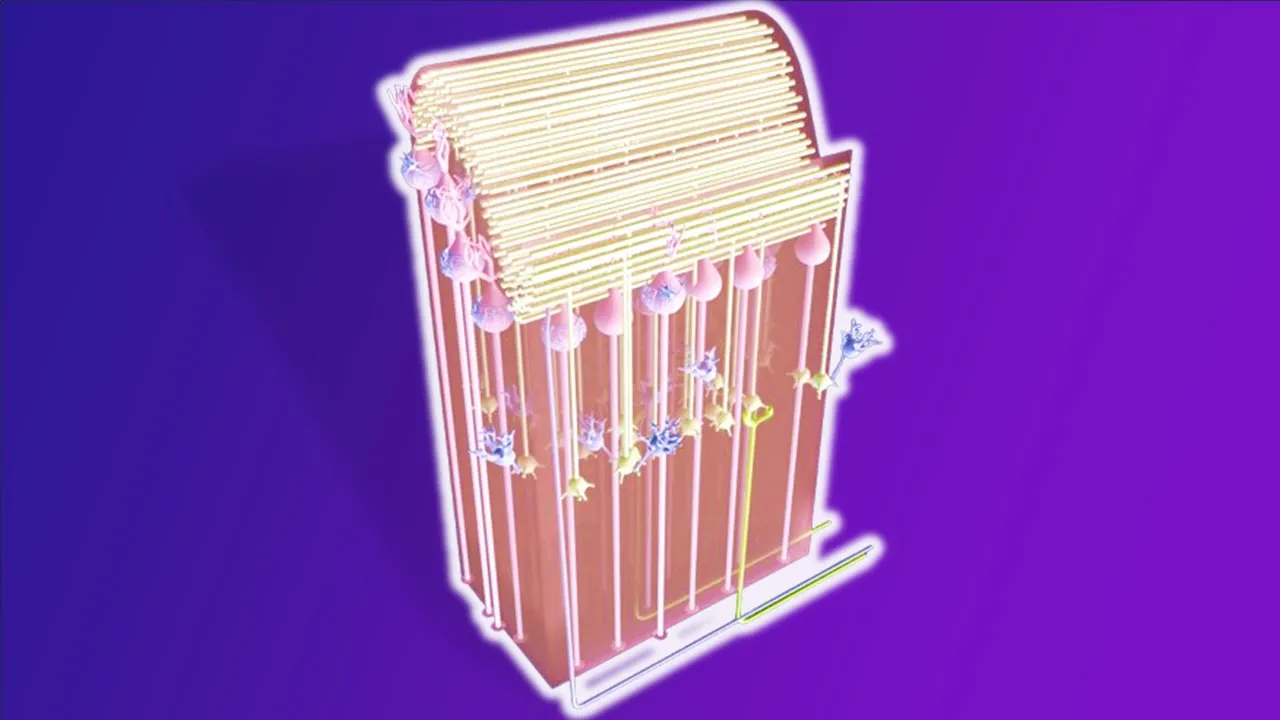
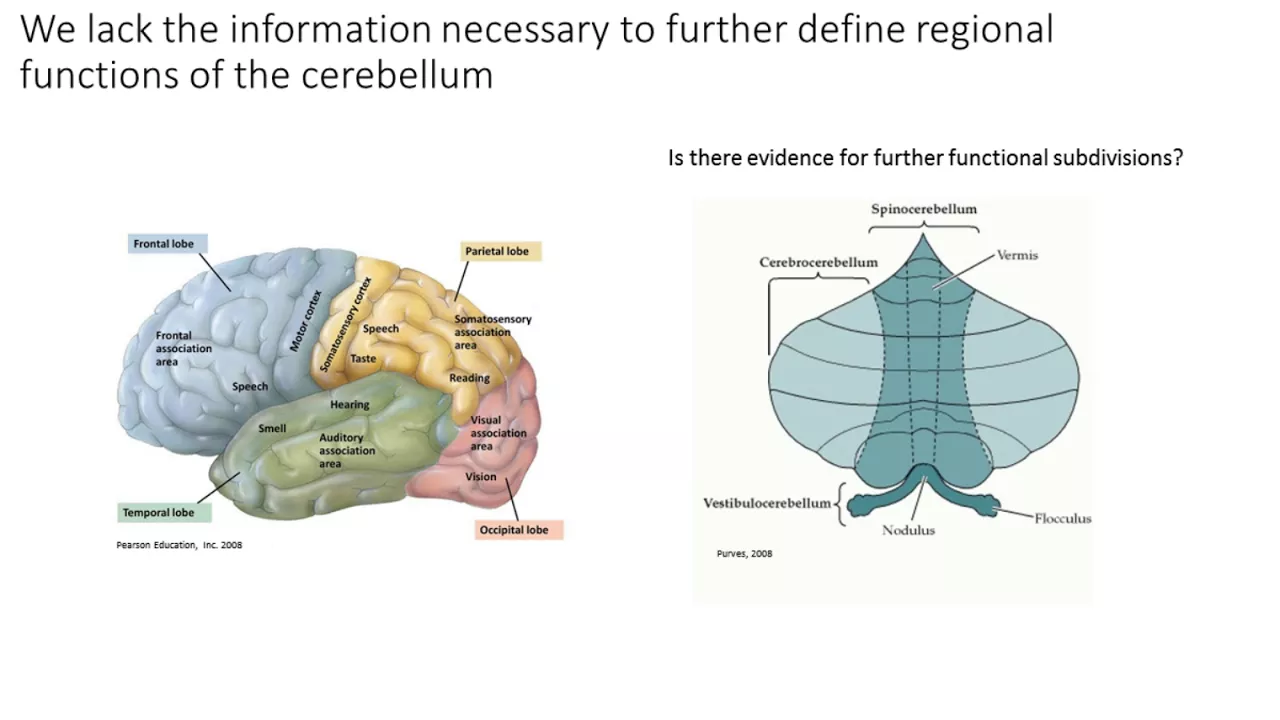
Added:Basic anatomy and cellular circuitry of the cerebellum, including the distinct roles of Purkinje cells, parallel fibers, and climbing fibers.
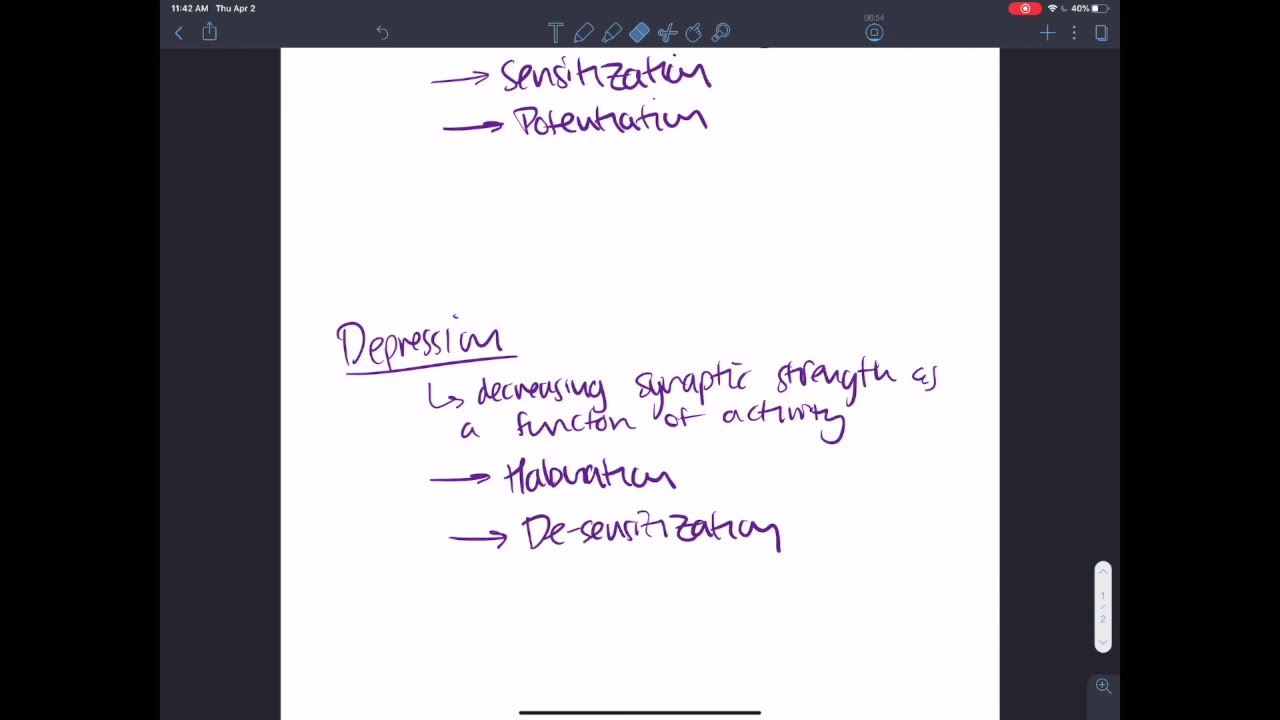
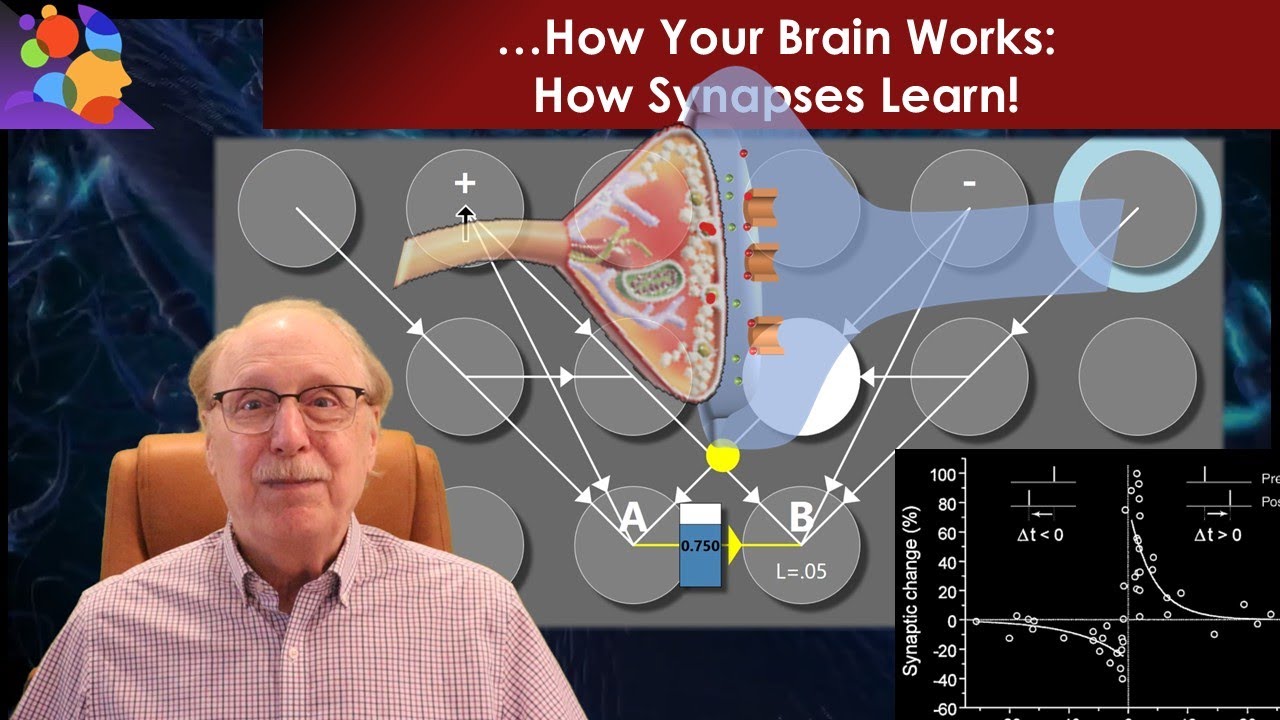
The fundamental concept of synaptic plasticity, specifically how synaptic strength can be modified over time in response to neural activity.
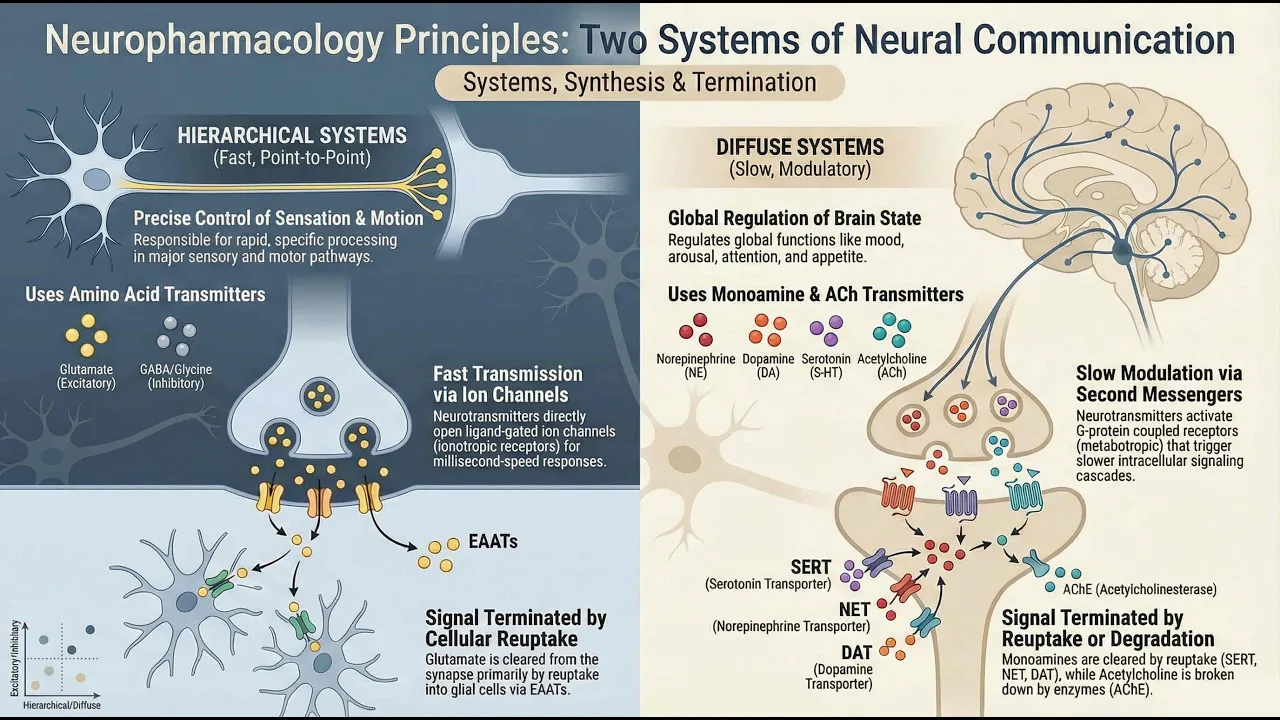
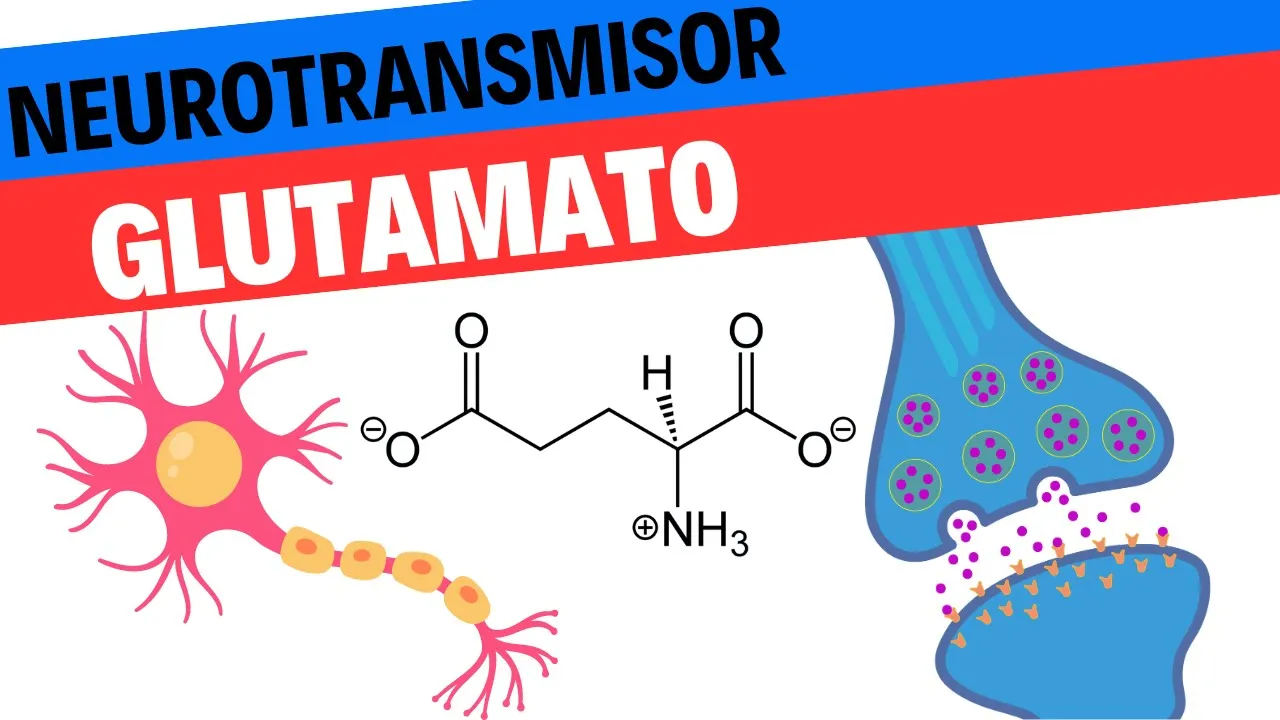
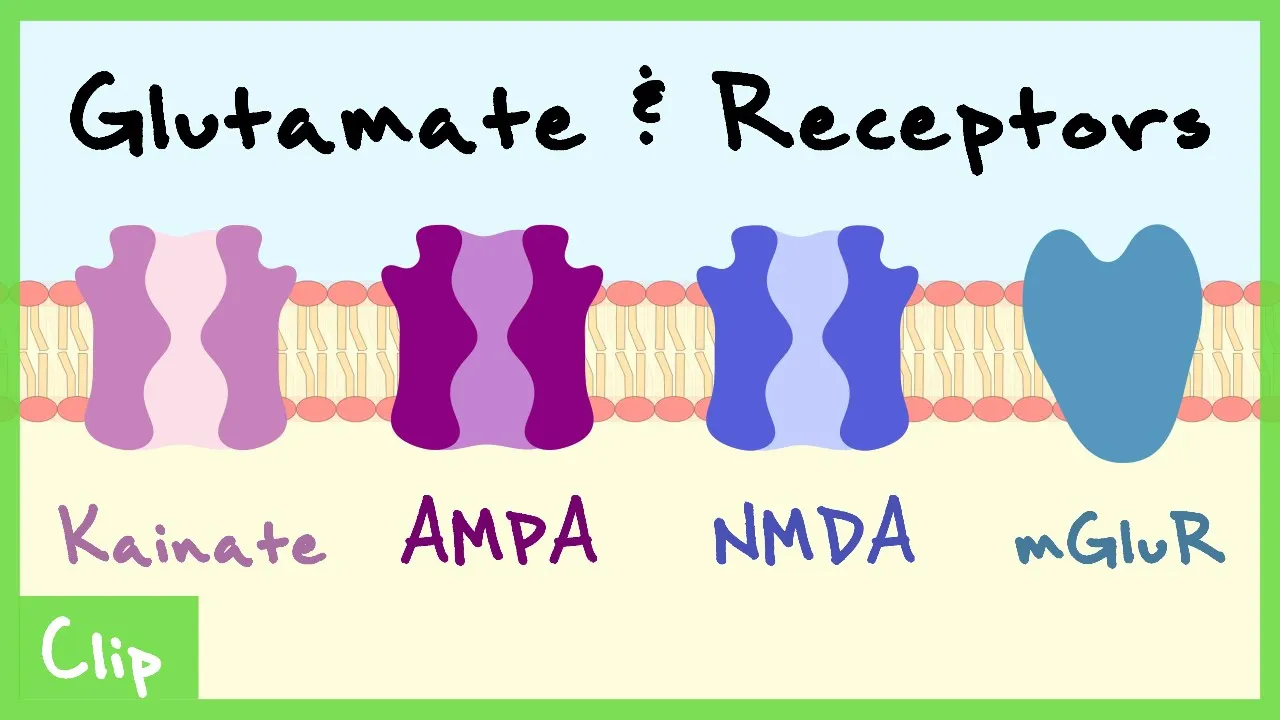
Key mechanisms of excitatory neurotransmission, focusing on glutamate and the functions of AMPA and NMDA receptors in the central nervous system.
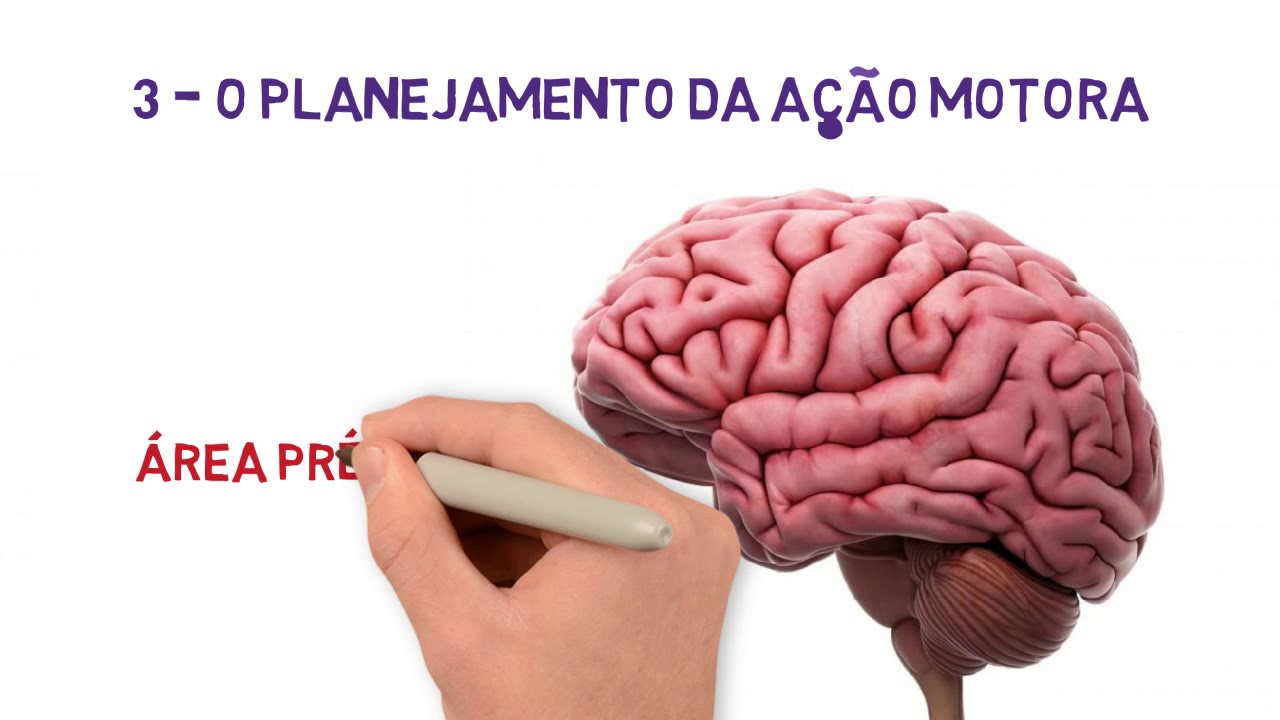
The distinction between motor planning (cortical structures) and motor coordination and sensory error-correction (cerebellar structures).
The reciprocal role of Long-Term Depression (LTD) in the cerebellum and how the balance between LTP and LTD facilitates motor adaptation.
Clinical implications of cerebellar dysfunction, such as how impaired synaptic plasticity leads to disorders like cerebellar ataxia or motor deficits.
Advanced neuroscientific methodologies, including optogenetics and in vivo electrophysiology, used to manipulate and record cerebellar activity in transgenic mouse models.
The Marr-Albus-Ito classic theory of cerebellar learning and its influence on modern computational neuroscience and robotic motor control algorithms.
3.4K views17likes6:22Original Release: 2010-08-30
what is going on in our brain when we learn new movements this is the main question that has been driving us over the past decades historically it has been assumed that long term depression at the peril of fiber to bikini cell synapse in the cerebellum is the main mechanism underlying procedural memory information however of the past few years we obtained suggestive pieces of evidence that other processes might in fact also contribute to cerebellar memory formation for example the brain cells which form the sole source of the parallel fibers turn out to be mostly silent the house is possible I wouldn't be possible that long-term depression of the parallel fiber to bikini cell synapse forms the main mechanism underlying cerebellum motor learning if the pair of fibers themselves are silent to begin with it was then that we decided to make a new mouse model and it was this mouse model that forms the basis of the current paper on their own potentiation of the parent fab to bikini synapse can be induced following Titanic stimulation of parallel fibers and for this potentiation to be expressed ultimate receptors have to be inserted in the postsynaptic part of the synapse the insertion of additional glutamate receptors will make the bikini some more sensitive for the same peril of our records so the question is how can we block this process long term potentiation at the perma fab to potential synapse depends on a phosphatase PP 2 B which in effect allows the glutamate receptor subunits to be inserted at the postsynaptic side so we created a mouse model in which people to be is blocked specifically inside the bikini cell and we named this mouse l7p B to be so let's first see what happens with the seller plasticity in this mouse when we tested the parallel fiber to put in cell input in the normal control animals we could clearly see induction of long-term potentiation following Titanic stimulation of virus in the masked mutant however this process was severely affected and we did not get any potentiation whatsoever in contrast when we compare the induction of long-term depression which one can get after combining parallel fiber stimulation with climbing fiber stimulation we did not see any deficit neither in the mutants nor atoms so this data demonstrated that we indeed created a mouse mutant in which long-term potentiation was specifically affected in bikini cells so this created the possibility then to test cerebellar motor learning for this goal we subjected to mice to both adaptation of the vestibular ocular reflex and Pavlovian eyelid conditioning for the adaptation of the vestibular ocular reflex when first puts the animal on a rotating table in the dark a mech is the baseline amplitude of the eye movements if one moves the table and thereby the head of the mouse to the right his eyes will automatically move to the left and vice versa after these baseline measurements we turn on the light and apply a training protocol for one hour using a mismatch simulation in which the vestibular and visual stimulation are not aligned as would occur in the normal daily life of the mouse this means that the animal will perceive a lot of retinal sleep which in turn will trigger the induction of plasticity inside the cerebellum causes an increase of the amplitude of the eye movement this increasing the amplitude of the eye movements can still be seen when we return to the baseline measurements in the dark and this is indeed what we saw on the normal control animals indicated in blue of the course of one-hour training the gain of their eye movements was substantially increased however when we subjected to Mouse mutant without long-term potentiation to this test indicated in red we found that these animals were not able to increase that game this data suggested that potentiation in between cells is indeed important for learning in the vestibular cerebellum but what about other forms of motor learning controlled by other parts of the are they also affected for this reason we subjected to muted my stupid love iane alien conditioning which is an excellent test for investigating learning dependent timing in this test the animal learns to recognize a conditioned stimulus such as a tone and to react with an eyeblink response after a particular time interval the length of this interval is determined by the duration between the onset of the town and the onset of the unconditioned stimulus which here is an airport on the iron so an untrained Mouse will initially not react to the tongue but he will close his eyelids only after the air puff comes in however after hundred trials or so he is able to recognize a tone and he will have his eyelids closed just before the air puff occurs when we subjected to mutants to this task we found indicated here on the left the day were not as successful in developing conditioned responses as the control animals moreover as indicated here on the right they also showed deficits in the timing of the few conditioned responses that were still visible so the built-ins also showed significant impairments in Pavlovian idling conditioning so taken together our data suggests that potentiation in bikini cells is in fact essential for survival motor learning and if you look at the severity of the behavioral phenotypes we even think that it may be one of the if not the main mechanism underlying surround motor learning
Up Next

48:20
Memory Consolidation and Intrinsic Plasticity of Purkinje Cells
@shadmehrlab1352
214 views•2024-06-12
21:55
Deciphering Neural Circuits Controlling Anorexia in Mice | Richard Palmiter
@AllenInstitute
2.3K views•2011-10-10

4:10
Vagus Nerve (CN X): Anatomy, Nuclei & Functions Explained
@Alilamedicalmedia
305.2K views•2022-10-31
13:03
How Exercise Benefits Your Brain: Science Explained
@TED
11.4M views•2018-03-21
Related Study Plans & Knowledge Roadmaps
Structured learning paths in Neuroscience
neuroscience
Appetite Regulation: Brain Circuits & Hormones
01Foundations of Endocrinology and Brain Anatomy
02Introduction to Energy Homeostasis
03Peripheral Signals: Leptin, Ghrelin, and Insulin
+ 2 more learning modules
14h5 modules
Explore Roadmap
neuroscience
Neuroeconomics: Value, Risk & Brain Mechanisms
01Foundations of Neuroscience and Brain Anatomy
02Introduction to Neuroeconomics and Subjective Value
03Dopaminergic Prediction Errors & Reinforcement Learning
+ 3 more learning modules
18h6 modules
Explore Roadmap
neuroscience
Spatial Navigation: Cells, Grids & Brain Maps
01Foundations of Brain Anatomy and Memory
02Place Cells and Head-Direction Cells
03Grid Cells: The Brain's Coordinate System
+ 2 more learning modules
12h5 modules
Explore Roadmap
neuroscience
BCIs: Neural Decoding & Prosthetic Control
01Neuroscience Foundations: How the Brain Signals Intent
02Signal Acquisition: Recording the Brain's Activity
03Neural Decoding: Translating Brain Waves into Data
+ 2 more learning modules
25h5 modules
Explore Roadmap