



















![[DOKU]Hitec-Das Stromnetz von morgen - Offshore](https://i.ytimg.com/vi/thT3FwuHM9k/hqdefault.jpg)


Wind turbines convert wind's kinetic energy into electricity through a process where wind flowing over specially designed blades creates lift, causing the rotor to spin at 7-20 revolutions per minute; this rotation is then multiplied by a gearbox (or direct connection in gearbox-less designs) to reach speeds of up to 500 RPM, which drives a generator that converts the mechanical energy into electrical energy, with the electricity then transmitted via cables to transformers that increase voltage before feeding into the power grid.
How Wind Turbines Work: Kinetic Energy to Electricity
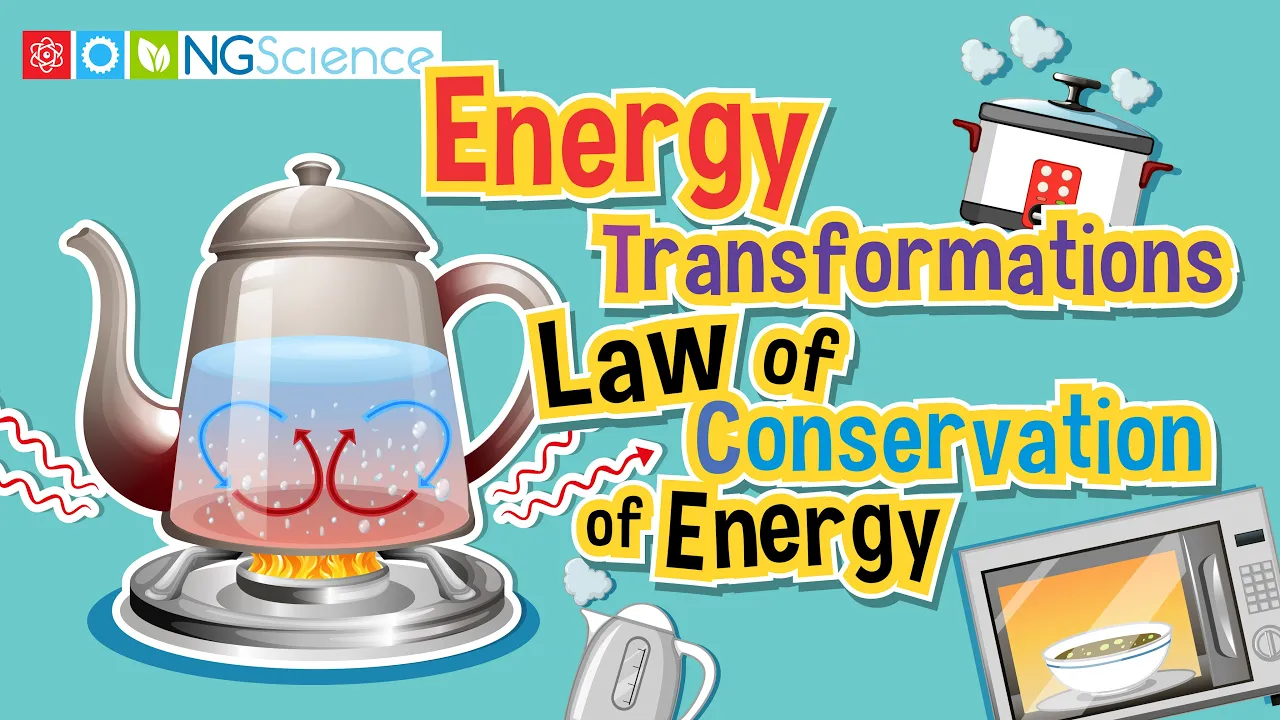
Added:The Law of Conservation of Energy, specifically how energy is transformed from one state (kinetic) to another (electrical).
The fundamentals of electromagnetism, particularly Faraday's Law of Electromagnetic Induction, which explains how mechanical movement generates electric current.
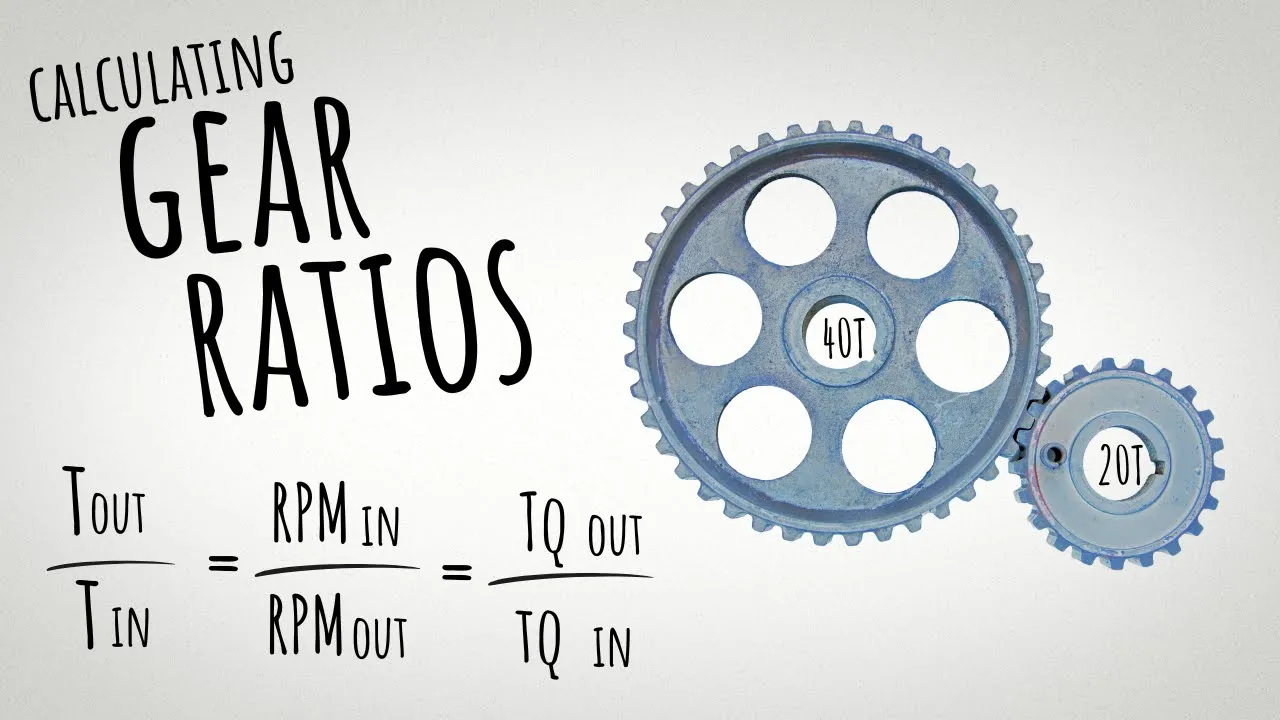
Basic mechanical principles of gear systems, including torque, rotational speed (RPM), and how gear ratios manipulate mechanical advantage.
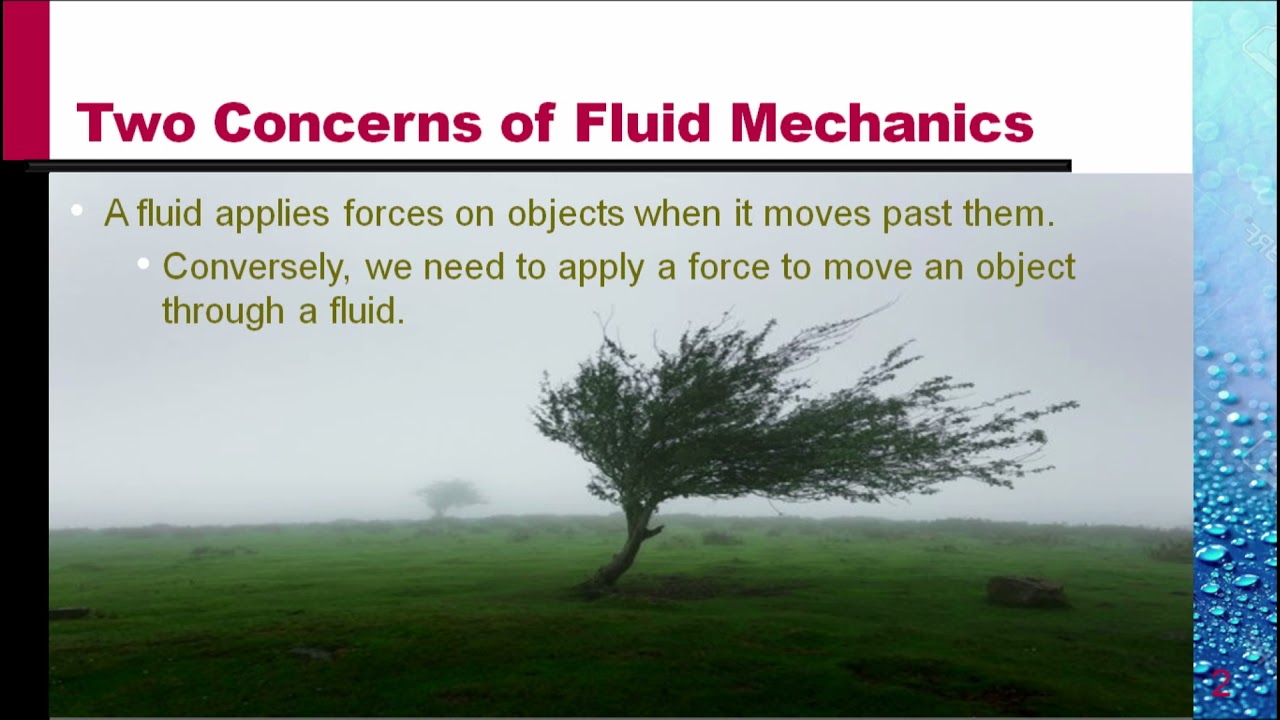
An elementary understanding of fluid dynamics, specifically how wind behaves as a moving fluid and exerts physical forces on physical barriers.
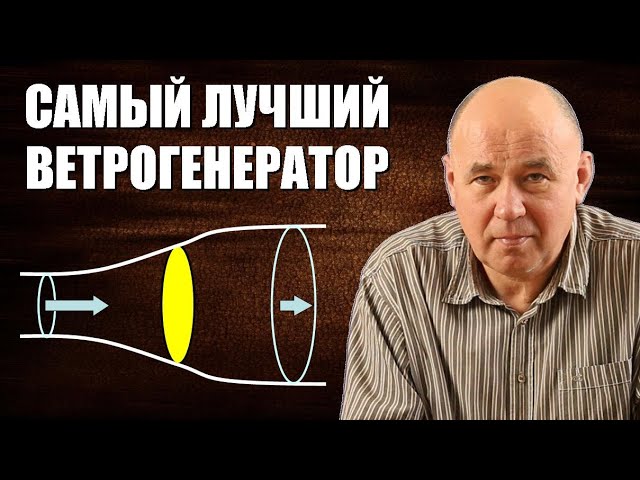
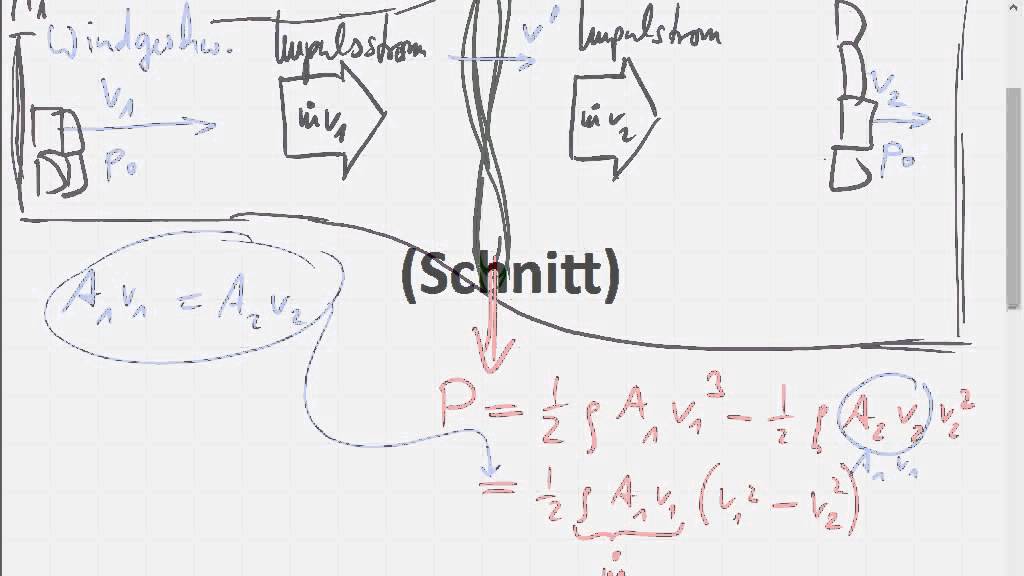
Betz's Law and the aerodynamic principles of lift and drag that dictate the maximum theoretical efficiency limit (59.3%) of wind turbine blades.
Grid integration challenges, including power conditioning (AC/DC conversion), energy storage technologies, and managing the intermittent nature of wind power.
Advanced offshore wind engineering, focusing on floating platform designs, marine environment survivability, and high-voltage direct current (HVDC) subsea transmission.
The environmental and economic lifecycle analysis of wind energy, including turbine manufacturing footprints, recycling of composite blades, and levelized cost of electricity (LCOE).
855 views11likes4:32Original Release: 2025-11-14
As technologies advance, generating electricity with wind turbines is becoming ever more efficient. [music] Wind energy is successfully competing with other types of energy in terms of both cleanness and price. What is a wind turbine? A wind turbine is a device that converts [music] kinetic energy from the wind into electricity. Wind turbines are manufactured in a wide range of shapes and sizes, but the most common design [music] involves three blades mounted on a tower made of steel or a mix of steel and concrete. Increasing the height of a wind turbine and the length of its blades increases [music] its capacity, which these days can reach 15 to 16 megawatt. How much electricity [music] a turbine generates depends not only on its capacity but also on the wind speed, the angle of the blades and the density of the air. At higher altitudes, stronger winds form. So the higher a turbine, the more efficient it is. Air density is also important. When the density is higher, more energy can be generated. But wind turbines are designed to operate effectively in light winds as well. And when the wind is very strong or maintenance is required, they sometimes have to be stopped.
How does a [music] wind turbine work?
There is a wind vein and a wind speed meter at the top of [music] each turbine. Using the information on wind direction, the turbine rotates to face into the wind. And the wind speed meter [music] sends signals telling the turbine when to start generating electricity and when to stop. To use the wind with maximum efficiency, the blades can also rotate around their axis.
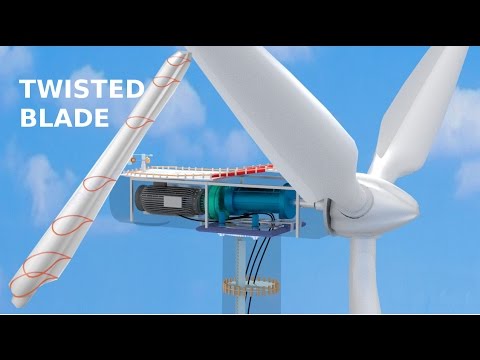
Wind flowing over the blades produces lift, which [music] makes the rotor spin. The blades are connected to a hub and a low-speed shaft.
They all spin at the same speed of 7 to 20 revolutions per minute.
But for the generator to produce energy, it needs a faster rotational speed.
That's why most wind turbines have a gearbox, which [music] multiplies the rotational speed of the low-speed shaft by over 100 times. The high-speed shaft then rotates at a speed of up to,500 revolutions per minute.
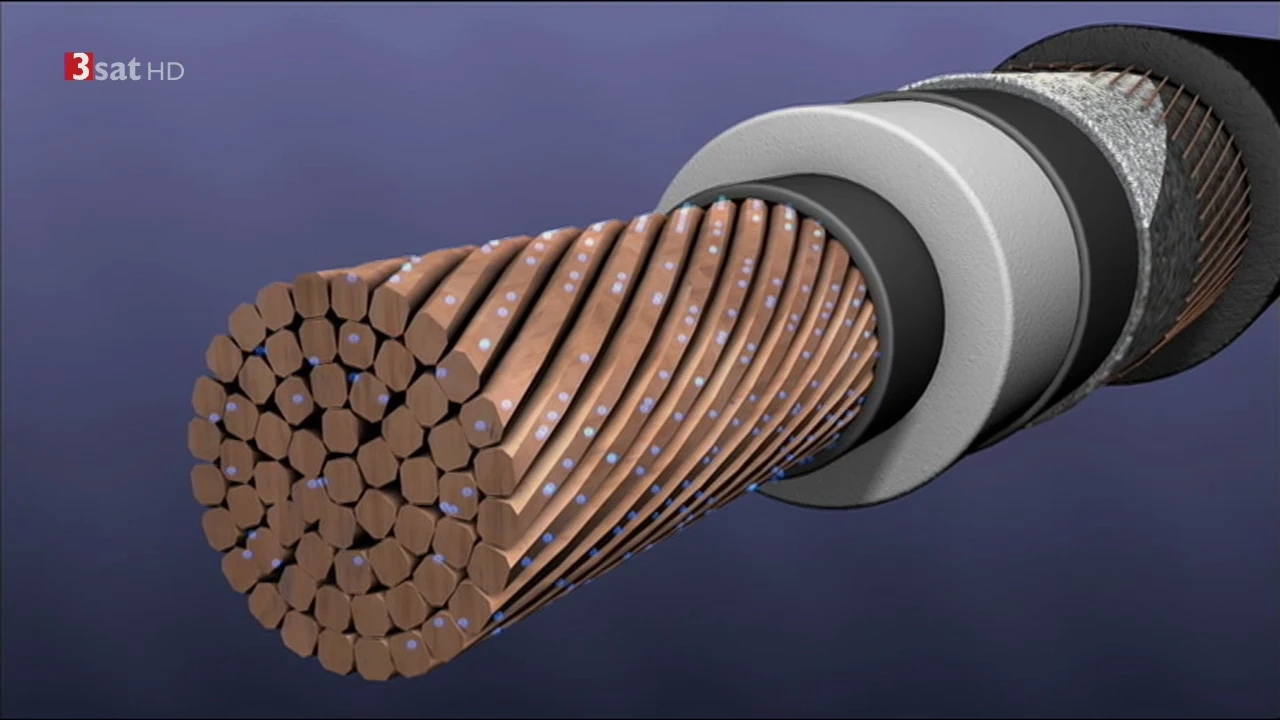
It is connected to the generator, which converts the kinetic energy into electricity. On turbines that do not have a gearbox, the hub is connected directly to [music] the generator. And then the rotor and the generator both turn at the same speed. From the generator, [music] electricity runs via cables installed in the tower to a transformer where its voltage is [music] increased and finally is fed into the power grid to go wherever we need it.
How do wind turbines affect us?
A modern wind turbine generates about as much noise as a lawnmower.
When proper [music] distance is maintained from the nearest residential areas, the noise put out by a wind turbine combines with the ambient noise and is indistinguishable.
You don't hear wind turbines any more than you hear a modern refrigerator operating.
The choice of proper location and distance also avoids or minimizes any [music] impact of the shadow wind turbines cast offshore potential.
Currently, the majority of wind turbines are developed onshore, but there is also active development in the sea. Offshore wind farms are very important for achieving Europe's plans [music] to become a climate neutral continent by 2050.
Offshore wind [music] energy generation is not only clean, but is also getting cheaper.
Offshore wind farms are competing [music] successfully with new nuclear and gas power plants, so they have good prospects.
In the future, the majority of power generated in Lithuania will be generated using wind energy. By developing [music] this type of energy, we are creating jobs, helping reduce dependency on fossil fuels, and significantly contributing to climate change mitigation.
At Ignitus Group, [music] we are creating an energy smart world.
[music]
Up Next

8:33
No-Code Wind Farm Site Selection Workflow in GIS | Tutorial
@atlas-hq
252 views•2025-07-03

12:54
Triumph of Orthodoxy Icon: Byzantine Art & History Explained
@BenCallan
2.1K views•2024-08-06

9:49
FastAPI vs Flask vs Django: Choosing the Right Python Web Framework
@TechWithTim
302.5K views•2024-05-26

1:42
Game of Thrones Opening Credits: A Cinematic Analysis
@gameofthrones
46.3M views•2011-04-18
Related Study Plans & Knowledge Roadmaps
Structured learning paths in General & Interdisciplinary Studies
general-studies
Elevator Engineering: History, Physics & Cities
01From Hoists to Safety Brakes: The Dawn of Vertical Lift
02Hydraulic vs. Traction: The Engineering Physics of Elevators
03Modern Speed, Safety, and Algorithms
+ 2 more learning modules
12h5 modules
Explore Roadmap
general-studies
Rubber: Material Science, History & Geopolitics
01Origins of Natural Rubber & Mesoamerican History
02The Chemistry of Natural Rubber & Vulcanization
03The Geopolitics of the Rubber Boom & Colonization
+ 2 more learning modules
12h5 modules
Explore Roadmap
general-studies
Containerization: Evolution, Logistics & Trade
01Ancient Trade & Bulk Cargo: Amphorae to Barrels
02The Industrial Revolution & Cardboard Packaging
03The Containerization Revolution: Malcom McLean
+ 2 more learning modules
12h5 modules
Explore Roadmap
general-studies
Textile Tech: Evolution, Labor & Global Impact
01Pre-Industrial Textiles: Handloom & Cottage Industry
02Mechanization: The Spinning Jenny to the Power Loom
03The Factory System & Global Labor Transformation
+ 2 more learning modules
10h5 modules
Explore Roadmap