








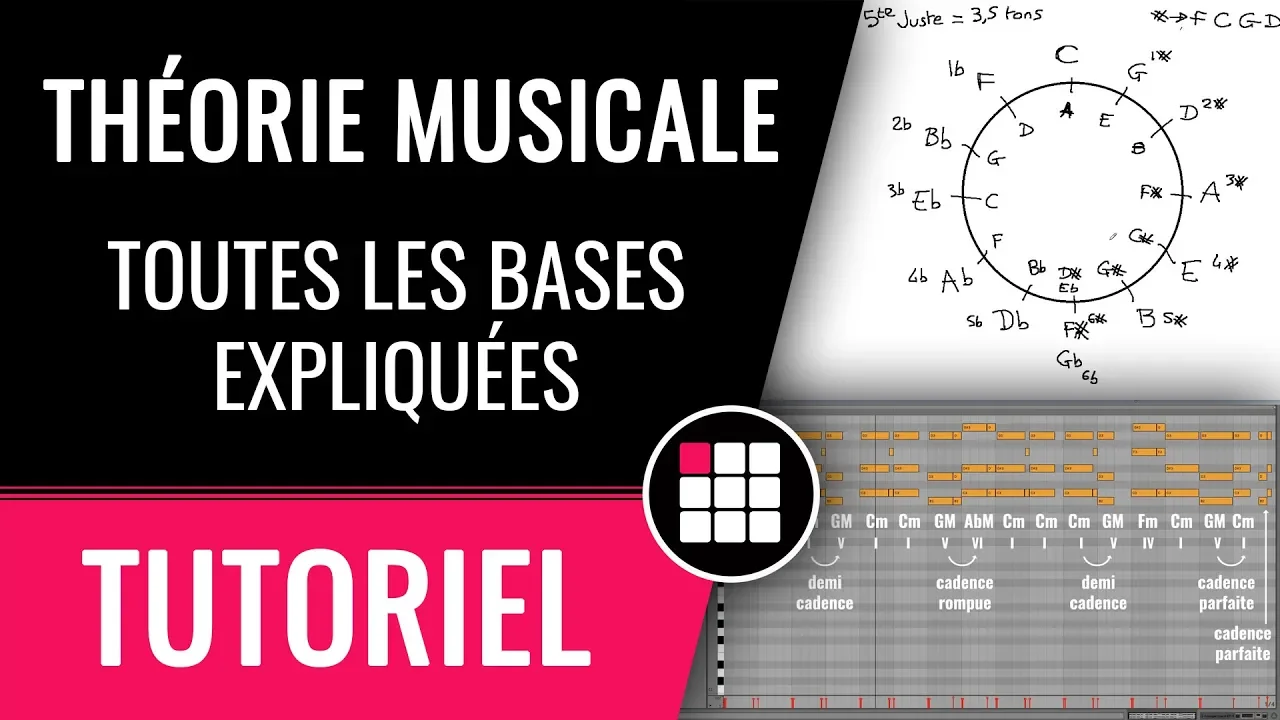




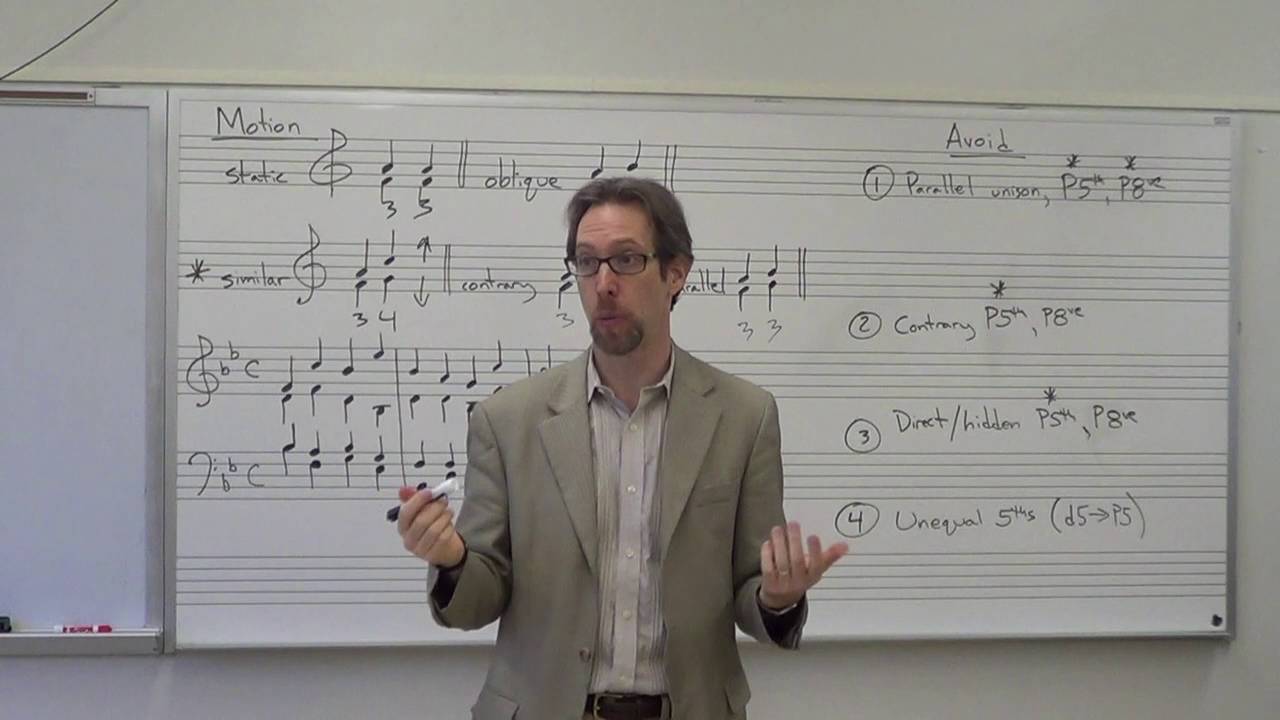


This lesson covers essential music theory concepts including the sharp rule (Father Christmas gives dad an electric blanket) and flat rule (blanket explodes and dad gets cold feet) for determining major key signatures, finding relative minors by moving three semitones from a major key, understanding scale degrees (tonic, supertonic, mediant, subdominant, dominant, submediant, leading note), and calculating intervals by counting from the bottom note upward while treating it as the first note of a major scale, with modifications for augmented, minor, and diminished intervals when notes don't belong to the scale.
Advanced Music Theory: Keys, Scales, and Intervals Explained
Added:Basic music notation reading, including the ability to identify notes on the treble and bass clefs.
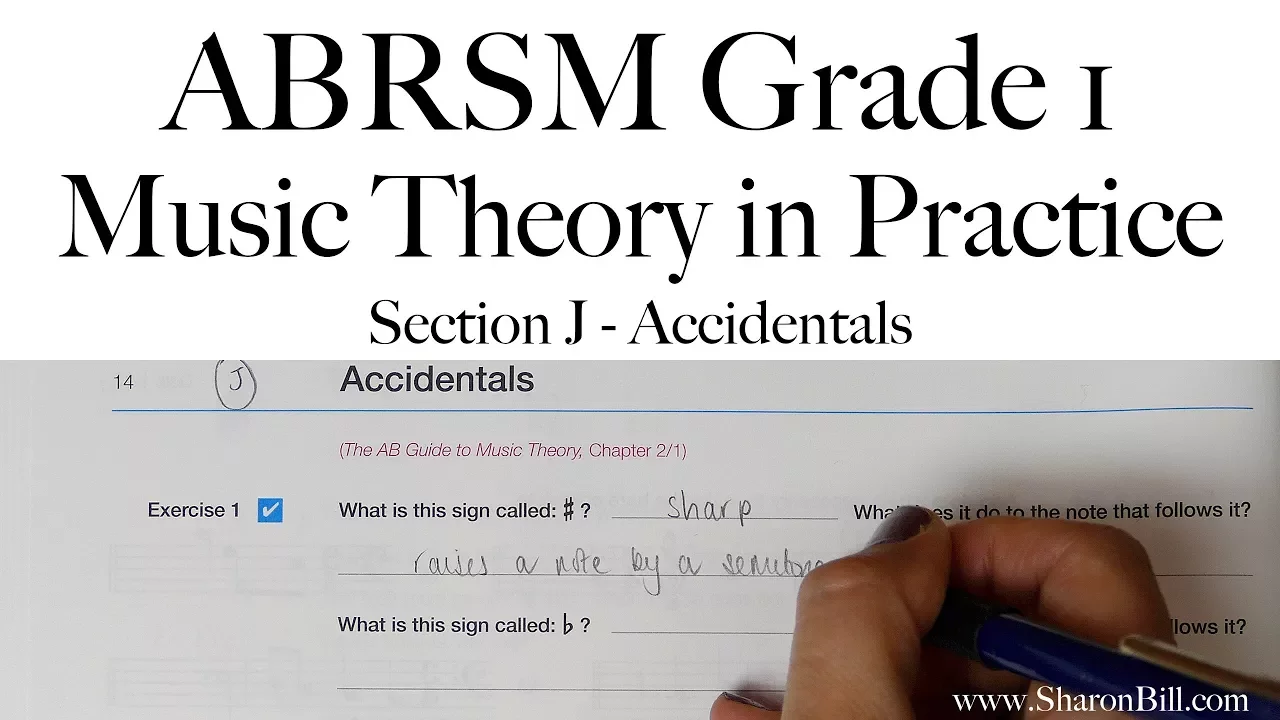
Understanding of accidentals (sharps, flats, and naturals) and how they alter pitch.
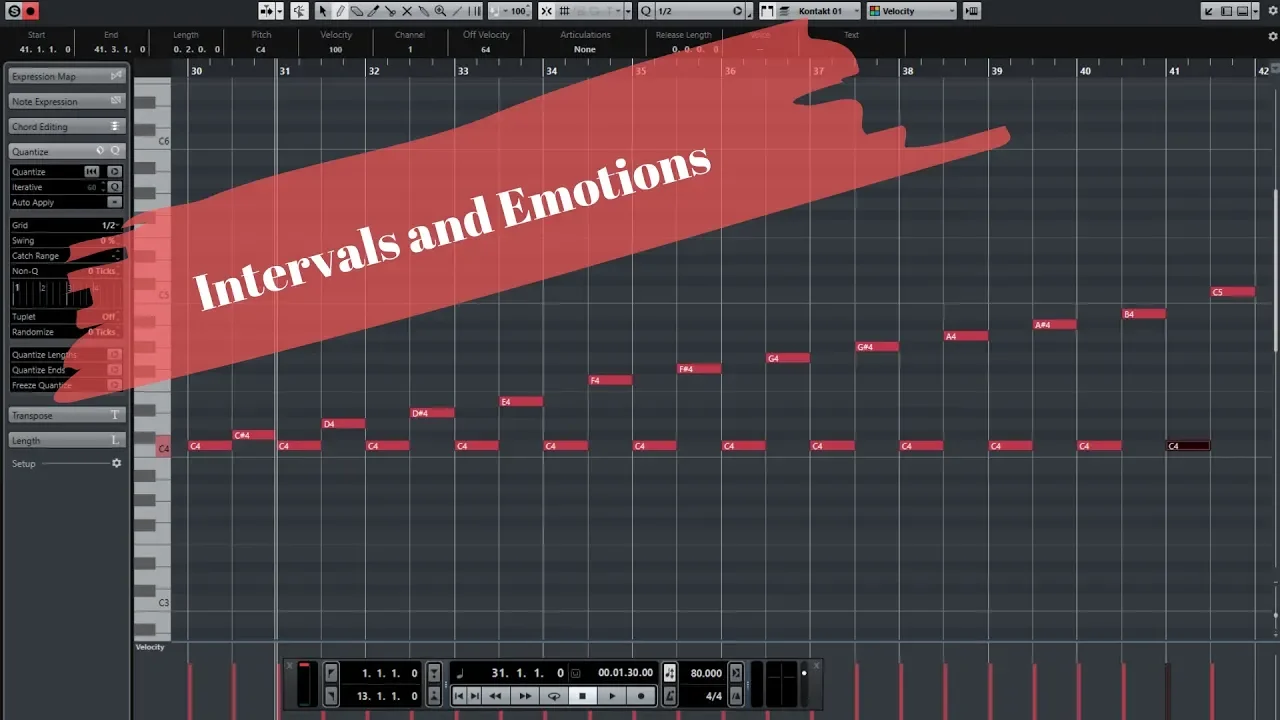
The concept of whole steps (tones) and half steps (semitones) as the basic building blocks of intervals.
Familiarity with a keyboard layout or instrument fretboard to visually grasp pitch relationships.
Building and identifying triads and seventh chords using scale degrees and intervals.
Diatonic harmony and analyzing chord progressions using Roman numeral analysis.
Exploring the modes of the major scale (such as Dorian, Phrygian, and Lydian) and their unique emotional qualities.
Understanding voice leading principles and the fundamentals of four-part harmony (SATB writing).
Analyzing key modulation techniques to understand how music transitions between different keys smoothly.
62.5K views1.1Klikes51:13Original Release: 2015-05-11
hello and welcome to lesson one of the advanced music theory course on fundamental harmony in this lesson I want to look at some of the basics of fundamental harmony so I'm going to be looking at Keys scales and intervals probably the most frequent thing that music students tell me that they're worried about when they first learn music theory is trying to remember all the different key signatures and scales that they need to know but they're actually quite easy to understand if you memorize some very simple tips tricks and rules if you find keys skills and intervals hard to learn I hope that by the end of this lesson you will never have to worry about the Maverick hem these rules tips and tricks that I will show you now will help you find the accidentals to all the major and minor scales all the major and minor key signatures and how to calculate any interval between any two notes and it's not actually that hard so the first thing that I would like to look at is the sharp rule this rule will help you find the accidentals to any major key that uses sharps okay so okay I'll help you find the accidentals - all the scales and key signatures that use sharps and this is what the sharp rule looks like father Christmas give that an electric blanket now obviously you can put in any sentence or words in here which makes better sense or it's easy to remember for you as sister just as long as they use those letters in that order FC g d a and B okay that's really the sharp roll but I'm just using the words just to remember the FC g da e and B okay so anything you can think of to go in there will help you find all the accidentals two major keys and major scales that use sharps so how do we use the sharp rule well say we're using a sharp rule without a key signature in other words say you're asked to find the key signature to eat major or B major C sharp major or G major whatever it is any major skill or key that uses sharps the way to use a sharp will without a key signature is to cut one letter back in the musical alphabet to find the last sharp of that key signature so let's take an example of that say for example you're looking for the key signature of B major okay count one letter back from B and you get a and that's the last sharp in the key of B major so B major has all the sharps in the sharp rail up to an including a sharp and that's five sharps in total f CJD and a okay five sharps from the scale of B major let's take another example say for example you're looking for the key signature of D major kind one letter back from D and you get C so C is the last sharp this time in the key of D major so D major has all the sharps in the sharp Brill up to and including that C sharp and this time it's only two sharps F and C sharp okay so it works for all those keys that use sharps all those keys and skills that use sharps so if you're looking for the key signature of G major count one letter back from G and you get F Sol G major has all the sharps up to and including F and that's just the first one F sharp if you're looking for the key so against your a V major count one letter back from E and you get D so eat major has all the sharps up to and including D F sharp C sharp G sharp and d sharp and say you want to know what's the key signature of C sharp major kind one letter back from C and you get B so C sharp major has all the sharps up to an including B and that's basically every sharp in the sharp rail F sharp C sharp G sharp d sharp a sharp a sharp and finally be sharp okay so that's the sharp rule and how you use it if you don't have a key signature if you're asked what is the key signature of E major in other words you start off knowing what the key is you know that you're in the key of D major or B major or a major you just you're just looking for what accidentals or what sharps are in those key signatures but say you do have a key signature and you need to use that sharp rule okay the sharp real father Christmas give dad an electric blanket also gives you the order the sharps are written on Steve's okay and you can see this example here I've written all the sharps down for the treble clef and all the sharps for the bass clef and you can see that F is the first sharp and each class followed by C then Jade and day a and E and B okay so not only does the sharp will give you the accidentals for all the major K's it use sharps it also tells you what order those sharps are written in the key signature so you say you want to use the sharp rule and you have the key signature this time you don't know what key you're in but you do have a key signature so how do you use that well find the last sharp in that key signature and kind one letter forward this time in the musical alphabet so the last time you were cutting a letter back when we had the key and we're looking for the key signature this time you have the key signature and you're looking for the key so it's just the opposite the complete opposite of the last rule this time you find the last sharp in the key signature and kind one letter forward in the musical alphabet and that will get you the major key let's have a look at an example of that okay so you have a key signature with four sharps FC G and D find the last sharp which is D and count one letter forward from that and you get a so this could be the key signature of ETH or those four sharps I say it could be the key signature of E major because you've got to remember the key signatures can signify a their major or a minor key so you won't know that until you see the music following after there's a key signature and time signature so it could be a major but it could be its relative my neuron we'll look at the minor keys and skills later but just for knife you just remember how to use the sharp rule when you have a key signature you just find the last sharp kind of letter forward if you don't have the key signature if you don't have this information that you see it but you can see on this slide then you've got a kind of letter back in the musical alphabet now what do we do if we're looking for the major keys and scales that use flats well there's a different rule that we need to know for that the flat rule so flat rule is a little bit similar as you can see to the sharp rule the sharper was Father Christmas gift at an electric blanket the flat rule is that real in Reverse and I've written blanket explodes and dad gets cold feet but the rule is really just that be e a D G C and F okay and that's the sharp rule in Reverse okay so the flat rule is just the sharp rule in Reverse basically and again you can put any words or a sentence in there that is easy to remember for you and again as I said some of my students are have a different rule that they use for this birds eat and dine goes cat fast or something like that anything at all you can think of just as long as it as it uses those words are those letters in that particular order so how do we use the flat rule and again let's look at it without a key signature well find the tonic that you're starting with in the flat rule and kind one word for word in the flat rule and that will get you the last flat at the key signature okay so let's have a look at an example of that just to clarify that so say you're looking for the key signature of a flat major find where a flat major is in a rule okay count one word for word from a in the rule and you get a so blanket explodes and so that a is the last flat so a flat major has all the flats in the flat rule up including that a and that's three flats in total B E and a blanket explodes and okay let's look at another example say you're looking for the key signature of G flat major find where the G is in the room find where the tonic is in the rule in other words kind one-for-one word-for-word from that G and you get C and that C is the last flat in the key signature of G flat major so G flat G flat major has all the flats in the flat roll up to an including C flat that's six flats in total B e a d G and C flat okay that's blank it explodes and dad gets cold okay so that's how you use the flat rule when you don't have a key signature okay so you can see that it's very different to the sharp role in the sharp rule you are kinding back a ladder in the musical alphabet this time you're counting forward a word in the flat rule okay so they're not um complete opposites of each other okay they're not really related um so the sharp will you come back a letter in the musical alphabet and the flat flat real you're counting forward a word in the flat rule itself so what do we do when we're looking for the key itself we have a key signature what we're looking for the key so again the flat rule blanket explodes and dad gets cold fate just like the sharp pro it you'll give you the order the flats are written on the staves and again I've just given you the treble and bass clef the two most common cliffs we use in music and you can see that B flat will always come first followed by E then a then de then G and C then F okay so that's the way you will always write a flat key signatures in that particular order so how do we use the flat rule with a key signature so this time you find the last flat in the key signature and kind one flat back in the key signature and that'll get you the major key so again just like the sharp rule has two ways of looking at it with or without a key signature and they're complete opposites of each other the flat rail also has two ways of using it and again they're complete opposites of each other this time we have a key signature and it's just the opposite of what we did in the last slide without a key signature okay so just do the exact same thing except back to front so this time and you have a key signature of four flats and you want to know what key I could signify find the last flat okay and count one flat back okay so the last flat and that key signature is D flat kind of flat back from that and you get a flat so this could be the key signature of a flat major and again I say it could be the key signature of a flat major because it could also be the relative minor and again we won't know that until you see the music that comes after the key signature and the time signature okay and we'll look at minor keys in a minute but you really do need to know how to use these two rules first the flat rule and the Sharpeville and once you understand how to use those two rules litter and hate back to front then you can move on to the minor scales and keys so the flat and the sharp rule will give us the key signature are the accidentals to every single major scale or major key that we use in music but what happens if we're looking for the minors okay relative minors of those major keys as I said before briefly a key signature is shared by a major key and a minor key they are described as relative to each other okay so and every time you see a key signature and a piece of music at the start whether it's flats or sharps it could signify a major or a minor key okay so how do we how do we find out if it's major or minor and how do we find the key signatures and accidentals to all the minor keys well to find the relative minor you simply kind dine three semitones or an America that would be three half steps from the major key and you will find its relative minor and that shares the same key signature okay so you to find the relative minor kind of down three semitones or three half steps from the major key and you will find its relative minor say you're starting off on a minor and you want to find its relative major well you just do the complete opposite you just go up three semitones from the minor key and you will find its relative major and again they both share the same key signature regardless of which direction you're going okay so let's have a look at a piano just just to get a visual of that as to see say for example we're in the key of a major I've circled it in blue here and you want to know the three sharps that you see at the beginning of a piece and a major an f-sharp or C sharp and a G sharp you want to know is the pace in a major or is it in its relative minor so you have to figure out what its relative minor is you go down three semitones from a and you will hit F sharp okay and those green arrows can show you that you moved on from a down the G sharp from G sharp down to G and then from G down to F sharp notice that it's not G flat I wonder if you can figure out why why do you think a majors relative minor is not G flat minor well have you if if you think think of it in terms of the key signature of a major uses sharps it wouldn't make sense that its relative minor is a flat key it's relative minor has to be a sharp key as well because they're going to be sharing the same key signature okay so you can't have the relative minor of a major to be G flat minor it wouldn't make sense okay so that's how you basically you find the relative minor or if you want to find the relative major you go up three semitones from F sharp to a either direction doesn't matter so you're looking for the relative minors or the relative majors you go up and down three semitones or three half steps so let's look at an example of using the sharp and flat rule and then finding our relative minor okay so here are four key signatures I've put them all in the treble clef just to make it easier to read but they could be in the bass clef or any other clef I suppose and the first two key signatures you sharps in the second to use flats so you're going to be using our char-broil obviously for the first two on our flop rule for the second two so our first key signature has an F sharp C sharp a G sharp and a D sharp four sharps okay and our sharp Braille is father Christmas give dad an electric blanket so if you remember how to use the sharp real when you have a key signature it's fine the last sharp and this a kiss it's D sharp and then kind of letter forward from D and you get E so this key signature could be e major or it could be its relative minor if you count down three semitones from E and you'll get C sharp minor so that very first key signature can be e major or C sharp minor let's have a look at the second one again we have sharps Father Christmas give dad an electric okay so it only goes as far as E okay it doesn't go the whole way so we have one two three four five six sharps and how do we use the sharp rule well we find the last sharp and kind forward a letter okay and the last sharp is e sharp cut forward a letter from E and you'll get F now it's not f major its f sharp major okay because we already have an F sharp is our very first sharp so F major can't have an F sharp and it doesn't make sense so kind of letter forward from a and you'll get F sharp okay and I'm then kind of three semitones down from F sharp to find the relative minor and that's D sharp so the second key signature can be F sharp major or D sharp minor okay so that's just a couple of examples of how to use the the sharp pro as you can see it gets a little bit more complicated when you have quite a few sharps and f-sharp major there for example if you can't forward a letter from E it's not going to it's going to land an F but it's not going to be f major that you're dealing with because you've already sharpened the F is a very first sharp so it has to be F sharp major and then you kind of down three semitones from F sharp and you'll get D sharp minor again it's not going to be a flat minor okay because F sharp major and its relative minor have to share the same key signature so it wouldn't make sense to say that E flat minor is the relative minor of F sharp major it's going to be D sharp minor let's look at the flats so in the flats we have very fun for a first example in the flats we have a B flat and E flat and a flat and a D flat okay so we have four flats and remember how to use the flat rule it's different from the sharp role you find the last flat but instead of cutting back a ladder or forward letter you come back a flat okay in the flat and the key signature itself or in the flat rail itself so we have blanket explodes and dad okay going back a flat from D and you'll get to a okay so a is the one that comes before that last flat so that key signature could be a flat major or if you can turn three semitones it's relative minor F minor okay and for a very last key signature we've got five flats we have B e a D and G so blanket explodes and dad gets okay find the last flat as before and then cut back a flat from it and we get D flat so the last flat is G flat come back a flat from G flat and you'll get D flat so that key signature could be D flat major or its relative minor if you can't turn three semitones b-flat minor and again notice it's not a sharp minor it has to be b-flat minor because your first key signature your major key things here is D flat major okay and suppose the the thing that most people will ask is well how do you know when to use the sharp and flat role um how do you know what Keys use the sharp Brill and more Keys use the flat role well most of the keys that use the flat role tend to have flat in the name all the major ones at any rate a flat major B flat major E flat major D flat major G flat major C flat major there's only one in fact in the whole of the flat rule that doesn't have flat in the name and that's F major F major is the only major key that doesn't it has flat since key signature but doesn't have a flat in the name itself all the other flat keys will have a flap in the name so they'll let you know that you're using the flat roll it's very easy that to know that a flat major uses the flat rail okay whereas a major uses a sharp row okay and D flat major uses the flat rail but D major uses the sharp room okay so you got to remember that f major uses the flat room even though it doesn't have a flat and then they messed up we tricky one you have to remember so you should now understand how to use the flat rule and the sharp rule to find all the major key signatures that we have in music okay all the major keys that use sharps and all the major case of use flats and also if you can't dine three semitones or three half steps from any of those major keys you'll find the relative minor so we'll also get you all the relative minor key signatures as well okay so if you're looking at a key signature from now on I would work out what the major key is first by using your sharp roller your flat rule depending on what the key signature is of course and then down three semitones to find the relative minor okay so work at the major first and then crank down three semitones find the relative minor now I want to look at skills and in particular I want to look at harmonic and melodic minor scales before we do that though we need to understand a wee bit about scale degrees it's quite easy but it will just help us to understand our Monica melodic minor scales a little bit better if we understand scale degrees first so each note in any scale is a degree degrees can be described using the numeric scale degree notation to reflect their positions in the scale okay so scaled numeric scale scale degree notation is just used to reflect the position of notes in a scale so for example here is a scale of C major and there is the numeric scale degree notation underneath it's just one with that little symbol above it and seam of two and three and four or five six seven and eight so you can see that D is the second degree in the scale of C major and that would be the notation we would use to signify that and also that three with symbol above it that signifies that E is the third degree in the scale of C major and that is the notation would be used to signify it up but each degree in any scale also has a special name to reflect its importance and function within the scale okay so there's another set of names that we use for each of these degrees of the scale the first one we would use is the tonic okay that's probably the most popular one okay and that signifies the key that we're actually in okay so tonic is probably the most common special name that we would use when talking about degrees of the scale supertonic super just meaning above think of Superman above mom super tonic above the tonic so the second degree of the scale is called the super tonic mediant i'll come back to that in a second hi remember what the mediant is it's always the third degree of the scale but I'll come back to a way of remembering at sub-dominant again that's probably one of the most important ones sub-dominant is the fourth degree of the scale dominant is another very important one we need to remember the dominant is the fifth degree of the scale sub mediant is the syph degree of the scale it's quite important as well leading note is the seventh degree of the scale and then we're back to C again which is the tonic okay so there you can see all the names that we use to reflect the importance and function within the scale okay super tonic is above the tonic mediant is in the middle between the tonic and the dominant okay the sub mediant is in the middle between the tonic and the sub dominant and the leading note will always lead up to the tonic yeah that's probably why it's called the leading note that b7 degree the scale tends to 99 times out of a hundred anyway tends to resolve upwards to the tonic the ear will always hear that note wanting to be pulled upwards to the tonic it always wants to lead up to the tonic that's why it's called the leading note the dominant is quite an important one as well if F degree of the scale as when we come to Cadence's and things like that you'll find out what chords as well you'll find that the dominant is very important probably want the second most important note in the scale so now that you know that different names that we get give to each degree of the scale we can use this information to help us better understand harmonica melodic minor scales so for the harmonic minor scale it's the CM ascending and descending and has a raised leading note okay so in other words it has a raised 7th degree for example that a harmonic minor scale has a G sharp a real 7th note going up undyne just to show you what that would look like here is your a harmonic minor scale going up from a to a and it's got a G sharp as the real 7th degree of the scale going up and when it's going down when it's are sounding its raised and when it's descending its raised as well there are no other accidentals that we need to worry about in the scale of a harmonic minor because if we kind up three semitones or three half steps from a minor to find its relative major we will find that a minors relative major is C major and C major doesn't have any other sharps or flats okay so see me edge is the only key that doesn't have any sharps or flats the key signature is completely blank so the only accidental we have to add in an a minor is G sharp okay because a minor will share the exact same key signature a C major and C major doesn't have anything that a minor does not anything so a minor key signature doesn't have any other sharps or flats so the only thing you've got to worry about is if you're using the harmonic minor scale you raise the seventh degree of that scale okay so that G is raised up to G sharp you're ascending and descending okay so there is the two G sharps so what about the melodic minor scale well it has a raised submitting and a Ria's leading note when our sending okay so it has a raised six degree and a raised 7th degree when it's going up but those two raised notes just return to normal when descending so a normal submitting and leading note when descending it's again take the scale of a melodic minor I keep using a minor for this slide because I don't want to try and introduce other accidentals that you would get in other harmonic and melodic minor scales okay I'm using a minor because it's relative major is C major and C major doesn't have any other sharps or flats to worry about so the only thing we've got to worry about here is the notes that we have to raise a chord of a lot of minor or harmonic minor there is the scale of a melodic minor ascending you can see the sixth and the seventh degrees are both really both become sharp but when you're descending they both return to normal okay in other words they both go back to G natural and an F natural so why do we have these two variants of the minor scale why are there two different types well I suppose if you look at the harmonic minor it creates an Augmented second interval between the second and seventh degrees if you don't understand what an Augmented second interval is we're going to be looking at that later on in this lesson intervals but it's just it's just in case anyone's wondering why do we have two different types of scale it's because of that augmented second interval between the sixth and seventh degrees in the harmonic minor scale in other words the distance between and the harmonic minor scale the distance between that F and the G sharp that I've circled in red that's an Augmented second and that was very difficult for to sing ok so historically composers have avoided dot because singers find it difficult and there in instance and medieval and Baroque period so because of that um they could there was another skill that was created the melodic minor scale and that eliminates the Augmented second ok so it eliminates that augmented second by raising the sixth degree of the scale as well so you can see that F sharp to G sharp is now a different interval that augmented second is gone and then those two notes return to normal and descending so the melodic minor scale is just there to get rid of that augmented second interval just to make it easier for singers to sing hence the reason why it's called the melodic minor scale ok it's for you makes it easier for singers historically it was easier for singers to sing that whereas the harmonic minor scale it tends to be used for the harmony because you know a keyboard or continual player didn't have to worry about that awkward augmented second interval they always find it easy to play anyway so it was really for the benefit of singers just in case anyone's wondering and now we come to the final topic I want to cover in this lesson intervals you really need to understand the sharp rule and the flapper all your major key skills and everything before moving on to intervals I'm assuming at this stage that you're you're very confident with understanding all the flat key signatures all the sharp key signatures how to use your flat and sharp rule back to front how to find your relative minors or your relative majors going up and down three semitones and so on so I'm assuming at the stage that you're able to understand that pretty well before moving on to intervals because intervals you really need to understand everything about keys and scales and then when you're moving on to chords you need to understand everything about intervals and then once you understand everything about key scales intervals and chords and we can really get start getting into the fundamental harmony part of this course about chord progressions and voice leading and that sort of thing so every single lesson obviously is going to be built on everything that we've done before so at this stage I would ask if you not entirely confident about major keys or major scales please go back and look over this video and try some of the exercises that are on the website and if you have any difficulties please get in contact with contact with me hopefully that goes without saying I know most of my students at this point will just email me or drop in and these days it's no problem so please let me know if you have any difficulties with anything at this stage so with that all out of the way let's move on to intervals so what are intervals basically we'll look at that first the distance between any two notes is called an interval so I suppose interval is just a fancy way of saying distance okay so what is the distance between two notes if the two notes are played together they form a harmonic interval so already you can see the very very basics of fundamental harmony here and that we are the most simple type of harmony you can have as a harmonic interval two notes that are played at the same time and the interval would be the distance between those two notes here you can see I've got a middle C in the C above it so the distance between those two notes will be an octave that's your interval the octave also you can have a melodic interval if one note comes after the other okay so again CMT notes the C in this middle C in the C above it still the distance of an octave but now it's it's just a melodic interval it's was just a bit more bit more accurate way of describing the interval okay so it's still a distance of an octave but it's a melodic interval this time okay so that's all that intervals are they are just the distance between two notes and they can be a harmonic interval or a melodic interval depending on the music you have in front of you most important things to remember about interval so have your notepads ready to take this time when working out the distance of any interval both notes are always kind - that's a very important thing to remember okay both notes are always kinda it's a number one thing second thing intervals are always calculated from the bottom note first okay even if the top note comes first okay so if you look back above the milk the melodic interval part of the slide if you look at the second example of melodic intervals there you can see that the high C comes first and then it's followed by the middle C underneath it if you wanted to work at the interval each still work a tight from the bottom see that metal C first even though the top note is played first so you always calculate intervals from the bottom note upwards okay so and that's actually going to be a very important principle for for working right voice layton and chords and inversions and things like that the bottom note is going to be very important in this course okay so anyone who plays bass will be happy to know that the melody actually isn't as important now when we're dealing with harmony okay so the bass note is probably the most important note that we use for fundamental harmony especially a theory side of it anyway so remember that intervals are always calculated from the bottom note upwards okay even if the top note comes first and the last thing to remember remember about intervals as opposed we've ready just mentioned it harmonic intervals are the simplest type of harmony so intervals are the basis for all harmony and we'll go look at that in the next class or in the next lesson when we deal with triads okay so those are the three things to remember about intervals two different types of intervals as well and the three things you need to remember about interval is always kind from the bottom note up always include the bottom note and the top note in your calculation and remember that harmonic intervals are the simplest type of harmony and intervals are the basis for all harmony okay which which you'll see in the next class so how do we calculate intervals well say we're looking for the distance between that C in the G so what do we do well as I said at the very first rule is you start at the bottom note unkind up so that's the very first thing you do is you start naught C and you kind of the distance upwards so kind all the notes from the top note to the or from the bottom note sorry to the top note and include the bottom note on the top note in your calculation so C would be 1 D is 2 e would be 3 F is 4 and G which is the top note as you can see that would be a 5 okay so you know it's 1/5 of some description you know the distance between that seen the G is 1/5 okay that's our first two steps now this is where you really do need to know your major scales as I said before you need to know your major scales flats and sharps everything that we've already said in this lesson you need to know it back to front because this is where this information comes in handy now treat the bottom note as the first note of a major scale okay and that's pretty easy in this example but imagine if the bottom note was c-sharp you would need to know your C sharp major scale in this case it's just C ok so you just need to know your C major scale which has no sharps or flats so it's pretty easy but remember that that bottom note could be anything could be a flat could be an F sharp could be G flat or D sharp could be anything ok so you need to know your major scales pretty well to get to understand this part so treat the bottom note the first note of a major scale if the top note is in that scale then we call the intervals by the following names okay so means are second between C and D a major third between C and D a perfect fourth between C and F a perfect fifth between C and G a major sex between C and a a major seventh between C and B and a perfect octave between C and C so you can see that there's it's not they're not all given the same names you have major seconds thirds sixths and sevens but you have perfect fourths fifths and it's okay I suppose the reason behind on the rate the way that I remember it is that your fourth and your fifth and your octave if your if your ever to play them on the piano you could you be able to hear quite quickly that there are very strong intervals they're very they're probably the intervals we would use quite frequently to make up chords okay so they're given a special meaning and suppose a special name so your seconds your third your sixth and your sevens are always going to be major or they're never going to be perfect okay there's no such thing as a perfect third or a perfect second or a perfect sixth likewise there's no such thing as a major fourth or a major fifth okay so try and remember memorize those descriptions for seconds third sixth and seventh and the different descriptions for fourths fifths and it's okay so as you can see just from looking at that you can see that that our very first interval we were looking for C to G you can see that's going to be a perfect fifth okay so you knew that it was a fifth before from that by the second bullet by the second point you should have known that it was a fifth because you've counted of C 1 D 2 e 3 F 4 G 5 but you don't know what type of v it is the only way you're going to know that is by treating the bottom note is the first note of a major scale and then work out does the top note belong to that scale and if it does you use these names underneath ok that I've written down there underneath each interval what happens though with the top no is not part of the bottom notes major skill okay so if the top note is not part of the bottom notes major skill then follow these rules yeah if it was a major interval and you've raised it by a semitone it's gonna semitone higher then it becomes augmented okay if it was the major 2nd 3rd 2nd 7th and you've made it a semitone the lower it becomes a minor 2nd 3rd 6th or 7th if it was a perfect fourth fifth or 8th and you've made it a semitone higher again it becomes augmented but if you've made it a semitone lower if you made a perfect 4th 5th or octave a semi to lower it becomes diminished ok so just bear in mind that there's a difference there between minor and diminished and also if you've made a minor interval a semitone lower again you've even gone further down from a minor it eventually gets to diminished as well so if you think of augmented at the top major underneath or perfect underneath and then minor or diminished underneath each of them ok so if you remember this table this middle section of the slide this will help you work out all the different intervals all the different distances between any two notes anywhere in music basically so let's have a look at an example here you can see we've got the distance between a and C ok so you start from the bottom note op that's the first thing we always do every note is included in your calculation in between so a would be 1 B would be 2 and C would be 3 so you know that the distance between those two notes is 1/3 of some description you don't know what type of third yet because you have to work out does the top note belong to the bottom notes major scale ok so again this is where you need to know your scales off by heart which we can just call them to memory immediately so is it is the top note part of the bottom notes major scale well the bottom note is a ok so we have to pretend that you're an a major to work out this interval and the C part of the a major skill no it's not see is usually sharpened in a major if you work out what a major has it usually has three sharps and it's key signature or scale as F sharp C sharp and G sharp okay but here we've just got a C natural we don't have a C sharp so we had taken if I had have been a C sharp it would have been a major third but we've taken what would have been a major third and meted lower by a semitone we've reduced that okay that major third is not a minor third okay so that is described as a minor third at interval because the C should have been sharpened to belong to the bottom notes major scale but we haven't sharpened it we've made it a semitone lower we've made it C natural so that makes that interval a minor third just by using this table you can see I meet a semitone lower underneath a major becomes minor what about this interval F to be again start at the bottom note kind all the notes in the bottom note to the top note and include both those notes in your calculation so f is one G would be 2a would be three and B would be four so you know that the distance between F and B is 1/4 of some description now you've got to ask yourself does the top note belong to the bottom notes meter scale and again you need to know your your major scales off by heart so the bottom note is f so you need to know that F major usually has a b-flat in its key signature and on its scale so here we've got to be natural so you've actually needed that distance bigger by a semitone if it had have been f to be flat it would have been a perfect fourth but it's F to be natural so it's semitone larger so now it's an Augmented fourth okay and finally we have a B to an F this time okay so again start at your bottom note be kind all the notes in the bottom note - the top note including the two notes in your population so B is 1 C is 2 D is 3 e is 4 and F is 5 so you should know that it's 1/5 of some description you don't know what type of v yet because you have to work out does the top note belong to the bottom notes major scale and the bottom note is B so you have to work out what is the major scale of B major well be me and you usually has five sharps F sharp C sharp G sharp d sharp and a sharp so that F would normally be sharpened in the bottom notes major scale if I hadn't been sharpened it would have been a perfect fifth okay but you've made a semitone lower so it becomes a diminished fifth it's not F to be or supp B to F sharp it's just B to ordinary F so it's a diminished fifth also notice that when we usually when we are writing intervals in shorthand we capital M for major capital P for perfect capital a for augmented and lowercase for minor a lowercase M for minor and a lowercase day for diminished okay that's just as the convention there's no real hard and fast rule to remember that's just something you'll get used to writing rather than having to write out as you can see minor third Augmented fourth diminished ref you can see the shorthand in brackets after each of those it's much quicker and easier to do okay so hopefully that makes a better sense this is the 0.5 of how to calculate intervals and the only you have to use this if the top note doesn't belong to the bottom notes major scale if you're unlucky enough to have get to that stage so in the previous slide the first four points are probably what you're going to use more often than not so number one is start from the bottom note number two would be kind all the notes on the bottom go to the top note included in the tune notes that are you're using in your calculation number three then is treat the bottom note as the first note of the major scale so for each of these three examples in the slide I was pretending I was in a major F major and B major okay and then you've got to ask yourself number four does the does the top note belong to the bottom notes major scale if it does you call it a major second a major third or perfect fourth perfect fifth major six major seventh and perfect octave if the top note doesn't belong to the bottom looks major scale then you have to use this slide that's this real a major interval made a semitone higher is augmented perfect interval made a semitone higher is augmented but a major interval made a semitone lower is minor and a perfect interval made a semitone lower is diminished okay so probably take a wee bit of time might take a week or so just to just to let this digest but again if you have any problems with it please let me know when we can arrange to meet up okay that's how you calculate intervals but what about intervals that are more than just an octave okay we got as far as a perfect octave what happens if you have an interval which is over an octave well they're called compound intervals okay so far all the intervals we've discussed have been simple intervals less than an octave wide if the interval is greater than an octave it is called compound interval there are other words we can use and I'll show you them in a second but I prefer if I prefer it if all of you would use compound intervals when doing your assignments or homeworks okay because it makes it easier I think so compound intervals are formed by the combination of a perfect octave plus another interval or the other interval so you can see here that we've got a C - any as our first interval and our second interval is C - any but the e is more than an octave away okay so again going through all the steps that we did before start the bottom notes come from the bottom note - the top notes including the two notes in your calculation okay so it's C is 1 D is 2 e is 3 you know it's a third of some description and then ask yourself does the top note belong to the bottom notes major scale and it does because see me it doesn't have any sharps or flats so E is normally a natural in the key of C major so that's called a major third okay so what happens if it's an octave higher well you could call it a compound major third okay so or compound capital am three for shorthand okay and you work that out by cutting up your octave first and then pretend from that octave C to the next note that you're using is their interval okay so the compound takes you as far as the octave and then the major third part of it takes you from where that C would be an octave higher to the highest note that you're working right it can also be described as a major tenth okay this is where I wouldn't recommend you guys doing this means your tenths and 11th and 12th and 13th and everything like that because it tends to get a little bit complicated if you just remember your major seconds there at 6th and 7th you know perfect 4/5 and octaves and then just add the word compound before each interval if it's more than an octave ok so hopefully that makes sense about working at compound intervals so that's basically it guys for lesson one I know there's quite a bit in that lesson that we were looking at so give yourself plenty of time to look over the material the handouts do a couple of the exercises if you have time feel free to get in contact me if you have any questions or queries or need a bit of extra help it will take a bit of time to get to know these things but trust me one when you've read over it do a couple of exercises and study it and make your own revision notes it should all sink in pretty pretty quickly and also it will be of great help no matter what style of music you're doing whether it's trad or classical or jazz or or pop music anything at all knowing all about keys and skills and intervals um is really helpful okay it should help you with your compositions as well but if you have any any queries or if you need any help or there's something that you're just don't sure of and don't want to ask me in class that's fine you can always just email me or get and contact me through the website so I hope this has been of some help or some use to you
Up Next
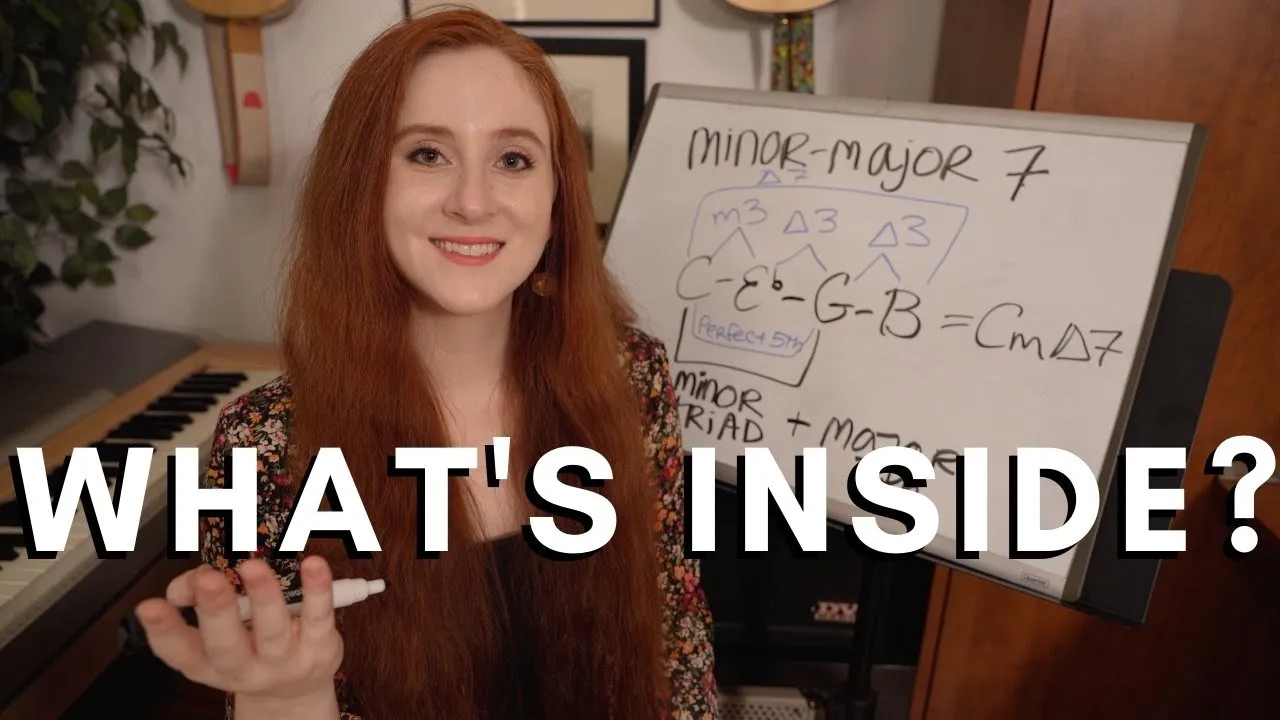
35:32
Intervals in Seventh Chords Explained | Music Theory
@GracieTerzian
72K views•2021-07-18

51:08
Simon Rattle on Early 20th-Century Music: Tonality's Decline
@theclandestinum
18.3K views•2012-06-16

47:36
Understanding Diatonic 7th Chords in Major Keys | Music Theory Tutorial
@GracieTerzian
54.7K views•2022-03-02
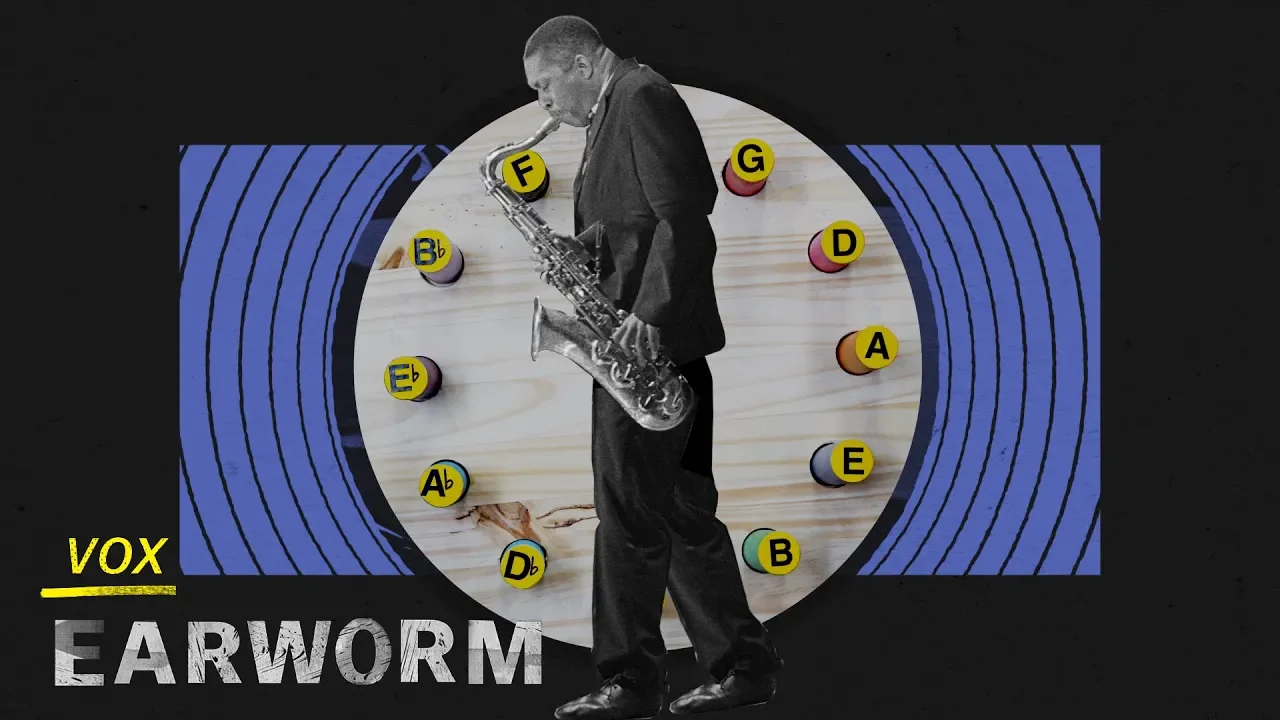
10:49
Understanding John Coltrane's Giant Steps: A Music Theory Analysis
@Vox
10.4M views•2018-11-12
Related Study Plans & Knowledge Roadmaps
Structured learning paths in Music Theory
music-theory
Tintinnabuli: Pärt's Counterpoint & Composition
01Music Theory Foundations: Intervals and Triads
02Fundamentals of Counterpoint and Voice Leading
03Arvo Pärt and the Spirit of Holy Minimalism
+ 2 more learning modules
16h5 modules
Explore Roadmap
music-theory
Composing Galant Music: Partimento & Schemata
01Foundations of Figured Bass and Keyboard Harmony
02The Rule of the Octave (Regola dell'Ottava)
03Galant Schemata: The Building Blocks of Form
+ 2 more learning modules
30h5 modules
Explore Roadmap
music-theory
Decoding Overtone Series: Tuning & Drone Music
01Acoustic Foundations: The Physics of the Overtone Series
02Tuning Systems: Equal Temperament vs. Just Intonation
03Microtonality and Spectralism: Beyond Standard Pitches
+ 2 more learning modules
24h5 modules
Explore Roadmap
music-theory
Impressionist Harmony: Scales, Planing & RPGs
01Foundational Music Theory: Keys, Intervals, and Seventh Chords
02Impressionist Color: Chord Planing and Parallel Harmony
03Whimsical Textures: Pentatonic Cascades and Whole-Tone Scales
+ 1 more learning modules
14h4 modules
Explore Roadmap