








![ТАЙНЫЕ ИГРЫ НА ЯХТЕ ОБОРАЧИВАЮТСЯ СМЕРТЕЛЬНОЙ ОПАСНОСТЬЮ [Криминал, Триллер, Детектив]](https://i.ytimg.com/vi/KxcjZ-1vFGk/maxresdefault.jpg)

![[요트항해] EP.08 자이빙](https://i.ytimg.com/vi/vVM4dR6ONAg/maxresdefault.jpg)

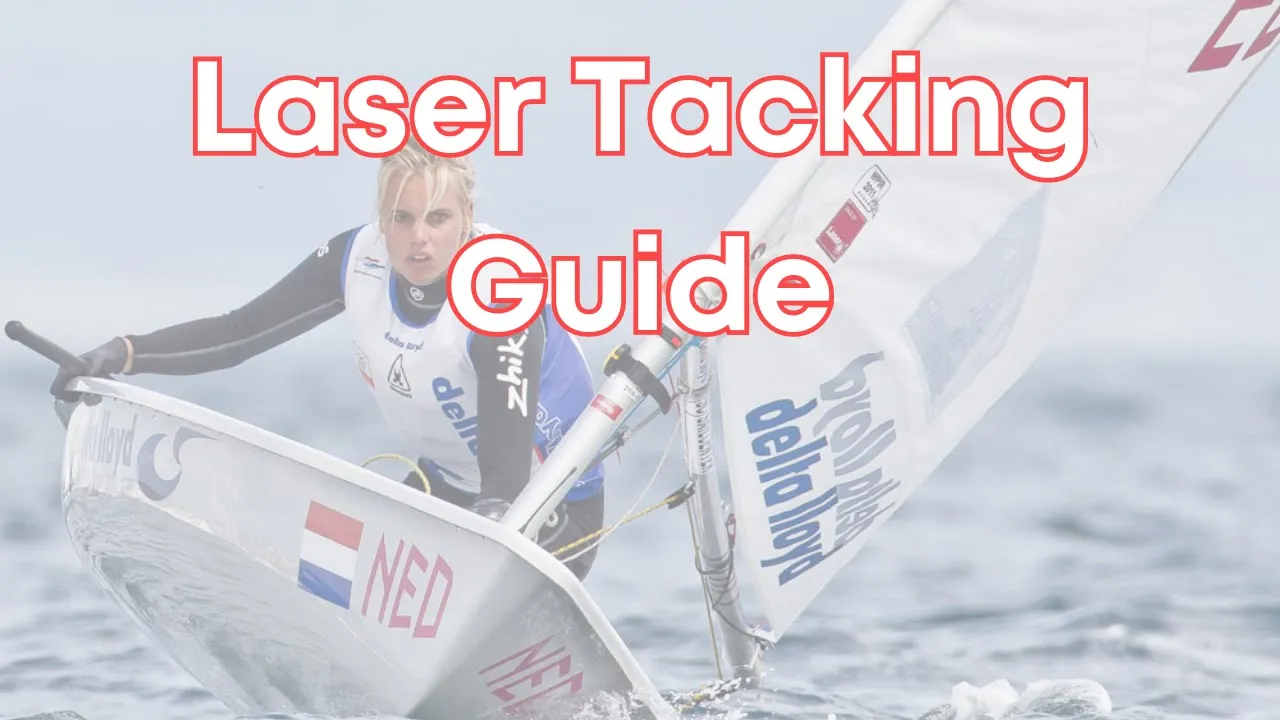


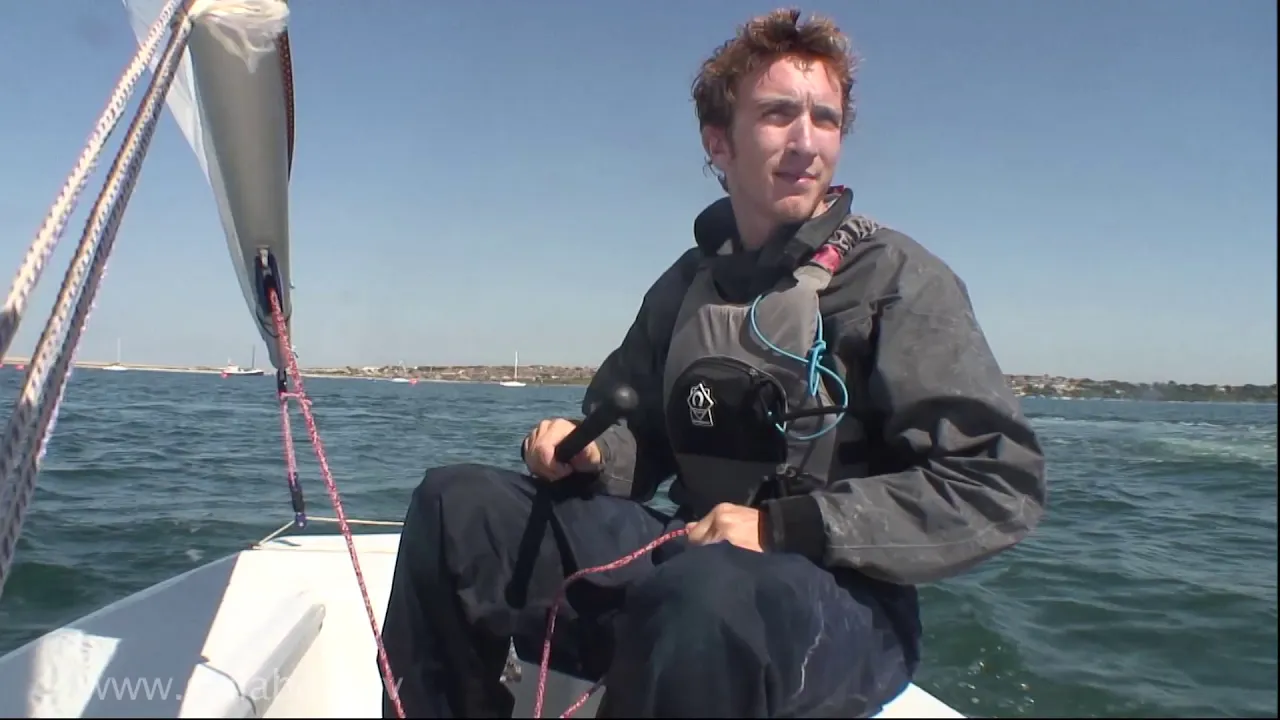





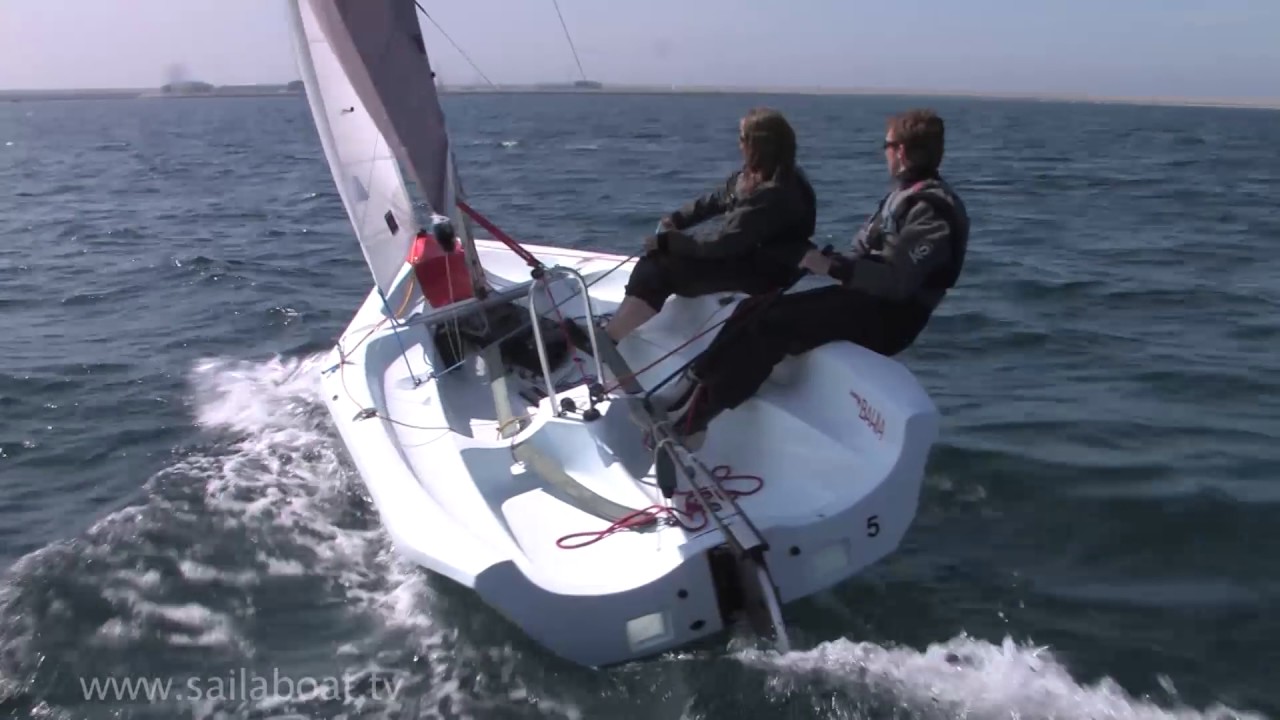
Tacking is the fundamental sailing maneuver that allows a single-handed sailor to turn the boat around by crossing the wind, enabling progress toward the wind through a zigzag pattern called beating; the process involves identifying the no-go zone (approximately 45° either side of the wind direction), establishing the close-hauled point with sails pulled tight and not flapping, releasing the main sheet to slow the boat, leading with the back foot, gently pushing the tiller toward the boom, ducking under the boom while crossing the boat, swapping hands to resume the dagger grip, and then pulling the sail in again to find the new close-hauled point on the opposite side.
Single-Handed Dinghy Tacking: Step-by-Step Sailing Upwind Basics
Added:Basic anatomy of a sailing dinghy, including the functions of the tiller, rudder, mainsheet, and daggerboard.
The concept of 'Points of Sail', specifically understanding the 'No-Go Zone' and sailing 'Close-Hauled'.
Wind awareness skills, specifically how to accurately determine wind direction relative to the boat.
Fundamental sailing terminology, including port, starboard, windward, and leeward.
The mechanics of gybing (jibing), which is the counterpart to tacking when turning the stern through the wind.
Advanced dinghy racing techniques such as 'roll tacking' to preserve momentum in light winds.
Recovery maneuvers for getting stuck 'in irons' (when the boat loses speed and points directly into the wind).
Upwind strategy and tactics, including how to respond to wind shifts ('lifts' and 'headers') to optimize progress.
253K views2.8Klikes9:12Original Release: 2017-04-19
[Music] in this training video you'll learn the basic steps of how to tack a single-handed dingy tacking allows you to turn the boat around by turning across the wind this video concentrates on sailing towards the wind on the close HED point of sailing if you want to sail towards the wind you must be able to tack the boat you'll be unable to point your boat directly into the wind as the sails won't work the sails only start to work if you remain outside a Zone which is 45° either side of where the wind is blowing from the area marked in Gray is called The noggo Zone and the point of sailing you need to establish is called close hold here both Sails are pulled in hard and they're not flapping and by probing with the tiller to find the point where the sail just starts to Flap you're on the edge of the nogo Zone each tack takes the nose of the boat from one side of the nogo Zone through the eye of the wind and out onto the edge of the noo Zone on the other side Progressive TS allow you to zigzag your way towards your destination up wind and together a series of TS is called beating it's a good idea to first practice on dry land to get a feel for the maneuver Place some old tires under the back of the boat to support your weight and climb in no need to have the sail hoisted tie a piece of rope around the Mast to hold the boom up high and ask a friend to mimic The Wind by pushing the boom backwards and forwards across the boat the first step is to take a good look around and check the area is all clear assuming it is prepare to lead with your back foot to ensure you face forwards throughout the maneuver and release a bit of main sheet this will slow you down and make it easier to duck under the the boom next push the tiller gently towards the sail try to push the tiller from the very end of the tiller extension like this as it'll make things easier later on ask your friend to push the boom across and then you duck under the boom and move across to the new side of the boat and sit down as far forward as you can with the tiller extension behind your back straighten the tiller next you should swap hands taking the hand holding the main sheet back to the tiller extension grab it with your thumb pointing towards the end of the extension like this you should then release the tiller extension from behind your back and rotate it under your arm and grab the main sheet with your front hand resume the dagger grip once more and you're now ready to pull the sail in again having perfected your land drill technique let's go afloat establish yourself on the close HED point of sailing the main sail should be pulled in tight with the front edge not flapping by using the tiller gently probe the edge of the nogo zone until you're happy you found this point the tiller extension is in the dagger grip in front of your body and the main sheet is in your front hand like this the hole maneuver will take you through about 90° and you'll end up sailing towards a point that's somewhere behind your back it's worth taking a quick look to identify a new Target this will help to stop you becoming disorientated when you're moving about in the boat the first step is to take a good look around and check the area is all clear if it's not clear then wait until it is assuming it is prepare to step across the boat leading with your back foot release about 1 M of main sheet to slow you down and make it easier to get under the boom and gently push the tiller away from you towards the Boom the boat will immediately start to turn as the boom moves across you duck under the boom and step cross the boat don't worry if the sail flaps noisily here this is normal sit down on the new side as far forward as you can and straighten the tiller from behind your back next you should swap Hands by taking the hand holding the main sheet to the tiller extension like this and then let go of the tiller extension from behind your back and rotate it under your arm and position it back in front of your body grab the main sheet with your front hand resuming the dagger grip once more pull the sail in tight and find the point where the sail just stops flapping now you're on the end of the no-o Zone once more let's look again going the other way sailing along on the close hold point of sailing with the sail pulled in tight probe the tiller to find the edge of the no-o Zone look around to identify a new Target point and check that the area is clear from any obstructions releasing about 1 M of main sheet gently push the tiller towards the boom as the boat turns duck and move across back foot First Once the boom has moved across and the boat has turned out of the no-go Zone on the new side sit down straighten the tiller behind your back and then swap hands and resume the dagger grip once more like this pull the main sail in and look to find the edge of the noo Zone once more until the front edge of the sail doesn't flap let's take a bird's eye view look around push step duck sit straighten swap dagger grip pull in common mistakes if you plan to sail towards the wind then you must start the maneuver from the close hold point of sailing like this to allow you to sail towards the wind in a series of steps if you're not you'll not make any Headway towards the wind you'll simply go backwards and forwards along the same line so ensure that you're sailing close hold if you push the tiller hard too quickly there's a risk you'll turn the boat too quickly and you may not be able to get across the boat in time before you capsize failure to straighten the rudder after the maneuver will allow the boat to continue to turn and you could well end up doing a complete 360° turn forgetting to duck well it hurts you may consider wearing a hard hat similar to a canoeist helmet this is particularly advisable for children straightening the rudder too soon when you're still in the noo Zone this will stop the boat with no Drive in the sail and you'll find yourself completely stuck in irons watch our first sale video to see how to deal with this [Music] situation key learning points tacking allows you to turn turn the boat around by turning across the wind a series of TS is called beating and allows you to sail towards the wind the wind has a Zone about 45° either side of where it's blowing from that you can't sail this is called the no-go Zone when sailing towards the wind you should be sailing on a close HED point of sailing with the sail pulled in hard and not flapping before tacking you should be sailing as close as as possible to the noo Zone small tiller movements not large ones identify a new Target destination before you start your Tac to stop you getting disorientated check the area is clear from obstructions only tack if it is clear effective grip and hand swapping techniques with the tiller and control sheet is one of the key factors to successful tacking release a bit of main sheet before you tack to slow the boat down and make it easier to get under the boom lead with your back foot to ensure that you face forward throughout the maneuver duck under the boom to move onto the new side straighten the tiller and then swap hands and resume the dagger grip once more pull the sail back in tight find the close hold point of sailing once more next steps watch this video as many times as necessary in order to understand how to tack you can also use the script and glossery that accompany this video to help you then it's down to practicing on dry land first to try out the steps and then out on the water first time out avoid winds greater than about 12 mph so that you can get the maneuver at a manageable speed practice sailing as close to the noo Zone as you can until the front edge of the main sail doesn't flap and then start tacking keep tacking from one side of the noo Zone to the other until you feel comfortable with all the steps [Music]
Up Next

14:59
Circuit Design, Build, and Multimeter Measurement
@CodeNMore
514.1K views•2015-12-05

178:38
Whole Brain Architecture: First International Workshop 2024
@thewholebrainarchitecturei9784
640 views•2024-07-22

9:49
FastAPI vs Flask vs Django: Choosing the Right Python Web Framework
@TechWithTim
302.5K views•2024-05-26

1:42
Game of Thrones Opening Credits: A Cinematic Analysis
@gameofthrones
46.3M views•2011-04-18
Related Study Plans & Knowledge Roadmaps
Structured learning paths in General & Interdisciplinary Studies
general-studies
Artificial Light: History, Tech & Human Impact
01The Pre-Electric Era: Fire, Oil, and Gas Lighting
02The Incandescent Revolution and Grid Electrification
03Gas Discharge and Fluorescent Illumination
+ 3 more learning modules
14h6 modules
Explore Roadmap
general-studies
Elevator Engineering: History, Physics & Cities
01From Hoists to Safety Brakes: The Dawn of Vertical Lift
02Hydraulic vs. Traction: The Engineering Physics of Elevators
03Modern Speed, Safety, and Algorithms
+ 2 more learning modules
12h5 modules
Explore Roadmap
general-studies
Rubber: Material Science, History & Geopolitics
01Origins of Natural Rubber & Mesoamerican History
02The Chemistry of Natural Rubber & Vulcanization
03The Geopolitics of the Rubber Boom & Colonization
+ 2 more learning modules
12h5 modules
Explore Roadmap
general-studies
Containerization: Evolution, Logistics & Trade
01Ancient Trade & Bulk Cargo: Amphorae to Barrels
02The Industrial Revolution & Cardboard Packaging
03The Containerization Revolution: Malcom McLean
+ 2 more learning modules
12h5 modules
Explore Roadmap