
![When Martha’s Vineyard Was Deaf: A History of ASL [CC]](https://i.ytimg.com/vi/VEIqDkSDkH4/maxresdefault.jpg)












![AULA [AO VIVO] PARÂMETROS, LINGUÍSTICA E GRAMÁTICA! - FELIPE SABARÁ](https://i.ytimg.com/vi/Kd7aw5cXUlM/sddefault.jpg?sqp=-oaymwEmCIAFEOAD8quKqQMa8AEB-AHUBoAC3gOKAgwIABABGGUgZShlMA8=&rs=AOn4CLCD9Hfl9goN-s00w9XHimnhhWtaMw)
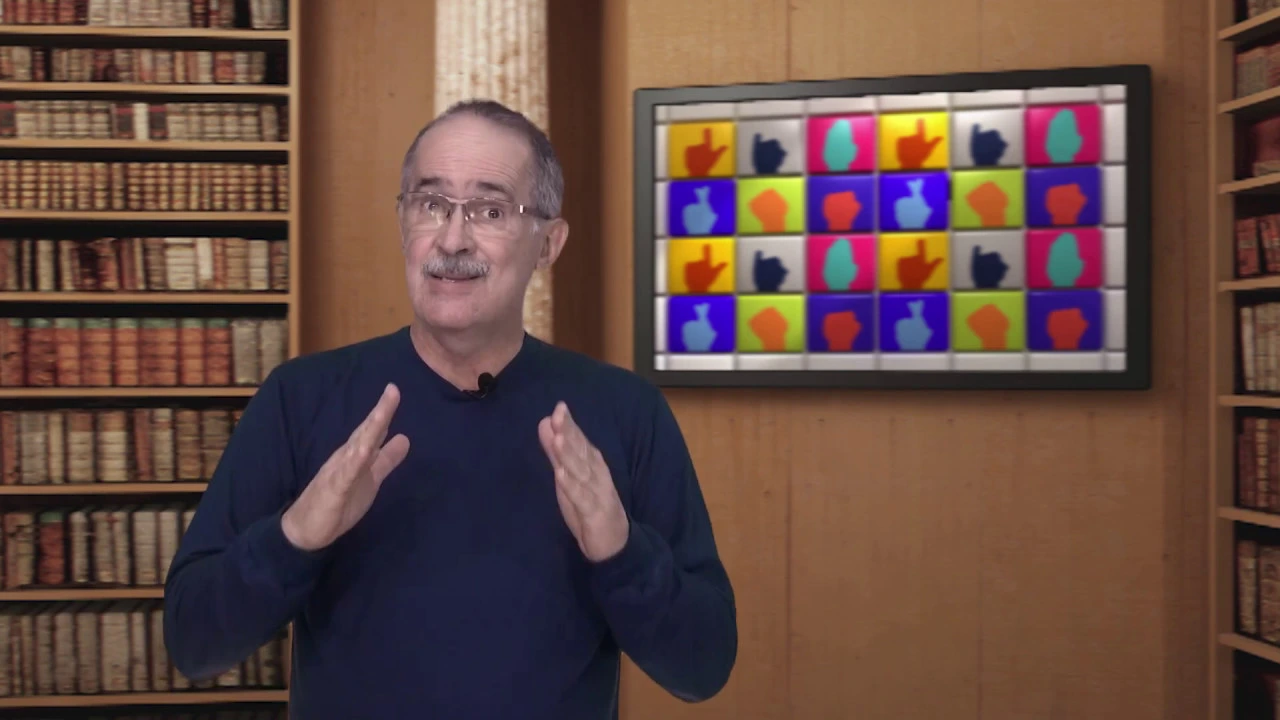
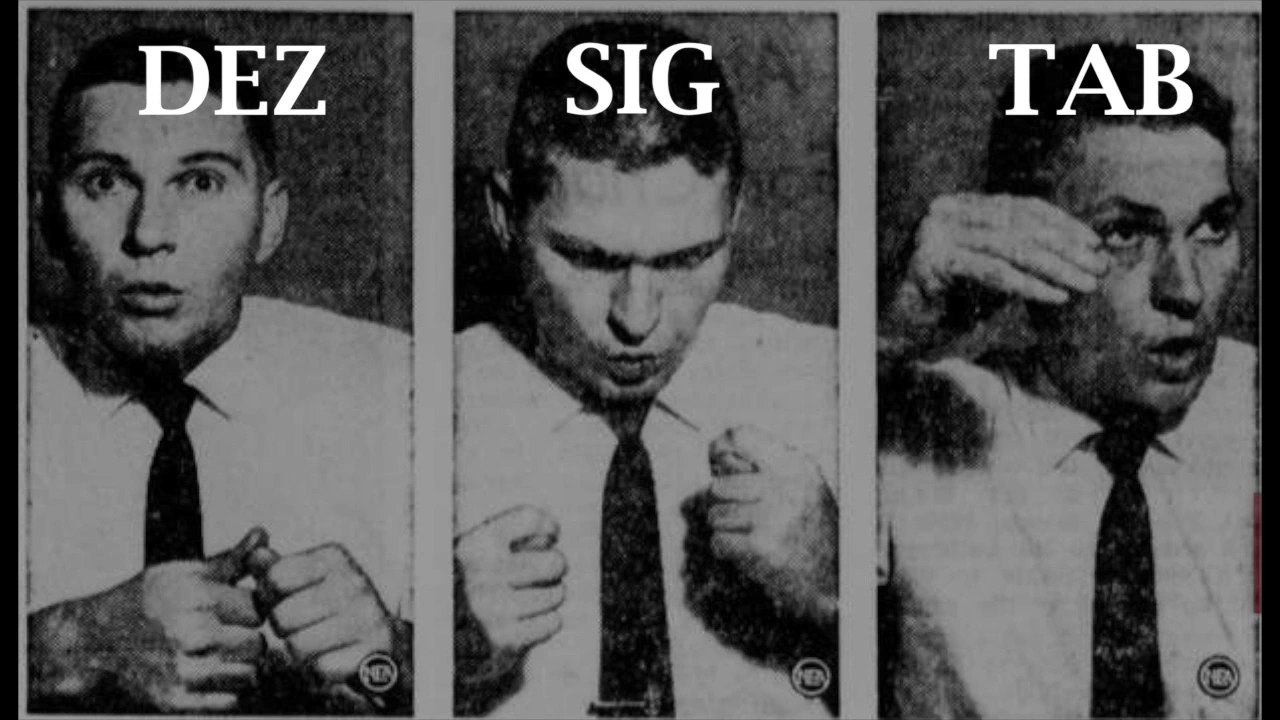
The Stokoe notation system, developed by William C. Stokoe Jr. in 1960, is the first system for writing American Sign Language on paper, capturing three aspects of a sign: the place where the sign is made (tabula/tab), the hand configuration (designator/des), and the action of the hand or hands (signation/sig), with each symbol potentially modified to indicate articulation details such as palm orientation, contact, or sequential movements.
Stokoe Notation System: Writing American Sign Language (ASL) Symbols
Added:Basic understanding of American Sign Language (ASL) structure and its status as a distinct, natural language.
The concept of phonology, specifically how meaningless units (phonemes) combine to form meaningful units (morphemes) in language.
Familiarity with the core parameters of ASL signs (Handshape, Location, Movement, and Orientation).
The historical context of William Stokoe's linguistic research in the 1960s and its impact on the recognition of ASL.
Analysis of alternative sign language transcription systems, such as Sutton SignWriting and the Hamburg Notation System (HamNoSys).
The Liddell and Johnson Movement-Hold Model, which addressed limitations in Stokoe's notation regarding sequential segments.
Applying Stokoe notation to transcribe and analyze morphological processes in ASL, such as compounding and numeral incorporation.
Exploring the limitations of Stokoe notation, particularly its struggle to capture non-manual features (facial expressions, head movements) and hand orientation.
971 views10likes14:24Original Release: 2021-09-07
stokey notation system an overview introduction in the united states william c stokey jr analyzed the gestures of the deaf population based on linguistic principles of spoken languages he published his findings in 1960 this work was accomplished with the assistance of carl gustaf kronberg and dorothy chioko suayoka stokey and dorothy c casterline and couchy cronenberg later published a dictionary of what had become known as american sign language this was first published in 1965 with revised version published in 1976 this publication was titled a dictionary of american sign language on linguistic principles this became known as the dacil based on an acronym of the first four main words of the title d from dictionary a from american s from sign l from language dasil dictionary system this dictionary is organized in a manner similar to the alphabetic manner of dictionaries of spoken languages although it contains many non-alphabetic symbols the organization of the words follows a notation system that stokee devised this notation system captures three aspects of a sign one the place where a sign is made two the hand configuration and three the action of the hand or hands the dictionary is organized according to these three aspects place hand configuration action of hand or hands for the place where a sign is made stokey called this the tabula shortened to tab for the configuration of the hand he turned this the designator or des the action of the hand or both hands was called the signation or sig tabula designator signation tab des sig place configuration action or tabula tab place designator des configuration signation sig action notating the three aspects this tab does sig trio was put into a notation form whereby tab was notated with a capital t des was notated with a capital d sig was notated with a superscript lowercase s these were positioned in the following manner as shown this is the basic formula for notating the tab does and sig symbols for the words of american sign language in this system examples of the notation system a simple example to show how this notation works the sign male cousin is used this sign is made at the forehead with the c hand configuration with a wrist twisting action a sign made of the forehead has this symbol for the tab notation as shown for the c hand configuration the death notation is this a capital letter c for the wrist twisting action the sig has this symbol as shown these combine to form the notation for the sign male cousin in asl as shown modifications of the tab does and sig symbols for many signs one or more of the tab does and sig symbols are modified a sign could have modifications for just the tab just the des are just the sig a sign could have modifications for tab and des tab and sig or des and sig a sign could have modifications for all three aspects tab des and sig modified place tab symbol tab place notations are modified for some signs often when the place is at the hand this modification symbol occurs after above or below the tab symbol as shown here using an x for the modification symbol for example the signed bottle is made on the c hand as its place the capital letter c the tab is positioned below the des indicated by a horizontal line above the tab as shown the des is a c hand configuration capital letter c the hand action is a movement upward for the sig as shown here these symbols combine to form the notation for bottle shown here modified des hand configuration symbol the hand configuration or dez is often modified by the orientation of the palm at times it may also include the attitude posture of the forearm palm modification symbols indicate that the palm is oriented upward forward to one side and so forth this symbol is placed directly after the des symbol indicated by x here as an example the sign grease is made at the nose its tab shown here the letter g is used for the hand configuration the des capital letter g the palm is facing upward its des modification shown here the hand moves downward for its sig action as shown here these symbols combine to form this notation for the word greece two sig hand action symbols concerning hand action some signs have more than one component for its hand action sig such sig information is notated with two sig symbols one above the other shown here for example the sign pin is made at the torso the tab as shown here its hand configuration des is an f hand shape a capital letter f the action of the hand is an up and down movement shown here the hand maintains contact with the body during the action so the sig has a contact symbol shown here these symbols combine to form the notation for pin as shown here multiple modifications in a single sign tab and des the sign dirty has both a modified tab and a modified des the tab is the chin shown here the tab is modified to show a location under the chin as shown here the des is a five-hand configuration modified to show that the arm is pronate horizontal with the palm facing downward shown here the sig involves the wiggling action of the fingers as shown dirty is notated as follows multiple modifications in a single sign tab and sig the sign of void has both a modified tab and a modified sig the tab is the a hen configuration capital letter a this is modified to show that the two hands are side by side as shown the des is also an a hand configuration capital letter a the sig involves two actions the hand twisting as shown the hand moving back toward the body as shown the sign of void is notated as follows multiple modifications in a single sign des and sig the sign perspire has both a modified des and a modified sig the tab is at the forehead as shown the daz is the b hand configuration with the arm pronate horizontal palm down as shown the sig has two actions the fingers show wiggling action as shown the hand moves to the left as shown perspire is notated in the following manner multiple modifications in a single sign tab does and sig a sign can be modified for each of its three aspects as with the sign restless the tab is the h-hand configuration capital letter h this is modified to show that the arm is pronate horizontal palm down as shown the des is a v configuration with the fingers curved as shown here the sig involves wrist twisting shown here the hand action maintains contact with the tab shown here restless is notated as follows sequential information indicated in sig hand action notations some signs have two sig actions occurring at the same time other signs have one sig action occurring first and a second zig-action following the first one when the hand actions occur simultaneously the six symbols are shown on top of each other such as twisting movement while maintaining contact when the hand actions occur sequentially one sig symbol occurs after the other as seen here the x means the motion to make contact the dot means to repeat the action when two sigs occur sequentially the leftmost one occurs first multiple information indicated in sig hand action notations in the case where six symbols are laid out one after the other they indicate a sequence with the actions following in order of the symbols left to right it is also possible for a sign to have both simultaneous and sequential sig symbols as shown an example is sewing machine which has a forward action while maintaining contact with the tab and then the action is repeated sewing machine is notated as follows other multiple sig combinations are also possible these include sequential simultaneous actions shown here and three sequential actions as shown here another modification of the sig notation one more modification of the signation occurs in the dasal involves the modification of the closing or opening action of the fingers the modification is shown in square brackets after the finger action symbol as shown for the sign peach the finger is closed to an o hand configuration as shown in the sign under stand the finger is open to a g hand configuration as shown double des signs some signs involve both hands for the des hand configuration these signs are notated with two dead symbols showing that both hands are involved as shown an example is awful made with both hands at the forehead as shown signs made in the signing space some signs are made in the signing space in front of the body these signs have a zero symbol for their tab place as shown the zero symbol may be omitted from the notation as shown an example is the sign tall the b does pronate hand moves upward as shown two hands may be used in a sign made in the signing space as shown the zero symbol may be omitted as shown an example of this is judge two hands alternate moving up and down summary the stokie notation system captures three aspects of a sign the place where the sign is made called the tabula and known as tab the hand configuration called the designator or des and the action of the hand or hands called the signation known as sig the notation system shows the tab first followed by the dez and ending with the sig each of these symbols may be modified for the sign's articulation conclusion this has been an overview of the stoky notation system stoking notation was the first system for writing american sign language words on paper this system was first published in 1960 with a dictionary known as the dasa published in 1965 and revised in 1976 with co-authors casterline and kronberg a complete list of the symbols used may be found in these publications bibliography stokey william c jr 1960 sign language structure an outline of the visual communication systems of the american deaf studies in linguistics occasional papers 8 buffalo new york university of buffalo department of anthropology and linguistics stokey william c dorothy c casterline and carl g kronberg 1965 a dictionary of american sign language on linguistic principles washington d.c gallaudet college press stokey williams c dorothy c casterline and carl g kronberg 1976 a dictionary of american sign language on linguistic principles silver spring maryland linstock press
Up Next
11:08
Stokoe Notation: Phonemic Script for Sign Languages Explained
@wikipediatts8551
186 views•2018-12-17
36:52
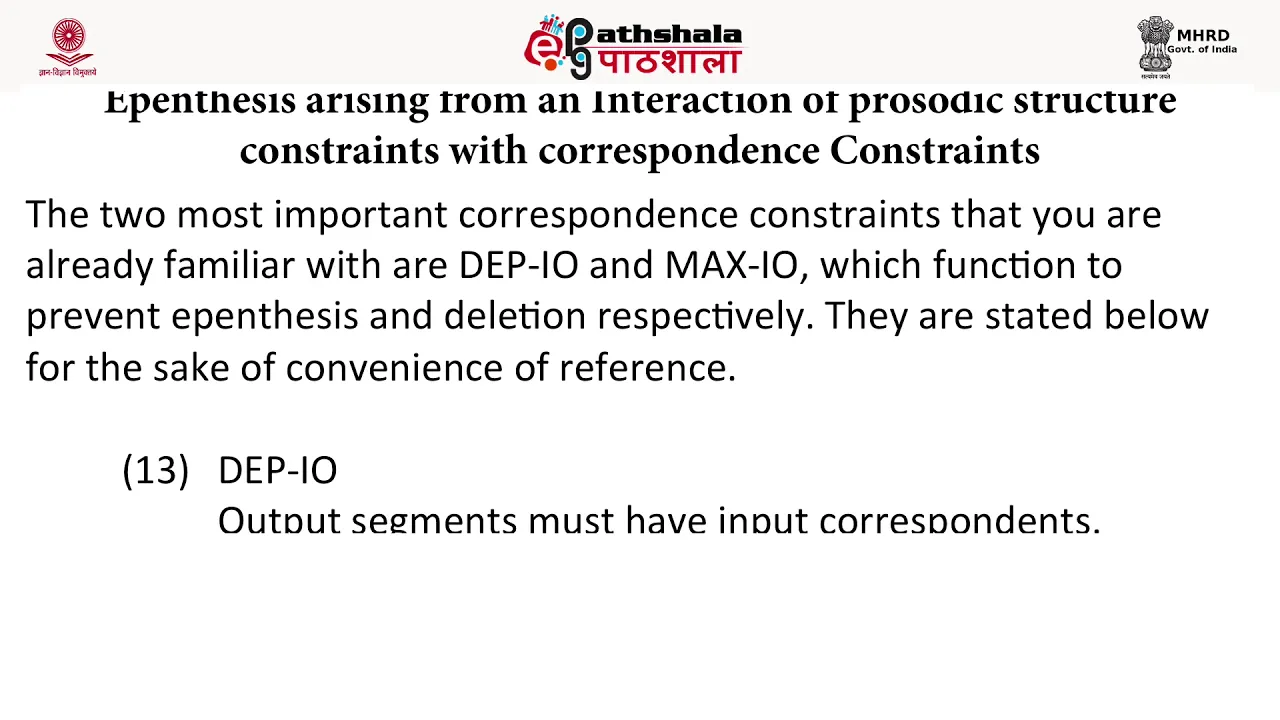
Constraint Interaction in Optimality Theory: Epenthesis & Deletion
@Vidyamitra
180 views•2018-08-20

8:59
Forensic Linguistics: How Language Solves Crimes | PBS
@pbsstoried
1M views•2024-01-25

21:32
Accent Expert Explains U.S. Regional Dialects | Part 1
@WIRED
9.3M views•2021-01-21
Related Study Plans & Knowledge Roadmaps
Structured learning paths in Linguistics
linguistics
Optimality Theory: Tableaux & Constraints
01Phonological Basics: Sounds, Syllables & Rules
02Foundations of Optimality Theory: GEN, CON, and EVAL
03The Constraint Inventory: Markedness vs. Faithfulness
+ 2 more learning modules
15h5 modules
Explore Roadmap
linguistics
Morphosyntactic Alignment: S, A & P Systems
01Foundations of Syntax: Transitivity and Arguments
02The Linguistic Variables: Mapping S, A, and P
03Nominative-Accusative Alignment
+ 3 more learning modules
12h6 modules
Explore Roadmap
linguistics
Analyzing Sign Language: Phonology & Syntax
01Foundations of Sign Language Linguistics
02Phonology: The Five Parameters of a Sign
03Morphology: Word Formation and Classifiers
+ 2 more learning modules
14h5 modules
Explore Roadmap
linguistics
Pragmatics: Speech Acts, Grice & Politeness
01Introduction to Pragmatics: Meaning in Context
02Grice’s Cooperative Principle & Implicature
03Speech Act Theory
+ 2 more learning modules
14h5 modules
Explore Roadmap