
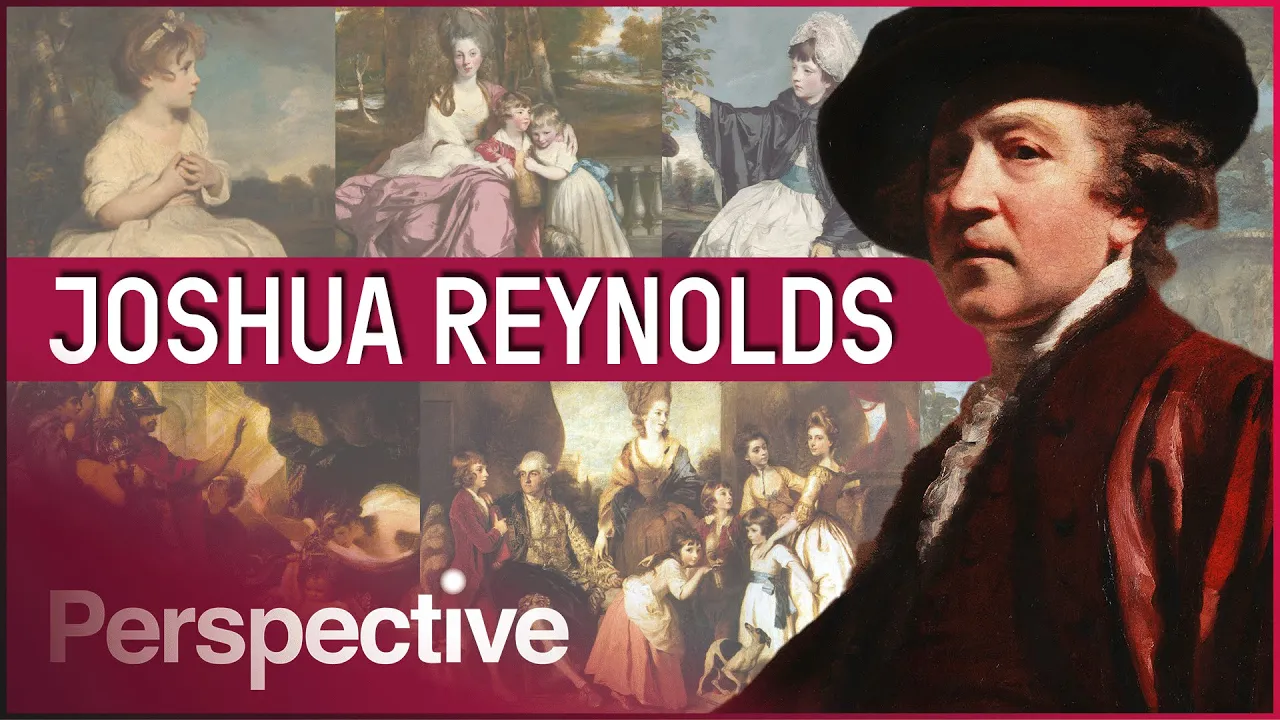

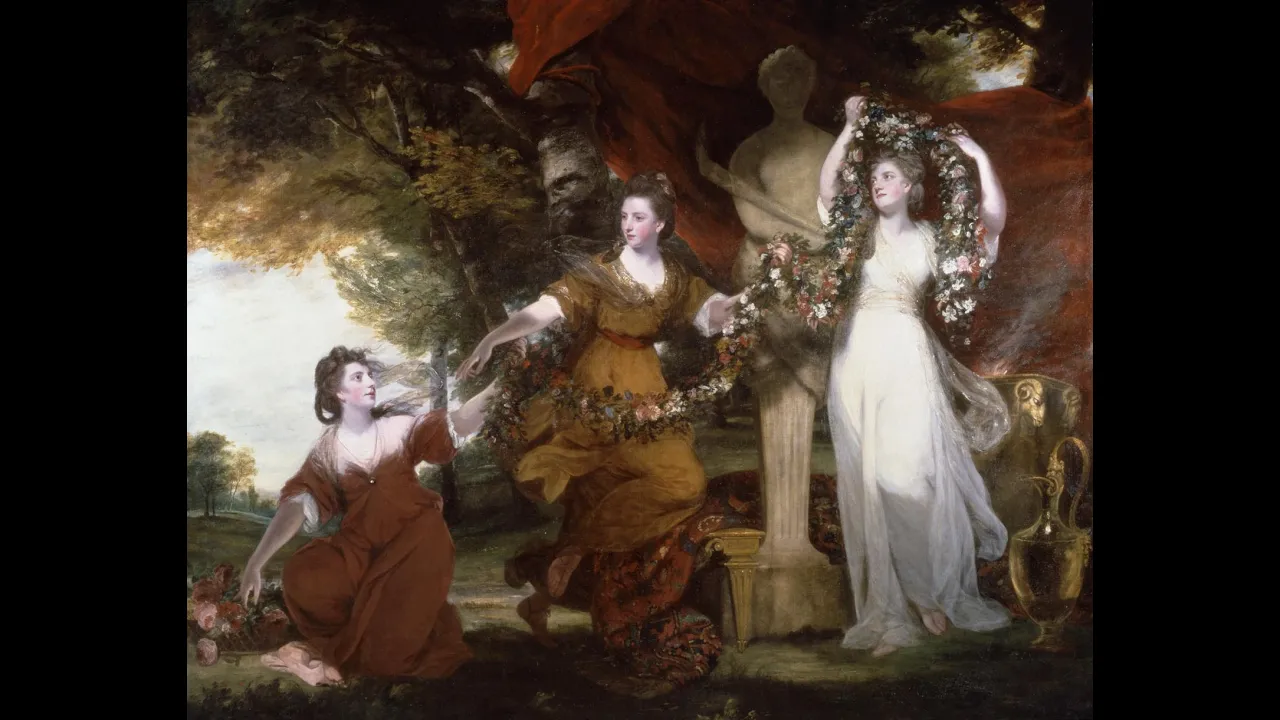
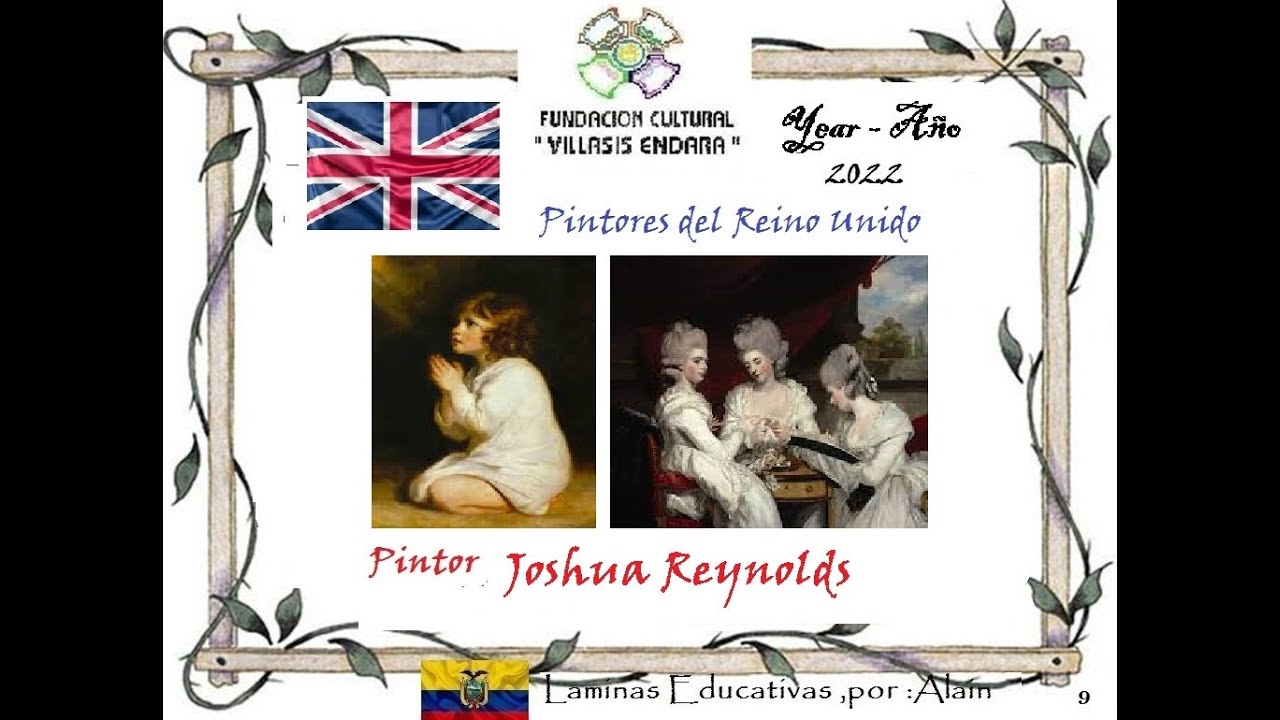










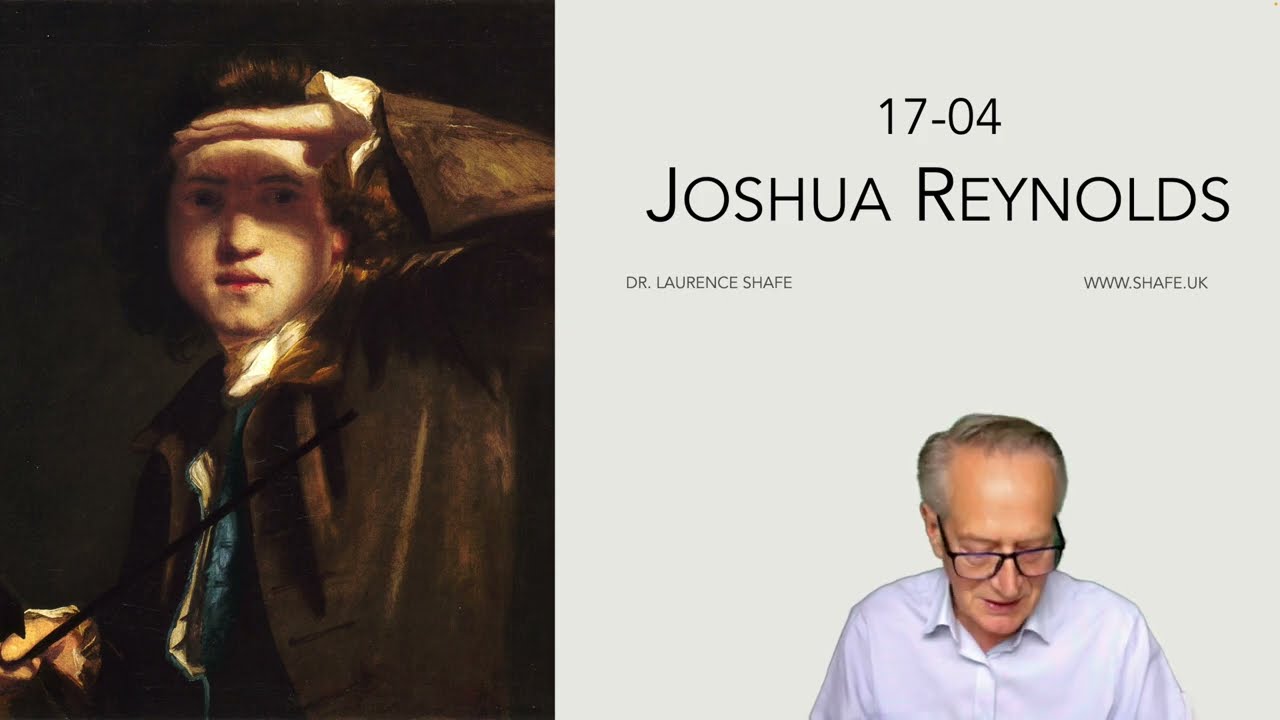








In his inaugural address as president of the Royal Academy in 1769, Joshua Reynolds established that art education requires rigorous adherence to established rules and careful study of authentic masterworks, emphasizing that students must first master exact observation and fundamental techniques before attempting creative expression, as mechanical facility without solid foundation leads to superficial artistry.
Joshua Reynolds: Discourses on Art - Intro & Discourse 1
Added:The historical establishment and role of the Royal Academy of Arts in London during the 18th century, including Sir Joshua Reynolds' position as its first president.
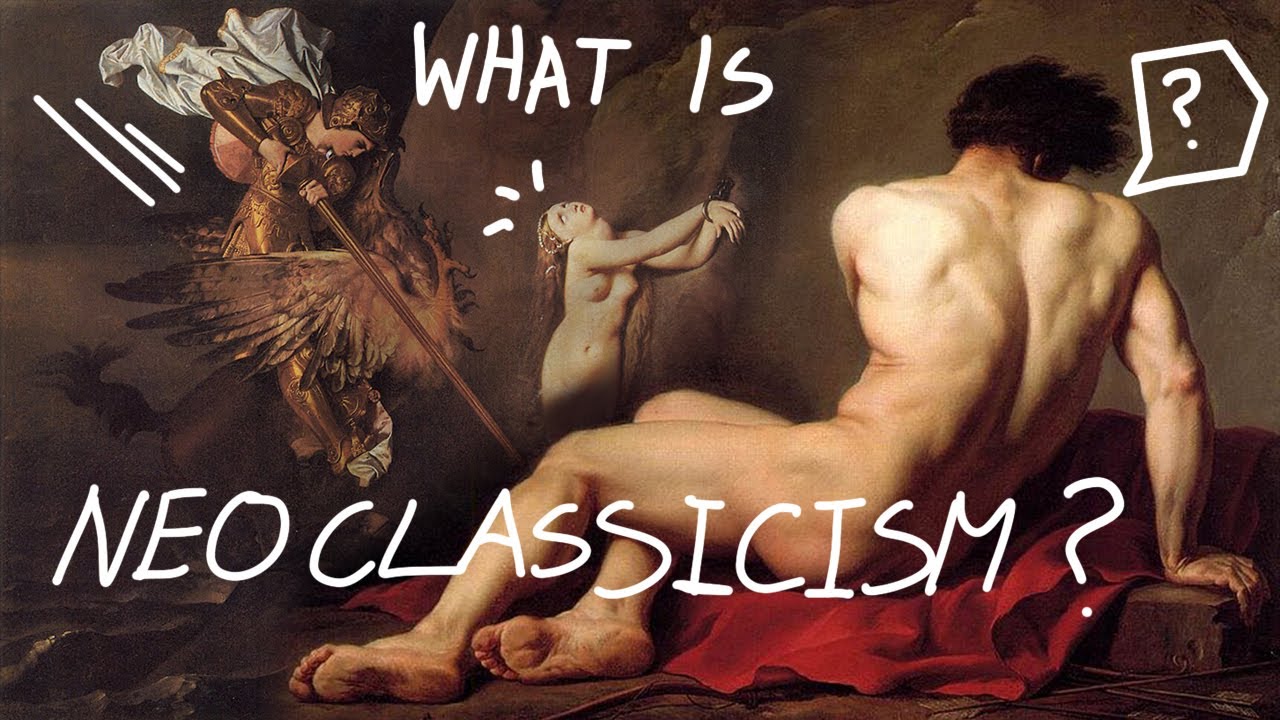
The core tenets of Neoclassicism, particularly its emphasis on classical antiquity, order, symmetry, and the idealization of nature.
The hierarchy of genres in painting established by European academies, which placed history painting at the pinnacle and portraiture or landscape lower.
The intellectual climate of the Enlightenment, specifically regarding the systematization of knowledge and the belief in universal rules of taste.
An analysis of Reynolds' subsequent lectures (Discourses 2-15) to trace the development of his theories on 'imitation' and the 'Grand Style'.
The Romantic backlash against Reynolds' academic principles, specifically studying William Blake's critical marginalia and the shift toward individualistic expression.
A comparative study of the concept of 'genius' in art theory, contrasting Reynolds' view of genius as cultivated labor with the Romantic notion of innate, divine inspiration.
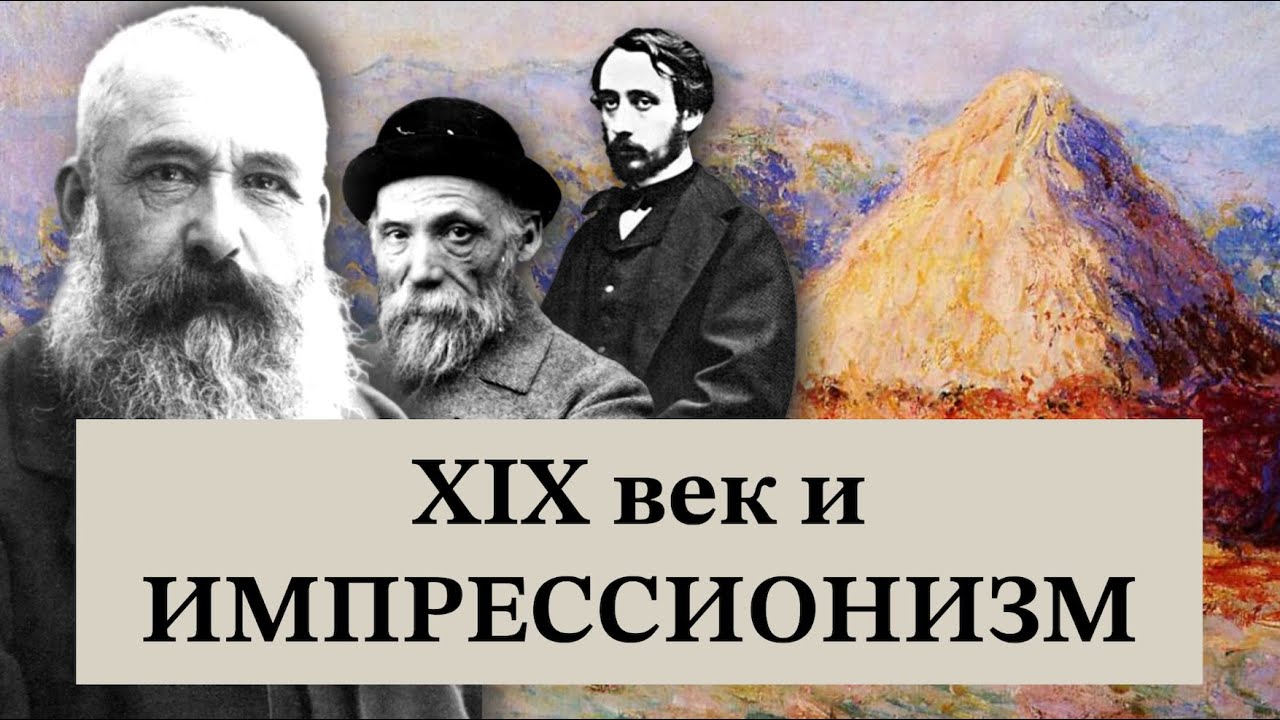
The long-term influence of academic art pedagogy on 19th-century European salons, and the eventual modernist rebellion led by Impressionism and Realism.
782 views19likes20:27Original Release: 2021-04-10
seven discourses on art by joshua reynolds introduction it is a happy memory that associates the foundation of our royal academy with the delivery of these inaugural discourses by sir joshua reynolds on the opening of the schools and at the first annual meeting for the distribution of its prizes they laid down principles of art from the point of view of a man of genius who had made his power felt and with the clear good sense which is the foundation of all work that looks upward and may hope to live the truths here expressed concerning art may with slight adjustment of the way of thought be applied to literature or to any exercise of the best powers of mind for shaping the delights that raise us to the larger sense of life in his separation of the utterance of whole truths from insistence upon accidents of detail reynolds was right because he guarded the expression of his view with careful definitions of its limits in the same way boliu was right as a critic of literature in demanding everywhere good sense in condemning the pace brilliance of a style then in decay and fixing attention upon the masterly simplicity of roman poets in the time of augustus critics by rule of thumb reduce the principles clearly defined by bolio to a dull convention against which there came in course of time a strong reaction in like manner the teaching of reynolds was applied by dull men to much vague and conventional generalization in the name of dignity nevertheless reynolds taught essential truths of art the principles laid down by him will never fail to give strength to the right artist or true guidance towards the appreciation of good art though here and there we may not wholly ascend to some passing application of them where the difference may be great between a fashion of thought in his time and in ours a righteous enforcement of exact truth in our day has led many into a readiness to appreciate more really the minute imitation of a satin dress or a red herring than the noblest figure in the best of raphael's cartoons much good should come of the diffusion of this wise little book joshua reynolds was born on the 15th of july 1723 the son of a clergyman and schoolmaster at plympton in devonshire his bent for art was clear and strong from his childhood in 1741 at the age of 19 he began study and studied for two years in london under thomas hudson a successful portrait painter then he went back to devonshire and painted portraits aided for some time in his education by attention to the work of william gandy of exeter when 26 years old in may 1749 reynolds was taken away by captain keppel to the mediterranean and brought into contact with the works of the great painters of italy he stayed two years in rome and in accordance with the principles afterward laid down in these lectures he refused when in rome commissions for copying and gave his mind to minute observation of the art of the great masters by whose works he was surrounded he spent two months in florence six weeks in venice and a few days in bologna and parma if he said i had never seen any of the fine works of couragio i should never perhaps have remarked in nature the expression which i find in one of his pieces or if i had remarked it i might have thought it too difficult or perhaps impossible to execute in 1753 reynolds came back to england and stayed three months in devonshire before setting up a studio in london in st martin's lane which was then an artist's quarter his success was rapid in 1755 he had 125 sitters samuel johnson found in him the most congenial friend he moved to newport street and he built himself a studio where there is now an auction room at 47 lincoln's inn fields there he remained for life in 1760 the artists opened in a room lent by the society of arts a free exhibition for the sale of their works this was continued the next year at spring gardens with a charge of shilling for admission in 1765 they obtained a charter of incorporation and in 1768 the king gave his support to the foundation of a royal academy of arts by seceders from the preceding incorporated society of artists into which personal feelings had brought much division it was to consist like the french academy of 40 members and was to maintain schools open to all students of good character who could give evidence that they had fully learned the rudiments of art the foundation by the king dates from the 10th of december 1768 the schools were opened on the 2nd of january next following and on that occasion joshua reynolds who had been elected president his age was then between 45 and 46 gave the inaugural address which formed the first of these seven discourses the other six were given by him as president at the next six annual meetings and they were all shaped to form when collected into a volume a coherent body of good counsel upon the foundations of the painter's art h m to the king the regular process of cultivated life is from necessaries to accommodations from accommodations to ornaments by your illustrious predecessors were established marts from manufacturers in colleges for science but for the arts of elegance those arts by which manufacturers are embellished and science is refined to found an academy was reserved for your majesty had such patronage been without effect there had been reason to believe that nature had by some insurmountable impediment obstructed our proficiency but the annual improvement of the exhibitions which your majesty has been pleased to encourage shows that only encouragement had been wanting to give advice for those who are contending for royal liberality has been for some years the duty of my station in the academy and these discourses hope for your majesty's acceptance as well intended endeavors to incite that emulation which your notice has kindled and direct those studies which your bounty has rewarded may it please your majesty your majesty's most dutiful servant and most faithful subject joshua reynolds to the members of the royal academy gentlemen that you have ordered the publication of this discourse is not only very flattering to me as it implies your approbation of the method of study which i have recommended but likewise as this method receives from that act such an additional weight and authority as demands from the students that deference and respect which can be due only to the united sense of so considerable a body of artists i am with the greatest esteem and respect gentlemen your most humble and obedient servant joshua reynolds a discourse delivered at the opening of the royal academy january 2nd 1769 by the president gentlemen an academy in which the polite arts may be regularly cultivated is at last opened among us by royal munificence this must appear an event in the highest degree interesting not only to the artists but to the whole nation it is indeed difficult to give any other reason why an empire like that of britain should so long have wanted an ornament so suitable to its greatness then that slow progression of things which naturally makes elegance and refinement the last effect of opulence and power an institution like this has often been recommended upon considerations merely mercantile but an academy founded upon such principles can never affect even its own narrow purposes if it has an origin no higher no taste can ever be formed in it which can be useful even in manufactures but if the higher arts of design flourish these inferior ends will be answered of course we are happy in having a prince who has conceived the design of such an institution according to its true dignity and promotes the arts as the head of a great a learned a polite and a commercial nation and i can now congratulate you gentlemen on the accomplishment of your long and ardent wishes the numberless and ineffectual consultations that i've had with many in this assembly to form plans in concert schemes for an academy afford a sufficient proof of the impossibility of succeeding but by the influence of majesty but there have perhaps been times when even the influence of majesty would have been ineffectual and it is pleasing to reflect that we are thus embodied when every circumstance seems to concur from which honor and prosperity can probably arise there are at this time a greater number of excellent artists than were ever known before at one period in this nation there is a general desire among our nobility to be distinguished as lovers and judges of the arts there is a greater superfluity of wealth among the people to reward the professors and above all we are patronized by a monarch who knowing the value of science and elegance thinks every art worthy of his notice that tends to soften and humanize the mind after so much has been done by his majesty it will be wholly our fault if our progress is not in some degree correspondent to the wisdom and generosity of the institution let us show our gratitude in our diligence that through our merit may not answer his expectations yet at least our industry may deserve his protection but whatever may be our proportion of success of this we may be sure that the present institution will at least contribute to advance our knowledge of the arts and bring us nearer to that ideal excellence which it is the lot of genius always to contemplate and never to attain the principal advantage of an academy is that besides furnishing able men to direct the student it will be a repository for the great examples of the art these are the materials on which genius is to work and without which the strongest intellect may be fruitlessly or deviously employed by studying these authentic models that idea of excellence which is the result of the accumulated experience of past ages may be at once acquired and the tardy and obstructed progress of our predecessors may teach us a shorter and easier way the student receives at one glance the principles which many artists have spent their whole lives in ascertaining and satisfied with their effect is spared the painful investigation by which they come to be known and fixed how many men of great natural abilities have been lost to this nation for want of these advantages they never had an opportunity of seeing those masterly efforts of genius which at once kindle the whole soul and force it into sudden and irresistible approbation raphael it is true had not the advantage of studying in an academy but all rome and the works of michelangelo in particular were to him an academy on the site of the capella sistina he immediately from a dry gothic and even insipid manner which attends to the minute accidental discriminations of particular and individual objects assumed that grand style of painting which improves partial representation by the general and invariable ideas of nature every seminary of learning may be said to be surrounded with an atmosphere of floating knowledge where every mind may imbibe somewhat congenial to its own original conceptions knowledge thus obtained has always something more popular and useful than that which is forced upon the mind by private precepts or solitary meditation besides it is generally found that a youth more easily receives instruction from the companions of his studies whose minds are nearly on a level with his own than from those who are much his superiors and it is from his equals only that he catches the fire of emulation one advantage i will venture to affirm we shall have in our academy which no other nation can boast we shall have nothing to unlearn to this praise the present race of artists have a just claim as far as they have yet proceeded they are right with us the exertions of genius will henceforward be directed to their proper objects it will not be as it has been in other schools where he that traveled fastest only wandered furthest from the right way impressed as i am therefore with such a favorable opinion of my associates in this undertaking it would ill become me to dictate to any of them but as these institutions have so often failed in other nations and as it is natural to think with regret how much might have been done and how little has been done i must take leave to offer a few hints by which those errors may be rectified and those defects supplied these the professors and visitors may reject or adopt as they shall think proper i would chiefly recommend that an implicit obedience to the rules of art as established by the great masters should be exacted from the young students that those models which have passed through the approbation of ages should be considered by them as perfect and infallible guides as subjects for their imitation not their criticism i am confident that this is the only efficacious method of making a progress in the arts and that he who sets out with doubting will find life finished before he becomes master of the rudiments for it may be laid down as a maxim that he who begins by presuming on his own sense has ended his studies as soon as he has commenced them every opportunity therefore should be taken to discountenance that false and vulgar opinion that rules are the fetters of genius they are fetters only to men of no genius as that armor which upon the strong becomes an ornament and a defense upon the weak and mishappen turns into a load and cripples the body which it was made to protect how much liberty may be taken to break through these rules and as the poet expresses it to snatch a grace beyond the reach of art maybe and after consideration when the pupils become masters themselves it is then when their genius has received its utmost improvement that rules may possibly be dispensed with but let us not destroy the scaffold until we have raised the building the directors ought more particularly to watch over the genius of those students who being more advanced are arrived at that critical period of study on the nice management of which their future turn of taste depends at that age it is natural for them to be more captivated with what is brilliant than with what is solid and prefer splendid negligence to painful and humiliating exactness a facility in composing a lively and what is called a masterly handling a chalk or pencil are it must be confessed captivating qualities to young minds and become of course the objects of their ambition they endeavor to imitate those dazzling excellences which they will find no great labor in attaining after much time spent in these frivolous pursuits the difficulty will be to retreat but it will be then too late and there is scarce an instance of return to scrupulous labor after the mind has been debauched and deceived by this fallacious mastery by this useless industry they are excluded from all power of advancing in real excellence whilst boys they are arrived at their utmost perfection they have taken the shadow for the substance and make that mechanical facility the chief excellence of the art which is only an ornament and of the merit of which few but painters themselves are judges this seems to me to be one of the most dangerous sources of corruption and i speak of it from experience not as an error which may possibly happen but which has actually infected all foreign academies the directors were probably pleased with this premature dexterity in their pupils and praised their dispatch at the expense of their correctness but young men have not only this frivolous ambition of being thought masterly inciting them on one hand but also their natural sloth tempting them on the other they are terrified at the prospect before them of the toil required to attain exactness the impetuosity of youth is distrusted at the slow approaches of a regular siege and desires from mere impatience of labor to take the citadel by storm they wish to find some shorter path to excellence and hope to obtain the reward of eminence by other means than those which the indispensable rules of art have prescribed they must therefore be told again and again that labor is the only price of solid fame and that whatever their force of genius may be there is no easy method of becoming a good painter when we read the lives of the most eminent painters every page informs us that no part of their time was spent in dissipation even an increase of fame served only to augment their industry to be convinced with what persevering institution they pursued their studies we need only reflect on their method of proceeding in their most celebrated works when they conceived a subject they first made a variety of sketches then a finished drawing of the whole after that a more correct drawing of every separate part heads hands feet and pieces of drapery they then painted the picture and after all retouched it from the life the pictures thus wrought with such pain now appear like the effect of enchantment and as if some mighty genius had struck them off at a blow but whilst diligence is thus recommended to the students the visitors will take care that their diligence be effectual that it be well directed and employed on the proper object a student is not always advancing because he is employed he must apply his strength to that part of the art where the real difficulties lie to that part which distinguishes it as a liberal art and not by mistaken industry lose his time in that which is merely ornamental the students instead of vying with each other which shall have the readiest band should be taught to contend who shall have the purest and most correct outline instead of striving which shall produce the brightest tint or curiously trifling endeavor to give the gloss of stuffs so as to appear real let their ambition be directed to contend which shall dispose his drapery and the most graceful folds which shall give the most grace and dignity to the human figure i must beg leave to submit one thing more to the consideration of the visitors which appears to me a matter of very great consequence and the omission of which i think a principal defect in the method of education pursued in all the academies i have ever visited the error i mean is that the students never draw exactly from the living models which they have before them it is not indeed their intention nor they directed to do it their drawings resemble a model only in the attitude they change the form according to their vague and uncertain ideas of beauty and make a drawing rather of what they think the figure ought to be than of what it appears i have thought this the obstacle that has stopped the progress of many young men of real genius and i very much doubt whether a habit of drawing correctly what we see will not give a proportionable power of drawing correctly what we imagine he who endeavors to copy nicely the figures before him not only acquires a habit of exactness and precision but is continually advancing in his knowledge of the human figure and though he seems to superficial observers to make a slower progress he will be found at last capable of adding without running into capricious wildness that grace and beauty which is necessary to be given to his more finished works and which cannot be got by the moderns as it was not acquired by the ancients but by an attentive and well-compared study of the human form what i think ought to enforce this method is that it has been the practice as may be seen by their drawings of the great masters in the art i will mention a drawing of raphael the dispute of the sacrament the print of which by count kailus is in every hand it appears that he made his sketch from one model and the habit he had of drawing exactly from the form before him appears by his making all the figures with the same cap such as his model then happened to wear so servile a copyist was this great man even when he was allowed to be at his highest pitch of excellence i have seen also academy figures by anibal karachi though he was often sufficiently licentious in his finished works drawn with all the peculiarities of an individual model this scrupulous exactness is so contrary to the practice of the academies that it is not without great deference that i beg leave to recommend it to the consideration of the visitors and submitted to them whether the neglect of this method is not one of the reasons why students so often disappoint expectation and being more than boys at 16 become less than men at 30. in short the method i recommend can only be detrimental when there are but few living forms to copy for then students by always drawing from one alone will by habit be taught to overlook defects and mistake deformity for beauty but of this there is no danger since the council has determined to supply the academy with a variety of subjects and indeed those laws which they have drawn up and which the secretary will presently read for your confirmation have in some measure precluded me from saying more upon this occasion instead therefore of offering my advice permit me to indulge my wishes and express my hope that this institution may answer the expectation of its royal founder that the present age may vie in arts with that of leo the tenth and that the dignity of the dying art to make use of an expression of pliny may be revived under the reign of george iii
Up Next

29:00
The Pre-Raphaelites: Scientific Landscape Art in Victorian Britain
@VelBG
90K views•2014-09-12

114:18
Christian Iconography: History, Theology, and Meaning | Fr. Panayiotis Papageorgiou
@Trisagionfilms
58.8K views•2020-02-21
7:48
Ukiyo-e Art: History, Woodblock Printing & Influence
@japanathand
6.3K views•2023-06-08

16:34
Earliest Depictions of Jesus in Art: 10 Ancient Images Explained
@UsefulCharts
5.9M views•2022-06-03
Related Study Plans & Knowledge Roadmaps
Structured learning paths in Art History
art-history
Gothic Cathedrals: Engineering, Light & Society
01The Birth of the Gothic: Romanesque to Suger's Vision
02The Structural Triad: Pointed Arches, Ribbed Vaults, and Flying Buttresses
03Theology of Light: Lux Nova and Sacred Geometry
+ 2 more learning modules
14h5 modules
Explore Roadmap
art-history
Pre-Raphaelites: Realism, Symbolism & Critique
01The Victorian Art Establishment and Academic Formula
02The Founding of the PRB and Radical Realism
03Medieval Revivalism and Literary Symbolism
+ 1 more learning modules
8h4 modules
Explore Roadmap
art-history
Street Art: From Subways to Art Market
01Subcultural Origins in Philadelphia and New York (1970s)
02The Subway Era and Style Wars (Late 1970s - 1980s)
03The East Village Scene and Early Gallery Crossover
+ 2 more learning modules
10h5 modules
Explore Roadmap
art-history
Classic Maya Art: Iconography, Glyphs & Ritual
01Foundations of Classic Maya Visual Culture
02Deciphering Maya Hieroglyphs & Text-Image Integration
03Sacred Geography and Cosmological Architecture
+ 2 more learning modules
14h5 modules
Explore Roadmap