















William James's pragmatic theory of truth proposes that truth is not an inherent property of ideas or the external world, but rather a descriptive label we apply to ideas based on their practical effects and usefulness in our experience; an idea is considered true when it produces beneficial results and works effectively in practice, similar to how we describe something as beautiful because it produces a certain effect in us.
William James's Pragmatic Theory of Truth Explained
Added:Traditional theories of truth, specifically the Correspondence Theory (truth as matching external reality) and the Coherence Theory (truth as logical consistency).
The core concepts of Epistemology, particularly the definitions of knowledge, belief, and justification.
An introductory understanding of Empiricism, which emphasizes sensory experience and evidence in the formation of ideas.
The historical context of late 19th-century philosophy, including the emergence of American Pragmatism as pioneered by Charles Sanders Peirce.
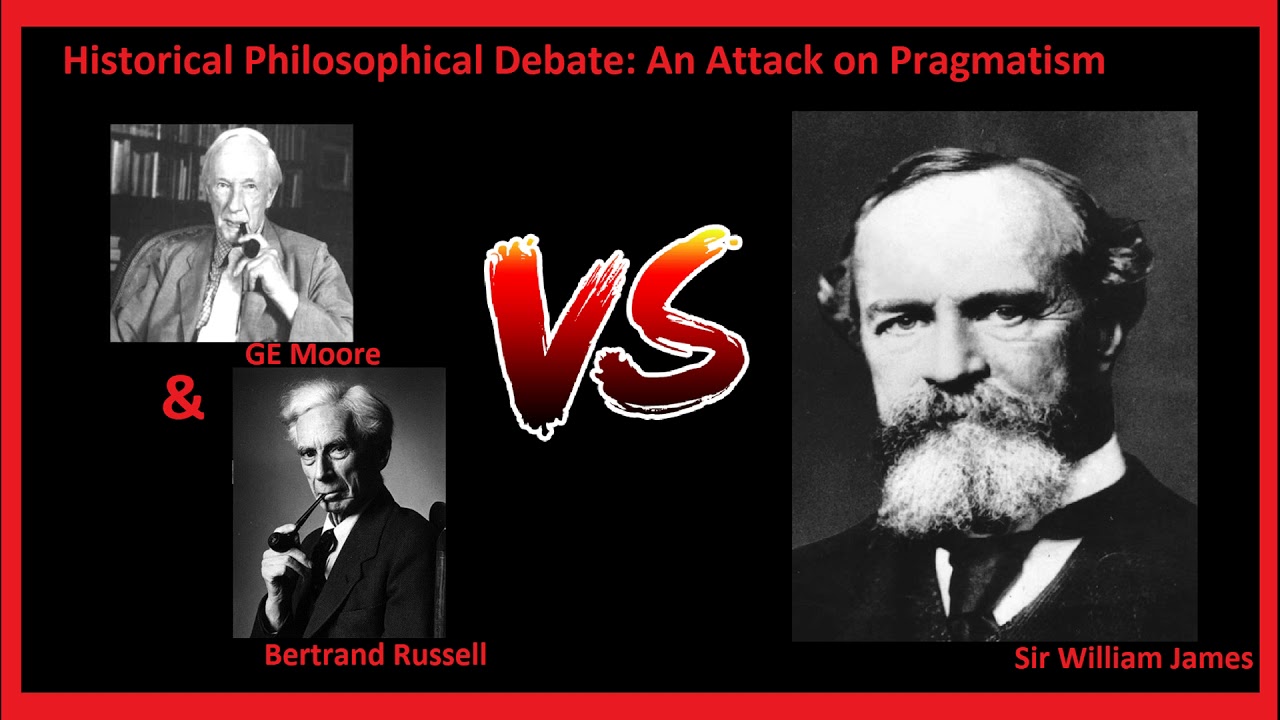
Major criticisms of James's theory, notably those raised by Bertrand Russell and G.E. Moore regarding the subjectivity of 'usefulness'.
William James's broader metaphysical framework of 'Radical Empiricism' and his lectures on 'The Will to Believe'.
John Dewey's 'Instrumentalism', which expanded pragmatic truth into a tool for social, scientific, and educational progress.
Neo-Pragmatism in the 20th century, specifically how philosophers like Richard Rorty applied pragmatic ideas to language and post-modern thought.
28.9K views541likes12:19Original Release: 2015-11-23
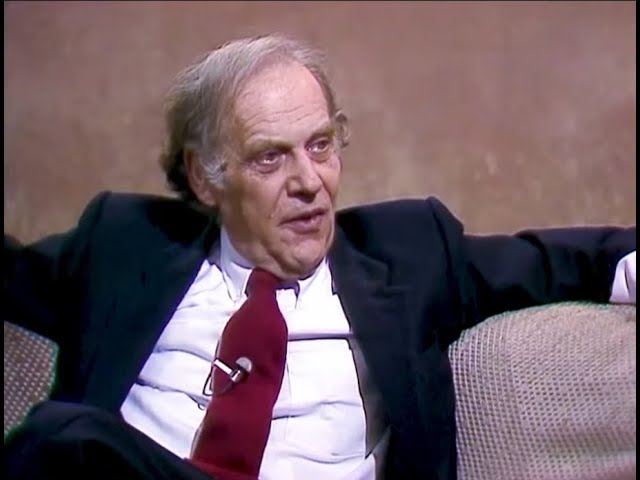
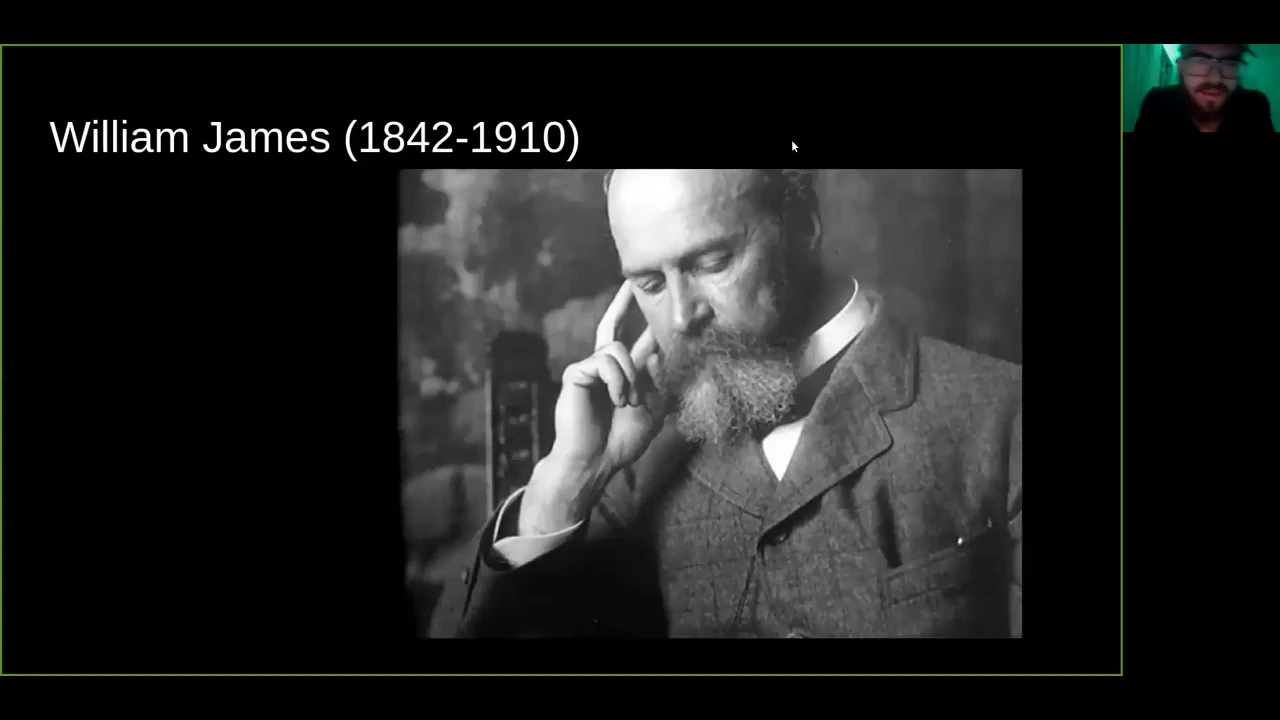
pretty sure most people who read in philosophy have that one or two philosophers that they just come back to time and time again so every year or other year you find yourself picking up their works and kind of reading them aresh and every time you find something new in those works and you know when I read William James who's that guy from me doesn't feel at all like academic philosophy it feels like it's he's kind of articulating certain things that you know maybe I've been intuiting or something like that but he just does a really good job of kind of fleshing that out so recently I've been reading his work pragmatism and the will to belief and the meaning of Truth in some other of his works and I'm finding that the pragmatic theory of Truth is every time I read it it's quite attractive but every time I read it I you know think in my head of some objections and I see some objections that James had to deal with during his time and I think you know it it seems to me like people aren't really necessarily understanding maybe the theory of Truth the way I understand it uh not to say that my understanding is superior I don't know if it is uh but I wanted to do a short video kind of articulating the way I kind of think of the theory of truth because it makes a lot of sense to me so I'm hoping that people who may be confused by it or whatever can look at this explanation and say oh okay that makes a lot more sense so of course for those who don't know William James is a philosopher an American philosopher who wrote a lot during um the late 1800s and early 1900s he lived from 1842 to 1910 and I think in order to appreciate his pragmatic theory of Truth we have to first appreciate the fact that before he was a philosopher he was a psychologist so in the year 1890 he finally published a book that I think took decades for him to articulate and it was called um principles of psychology and in this book principles of psychology he's writing at a time when psychologists got most of their data basically from introspection primarily thinking about what it feels like to experience what it feels like to think and also sometimes from observation but a lot of it really was about uh internal experience and kind of reflecting on internal experience and For Me Maybe aside from David Hume I feel like William James is the guy who really um can detach himself from his own experience you know maybe the best of all so the stuff that experience and we don't really think a lot about William James was really able to do that so why is it important to realize that he's a psychologist first well in order to understand what he's trying to do with the idea of Truth we have to understand that for James um we always start with inner experience we always start from our own experience so we like to imagine the world as this car is so we like to imagine the world as being there and we're like that car who's in the world but there's this this world outside of us now James doesn't deny that there's this objective World outside of us but he likes to remind us always that whenever we start thinking about anything we are almost always positioned as the driver of the car us looking out into the world from our own experience it's not like the car where we're we can see ourselves as part of the world we always look outward we can imagine ourselves as part of the world and we pretty well know that the world is out there and it exists we're not copss but every time we do anything we have to start as uh from a place of our own subjective experience looking out into the world so here's why this is important because for James the question is not so much what is truth as a property of uh the world or a property of ideas aligning with the world the idea the question James wants to ask is what is it about an idea that has to happen for us to experience that idea as true so in his book pragmatism James has a quote he says you can either you can say it either as it is useful because it is true or it is true because it is useful both of these phrases mean exactly the same thing now this is kind of confusing because we like to think of Truth as a property of the world when when an idea is true it's true because it reflects the outside world well not so fast says James because we know that world exists and we know there's probably facts about the world uh that are the way they are but in order to call an idea true uh the the true is almost like an adjective so let's take James's phrase and transpose it onto another phrase so you could say something like this we can say of it either it produces that effect in me because it is beautiful or it is beautiful because it produces that effect in me so let's think about linguistically what this is doing when we say it produces that effect in me because it's beautiful we're saying that beauty is the property of the thing that explains why it produces that effect in me it's almost a descriptor of the thing rather than my experience of the thing but when we say that latter part that it uh produces that effect in or it uh is beautiful because it produces that effect in me we're kind of switching that around and now we're saying beautiful is the descriptor that I use to describe anything that produces that effect in me and that's kind of what I think James is saying about truth truth isn't a property of the object and it's not a property of the idea that comes from it aligning with the object it's a descriptor that I use to describe a certain effect that is produced so when I think and I when I have the experience of an idea being true uh I do so not because it is true because we we don't know if it's true independent of our belief about it it's because it's uh true is like the the word beauty it's a descriptor for an idea to say that this is a true idea is to tell you something about the idea so James's question is what am I telling you about the idea when we say it's true and we can't just say well I'm telling you that it's true because that begs the question so when experience is all we have which is james' starting spot what are we saying about an idea when we say it's true how do we come to know an idea is true in the same way as how do we come to call an idea beautiful and for James we come to call an idea true when that idea is useful uh when we put that idea to the test and it gets the results that we um that we expect it to get so when I give someone directions to my house the idea of those directions becomes true when it successfully helps them get to my house now it may also be that there's another way to get to my house I could give someone that those directions and for them for them the idea of the directions to my house are true when uh it successfully gets someone to my house so for me to say these are the true directions to my house signifies they will be effective in helping you get to my house and we can think of the same thing in terms of science so when we think of science what we like to think of is there's this way the world is out there and there are these you know true descriptors of the world that just haven't been uttered yet and the goal of science is to get to those true descriptors of the the world that haven't been uttered yet and we like to think that an idea is true regardless of our experience with the idea so let's say that we came across an idea that described the world really well and was accurate and later we would call true but we discarded it we tossed it in the trash because we were infatuated with another idea let's say the idea that we just tossed in the trash that really describes the world really well uh most people would want to say that idea is true irrespective of whether we believe in it uh we threw it in the trash but we shouldn't have because the idea itself is true James because for James the idea of Truth is a an a descriptor for the idea would like to say no it's not true until we experience it as working and maybe until we experience it as working better than alternative ideas so think about this think about two different cultural groups uh who are trying to figure out how best to predict when it's going to rain so that they're plants will grow properly and there's several different ways you could do that so one group might kind of invent you know meteorology and they might be able to predict it that way another group might invent some other system that may be more Supernatural but somehow it gets the job done let's just say that just by sheer chance it gets the job done another group might invent another way that's different now we're tempted to say of course that the idea of meteorology so far as we know is the true one and the other ideas aren't the true one and I think James would agree with that actually I think that James would say uh that the reason we correct is that if the other group were to put their idea to the test long enough they would realize that their Supernatural idea doesn't actually work and that our idea of meteorology works better than their idea they would discover that but the difference between most people in James is that we most people would want to say well therefore our idea is true their idea is false and James in some way would want to say well until they realize their idea doesn't work they have no way to know that it doesn't work so the idea really is true for them as they experience it not because there's different truths and I know my truth and you know your Truth uh but because when we experience an idea as true uh that means the idea works for us and if it works for us we have no way of knowing and no reason to think that it's not true so in some ways James is describing the world as I think it is in any number of questions you have different people who disagree on what the true is so some economists say that um greedy capitalists were the down were the cause of the 2008 crash others say that it was the result of bad government regulations still others say that it was just inevitable result of capitalism prod producing inevitable booms and busts which one of these is true well of course there's probably one correct answer to this there's but what that means means is that there's one answer that if we really pressed the issue would work as an explanation better than other answers so but James would want to say until we figure out which answer it is that really does work better than the other answers then all of those competing proposals as long as they work to explain the phenomenon actually are true because remember true is a descriptor that we use to describe ideas not the things that are actually out there in the world so there may be one belief that ultimately commands all of our allegiances but until that point since it really is uh about experience uh all of those competing ideas are going to be true for the people who believe them because they have no reason to think those ideas don't work it's only when we find reason to think that one of those ideas works better than the other in practice that we come to agree on what the truth is so James I guess what I'm I'm saying is starts out with a different uh idea of the function of the word true true is the descriptor of the word of the thing kind of like beauty is the descriptor of the thing um and it's not that it's the a property of the thing itself it's a property uh that we impute onto a thing just like I say it's beautiful because it produces a certain effect in me we say it's true because it produces a certain effect so uh you know I I don't have time or or inclination in this video to go over some of the criticisms of the pragmatic theory of truth I'm sure you can find those elsewhere but that's kind of a helpful way for me to think about it you start with experience and true becomes the word you use to describe an idea and its effects just like beauty is the word we use to describe the effect something produces
Up Next

59:59
John Dewey's Pragmatism: Philosophy & Education Explained
@wheatoncollege
64.1K views•2015-06-16

164:01
John of Damascus on Holy Images: A Theological Defense
@BannedBooks
139 views•2026-04-25

10:53
Sextus Empiricus: Pyrrhonian Skepticism in the Digital Age
@kevincurrie-knight3267
2.8K views•2022-02-07
4:57
The Myth of Sisyphus: A Greek Legend of Eternal Punishment
@TEDEd
8.6M views•2018-11-13
Related Study Plans & Knowledge Roadmaps
Structured learning paths in Philosophy
philosophy
Frankfurt School: Critical Theory & Culture
01Foundations of the Frankfurt School and Critical Theory
02Horkheimer & Adorno: The Critique of Instrumental Reason
03The Culture Industry and Mass Deception
+ 2 more learning modules
12h5 modules
Explore Roadmap
philosophy
Philosophy of Language: From Frege to Austin
01The Linguistic Turn: An Introduction to Language in Philosophy
02Gottlob Frege: Sense and Reference
03Early Wittgenstein: The Picture Theory of Meaning
+ 3 more learning modules
15h6 modules
Explore Roadmap
philosophy
Feminist Epistemology: Standpoint & Injustice
01Introduction to Epistemology and Feminist Critiques
02Sandra Harding and Standpoint Theory
03Donna Haraway and Situated Knowledges
+ 2 more learning modules
12h5 modules
Explore Roadmap
philosophy
Environmental Philosophy: Ethics & Deep Ecology
01Foundations of Environmental Ethics & Anthropocentrism
02Biocentric Individualism and Animal Liberation
03Ecocentric Holism and Deep Ecology
+ 1 more learning modules
10h4 modules
Explore Roadmap