






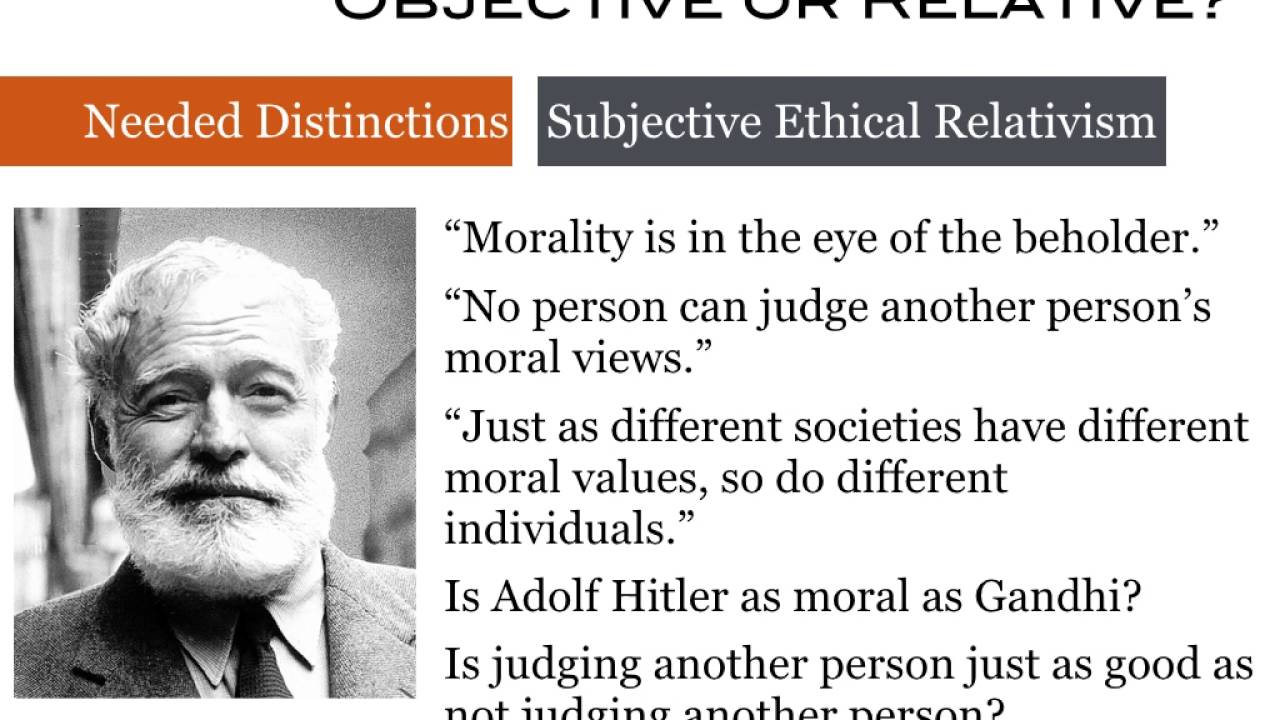
















Cultural relativism—the view that a society's moral code determines what is right or wrong within that society—implies three problematic consequences: (1) no culture can reasonably claim its customs are morally superior to others, (2) moral knowledge requires only consulting societal approval rather than philosophical reasoning, and (3) there is no objective moral progress, meaning changes like ending slavery or sexual harassment cannot be objectively better than their opposites. These consequences form a modus tollens argument against cultural relativism: if it were true, these three claims would have to be true, but at least one is false, therefore cultural relativism is false.
Cultural Relativism Explained: Arguments For & Against (Philosophy Lecture)
Added:The distinction between descriptive ethics (how people behave and what they believe) and normative ethics (how people ought to behave).
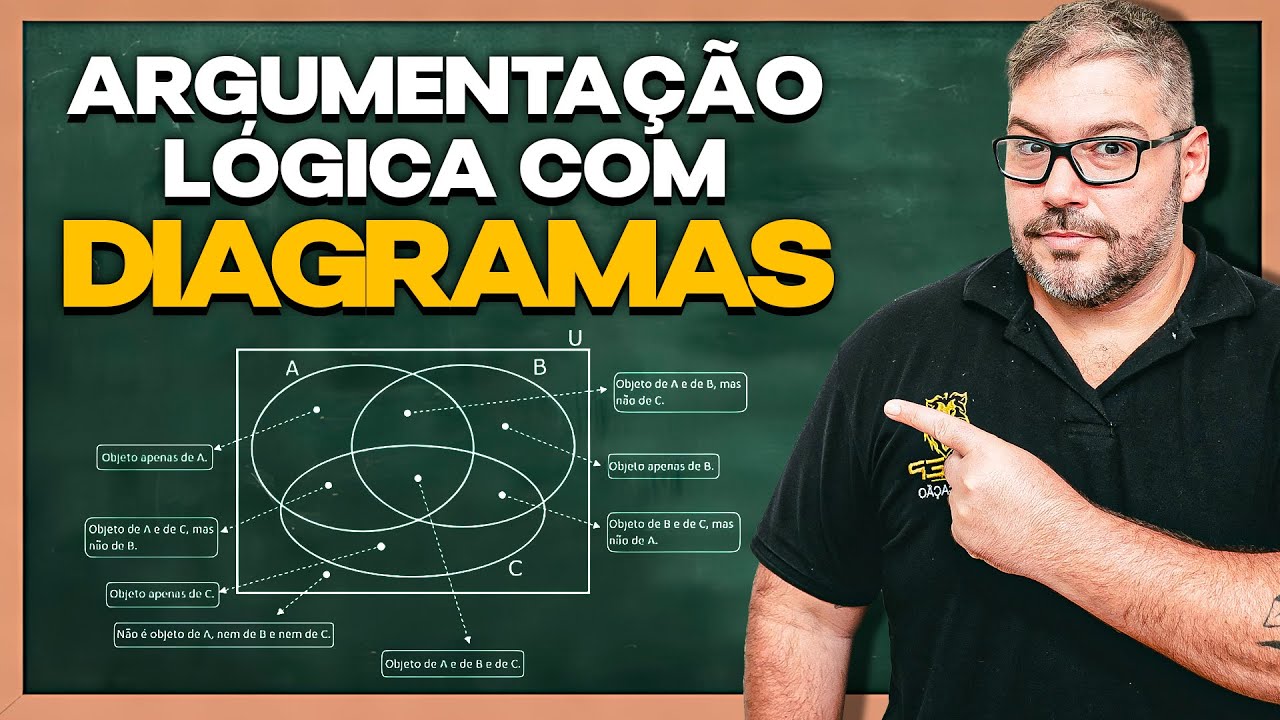
Basic principles of logical argumentation, specifically how to identify premises, conclusions, and evaluate logical validity.
The concept of Moral Objectivism, which serves as the primary philosophical contrast to relativism.
A fundamental understanding of how social norms and cultural practices shape individual moral frameworks.
The philosophical problem of moral progress, examining how societies can justify ethical reforms if relativism is assumed true.
The tension between Universal Human Rights and cultural sovereignty in international law and global politics.
Alternative meta-ethical positions, such as Moral Realism, Ethical Subjectivism, and Moral Pluralism.
Normative ethical theories that attempt to establish universal moral standards, such as Kantian Deontology and Utilitarianism.
28.7K views147likes14:04Original Release: 2011-09-13
so it looks like this argument doesn't provide us any reason to believe cultural relativism um even if one is true it doesn't follow that two is true so this doesn't give us any reason to believe the conclusion and it doesn't give us any reason to believe uh cultural relativism namely this fifth claim that the moral code of a society determines what is right or wrong within that Society um but when you're uh evaluating the case for some Theory or for some claim you need to consider both sides it's like being a a juror in a trial you need to hear the prosecution and you hear the defense um and so this is pretty much the only argument for cultural relativism and uh now I'm going to discuss some arguments against it and um actually if you want to be a cultural relativist then um the point is just that there are here are three other things that you must believe if you're going to be consistent so we're talking about consequences of cultural relativism not practical consequences we're not arguing that if you believe cultural relativism your life is going to fall apart or Society won't be able to function or anything like that we're just saying if you believe if cultural relativism is true here are three other things which will also have to be true um so see if you agree with these if you agree with cultural relativism you should agree with all three of these first we can't say that the customs of other societies are morally inferior to our own we can't say that the point is that we can't reasonably believe it if cultural relativism is true there's no grounds for thinking that one set of um Customs one set of things that we approve and disapprove of is better than any other set and you might also reflect that nor can people in other societies say that their Customs are better than ours because they won't have any grounds for saying that for the same reason so the point doesn't only apply to us it applies all around so people in France or people in China or India or Sweden they would not be able to uh to reasonably believe that their Customs are better than than ours in any respect if cultural relativism is true second consequence is that we can decide if actions are right or wrong simply by Consulting the standards of our society wow that's that's kind of interesting but look uh in fact it's surprising but look it does follow from cultural relativism doesn't it if to be right just is for an action to be approved of by a certain Society then if you want to know if it's right you just have to find out if it's approved by that society and if for an action to be wrong just means that a society disapproves of it then once you find out that a society disapproves of it you know that it's wrong relative to them correct that's just what the theory says um so say that you're trying to decide whether it would be right or wrong for instance to have an abortion um you might think that you need to go through some complex reasoning about fetuses and babies um do they have souls uh should you think that you're harming the fetus does it have rights and so on no no no forget all that philosophy uh you don't have to bring up religion either all you have to do is find out what your Society approves or disapproves of so for instance if you in France probably the majority of people there would approve of your having an elective abortion and if you live in um maybe Spain or Ireland the majority will say disapprove of it so it'll be wrong and that's all you have to know so consequently if cultural relativism is true there are no moral experts unless perhaps pollsters or sociologist so you might think that certain people have better knowledge of right and wrong than you or I do you might think um that an elder like a grandparent is a moral expert you might think that a religious leader like a priest or a minister or Rabbi is a moral expert that if you have a question about whether something's right or wrong you you should consult one of these experts somebody who knows more about it but look if cultural relativism is true um if there are any moral experts it won't be anybody like that it won't be Elders or religious figures or ethicist if they are going to be moral experts it'll just be the people who have more knowledge of what Society approves and disapproves of presumably pollsters people who take random samples and uh find out what public opinion is third logical consequence that is something that would also be true if cultural relativism is true is there's no such thing as objective moral progress that is change of Customs for the better now um look this is um these are each controversial right but if you're going to be consistent cultural relativist you need to also accept all three of these because if cultural Rel relativism is true then so are these things let's talk a little bit more about this last one there's no such thing as objective moral progress that is change of Customs for the better um here's one change of Customs that uh America has undergone we used to approve of slavery back in the day that is the majority of people in society in the year say 1780 um seems that they approved of owning and using slaves and then we changed from approving of Slavery to to our society on the whole uh disapproving now this was a change of Customs but if cultural relativism is true it was not a change of Customs for the better cuz there's no grounds for saying that disapproving of slavery is objectively better than approving of slavery it's no more objectively better than just changing from uh your favorite flavor of ice cream being vanilla to your favorite flavor of ice cream Bean chocolate that's a change but there's no grounds on which to say it's a change for the better um maybe 50 60 years ago you could uh you know if you're a male businessman you could slap your female secretary on the rear end and tell her how beautiful she looks today today we would not approve of that we call that sexual harassment so that's a CH of customs and um if you want to say that's a change of Customs for the better it looks like you shouldn't be a moral relativist so the question that you should answer for yourself is do you think all three of these are true and why or why not now you may have guessed that I'm not a cultural relativist I'm not I don't think it's true I've never thought it's true most philosophers aren't cultural relativists um and so to me each one of these things that cultural relativism implies provides an objection to cultural relativism I don't know if you remember this kind of argument um it's called modus tolin goes like this if P then Q not Q then the conclusion therefore not p and uh any argument with this form any argument with this structure is valid that's pretty clear once you understand it and this is typically a form of argument that we use for objecting to some thesis so here you can turn those consequences those three consequences that we just looked at into three objections to cultural relativism or one big objection the way I have it here so here's an objection we've got two premises and a conclusion premise one if cultural relativism is true then each of 1 through three on the second slide back is true so if cultural relativism is true then these three things have to be true as well myself I'm pretty convinced that all three of those are false so back to the objection second it is not the case that all of one through three are true at least one of them is false in other words and so therefore cultural relativism is not true so this argument is interesting uh maybe you think that some of those consequences of cultural relativism are true maybe you think one is two is true and uh that two is true whoops suppose you think that this one's true and this one's true but you disagree with that one well then you're going to have to say that my argument here my objection is is sound because you'll agree with premise one and you'll agree with premise two if just one of those three is false then my premise two here is true isn't it because it says it's not the case that all of them are true so if one or more is false um then you have to agree with premise two and of course three does logically follow from uh premises 1 and two it's a valid argument it has that structure of modus tollin that we just looked at okay now so I said that I'm not a cultural relativist I don't agree with this claim that the moral code of a society determines what is right or wrong within that Society um so if there's no convincing argument for moral relativism and there are pretty strong objections against moral relativism why is it so popular um I'm not sure that everybody that says these sorts of things has really thought through this this issue properly and I suspect that there's a couple of things going on um first of all people want to appear humble it just sounds humble to say these sorts of things I'm not sure it really is humble but it it comes off that way uh secondly this this way of thinking about right and wrong is easy right you never have to pit one culture against another you never have to critically evaluate what your own culture or any other culture approves and disapproves of you just say well it's right relative to one wrong relative to the other who's to say well that's easy for you that excuses you from um discovering what's objectively right and wrong um also maybe this is an overreaction to kind of uh ignorant or knee-jerk denunciations of other cultures um you know those those people uh for instance uh in some uh far away uh tribe in the jungle those people the women don't wear shirts oh that's that's terrible that's so immoral that's obviously wrong um and that seems to be too quick it's too quick to to judge just because a practice is different then therefore it's wrong and finally this this sort of thing sounds sophisticated in Cosmopolitan um people want to be seen as open-minded and informed and they think that M that uh cultural relativism is required by just uh the fact that different societies have different moral codes
Up Next
4:47
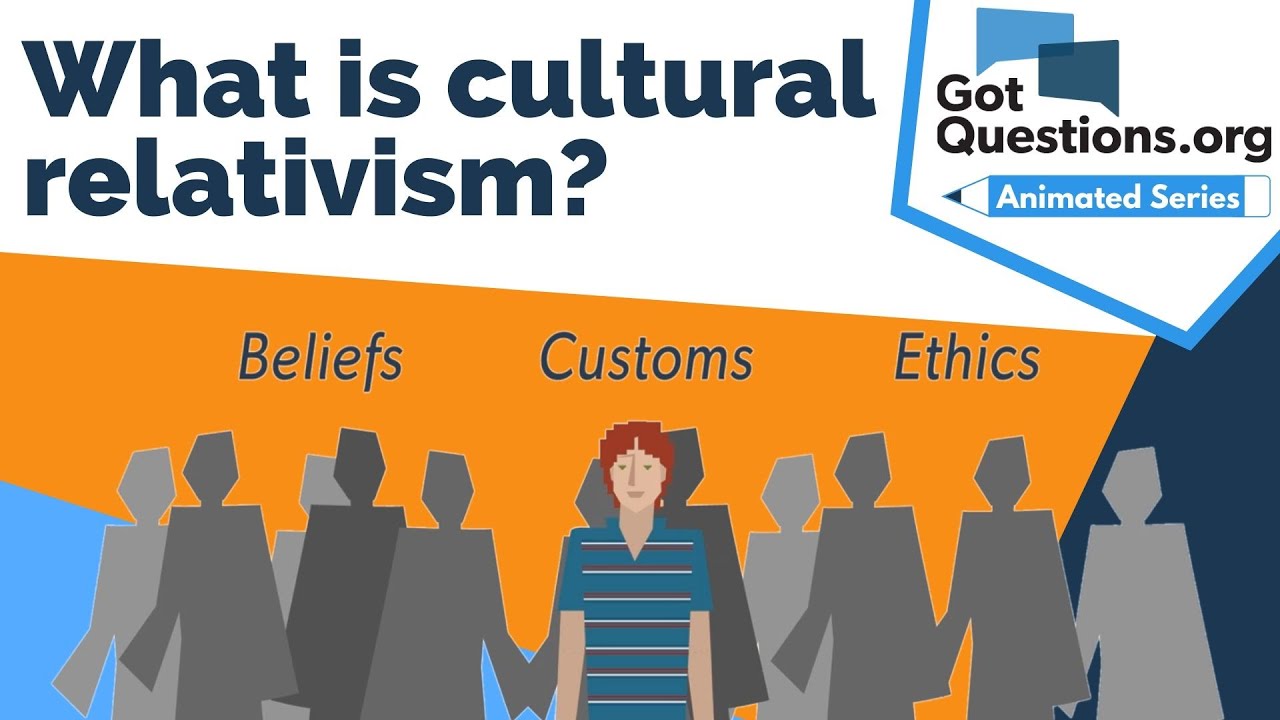
Cultural Relativism Explained: Definition, Dangers, and Impact
@gotquestions
230.8K views•2020-05-20

164:01
John of Damascus on Holy Images: A Theological Defense
@BannedBooks
139 views•2026-04-25

68:32
Should We Destroy the Machines? Big Tech Surveillance Critique
@TheStoriesWeTell303
167.9K views•2025-11-30
4:57
The Myth of Sisyphus: A Greek Legend of Eternal Punishment
@TEDEd
8.6M views•2018-11-13
Related Study Plans & Knowledge Roadmaps
Structured learning paths in Philosophy
philosophy
Frankfurt School: Critical Theory & Culture
01Foundations of the Frankfurt School and Critical Theory
02Horkheimer & Adorno: The Critique of Instrumental Reason
03The Culture Industry and Mass Deception
+ 2 more learning modules
12h5 modules
Explore Roadmap
philosophy
Philosophy of Language: From Frege to Austin
01The Linguistic Turn: An Introduction to Language in Philosophy
02Gottlob Frege: Sense and Reference
03Early Wittgenstein: The Picture Theory of Meaning
+ 3 more learning modules
15h6 modules
Explore Roadmap
philosophy
Feminist Epistemology: Standpoint & Injustice
01Introduction to Epistemology and Feminist Critiques
02Sandra Harding and Standpoint Theory
03Donna Haraway and Situated Knowledges
+ 2 more learning modules
12h5 modules
Explore Roadmap
philosophy
Environmental Philosophy: Ethics & Deep Ecology
01Foundations of Environmental Ethics & Anthropocentrism
02Biocentric Individualism and Animal Liberation
03Ecocentric Holism and Deep Ecology
+ 1 more learning modules
10h4 modules
Explore Roadmap