

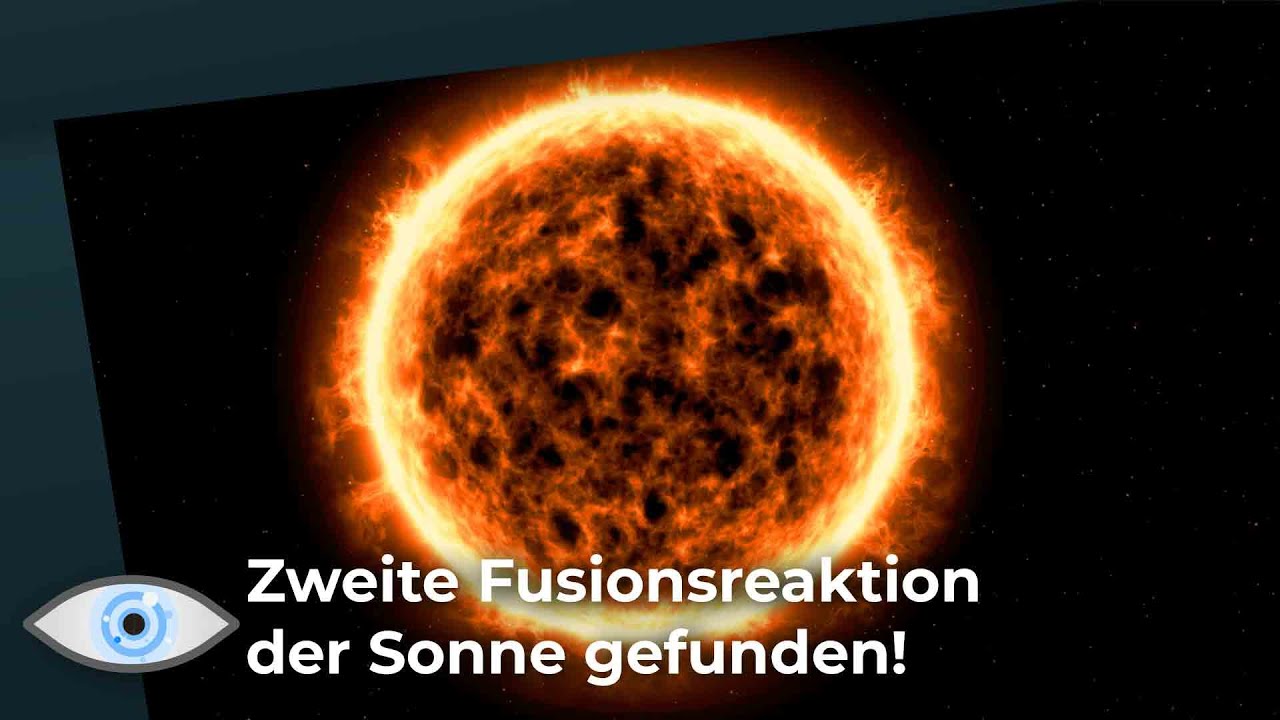




















Scientists have experimentally confirmed that our Sun generates energy through two fusion processes: the proton-proton (pp) cycle, which converts hydrogen to helium directly, and the carbon-nitrogen-oxygen (CNO) cycle, a catalytic process where carbon, nitrogen, and oxygen atoms facilitate hydrogen fusion without being consumed. The CNO cycle, theorized by Hans Bethe in 1938, becomes dominant at temperatures around 17 million Kelvin, while the pp cycle operates at lower temperatures. Using the Borexino neutrino detector, researchers definitively proved that approximately 1.7% of the Sun's energy is produced through the CNO cycle, with the remaining 99% coming from the pp cycle, confirming that our Sun's core temperature of 15 million Kelvin is just right to initiate this secondary fusion process.
Discovery of the Solar CNO Fusion Cycle Confirmed
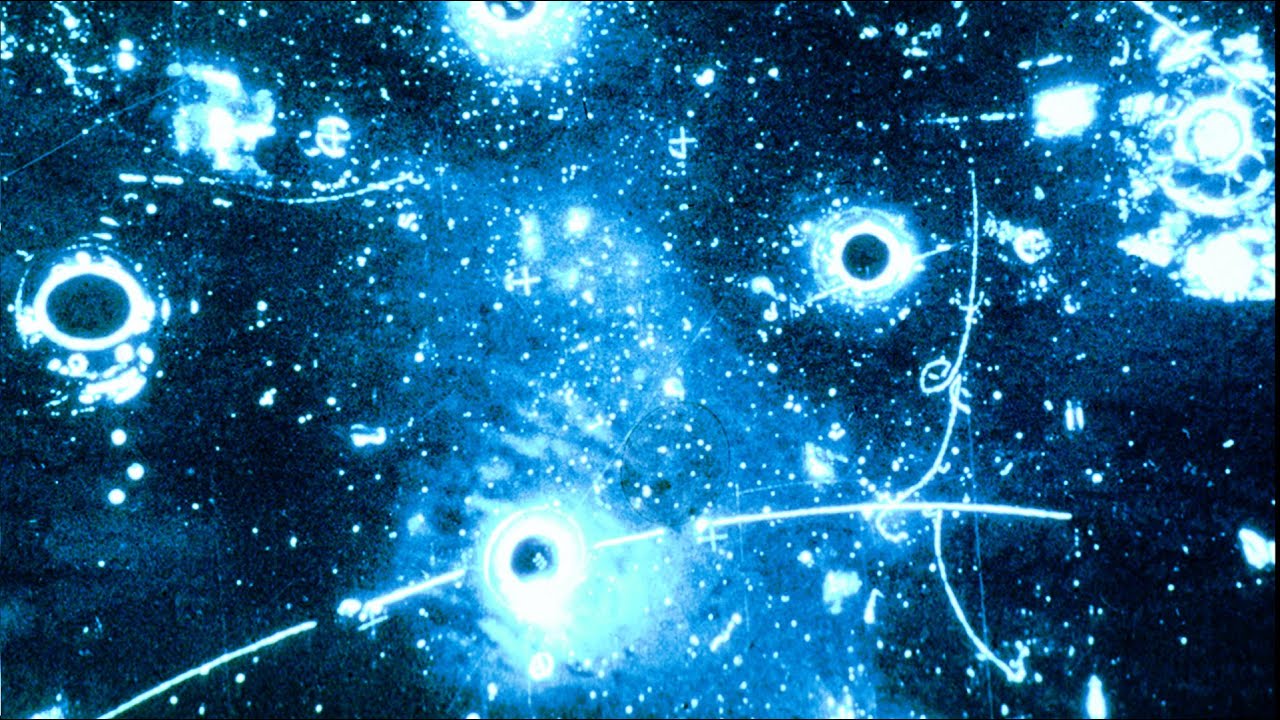
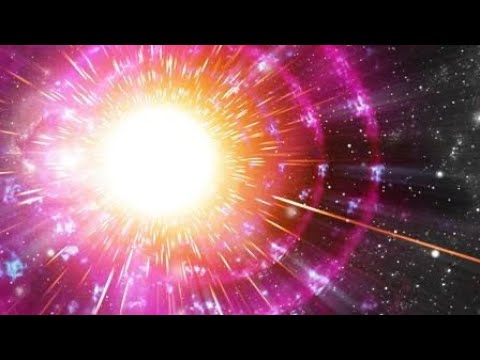
Added:hello wonderful person this is anton and today we're going to be talking about a pretty interesting discovery coming out of our own sun that confirms once and for all that our sun has two different ways of generating energy and essentially turning hydrogen into helium it's a confirmation of what's known as a cno cycle that's happening inside our sun but here let's actually talk about all this and how all this connects to our understanding of the universe in general and what it also means to our understanding of how stars evolve as well now today we know that there are a lot of different types of particles out there in the universe and some of these particles are slightly more difficult to detect than others one of these very difficult to detect particles is the mysterious neutrino that doesn't seem to interact very well with matter as a matter of fact it only seems to interact with things gravitationally and through what's known as the weak force it ignores most of the material as it passes through it with only occasional interaction as it passes through various objects which is actually why neutrinos today are used for a lot of different studies they allow us to study a lot of very powerful things including black holes including supernova including other types of emissions like gamma ray emissions which are often responsible for producing neutrinos which in turn then are able to make their way toward planet earth because they don't interact with a lot of gas and a lot of different stars and planets in a way once in a while they do interact with our detectors here on the planet with the biggest one and the most famous one being in antarctica the rough simulation of which you see right here this was made by nasa a few years ago and so that particular detector has detected a lot of different neutrinos from all over the place and allowed us to understand a lot of different things but new and more advanced neutrino detectors have been slowly helping us also find neutrinos of different types and different types of neutrinos are usually produced by different types of very powerful and extremely energetic reactions which is essentially what happened very recently when the neutrinos coming from our own sun allowed us to see the different types of neutrinos from what we usually see now normally most of the neutrinos coming from within the sun are the neutrinos created by the so-called proton proton fusion process and despite a somewhat difficult name it essentially just refers to what we commonly understand fusion to be basically when two hydrogen atoms fuse together forming helium and releasing the energy in other words that's what we usually learn in school that our sun does in order to create all of this heat here's a generous schematic of this process and this is essentially how a lot of different stars including the majority of nearby stars create most of their energy by fusing two hydrogen molecules it creates helium it also creates a lot of energy most of this energy stays within the sun somewhat ends up coming out of the sun but during this process some of the neutrinos do escape because as i mentioned they don't interact with matter very well and then slowly make their way toward our planet where one of the detectors once in a while catches them identifying their origin but this so-called pp cycle for the lack of better term because that's apparently what it's actually called and feel free to leave your jokes in the comments below is actually just one of the two fusion processes that the scientists have always hypothesized the star is used to produce the energy in other words one of the processes is what we learn in school two hydrogen atoms fuse release helium and also release a lot of energy but there has always been this other process that we believe also happens in stars known as the cno cycle cno obviously being carbon nitrogen and oxygen and this is a slightly more complex but also slightly more interesting process where the carbon the nitrogen and the oxygen don't actually get destroyed at all they actually are recycled constantly changing from one into another as the cycle progresses and the only difference here is that once in a while a hydrogen will come in a helium will come out and this process essentially uses up hydrogen helium once again and also produces a tremendous amount of energy inside the star but using a completely different process and essentially using completely different principles and because neither carbon nitrogen or oxygen disappear from this it's actually known as a catalytic cycle it's a cycle where the materials kind of stay intact with only the hydrogen and helium changing in the process and during a single cycle this will actually consume four different hydrogen atoms which will also transform nitrogen 15 into carbon 12 back into 913 into carbon 13 and as you can see it actually keeps changing the atom itself but also constantly regenerating the atom in the process and as a final result we get this one atom of helium we also get two different neutrinos two different positrons and also some gamma rays as well and because positrons usually don't exist around normal matter for a long time they would then also create more gamma rays as well but most of this energy produced in this cycle stays inside the star in other words all of the gamma rays released here will actually heat up the star creating the heat on the inside and only the neutrinos can make it out and so the theory behind this was always there and we always believe that the main difference between the pb cycle and the cno cycle is the temperatures needed so for example for an object that's roughly around 15 million degrees kelvin which is essentially the temperature inside the sun's core the predominant cycle is going to be the pp cycle mostly because it usually starts around 4 million degrees kelvin in other words even smaller stars can usually start this process which is why when a typical brown dwarf reaches a mass of about 80 masses of jupiter it has enough temperature on the inside to then initiate the pp cycle and to then basically start fusing hydrogen but when the temperature is slightly higher when it's about 17 million degrees kelvin this is when they see a no cycle becomes dominant it actually prefers to have these higher temperatures and so certain larger stars like a typical f-type star will normally have cno cycle producing most of the helium with the other cycle the epp cycle becoming very inefficient at these temperatures and the best example nearby is a star known as procyon it's a very very bright star around 11 light years away from us this is an f-type star it's about 1.4 masses of the sun and theoretically at least it should have the cnl cycle as the dominant cycle producing its energy but because it's kind of far away for us to measure all of this we don't really know how to confirm any of this as of i guess a few months ago this was only a theory there was no physical proof of any of this until of course now because a very recent paper was able to finally experimentally prove that cno cycle is a real thing and our sun seems to have a little bit of it going on as well which is really surprising because as i mentioned cno cycle starts at around 15 million kelvin which is also the temperature inside the core of our sun and that means that the core temperature of the sun is just at the right level to initiate the cno cycle where some of the energy possibly about one percent of the energy produced is going to be through the cycle but the majority of the other energy is still produced in the pp cycle and the previous theories about our sun suggested that about 1.7 of the entire energy of the sun is produced through this cycle which would make it extremely difficult to detect because neutrinos are already pretty rare especially neutrinos coming from our own sun and so by using a specially modified neutrino detector by the name of boraxino detector the scientists behind the paper you can find in the description below were able to definitively prove that the neutrinos found here were coming from the cno cycle inside our sun and not the pp cycle or any other source from anywhere else in the galaxy and just as always being able to confirm a theory that we've had for many many years and experimentally proving something that we knew only from textbooks and only on paper is actually a huge step forward in once again confirming that our understanding of the universe around us at least for now seems to be pretty accurate because of the detection and because of this confirmation we can now rest easy knowing that everything we know about our sun theoretically seems to be pretty accurate in terms of physical detections as well the temperature inside our sun seems to be at just the right level to have approximately 1.7 percent of the total energy generated through the cno cycle with about 99 of the energy generated through the epp cycle and that of course is a huge step forward for the science in general and though nothing new was discovered in this particular study a confirmation is just as important as a discovery itself and this being the first such confirmation is actually a huge deal and just as a quick side note i can't really talk about the cno cycle without mentioning hans beauty the person responsible for theorizing this idea back in 1938 and though he actually did win the nobel prize for his discoveries regarding the various types of solar reactions it essentially took his 82 years to finally prove the cno cycle that he proposed that you can also take a look at if you're curious about it in the paper you can find once again in the description below but i guess on that note that's all i wanted to mention in this video it's a pretty interesting confirmation of a very old theory and it's once again really really exciting to hear that we were once again correct about the universe around us on that note thank you for watching subscribe if you haven't share this with someone who loves to learn about space and sciences come back tomorrow to learn something else and maybe support this channel on patreon or by buying the wonderful prison t-shirt you can find in the description below i'll see you tomorrow space out and as always bye-bye okay i should have found a better term than pb cycle proton proton cycle that's hard to say pepa cycle that also sounds weird why did it have to be pb cycle well i guess i'm gonna have to live with all the comments that you wonderful people leave me in regards to that unfortunate name [Music] you
Up Next

Proton-Proton Chain & CNO Cycle Explained | Nuclear Fusion
@ozscienceteacher
1.2K views•2020-08-21

21cm Hyperfine Transition in Neutral Hydrogen: Radio Astronomy Basics
@AaronRobertParsons
12.4K views•2011-10-13

NMR Spin Physics I: Zeeman Effect, Resonance Condition & Larmor Frequency
@nptel-indianinstituteofsci8064
2.3K views•2024-01-17

Entropy and the Second Law of Thermodynamics Explained
@veritasium
27.5M views•2023-07-01
Related Study Plans & Knowledge Roadmaps
Structured learning paths in Physics