













![자산가격을 구성하는 세 가지 요인 [김일구의 쩐쟁]_STEPS](https://i.ytimg.com/vi/NLHWErIUDQk/maxresdefault.jpg)



![🎙️MONDIALISME, DECLIN, CRISE ECONOMIQUE : L' Occident survivra-t-il ? [PCAT #S02E14]](https://i.ytimg.com/vi_webp/SdGpcgJhB6Q/maxresdefault.webp)
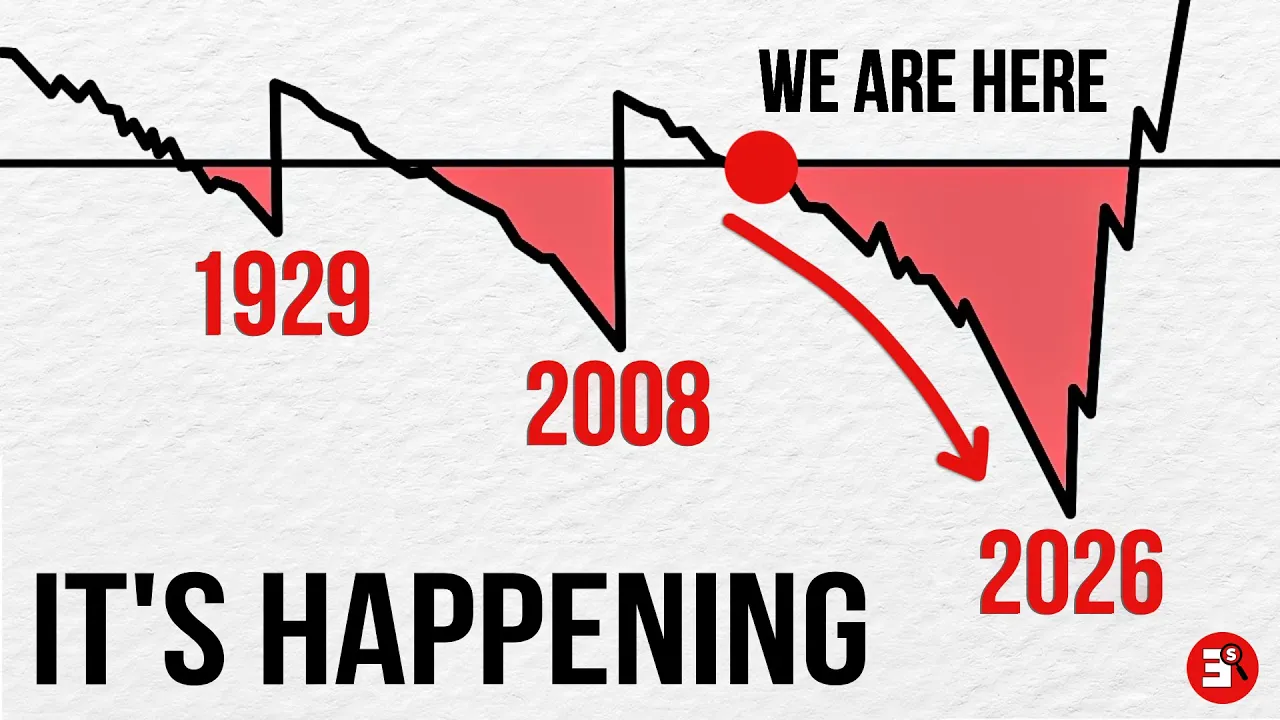

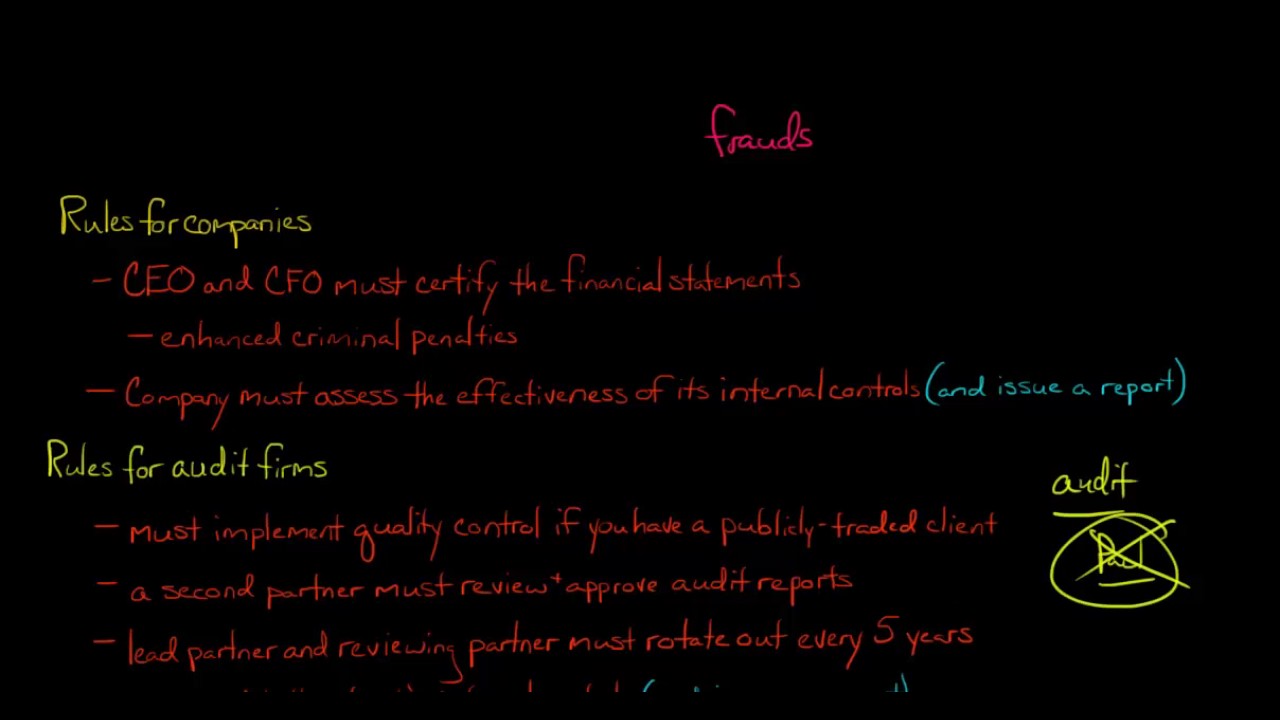






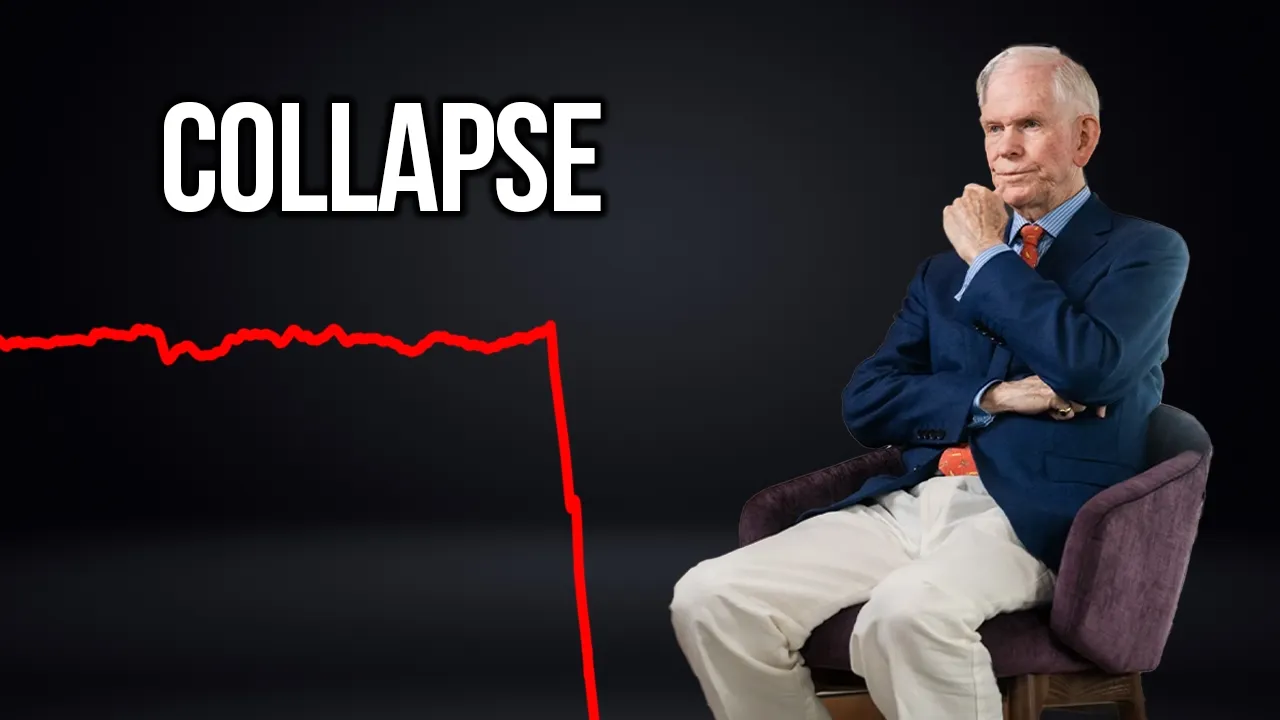

The dot-com bubble (1995-2000) demonstrates how speculative investing based on future potential rather than current profitability can create unsustainable market valuations; when the Federal Reserve raised interest rates in 1999-2000, the bubble burst, causing the NASDAQ to lose 78% of its value and nearly $5 trillion in market capitalization, though the underlying internet technology ultimately survived and evolved through the consolidation of stronger companies.
The Dot-Com Bubble: A Comprehensive Economic Analysis & History (2000 Crash)
Added:Fundamentals of stock market valuations, including concepts like Price-to-Earnings (P/E) ratios, market capitalization, and the mechanics of Initial Public Offerings (IPOs).
The basic economic concept of speculative asset bubbles and how investor expectations can temporarily detach asset prices from their intrinsic value.
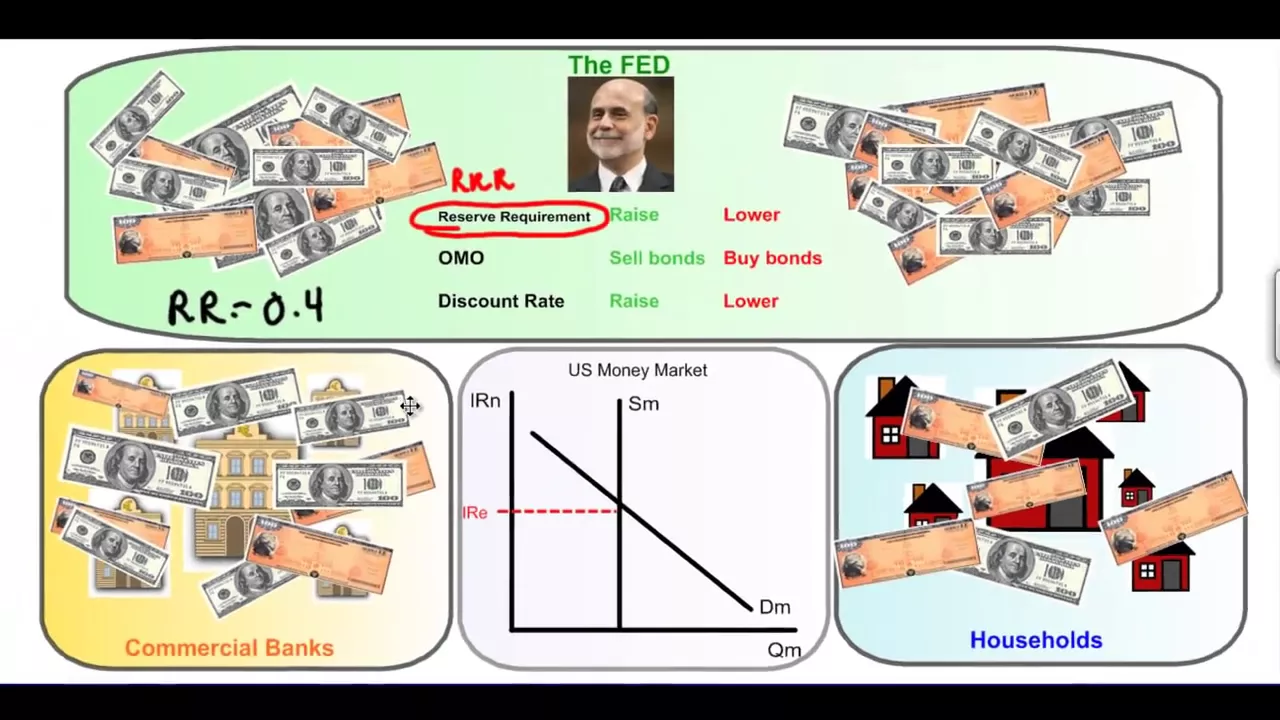
The role and primary tools of the Federal Reserve, particularly how interest rate adjustments and monetary policy affect market liquidity.
An in-depth study of Behavioral Finance, specifically examining concepts like 'irrational exuberance' and herd mentality in asset pricing.
Comparative analysis of the 2000 Dot-Com crash with the 2008 Subprime Mortgage Crisis to identify recurring macroeconomic warning signs.
Post-bubble regulatory adaptations, such as the Sarbanes-Oxley Act of 2002, and their modern-day implications for public tech companies.
Methods for evaluating current high-growth tech sectors (e.g., AI and blockchain) to spot potential overvaluation and speculative risks.
102 views2likes13:14Original Release: 2026-03-09
On March 10th, 2000, a 28-year-old office worker sat at his desk, refreshed his screen, and smiled.
His net worth had just jumped again. He wasn't a hedge fund manager. He wasn't some Wall Street shark in a tailored suit. He was an ordinary guy with a modem, a brokerage account, and an unshakable feeling that he had finally cracked the code. He had no idea he was standing at the exact top of the cliff.
That same day, the NASDAQ closed at 5,048 points, the highest level it had ever reached. It would take 15 years to see that number again. In the two years that followed, nearly $5 trillion in market value was wiped out. Not by a war, not by a natural disaster, but by belief.
This is the story of how the internet became an investment religion and how piece by piece it unraveled. If you had a computer in the late 1990s, it felt like the future was finally on your desk. Suddenly, everything was faster.
Shopping, communication, information.
You could buy books online instead of going to a shop. You could send emails instead of letters. You could talk to strangers in forums and know you were early to something huge.
And then, quietly, money joined the party.
CNBC was playing in the background of offices all day.
Online brokers like Erade turned trading into a few clicks. Chat rooms filled with tickers and bold predictions. The dot bubble wasn't just optimism. It was optimism plugged into fire hoses of money.
In 1999 alone, nearly 500 companies went public in the United States. Hundreds of them technology related, many internet-based, and most of them unprofitable.
Many saw dramatic first day price jumps.
Going public wasn't a milestone anymore.
It was an exit strategy.
Venture capital firms were terrified of missing the next Amazon. If you had do at the end of your name and a convincing pitch deck, money found you and the rules began to bend.
Profits later, earnings optional cash flow old-fashioned.
Instead, people talked about eyeballs, page views, and mind share.
The logic sounded simple. Get big fast.
Dominate the space. Monetize eventually.
From the inside, it didn't feel like speculation. It felt like being early.
But not everyone was hypnotized by the charts. Back in December 1996, years before the peak, Federal Reserve Chair Alan Greenspan gave a speech and used a phrase that would follow him for the rest of his life. Irrational exuberance.
He was asking a question markets didn't want to hear. What if prices were rising not because of fundamentals but because of emotion?
For a moment, markets wobbled, then they recovered and kept climbing higher, faster, louder.
In a horror movie, this is the part where the old man says, "Don't go in that house."
Everyone smiles, thanks him for the advice, and walks straight through the front door.
For a while, the bubble had a powerful silent partner, cheap money.
In the late 1990s, interest rate cuts made borrowing easy. Cash flowed into riskier assets. Tech became the favorite destination.
Startups could raise capital. Traders could borrow on margin. Big bets didn't feel dangerous. They felt logical.
Then the wind shifted.
By 1999 and 2000, the Federal Reserve began raising rates, pushing its key rate towards 6.5%.
It didn't sound dramatic, but it changed the math. When rates rise, debt gets heavier.
Safe returns start to compete again, and stories that depend on profit later suddenly feel fragile. Our 28-year-old trader went and many like him weren't just investing their savings. They were borrowing against them.
On the way up, leverage feels like a superpower. On the way down, it becomes gravity. March 10th, 2000.
The bubble didn't explode in a single day. It began to sag. First, high-profile internet firms missed their earnings expectations.
The market reacted. Big down days, headlines about tech jitters. Then an IPO everyone expected to pop didn't.
Underwriters quietly pulled other deals.
Analysts who once said strong buy shifted to hold then to sell. The dip became a correction. The correction became a bare market. The bare market became disbelief.
Disbelief turned into fear. And fear turned into silence. From its peak around 5,048 in March 2000, the NASDAQ fell to roughly 1,140 by October 2002, a collapse of nearly 78%.
Our fictional trader watched his six-f figureure portfolio bleed red. At first, he told himself, "It's just a pullback.
Then, I'll sell when it bounces."
Then one day, he refreshed his screen and realized something worse than a loss. The bounce wasn't coming, and most of that money had never really been his.
Some companies became the symbols of the era.
Pets.com is the one everyone remembers.
They sold pet food and supplies online, had a sock puppet mascot, and even bought a Super Bowl ad. But the business model was broken.
shipping heavy bags of pet food across the country, often at a loss just to win customers.
The story was cute. The numbers were brutal. Within 9 months of going public, Pets.com shut down. At the very top of the bubble, there was two giants, AOL and Time Warner. Internet darling AOL merged with media giant Time Warner in a deal valued at roughly $160 billion.
It was supposed to be the perfect marriage of old media and new economy.
The future buying the past. Instead, it became a case study in how hype can poison a deal. As the bubble burst, the combined company wrote down nearly $100 billion in value. What was meant to symbolize the new era became a monument to its excess. Fraud made things worse on the edges.
WorldCom, a massive telecom company, was later exposed for one of the largest accounting frauds in US history, hiding billions of dollars in expenses.
When that blew up in 2002, it delivered another blow to already fragile trust.
By then, it wasn't just money that was gone. It was trust. And when trust breaks, markets don't fall. They unravel. Behind the flashy.com brands, another bubble was inflating.
infrastructure.
This one didn't have mascots or Super Bowl ads. Telecom companies were racing to lay fiber optic cables across continents and oceans, betting that internet traffic would explode forever.
They built a future that arrived 10 years too early and financed it with debt that arrived immediately. The infrastructure expanded faster than demand could justify.
Companies like Global Crossing spent billions building these networks. When the traffic and revenue didn't materialize fast enough, they couldn't keep up with interest payments. And when debt can't be serviced, it doesn't shrink, it snaps.
Global Crossing filed for bankruptcy in 2002.
In Europe, 3G Mobile Spectrum auctions raised tens of billions for governments and loaded telecom operators with gigantic debts just as the bubble burst.
It wasn't as visible as pets.com, but it quietly damaged companies for years. and it revealed something bigger.
The bubble wasn't just an American story anymore. When the US tech stocks broke, the pain didn't stay in Silicon Valley.
Global funds that owned US.com names also owned tech and new economy stocks in London, Frankfurt, Tokyo, and Seoul.
When they d-risked, they sold everywhere.
Germany's Neuerm built as a high-growth techfocused exchange collapsed by more than 90% and was eventually shut down.
South Korea's Costak, France's Nuvo Mar and other similar markets saw wild volatility and deep draw downs. What began as a tech correction became a global retreat.
Confidence cracked in America, but the whole world felt it. For everyday Americans, the dot crash wasn't a chart.
It was a feeling. Retirement accounts that had only gone up through the 1990s suddenly went the other way. 401ks heavily exposed to tech and growth stocks lost half their value, sometimes far more.
Jobs that felt safe at startups, at big telecoms, at techheavy departments of traditional companies vanished.
The new economy workers found themselves sending out résumés in a very old-fashioned job market.
Our 28-year-old day trader closed his laptop and realized something simple.
The market didn't know who he was, and it didn't care.
He printed his final statement, a loss he wouldn't forget, and taped it inside his desk drawer as a reminder. He still has it. It wasn't just traders who learned a lesson. It was anyone who had started to believe the line could only go up. By early 2001, the economy was already slowing sharply.
By March, the US had entered a recession. The dotcom bubble had burst.
The NASDAQ had lost most of its peak value. Then on September 11th, terrorists attacked the United States.
The New York Stock Exchange and NASDAQ shut down for several days, the longest market closure in decades. When they reopened, the Dow suffered one of its worst point drops on record at that time, and roughly $1.4 trillion in market value disappeared in a week. This time, it wasn't just tech. Airlines, insurers, travel companies, the old economy took heavy blows. Business confidence already shaken by the bubble's collapse took another hit.
The.com era was over. Now, it was just a downturn, a new geopolitical conflict, and a long, slow recovery. It's tempting to tell this story as if the internet itself failed. It didn't. What failed was the excess.
The NASDAQ wouldn't return to its March 2000 peak for 15 years, finally climbing past it in 2015.
By then, most of the famous dot names were gone. But a few did more than survive.
Amazon's stock fell more than 90% during the crash. But by the time the bubble burst, it had raised a large cash cushion, enough to survive, cut costs, and slowly transform from an online bookstore into the backbone of modern e-commerce and cloud computing.
eBay kept doing something many.coms never managed. It made money.
Google stayed private during the frenzy, perfecting search and building the advertising engine that would later dominate the web.
In a strange way, the crash didn't destroy the internet. It cleared it. The bubble had built the cables, the servers, and the engineers. When the collapse came, the survivors picked up the pieces for pennies, and the internet began again. Every technological boom eventually triggers the same question.
Is this another bubble?
In the late 1990s, anything with a website could attract money. Today, it's anything with AI.
The similarities are striking. A handful of tech giants dominate the market.
Billions are pouring into chips, servers, and data centers.
New metrics, tokens, GPU hours, model queries sometimes echo the old language of eyeballs and clicks.
But here's the difference. Many of today's AI leaders are already hugely profitable, funding expansion with real revenue. Still, every bubble follows the same path. At first, people ask, "Is this technology real?" Eventually, the question becomes, "Is this price justified?"
Technology builds the future, but price reveals the truth, and history has a pattern. A breakthrough appears, belief grows, money floods in. For a while, the future feels obvious, until one day, the price becomes harder to defend than the dream. And that's the moment every bubble reaches. The moment just before it unravels.
Up Next

11:13
Financial Bubbles Explained: The Banana Economy and AI Hype
@Primateeconomics
906.7K views•2026-01-26

5:07
Impact of Yuan in Indo-Russian Trade Amid Sanctions
@WION
261.9K views•2022-07-01
10:33
Behavioral Economics Explained: Rationality, Nudges, and Risk
@crashcourse
1.1M views•2016-03-12

113:18
The Age of Easy Money: Fed & Inflation | Full Documentary
@frontline
21.2M views•2023-03-15
Related Study Plans & Knowledge Roadmaps
Structured learning paths in Economics
economics
Sovereign Debt: Defaults, IMF & Restructuring
01Introduction to Sovereign Debt & Government Bonds
02Debt Sustainability & Credit Ratings
03Anatomy and History of Debt Crises
+ 2 more learning modules
12h5 modules
Explore Roadmap
economics
Market Design: Matching Theory & Gale-Shapley
01Introduction to Market Design and Price-Free Markets
02Two-Sided Matching & The Gale-Shapley Algorithm
03School Choice Systems and Mechanism Design
+ 2 more learning modules
10h5 modules
Explore Roadmap
economics
Impossible Trinity: Forex, Capital & Policy
01Introduction to Monetary Policy and Central Banking
02Exchange Rates and International Capital Flows
03The Mundell-Fleming Model
+ 2 more learning modules
8h5 modules
Explore Roadmap
economics
Healthcare Economics: Market Failures & Systems
01Introduction to Healthcare Markets and Market Failure
02Asymmetric Information and Adverse Selection
03Moral Hazard and Insurance Design
+ 2 more learning modules
12h5 modules
Explore Roadmap