








![Energy Conversion Technologies (Biomass And Coal) - [Introduction Video]](https://i.ytimg.com/vi/4ijFBz63vXo/maxresdefault.jpg)

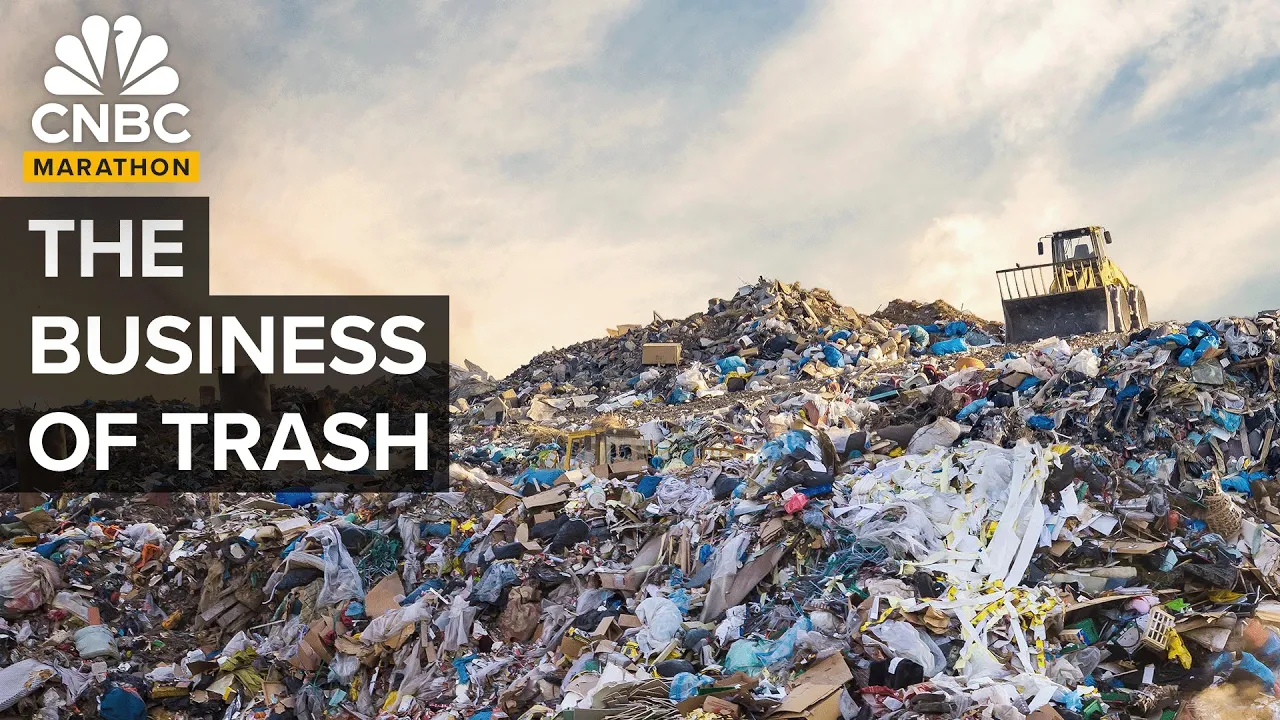


A waste-to-energy plant converts municipal solid waste into electricity through a controlled combustion process: waste is burned in a high-temperature furnace (over 850°C for at least 2 seconds) to ensure complete combustion, the heat generates steam that drives turbines connected to generators to produce electricity, and the system captures thermal energy efficiently while treating emissions and byproducts such as bottom ash (non-hazardous, 20% of input, used in construction) and fly ash (hazardous, <5% of input, requiring special disposal); modern plants achieve up to 98% energy efficiency while reducing landfill dependency.
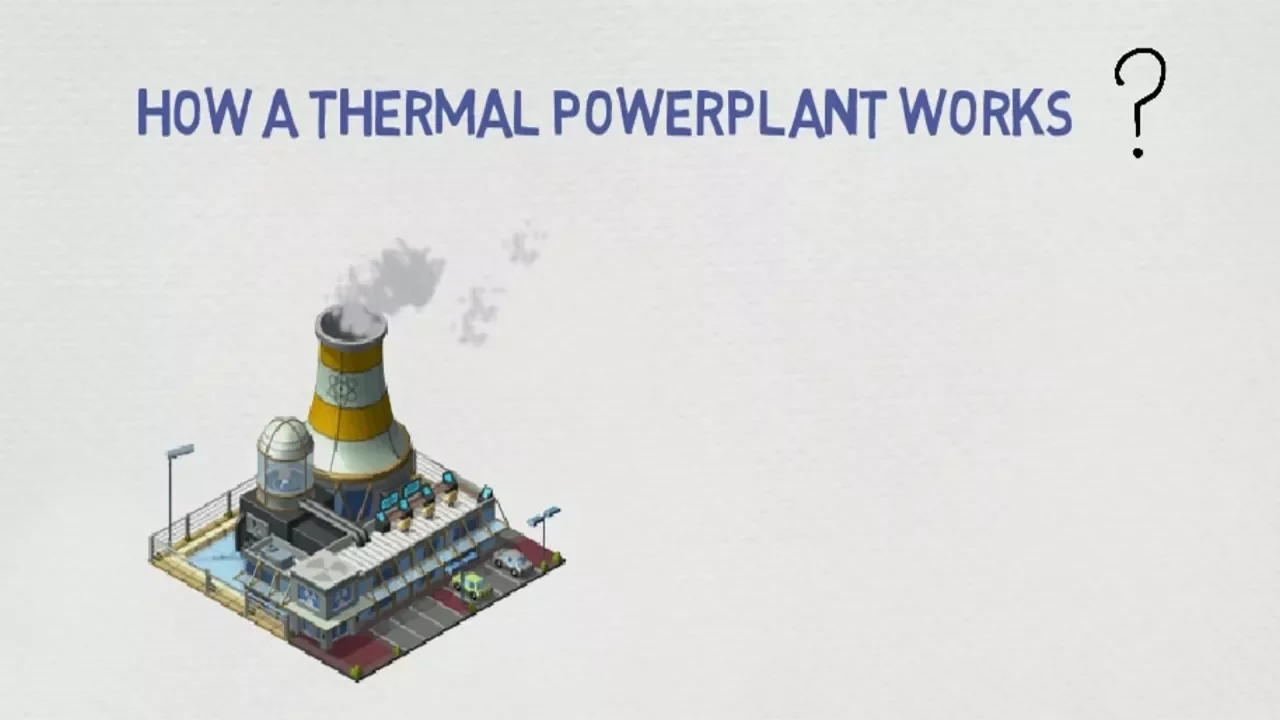
How Waste-to-Energy Plants Work: Thermal Conversion & Power Generation
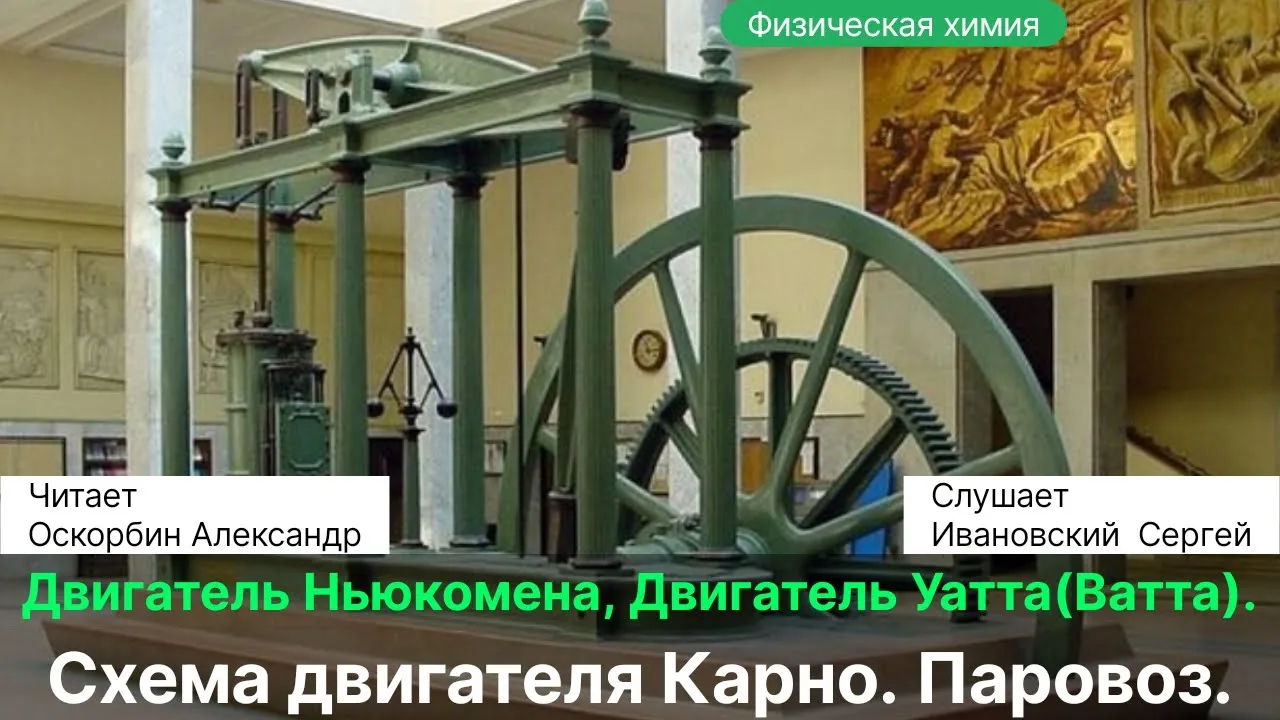
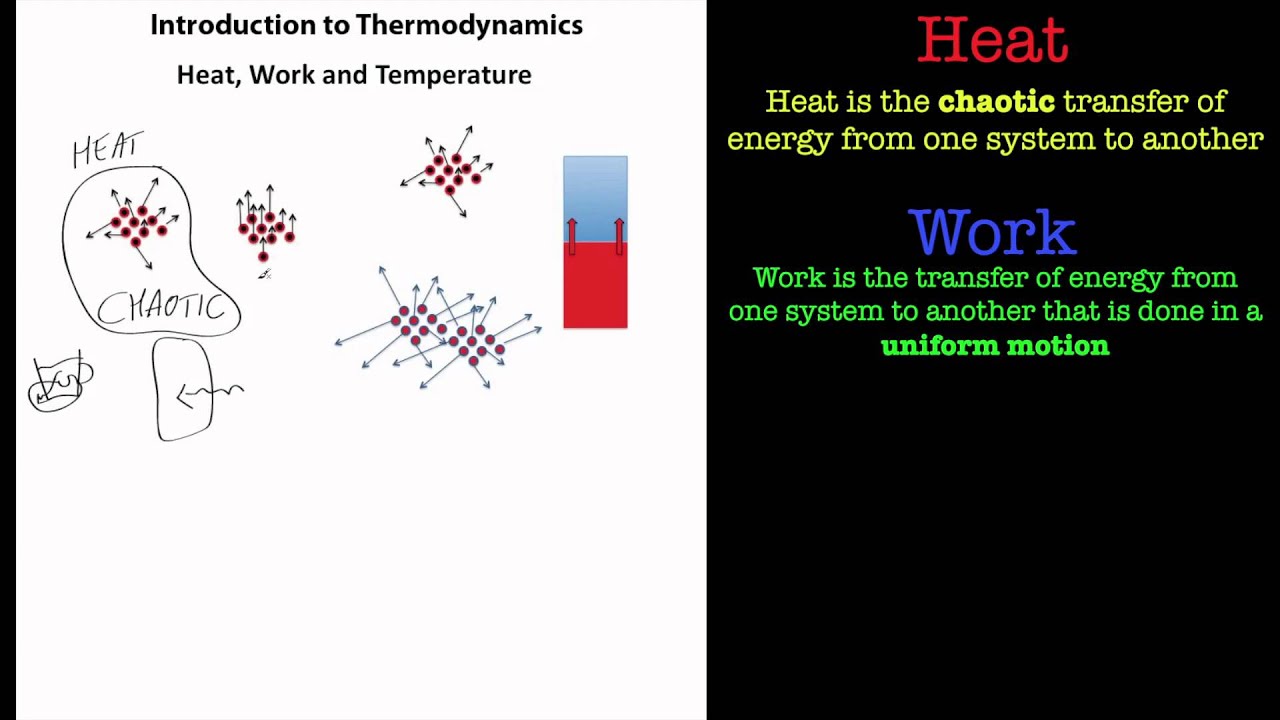
Added:Basic principles of thermodynamics, specifically the conversion of thermal energy into mechanical work and electricity.
The chemistry of combustion, including reactants, products, and the release of thermal energy from organic materials.
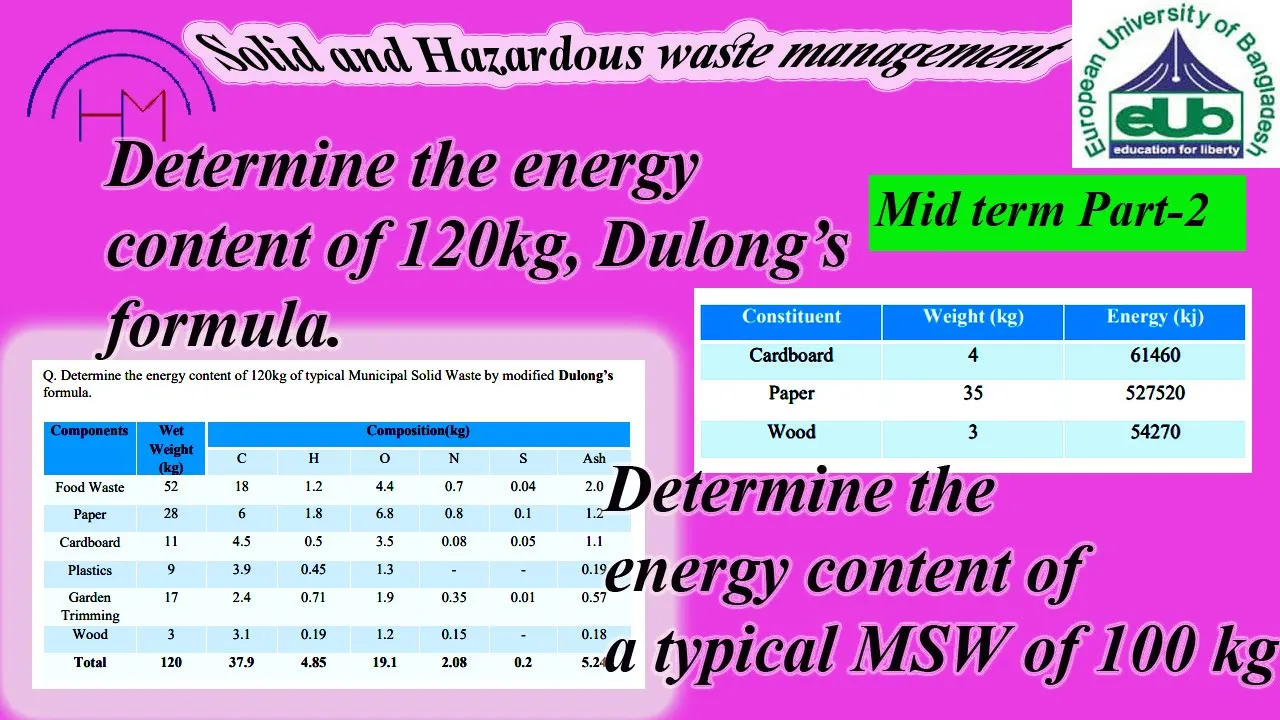
An understanding of Municipal Solid Waste (MSW) composition and the concept of calorific value (energy content) of different waste streams.
The fundamental operation of steam turbines and electrical generators in conventional thermal power plants.
Advanced emission control and flue gas cleaning technologies, including acid gas scrubbers, electrostatic precipitators, and NOx reduction systems.
Alternative thermal and biological conversion technologies, such as pyrolysis, gasification, and anaerobic digestion.
Environmental Life Cycle Assessment (LCA) methodologies to compare the carbon footprint of waste-to-energy plants against landfills and recycling.
By-product management, focusing on the treatment of hazardous fly ash, utilization of bottom ash in construction, and metal recovery.
736 views1likes5:01Original Release: 2012-01-03
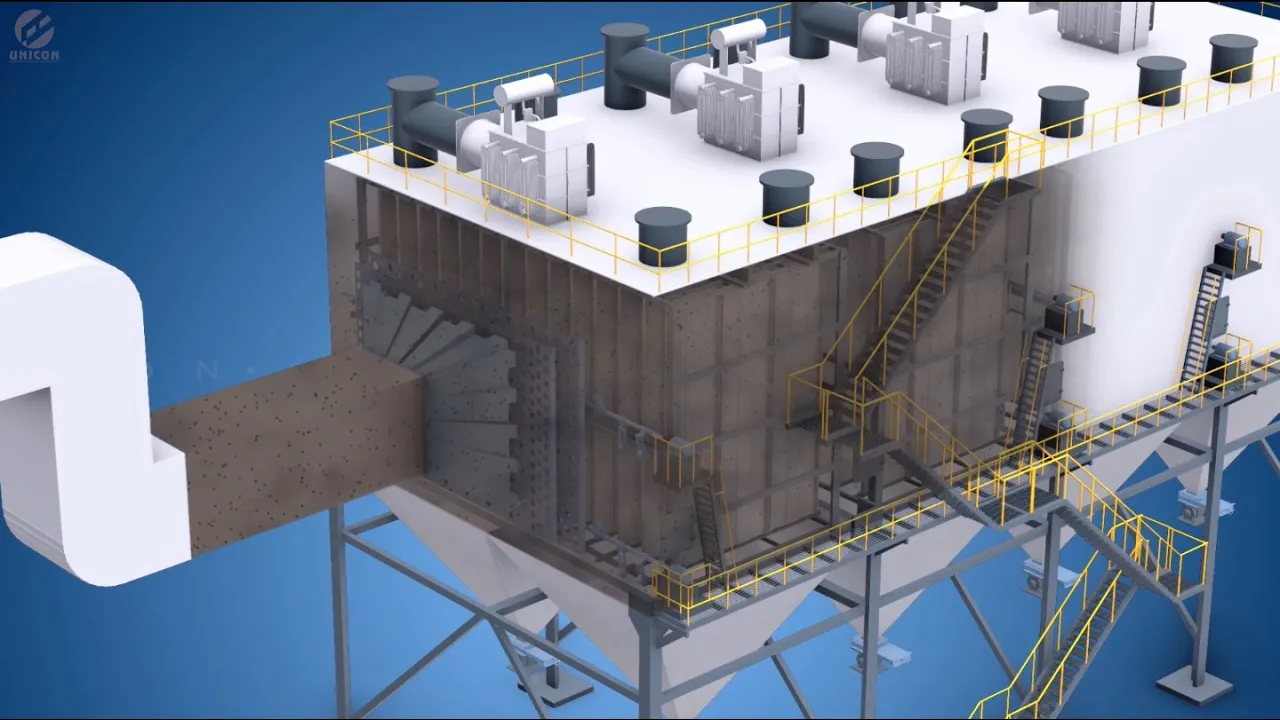
this is a waste to energy plant it looks like a typical industrial building but the process going on inside is quite special a waste to energy plant converts our rubbish into electricity some plants supply heat to district heating systems too how does it work the most widely used technology takes waste and burns it the heat created is used to make steam which in turn drives a turbine that generates electricity the technique we're going to look at is widely used around the world you'll notice that all the plants are very big this is a process that works best on a large scale incinerating waste creates emissions and residues and part of the process is focused on dealing with these achieving a high rate of efficiency with a low volume of byproducts is the aim there are many systems of varying complexity but they all work on the same principles to set up this kind of waste to energy system you need a stockpile of waste a furnace a boiler with heat exchangers a water supply system a turbine and a generator the waste is collected and delivered to the plant where it is stored in large bunkers it's transferred from the bunkers to a chute leading to a moving grate in the furnace below the plant's boiler the temperature in the furnace is very high the gases in it are heated to over 850 degrees for at least two seconds to make sure all the waste gets burned completely to form stable end products the residue left behind is called bottom ash and is non-hazardous it's usually sent for recycling and is often used by the construction industry around twenty percent by weight of the waste ends up as bottom ash the intense heat from the furnace rises into a series of chambers in the boiler the idea is to capture the thermal energy as efficiently as possible in the boiler are heat exchangers a series of pipes filled with water a bit like a household radiator the heat vaporizes the water to form super heated high pressure steam this is sent to the turbine where it encounters a series of turbine blades the high pressure steam forces the blades to rotate at high speed driving the generator in order to make electricity the electricity is fed to the power grid for use by industry and the local community water travels through the system in a closed loop cycle after passing through the turbines to steam it is allowed to condense and is then returned to the heat exchangers to be heated again some waste to energy plants incorporate a district heating system into the cycle the low pressure steam from the turbine heats a second closed water loop leading out into the community where it in turn heats individual systems gas emissions from the boiler are known as flue gas flue gas must be treated before being released from the plant's chimney stack it's processed using a series of absorption scrubbing and filtering systems there are two other types of waste product the first is the waste water that wet flue gas treatment plants produce this is treated then released the second is fly ash which contains toxic chemicals and consists of solid particles in the flue gas fly ash is sometimes treated sometimes not but either way it must be disposed of as hazardous waste fly ash represents less than five percent of the waste input of a waste to energy plant waste to energy or energy from waste technology is continually under development today the most advanced plants using the technology we have described are up to 98 efficient in capturing the energy they generate however there is debate about the effects on health of incineration and its byproducts and about the co2 produced the uk and the eu have stringent controls on emissions and all emissions and residues are monitored closely in the uk by the government's environment agency there are various other forms of waste to energy processes some examples are gasification which produces combustible gases anaerobic digestion which produces methane-rich biogas and pyrolysis which produces bio-oil investment in waste to energy plants does depend on our continuing to produce burnable waste which some might see as an incentive to create it there is also debate about the indirect environmental impacts of making biofuels whatever the process used the objective is to reduce volumes of waste in particular to send as little as possible to landfill the uk government estimates that waste to energy processes will account for 25 percent of municipal waste treatment by 2020 waste-to-energy technologies recover value from our waste and are therefore a source of renewable energy you
Up Next

11:12
Anaerobic Digestion of Biowaste: Process & Benefits
@SolidWasteMOOC
146K views•2018-10-15
30:32
Ultrasonic Transducers: Resonant Frequency Measurement and Horn Design
@imajeenyus42
229.9K views•2017-02-22
54:16
Polymer Environmental Degradation: Mechanisms & Stabilization
@iit
1.8K views•2012-07-10
33:39
How a Student's Question Saved a NYC Skyscraper from Collapse
@veritasium
22.8M views•2025-04-26
Related Study Plans & Knowledge Roadmaps
Structured learning paths in Engineering
engineering
Building Acoustic Levitators: Physics & Arduino
01The Physics of Sound and Standing Waves
02Piezoelectric Transducers and H-Bridge Drivers
03Arduino Programming: Generating 40 kHz Signals
+ 2 more learning modules
14h5 modules
Explore Roadmap
engineering
Building Peltier Cloud Chambers: Particle Tracks
01Cosmic Rays & Cloud Chamber Physics
02Thermoelectric Cooling (TEC) Fundamentals
03Custom Liquid-Cooling Loop Design
+ 2 more learning modules
18h5 modules
Explore Roadmap
engineering
Yagi-Uda Antennas: Modeling, Build & VNA Test
01Introduction to RF and Antenna Fundamentals
02Yagi-Uda Antenna Design Principles
03Antenna Modeling and Simulation in 4NEC2
+ 2 more learning modules
18h5 modules
Explore Roadmap
engineering
ECG Monitor Design: Op-Amps, Filters & Noise
01Electronics & Breadboard Basics
02Op-Amps and Instrumentation Amplifiers
03Bioelectricity and ECG Fundamentals
+ 2 more learning modules
18h5 modules
Explore Roadmap