


















![25 Tips for Cognitive Behavior Therapy Practitioners [25 Effective Tips for CBT Therapists]](https://i.ytimg.com/vi_webp/szimBR_Pwxs/maxresdefault.webp)



![[rlla #10] CBT Phương pháp nhận thức hành vi - hỗ trợ trị liệu tâm lý lo lắng, sợ hãi..số 1](https://i.ytimg.com/vi/Izm8MFlJfBM/maxresdefault.jpg)




![ACT and DBT: How They Differ and How They're Alike [Dialectical Behavior Therapy]](https://i.ytimg.com/vi/43b7n7JCsvI/sddefault.jpg)



Cognitive Behavioral Therapy (CBT) is a therapeutic approach that combines cognitive therapy, rational emotive behavioral therapy, and behavioral therapy, based on the core principle that there is an interconnected cycle between situations, thoughts, feelings, and behaviors, where changing any one element influences the entire cycle; CBT uses specific interventions for each component, including problem-solving skills for situations, cognitive reframing and thought records for thoughts, imagery and empty chair techniques for feelings, and behavioral activation and reinforcement strategies for behaviors, with the goal of helping clients think in a more balanced and realistic way rather than forcing optimism.
Cognitive Behavioral Therapy (CBT) Basics Explained
Added:Basic understanding of the distinction between thoughts, emotions, and behaviors in general psychology.
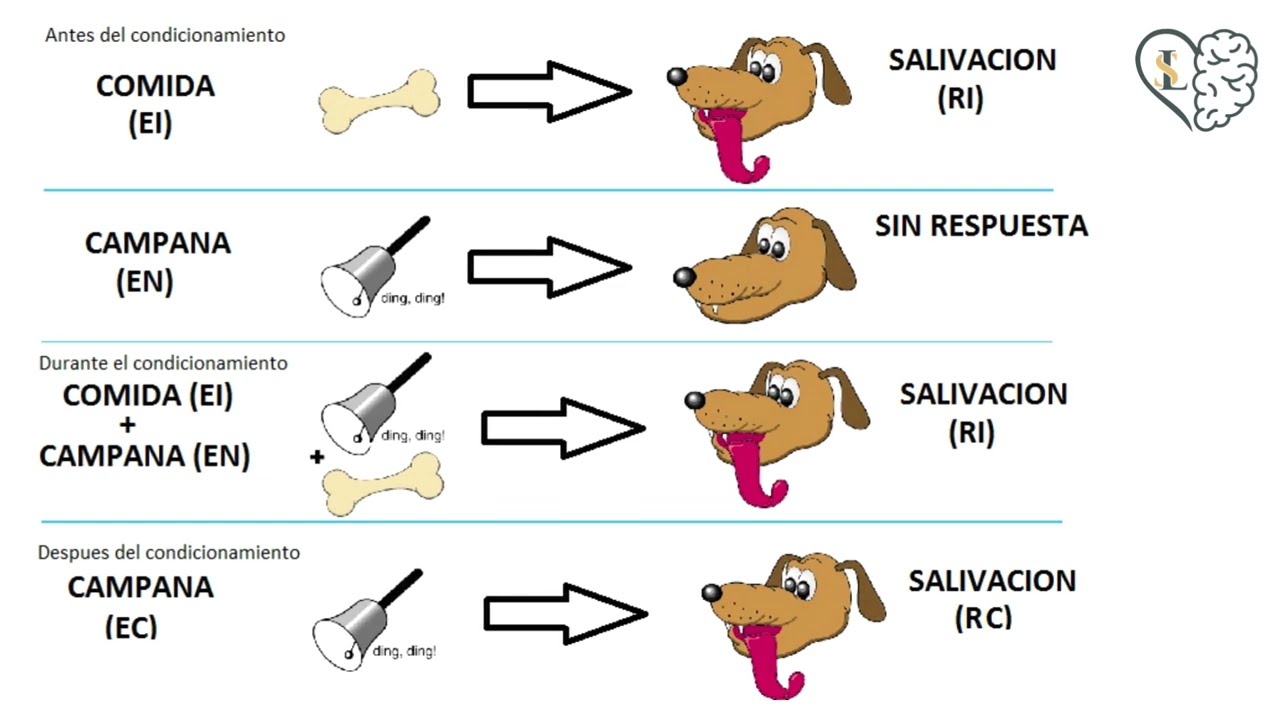
Foundational principles of behaviorism, specifically how environmental stimuli shape classical and operant conditioning.
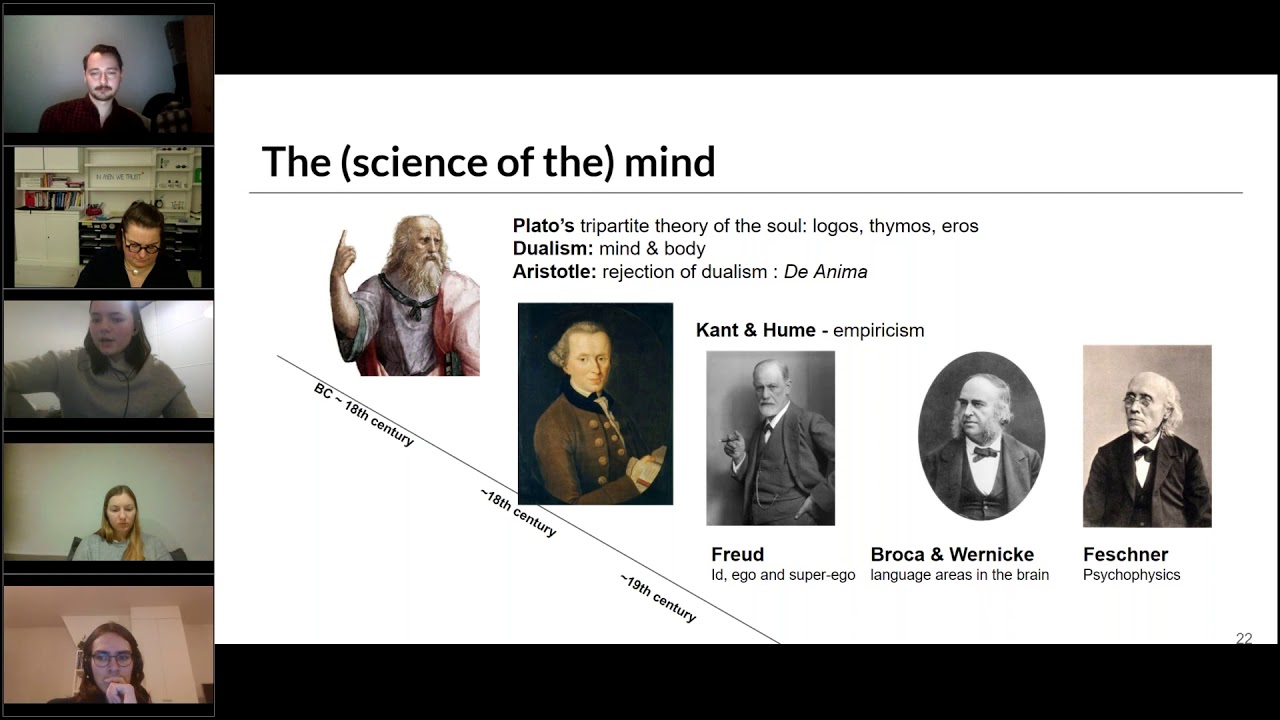
An overview of the 'cognitive revolution' in psychology and how it shifted focus back to internal mental processes.
Awareness of common mental health concepts, particularly how stress, anxiety, and depression present clinically.
In-depth study and identification of specific cognitive distortions, such as catastrophizing, personalization, and emotional reasoning.
Practical application of core CBT techniques, including cognitive restructuring, thought records, and behavioral activation.
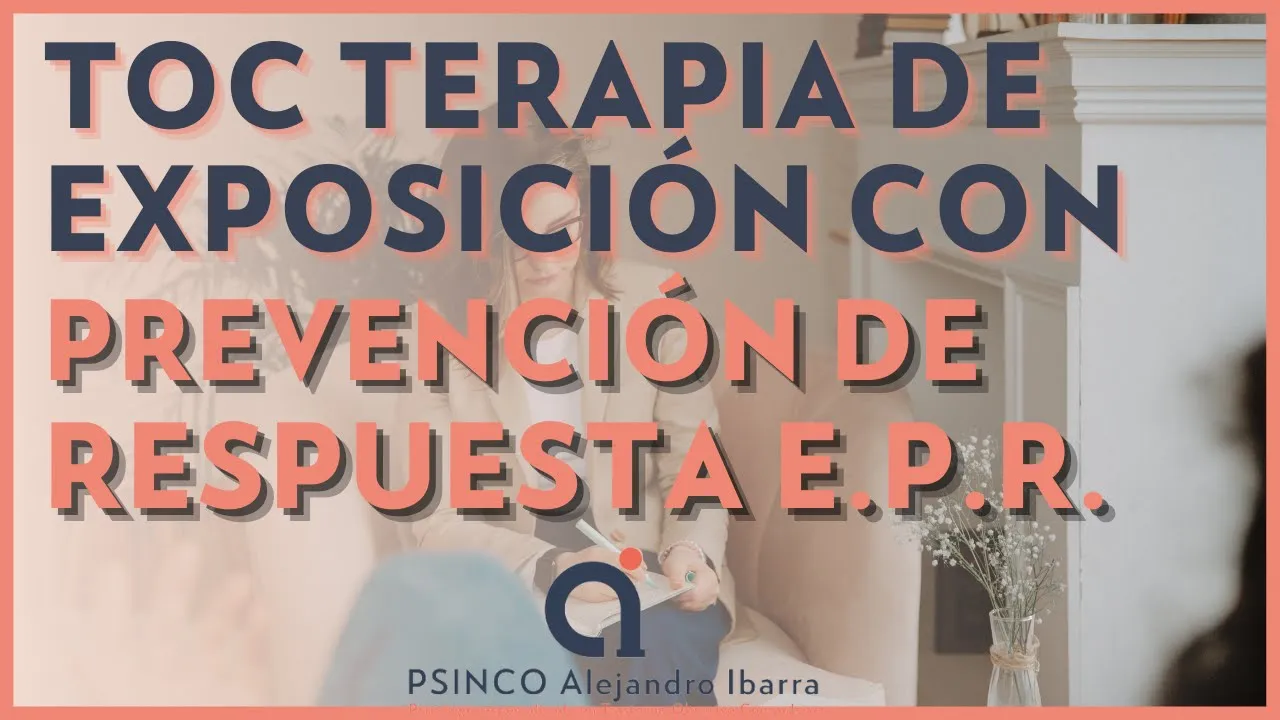
Exploration of specialized CBT protocols tailored for specific diagnoses, such as Exposure and Response Prevention (ERP) for OCD.
Introduction to 'Third-Wave' cognitive behavioral therapies, such as Acceptance and Commitment Therapy (ACT) and Dialectical Behavior Therapy (DBT).
278 views21likes4:04Original Release: 2023-07-29
hi welcome back to therapy to the point I'm Jeffrey I'm a licensed therapist and in today's video I'm going to go over the basics of cognitive behavioral therapy first I'm going to explain what cognitive behavioral therapy is after that I'm going to explain how cognitive behavioral therapy aims at alleviating symptoms cognitive behavioral therapy is a therapeutic modality that combines cognitive therapy rational emotive behavioral therapy and behavioral therapy cognitive therapy was developing Dr Aaron Beck rational emotive behavioral therapy was developed by Dr Albert Ellis and behavioral therapy was pioneered by Ivan Pavlov BF Skinner and Albert bandura among others the main premise of cognitive behavioral therapy is that there is this interconnectedness between the situation our thoughts our feelings and our behaviors meaning that one change to one of these is going to influence the whole cycle this means that in cognitive behavioral therapy we use specific interventions for each one of these four categories let me explain in cognitive behavioral therapy your therapist is going to help you assess what is best to try to change whether it's the situation your thoughts about the situation perhaps your emotions or your behaviors depending on what needs to change depends on the intervention that will be used let's say that you and your therapist decide that the best course of action is to try to change the situation then with the help of your therapist your therapist is going to guide you to be able to gain those problem solving skills for example they might help you look at the situation from a bird's eye view an example of this might be if this situation was happening to a friend of yours or to an identical twin of yours what advice would you give them typically that answer helps you problem solve your therapist might even guide you to find other people in your life that can help you through the problem that you're going through it's worth noting that your therapist is not actually going to give you the solutions but they're going to empower you to find your own Solutions now let's say that you and your therapist determined that the best course of action is to try to change your thoughts or how you perceive the situation then there are going to be specific interventions such as cognitive reframing finding the evidence lawyering the thought thought records different things like that that can really help you aim to change your thinking patterns it it's worth mentioning that cognitive behavioral therapy does not try to make you think more optimistically it simply tries to get you to think in a more balanced and realistic way if you're working through your thoughts you might even identify something that are called cognitive distortions or thinking errors and you're in your therapist are able to label these distortions and use specific techniques so that your belief in these distortions doesn't affect you as much if you and your therapist discuss that the best course of action is to tackle the feelings directly then you might use techniques such as imagery to evoke the feeling or an emotional response from you there's a great technique called The Empty chair technique that can also help elicit emotional responses this helps you be more in tune with your feelings now let's say that you and your therapist determine that the best course of action is to modify your behaviors then you might see interventions such as behavioral activation activity scheduling behavioral experiments token economies positive versus negative reinforcement or interventions that are similar to that it's worth noting that you can work on two things at once so you might be working on your thoughts and your behaviors as well especially when it's a thought that is getting in the way of engaging in a functional behavior for example let's say that you want to exercise but you're having to thought ah I'm too tired to exercise then you might work through that thought to then be able to get yourself to exercise this is a basic introduction to cognitive behavioral therapy I hope you liked it if you like this video make sure to give it a thumbs up and for more content like this be sure to subscribe to my channel thank you and see you in the next one
Up Next

64:48
PTSD Diagnosis, Conditioning, and Evidence-Based Treatments
@PsychiatryBootCamp
268 views•2025-06-08

32:45
Memory and Long-Term Potentiation | Physiology | MBBS Exam Prep
@doctutorialsmbbs
307 views•2025-08-27

10:28
Neuroanatomy: Central and Peripheral Nervous System Divisions Explained
@AKLECTURES
136.2K views•2014-09-20

3:05
Stages of Labor and Vaginal Birth | Childbirth Animation
@nucleusmedicalmedia
52.1M views•2017-08-18
Related Study Plans & Knowledge Roadmaps
Structured learning paths in Medicine
medicine
Interpreting PFTs: Spirometry & DLCO
01Respiratory Anatomy and Physiology Foundations
02Spirometry: FVC, FEV1, and Flow-Volume Loops
03Lung Volumes and Plethysmography
+ 2 more learning modules
12h5 modules
Explore Roadmap
medicine
Abnormal LFTs: Diagnostic Workup & Pathology
01Liver Anatomy and Basic Physiology
02Introduction to Liver Function Tests (LFTs)
03Hepatocellular vs. Cholestatic Patterns
+ 3 more learning modules
12h6 modules
Explore Roadmap
medicine
Analyzing Blood Smears: RBC, WBC & Platelets
01Introduction to Blood Components & Smear Preparation
02Normal Morphology of Blood Cells
03Erythrocyte Pathologies & Morphological Variants
+ 2 more learning modules
12h5 modules
Explore Roadmap
medicine
Mechanical Ventilation: Waveforms & Alarms
01Anatomy and Physiology of Breathing
02Introduction to Mechanical Ventilation & Core Modes
03Ventilator Settings and Waveform Interpretation
+ 2 more learning modules
12h5 modules
Explore Roadmap