























PTSD is a trauma and stressor-related disorder characterized by four symptom clusters—intrusion, avoidance, negative alterations in cognition and mood, and arousal—following exposure to actual or threatened death, serious injury, or sexual violence. While most trauma survivors (80-90%) recover naturally, approximately 8-10% develop full clinical PTSD. The development of PTSD can be conceptualized through classical conditioning (where trauma-associated stimuli trigger fear responses) and operant conditioning (where avoidance behaviors are negatively reinforced by providing temporary relief). Evidence-based treatments include Prolonged Exposure Therapy (targeting avoidance through systematic exposure), Cognitive Processing Therapy (addressing distorted cognitions through cognitive restructuring), and pharmacologic options like SSRIs (sertraline, paroxetine) and prazosin for nightmares. Treatment success requires understanding avoidance as a maladaptive coping mechanism and building therapeutic alliance with compassion, as engaging in exposure-based therapies demands significant courage.
PTSD Diagnosis, Conditioning, and Evidence-Based Treatments
Added:[Music] Welcome back to Psychiatry Boot Camp.
This is our second to last episode of the season. This is a little delayed because in addition to wallowing about my first one-star review, I have been trying to wait out some respiratory symptoms. But then I realized that this is show and the show must go on. Okay, so the flagship diagnosis of the trauma and stressor related disorder section of the DSM is post-traumatic stress disorder, which is what we are covering today. This is a diagnosis that all mental health professionals will see all the time. My guest is Dr. Laura Watkins, who is going to walk us through the diagnostic criteria and explain how the different categories of symptoms and PTSD can really impact someone's day-to-day life. Dr. Watkins is also going to explain PTSD in terms of classical and operant conditioning which strikes me as a very high yield review for prite board and shelf exams and I thought it was really helpful in terms of conceptualizing the development of PTSD and how treatment models can help to alleviate symptom burden. Finally, Dr. Watkins will walk through the fundamentals of evidence-based treatment for PTSD, including both psychotherapy and psychopharmarmacology. And without further ado, welcome to Psychiatry Boot Camp, Dr. Laura Watkins. And I will ask you to introduce yourself to our audience. Of course. So, I am an assistant professor at Emry University in the psychiatry department, and I'm a clinical psychologist at the Emory Healthcare Veterans Program, which provides pre-treatment of invisible wounds of war for veterans and service members who served post 911. um mainly in an intensive two-week outpatient program. So my clinical expertise is in providing evidencebased treatment for PTSD, substance use, and related problems. And I'm excited to be here today talking with you. Awesome. Yeah, I always kind of start looking for a guest by going to see who's on various boards and who has the most publications. And you were right up there at the top and then I saw that you had a link to the state of Nebraska. So I thought, well, this is a slam dunk for sure. Yeah. got my degree, my PhD at University of Nebraska Lincoln.
Okay. So, where to start with this topic? I think we'll start by just kind of orienting listeners to what PTSD is broadly and then we can narrow in on some of the more specific experiences that people with PTSD might experience.
How do we define PTSD?
Yeah, that's a great great starting point. So PTSD is a disorder that can develop after experiencing a traumatic event and it includes several criteria.
One of them is actually experiencing that traumatic event and then the rest of the criterion fall into clusters of symptoms that include intrusion, avoidance, negative alterations in mood and cognition and arousal symptoms.
Okay. So then maybe we will just go criterion by criterion. And um I hate to do this because I never want our listeners to think that we're oversimplifying the human experience into a list of criteria, but I do think that going criterion by criterion will allow us a chance to take a deeper dive into various areas of PTSD. So looking first at criterion A. So this is the, you know, you've experienced a traumatic event. And this strikes me as one that might be particularly controversial, for example, in forensic settings, um, kind of debating if something meets criterion A or not. What kinds of experiences would qualify for meeting criterion A?
Yeah, I think that's an important question. So with DSM criteria, we have a very specific way of defining trauma and that is exposure to actual or threatened death or serious injury um or sexual violence and that can happen in a few ways. So it can be like directly experiencing the event. So that would be like you experienced sexual assault or it can be witnessing in person the event as it occurs. So like in military service, you could witness another vehicle hit an IED and someone get wounded or killed. Then you can also learn that the traumatic event occurred to a family member or a loved one. And in that case, this event has to be violent or accidental for it to qualify.
So for example, learning that your brother was murdered would qualify. And then the final way that you can meet criteria for that traumatic event is experiencing repeated or extreme exposure to aversive details. So this would be like first responders collecting human remains or like police officers being repeatedly exposed to like details of child abuse. So this would not apply to like seeing scenes on news or media. One of the ways I kind of heard this explained very concisely is that trauma is not what happens to you.
It's what happens inside you. And I think people interpret things in all different ways. Um what might be something that is able to roll off one person's back for another person that may keep them up for many nights um for a multitude of reasons. But when we're speaking very strictly in the DSM sense, one of the things that strikes me is these sort of subriteria use words like extreme, violent, etc. Right. Yeah, that's a good point. Yeah, these are things typically where you you feel like your life was in danger or someone else's life was in danger. Criterion B is intrusive symptoms. So what are these? These are those symptoms where the memory of the trauma is coming up in unwanted ways. So this can be either while the person is awake with like intrusive memories of the trauma just popping up unexpectedly. It can be while the person is asleep through nightmares or it can be in response to triggers or reminders of the trauma. So having a strong emotional response when when you see a reminder of the trauma or even a physical physiological response. So like your heart rate is increasing, your breathing change, you're sweating, or finally the last one is flashbacks, which are not as common, but that's when someone actually feels like they're back at the traumatic event. So really ex loses a sense of time of where they are currently.
I I would imagine that these intrusive symptoms, especially that last one, that could create a safety concern either for the person or the people around them. But especially like in thinking about relationships, intimate relationships, etc. You know, these intrusive symptoms are basically I'm I'm trying to go about my life, but the symptoms that I'm experiencing from this event that happened in the past are sort of always invading my space, not allowing me to do what I need to do in everyday life. Right. Yeah. they really interfere with a person's ability to experience. Um, and that's a good point too with the significant other. A lot of times we hear about people who are having nightmares acting it out in sleep and their partners noticing this and yeah, it's it's it's really debilitating in a lot of ways. Criterion C, we're moving into avoidance symptoms. So, how might we see these avoidance symptoms present? So, avoidance can present two ways in general. So avoiding internal experiences like memories, thoughts, feelings. So really when trying to push that memory away, trying not to think about it. It's this very distressing thing and so people try to not experience that distress by pushing it away. And then the other way is avoiding external things. So avoiding things, reminders of trauma. So situations, people, places, things that remind them of the traumatic event. So they may avoid a particular place or people that look a certain way or just crowded areas that remind them of where the trauma happened, going out of their way to avoid those reminders. Yeah. Yeah. And this is another way that trauma can really interfere with life because this avoidance can grow over time and kind of generalize. So it could start with avoiding the particular park where someone was physically assaulted to to avoiding all parks. And so with avoidance, a lot of times a person's world just gets smaller and smaller over time. And then thinking also about the internal avoidance, I just immediately think of so many people that I've met who will sort of do anything to not have these horribly distressing thoughts. The big one that comes to mind for me is substance use disorder. Any comments on the relationship between substance use disorder and PTSD? Yeah. Um that's a very high coorbidity in this population and you're right like a lot of times people start using substances to push away the memories or the way that they're feeling and you know it does change that in the short term and so they go back to that and and that becomes a pattern can create more problems in their lives. Another way that I see this come up a lot is just staying overly busy. So like really just trying to schedule every minute of your day so that you don't have time to think about it or feel things. So yeah, there's it it can take up a lot of time or create more problems. One of the things that always strikes me about these, you know, sort of maladaptive coping behaviors is that as you mentioned, in the immediate moment, it actually does make sense, right? If you do use these substances, you will have less anxiety for a second. It's it's not until you kind of pull a lens back and look at the long-term curve that you can see, okay, in the overall math, this is really not leading to an improved quality of life for me. But when we're in the moment, when we're trying to deal with these really difficult thoughts, we don't have the ability to look from 50,000 ft. So, do you in your experience, do most people who are seeking treatment for PTSD self-present or is it more that people in their lives are saying, "Hey, you know, there's something going on here. I really think that you should talk to someone and and and any tips on navigating that conversation if it's the latter." Yeah, I think it can be both.
So, sometimes people notice that they're not living the life that they want to live and they present on their own. But yes, a lot of times there is a push from loved ones to get help as they notice this person really struggling. It can be helpful to involve like a significant other in treatment either in one session or in like our intensive outpatient program, we have multiple group sessions where a loved one can join and then an individual session. So it can be really helpful to get that person involved in helping the person with PTSD be successful in treatment. Okay, so that's our avoidance symptoms, internal avoidance, external avoidance. Criterion D is the negative alterations in cognition and mood. So thinking about the patients that I've seen, this strikes me as one of the more difficult to treat symptom clusters.
like when I match sort of symptoms to the various evidence-based psychotherapies that we have which we'll talk about later. How do we characterize the negative alterations in cognition and mood? So, it's a lot like what it sounds like. It's basically this overall change in the way we think about things or like our our mood, our emotions. So, we tend to see an increase in uh general negative emotions. So like guilt, shame, fear, anger, um a decrease in positive emotions like love and happiness, like difficulty experiencing that even with like family members, people that you normally do or used to feel those emotions with with the change in a lot of times these are changes in beliefs about ourselves. So we may think that there's something seriously wrong with us or that we can't get better. Beliefs about others. Uh a lot of times there's difficulty trusting others, thinking you can't trust other people or the world.
So beliefs that the world is dangerous or unsafe. So those are some of the common changes and beliefs that can happen after trauma. And then some other of the symptoms that are in this category are like feeling distant or cut off from others, loss of interest and previously enjoyed activities, distorted blame about uh yourself or others in relation to the trauma. So a lot of times people may blame themselves for a traumatic experience.
So like for a sexual assault, someone may blame how they dressed or that they had maybe one more drink than they usually had. Or you can blame others that weren't inherently responsible for the trauma. So in like war, you may blame your commander instead of blaming the enemy who set off the IED. And then the last symptom here, there's quite a few, is forgetting pieces of the trauma.
And this is blocking it out. Like blocking out particular parts of the trauma. This is not forgetting due to like head injury or substance use. So it has to be this active thing where they're trying not to remember because it's painful.
So this is the criteria where we see what is often called moral injury. It feels like you're saying where it's, you know, I've either been exposed to something or I've done something that is not consistent with my underlying beliefs as a person or who I thought that I was or what I thought I was capable of doing. So, not to opine too much, but I always think about these soldiers that are sent to the border, you know, and they signed up in the military to sort of fight for freedom and instead they are turning away a mother and her children with the barbwire fence, you know, at the border.
And I think a lot of these people who went in for all these amazing reasons might think to themselves, my goodness, like I didn't think that I was this type of a person. But it's really just a situation that they're placed in. It's what we as a society are asking of them.
And so when you're placed in situations where you're having to act in a way that's not consistent with your values, I I think it makes sense that you have some shame, guilt, etc. around that. And then our job as professionals is to kind of help people to understand the greater context and hopefully be more compassionate to themselves to kind of treat this criterion.
Yeah. Yeah. That's that's right on. Um, a lot of times when people are pushing away a memory, they're not remembering the full context and not thinking about all these why, you know, this happened that why I was in this situation, all the these different factors that led to maybe a decision they made that now they're not happy with. So, it really is our job, like you said, to put it into context and help them remember all these different pieces. Criterion E, these are arousal symptoms. And when I think of the way PTSD is portrayed in the mainstream media, I think arousal symptoms are kind of the most obvious of media portrayals. What are the arousal symptoms? Yeah. So, arousal are these symptoms having to do with being like heat up or on edge. Um, so I think the most uh common one that we see in media is hypervigilance. So this is when people are always on the alert or looking out for danger. So even when there's no apparent threat. So like when they're walking around a grocery store, scanning other people, watching their hands, making sure they have an exit strategy. in a restaurant, they may not be willing to set with their back to the door. So, just constantly kind of alert on guard looking for a threat or danger.
The other symptoms here are exaggerated startle. So, this one also you've probably seen represented in media um hearing a loud noise and like hitting the floor. We all have startle responses, but with people with exaggerated startle, it's just going to be more extreme. So either a more extreme response or a longer time for them to recover from that response. Then there's difficulty concentrating. So if we're kind of heat up on edge, it's harder to focus on what we're doing.
There's an increase in just general irritability and anger outbursts. Uh difficulty sleeping and an in increase in risky behaviors. So kind of putting yourself more at risk. So driving maybe really fast without wearing a seat belt. This one strikes me as like you know the body's response to trauma is such a basic biological function the fight flight freeze etc. And many people never are in a position where this very deep biological mechanism is unlocked but some people are and I think once that very powerful instinct is unlocked it sort of sticks with us for a long time. So that might be like my startle response had to be activated at one point for a good reason, but now it's no longer helpful to me. I'm continuing to have a startle response. And also something about being in this fight, flight, or freeze seems natural to me now. So I might be doing these more adrenaline seeking behaviors because that's even if it's not helpful to me, that's kind of where I feel more comfortable. Yeah. Yeah. Exactly. And some of these some of the hypervigilance symptoms are actually trained into military or service members just like the looking for a threat. Excuse me. And always being aware of potential danger, which is very helpful when you are in a war zone, but not so helpful in civilian life. It can really take away from being able to enjoy what you're you're doing.
Like if you're at a restaurant with a loved one and you're constantly looking for that threat or danger, you're not paying attention to that person in front of you. Or if you feel like in crowds, you have to always look for that threat or danger. You can't enjoy like sporting events or concerts like you may have used to. So it can it can really interfere as well.
Yeah, I hear that last one all the time.
And that's an amazing point about how these behaviors are socialized into people like our military personnel, but also in families. You know, it might be a family value that for one reason or another, the parenting technique is to keep the children on edge or for some reason the children are on edge. And so maybe some people are more likely to develop something like post-traumatic stress disorder because they've been trained to be vigilant at baseline and then something happens. Which leads me into my next question. Now that we have gone through the criteria for PTSD, it strikes me that a lot of people go through traumatic experiences, but not everyone develops a clinical picture that is fully consistent with PTSD. So what's the story with that? Yeah. Can I just backtrack to something you said with uh you you noted like parenting and um one thing that actually I see a lot with parents who have PTSD as a motivating factor to come in to get treatment. So they don't teach their children these behaviors. So really not wanting their child to grow up and and do the same things that they're doing like always looking for a threat or always looking for danger. So a lot of times that can also be the motivating factor for treatment is is providing their children a more sense of a safe world. So the parent with PTSD may be modeling the hypervigilant behavior. So they are always looking for threat danger and they're concerned that they're teaching their kids to do this as well. or they notice that their kid is like picking up on some of that that they need to look out or they can't go in crowded spaces or I need to keep mommy or daddy, you know, I need to hold their hand when we're in particular situations and and they don't want their their child to experience that. So that can be a a motivating factor for coming in and getting help. Gotcha. That's really helpful and and a very helpful way for clinicians to help to motivate people to seek treatment. This is this kind of gets to motivational interviewing in a way. You know, what are your values? What are your beliefs?
Oh, you really love your child. Right?
And then the patient might themselves say, I sure do, and therefore I'm going to take this big step, which is sitting in front of somebody and really going through this and trying to deal with it head on. Yeah.
Okay. So, moving into why some people experience trauma and do develop PTSD, some people do not develop PTSD. What do we know about that?
Yeah. Well, first off, experiencing a traumatic event is really common. So, it's like about 90%. So, most people have experienced or will experience a traumatic event during their life. And then the rate for developing PTSD in lifetime is about 8 to 10% of those people who experience trauma. So most people who experience a traumatic event are going to kind of naturally recover from that. So really the most common response to trauma is resilience or recovery. We do tend to see some symptoms showing up after a trauma for like a month maybe and then a lot for a lot of people those symptoms naturally decline with time. for others they stay elevated and that's when it starts to present problems in their life where and when we would diagnose PTSD. Another common thing that happens after trauma is other kind of mental health disorders or psychiatric disorders. So like I think one study found that like 38% of people with like a diagnosible psychiatric disorder after trauma exposure had like depression or substance use or an anxiety disorder other than PTSD. So with a trauma it's like a huge stressor, right? And so people may respond to that in different ways. It's not always PTSD.
So when I have a patient coming to my office in this sort of like what we might call acute stress disorder scenario where there hasn't been a significant period of time since the traumatic events occurred but they are having symptoms of PTSD not meeting full criteria for PTSD. If I want to provide psychoeducation to that patient and and sort of share with them what you shared which is the most common response to trauma is resilience. How would you do that for a patient? Would you offer them any numbers about, you know, x number of people by x month feel this way? Or maybe I'll ask you, pretend that I'm a patient with acute stress disorder and you're trying to reassure me, you know, what what would you say? How would you do that clinically?
Yeah, I think yeah, I would provide that education that a lot of times it's normal to have some of these symptoms after trauma. And for a lot of people, they do naturally decline. for some people, you know, they tend to persist, but I think it's great that you're here talking about this that should actually help that resilience happen. We know that if you avoid thinking about it, talking about it, that's when kind of this PTSD tends to develop. So, you're in the right place um to help kind of get that resilience and that that is a criterion right there, right? The internally avoiding etc. And it speaks to the kind of vicious cycle which is that sometimes the symptom can ultimately be a cause and vice versa. Mhm.
Psychiatry boot camp is brought to you by simple practice. Are you thinking about starting your own practice, but you're too daunted by the business and logistics? Or maybe you have a practice, but you're spending so much time on scheduling, recordkeeping, and billing that it's burning you out and slowing you down. Simple Practice is the solution for you. Simple Practice is an all-in-one EHR designed to help practitioners thrive. From admin work to clinical care, Simple Practice has a suite of tools that work together to simplify practice management. This includes e-rescribing and PDMP checks integrated within the app and a lab slip template that can be easily sent to patients within the portal. With Simple Practice, you can spend your time on what matters most. For an exclusive 7-day free trial and 70% off four months, visit simplerpractice.com/bootamp. That's simplerpractice.com/bootamp. Psychiatry Bootamp is brought to you by Beattheboards. I am so excited to have Beattheboards as a partner because this is the question bank that I used to study for my own psychiatry board exam and it made the exam a breeze. The Beat the Boards question style was so close to the style of questions on the real exam that I felt overprepared during the test. Beat the Boards has courses in psychiatry and virtually every other area of medicine. Visit beattheboards.com to view the entire catalog and take advantage of Psychiatry Boot Camp's exclusive additional 10% savings by entering the word boot camp in the referral line in the shopping cart. Again, unlock these additional savings with referral code boot camp.
That's one word, no spaces, boot camp.
Are there any factors which predispose a person toward developing full clinical PTSD? So we know there are some things that are related to developing PTSD. So people who experience more trauma or more severe trauma are more likely to develop PTSD post 911 like veterans have higher rates of PTSD like about 20 23%.
PTSD is more prevalent in women and in some racial minorities like Latinos, African-Americans, and American Indians as compared to non-Latino whites. And then also it it's more common to develop PTSD if you have a family history of psychiatric disorders or you have a history of physical disease. So there are some factors that are just related to developing PTSD after trauma. Moving past the clinical now into more theoretical models. How should we think about the development of PTSD? Do you think there are any theoretical models of learning and behavior that can be helpful for our clinicians when they're sort of formulating why a person might be experiencing these PTSD symptoms?
Yeah, I do think it's really helpful to think about it with different theoretical models and one or a couple that I find helpful are just learning theories. So, they can be helpful when trying to make sense of why symptoms develop or PTSD develops. So, you have one that can be helpful is classical conditioning. So uh if you think of Pablo's dogs that is an example of classical conditioning. So teaching dogs to salivate to the sound of a bell. So we know that there are certain responses that are inherent. So dogs were presented with food which elicited that salivation. So those are the unconditioned stimulus and the unconditioned response.
And then they paired that bell, that neutral stimulus. So, normally a bell wouldn't elicit salivation in a dog.
They paired it with presenting the food.
And if you do that repeatedly, the dog then starts to salivate at the sound of a bell even when you don't present the food. And that's that conditioned stimulus and that conditioned response over time.
So you can also think about this in terms of a traumatic event how stimulus gets um associated with the sear response. So in a traumatic event the natural response is like what you referred to earlier that fight flight or freeze response where a body is just responding to threat or danger in order to keep the person safe and it's a good response. It helps us stay safe when we are in danger. So it prepares us to run away to fight that danger threat or just sometimes the safest thing to do is to freeze in place. So when that happens, it's a really intense response and everything in the environment can also be associated with that. So everything the person is seeing or hearing or feeling kind of all the phys all the sensations that we have anything in the environment can be associated with that fear response. And then so when they come into contact with something similar outside of actual danger that can set off that ris that fear response. So if you think about sexual assault during that experience fear, normal, good.
However, that the location of where that happened is not maybe inherently dangerous and but it can be associated with that response. And so then whenever they come into contact with that location or something similar to that location, it sets out that response um even in the absence of an actual threat or danger. So with PTSD, we're finding that fight or flight or freeze response is just going off kind of too often.
This alarm system is is setting off even when there is no threat or danger and just causing havoc in the person's life.
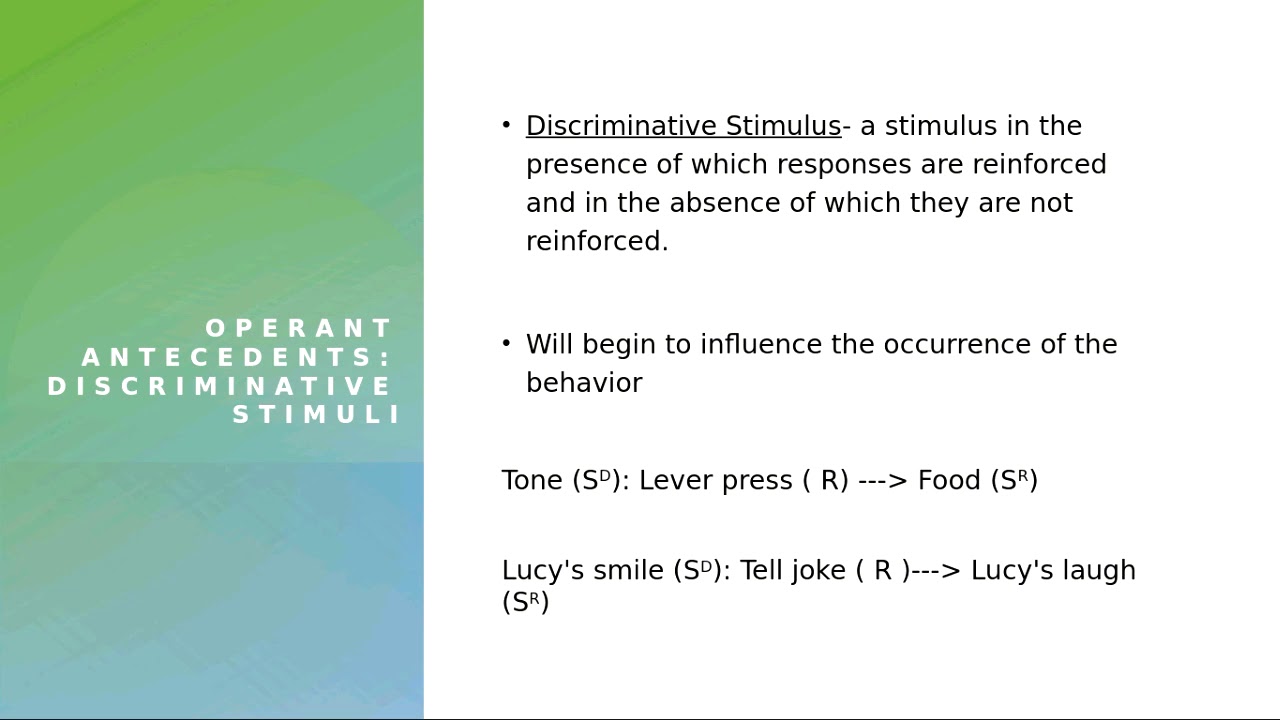
And that's sort of because of these conditioned stimuli. You know, the bell in the Pavlov's dog experiment which is does not inherently cause any sort of physiological reaction, but when paired with this very specific instance, it is eliciting a very strong physiological reaction, right? It gets conditioned into the person. I think that's really helpful clinically and also for all of our listeners who are studying for their board exams. This is really testable material. So, thank you. Thank you for taking that deep dive with us. Yeah, there's another learning theory that's helpful when thinking about avoidance um and how that starts to happen and that is operant conditioning. And so operant conditioning learning looks at what happens after a stimulus. So this is all about reinforcement. So reinforce a reinforcer is any stimulus that increases the likelihood of event or a behavior that preceded it will be repeated over time. So if I like on repeated occasions gave you $100 after you said hi to me, you may say hi to me more often. And then that $100 is a reinforcer if you increase your behavior. Um, so it's all about what happens to the behavior. If it increases after something, then that thing is a reinforcer. If you hadn't increased your hellos to me, then the $100 would not be a reinforcer. But that's So that's positive reinforcement. Positive reinforcement is adding something to increase a behavior. Negative reinforcement is taking something away to increase a behavior. So like if I have an itch and I scratch it, it goes away. It may increase the likelihood that I'm going to scratch more. In PTSD, avoidance symptoms can be thought of negative reinforcement. So if someone goes into a situation, feels that high level of distress or anxiety, kind of that fight orflight response, they escape. They immediately feel a lot better. It really brings down that distress or anxiety similar to how we were talking about substance use earlier. Kind of changes the way the person feels or maybe helps block out that memory for a few moments that reinforces that behavior doing that again. So escape or avoidance um staying away, not experiencing that negative emotion. So over time a person learns that by avoiding or escaping that reduces that negative emotion in the short term even though it doesn't help long term that that short term is really reinforcing and so a person continues to do it.
So in this model of negative reinforcement operate conditioning what are we taking away? We're taking away like the environment, the triggering stimulus. Is that right? And so by taking that away and by feeling differently, by feeling more calm, that is the negative reinforcement that is kind of leading to this behavioral change. Is that right?
Yeah. So, so an example for PTSD, if someone's like walking around, let's say, a grocery store and they see someone that reminds them of someone who almost killed them. So that due to classical conditioning just that person that they see elicits that fear and anxiety that response that fight or flight or freeze. So that person removes themsel from the situation and once they're in their car kind of away from that person that triggered that response they start to feel better pretty quickly. that negatively reinforces. So, they're more likely to use that escape or avoidance in the future. Leaving a situation is assoc um associated with those negative emotions being negatively reinforced.
Perfect. Thank you for that.
What do we know about the underlying pathophysiology of PTSD? Or maybe I'll just say the underlying pathology of PTSD. Yeah, we know. So there's lots of different factors that can contribute to PTSD developing. There are, you know, genetic factors, the environment that both can contribute to someone developing PTSD.
So you might be genetically predisposed and then something in your environment happens and between those that kind of perfect storm then you will meet full clinical criteria. Yeah. Yeah. So there's definitely some potential genetic risk and there are still like a lot of ongoing studies on this that's kind of getting larger and larger samples over time. So I think we'll know more about what potential genes and those types of things in the future.
There have been some some research showing different factors are related and there have been like twin studies showing heritability rates around like 30%. But then PTSD inherently has to have an environmental factor unlike other disorders there has to be that traumatic event. So you can't have PTSD if you don't experience trauma. And we also know that experiencing more trauma or more severe trauma. So think of people who experience childhood abuse repeatedly and then maybe experience another trauma in adulthood. We know that they're more likely to develop PTSD.
It's almost like the platonic form of an epigenetic psychiatric disorder. the sort of idea that it's a it's an obvious interaction between your genes and your environment because in PTSD unlike most of our other disorders we have criterion A which is a very specific environmental trigger. So I think we can think about it'll be interesting to see what happens as epigenetics involves with the pathophysiology of PTSD.
Any comments about the underlying neuroscience neurosircuitry? Yeah. So a lot of this work has focused on like fear related learning. So kind of similar to what we were talking about before. But we know that like fear neurosircuitry involves several different brain structures like the amygdala, the anterior singulate cortex and the intromedial prefrontal cortex.
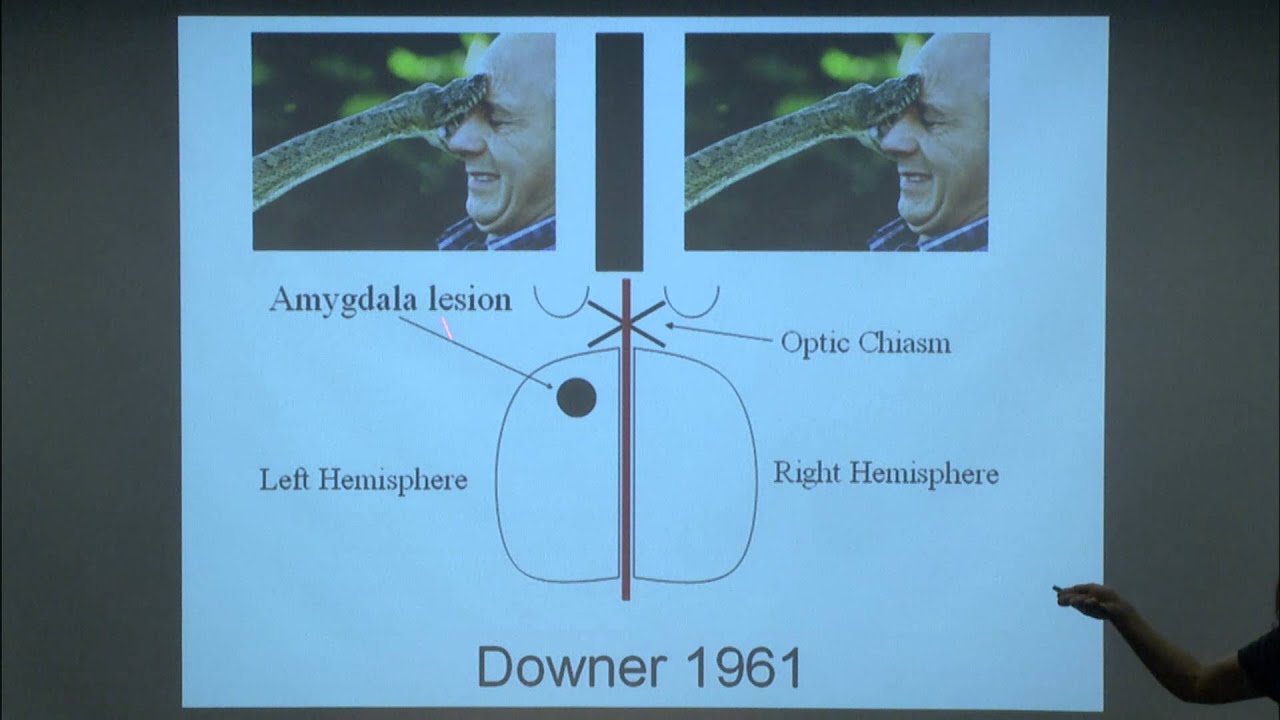
And so that whole network is implicated in evaluating whether a stimulus should be approached or avoided. And activity in this networks related to fear and anxiety. So we know that there have been fMRI studies that suggest that the amygdala is overactive in PTSD and likely is contributing to that exaggerated fear response.
The VM PFC is supposed to downregulate the amygdala and it tends to be underactive in PTSD. So, it's inhibiting it less. So, again, we're kind of seeing this hyperactive like fear response. And finally, the ACC processes adversive stimuli and projects to the peripheral nervous system to trigger a response. And research has shown that it is hyperactive particularly during extinction recall which is when a person would be in in fear learning that's when someone is learning to not be afraid of a stimulus anymore. So if you think about PTSD that would be learning that that location say a park where maybe they were assaulted is not actually dangerous. So that would be extinction learning.
And so it's in that process of extinction and we're going to talk about therapies here in one minute. It's the process of extinction learning would be the anterior singulate cortex. Yes. So it would um well it's hyperactive during extinction. So that's it um being dysfunctional. So it processes that immersive stimuli. And so if it's it's thinking that the immersive stimuli is more dangerous than it is, then it's going to be eliciting more of that fear response.
And then I think the the big almost very obvious one probably to most people listening to this podcast, but not to a general audience would be the amydala, sort of our satellite dish scanning for threats, right?
um which is overactive in PTSD and then our ventromedial prefrontal cortex which you mentioned is underactive and kind of unable to turn off that satellite dish when it's triggered. Right. Right. Okay.
Um and there is also context processing that's also been looked at in relation to PTSD. So like the hippocampus is involved in contextualization or like accurately discriminating threat in the environment. um and can also help down re regulate the amygdala and facilitate that extinction learning when it's functioning normally. So there's also been some studies showing that it appears to be like underactive or hypoactive and PTSD. So it's not kind of downregulating the amydala like it needs to be.
Hypoactive hippocampus. Yes. Good. Okay.
So once we've made the appropriate diagnosis, there's sort of two broad categories of treatment that we want to think about. Psychotherapy, psychopharmarmacology. I really want to talk about psychotherapy because I know that's your area of expertise, an area that I think is less easily testable, less taught in psychiatry programs. So I want to give our listeners some context, some information about the evidence-based psychotherapies for PTSD. So let's go ahead and do that. So what are the evidence-based psychotherapies for PTSD? Yeah. So I I'll I'll talk about the two with the most evidence. Um so there's prolonged exposure and there's cognitive processing therapy. And the so the strongest evidence for treating PTSD is psychotherapy.
So if you look at like the VA or DoD guidelines for PTSD um clinical practice and I think just came out 2023 a newer version individual psychotherapies are recommended over medicine but there like you mentioned there are some that have strong recommendation as well. Um but our first our first place we want to try to encourage people to go is is therapy.
So prolonged exposure I'll start there and just give an overview of that really focuses on addressing trauma related fears and symptoms and really targets the this avoidance piece. So what we know about PTSD is that like we talked about earlier, a lot of people have some symptoms after trauma and for some people those stay elevated over time.
And we know that this avoidance piece and the changes in the way our beliefs way we think about ourselves, other people in the world really keep those symptoms going over time. Um so the two kind of psychotherapies that I'll talk about today really target um avoidance and and changes in beliefs. And so both therapies are typically done in outpatient settings weekly like 9 to 12 sessions. Prolonged exposure tends to be 90 minutes and cognitive processing therapy is 60 minutes. and they both involve book work assignments. They're both going to have some psycho education about PTSD, presenting to the person what we know about PTSD in general, why we think avoidance develops, that it makes sense why they're experiencing these problems, just to put it into some context. And then each therapy will get into the rationale for their particular mechanism of change. So starting with psycho education, this is I think a really PTSD, evidence-based psychotherapies for PTSD is a really good example of where you absolutely have to have a strong therapeutic alliance in order to begin this work, but having a strong therapeutic alliance in and of itself is not going to help with symptom extinction in the long term. So when you're talking about psychoeducation, orienting someone, making them feel comfortable, you're saying that's sort of the first step. talking about um the ways in which our patterns of thoughts, patterns of feelings, etc. lead to some of these symptoms and then we get into the specific techniques for working through these traumatic memories with a patient. Right. Right. Yeah. And and a lot of times psycho education is how that relationship develops. like gear presenting information and understanding what symptoms they're presenting with, getting feedback from them on how that lines up with their experiences. And a lot of times people feel very alone with PTSD and just hearing that, you know, a lot of people experience this. It's a common disorder after trauma can be really helpful for people. just knowing others others out there that experience similar things.
Would you be willing to go into the more specific mechanisms of prolonged exposure therapy for us? Yeah. So prolonged exposure like its name uses ex exposure techniques um which are probably the most researched technique and therapy and has been shown to be helpful with anxiety and fear for a lot of different disorders. Um, in particular, a prolonged exposure uses what we call invivo exposure, which just means in real life. And this involves addressing that external avoidance. So, systematically working towards approaching things, situation, people, smells, sounds that the person's currently avoiding. And we do this first by having the person well first it's helpful to have them think about what they want to take back from like PTSD. What are those things that they'd like to be able to do again so we can make it value driven?
what they want to be able to do and then specifically what are the targets or situations that they want to start approaching again or be more comfortable in. And through that, so they're going to develop what we call a hierarchy where they're listing different activities and rating how distressing they are. And then we'll take a step by-step approach starting with something that elicits some distress but it feels manageable and as they conquer that or feel more comfortable with that they will kind of step up on the hierarchy.
So with exposure what we're doing what we're trying to teach them is that they can experience some distress or anxiety and be okay. like they can experience high levels and manage it and make it through it. That that anxiety or distress doesn't last forever. Like any other emotion, it's going to go away with time. And by repeatedly approaching these situations, that distress and anxiety tends to come down with time. And it really starts to build up their self-confidence again that they're able to do these things. are able to go to the grocery store and they don't have to go in and out right away or they can go at any time of day they want to rather than avoiding all the busy times. So really building up that confidence.
Again, also a lot of times there's those underlying beliefs that something terrible is going to happen when they approach these situations. So that they're um either going to there's going to be some kind of threat or danger, a shooter, or there's going to or they're going to get distressed that that something they're going to do something terrible. So a lot of times exposure is testing this out as well and teaching them that these beliefs are not accurate. So they that this is not going to happen. They can handle this and there's not going to be some outside threat.
So their homework would be that invivo exposure and then they would come back to you for a session and we would discuss what were your expectations, how did it go, etc. Yeah. So there's a So they like in session you would decide on an invivo exposure for them to do for homework and you would um have them schedule it for at least 30 to 45 minutes because we know it takes a little bit of time for that fear response to go up and come down. So we want them to be able to sit in it for that long. And for outpatient therapy, you're going to try to get them um to commit to doing it every day. So, you want them to have that repeated practice between sessions. In our our program, we're lucky we use prolonged exposure and we do it in two weeks where the person's coming in every day. So they'll have they have an invivo group where we'll do the first exposure with them in group and then after that they'll they'll do it on their own but you get to kind of do it with them and provide support. A very intense two weeks. Yes, it is. It's a very intense two week. So the other piece is imaginal exposure and imaginal exposure is working to address avoidance of the memory and feelings. So basically this involves a person going through their traumatic memory and detail repeatedly to really process that memory and also to learn that that distress that they experience when thinking about the memory they can manage that and by repeatedly approaching it again similar to invivo that distress is going to come down with time. So there's the two exposure pieces and prolonged exposure. So there's both invivo and imaginal.
Gotcha.
Okay. Shall we move into cognitive processing? Sure. So cognitive processing therapy really targets the distorted cognitions and beliefs. And so it's going to take a little bit of a different approach than exposure.
Basically, with uh cognitive processing therapy, you think about there's three ways to incorporate new information when we're learning. So, there's assimilation, accommodation, and overaccommodation. And I'll just go through those um because they are helpful when talking about um CPT. Um so assimilation is when information is altered in order to conform to fire prior beliefs. So this can result in self-lame for a traumatic event. If someone views themselves as strong and in control they can think of they can have the belief that because I didn't fight harder it's my fault that I was assaulted.
So then overaccommodation is changing one's beliefs to prevent future trauma from occurring. So that can result in beliefs about the world being dangerous or people being untrustworthy. Because this happened, I can't trust anyone or because this happened, I'm not safe outside of my house by myself.
Finally, accommodation is altering beliefs enough in order to accommodate new learning and that's what you're striving for in CPT. I couldn't have prevented them from assaulting someone or assaulting myself. So, kind of altering beliefs so that they're more accurate to to the situation and to kind of the future. It's not saying that the world is never dangerous, but most of the time we are not in danger. So, cognitive processing therapy really introduces uses cognitive therapy skills. So, first a person learns about the connection between thoughts, feelings, and emotions and like events that precede them.
Then they'll start to learn about what we call stuck points. So these are maladaptive cognitions related to the event. So they can be kind of those blame cognitions or they can be those overgeneralized beliefs about the world and others being dangerous or or interestworthy.
So people begin to learn to challenge these cognitions that are like ineffective or not working for them. And so they'll they go through several different skills, but basically you're using cognitive restructuring to challenge these beliefs and come up with alternative beliefs. And as the person works through that, we see a um decrease in PTSD symptoms.
And natural structure of cognitive processing therapy is is it always 10 sessions? Um it's usually 12. So the first are learning these cognitive skills and so there's a lot of worksheets in CPT where you may have seen these. The person is working through the worksheets and basically you're teaching the person to be their own therapist. So when they notice a thought that's coming up, they can go through this worksheet on their own. And then you continue to use um those worksheets throughout therapy. But then the last I think six sessions there's particular topics that are brought up about common like areas of of belief. I think trust is one, blame is one, and then there are several others that we know are like common places where people have cognitive distortions. So then you specifically go through those and talk about if that relates to anything that the person is experiencing.
I'm glad you brought up that cognitive distortions there at the end because when I hear about the stuck points, that's really what I think about is if we can find a stuck point, something that is I mean it's such a it's such a um graphic description, right? A stuck point. I can't get past this. I can't get past this thought. I can't get past this feeling of blame, feeling of guilt, this misperception of something that is causing a functional impairment for me.
I'm stuck. And I just I think about that chart of cognitive distortions that we use in cognitive behavioral therapy which of course is very closely related maybe some sort of a feeling or probably a a parent of cognitive processing therapy that would be really helpful in working through those stuck points. I have to recommend to our listeners there's a this American life episode episode 682. It's called 10 sessions. If you have not listened to that episode finish this one and then go listen to it right now. You get to walk through cognitive processing therapy with a patient and her therapist for an hour.
Yes, there are serious ethical questions that I have about this episode, but it is very very entertaining and a very intimate look at sort of what cognitive processing therapy is. So, if you're if we've piqu your interest here, um it's a little bit of a downgrade, but go listen to Ira Glass and see what he has to say about cognitive processing therapy.
Yeah. We'll talk just a little bit about the medications. So there's two FDA approvals for PTSD. Certillene and peroxitine. Two of our SSRIs are approved for PTSD. Of course, the way FDA approvals work, it's based on what studies have been done, which is what studies have been paid for. I think there's reason to believe that other SSRIs, which work very similarly, will also be effective for PTSD and are often used, specifically fluoxitine. There is some evidence for things like venlaxine, mortazzipene, and if you really just want to learn about the psychoparm of PTSD, go to psychoarm.mmoi m oi. Dr. Oer has a wonderful algorithm there for you to work through on your PTSD psychoarm. One of the things that I think is really helpful and this is from my clinical experience as well as the evidence is praisin for nightmares. One of the things that patients with PTSD often say is, "I'm afraid to go to sleep because I know that as soon as I shut my eyes, I'm going to have these awful nightmares."
And sleep is so important to our overall wellness, our physical health, our mental health. If you can get someone better sleep, you might just start a positive feedback loop where they feel more well rested, they have better affective regulation skills because they got better sleep. And so prazisonin for the right patient um it can be really safe really effective for treating nightmares and some of the studies show that you need a relatively high dose of prazisonin like over 10 milligrams. Uh of course you want to start low and go slow and follow the patient but I think a common mistake that's made here is trying you know 2 milligrams of praisin and then saying well it's never going to work. um you want to work with your patient, follow their values. But that's one where you might consider starting praises for nightmares and then doing psychotherapy and then consider the SSRI or some patients really prefer to go the medication management route. They're not willing to engage in therapy yet. And so you might use the SSRI to sort of lower that activation energy, get them into therapy, etc. So that's my very brief overlook of medications. I think most of our listeners are getting plenty of that in their education. And again, psychoparm.mobi is where you can find a really helpful algorithm for you.
Anything to add there, Dr. Watkins? Um, just that the VA DoD clinical guidelines also has um the medications listed and there's a dosing table in there. So, that's another resource and we can link that in the episode notes as well. Okay. So, we talked a little bit about the ACES study as an example of things that might predispose someone toward developing clinical PTSD.
We talked a little bit about substance use disorder as a common coorbidity with PTSD. Are there any other common co-orbidities that you would want our learners to be aware of so that they can look for it once they have determined that a patient is experiencing some trauma and stressor related symptoms?
Yeah, I mean both mood and anxiety disorders are common co-occurring disorders with PTSD. So I think it's helpful to look for those in addition to like you said substance use. Coorbidity is really high with PTSD. So it's like 50 about 58%. So more than half of patients are going to have another disorder. And then lifetime coorbidity is even higher. So most often if you see someone with PTSD they're going to have another disorder as well. The nice thing is that typically if you treat PTSD, other things tend to get better too. So it is it is helpful to target that in general. If PTSD tend seems to be primary, it's helpful to target that first.
any sort of practical in the clinic tips for our trainees when they're specifically interacting with this population techniques they might employ to help to build a better therapeutic alliance with people who are experiencing PTSD.
Yeah, I think it's just important to keep in mind the role of avoidance and how it makes a lot of sense why people engage in that even as it's not helpful long term. And it's also helpful to just keep that in mind that if a person is presenting to you with these problems, that takes a lot of bravery. they are starting to face the things that cause them the most distress. So just coming with a lot of compassion and understanding that this is really hard.
This is if you think of your worst fear, this is what they're doing. They're approaching that and it's it's a really challenging thing to do. So coming that way, but also instilling kind of hope in the person. We have really effective treatments for PTSD. If the person is willing to engage and put effort into it, there's a good chance they will get better. So, I think both kind of coming from it with that compassion and also hopefully helping them to see that they can get better and they can live the life that they want to live. They can do things that maybe they're not doing currently. Perfect. So you can set their expectations that if they're able to engage in treatment, they will get better. And you can prove it with data.
You know, this is not an opinion. We have many, many studies on this. Now, PTSD is sort of one of the first um you know, we think all the way back to shell shock, right? It's kind of one of the first mental disorders that came to public consciousness. And so it's been studied for a long time and we know a lot about what works. And you can show that to your patient. Yeah. Okay. Just a couple more questions for you. We know that all the way across the diagnostic spectrum, people's cultural identity influence the way they both experience distress, communicate distress. When thinking about PTSD specifically, are there any culturally specific factors that we need to be aware of? Yeah. So, I think like risk of onset and severity of PTSD may differ across cultural groups.
Just relative risk of a traumatic event happening is going to differ. If someone is growing up in like a war zone, they're experiencing more trauma, right?
Or if they're in a religious or ethnic group that's being persecuted in some way, they may experience more trauma in their lives. And then some symptoms can present differently or be more common in certain cultural groups. So particular sematic symptoms may be more common and like dizziness, shortness of breath, heat sensations, beliefs, the way we think about ourselves, people or the world may be influenced by the culture the person grew up in. So our values, our cultural values are going to influence the way that we think about things of course. So yeah, I think that kind of aspect can influence all different types of symptoms. So really trying to understand where the person is coming from and what what influences how they're presenting is an important part of assessment.
Dr. Watkins, any final thoughts for our listeners? I think it's a it's a challenging and a rewarding population to work with because avoidance is is key. So people may show up once and then may be hard to get in touch with again.
But again, if you're able to help someone, seeing them kind of retake their life and do the things that they want to do is is one of the most rewarding things that can happen.
Awesome. Well, thank you for spending time with us. Yeah, thank you.
[Music] Thanks for listening to this episode of Psychiatry Boot Camp. Please leave a rating and review. If you have questions or feedback for me, you can email me at psychiatry [email protected]. The opinions shared in this podcast do not reflect the opinion of any institution, including host or guest employers or podcast partners. This podcast is not intended to be used as medical advice or in any legal proceedings whatsoever, including to establish a standard of care. This podcast is intended only as a supplement to a complete accredited psychiatry residency and is grossly inadequate to rely on for medical decision-making. It is intended to entertain and inform. You should always rely on your own clinical judgment when making medical decisions and contact your physician for medical advice.
Up Next

Complex Psychiatric Cases: Diagnosis and Treatment Approaches
@nyphospital
77.3K views•2017-06-20

Memory and Long-Term Potentiation | Physiology | MBBS Exam Prep
@doctutorialsmbbs
307 views•2025-08-27

Neuroanatomy: Central and Peripheral Nervous System Divisions Explained
@AKLECTURES
136.2K views•2014-09-20
Stages of Labor and Vaginal Birth | Childbirth Animation
@nucleusmedicalmedia
52.1M views•2017-08-18
Related Study Plans & Knowledge Roadmaps
Structured learning paths in Medicine