



![[이슈&뉴스] 온도 낮추는 도심 속 '작은 숲' 늘려야](https://i.ytimg.com/vi/UCMFkRQgvEo/sddefault.jpg?sqp=-oaymwEmCIAFEOAD8quKqQMa8AEB-AHSBoAC4AOKAgwIABABGEcgZSgqMA8=&rs=AOn4CLB619rWnZFEkvInn47micVbDkb9vw)







![CS2 #11 | LOTEANDO EM TERRENOS ÍNGREMES [Cities: Skylines 2 – Gameplay PT-BR]](https://i.ytimg.com/vi/ZmlZBfu3jCA/maxresdefault.jpg)









Urban forests provide essential ecosystem services including carbon sequestration, air purification, temperature regulation, and biodiversity support, yet face unprecedented threats from climate change and urban development; effective urban forest management requires balancing multiple competing priorities through strategic planning that incorporates equity considerations, natural asset valuation, and climate adaptation while maintaining community engagement and protecting mature trees that provide disproportionate environmental benefits compared to younger plantings.
Urban Forest Strategy for Climate-Resilient Housing
Added:Fundamentals of urban planning, zoning regulations, and the socio-economic drivers behind affordable housing demand.
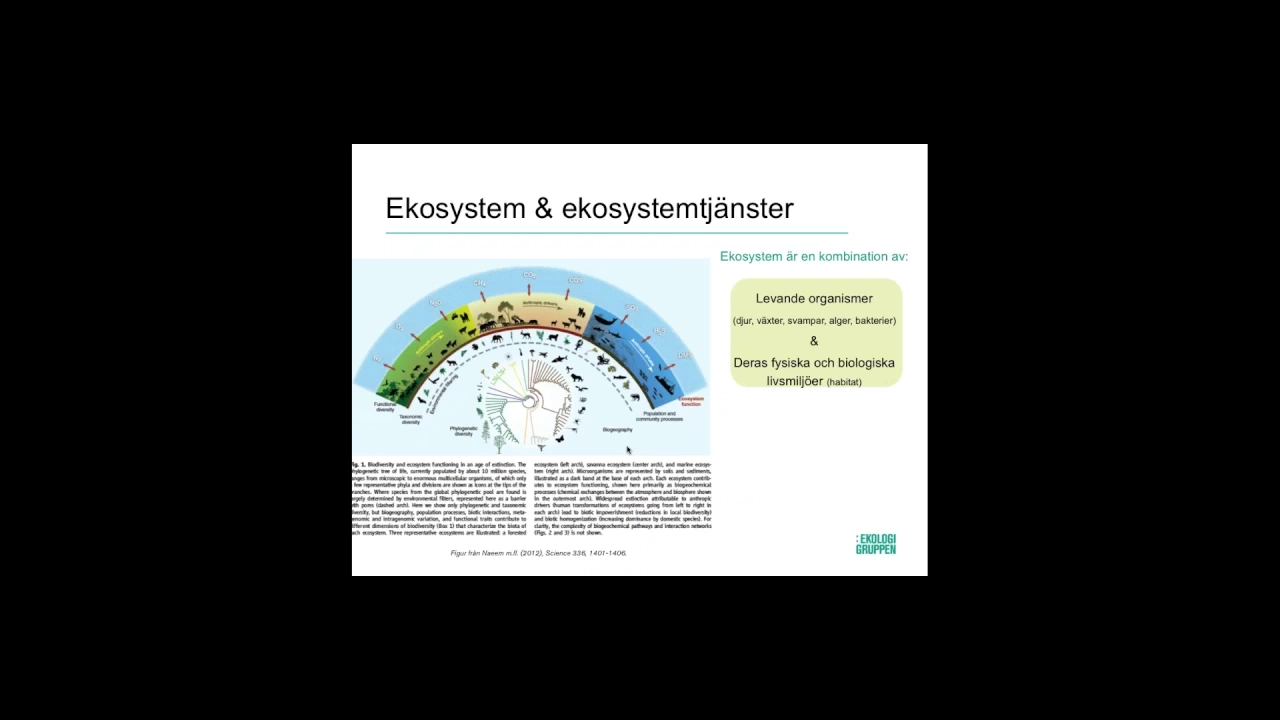
The concept of the 'Urban Heat Island' effect and the ecological role of urban forests in temperature regulation and stormwater management.
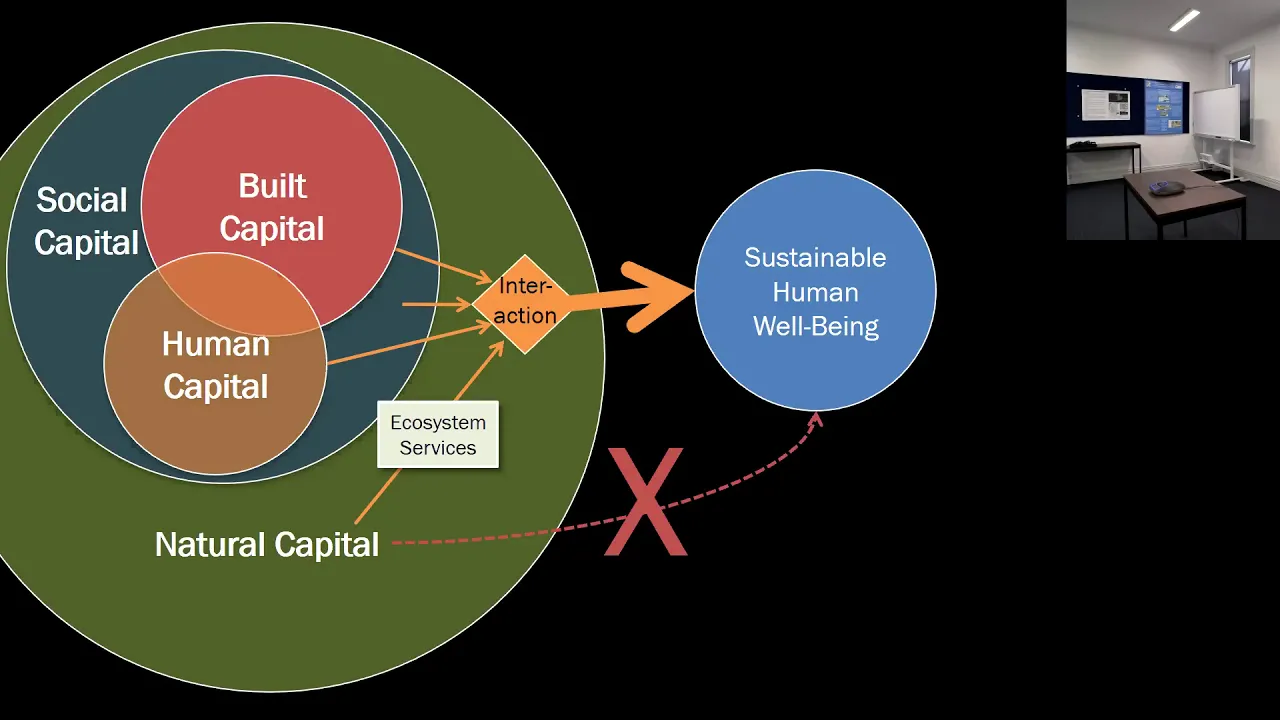
Basic principles of 'Natural Asset Management,' specifically how municipal governments categorize and value ecological infrastructure.
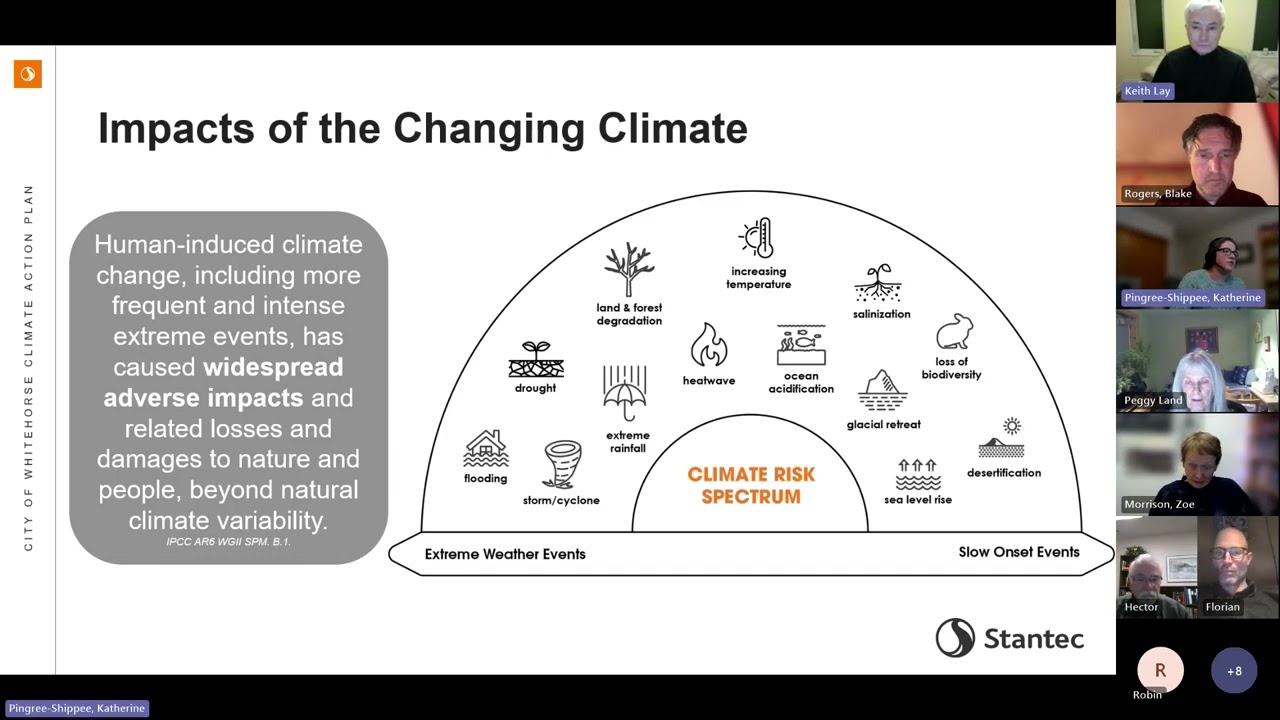
The distinction between climate change mitigation (reducing emissions) and climate change adaptation (building systemic resilience).
Advanced green infrastructure policy, including tree protection bylaws and green space mandates in high-density residential zones.
Quantitative valuation methodologies for ecosystem services, such as municipal natural asset accounting and cost-benefit frameworks.
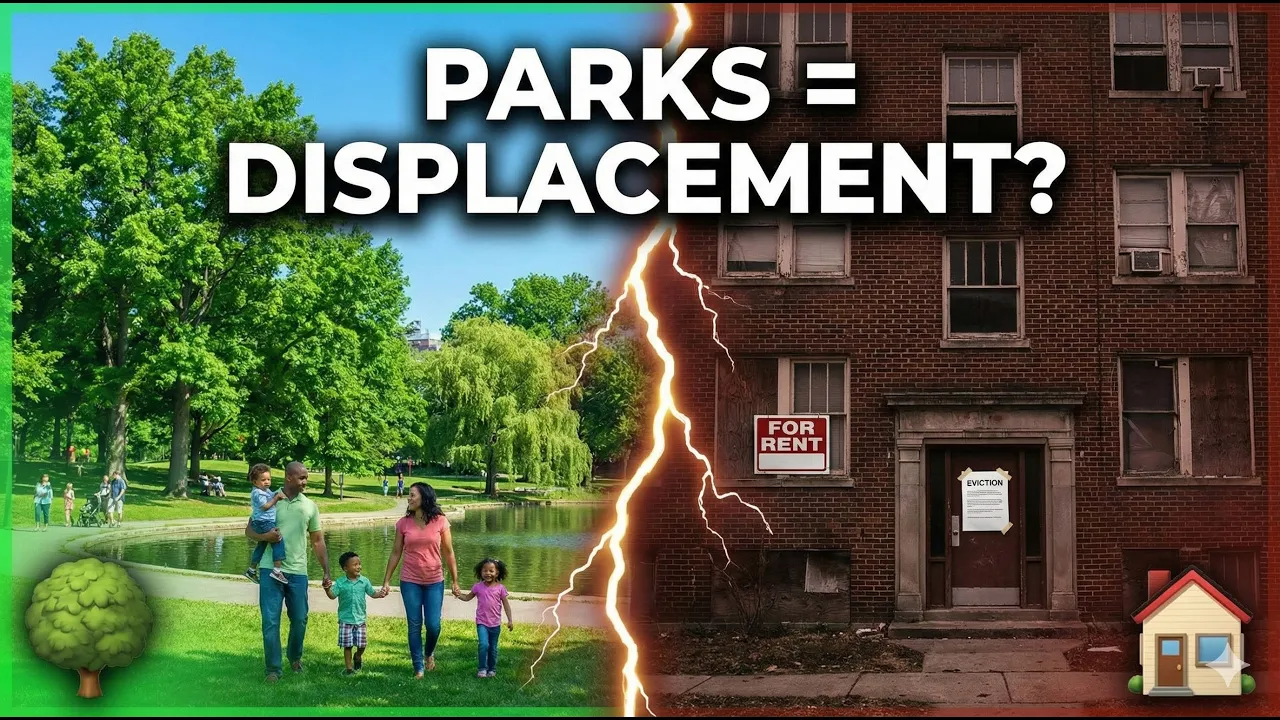
Environmental justice and 'green gentrification'—balancing urban greening initiatives with the prevention of displacing low-income residents.
Climate-resilient architectural design, such as integrating passive cooling, green roofs, and sustainable drainage systems with urban forestry.
153 views0likes2:05:12Original Release: 2023-12-18
[Music] thanks for joining the Tri Cities Urban Forest Forum this is the second Forum that has been put on by Burke Mountain naturalists protect coquitlam's Urban forest and wond tree Fellowship so there are four or five really amazing speakers tonight we have two from the city of Coquitlam talking about the climate action plan as well as the urban Forest management strategy we have Dr Adrienne Doon we have Isabelle Gordon and Brian witer so tonight um the main question that's going to be grappled with is how do we maintain a healthy Urban forest in the midst of unprecedented development and also with the challenges of climate change so join us and stay tuned to hear some great speakers and learn all about what we can do thank you okay good evening everyone welcome to the second dry cities Urban Forest forum and I just have to say how wonderful it is to once again see a whole room full of people who are ready to listen learn and share information about the urban Forest so a huge thank you to everybody for being here tonight I also want start by acknowledging that we are on the traditional ancestral and unseated territories of quum First Nation so we um thank the quitan people who continue to live on the lands and to care for the lands and the waters and all that lies above and below and we also want to acknowledge that ketam have been good stewards of these lands for many Millennia and our hope is that these Urban Forest forms can in some way um continue that good stewardship as far as the urban Forest is concerned so trees are really a Cornerstone to a healthy community and I think a healthy Urban Forest provides us with so many benefits it helps to mitigate the effects of our changing climate um we get so many valuable ecosystem services and it's also really critical to both our physical as well as our Mental Health and I think we really really saw that um a couple of times both during the heat Dome and during the height of the pandemic where did we all head to we all went into the urban Forest we all headed for the trees so it's a very important component of a healthy community and I think the health of our regional Urban forests right now are facing a couple of really critical challenges so we're looking not only at a changing climate but also Al at unprecedented levels of development and I think public awareness and engagement will really be key in ensuring that we can maintain a healthy Urban Forest both now and into the future so the Tri Cities Urban Forest Forum really provides us with this valuable and and I think a very unique opportunity so we get to have the public we get to have experts speakers some of our elected representatives as well as City staff all coming together in one room to look at a shared vision for the future of our Urban forest and we can also start trying to Grapple with some of those really difficult and complex questions like how do we meet the urgent need for affordable housing while retaining the healthy Urban Forest we need to manage climate change so we've got a lot of good conversation happening tonight I think um and we're also grateful to have some of our elected representatives with us I would like to acknowledge uh city coun kitam city counselor Craig hodj who is here with us [Applause] tonight and also city counselor from kitum ra Rob [Applause] masero and if I missed anybody else um please just put up your hand so we will carry on with some regrets so we had a lot of people that wanted to be here tonight as far as elected representatives but it's really like hurting cats trying to get them all into one room at the same time everybody's so busy so we did have regrets from uh kitum counselors Dennis Marsen and Steve Kim Maple Ridge mayor Dan roomy and uh City councelor Sunny Schiller who says it's wonderful to to see so much work being done locally around Urban Forest management um we had regrets from Vancouver City councelor Lisa dominado who said that she really wants to connect with the urban Forest work that's being done here and Park Board commissioner Marie Claire Howard who said she would love to have this information shared more widely with them MLA Rick lumac says as a steadfast supporter of climate change action and preserving our natural environment the subject that this forum will cover are of great interest and he is sincerely thankful for the invitation unfortunately all of our mlas are in Victoria um and unable to attend but he sends his regrets and best wishes for the Forum we also have uh a note from MLA Finn Donnelly who says thanks to W stre Fellowship Burk mountain naturalists and protect kitum seran Force for organizing the evening's forum and he's also in Victoria he just had a couple of notes he said as my friend elain Golds pointed out some years ago you don't have to be a tree hugger to appreciate trees so that's stuck with him Elaine after all these years um he said trees not only improve our sense of well-being but they also enhance the quality of the air we breathe one hectare of forested land will absorb all the carbon dioxide a car will produce in 40,000 kilometers of travel that is why it's so important that you are discussing tonight how to meet the urgent need for affordable housing while retaining a healthy Urban forest trees are needed more now than ever to help manage the effects of climate change and I hope you find tonight's discussion inspiring and informative and we also received regrets from MLA Mike barnworth so we're really excited also to have um City staff from across a number of municipalities so thank you for joining us tonight if you're City staff I'd also like to thank Tri Cities Community television for filming tonight's um forum and it allows us to reach out to a wider audience now we have a full agenda tonight so we have five wonderful speakers and for the sake of time we're just going to ask is that City councilor Rob masero causing trouble already up there there's always got to be one okay so we do have five really really great speakers tonight and so I think for the sake of time management I know there's going to be tons of great questions and discussion but if we could ask you just to hold those questions we're going to hear from all of our presenters first and once they've had a chance to present their material then we will have a chance for questions I promise so we're just going to start right off with our first presenter tonight and that is Arin gorby so Aaron is the urban forestry and park services manager at the city of kitland she's been working in the area of urban forestry for close to 20 years and has seen many changes in the way we speak about and value our Urban Forest Aon will be giving a very brief introduction to the urban Forest management strategy that the city of coitum is currently developing so please join me in welcoming Aon [Applause] and okay great thanks so much Nancy good evening uh everyone as Nancy mentioned I'm Aaron gorby urban forestry and park services manager with the city of Coquitlam I'm only going to be up here for about two or three minutes sharing um the great news that the city of Coquitlam um is beginning the process of developing an urban Forest management strategy this strategy is a business plan priority for the city and is currently in its early development stages we're excited to have brought Diamond Head Consulting on to help us develop this strategy Diamond Head Consulting has uh developed successful Urban Forest management plans across the Lower Mainland um as well as across North America we anticipate that our plan will guide Urban Forest Management in the city for at least the next 30 Years new spot this strategy is intended to be truly interdepartmental and will be aligned with and support other important plans and strategies in coitum including our uh climate action plan which is also currently in development and which you'll hear all about um in right after I finish speaking from Karen um there's postcards in the lobby that look a lot like uh what you see up on the slide behind me um they have the QR code and the web link um so please pick one of these up and take it home if you're interested in keeping up to date on our strategy next slide while we are early in the development stage we anticipate that our Urban Forest management strategy will recommend short medium long-term actions to manage the health of coquitlam's urban Forest it will recommend actions related to canopy cover and it will focus on stewardship and incentives to engage the community and finally it will address the unavoidable impacts of development on the urban Forest including possible recommendations around maximizing permeable surfaces tree replacement strategies as well as recommendations on best management practices to retain existing trees on properties under development in terms of timeline we are currently in phase one with our consultant doing um some background research and canopy cover analysis and we're hoping that the draft strategy uh can be provided to our Council for endorsement in the summer of 2024 as a call to action I would like to encourage all of you here tonight to get involved in development of this strategy there will be at least two different opportunities for you to provide feedback with the soonest being um early in 2024 please check out our let let's talk page which is um just down at the bottom there and also on the um the postcard um that's out in the lobby and you can go here and sign up to get regular updates about the strategy and learn more about the opportunity to provide your comments thank you so much for listening and um please enjoy the rest of the excellent speakers that are lined up for [Applause] tonight okay so thank you so much Erin for that overview we know that developing a robust Urban Forest management strategy is really key to ensuring that community enjoy the benefits of trees both now as well as well into the future so we really do thank you for sharing that information and encourage everybody to stay engaged and to provide input and feedback and um there will be more to come soon so we also know that a healthy Urban Forest will help us to manage the effects of climate change so our next speaker is Karen Johnson and Karen is the sustainability project special specialist for the city of ketum she's been working on community sustainability and Environmental Management for close to 15 years and is passionate about building connections and supporting Community climate action to tackle the climate crisis and build help build long-term resilience so Karen will be giving a brief presentation on the climate action plan that the city of citam is currently working on hey hello can you all hear me okay I haven't used a microphone in years and this is Wills word um so yeah thank you everybody for having me um tonight as mentioned my name is Karen Johnson I'm a sustainability program specialist with the city of kitum um and just really excited to be here tonight to um share just a little bit of a snapshot of what we're working on right now um in developing a climate action plan next slide uh so before we dive in I just wanted to take a moment to introduce our team at the city of kitum um we have Cara selk uh who is who many of you probably have met over the years and she's um our manager of environment and Laura sampliner who's our environmental sustainability manager and uh together they really lead us on all things climate action and sustainability and we also have Laura Bey and Ryan Von who are key members of our team working on emissions reduction um in both City operations and across the community and so we're all just really excited to be working on this plan and I'm of course happy to be here to um tonight on behalf of the team next slide please so why do we need a climate action plan uh as you all know we have been experiencing uh increasingly over the past few years the impacts of climate change both locally um and globally with human financial and environmental costs um to consider and we are experiencing these events um sooner and with greater impact than previously thought which really highlights the urgency for climate action um so we're really looking at how we can reduce our impacts uh while also working together to help prepare for and address these local climate uh climate impacts we also know that kitum is growing uh and we have the opportunity and a responsibility to influence and guide how that uh how we grow as a community and also so so last year um our Council approved our environmental sustainability plan which is our overarching guidance um document to really Advance environmental sustainability across kitum and through the development of that plan we adopted new science-based um greenhouse gas emissions reductions targets and these targets are aligned uh with global best practices with Federal provincial and Regional targets as well um and developing a climate action plan is really going to help us um to to reach those targets having a plan also really helps us to access opportunities such as funding um you know from external Partners uh and to to Really build some strategic Partnerships um to help Advance this work and then there's also a lot of really positive um outcomes or or co- benefits such as advancing equity and social inclusion uh reducing our risks to property values while also contributing um to you know our overall health and well-being um just to name a few of the other co- benefits of developing a climate action plan um and we do recognize that you know some of the actions needed to address climate change uh on a global scale aren't within uh City's Authority um and the climate action plan is really going to focus on Pathways and actions that are within uh the city's control and within our own individual choices as uh residents businesses and consumers next slide uh so in order for us to take um effective action on climate um on climate change we need to First understand where our uh carbon pollution comes from so we've broken this down into two categories we've got carbon from our city operations and carbon from the community and this information it comes from the provincial Community energy and Emissions inventory and it's all publicly available and this just provides one perspective on where carbon pollution comes from within the city of kitum and it's clear um from both City and Community operations that transportation and buildings make up the largest portion of carbon pollution followed by waste next slide so I'm just really quickly going to touch on um the four priority areas that we've identified for this plan and it's really based on our greatest sources sources of carbon pollution and from information that's been collected to date um through our Gap analysis and a broad review of uh Regulatory and policy efforts that are happening all around us at this moment in time um and these priority areas are this is where we know we need to make the biggest changes um in order for us to achieve our targets um and it's also really important to note that these are intended to just be a starting point and they're going to be refined over the coming months as we hear from the public and from businesses staff uh and key Partners to really ensure that the actions and the solutions we bring forward are going to be appropriate in line with other um strategies and uh plans that are under development next slide okay so how we build um this really includes all the homes and buildings in a community um from houses Town Homes to offices Stores um apartment buildings cultural buildings and most of most of the carbon pollution in this area really comes from the use of fossil fuels mainly methane or also called natural gas uh to produce heat and hot water for our daily needs um and reducing carbon pollution in this area means switching from fossil fuels to uh more low carbon energy um for example electric or Renewables um and adopting energy efficient behaviors uh so so for example replacing furnaces and boilers with heat pumps um or increasing insulation in a home uh in your home or business slide uh the next area is how we move and this includes all the ways that we get around from walking rolling cycling through to public transportation um single occupancy Vehicles buses and trucks and most of the carbon pollution uh from how we get around also comes from the combustion of fossil fuels um but in this case it's gasoline and Diesel uh so reduc ing carbon uh pollution in this area means switching away from fossil uh fuel burning vehicles to zero Miss Mission vehicles and other forms of active transportation and that's going to really have a positive impact next slide how we consume so this is all of the stuff in our lives this is the products we buy and the waste that comes from it and so it's really important to note here that our consumption choices um are impactful on a global scale and a lot of the products that we use um come from overseas and of course that's not captured in that data that I showed on the earlier slide um but it is really important for this conversation as well so most carbon pollution in this area that we actually have data for for cilum uh comes from the collection and disposal of waste in landfills and so reducing carbon pollution um in this area means making sure that goods and materials are produced and reused in a circular manner and reduce and avoid waste and then finally on our next slide uh this is how we Steward and it includes ecosystems and green spaces within our community including Parks Forest dreams uh Urban green spaces um and how we protect and enhance them so not only do these natural Systems Support biodiversity and provide important ecosystem services like cleaning our air and water uh they also provide important opportunities to store and sequester carbon um that can help us reach our ghg reduction targets and so it's important for us to Steward this land well U prioritizing conservation and restoration efforts such as you know tree planting um and you know our tree canopy can help to reduce high heat temperatures in urban areas and green infrastructure like natural foreshore areas can help filter rainwater and reduce Overland flooding so my last slide here this is where everybody comes in we really want to hear from you right now we are in our community engagement phase of this project uh we have a survey online that's going to be open until uh November 19th um and we're also going to be popping up all around uh city of kitum for the next couple of weeks uh trying to talk to people getting out um having conversations with a lot of key groups and with the general public um and then from here we'll be drafting the plan that builds on the foundations of our environmental sustainability plan um and is going to outline the pathways for reducing carbon emissions while also preparing for the impacts of climate change and we just really wanted to highlight how important it is um to to have these conversations and to get your feedback back because it really helps us to better understand um what challenges you face in reducing reducing carbon pollution and what really motivates you to take action on climate change and this is all going to really help uh to contribute to more meaningful actions that reflect your needs and priorities and then more specifically your feedback will be reflected in a what we heard report that will go to council um and as well as being reflected in the specific actions that staff will be able to put together for this climate action plan and I think that's it well thank [Applause] you okay so thank you so much Karen I think um a climate action plan is like a framework document to help guide a municipality how they can both mitigate and adapt to a changing climate and as Karen mentioned um green infrastructure and our Urban force is definitely part of that plan so um thanks game for both of our presenters from the city of coitum it's wonderful to have you both [Applause] here our next presenter is Dr andrean Doan and Dr andrean Doan is an assistant professor and the director of the planning program in the school of resource and Environmental Management at Simon Fraser University her current research fits within the fields of governance and planning and sustainability transitions which is soot Technical and Transformations which are socioecological so she explores systems and methods that enable or are barriers to change and seeks to advance planning equity and climate change responses through her work she's currently working on research projects related to planning for extreme hate exploring alternative approaches to planning for sea level rise and flooding and nature-based solutions and infrastructure in Rural and indigenous communities so please join me in welcoming [Applause] andrean uh thank you and thank you so much for having me um but to start I was sent these questions as a way to frame what I should talk about today so the first what does an urban Forest management strategy look like in a climate just City and then as a community undergo need transition what do we need to consider and what are the planning prot calls we need to avoid so these were like my prompts um that I was asked to think about in terms of today and to start sort of a larger frame that I think is important to think about this topic around Urban Forest Urban Forest sort of managements strategies but also thinking about that intersection uh with the just City and climate change as we heard before is to really think of sort of all of these things under the umbrella of like intersecting emergencies so we talk about the climate emergency there's also the biodiversity loss emergency as well as sort of the the crisis that we were experiencing around rolled around the topics around social Equity so what does it mean to respond to all of those things or what does it mean to consider all those things in how we develop management plans and how we engage um in our communities with our communities and how we plan for the future so kind that's sort of my lens in which um I'm thinking so I have two Frameworks not not not ready yet but I have two Frameworks that I wanted to present today as a way to respond to those questions and as a way to sort of think about how might you approach developing an urban forestry strategy or a climate action plan or any type of sort of plan with a community in mind I will say to things I am a planner and an academic so I love a good framework so I'm hoping that these Frameworks are of used to you I kind of really encourage you to think of these Frameworks as something that you can apply in a process apply to evaluate an existing sort of process or strategy or sort of pick and choose the the elements that work for you um but again I just want you kind of to help you think potentially differently of how you might approach this topic so the first one is sort of framed around this idea of priorities and tradeoffs um I particularly talk about this as from a trade-off perspective but I know that that can kind of come off as a bit negative so I'm also using the word priorities here I think Urban Force strategies and sort of urban force in general provide so many opportunities to give to our communities and to give to the different species we share our communities with and to think about sort of how we might sort of preserve and enhance what we have as well as sort of think about what might be in the future and at this same time I think it's really important that we don't oversell what an urban force can do or what these strategies can do they cannot do everything we're going to have to make choices on what we prioritize and there are going to be trade-offs that need to be made and I would really encourage everybody to like acknowledge that you can't do everything you want to do the best you can and I think it's really important that we talk about about that and that that information is made sort of transparent available to the people who are going to be impacted by these strategies as well as the people who are participating in the decision- making around what do these M strategies look like so I've got five tradeoffs here and I'm going to go through each one and sort of give you some idea of what I mean by that but how again they might sort of you might make some decisions or make some priorities as you're moving forward in again developing something like an urban forestry strategy but it can be other things as well these tradeoffs I would argue could be used in a in a variety of environmental sort of domains so again we're here to talk about Forest but you could do the same thing with st leval rise for GRE instruction stor management or other types of things but again um we talk about Forest the first one is temporal or time and Aaron brought that up sort of in the overview of the fact that sort ofit's plan is to have sort of a short long and short medium and longterm sort of interventions and and sort of components of the strategy but it is really important that you think about what is your goal like what are you trying to do are you trying to address something right now or into the future because you're going to sort of make different choices if we're thinking long term we're going to have to think about a changing climate and choosing species that are going to be able to with understand the changes that we're experiencing so in a lot of parts of the world what we're seeing is native species no longer being able to survive the sort of fast changing climats that we're experiencing now so how far are we thinking and and sort of how does that impact the kinds of let's say trees we're picking we're also trying to think too in terms of time um how quickly are you going to get started you know that sort of the old saying is like the best time to plan a tree is yesterday the next time is today what what sort of are you working towards so it's really important to think about that I think it's great sort of it was really sort of laid out how long the strategy is meant to sort of be working within in planning we tend to think you know 5 10 20 30 years um and those are optim the time we're working within although from an environmental perspective we could go much longer but time making those decisions and being clear about it's really important the next is space or spatial geography where are we doing this and that can sort of accomplish so many different things so it could be from a jurisdictional boundary perspective kitum has a strategy that they're developing Court Booty's put one out um I don't know what P quin's up to but maybe you're next um but to think about are you particularly think are you focused on an actual jurisdiction so are you thinking really best of the borders with which you operate within I would argue when it comes to for strategy that might not be the most appropriate way to think about things but that might be the constraint that you live within so the importance I think of communication and working across borders is going to be really important as well you're also going to be thinking about spatial Dimensions within the city where are there existing force or tree cover canop be and where are there not and how and sort of how are you going to make decisions around where you want to emphasize maybe putting more emphasis on trees new trees different species versus again enhancing or protecting existing areas so it's really important to think about where these things are happening within this and then again where space and time are also really important to consider together function what is the purpose of these trees and of these forests research shows that they don't NE you can so again think of it trees and we're like they're amazing they give us fresh air and they give us shade and they give us shelter and they give us food and they give us all these things the truth is they're not going to do all of these things well are you interested in mitigating Urban heat or are you interested in storm water management because you can get the co- benefits of both but one is going to they're going to be better at one of these things so what is the main priority what is the function with which you we looking for are you looking for Habitat are you looking for human artcreation are you looking for clean air or are you looking for something else you've got to name these things you've got to really talk about what it is you're doing why do you care about trees why do you care about Urban Forest what functions are you getting out of them what do you want to get out of them what do we want more of social Equity is also really important it connects to all the other ones who's accessing and benefiting the services from these trees and these forests in a lot of places wealthier um neighborhoods and wealthier people get more benefit because they tend to have more trees are closer to trees have more to Hurrican canopy and are closer to Parks lower socieconomic neighborhoods and people have much less access to all those things during the 2021 heat zome um the hottest neighborhoods in the city of Vancouver will also the lowest soci economic neighborhoods so again we need to think about who is benefiting from these processes but also who gets to participate in these processes um there's this really uh famous scholar um out of the US Nam Julian egman and one of the things he says a lot is do the people making decisions look like the people they're making decisions for and I think it's really important and he talks about this from an environmental justice perspective which is completely appropriate here to think about that so who gets to participate in these processes and who are we privileging in these processes are there people who aren't in this room today that should be and what's a way to reach out to them and make sure that they're part of these processes and that we're hearing from them and then species diversity um a lot of times when we think about Urban trees and urban forestry we tend to think about us but we are not the only species and entities to live in cities so is it about us or is it not about us who are we privileging who are we prioritizing and by the who is it humans is it non-humans which thesis are we wanting to invite into our spaces which species already live here how are we acknowledging that and how are we supporting biodiversity because again if we think about it from an intersecting crisis perspective it's biodiversity loss climate change and social Equity so we can't ignore the fact that we share our cities with other species and those species Birds sort of mammals insects but other entities like water rivers lakes and things like that and they also need and depend on trees but again differently than we do there's different benefits some people don't like trees in their neighborhood because they have leaves and at this time of the year there's a lot of leaves on the ground and they don't want this but there are different species who would really benefit from that also fun fact a lot of species actually there is higher biodiversity isn't correlated to trees but actually more to shrubs so if you want more animals insects in your cities think about some shrubs but also let the leaves alone like don't touch them so a lot of like other species really appreciate them for habitat and protection so again it's really important that you think about what are the tradeoffs what are your priorities and who are you privileging in these processes and I really want you to think about who from that big perspective who in terms of species and entities who in terms of people who in terms of thinking temporally are we thinking in future Generations or are we thinking in ourselves are we thinking spatially are we thinking just between the borders of where you live just within your neighborhood your backyard are you thinking about the greater good are you thinking about the larger public interest planners love to talking about the public interest and the fact that there are multiple public interests but we love this idea right we're all focused on Collective action and well-being and how does that fit into the way that we think about trees and urban Force um but where does that stop how do we think about that our first speakers you know were talking about the challenge between climate change being both local and Global same with biod diversity same with Equity um we need to be thinking about these things so this is my first framework tradeoffs second framework so the second framework um is sort of more directly connected to sort of one of the props that we've given around sort of adjust City so here I'm proposing or introducing um a ways to think about this is through five forms of justice so different ways to think about to Define and to evaluate Justice and how that might help us think differently think bigger about how we're engaging in these processes and what might a more Equitable Urban Force strategy look like so five forms of Justice what you'll see there's a a lot of connection or a lot of crossover to my tradeoff uh framework it's kind of on purpose um um here we're just going to really lean into the Justice component to those trade-offs into thinking about these different things so the first one is distributive so we call it distributive justice um the easiest way to think about it is from a geographic perspective again who gets access to these things um so in a lot of urban Force strategies um tree C canopy goals are sort part of it like what are existing tree cover canopies and how to increase them it's really important that you think about that in terms of intersecting that with other data sets so can we incorporate current tree cover canopy or current um location of green spaces and parks and can we add that let's say through GIS through maps with other layers that include socio demographic socio demographics so in particular thinking about do we have age do we have income do we have gender do we have um in terms of immgration of you know sort of arrival date do we have education levels do we have racialized backgrounds do we have gender backgrounds the more disaggregated so the more that you separate all of these different demographic data sets the more that you can get a more nuanced understanding of your population and then you can begin to see the relationship between different demographics and access to environmental benefits and it's really important that that work gets done and then that netw work forms the way that you respond and plan if there are certain neighborhoods that lack Tre cover canopy they lack access to those benefits and services so for me those are the neighborhoods that I would prioritize first in terms of increasing their treat Ty with canopy there's certain neighborhoods that are fine other neighborhoods need our attention sometimes the challenge though from a municipal perspective is a lot of these programs are often tied to let's say um rezoning or redevelopments because that's when money comes in and that's when you have the power to make developers or private property owners do more things however I would encourage everyone to think about taking that money and putting it somewhere else somewhere that needs it more if we're thinking about densifying um quium how are you doing that alongside maintaining or enhancing existing tree CER canopy how do you make sure that the people living in apartments have access to green spaces and for those green spaces to be sort of nuanced and offered lots of opportunities procedures about participation and process so being able to participate in the decision- making process but also for the information to be accessible and the information being accessible can be that it's publicly available it's on a website but it also means that it's in a language that people can understand people can only make decisions if they understand the topic and and it's our job I think as planners as Educators as sort of city staff in these processes to make sure that people have the information they need to be able to participate so that might be about providing education but it also might be about providing information in different languages really thinking back to the importance to understand your demographics so do people have can they participate truly in these processes I love what um Karen was saying too is like we're going to go to where people are at as part of the engagement process don't make them come to you there's a reason why certain groups haven't U Been participating in the past so participation and process is really important recognition is about recognizing past and current injustices and recognizing and understanding why those are why haven't certain demographic or certain communities been participating in these processes what are the existing or past injustices that they have been living with that have been preventing them from participating how might we overcome them how might we acknowledge them and move forward and create processes that are more just and more Equitable for their participation how do we repair harm that we've caused communities so that they can participate and they can benefit from these processes and these strategies around Urban forests epistemic Justice is related to like epistemologies and ontologies really thinking about ways of knowing and being different World Views particularly in places like Canada we need to acknowledge that there are multiple worldviews and there are stewards again as Nancy mentioned who have been doing this for thousands of years how can we think about biocultural values of trees in urban space in our spaces how can we think about ethnobotany how can we think about different connections that people have and uses that people have with these things also lived experiences this sort of balance of using science and data and balancing that with experiences people have but also connections people have the city of Melbourne had this really great program where they gave trees in the city email addresses and the idea was uh to support maintenance of trees so if there's a problem with the tree you could just email in and be like there's a problem with the tree there's a you know branches are cut down instead people began to write to the trees and they would write Poes and love stories and they would just tell the tree how much they appreciated their presence connection to place is so important and so and sometimes we don't always think about it environmental planners I one of them we tend to think about sort of the environmental components but but again people exist in spaces and that's really really important um but again we have to think about the fact that there are other ways of valuing things like trees that can be from an indigenous perspective or variety of indigenous perspectives that are here locally but it also is from a multi-species perspective which is the last one more than human is about a acknowledging and practicing that we share our cities with other species and entities and that we have to make decisions about things like ring Force strategies and trees and green spaces that are not only about us humans are not the only thing that exists in cities and how might we privilege how that we remember that we share these spaces and what might that look like how do we give a voice to different types of Spees and entities and how do we remind ourselves that these are shared spaces and that is our job to Steward and to support these spaces so that's my pitch you can't do everything so you're going to have to make some test decisions and while you're making those decisions please do so with centering Justice in those processes in those decision- making in your research in your engagement um I think that's the kind of approach and that's the kind of strategy that's actually going to help us respond to again the climate crisis the biodiversity crisis as well as ongoing social justice um challenges we're facing today that's [Applause] me so thank you so much andrean and I think you bring like a whole new perspective to this because you're talking about priorities and tradeoffs and then you're also looking at this through an environmental justice and an equity lens which I think are things that are fairly new to some you know some of the ways we make decisions and also not just within the human species but with all the other species that we share at the planet with so thank you so much for your presentation it's really expanding I think for all of us so our next um presenter is Isabelle and Isabelle is a passionate believer in the need to transform government Finance through a sustainability lens so we're going to see another perspective here um for the past nine years she has served as the Director of financial services for the District of West Vancouver where she helped create an environmental Levy and completed an inventory of the district's natural assets so the levian inventory have raised awareness of natural asset benefits and of the need to protect and enhance these assets amongst her many accomplishments she's a founding board member of the natural assets initiative which is dedicated to changing the way natural assets are integrated into decision making helping to Guide local governments in identifying valuing and accounting for natural Assets Now Isabelle isn't in the room with us tonight but we did pre-record an interview with her and thanks to Grayson's formidable technical capabilities here we'd like to share it with you now so if you like to put that out thank you hey so Isabelle Gordon thank you so much for joining us tonight um as director of financial services for the District of West Vancouver we're really grateful for your willingness to um share with us some of your expertise on Municipal natural asset uh valuation and management uh thank you Nancy I'm really uh delighted to be here uh uh I have spent uh quite a few years now trying to encourage uh various uh organizations and people uh including municipalities particularly which is where I'm focused to understand natural assets to uh begin to Value them and to integrate them into their Asset Management plans so uh I'm happy to share with with uh all of you anything that will be helpful I will sound one note of caution though which is that uh this this even though I've been working for a number of years there's still a great deal for that I don't know and that I think all of us do not know about managing natural assets so uh this is a Brand New Concept for a lot of people and uh it's got uh it's it's challenging there's no question about that probably the the best place for us to start is just right at the very beginning and um if you could tell us what natural asset management is and also um I think just as importantly tell us how it differs from traditional U Municipal Asset Management well I think I'll start at the back end of that question traditional asset management is something that um municipalities have been working very hard on probably for about the last 10 to 15 years I have to say that when I began working in a municipality I came from public practice uh one of the things that I found rather shocking this was in 1989 was that there was no fixed asset Ledger there was no list of infrastructure municipalities were being very casual about how they were recording their fixed assets and the Auditors of municipalities were being very casual about how they audited them uh until the public sector accounting board came along and said said this is not good enough and they issued a direction uh which uh we are required to follow I think it's called section 3150 uh that said You shall make a list of your physical assets and you shall make values and you shall uh record them properly and we all scrambled around like crazy to get these lists together and you know we we we sort of twisted our heads up to try and think how we were going to do roads and so on and how we were going to Value them but we got something down and once we had that list that's when Asset Management really took off we started going oh yeah well I guess we are responsible for all this stuff all these facilities all these uh roads and pipes and sidewalks and bridges and uh you know and and all this um uh all these uh various build which we own and sports fields and swimming pools and yeah maybe we should be thinking about what kind of state and condition they're in what is required to maintain them what kind of Maintenance schedules we have etc etc etc what kind of deferred maintenance do we have and that's when the fcm got involved across Canada when came up with huge numbers for the fact that we hadn't been really doing a very conscientious job on maintaining our fixed assets and and we uh all have been wrestling with that and we're still wrestling with it because everything that we have to maintain is very complicated but we when you say shall that means must basically right so each municipality must it's not like you should um you should or it would be a good idea or you know if you have extra time which none of us have you could do this no no this is a there is a requirement to uh to have an inventory of your fixed assets but we're still talking about constructed assets here we have expertise we have civil engineers we have planners we have expertise in particularly in engineering for for maintaining these kinds of things and we're now have pretty good information about their state and condition uh you know how many M how many kilometers of pipes we have how many hectares of parks we have GIS information and so on and we've gone come a long long way from where we were so the framework that's been developed for an asset management have an inventory come up with State and condition have a maintenance plan review what you're doing Etc uh Asset Management BC have been a very big leader in this area so they have a very excellent framework that same framework can be applied to Natural assets but what are natural assets well I have a little booklet here in westan about natur assets nature provides us with services and natural assets are providing these Services these are called ecosystem services but these services are provided for free so we have forests waterways foreshore Parks Creeks for instance collect and carry storm water and forests clean the air and keep us cool and beaches buffer the coast poost and protect properties and infrastructure located Inland beautiful Parks give our community its special character and provide aesthetic as well as physical and mental uh support to to the community so nature is providing all of these services and more seemingly for free but this leads people to take them for granted and when decisions are being made the fact that these natural services are not being supported or they could be disrupted is not taken into account because we have a kind of transactional way of thinking and if we're not buying or selling something if it's for free then we assume it's abundant and we can do whatever we want and we are now finding out planet-wide that this is not the case you know if we disrupt these ecosystems there will be consequences to that and we have to pay more attention to the ecosystem services that are being provided to us uh we have to uh and then if we go back to our asset management framework we should be making an inventory of the natural assets that we have we should be looking at their state and condition we should be considering what's necessary to maintain them and that's where we get into some really interesting characteristics of natural assets natural assets as I've said a minute ago are not the same as constructed assets constructed assets uh we have pretty good idea or you these are things we've created ourselves we know what they're made of we know how they got there we know how they were made uh and therefore we have a pretty good idea of what we need to do to maintain them you know all the pipes roads so forth um ecosystems are not like that we did not create them they were created by nature and they are far more complicated than pipes and even you know even the most complex facility for instance is not is nothing like as complicated as a forest ecosystem for instance and just talking about Urban forest for a minute urb the urban Forest management plans I've seen and even the one here in West Van we have a lot of talk about number of trees how many trees do we have uh types of trees different types of trees you know some are are considered to be more valuable than others um and even tree canopy coverage we have you know we talk quite a lot about that and we want to measure that and see if we've gotten worse or better and we want to go out and have tree planting programs to replace trees that have been lost and so on because we're still focused on number of trees and yet a forest is not a number of trees it's not a special type of tree it's not even groups of trees it is an ecosystem and there are a whole lot of things out there besides trees that are making this whole thing work and if we disrupt all of that no matter how many numbers of trees we've got it's not going to do for us what we hope what we you know the reason that that that we have it it's not going to continue to provide the ecosystem service of course for trees one of the most valuable things they do is uh clean carbon from the air and produce oxygen which we find very helpful in living our lives so this understanding of ecosystems this is not expertise that we generally have in municipalities we have planners we have civil engineers we have you know hydrologists we have traffic management people we have all sorts of experts working in municipalities but not we really don't have people that understand ecosystem Services um I think fortunately the universities are a bit ahead of us here they're graduating people that do understand ecosystem services and we need to attract these people to come and work in municipalities if we're going to hope to maintain our natural asset systems well I think you bring up so many good points you're just you're speaking our language here um I I can you tell us how the District of West Vancouver became one of the first municipalities in Canada to um estimate the value of its natural assets like what was the driving force and what convinced West Vancouver that this was something that was really important and and a right approach to take well um I myself personally uh got interested in this whole concept of ecosystem Services quite a number of years ago I was invited by the David Suzuki foundation and to be honest I don't know why they invited me because I was just you know a financial services person but I was you know I had talked with various people about you know concerns that I had about climate change and so forth anyway they invited me to a seminar and where we talked about ecosystem services and natural assets and the whole concept just suddenly dawned on me yes we we we have to do something about this in fact this is really important this is the direction we need to go in so um I became involved D with a group called The Municipal natural assets initiative uh they're now just they dropped the municipal they're just in AI now but they were basically a nonprofit that was promoting the idea of natural assets and I was out I was giving a speech about this and after the speech I was approached by uh uh a woman who I I won't go into that right now but anyway she approached me she said do does West Vancouver where you're from where you're working do do you have an inventory of your natural assets and I thought to myself no we don't but we should we we definitely should because I had been doing a lot of work in asset management and deferred maintenance and you know optimal maintenance schedules and all this kind of thing for our constructed assets and I thought yeah we should be doing something and the first question on the asset management protocol is what do you have right so we uh we were able to find some funding which was helpful and uh we did uh complete the inventory the inventor is at a very high level we certainly didn't go out and you know document every tree that we have we had some pretty good information on our streams we have a lot of streams here in West Van we had some pretty good information on our foreshore uh that uh the province had been involved in and and and there was a lot of regional information because um it's been clear for quite a while that sea level rise is going to be a big issue for any municipality with a foreshore so we had pretty good information there uh and we were able to combine all this information and then um there's various valuation methodologies you can use I mean so once you find out what you have the next thing is how much is it worth I have to say the valuation of natural assets is uh controversial because as soon as you put a price as soon as you put a value on something many people think you've also put a price on it right the modification yes and you know okay we' be okay to to now that we have this value on the urban Forest then we could just sell it right the problem is there's no amount of money that's going to buy back those ecosystem services for you so we're talking about valuation not pricing but right that's really I'm glad you made that distinction because it's a really important one yes very important and you want but place ing the value and the values that for West Van came out to be quite astonishingly High W I'm just going to go to where we had our valuations here it would be interesting to hear some numbers if possible oh yeah I think I'm got some because I think people might be quite surprised at the value that's you know these assets are worth so the value of the services that are being provided by the forest waterwise foreshore and Parks is $3.2 billion wow but if we had $3.2 billion we could not construct anything that would provide these same services so they're very valuable they're very worth paying attention to they're very worth doing the work to understand do you have any advice that you would give to um communities or Municipal governments that are interested in in Star starting to look at natural Asset Management like what would be the best way to get started and and where can they find the resources to do this I I think the best way to get started is to do the inventory like get get an idea of what natural assets you have and as you're doing the inventory you'll be finding out a lot of information about State and condition you'll be finding about information about jurisdiction and who owns it and you know who else is involved and it gives you a different view of your municipality and how it is interacting with the place that you're in so uh I think that is very very important you know and you'll realize for instance if you go along your foreshore well okay there's ocean out there you know there's a whole other you know there's a lot of other things that that we should be maybe thinking a little bit more about even though they're not necessar L directly under our control uh you know they are that doesn't mean that they're not affecting us so the inventory I think is really key um in terms of resources um I would uh recom highly recommend actually just looking at the niai natural asset initiatives website there's a lot of information there a lot of support and a lot of really interesting reports on work that they have done for instance they've done a they've done some of these sourc to see studies in Ontario and and um uh in the maritimes and on Vancouver Island and it's very very interesting you know reading through this and you can sort of see how this uh might inform uh your own uh strategies and plans going forward um yeah those are the two big areas that I think um would would be helpful uh they also had some information there on inventory so um yeah I mean the inventory doesn't have to be super super detailed right even just getting a high level idea uh is helpful and a lot of the information already exists probably in most Municipal systems because we you know we have many many layers of GIS and so on right you'd have to be dealing with putting pipes through and all that stuff in the past so there would be a lot of knowledge there there would be a in but it's not necessarily sort of uh aggregated in this way so it it can be uh a really uh worthwhile in fact it is a really worthwhile exercise and I always encourage everyone to do an inventory very recently uh the regional districts Parks decided they would do an inventory and I'm going yay yes good news and I was in Ottawa actually in and talking about this and someone came up to me afterwards from from national parks and said well do you think we should do an inventory and I'm like yes yes see what you started yes and I'm like but I have to say I was a little bit shocked you mean the national government doesn't know what what we have it's just sort of there now it's burned up but anyway yeah yeah so uh yeah I I th those would be the the two steps once you sort of see what's possible and nii will show you that and then once you have your inventory uh then that's when you run into uh the challenge of okay so do we really do we understand what it is that we have and U maybe we need to understand it a bit better but yeah also working reg to help right so because you say things don't stop at Borders so it's important to have that Regional cooperation and and to be on the same page with natural assets management across municipalities Whi which would really would be wonderful because yeah natural assets uh cross boundaries um and and you know it's sort of this tragedy of the commons which is if if if it's across all these boundaries well then no one's really responsible for it are they so right okay yes so double EDG sword dble yes yes so uh thinking in terms of ecosystems watersheds you know bigger bigger areas uh is very U very important well Isabelle I just want to say thank you so so much for sharing your insights and all your experience um we often think as as you mentioned of INF structure assets as being those things that we've constructed as humans but um failed to maybe consider the natural assets which can be used instead of using um costly and sometimes environmentally damaging infrastructure to do exactly the same job so you've given us really a lot to think about tonight and so I want to thank you again for joining us thank you it's a pleasure to be here thank you so I don't know about you maybe I'm just really a nerd or something but I find that fascinating um you know looking at Finance through a sustainability lens it just changes so many things um for example changes like the value that decision makers place on the urban forest and on our natural ecosystem so definitely not an easy um you know place to go but one where I think we need to start really going in that direction um so I thank Isabelle and we all thank her for sort of sharing her expertise and some of her groundbreaking work on natural Asset Management so our next speaker is Brian mentor and Brian is BC's goto gardening expert and an order of Canada recipient so he's hosted many radio and television shows and I think we've all seen or heard at least some of those um it's also a frequent gardening columnist and still writing for the Vancouver Sun I think and is a bestselling author so he's WR recently written articles about shave trees and adopting Urban force and Gardens to climate change so please join me in welcoming Brian [Applause] Minter it um climate change has uh was talked a little bit about I I still think it's funny that the the Republican party in America doesn't believe in it um you know but anyway they don't believe in anything apparently but but the world has changed and so many people are involved in it right now uh but we don't seem to have Direction in terms of the approach and I I love that kitland is taking the leadership role in terms of putting this all together it this just doesn't happen there has to be a plan and uh in doing so um it was about 15 years ago and I was making a speech to the American Garden wrers in New York uh that I got all my data from the World Health Organization on the value of plants to human beings in terms of how it affects them and how they socialize every um ethnic group is it responds differently age group responds differently gender respond differently it is really quite remarkable in terms of the relationship between people and plants and um it's so there's an evolution that's happening and I'm really thankful we have a new generation of Millennials who are very much involved about you know with in nature concerned about it and our generation didn't do such a good job but things are changing for the positive they really are well plans of the future I made this presentation to the uh BC parks and and municipalities in terms of looking at what trees that we do plant in future I just want to say a few things uh number one is when gr Kover is about the third or fourth greenest city in the world the winner of the greenest city in the world was in India this year just so you know um that and um but we we have a long way to go when we had the green City conference in Vancouver the interesting thing was um I got to interview a lot of people around the world who were here in terms of uh you know what trees are we looking at in the future and Jeremy Burrows from from England he was a very much a leing edge of this and I said so Jeremy tell us what plants and he said Brian we don't have them yet we don't even know what they are but let me tell you teens of people are going around the world to the absolute worst conditions for drought and heat and trying to find plants that uh they can you know genetically work with uh to bring back to look at the future of the world and where they're going so this is not a slam dunk by any means and I will say that I work with Nancy from sprm nurseries she had a garar like I am and I talked to her a lot they are instrumental in America and developing the new and better trees of tomorrow uh the pest tolerance the disease tolerance the droke tolerance the cold tolerance and so on there's a lot of work going on but it's an individual Nursery most in America with a lot of the doctors who in our industry uh looking at that so there there is a little bit of progress but the one thing I want to mention to all of us Canada says we're going to plant 2 billion trees we don't have those trees the nursery industry worldwide doesn't have those trees there a shortage of trees worldwide Pakistan by the way is going to plant 12 billion trees that's their goal so just in comparison um but the the inventory of trees we can plant is virtually non-existent uh there are so little plants Co did a lot of that there were so many Nursery sold out when they had a chance to you know sell some trees and they haven't replaced them so just so we to plant all these trees and put them uh exactly we better start planting now if we're going to plant them in five or six years because they're just you know not available so anyway can we start here which is very important so um the LIF spand of trees uh is very important the average Tree in Vancouver and Seattle lives about 8 years that's the average Lipan of tree so we're talking about changing environment with the new uh number of trees uh we better do something about that Toronto by the way four years to give you some you know relative figure in terms of that and the environmental challenges the trees today we just don't you know get it tree imp planted um what you know will it stand up in the coldest winters uh we the Society of DC Landscape Architects and the UBC School of Architecture I invited a lady from Britain uh to give a talk she's working on a fifth 15th century estate 4,000 Acres uh basically runs it by herself and U she said that what's happening right now he said our rainfall in Britain isn't much different and our temperatures um you know Haven them fluctuated overall when you look at the main temperatures but she said the problem is we're getting that intense heat uh collectively together that intense rain collectively together and um you know the cold it's she said they were minus 20 Celsius in this uh area where they're working in Britain with this estate and they were 37 38 degrees in terms of heat so these are the effects that we have we're looking at putting trees in it's no longer nothing is the normal any terms of how we do that which is important and um they talked about Supply but the big thing is diversity um we see people and and many of our wonderful cities who are planting trees right now uh they're planting the same types of trees because they there's no where they're going to find diversity if we're looking at native trees are pretty point about native trees because they're in trouble look at the mountains right now we're losing a lot of our local trees um but um there that isn't out there right now so uh we have to look in terms of what we're are going to plan uh what it is it going to be available and we tolerate the extremes that we seem to be getting on on a larger basis over here but diversity is absolutely important we'll show you just a few of those things and the other thing I love your point uh about the it's not just about trees um you know we talk about the the value of gardens it's nothing to do with people it's everything to do with everything around you know in terms of the environment but um the the trees and shrubs that how do you this Collective system together it's not just planting a tree what do you plant around and how do they help each other uh survive how do they work with each other like they do in our natural ecosystem so we have to think about all those things when we're talking about where we're going and uh you know the the people benefits as well but uh so there's so much more to this than just simply talking about trees hey hey where are we going to get them so we need somebody needs to be planting you know two build trees um you know 10 years ago they're not we have to start now and um but even in America Dr NY yesterday um uh from Schmid nurseries in Oregon and she said in America we just have no trees we just we just haven't haven't got them and because the quite frankly The Growers have not had been financially rewarded by growing trees it just hasn't happened that way so something to keep in mind next one here well new trees okay we'll get that again okay but this is what we're talking about the trees um and most folks have never heard of these trees before you know the as compessor is an old one it's a PR very hard and PR tree but in terms of our neighborhoods and our tree and our parks and so on this is what we're talking about a tree that is right size for the community because Le Good's public perception is a lot of people don't like trees they don't want trees they have to win this social battle in terms of doing that but we can just do another to it's another compor um Metro Gold but look where it's situated on A Street near a corner these are the trees that have to be right sized for the particular location in which they're going and to be able to tolerate the the drought and so on next please and again here's an acter a red point in terms of the acaster rums of beautiful Eastern Maples that have that wonderful color which I think is an asset because people appreciate that it's something they look forward to um but that is the most resilient now of the AER rivs there and we'll just keep going through these here um you know the uh I'm not going to say that the Rocky Mountain roll uh nearly for its absolute tolerance in terms of cold and extended cold this is what I love the peeling bark maple it's not a Japanese maple it's a Korean Maple it is a parest of all the Japanese type Maples but it also has spectacular winter color and when you look at a tree this social acceptance of a tree is very very important as well it is spectacular for coloring the last one you know um but when it loses its leaves in winter it's abely spectacular and another new one here too uh in terms of copper rocket a lot of cities now are beginning to plant these and Landscape Architects are designing them for areas uh because they're the right size um have beautiful color interesting bar in winter time so it becomes a public asset as opposed to to people's minds next please and we Armstrong gold um and here's the beginning of this whole we don't have space to go out anymore but we do can and go vertical 8 or 10 or 12 ft wide uh these beautiful trees to to give stature to a community and Beauty as well we'll keep on running through these here and um carinus the orang Beans game uh absolutely beautiful if you go to Europe and that's some of the major cities the streets are lined with these they you know for centuries they hav't been there but they used the same ones they have same coupl we can next please and um again uh the self per Sentinel by having these different varieties we going keep going again um we're getting diversity in amongst the species of trees for their pest tolerance for heat and grow tolerance and so on which is really great as well and and again why do we just have to have shade trees why can't we have color and I know uh the I work with our city folks a lot a lot of municipalities and they don't want those silly blossoms dropping in the ground wayer with a beautiful you know Cherry Blossom Festival those pedals are everywhere but it it adds Beauty it it's a thing about the community which is really great and Ro rain drops is is one to gain the next one we're talking together now over here and for the home Garden for smaller trees could looking for uh sparkling Sprite we don't see this in Canada yet but it's the right size tree that for smaller space Gardens will give them a little bit of shade a little bit of privacy and uh so these are evolving too and the berries in the in the fall and winter um and next pleas and again uh the N if tree fire St this is available in Canada virtually you go to any Nursery never find these and it's a shame because these are the trees that people are looking for that are better suited to the conditions around their homes and so on as well and here's the big one right now uh the Aspens for example um when you're trying to connect trees to people again uh when we were in New York at G wrers who enter an artist Garden had a circle ASP like this and you walk in the center and you had a benches in the center the the beautiful rustling sound so it adds so much you go to the wonderful forest in the O off and you hear those leaves of the aspen trees but these are great they're calmly they're vertical so what I'm really saying is we need diversity but we need to make the trees people friendly and have people really appreciate those go again as well and again zova City Sprite a new one these are ones Nancy Bey gave me that she thinks are the trees of the future um better in terms of the tolerance of heat the tolerance of insects and disease and so on so there's a lot of things that they have to do we know come up with next piece so under plan is exactly what you said here um we can go next year thank you this is aonia uh probably it's a new one called Ground hug and um it is clings close to the ground beautiful flowers for parks and Gardens and so on and but it has berries in the fall which a lot of the um well the wildlife and so on would actually appreciate that they're also edible and quite different as well we go next please and budia there are sterile budas the Basic Land counsil and I love them and I work with them but everybody thinks that they're they're you know a problem these ones are not a problem but they put fragrance in the air they bring pollinators out they do so many positive things for a long period of time next please and cluster uh the hummingbird one I gain beautiful color in the fall fragrance so I'm thinking of people going to driving you know down streets and and watching these things and walking down streets it's the added value of these that make all the difference in the world next please and for this in Winter right now not a good picture here but the sunning shrub Dogwood s they do so much very very Wildlife friendly from so many different perspectives and so many different colors today we'll go next here as well and um for Gill uh you know beautiful color this in the fall beautiful flowers and they have had so much but again pollinated attractors which are good we need to working more on that piece and next and the here's a the one the new colonar varieties of the habiscus what other flower in the hot summer days uh flowers starting in July ends in October but now we have colum your gr so you can use in many different areas like that coming in many different colors but again in terms of a parks and Gardens it adds a value in terms of human except next trees uh and high ranges the uh the Heat and Gro with PG hydranges but they're small they don't get big when Parks departments have to look at maintenance it's a huge issue for them um it it's something that really cuts down on so many different issues so next please good and and again uh itas again these are household names they've been in the industry for years go to a garden shop and try and find them good luck on that um these are the things we do need to have in our Gardens more we need to have them in our Farms they need to accompany the larger trees underneath and one more here and Roses virtually roses almost collapsed about 20 years ago because nobody wants that me do and black spot and rust and so on and uh what has happened is a been switch over over to shrub roses they had expanded unbelievably uh party to minus 30 party to minus 40 need no care and then Jack musette who from the Milan to in France came over a few years ago British Columbia we had a chance to meet him and he showed how you prune them you take these lawnmowers that you you drag behind the thing you lift them up and you prune them like that because he got the idea you can this is how you look after them but they're resilient and they're great but they that beautiful non-stop color uh that people need in their lives and talk about social benefits these are the social benefits that I think are great over there next Le and the L our traditional hybrid French hybrids and they get in trouble for the the L Society in Canada because in our po W Coast they don't do well the Korean LS do and Bloomer blooms beautifully once in the spring blooms beautifully again all over through the late summer going into fall just a little bit over and over again again the fr to people the attract Po nativ and so on just so very very important and next please and caride and the whole series of burs and flowering at various times of year doing so many wonderful things for the environment in a great Wildlife PL as well and again all these wonderful B Summer Snow PL came out of a reading program and you can see it unfortunately dropped many years ago it flowers from really June until October and so again easy care plants that add so much value next please so looking forward next this is the architectural firm the and the the St Architects they're building what is called they have three of them now in the world one in the uh in Holland and one in Italy and uh the circle there's 10,000 trees planted on the outside and I can hear it now Martha those birds won't shut up you know but the idea is this is possible where and a lot of people say Earth forestry where are we going to CL the trees we have to think how we're going to live and this to me this is magnificent in terms of an opportunity to look things look forward just a little bit differently and next please only in China of course this is the first that's being that by same architectural firms in Italy are building their first Forest City in China and uh again I think about a 15% canopy cover over here but that entire city is a a I guess a symbol of what's going to happen in the future in terms of what we can do uh what is think and the last one I don't know which which idiot did this but I like to give him a hug because how many people have walked by a tree and never seen it thousands of times you know this is the tree that supports our life this is the tree that sequesters carbon this is a tree that takes pollution collects it and when it rains puts it in the ground this is a tree that opens up the soil so water can get into the ground this is a tree that is the home for wildlife from so many different species and the list goes on and on the importance of a tree it took somebody with some eyeballs to you know bring it to somebody's attention but the point is there's so much opportunity out there and we have to make the connection between plants and people so that they have this appreciation and this we're talking about uh in melbour where people they have an email address or a tree uh to be able to connect with that to me is that's so important we have to make those connections it's easier with the younger generation uh for sure but uh the thing is uh the reality bite is we don't have those trees the reality B is we have to to U okay this is what we're going to do um the trees have to be sourced now and we're going to be able to get them and grow them and uh we have have to make sure and it's the whole issue of planting when you plant a tree um I I I get a a kick out of this but it kills me in our community they do a beautiful job in hanging baskets they water them every day the guys are up at 4:00 and the ladies as well they do a better job ladies by the way but anyway they're water carrying them and then we have new trees planted out in areas and they have water bags on them so my favorite thing is to go and look at those trees they're all dead but they have water bags on them hanging BS are beautiful and so you know the ironies in terms of where our priorities are what we have to do so we're going to plant a tree it's start water you know in the hot summer days you know that it's got to have a caram bags don't do it and how you plant it is type the soil in which is clattered and it's a whole different you know regime in terms of how we're going to look after those trees those things are absolutely critical it it's disgusting that a tree with the average place out of a tree in bank would be eight years and it's nobody's fault it's just what what happens right now and uh when you see um you know we have a hot summer trees dying in our parks and so on you know that's a social responsibility I think that we have to you know get people to be become very much a part of is so very important so it's it's not just you know having a plan of what we have to do it's public acceptance of what we have to do public uh I guess that caring that connection uh in in terms of being able to be part of this whole process and that's why I love what you're doing in terms of getting few folks in the community involved and it's so good that you're all here tonight so um it's a very important part of our future and uh just so grateful to have a few minutes to spend with you and and uh say some of the things that I think are really important that we have to think about in terms of where we're going with trees in the future so thank you thank you so much Brian winter for not only introducing us to a whole diverse world of trees and plants but not only telling us you know what to plant but where we can plant and like who knew the whole sites of buildings and and towns in China now it's like a really really interesting sort of direction to go and also the importance of making the connection between people and trees and how we really need to be working on that as well so um we have about 20 minutes or so for questions so if I could ask the speakers if you could just please come down to the front and then we're going to have a little bit of time for questions if we have any questions or comments from our elected representatives that are here tonight if you wanted to make a comment or ask a question um please go ahead and do that and also if you could just say whether it's an open question or if you wanted to direct it towards anyone on the panel would you like to come down and speak Craig sorry city counselor Craig Hut from K I think I just got app point in so that's good uh just before we get into the question I just want to thank everybody for for being here uh today and for certainly for the the interest in the advocacy that that many you I look out here now I see a lot of familiar faces from environment committees and R review committees and some of the Committees that I've served on um one of the Committees that I actually several committees that I serve on right now one is the regional parks committee uh from Metro Vancouver and I also sit on the the zero waste committee and uh and currently I'm chairing of the national zero waste Council of Canada um so uh so certainly I'm was very interested in in the presentations that the committee gave and uh and I think one of my one of my takeaways is you can't do everything and and that's really tough for electorate officials because we do want to to try to do everything it is about balance uh providing housing and at the same time making sure that we protect the natural a natural assets that we have here and certainly the the things that that we value and the reason that many of us chose to to move and live here and so it is a challenge and it is a trying to do that that balance um on one of the other committees I serve on is the Metro Vancouver regional growth uh or um planning committee and we have a regional growth strategy right now it's called 2050 and one of the key parts of that is the urban containment boundary which makes sure that we don't just sprawl up the mountains and up into the valley and into the agricultural lands and one of the projects we're currently working on yeah thanks one of the one of the projects we're currently working on is we are mapping uh the uh the urban Forest the the canopy the tree canopy within the urban containment boundary uh it was done in 2014 it's currently being it was redone 2020 we're now comparing the results between 2014 and 2020 and uh our plan now is to go forward and bring a strategy forward we're looking to try to increase the canopy it's currently at uh 32% and our plan for 2050 is to get it up to 40% but it starts with getting the data getting the mapping and so that's something that's uh that's taking place so uh I just pass on that we're aware of it we're we're working on it and I just would be remiss just to uh point out that today we I appreciate the staff that we have here from the city of K I just want to mention we also have our general manager of planning Andre Maro is here our general manager of parks recck and cultures here so at the city of kland we're really taking this seriously we're really uh you know interested in the work that's being done here and I know that my fellow counselor um Robert masero was introduced ear year I just want to say he's been on Council for one year and now he's going to step on he's going to chair our sustainability and environment committee so uh thanks for doing that for being Robert I'll pass it [Applause] on I just ask one question for the panel if I may to get it started started off is how do we balance the challenges of a growing uh City U and growing in region with the need to protect the tree canopy and the natural assets that we have thank you so much that's a really tough question um would anybody like to take that start with that um I feel like that's a a really question I think none of us want to answer it um I feel like if we knew the answer to that we would already be doing it right so I feel like we talk about this a lot and in planning we're constantly talk about the need to balance these sorts of things and the fact is we don't have a magic formula we don't have this sort of try way of doing things I think what we're working on is we need to do better than we have in the past and we need to be more thoughtful about it um and so I I think it's I think if you already coming to a place of reflexivity and going we need to balance these priorities we have these challenges you're better off than before of of sort of previous sort of mentalities around time if like you know sort of development is what we're focusing on and nothing else I think you know all the things we talked about today is the sort of the importance of responding to climate change the importance of valuing um nature and natural assets and balancing that with growth I think part of it is about maybe a Reckoning with how we live and where we live how big are our houses do we need them to be as big as they are how many people are living in these spaces how much private property do people have how are people getting around if the majority of greenhouse gas emissions and climate impacts are coming from how people get around and where people live maybe we need to look at that maybe we need to sort of actually change the way that we're doing things um um and is that a way for us to respond and to to sort of preserve and enhance our natural environments I think we need to sort of not just focus on the environment but focus on the things that are having the biggest impact as a way to support enhance our natural spaces in Europe right now there's a whole U movement taking place called rewi wilding in other words um background areas uh unemp areas that um uh it essentially can be turned around from what they are to what they could be and you see this happening throughout Europe a lot they're already densely populated they've been that way for centuries but um this real Wilding thing and there's a couple of um Architects over there who are really really good at reimagining how things are so it's not looking at things a traditional way looking at things with very unconventional new ways of kind of observing what we can do and and again it's a diverse planting of many different types of plants not all plants what we imagine right now that can be quite different in so many different ways it's just uh thinking it through but this real reing process and little things I'm giving a talk to the BC Golf Association in December and my focus on it's not about golf anymore it's about how you've got so much Green Space how can you turn that into areas having with more trees and and more things for wildlife and recreating habitat and so on so there's there's way we just have to be more creative in terms of how we're thinking getting it's hard to change people it is in terms of how we live but we're spoiled but um the situation is it's through Innovative and cretive thinking I think we have to come up with some of those ideas I think I I would agree with you Brian creativity um I mean we're we're hiring a consultant at the city of to help us develop our Urban Forest management strategy and we hope um you that they'll have some creative ways that we can um enhance and protect and um potentially build on our our forest canopy but I I think probably that's going to be through a myriad of different ways there's not going to be one particular way to do that um I think a lot about the existing forests and trees that we have um and and how do we make sure that they're um as healthy as they possibly can be so that they can provide all of those different benefits that we we learned about tonight um so you know I think some of our efforts have to go into maintaining and enhancing what we already have and then um some of it is going to be um thinking about trying to get that eighty year number um that that we heard how do we go beyond that what what do we need to do what are the creative ways um that we can make sure that every that we put in the ground is reaching its full potential in terms of health Vigor longevity um and um and then there's also has to be some creative um Creative Solutions around development as well so can we vary uh setbacks in some cases to retain an existing tree or to maximize um some planting space um so I'll I'll stop there but I think you know it's going to have to be shotgun approach um I yeah I agree with what everybody's been saying here we need to be creative and and look at different ways that we can um make a difference and I think I just wanted to plug again the climate action plan right now we do really want to hear from people we're really trying to get out and talk to a diversity of folks across the community because it's really important for us to hear what the barriers are um what you find challenging so that we can be really ful in the types of actions and the directions that we're you know coming up with and potential solutions that we're putting forward because we really you know we can't do everything but we really want to be thoughtful and we want to try to avoid some of the unended consequences um of just pushing ahead and and not considering all these different factors are there any more questions from either counselor profess h no okay we're going to open it up just for everyone to ask their questions but I do want to sneak one question in first if that's okay um we had someone who very much wanted to come tonight wasn't able to so she did send a question this is from Janet CL from the Northeast cam rap payers Association and her question is what Tru or hedge species would be a better choice than Cedar for cities and homeowners wanting to scream ugly installations or soften fencing and she's looking for something resistant and fire resistant I don't know if that's yours or again sometimes looking back um the Europeans and also spokes for fire smart VC um so that for the damage it was done this year it's so so incredible so we need to avoid Evergreens in terms of forest areas areas where you have that that issue but the Europeans use Beach they've been using Beach for centuries uh Dro tolerant heat tolerant and uh they keep their leav in the winter time they're spectacular but um and there's a fire smart plant to be able to to do that so and again it's attractive has something that has the consumer appeal has to have 12 months of of beauty or that's the thing so deciduous going I mean uh but all the um and also maintenance people want to do something but who's going to maintain and look after things that's the big thing right now is the cost of landscap is so very high and um so those are all factors so you don't just look at one factor what all the things involve but um I I think the beach is still spectacular in Europe and U very narrow and can be you know kept at any size I think that would be a really good alternative okay well thank you because that gives a whole new perspective I always think of beach as The Magnificent beach trees up at Sea riverv viiew they're huge but did think of using them as a hedging or the she says it's healing yeah okay thank you okay um do you I don't think I need it okay um I'm I'm also a city counselor so you sit talking lot um thank you for being here I like Elis concert with uh so I've been us Mis um we've had an urban Forest management strategy since 2016 and working really hard we are you know the size of a pocket stamp so um we don't have a lot of space in the city and so one thing that I think um we' really tried to do is apply that Equity lens for um the renewal of our Urban uh of our Urban canopy but the areas that um lack the most free coverage are downtown in a neighborhood called the hill and those are the two neighborhoods where we see the most Redevelopment happening and so I'm wondering how to balance that's where we've decided to prioritize the trees and we're also noting that they might come down as development happens and so I'm wondering your thoughts around how do we prioritize the areas that have the that has the least amount of coverage while trying to also prioritize the trees that will have the the longest stretch maybe to to reach their full potential okay it l down down Vancouver because you go almost to any area uh in there and you've got trees lining the streets uh they've got great canopy cover um it is really the third fourth part greenest city in the world um so give the parks department a lot of credit and and the councils for being able to accommodate that and I think the the the issue is when you think of that who would want to take those trees out for development it's part of the the character it's part of the infrastructure of of what that area is and I think changing the mindset um in terms of you know security of that tree for a longer period of time um it's it's having um areas and focusing on the the areas that U you know essentially it's not the the most wealthy part of the community uh you want to make them the most beautiful part of the community and starting that change and so again it's choosing well um in terms of working with Landscape Architects who who really know their stuff in terms of how that tree uh you know what the SI what's the size that I showed you examples of Street trees here that um that shm nurseries in Oregon are recommending and growing and developing so it's getting the right tree first of all for that particular location and not just one but three or four different types for diversity and and essentially uh determining that it's not just going to dig a hole and plant it uh it's a whole concept in terms of of The Architects needed to make a comedy um the the right soil the right position to those trees so that not there there's everything else can get blown over the hurricane but these Camp um because they are part of the infrastructure I think planning planning that first of all in terms of this is what it's going to look like but we're going to build in this infrastructure of trees that are are going to have you know 50 100 you know 200 years as a resource in that particular area it changes the nature of the complexion of the area it really has so I I think the pre-planting first thing we're doing we're talking about urban forestry if that's really important uh then we have to reconsider uh what types of trees we plant in which areas how we're going to maintain them look after them and there there the beauty that they add to that community and then you add all the other layers of the cooling and everything else they do but it's really repositioning the importance of those trees I think is is you know one of the things you just really have to think about um I would add that in addition to sort of the all through the technicalities of it planning has a role here to play too we can think about the development of bylaws that are going to protect Tre I think the city of Victoria is doing a really great job on that city of Victoria is really um emphasizing increasing their density um and City Victoria you know sort of again maybe not quite as Den small as New West but but definitely the probably the the already denser part of the capital region is is really looking to to continue to DSE but they're also looking to protect the Tres at the same time so they're using planning tools to do that so they're not just saying architect is on around it's you have to keep this tree um and it's built into the way that these sort of neighborhood plans are being developed um and that's really really important right so not just prioritizing trees but actually creating regulations to to protect those trees as well I think that's really important too like what can municipality do and the other thing I would say something that both Brian and I have talked about right is like if it's not a tree what else what is the why you thinking like is it a tree or could other types of greenery provide you with the same types of services so while it trees are great I love trees other things can also help support um mitigating the urban heat alant affect uh you know sort of um mitigating storm water um thinking about sort of providing habitat so really thinking about a spectrum of urban Greenery that you can incorporate alongside tree so that where you might not have as many trees as you would like are there other features are there other things that can help support kind of again more from an ecosystem perspective in those dener neighborhoods so it might be a a green roof not a green roof that we would use but a green roof that would help again with habitat but also having to cool down that building and that neighborhood and filter water so we might not always see it we get the benefits so are there ways to incorporate those sorts of things into it and then maintenance is so important you can't just plant things and expect that they will survive if we're not taking care of them they're not taking care of us so really really emphasizing that and putting that into budgets budgets for maintenance of environmental features need to be much higher than they are um so you prioritize it okay well thank you and City councelor Tasha Henderson from New Westminster we would like to say thank you for joining us we had Erica mashik from New West presented our last ran Forest forum and she was wonderful so um we always talk about New West planting a small forest in their or PL plant the small forest in front of the City Halls so um sometimes we look towards New West um so any other questions okay yes okay just wondering with uh I'm in a port M resident so there's a there's a couple of areas that they torn down all the houses your town houses that were there there were lots of trees the trees are all gone now the periphery trees are gone so we have found City councils that we have when they give these developers the um uh the okay to go ahead and build where who are the trees factored into this and are is the developer is that in the budget to while they're building and before they sell these million dollar for five or six $700,000 condos off so how are we going to get to maintain that the trees are here and the periphery trees they say that are here they put fences around but then they chop those down too so you know there's big swaps of land there was houses there town houses they're gone now so who who's going to Ure that we get these trees built or Greenery or shrubs [Applause] whatever so that one of one of the challenges with that question is that unless that was built in to the existing planning regulations unless that was built in to uh the permits that the developer received every step of the way no one because they don't have to if they're not if it's not part of the process it's not part of of the regulations is if it's not part of the permitting no one and that so I think maybe my second um answer to that was you if you care so deeply about this you need to speak to your counselors you need to sort of advocate for changes in bylaws changes in developing processes changes in environmentally sensitive areas changes in through how developments are made but no one is going to hold them accountable because my sense is that they didn't have to bring them back that's not they weren't they did L of paper saying they would do that so they're not going to they that it's it's done but you can advocate for changes for future developments and so that's going to come and who who's responsible you it's you advocating I think we have a question well just to pick up on your point um we have a we just passed a remarkable milestone in coip last month it was the 30th anniversary of Mundy park being declared in ruon forest in perpetuity and how many of you have walked in mondy park and how many of you know that in early 1990s there was a strong proposal being discussed to vog Monday Park T it into a municipal golf course what it took What it Took was was residents coming together and saying we must protect Mundy Park and through residents advocacy the kit the city of Kit held a referendum and on in October 1993 by an overwhelming majority the referend in pass to declare Monday Park and urban forest in perpetuity je and I become that kind of crazy old lady walking in Mony Park and stopping young families and saying do you know that but I also think with such gratitude to to the residents 30 years ago Ela gold and the City staff and the counselors who said that we've got to protect this because once it's gone it's gone our Parks U manager ly England here actually has written a report called the lendy park story telling us telling the story and and one of his uh chapter titles is from Golf Course to ruran Forest another chapter is heading is we don't know what we've got so it's lost and we are at that point I believe uh throughout neet Vancouver andum there is a tremendous true need for affordable housing for our young families for our immigrants for our seniors so there's no doubt we need a lot more affordable housing but we also have to do exactly what Professor Doan said is we have to have the regulations and the Chang to ensure that there's perable surfaces to plant the trees and set proper set bats otherwise we are going to lose what we have this is an urgent moment for US citizens to educate ourselves I have to confess three years ago I never heard of green infrastructure I didn't know what an urban forest was I didn't know about the importance of mature trees along our streets so 30 years ago residents protected a park but now we need to protect the urban Forest right in our neighborhoods and I have this idea that when I'm long gone that if there's any young people here you'll be walking down or try P streets and pointing to trees that are 100 years old providing shade and saying you know 30 years ago they almost lost all of the mature trees um but but citizens came together at work with City staff developers and Architects and found a better way of doing building affordable housing so please look at the action sheet contact us there various groups and let's be the citizens that are needed [Applause] now very well spoken thank you so much kathen you're always so eloquent so you've given us um sort of a path forward and and a lot of tasks and a lot of work ahead I think we have time for just one more question and then we're going to wrap up oh what are we going to do here um okay if Lou if you can just be really quick and really concise and then we'll go to Maryland and then we'll wrap it up uh there a question for the panel about landscape architecture uh specifically on B Mountain most of the townhouse complexes are cookie cut um and there is no reason for the developer ever to think ever to think about taking water building a bed of rocks putting indigenous plants there that that filter chemicals uh putting the buildings in a in a direction of you know where the sun is for the day you know all those things right so what experience do you have in that where there's some thinking about not letting the water go down to the drain pipe where the plants will do some filtering and and this will green the downouse complex and there'll be a lot more going on that then just a driveway and a slip and all that so what's the question well do you have experience in like this is that this is happening some of our actually thinking about oh yeah of course people Wen thinking about this um so yeah um what that would look like would be like a whole other I think presentation um and you know there's lots of examples and resources we have course it can be done again coming back to what is required and how much we're pushing uh for this change what is uh if if if developers need to do this or if it's considered a nice to have there's a lot that can go into that so the reason why it wasn't done is because it wasn't required um and traditionally people people thought that it costs more um when done right it it doesn't have to um but yes but yes of course it can exist and yes it does just just would like to say that part of the problem with that your question is that the folks who uh would go to the Landscape Architects um if they have a budget to be able to accommodate what you're what you're saying it does cost quite a bit more to able to do that and uh last year the they brought this young couple out of Europe and just give talk at Bron Square to the students of landscape architecture and that's what they did they only took jobs that they could reused um and recycle different materials and exactly the type of thing you're talking about with the inclusion of water native plants and so on uh but they it takes a great budget so right now the The Architects should only do what they have the budget to be able to you know to ask the the client for but if a client chooses a less expensive architectural firm and say I only want this U that's where it comes from so it comes from the the owner of the property um to be able to make that judgment because the our local Architects Landscape Architects there's some very outstanding ones are international Award winners to here uh but U it it has to come from the the client to to make that happen I would say it doesn't have to come from the client come from the city the city can make them do this thanks L for that question and we have just one last quick question from Maryland so as NY know I'm president of RCs we advocate for Riverview how many of you have done a tree walk at Riverview okay you know how valuable 100y old trees are and I would like to ask the panel I understand stand new species and shrubs and planting other things but if you've been to riverv viiew those trees are amazing and we are trying to now advocate for an urban part there how do you choose how do you do you value the old trees which one um how is it possible like picking your favorite child I I feel like I need um to understand your question a little bit more could you could you clarify further what what your question is well um do you Value Old trees versus planting new ones or Value Old trees versus um affordable which still will remember the affordable housing be Sor and your dreams maybe but value three over more um cond how do you get that across how do you how how do we do that method I guess you're talking about how do you find the balance between retaining the urban forest and in developments for affordable housing yeah I didn't an interview with our School of Architecture here being the urban forestry of BBC by the way this you know in Canada there was only one program neran forestry and that's the UDC of all our country there's only one degree program which is unfortunate uh but what the message was love and clear the younger K it'll be many many years before they're anywhere near the ability to sequester carbon produce oxygen and do all the things that are really important that larger trees do it's the larger trees that we need to preserve that was their clear message to me because it'll be a long time before the the young priest get anywhere near that state and you're talking you know uh 25 50 years before they're going to be in that P so I I think anybody in terms of UR forestry would would P the same thing okay well thank you so much I think we're going to wrap up we're just a little bit over time here so I would ask Lori if you could come down just before we make some closing remarks we'd like to make some acknowledgements here um so first of all we really like to say a very very sincere thank you to all of our speakers we learned so much tonight and we just so value having you here in the same room so andrean Dr Brian m Aon gorby and Har Johnson thank you so so much for being here tonight and we'll also of course make sure we get an envelope to Isabelle hordon too for her contribution um I'd like to thank Burke Mountain naturalist for very generously sponsoring and supporting this event and that's in partnership with protect coquitlam's Urban [Applause] forest and wond tree [Applause] Fellowship so I'd like to say special thanks to the Tri Cities Urban Forest working group these are the people that work really hard behind the scenes to bring everything together and make it happen tonight so Kathleen and Janet and Grayson as well as Lori and Edie um just thank you all for all the work that you did to bring [Applause] to G Tri Cities Community television for documenting this and for allowing us to reach out to a wider audience I think Community television is really important because our local media is um so strapped and so limited that um we look to community television sometimes to share this kind of information so I'd also like to thank sioban Ash and Douglas College for helping us out with the venue a big thanks to our elected representatives who came out tonight to be with us and to hear and listen and share and of course to all the city staff who is here as well [Applause] appreciate and of course a huge thank you to everyone in the room here for being here and talking and listening and caring about the trees um we hope that you'll come away from tonight's for with a a really good sense of the value of our Urban Forest both to our municipalities and also to understand how the urban Forest we've heard it so many times from our speakers tonight how the urban Force really brings our community together and that each one of us has a role and being a caraker for our Urban Forest so there's something that each one of us can do to help protect and and maintain that Urban Forest so our call to action for you is to stay engaged when you have opportunities for input please provide that input and you know talk about the trees um You' each received a sheet of paper or you should have received the sheet of paper on that sheet of paper is a some actions that you can take as well as some resources and there's also a sticky note so on that sticky note if you could please write your feedback what you thought about before and what you'd like to see um any thoughts you have around the urban Forest um please put those comments down and then slap that sticky on one of the poster boards before you leave out in the hall um we will be looking at that feedback very carefully within the next few days so I'd just like to say stay connected with us if you want to know the next steps that are planned make sure that you leave your email contact at the registration desk outside and again I just say a huge heartfelt thank you for each and one of you coming out and participating tonight it's really important so thank you thanks to Nancy [Applause] [Music] for
Up Next
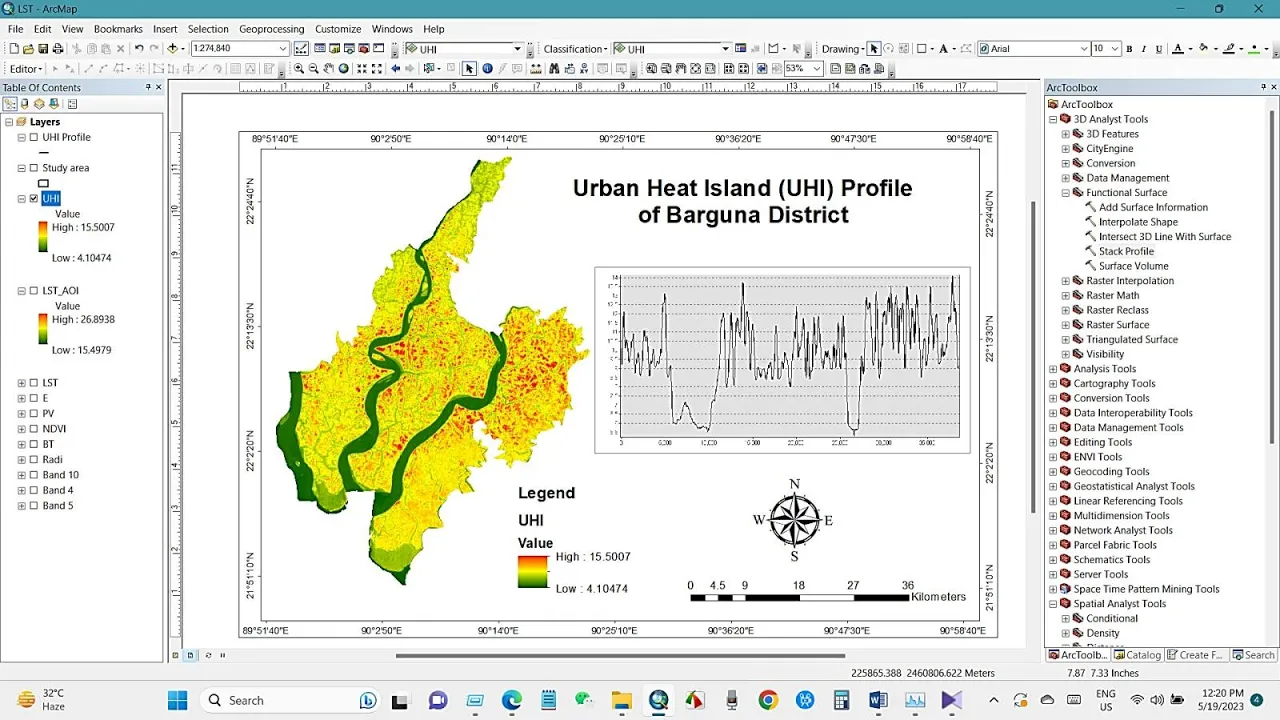
10:40
Urban Heat Island Mapping with ArcGIS and Remote Sensing
@GISRSSolution
37.9K views•2023-05-19

15:54
Life in Biosphere 2: Sustainable Ecosystems & Human Survival
@TED
334.9K views•2009-06-16
14:30
Microplastics Everywhere: How Plastic Impacts Our Lives
@TEDx
100.9K views•2018-05-08
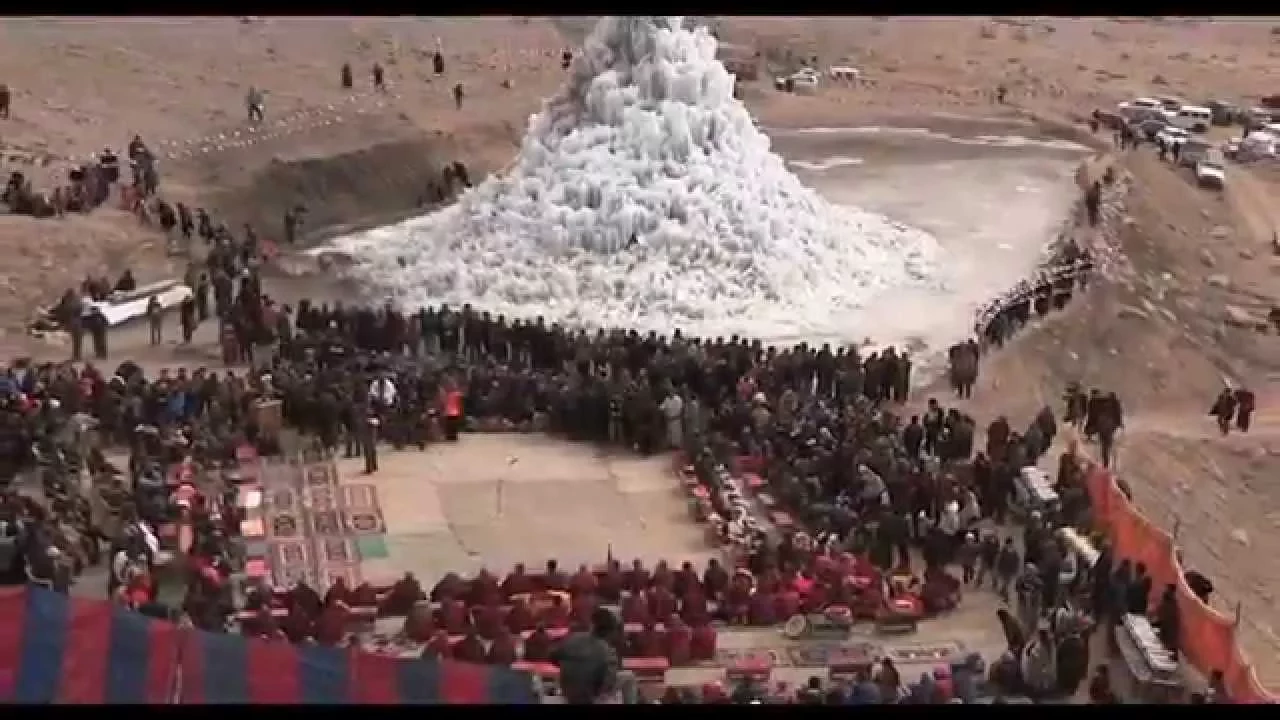
10:28
Ice Stupa Artificial Glaciers: Solving Ladakh's Water Crisis
@SonamWangchuk66
3.2M views•2015-05-03
Related Study Plans & Knowledge Roadmaps
Structured learning paths in Environmental Science
environmental-science
Ocean Noise: Cetacean Impacts & Mitigation
01Fundamentals of Underwater Acoustics
02Marine Mammal Bioacoustics
03Anthropogenic Noise: Shipping & Seismic Surveying
+ 2 more learning modules
16h5 modules
Explore Roadmap
environmental-science
Road Ecology: Corridors, Overpasses & Fencing
01Foundations of Habitat Fragmentation and Carnivore Ecology
02The Road Barrier: Ecological Impacts of Transport Infrastructure
03Principles of Ecological Corridors and Connectivity Mapping
+ 3 more learning modules
14h6 modules
Explore Roadmap
environmental-science
Ocean Acidification: Kelp Buffering & Shellfish
01Fundamentals of Ocean Chemistry & pH
02Chemical Pathways of Coastal Acidification
03Bivalve Physiology & Calcification Under Stress
+ 2 more learning modules
18h5 modules
Explore Roadmap
environmental-science
Ice Stupas: Glacial Retreat & Water Security
01Foundations of Glaciology & Mountain Hydrology
02Climate Change and Glacial Retreat Dynamics
03The Science of Ice Stupas & Artificial Glaciers
+ 2 more learning modules
14h5 modules
Explore Roadmap