






![فيزياء السادس العلمي || البصريات الفيزيائية || المحاضرة [ 7 ]](https://i.ytimg.com/vi/iWNY_AbY15g/maxresdefault.jpg)







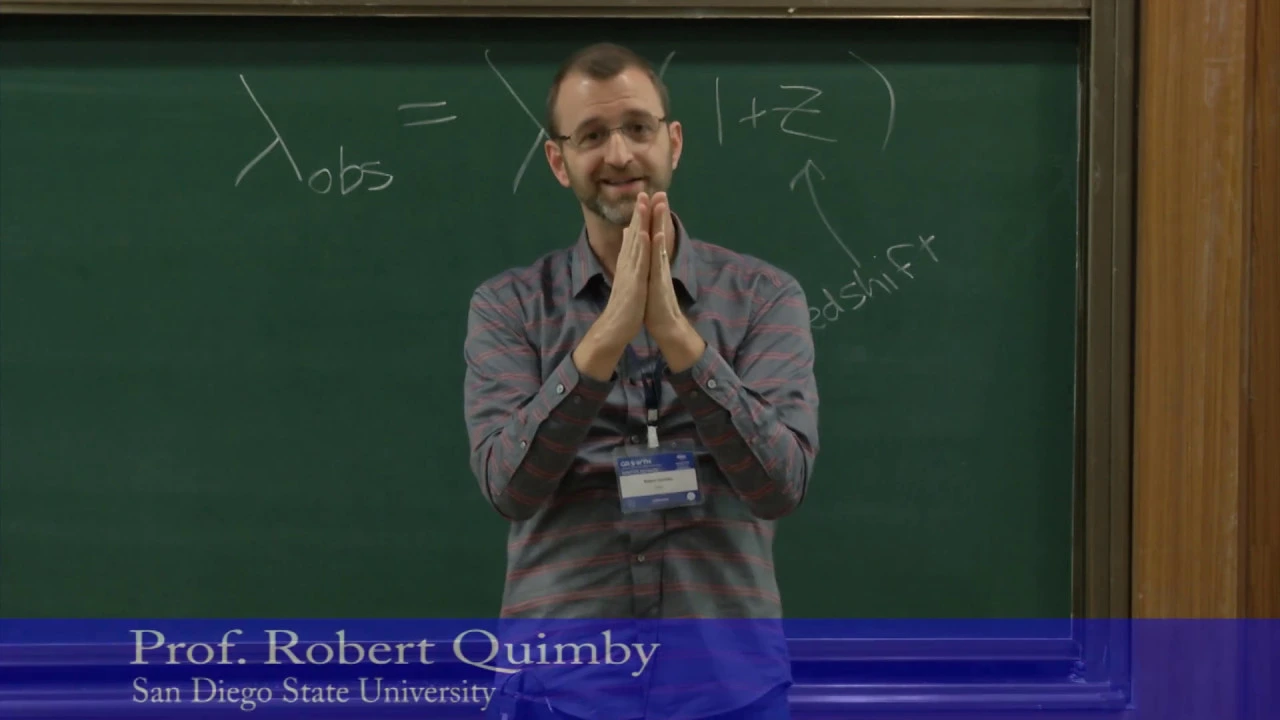
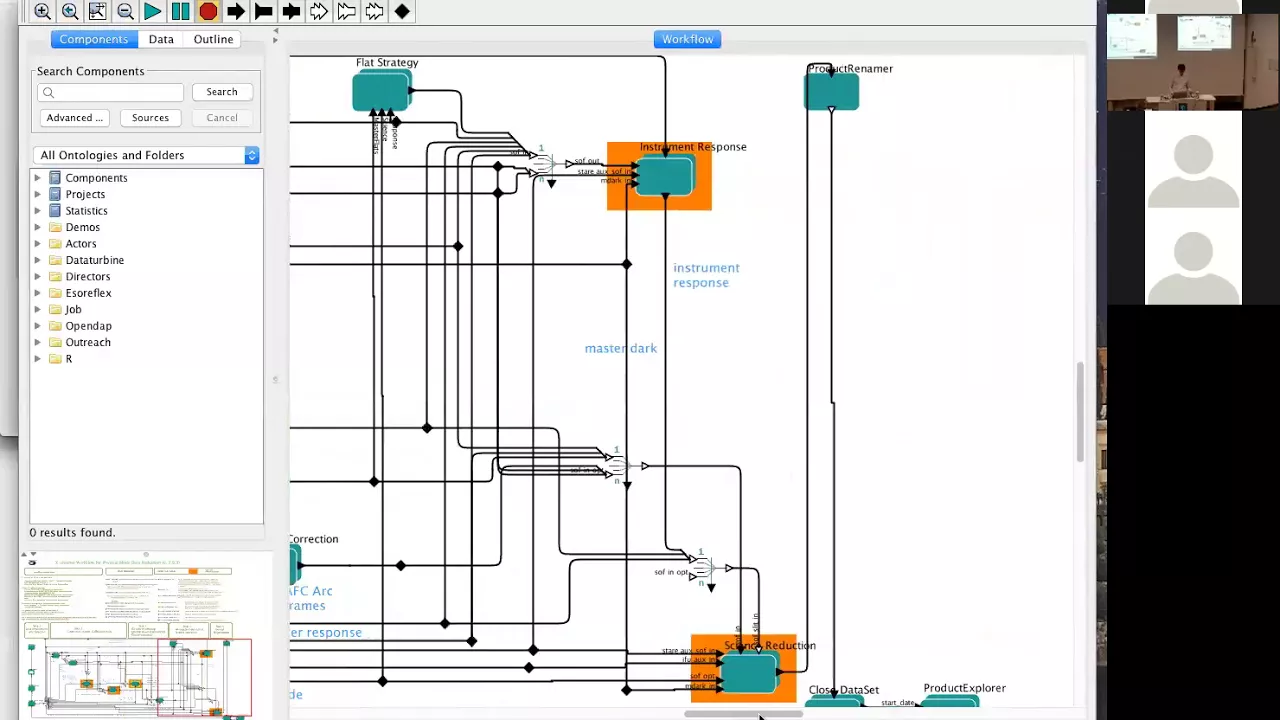
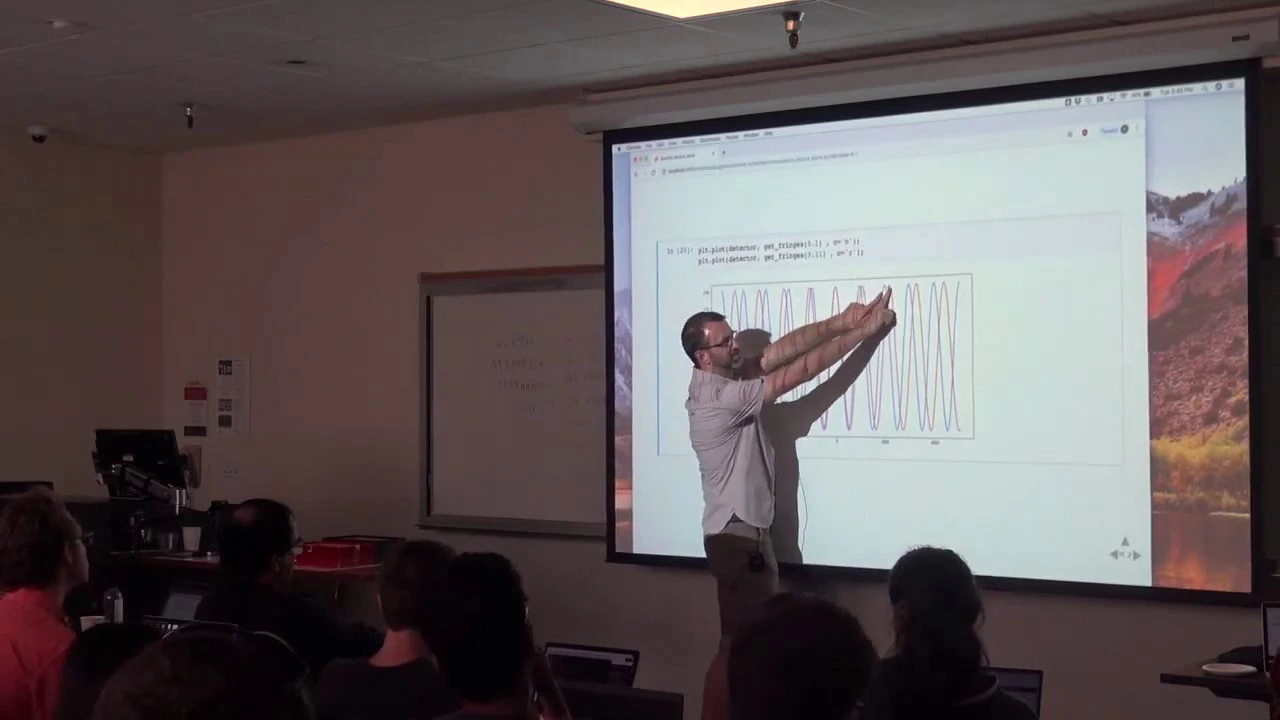




Spectrograph resolution (R = λ/Δλ) is fundamentally determined by the optical path difference achievable inside the instrument, which scales with telescope aperture—explaining why larger telescopes require proportionally larger spectrographs to maintain the same resolution. The sensitivity of a spectrograph depends on whether observations are slit-limited, intermediate, or image-limited, with extended sources showing identical sensitivity across telescope sizes because pixel scale compensates for aperture changes. The signal-to-noise equation (S/N = (S×t)/√(S+B+D+R²)) governs exposure time calculations, with high-resolution spectrographs typically being read-noise limited unless observing bright stars.
Basics of Spectroscopy: Spectrograph Design and Optics Explained
Added:Basic wave optics, including the electromagnetic spectrum, wavelength, and frequency.
Principles of geometrical optics, such as reflection, refraction, Snell's law, and the behavior of lenses and mirrors.
The concept of dispersion and how light separates into its constituent colors when passing through a medium.
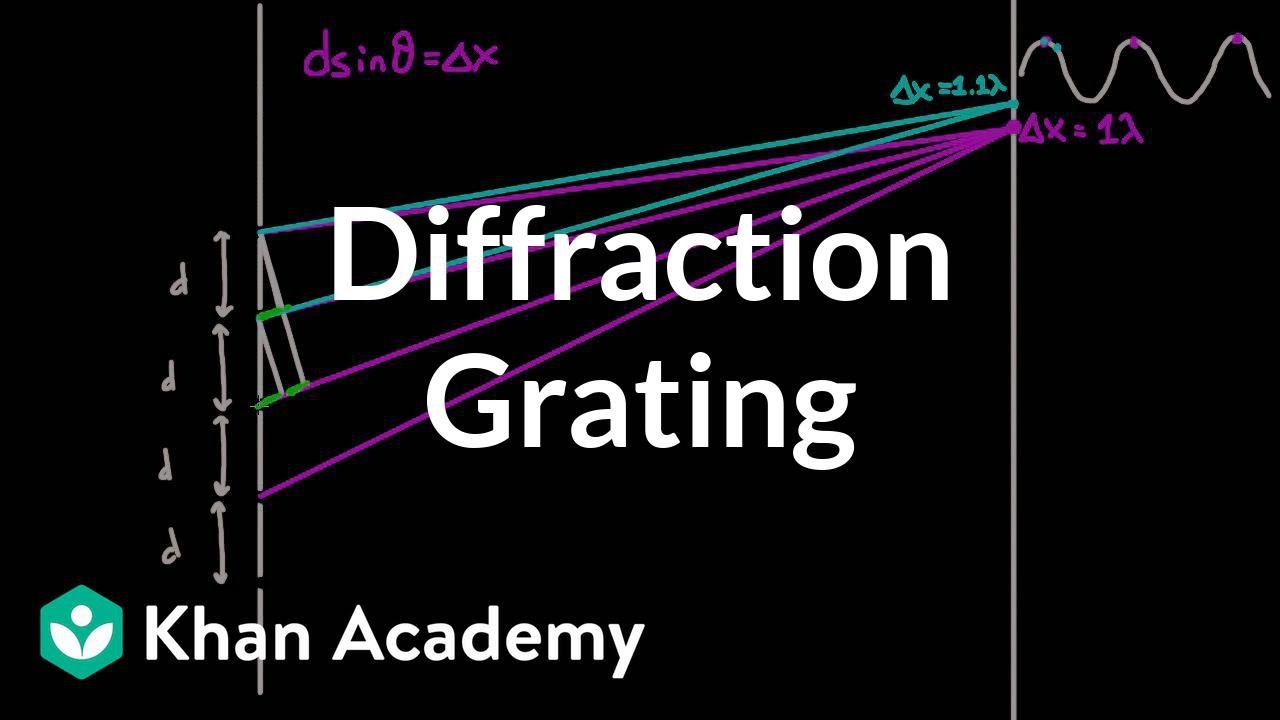
The fundamentals of diffraction and interference, particularly the function of diffraction gratings.
Advanced spectrograph designs, such as Echelle spectrographs, fiber-fed systems, and Integral Field Units (IFUs).
Astronomical spectroscopy applications, such as determining stellar chemical composition, radial velocity, and cosmological redshift.
Detector technologies, including how CCD and CMOS sensors are used to capture and digitize spectral data.
Spectroscopic data reduction and analysis, involving calibration, flat-fielding, and extracting 1D spectra from raw images.
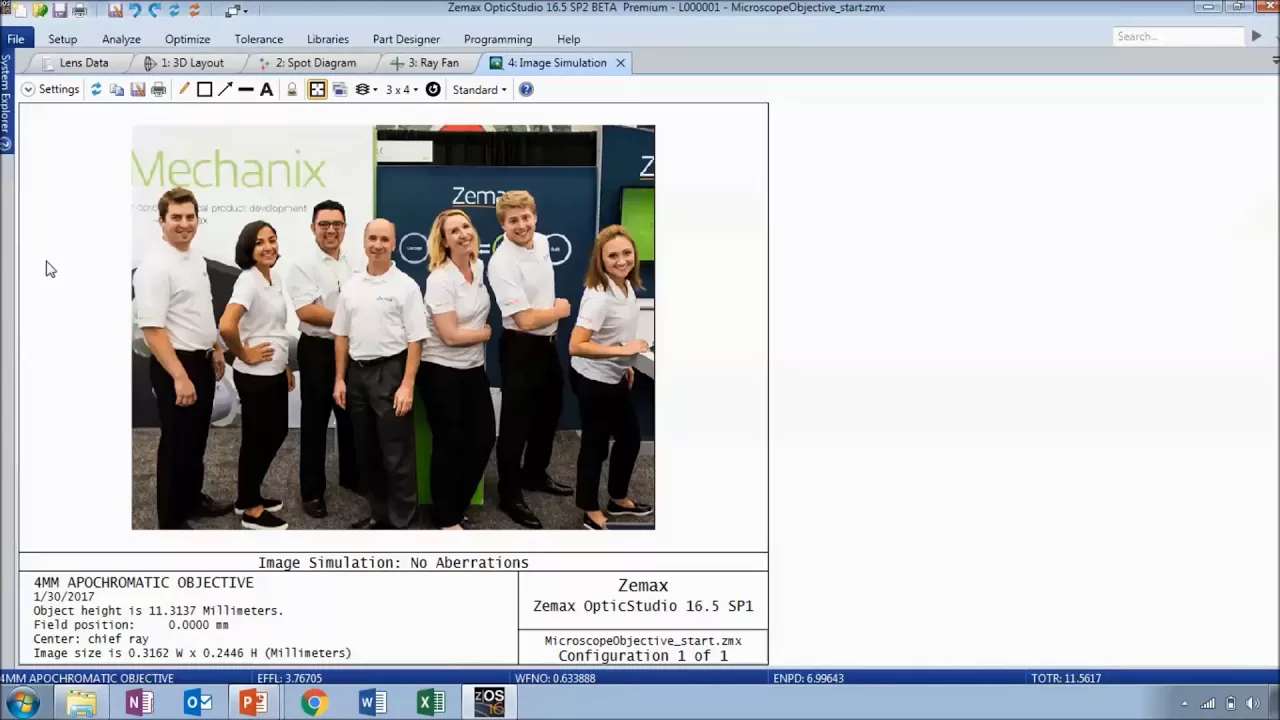
Optical system modeling and simulation using professional ray-tracing software like Zemax OpticStudio.
246 views6likes1:00:21Original Release: 2016-07-07
hey all right so I'm and E Sheamus I'm head of instrumentation here and I'm going to give you a quick overview of how spectrographs work so this actually might be better called business and spectrographs you're going to have talks later this morning or this afternoon high resolution low resolution multi-object spectroscopy which will go into the details more from user standpoint but i'm going to trying to answer some of the basic questions that i think i might have had when I was sort of starting out in astronomy so the questions that I want to try and answer in this pop this work the red one yeah there we go okay so what's inside of a spectrogram what are the parts why are some of them so big and some of them are not so big what sets the sensitivity inspector girl and model has to make given spectrograph iOS to make the exposure 56 different serving conditions here we have a picture of an older spectrograph which some of you may have used this is a omega which was built here this is a new spectrograph that is currently being developed for Joe and I called the ghost jahmai high-resolution optical spectrograph will be dirty so first question what are the parts of the spectrogram so I'm sure you often see these pictures what people give talks about this sort of thing here's a sort of complicated looking great race with Ernie spectrograph the energy and you can see we have some things labeled here collimator slit cameras theme splitters it's an important bits aren't labeled for some reason gratings so I'm going to talk a little bit about what each of these components are I just you know as I also said spectrographs can vary tremendously in size this is a big one could see the main frame that we're putting together here done in a lab a few years ago here's one of these were all away toolboxes you can see this is this is very large this is this hole in this piece of metal is for this collimated beam it's sort of a meter tall big piece of equipment here's one of the DPH grading since about half of meters a half meter long optic twenty thousand dollars worth of that your home optic ok so the important bits that go into a spectrograph well you need a telescope usually tell let's go just represented by single lens here much more complicated each one of these lenses that I've represented as a single limited the components of representatives as single lens are often large groups of things but they followed in a category for example collimator which takes the image plane from the telescope and makes all of the Rays from any individual field point and feel point is just the location of a star in the image plane it's all the Rays parallel from any individual field point of course if there's a different field appointment here they'll be parallel but at a different angle there is a black box here call the disperser the dispersion can be lots of different things we'll talk a little bit about these the most common kinds of dispersers and then often well always in a standard slit spectrograph we need to bring things back to focus so there's a camera and detector what the camera does is it takes the image plane from the slit and images onto the detector of course you get many multi colored images of that slit that are spread out that's the purpose of the disperser its target all i'll say above picture so dispersers we'll start with them since they are the most important part or the spectrograph and there are several different kinds let's see so we have ratings which I will classified in some details in a minute reflection ratings ratings are ruled slits that allow you to interfere collimated beam with itself we can also have prisms which like the cover of dark side of the moon just uses the inherent dispersion in the glass to change the optical path length and spread up a theme in angular space we have Grizz ohms which are combination of a prison vinegar ism those are often used to modify an existing spectrographic allow us to get dispersion from a straight path so you can imagine if i have a imaging camera here detector it's looking at the bubble play that the telescope whoops I could if I'm clever insert an object that would have a little bit of dispersion sneering to start trail so if you've ever heard of objective spectroscopy or sleeveless spectroscopy that's typically how that's done not necessarily with it Rizza maka just with a prison prison give you more dispersion so you're going to you guys will get a copy of all these notes downloaded and I've listed a sort of the important places to look for more information because this is an overview lecture which is a condensation probably of about four or five different lectures maybe I should apologize a little bit volume of material I'm trying to keep to the important bits so here are some pictures of holographic gratings holographic reading is what's in Burmese and basically a holographic rating is exactly what it sounds like it's a hologram it's a very simple hologram and that it's just recorded information from two flat interfering babes I take two black themes that are tilted at an angle i'll get a fringe pattern which is set of vertical bars and i record that information degrading and then illuminate the gradient with flat wavefront it will reproduce those two those two beams which are split in an angle which is exactly what we do grading the spectrogram example of this idea of prisms where we take a prism has dispersion in one direction tilts the beam in one direction a little bit and then the grading tilts the beam in the other direction and has some hiring spurgeon so for some wavelengths it goes through it spreads out the other way read all about that course reference if you like so the other victims in that picture is the collimator and as I said I'd rue it as a single lens but often it's made up of many many different optical elements here's an example 8 element transmissive call mayor this is something called the RSS Roberts will be spectrograph lines of African large so let's go sometimes they're made up of just mirrors and typically just be a parabola so here's ashlyn spectrograph an imager on the Keck telescope and it is just an off-axis second up sometimes they're transmissive sometimes it's combination of both so here's Burmese this is a big spherical mirror and then we have some transmissive optics here and here in order to make the image quality come out good enough so you might ask you know why don't we just do the simple thing every time and just use a single mirror has to do with the size of the image length size of the slip plane via the slip plane harder it is or a single mirror to make good images all across the field so if you have a larger field you need to go with a more optics a transmissive catadioptric or in this case the physician in camera we won't talk about okay camera is probably the second hardest and most important thing and that's the part that takes this splayed out dispersed beam from the greeting and forms nice neat crisp images of your slits or your fibers on the detector plane sometimes those images are a little bit blurry and you'll probably you're all about that data reduction workshop how to deke envolve when spread function so cameras there's lots of different kinds you know they've been designing what's designing cameras for many many years you go into space often it'll be a something called a three Meryn astigmatic it's just three mirrors that are three mirrors that are used to correctly reflective cameras are good for why wavelength ranges is because of course mirrors focus all different wavelengths in the same place not the same for cameras so if we want to do a camera with a wide field you typically have a lot of different elements in order to both correct the shape of the image as it goes on from Center to the detector to the edge but also to make sure that all the wavelengths focus either at the same place or at least in a plank the spectrograph you can imagine if the way ones focus in a different place you can tilt the detector compensate for that but they all have to come to focus complain or else you'll have large blurry images of your slit which won't be good then here's a example of a catadioptric so catadioptric if I didn't say so before just means lenses plus mirrors so this pretend is the camera on the high res telescope at cat this is the camera on the ESI hybrid spectrographic fact this is the camera omelet ESI spectrographic tech forget what is in magnitude okay detectors maybe the well also an extremely important part of spectrographs better detectors to make for better spectrographs both larger detectors and more sensitive initially astronomers is this detector it's only going to quantum efficiency of about eight percent room so it's not so great plus you can't integrate from one minute 30 seconds it makes it even harder so lots of different kinds of detectors most of the visible detectors in astronomy RC CDs or CMOS detectors and infrared we usually use WordPad tell your eye we could do an entire course about detectors I'm not going to talk too much about detectors other than to talk a little bit about noise sources and zuko noise equation okay in the last major component of the spectrograph is what goes into slip plane so multi-object spectrographs have a large slit mask in order to block out all the stuff that's not important all the sky as you can walk out and only let the interesting bits through the slit areas if there's the entire lecture I multi-object spectroscopy there will be another lecture on a vehicle field spectroscopy you could have a fiber system in slip plane that relays the image from the telescope down to the spectrograph room and it can do great things while it does that like reformat a two-dimensional image into a slit so that we can use one of these sort of standard spectrographs an entire lecture on englefield spectroscopy ok so why are spectrograph so big this is a question that always baffled me so each one of these questions could be an entire lecture hopefully you get some practice why aren't it so big so here's a here's a thought question here's a spectrograph on Sloan as long as a two and a half meter telescope and see an ethereal looking hand here computer idea that this spectrograph and probably somewhere if it's somewhere between the size of that bench these desks here's another spectrograph that's on cat it's not a great image which you can see it first in here this one is about the size and I'm going about the shade a cement mixer and its course much larger and then here we have a proposed spectrograph for the TMT 30 meter here's a little person in here this by the way is an image or a design drawing for this spectrograph just to show you the size difference so this is this is Deimos that's the most this is something that used to be called Moby I think it's w+ now we something knows what they're calling it I'm sure it looks much different but the point is we have three different spectrographs varying tremendously in size they all deliver the same resolution similar fields why do they have to be so different in size what's the big deal hopefully with to answer that question that is also related to the question of what causes dispersion so the reason they change in size is because their dispersion requirements are different they produce the same as version of the beam going in is different so i will stay without proof that will cause this dispersion and i'll show this in a little more detail but it's the optical path difference you the side of the spectrograph of the interfering beam or it's also the optical time delay that you can produce so there's another thought experiment to ask you how big an aperture the aperture is kind of a characteristic beam size inside of a spectrograph given by you know if you look inside one of these errors that sort of the exercise we can to see you know the exercise in here has to be small it's a small spectrograph um Theresa to produce a resolution of 100,000 in a diffraction-limited JSON a 10-meter spectrograph of one at one meter anybody want to guess what the characteristic theme size might be to produce a resolution of a hundred thousand a very high resolution spectrograph at a 10-meter telescope the diffraction in the UK's 205 meters that's a good guess I believe it's 25 millimeters and we'll see why in a minute so thank you for guessing who ever guessed okay um so this looks very complicated here's our picture get it I bent things around a little bit but here's our spectrum here's our telescope represented by a single lens here's our slit plane collimator represented by sigma lens now I've actually put in dispersing element put a reflective rating in here and I've got a camera detector I've got some characteristic angles in here the angle going into a grating is always called alpha the angle coming out of the grading is always called beta and I'm simplify this equation from biggin just to make it more intelligible this case in the spectrograph if you've ever heard the term lint row it just means that it's symmetric the angle in equals well angle handy because the angle out so it's staring back in itself so alpha equals vehicles data is lit rope what you see is there something called B & B is the slit width at apologize somehow didn't make it through to the to this drawing but the slit width in radians r is the resolution of the spectrograph do you want is this characteristic diameter inside a spectrograph the collimator diameter for example d telescope is a diameter of the telescope to tan theta B is just too tan of this angle even the case where it's lit rosso where it's symmetric if it's not metro it's a little bit more complicated is it has outlets invaders in it but it's still qualitative in the same thing so d12 tan theta if you think about it is the optical path length difference from a ray that comes from the top of the grading compared to array the coast absolutely augment great so what it says and if you were to take mine on exports for example you get to derive that equation it's not that hard but we'll take it as given for this lecture what it says is that slit with resolution product and this is these are dimensionless is given by the optical path length difference that you can get inside of a spectrograph / the telescope do this like minus that like / the telescope day or so something interesting it's got the telescope diameter in it the spectrograph knows how big the telescope is that's kind of bizarre but it's true so that's this is the primary reason at least looking at this equation y spectrographs get bigger as telescopes get bigger so if you look at this the slit with resolution product is at dimensionless constant so what it says is that given a resolution that you want to achieve and a slit width on the sky if I want to take a spectrograph from one telescope to another I either have to accept a lower resolution if I go to a larger pants large telescope or increase the b-minor double the telescope diameter have the resolution or double is also a diameter double D so this D one's call may be there it sets the scale size of the spectrograph and it's actually it comes out of the optical invariant called a ten do for those are people taken an optics force and the gradient question that's all you need to drive it so let me do something interesting with this kind of interested in resolution for two different cases so let me take the slit width so this is in radians on the sky this is dimensionless number it's microns per micron or nanometers gravity and let's look at what happens in two limiting cases one case where we have a seeing limited slit another case where we have a diffraction so could somebody tell me what know when when we have a diffraction limited slip at a telescope actually two obvious cases it is not obvious so early in the morning benders space-based is one absolutely correct and what might be the other one amazing seeing well if I have a small telescope and amazing seeing yes absolutely that wasn't what I was thinking but that's true how do I produce amazing seeing at a site that's good but not that's basis adaptive optics exactly so diffraction-limited this is the case for space it's also the case for that Devon fix so in the diffraction limited case the slit size is going to be at the diffraction limit of the telescope fraction limit qualitatively vision cons that didn't want to hear that you can ignore the diffraction limit is just the wave length divided by the diameter of the telescope I'm sure you've all seen them I plug that into the equation for resolution and plug that for look this into feet it's all for the resolution I find that what i get is well i still have this optical path length rights but now the diameter of the telescope is gone it's just wavelength what it says it's the number of wavelengths that fit into that optical path length difference so in the fraction limiting case the spectrograph doesn't know doesn't care about the telescope songs it only knows about the lights and this is the equation i use to get that very small 25 millimeter diameter be in the sea limiting case this is where we probably spend most of our time observing the slit width is equal to the wave length / are not the Emidio is anybody heard of the free parameter or are not it's a characteristic scale size of the atmosphere so it's the scale size of the atmosphere at your on your site / witcha telescope direction so you can sort of imagine it as it's a cell size of column of air that's completely undisturbed so that the beam that goes through that is completely coherent and flat and it's not it's not rippled or to start by the atmosphere so if I do the same thing I just did it's all for it solve for the resolution well I get sort of the same thing it's a number of wavelengths that fit into this beam difference its optical path difference but now it's scaled by this by r0 divided by the diameter of the telescope and then scale size it's basically the number of seeing cells that go across the amateur every telescope now what does that mean sounds great but maybe we could draw a little picture to make it a little bit more obvious why that is okay so in a spectrograph I will also state without group what we usually do so we image the pupil onto the grade the pupil is just in most telescopes that's the front do the secondary or the primary and see the input aperture so you can imagine that I have the input aperture a little picture of the input after the telescope here I could put a piece of film in here I would see the spiders the shadow of the secondary you know if someone was standing at the edge of a platform with their hand in here I see little shadow and what also is imaged on to the aperture of the grading is the distribution of seeing cells inside of the telescope ports actually the integrated seeing cells looking down the optical paths you can also imagine you know that there are a series of seeing cells here that represent seeing cells at the telescope so over this seems L beam is pretty flat and straight I had a tiny little telescope included here I good diffraction the image likewise here here if I try to connect this to that to that wouldn't be able to do it and the reason for that is that the beam is not laterally coherent across the entire aperture which means I have a wavefront right here I know what the phase of that way from is or if I have a photon right here and on the face of it photon is and I want to look at one over there I can predict exactly what the phases that's coherence the wave front or the phase of the wave front is predictable across that service or their two photons are propagating at the exact same phase by have a wavefront here or a photon here and one here I'm completely unable to predict the face so they're not related which means they won't add coherently so what it means is that the resolution is defined by the number of wavelengths that will fit inside of this optical path difference only over the coherent beam think about the coherent section of the beam what I've been doing is I'm interfering go away from here our photon from here in a photon from here and I can differentiate the wave lights by exactly one wavelength so you can imagine one way to think about it so I've gotten home time we are traveling with some weight like have another one here traveling slightly different way boy I can resolve the separation in those wavelengths when they're one wavelength apart over this entire fee which is the exact same thing as saying as saying that resolution is equal to a number of wavelengths that fit into these two optical data so these blue brackets show you the physical so that's why spectrographs need to get really really big on big telescopes seeing cell size doesn't change a small telescope in a site I'll have four of these scenes elves across a metre telescope and a 10-meter telescope all about 40 of them so the atmosphere doesn't change the telescope does but I'm still imaging this so if I had a very small telescope for at least I get to use more creative so this is the case of diffraction limit the beam is coherent across the whole thing so I can interfere from the very top of the grading down to the very bottom of the grade here I've given you the true optical path difference just using the grating equation where alphas the input angle date is the output angle in electro case characteristic angles equal beta equals theta but what it means is you get much more dispersion same size so it took me a long time until you're out physically what was going on oh I'm not surprised if you don't quite fully embrace it but that's fine the important thing is if you've ever heard of something called the graining resolution that's a maximum resolution the gradient can deliver that means that it's the coherent beam across the entire grading I'm so they're basically my system anytime that changing it was doing is changing Esther so the in vidual coherent selves our movement across the greeting and they're changing the locations of the things that interfere but what we're actually doing is each one of these cell images is interfering with itself and that image of that interference which is this leg is being image onto the detector and each one of these individual patterns of state image incoherently on top of each other so all those little images if you had if you were able to separate them somehow and look at me see them getting dimmer and brighter as they go off the edge of the grading but they all fall on top of each other that's the job of the camera hope that makes sense so this is the diffraction limited case this is why diffraction this is why spectrographs that are used with adaptive optics can be smaller this is why spectrographs that go into space can be smaller so I think here's the conclusion tonight section one way to think about spectrographs the resolution is not a function in the spectrograph for the optics it's a function of the property and the way from that you put into this vector graph this optical time delay or optical path difference that's available where the interference in a coherent me is what sets the resolution the job of the telescope the optics AAL system is to provide as much OPD as possible and collect that information so it's the property of the light going in so I said that I would it well we use one example here it was just this reflection grating using littrow but it works you can use quantum mechanics if you're a good physicist and derive this in terms of the optical planning delay for anything so it works for it works for prisms at work or other dispersing elements but it's the same not from the geometry inspector all right so how do you get a long time delay well we can use a long rating that's called a shell show I think staircase in French is that right your embrace your ex details you can use well here's the other thing I wanted to point out so this delay is actually not the physical different distance listed is a physical distance but its distance the light travels and light as you know travels a longer distance if it's in the medium so if i were to fill this with a high index medium i get a longer path difference so that's what an immersion grading does in the old days you would you'd literally take this area build a cell around it and fill it with oil but now we have silicon immersion games with infrared so can i think that you're in is a new decks for which means you get four turns the dispersion for a given time so we can use high index materials we can make a big b we can do all of the above which is what for example is being done for target there's a infrareds immersion grading giant infrared version grating spectrograph for gmt doesn't well anyway people are doing all of the above right now for gmt some of you will probably observe with gmt maybe you'll remember this lecture let's go um okay so what are shells i mentioned this a shell your course precisely ruth rules ratings and few groups per millimeter the Houston I angles that means it tipped over very far so you can get a long path difference and in fact so I apologize for this where I have to apologize for optical engineering nomenclature but there are two things call our R is the resolution but for spectrographs r is also this so when you hear of an r4 spectrograph that just means it's used at a tangent angle for r2 is shallow are one in shower so theta B is big because it's a high angle of 60 370 degrees there hi orders so you might be using something from n equal 100 to n equal 600 depending on the spectrograph or and ash to let just means it's lower order a shell on their high dispersion in a compact package hi 10 theta high throughput good blaze efficiency over white wavelength range nearly free full rotation effects disadvantages they're hard to make their expensive the orders overlap so if I just took a collimator at a camera an image that interference pattern from the echelle grating I would have a mass consent of all the orders on top of each other that's why we have cross dispersers to spread out the different orders but the different orders have different wavelengths landing in different places so I'm not sure how you build up the signal you can't separate up any oh one thing you can imagine that people we do in the future instead of cross dispersing them use wavelength selecting detectors so that you'll know which order you're looking at just from you know we're in in the well electron comes from but well I don't understand how that works but I'd like to know so if you don't cross this first you can use order blocking filters course cross dispersing is good the two-dimensional detector because it makes efficient use of the detector here are some pretty pictures that everyone's a very very familiar with this is sort of pseudo color picture of course here's a high resolution image of some solar spectrum I believe this is I res actually lines here this calcium HHA ok um so here's another shell so one thing I do want to point out the free range is proportional to 1 over the order so what it means is the length of the spectra change as a function of order number if you're a high order number it looks very linear if you're very high order number you know it almost looks like they're the same length but what you're actually doing is you're collecting a portion of the image so this for example shows maybe the full band pass that a given spectrograph might produce but often detectors are small enough and how so this particular system shows detector placed here for one man we physically move the image of the shell Oh gram by changing the grading angle and then look at what the detector here in the detector here it's better if you can capture the entire spectrum when you're using it a shell our Escalade it's a lower order number so this one's going from order five to order 15 so the 1 over N like looks much up nonlinear which means it's less use digital music but there is life that lands over here it's just not super efficient so this part of this order is the same way wavelength is that mark that orders you can Co add take a read noise hit um so some numbers this is just filling in numbers for different situations using that equation is on our to spectrograph with a resolution of 50,000 at one micron on two and a half meter telescope this is the answer to my first question actually picture of slow 150 milliliters pollinator the 10-meter aperture Sloane doesn't but you get the idea 10 meter aperture would be 600 millimeter a beam diameter and the thirty meter will be almost two meters giant Johnny inspector Craster's we're seeing limited for the diffraction limited be twelve point eight millimeters for all of them any telescope here's an argument for that dividing right here there are many other arguments for decades which you hear about how am i doing on time ok we've got about 15 ok what sets the sensitivity with me questions so far it's a lot of separately person good morning ok spectrograph speed number of counts per second or angstrom there are three cases we generally use generally look at Hannah's problem and the case where we're slit limited-slip blocks some of the light on all edges on the sled with an intermediate case where we slip limited in one direction and where object size limited in the other direction and where image limited is the third case so did someone tell me what this situation might be a large of you snores maybe nebular spectroscopy looking at a galaxy or a nebula and what case would this be this is a sorry now in reality the starting pitchers we're looking at a spectrophotometric standard because we're not cutting the edges of the star image at all very / / cisely usually what we want to do is cutting down the size of the image a little bit in order to get more resolution and most of the light through and then the intermediate is sort of in between to reality when we observe stars sort of in the intermediate region ok so the speed is set by in these three cases if we are slit limited it's set by the area of the grading or actually the area of this lip in the intermediate case it's the speed is set by the diameter of the telescope in one direction and the width of the grading or the width of the slit in the other direction in the image limited case is set by the area of the telescope oh so that's actually kind of interesting I'm looking at stars of course I can go much deeper with a larger telescope I'm looking at an optically dense source that completely fills my slit the telescope diameter doesn't set the speed I get the same number of counts I'm a 10-meter telescope as I do from a one meter gold store how many people don't believe that well ok it's actually true so what the telescope does so first of all this is speed is the counts per second or angstrom from a given sighs on the detector physical size square microns so if i have a pixel on a 10-meter telescope it occupies a much smaller space on the sky and a pixel on a one meter telescope the same number of counts because i'm looking at a smaller segments of the sky scale size completely compensates for the telescope size change hopefully that makes sense that's that is a product of the optical to marry a 10 do and won't get to it in this discussion in the notes there's a couple of slides about a 10 new and surface brightness that will hopefully prove that to you okay so i take this without proof given you how do i estimate the exposure time sure everyone's who seamless you should have it tattooed on the back of your hand somewhere 10 minutes so this is your old friend signal noise equation and if you haven't seen it you should become intimately familiar with it because it's always this is what goes into the exposure time calculator when you go to the telescope and if there are assumptions in the exposure time calculator do not apply to your particular observing situation you might want to do a back of the envelope test a check to it so what it says signal is just the rate of photons falling from your star times the integration time and then the noise is the sum in quadrature so the sum of the squares of the noise for photon noise motor noise is the square root of the signal so the square root the signal square is the square of the noise so there is there the noise from the sky is just the square root of the number of sky counts I swear that then again our sky square of Steve Reed noise is not renoise as linear term it's not a square term so if you get the square I have to add it in here and there's a game term and then the noise in the dark current is just equal to the square root of the number of counts in the dark current and then X square it so I get dark mounts squared so this is a basic noise equation that it's noise from source shot noise shot noise in the sky read knowings from the detector and dark burn there are lots and lots of sources of noise that are not included those mostly enter in in terms of scattered light and light noise that's not in this equation you have detector noise that's also not in this equation we can have fixed pattern notice in the detector and which you can't just subtract the noise term from the fixed pattern because it is not necessarily predictable okay fine let's see jump to the ok so the limiting cases for bright sources the signal annoyance is just proportional to the shot noise in the source so it's really just proportional to square root of the duration its signal the source / the noise of the sorcerer's just the square root of the source counts times the square root of time if you are read noise limited so in other words if your exposure time so short if you don't have enough counts in the sky or in the source to be greater than your two and a half electrons of renoise just to pick an for two and a half it could be four or five in the infrared it might be 20 but if your exposure time is so short or if your dispersion is so high so the signal that you have here is firm detector element and in a spectrograph would disperse the light so the higher the dispersion the fewer photons from the sky the fewer photons from the source so super my resolution spectrograph will often be rejoiced limited unless you're looking at 892 stars which is why we look at bright stars at high resolution will also typically very interesting and then in the case where your sky limited then it's the noise and sky on this also a function with spirit time but this is the signal in the star divided by the square root of a number of pixels in the sky counts per second ok so now backing up ok so how do I calculate the number of photoelectrons per second on my detector for a resolved source you're measuring surface brightness and the energy is just equal to the this is the e10 do which is the area times the angle so it could be the area of the telescope and the angular sub tense of the detector or is the area of the detector and the angular sub-10 seem to be coming in the funny thing about it can do which is also a nice that you all by itself said it's conserve everywhere in the telescope doesn't matter if i look at the front of the telescope the area of the telescope x 1 10th of an arc second squared or a small pixel x this I knew which is the surface brightness that's the energy the energy is divided by H nu 0 times per second doesn't matter if it you that the front of the telescope or in the detector um so I'll just State this or infrared source extended object it's easy ironically you only need two things well you need to temperature the source the quantum efficiency of the entire system the resolution size and angle of the beam coming into the pixel you don't need to know the telescope aperture you have number to slip size anything all you need to know four minutes for extended object invisible you need to surface brightness of the source system losses the resolution and this a mega the area of a pixel the angle of the beam coming in you also don't need the economic suicide this is also a product or a corollary to my statement earlier that for extended sources don't need the size of the telescope doesn't change the signal so we don't need to know the change the size of the telescope in order to calculate the signal for points for source however we're measuring the total flux so we need to know the area of the telescope flux in the source in the universe you for an unresolved object in order to get the flux and source leave the source magnitude telescope aperture and I throw some examples in here that will be your notes to check against I talked about that these are the things that are missing some of the things there are many many many things that are missing relic radiation from the Big Bang integrated life from unresolved extended sources thermal emission from dust starlight from dust solar light scattered and I golike line emission from collecting nebulae line emission from the upper atmosphere which is airglow spend a lot of time worrying about that I'm an entire workshop about on a subtracto H lines right I'm thermal sort it thermal noise from the atmosphere from my moonlight moonlight horses the largest source of scattered like man-made light scattered oftentimes we discover that there are LEDs inside of our spectrograph we don't discover it until we take it too well hopefully we discover in the lab sometimes we discovered at the telescope cristes change and then maybe one of the more important and harder things to model but certainly there's thermal or scattered light from the telescope okay so this was my example from thermal imaging resolution 5000 pixel size 10 microns final focal ratio at three source temperature 50 degrees operating here two microns all you need to know is surface brightness which you get from the blackbody curve the a o- the detector which is given by 10 microns is the area the f3 gives you the solid angle QE of the entire system such as the detector that is the absorption mode telescope absorption by the spectrographic cetera and then the delta lambda over which you observe that's a spectrograph resolution you put it all together and get the number of photons per second or total energy wants by eight times per second I've done the same thing for sourcing the visible leave it to you folks to check my work after what after class I think somehow this is the one you always do in astronomy this is the most common one this is for stellar images but left the calculation on probably as an exercise to the student but you the source blocks the area of your telescope QE of the entire system resolution or delta frequency over a pixel and the integration time period the plug is ammar magnitude equation photons from each new and we did a calculation as an example surface brightness of the move that's it so unfortunately in the head of instrumentation which we don't get to do an awful lot of excommunication myself so I'll tell you what instrumentation is working I'm not really involved with it but I don't give as much time as I is that you soon as I like um so we're building this system for Gemini which is the high-resolution optical spectrograph that's a fiber fed spectrograph they'll be done pure lab two resolutions 50,000 and 75,000 defend by five wife you should pearpod varieties so in the low resolution mode two objects in parallel high resolution villages to single object and we use this equation to make a smaller spectrograph than you would expect for a 10-meter telescope so we go so we aren't any clearer telescope but what we're done to our sliced this is what I english lads are does slice image so the slit width is equivalent to much small telescope with slicing image basically 219 fibers I think that's seven across we had one seventh of the slit sighs which means we can reduce the internal diameter to one seventh of what it would be if you fed a straight image so this is one of the advantages of fibers or new slicers so in addition to that we are part of foremost project for each tub and foremost is an effort to reconfigure the vista telescope to be dedicated super high number of multi-object spectra over why feels I think it's two and a half degrees and 2,500 fibers with low medium and high resolutions factor max two different programs and that will occupy the entire facility that's all too so we're driving the fiber positioner for the vista golf soap and that allows us to be part the foremost consortium with significant scientific access maybe not the same access has all of the ESO members but we get to be one of the surveys the wave server being led by Simon driver so inviting Australia imax there are gate researchers Australia the formal state who have access to all data and it's one of them is anybody else in the room one of the foremost eight maybe nine but you can look up on our website in addition to that of we are building the finance sector draft and positioner or Schmidt also siding Springs and pie pan will be a five hundred thousand galaxies survey measuring detail velocities try and beat down the noise and HR to one percent it uses our new nifty starbucks technology but what's our lives with he actually did you see him around he's volunteered to take any and all kinds of questions okay report from Michael yesterday can swear that some rd stop the hoverboard and we're looking at putting wavefront sensors in starbucks for tomographic reconstruction of the atmosphere in every field you look at universe are and obscure die starts getting different locations if you can reconfigure them some fly now allowing you to much more versatile optic system Oh each suppression fibers that were built an aversive Sydney and not yet and bully characterized a really new infrared spectrograph in order to try and measure the rejection ratio voh fibers that's called praxis it's pretty big miss maybe refer a break online I think that we could say hear about it maybe drink coffee there's an extra question absolutely so here's the other thing the fraction limited so the tonic spectrographs retraction limited by their teacher because they're being fed by single mode fiber single-mode fiber meets light propagating in single mode single mode means diffraction limited so photonics spectrographs our highest welcome spectrographs in an extremely small package because their attraction of it and the idea is that rather than interfering in free space we've done here i have CI interfere trying to get here this part this part what if the tonic spectrograph does this is all solid piece of glass there's a little channel cutting all the piece of class so i have a series of channels that are in parallel each with different path lines so I physically control the light from single field point of stable fiber and then I still need a camera or some focusing element to use them on the detector instead of producing the optical path length for a date I have sort of signal channels that have been optically machine into a piece of glass that serves the individual groups in the grading that's how we get a diffraction-limited okay i'm going to be available to copy i'll hang around a coffee for questions yeah all right
Up Next
9:14
Width of Spectral Lines in Spectroscopy: Slit Narrowness Factors
@chemistryuntold
75.4K views•2018-07-01

12:53
21cm Hyperfine Transition in Neutral Hydrogen: Radio Astronomy Basics
@AaronRobertParsons
12.4K views•2011-10-13

32:32
NMR Spin Physics I: Zeeman Effect, Resonance Condition & Larmor Frequency
@nptel-indianinstituteofsci8064
2.3K views•2024-01-17

27:14
Entropy and the Second Law of Thermodynamics Explained
@veritasium
27.5M views•2023-07-01
Related Study Plans & Knowledge Roadmaps
Structured learning paths in Physics
physics
Nuclear Physics (Decay, Fission & Reactors)
01Atomic Structure and the Binding Force
02Radioactive Decay and Half-Life
03Nuclear Fission Mechanics and Chain Reactions
+ 2 more learning modules
12h5 modules
Explore Roadmap
physics
Soft Matter (Polymers, Colloids & Rheology)
01Foundations of Soft Matter & Thermal Forces
02Polymer Physics and Macromolecules
03Colloids, Surfactants, and Self-Assembly
+ 2 more learning modules
38h5 modules
Explore Roadmap
physics
Analytical Mechanics: Lagrangian & Hamiltonian
01Mathematical Foundations: Calculus of Variations
02From Newtonian Mechanics to Constraint Dynamics
03The Principle of Least Action & Lagrangian Mechanics
+ 3 more learning modules
28h6 modules
Explore Roadmap
physics
General Relativity (Spacetime & Cosmology)
01Foundations of Relativity: Special Relativity
02The Geometry of Spacetime: Equivalence Principle & Curvature
03Einstein's Field Equations: The Mathematics of Gravity
+ 2 more learning modules
55h5 modules
Explore Roadmap