
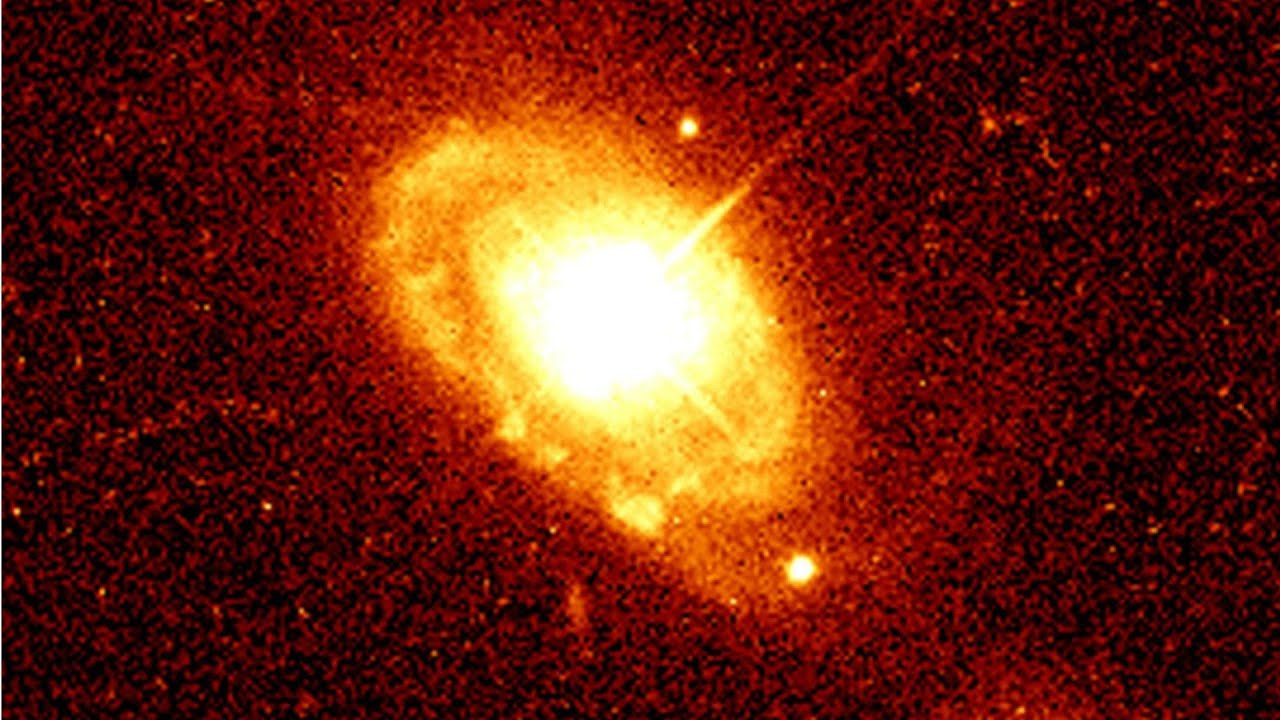













![[Week 10] Active Galactic Nuclei](https://i.ytimg.com/vi/1NW252Ylaww/maxresdefault.jpg)








Active galactic nuclei (AGN) produce characteristic X-ray spectra through complex interactions between the accretion disk, hot corona, and surrounding material, where the power-law continuum from inverse Compton scattering in the hot corona (~100 keV) illuminates the cooler accretion disk, producing fluorescent emission lines (particularly the iron K-alpha line at 6.4 keV) that are significantly broadened by relativistic effects near the black hole, allowing astronomers to probe the extreme gravitational environment and measure black hole spin.
Active Galactic Nuclei and X-ray Astronomy | Lecture Part II
Added:The unified model of Active Galactic Nuclei (AGN), including the roles of the supermassive black hole, accretion disk, and dusty torus.
Fundamentals of radiative transfer and high-energy astrophysics, particularly X-ray emission mechanisms like synchrotron radiation, thermal bremsstrahlung, and inverse Compton scattering.
Basic concepts of General and Special Relativity, specifically gravitational redshift, light bending, and relativistic beaming near strong gravitational fields.
Introductory astronomical spectroscopy, including how spectral lines are formed, Doppler-shifted, and broadened by thermal and kinematic motion.
Advanced analysis of relativistic reflection features, such as the Fe K-alpha line profile, to determine supermassive black hole spin.
AGN feedback mechanisms and their evolutionary impact on host galaxies, including the M-sigma relation and the quenching of star formation.
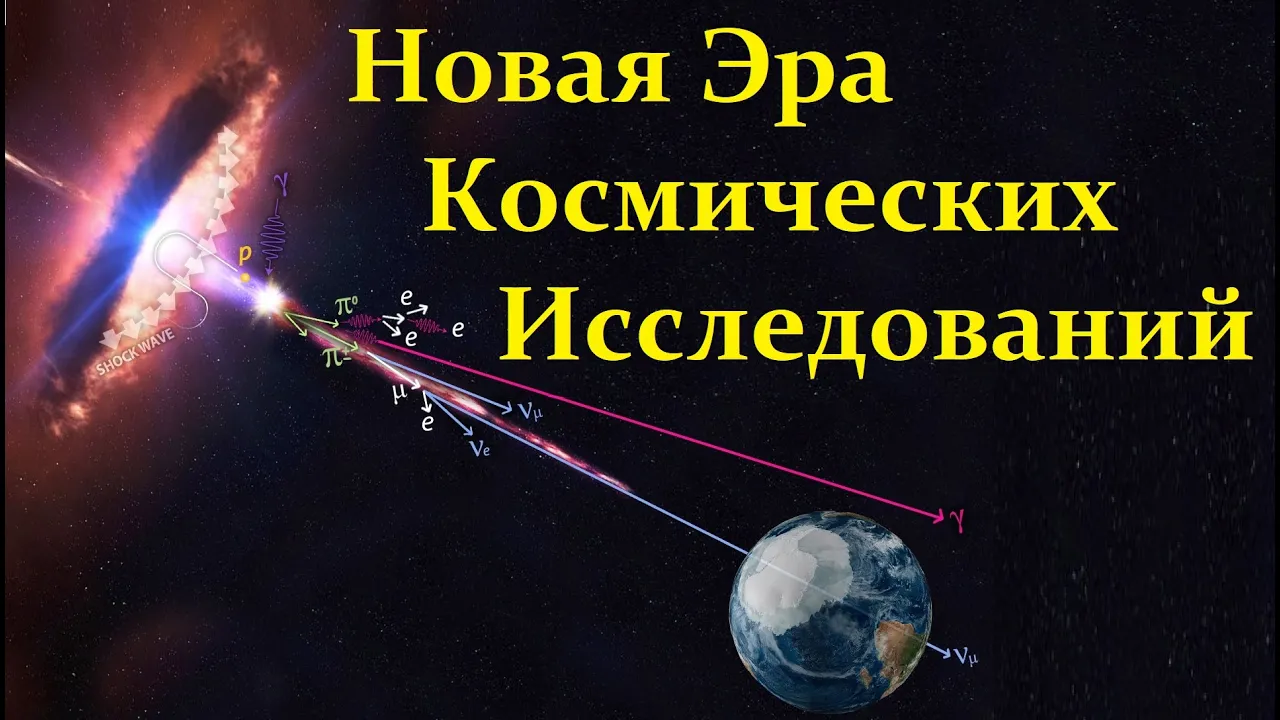
Multi-messenger astrophysics of AGN, exploring their connection to high-energy cosmic rays and neutrino emissions.
Hands-on data reduction and spectral modeling using tools like XSPEC with data from modern X-ray space telescopes like Chandra, XMM-Newton, and NuSTAR.
770 views15likes56:05Original Release: 2020-06-03
stop so this is gulab davargan I will continue my lecture on active electric epi and in my last lecture we have we were in this slide so obviously Indians have a higher velocity in the range of endorser for second so these flowers even a city lead to huge mass more than about millions full of us and we also argued that the very very very tiny scale so this this mass must be residing in a very compact size which would be smaller than the size of the solar system or so so such a things that they possibility we only have supermassive black holes and accretion of the supermassive burrows is this huge luminosity from active collecting API and from from in order to loose any active electric API we must remember some of these numbers I had already mentioned it will be the the mass of the supermassive black holes usually is in the range of 10 to power 5 to 10 of us they are powered by increasing with an efficiency ETA this efficiency is roughly about 10 percent it can be higher as well the size scale of this supermassive black hole obviously would be the radius which is given by 2 GM by C square the luminosity can think of the ignorance it is the luminosity shallower than the incan luminosity but adding the luminosity just remember is roughly 10 or 38 works per second or one solar mass Vic observationally if I have already mentioned we how we observe a lot of phenomena and we need to understand in this picture of a supermassive black hole accreting material how how this particular configuration produces various observational features over the entire magnetic we've been i had mentioned that in the optical spectrum of many active elected beauty is for the broad emission lines to do with typical widths of a second as well as emission lines difficult of a second so how do we explain let's see this so at the center of an IQ galaxy is a supermassive black hole the supermassive black hole may may be rotating and rotating Despicable egg treats material and this material forms an accretion disk material cannot directly disappear into the angular momentum this accretion process for lease to an accretion disk and this occurs in this image in the optical ultraviolet extreme ultraviolet region and if you see this there are three kind of curve which is in the broadband aspectology dissolution of easier and so the the hump in the optical ultraviolet region which is shown in blue color is so-called the big blue pump and this arises from this emission arise from the acquisition disk okay I will look into little more detail in the me some comments on this how the blue box is actually found okay in the in the innermost regions in the incident there are this so-called hot corona essentially and they gave me so what happens this emission from the accretion disk gets a nice company scattered by hot electrons in the corona and that gives rise to the power/lock and you know in the x-ray now you go into laughter skills then there are structures come the cold and dusty stores so what happens the occurs in the emission from this accretion disk gets absorbed and reprocessed into the infrared and therefore we see this infrared pump this is this is the emission this is a reprocessed fusion from the the stores in near the central engine near the accretion disk there are clouds clouds of material so these clowns get ionized from this emission from the secretion disk and ionized followed by recombination leads to emission lines and and these emission lines can be absurd in terms of the bomber instruments for example h alpha s beta etc and because these flowers are closer to the black hole they are moving around this black hole and that motion gives rise to large width and therefore this broad emission lines in the beta for example shown here is the result of this mission from this line emitting clouds or called this broad broad black line region and if you go further out where where there are other kinds of clouds which are called the narrow line region clouds these clouds if you see they are further away and they are around this black hole with the much smaller speed about 500 km/s and these are the clouds which gives rise to to this narrow emission lines indeed in the optical spectrum so why do we see in some millions of only narrow emission lines and in some Indians both broad and narrow emission lines so this is explained by this so-called unification scheme so in type 2 aliens when we only see the narrow emission lines in s with oxygen 3 etc our line of sight passes through this cool the dusty torus and therefore the emission from the central region here the illusion from this x-ray emission as well as this optical of allocution all go through this torus and optically you you consider me listening is highly highly scattering and absorb and the brown line clouds are within this because they are very close to the cell they christen this they the broad emission lines are also blocked by this dusty dusty towards therefore in type two Asians when an effect is awesome through this fool disturbs we do not see this broad emission lines as well as we do not see the direct commission from the accretion cruising this x-rays soft x-rays are absorbed but Horrocks an imprint through this dusty tourists always do see the hard x-ray vision but shopping but no soft x-ray vision can be nomadic and enum from this reason the narrow line written clouds and once further away they are not blocked by this dusty does the tourists we have both in type 218 as a little type Canadians we have this view of this narrow band isn't clock so in type one Asian our line of sight does not pass through this dusty torus our we have a direct to view of this central engine including the success in this the heart karana the broad line region not negligent of course so we see the emission lines from this broadband region that just that fix rise to this broad emission lines and as well as the narrowness of life so this off story soon our this inclusive Magnum dependent the unification model explains this the difference in these optical spectrum of type 2 and type 1 agents will be looking to little more detail about this central engine so how well we understand the central engine we do not have mentioned we do not resolve the symfon so this knowledge is incomplete we do not have a picture of the agents but but we have a model which kind of explains our observations and this model I am already mentioned but the details of this month of not very clear so for example the inner region where the black hole the efficient disc and the hot Corona are there it's not very clear whether the corona for example in the upper right side so there is a black hole and there is an accretion disk and the hot corner may be something like the in the central region this is again and this is not this is a continent so the hot Corona above the disc in the innermost regions probably confined are the hacker may also be the base of the jet is seen in the bottom right so the okay so this is we are we are so so we will see what the direction is Valley which is an amazing detective because we are measuring a little Botox we measure flux in number flux energy flux so the the spectrum then is expressed in terms of this end quantity and EE which is the assistant number of photons per centimeter square per second forgive me okay and this spectrum edge of this number is a function of energy is essentially the and x-ray spectrum typically looks like this this is not the the observed spectrum but it is food so called full red spectrum so this is supply the spectrum is plotted in a second for K as a function of energy now you see this is the log log plot so this is the linear line like linear line like this is essentially how power my spectrum so therefore the the extra spectrum of medians are roughly power described by energy to the power minus gamma where gamma is called this index and there are of course departures and we will come into departures of this power by omission so in the left side there is the broadband x-ray spectrum for one of this see from galaxy one is zero minus five seven seven the right hand side this x-ray spectrum of two is in DC and one to nine again here in both cases you see the x-ray spectrum is roughly but you will also see there is a low-energy car and we will see this kind of can easily explain with the absorption in the in the the host galaxy as well as in the in our galaxy our galaxy and in the case when this you in the case of 16 you also see some excess mission below about 2 KX the excess in itself we will again see this axis if you look into the higher at higher energies you will also see this this power enemy does not what's up Gabey and we will see wanting to do this tells us so so we first of all we know that we now know that this extremism is essentially arising we do the process called complication in the Karma and let's see where does this various continuum components idiot let's say the x-ray emission below about ever this 10 to power 17 10 to power 17 harder so unless they experience a spectrum and below that increase on it from the soft x-rays and going into extreme area so that is this component called soft x-ray X's and in this in the Blues this is this blue spectrum but the components shown in the blue color that is the big blue path arising from the accretion disk it infrared wavelength there is this infrared which is arising to the processing in the industry torus and beyond that for radial load is in there is from radiation from the from the judges and for rate equation editor the radiation is very very weak so we will now look into this equation this and the blue palm Commission and the explanation from 80s so how does this big blue bomb what we observed with optical ultraviolet region arises let's look into this so the supermassive black hole is a critic material and this material amount of angular momentum then directly disappear into the interview supermassive black hole forms an accretion disk this sexism disk is this time the reckless in the disk model by sufferance and well who gave this model in 1973 that is the basic model we have of course there are generalizations but they stand the Wreckers in this disk model the equation this is geometrically thin and optically thick whatever what do I mean by optically thick so this the material and the radiation are in thermodynamic equilibrium so the disk is a black body in sense but the temperature of the sickness in this is not not even for the the innermost region the temperature is a higher and outward taken base the temperature becomes lower and lower and the temperature of this person this depends radius to the power of minus 3/4 so in order to calculate the spectrum what you can simply do is you divide this accretion disk in radius a large number of annually and easy and duly you can assign a temperature according to this relation minus 3/4 and then I dumped the black body especially not and at different different energy and that's what is shown in the figure and in the right side and then when I use something the blackbody emission from all the annually and this found a spectrum is the essentially the total disk spectrum and it looks like this in the shown in the in the optical UV region the area B region it is essentially the power one-third and if you are observing this Khanum so this it must be from accretion disk and that lower end is longer wavelength side this is nu nu square and of course at the high frequency a shorter wavelength this is exponential decline due to the we love so that is the typical spectrum expected from the I christen this and they said this is what gives rise to this big blue pump in the region so of course we have a big blue bump but what is the origin of x-ray emission this x-ray emission which extends from let's say a reflection of a Kiwi to all the way to few hundred keV and the key agency made the strong x-ray emission see so this x-ray spectrum can be explained usually explained in this so what are these two phases one piece is this whole phase are going to be called of businesses that accretion disk the other phase is this hot phase which is the hot Corona which has a temperature about 100 K KB while the accretion disk is much much cooler temperature is something like a few electron would are about 5 Kelvin a stroke while the temperature of Corona is about anybody can without also so what happens there is so because the disc has a temperature which and it is optically thickets in the optical ultraviolet light like black body and these photons the optical UV photons interact with the hot electrons in the corona and they get caught in those companies scattered okay so so the repeated in most companies categorize capturing of this optical photons leads to power law form of x-ray vision so let's see how this so immediately this equation this commission is more like a blackbody shown in the the rain red spectrum here is the reason from the sec recent days so what happens in this is a composition fraction so a fraction pow-pow is this optical depth of this hot corona and how is usually smaller than the carbonization see the optically theme so take a fraction towel and that will reduce to by some amount and this faction is up scattered by the hot electrons in the from by a factor 1 plus 4 k PE divided by ABC square so this friction the reduce the amount of this liquid emission from the disc is a skirt of scatter to higher frequencies in one scattering state you can say and this process repeats so therefore every time a fraction town which is less than 1 is obscure to higher and higher energies and when this second when the energy of this photons which is to the temperature nearly the temperature of this half corona there is not no longer ups coming and therefore this gunshot so if you some on display on this mission scattered BlackBerry's and you will you will get a power love with a Hannity cut out and this is roughly is it the Confessor of this hot Corona so therefore by measuring the cut up of the x-ray spectrum you measure the temperature of this Corona and that has been done for a number of agents with the NuStar mission by NASA this is one example of the broadband next a continuous spectrum of the agent I see full c29 a and here you see when you the x-rays x-ray spectrum with the power of model and reflection we will come to later so what you see there is a deficit of emission at higher energy so one can measure this is this hundred and eighty six kilo electron volt and once you and then this this deficit emission is very well described by this is ricotta and you can also use model and the temperature of the in this case it turns out to be 61 KB and the optical depth is fine so so what are the continued component it was mentioning there are number of departures from the simple continuum at the lowest energies there is a component called soft x-ray excess below below 1 KB or so and some agents the soft x-ray excess can be very strong and can be observed below below 2 K then there are the large number of this absorption and lines of some features and those lines it philosophically it is again in the soft x-ray back then you go to higher high at higher energies first of all you see this one line ISM very spot line innocent which is the iron iron and iron K alpha line this line can be narrow or this line can be broad and looking to beat a more readable design and care for line it has a legit there is at home kind of the mission which is called this reflects some hump and of course at the highest sentences there are the this hands you cut off when they gave me so how does let's see how does this absorption this numerous absorption lines arise so this is a spectrum is this observed spectrum this is a mine and a you know second roughly ten days of continuous observation of one of the easy and authenticity 783 by Chandra x-ray Observatory this is the higher you listen training doctor observations and you will see this rich you some like this spectrum is really high signal-to-noise spectrum and the huge number of this absorption lines he may look like noise but these are the not noise these are the real absorption lines on hand absorption feature Sigma in this from this galaxy for galaxy and and how does this right here so in there are absorbing clouds along the line of sight to the is central in gene which is emitting this x-ray continuation then the x-ray continuation must pass through this absorbing cloud and that can give rise to this huge number of features and this huge number of sun which is essentially indicate huge number of positions now you have you remember the optical spectrum so then listen lines again this emission lines correspond to various functions for each elf voice because gamma x rekt oxygen free this is a mission lines but delta even the each account even killed we distinguish between the acronym and limited number of lines but in the x-ray pan in the soft x-ray spectrum even below one came a you see hue is numerous absorption lines so so why do we have such large very large number of absorption lines in the x-ray pan compared to the optical wavelength for example let's see this question this is the kind of the following so if you consider the x-ray my typical x-ray palace when you do 10 here so so in this band the iron case cell banks of various elements fall into this fine go to 10k event so what do I mean by island kiss element so let's consider a higher on item so I didn't hit them the first of all it can be gives rise to this item gasoline and 6 5 4 KB and this is this is the result of this is X from a case of electron so that's required but neutral RN that requires box you can find 1 KB and for hydrogen like item that means there is money in the ionized iron so for that ISM like iron that requires the energy required remove that last a scale for KCl program case of electron is 9 point 1 K so 6 5 4 KB 29.1 KB is the K self and for ayah so you can imagine the the facial band for various elements carbon nitrogen carbon nitrogen oxygen neon maybe some silica all these elements on to either the KCl bends of all this elements fall in this x-ray x-ray similarly the else'll band of silicon sulfur calcium iron all this fall in the in the x-ray path and even in the case elephant there are so many transfer possible positions and same with the else element so because of the huge number of transitions in the case he'll sell these the we see so many absorption so many features in the index respect so so we can be as I was mentioning we can easily explain the deficit of x-ray spectrum in the softest X repent by x-ray absorption let's see how it work so first of all again this x-ray spectrum is specified by this quantity n e and power container is essentially e to the power minus gamma and here are the examples of this x-ray and in a model spectrum power law then this is Laura so this is a linear line in the power law but this absorption so this e to the power minus Sigma multiplied by this so this and this so this with this so obviously this one K so this absorption this density affects this suffix of a spectrum if it is heavily obscured we don't have we do not observe x-ray machine below about 10 K so this is about this neutral absorption by the neutral material what if the material is ionized so here in the in case of Netherlands or some you only see absorption edges you do not see as often lines but in case of ionized absorption you see numerous absorption some lines for example here this again this boundless spectrum passing through I nice material and this ionized material nature's of this absorption Alliance as well as absorption edges and this this is the shape of the spectrum really the number of absorption lines and the depth of this absorption depends on this and this density for example this is which is essentially the ratio divided by the number density of this absorb so so if this number is high then the material is highly ionized by this giant then the material is almost fully ionized while if it is very very low then a lot of sigh minus 1 J equal to 0.1 so this is almost neutral so you can the spectrum shown here for logs I equal to minus 1 is almost in so you don't see absorption lines but you see this soften edges but a nice and you see this absorption lines and voila J equal to 1 for example you see huge number of absorption lines and that's how we we understand this very huge number of absorption lines in the x-ray spectrum as we see in the case of 900 kilo second term there are observations so this okay so so we we have discussed this x-ray absorption let's say this soft x-ray excess component so these are the examples of the soft x-ray excess emission so if you see the x-ray spectrum table about 2 K this spectrum is roughly consistent with this very simple very simple component but below 2 KB there is a huge excess mission aim of this power component these figures so theta versus model model here at the power which was fitted about to Gabey and then extended to lower energy just to so the soft access components not the safety inoculum five six four and market in one year or so this huge amount of topics related accessories and orihime is not very clear and not clearly understood but we have we have models which can explain this objects which exhibition but multiple models not just one model then we have in this identical for line eight near six five four give me these are the examples of ireland kiev a line from MCG 530 360 and if you look at this I remember lying there are two components one is this narrow component at 6 point 4 KB then another one is this broad broad component and then the component the width could be about in this particular case it is now even in the the width of this optical emission lines broad emission lines in the optical band are about 5000 kilo meter per second why is this iron km per line the broader and Kalpa line can be even higher okay this so therefore this broad hard and kelp a line cannot arrives from the same problem within cloud but it must be very much closer to the black hole and I'm this material around the black hole should be very very last second so there are various components of this line as I mentioned there is a narrow following cool then they and keep it aligned also its own point you require some KB and then there are this very wing of the silent line so we need to understand what are this mindset of how this the various lines actually arise so let's see how this item careful I'm not only iron EF a line is released this line as well as this reflects from how how these two components we will see we have seen this x-ray absorbed also arises on the sea and as he characterizes now we are looking at how this design a general line and 2x and hump price so this hot Corona is giving rise to this continuum broad with power line and in America brought back from point 1 k v2 all the way to 100 K BS so this we observe in the x-ray spectrum so the the power of a continuum being generated in the corona is a region of the inverse compound scattering of this photon space going into all directions so some of them which to observe of course but the good fraction of this power can also illuminates this accretion disk so therefore now these there is a situation where the high-energy photons the x-ray photons paola x-ray photons are indirectly with the disc material and the disc is essentially cold compared to the hot core myself but this can be fossilized like arrangements such as hydrogen helium will be a nice heavy elements are not fully ionized so they're there for this x-ray photons must interact with free electrons in the valence so there are two possibilities one is the compas catching by free electrons in the dis and the other possibility is pertinently absorption by by heavier elements in the in the disc and this photo absorption leads to these fluorescent line emission and we will see this so imagine you have a power which is shown in this figure is the test line and this is illuminating this is in this so below about 10 KB this photoelectric absorption dominates the photolytic absorption cross section dominates the the companies kept in cross section ever been gave me the photographs reduces and the complex captain classic some dominance so so so you're going to see this portrait absorption features in the in the high energy pancake so at low energy you various elements like iron silicon etcetera absorb it the x-ray photons for example the iron atom here absorbs the x-ray photons say they look she won't find one k so that's why there is this absorption it here and once it absorbs then this case L electron is ejected out so therefore there is a the vacancy here so this we can see is filled by this else electron when it moves from L cell to Kissel and the difference of these energies between the kml said that is that can be emitted is this iron and here you see this iron key alkaline here so this scale per line is the strongest line notion in the x-ray pan back the blue regions for this first of all this fluorescence the yield of iron is high capital lighter elements heavier elements have higher fluorescence yield and the last cosmic eminence of iron also makes this line is found that compared to two other elements it higher energy side force upon this highest energy photons from this power component [Music] scattered the company scattered and then use their energy due to come from the coil and they move to lower energy and at the lower end hit end of this hump because of this there is a deficit because of this particular option by iron and therefore this the absorption at low energy m and they come from the high energy photons to to lower energy that is into this hump or maybe some which is called this reflection huh so this line revisions language and the reflection and the overall is the region lesson where extra continue minutes and this condition this reflects whatever it reflects at the same of the extra deflection this looks like the spectrum shown in the red color here which has the sponsor on line and the reflection house because this added line arises from this accretion this the width stuff as I mentioned 50,000 to the meter per second to in order to account those that kind of very high very large with the lines must arise from the accretion disk and when he arises from this there is a simple central black holes so the black holes form gravity is going to act the line right here and let's see how the the profiles of the siren lines are affected which are arising from the ascent this even think this is the isn't disc and let's consider two rings in the edges and this and the emission from the accretion of the ring let's say here will look like this double hump profile because the disc is rotating so if you just apply the rotation the Newtonian bility sensation sell it and you will see the profile the part which is moving towards us who will be the my name is and will be blue-shifted and the part which is moving away from us because of this rotation that would be redshifted making this double fire and now because this piece here are the very large sum relativistic in the most in the most regions that more we must we need to apply special relativity so what they specially do it it does we change this line profile from the symmetric double line profile to this asymmetric line so the blue meaning is must founder and the rate becomes weaker compared to the Newtonian this why this is happening so there is due to this little stick BB so the part of the disc moving towards us the the emission from this part of the disc which is moving towards us is being the towards us therefore increasing his intensity of this blue beam while in the and the part of the disc which is moving away from us because of the radiation is beamed out away from us and therefore the rate being the strength of the rate reduces and this arises due to this special relativity and there is a supermassive black hole and that the relativity will play a role and the line for us and I think problem in the vicinity of the supermassive black hole are from this inner equation this they get units right shifted and the line profile changes from this to this kind of thing my name is further redshifted now if you solve the line emission from all the rings then you will see the line emission from a necklace in this something like this this is a symmetric double kind of line profile and the observations by Justice asked Commission which was a given 1990s and dr. that this commission carried CC these devices for the first time with the excellent that's how it could resolve this this my name is Anne and measure the sake of the language which was consistent with what is expected from an accretion disk and the line image will be modified by special relativity and that had opened an era of proving strong which near supermassive black hole using the this broad iron line using the broad iron line must be of people are now regularly measuring blissfully speak and how it is done let see very quickly so in the east of Australia are the non-rotating clickable the inner radius of the inner equation this is it as six times the gravitational radius 6rg where RG is DM by C square so so the line emission cannot arise below this below this region six arch so whatever line emission we observe is outward so they hooked up since it's going to as well as this vessel of weaker while in the case of curb-link hole the black hole would be rotating and maximally dr. Niccole this the inner radius of the christen this one RG so therefore the line emission can arise from 1 RZ to 6 RZ and all the way to this tops from Liberty the effect of gravity is stronger in black hole the WX it is way stronger so these are the line profiles expected from these two kinds of Kusum disc around this black black holes black hole and for cylindrical so in orange color you see this effect the line from liquid and the ring is weaker here because the line is not the line emission does not arise we know this is fuzzy radius while in case of curve black holes on in this blue so on this blue line here the red beam is founder that means the stronger because the line is arising from the immediate vicinity of it from one object from near one Archer so you see this the different expense of reading so but this means by amazingly the rate being on this line profile of this I can actually measure the radius of this inner necklace in this thereby infer the black hole speedy so if you measure it will happen to measure the radius let's say 6 RG then it will be consistent with neglectful and if you may happen to measure the radius 1 R this will be maximally rotating in between these but less so how does the relativistic effect the entire reflection spectrum so in the blank spectrum here in black color is the spectrum in the rest frame of the accretion disk oppose modified by this instrumentation yeah and the smooth curve here you see is this little pencil spectrum modified by special and general relativity and you see the clear difference between these two cases well therefore one can easily identify a identify this little sticky bits you can see this broad iron line the line the narrower online has become has broaden which can be measured and below one Kayle you see this there are numerous again the emission lines but those are all blurred due to this little istic effects and it's so it looks like the soft extra existing with earlier these are some of the examples is not just theoretical models but we do see such such features we see this a broad iron line for example in marketing three three five you see clearly you see this broad iron line and this reflects on visualize this axis in fact now it is possible to model all these features with this reflection blurred reflection model this is a comparison of this observations so this the data points are shown with this solid points and then there are two models one case the unblurred reflection shown in the blue blue color and the other one is a blurred reflection you see the difference the unblurred reflection model cannot explain this observed data which includes this broad abroad iron line and this reflection hum while the blurred reflections model describes the data very well this is the clear evidence for linguistic effects both special and generally would you playing a big role in sipping the x-ray spectrum this is the famous broad iron line from EMC six thirty fifteen this is this is the first easy to so to be observed so in broad iron mine and here it till you see the broad iron line extending down the world poor Ricci with India and such broad such a strong red ring is only possible if you we are observing line emission from below the 6rg radius father this force and vehicle therefore this kind of strong relativistic you brought in heinonline tells us that the dynamism is arising wrong below success we can therefore the black hole must be highly spinning in this particular case the last thing I want to briefly mention is this this observations which verified sincerely this reflection so in this case this this is what is shown in the x-ray spectrum again it is the ratio of this data to so you see two line emission agent this 6.4 cable line broad line in addition you also say another emission line which is the iron l line here just and similar see so now one can actually use this band which has iron l line because there is a very high signal-to-noise ratio and you use another band which has no the flux the reflection is minimum no I don't mind and flex and innocence minimum and then one can look at how these two bands are correlated and one can actually derive something called the cross spectrum which from this one can derive the time lag between the continuum component and the light component is a function of temperature can see are the time time scale and here is the sine function of frequency spotted here for the between these two bands so what happens 8 low frequencies are large times nine skills the hard band meaning that 1 2 3 KB band that is leading the the band which is dominated by the sky am i okay this this is the property of time variability on longer line on longer time scale our Lord influences but when you go to higher frequencies about 10:30 pure bangs that 4-3 thirds are shorter time scales that means the hectic variability then what you'll see is that this band with this iron in line is lagging behind this continuum compound and that is actually expected because they when when the power continuum from the heart karma is illuminating that means the power hounds have to travel from the corona to the disc and then he reflected so there in this scenario the power photons would first and then come to this like a delay and this delay has been measured to about 30 seconds in this galaxy Vanessa 0 7 0 7 this was discovered in 2009 and this paper was placed in nature so this is this is strong Givaudan any strong evidence for this blood flexion model this this soft leg and this there is lot of research going on at the moment on this kind of observations so I think I'll stop here thank you for your questions and let's go to this questions so if you have questions you can raise your hands I don't see any hands raised here okay there are some questions from the YouTube channel I think okay so there is a question by principle what causes that come out to be hotter than the hotter than the day is a very good question and frankly speaking we do not know that existed it's it reason but but if you then there are some processes which may give rise to the corona we we have no clear idea how the Quran actually forms we have a reasonably good idea about how the accretion disk forms but we do not have much idea or clear idea about the the how does the corona forms but if you imagine let's say a particle this directly goes to the the black hole then the gravitational energy it will the energy of this particle will reach to very high energies in fact comparable to the composer of the corona and in the actual formation of the corona or the temperature of the achieves maybe you do this magnetic processes for example magnetic reconnection may be one possibility so because there is there will be magnetic field in the accretion disk and the reconnection will accelerate the particles and that if the particles thermalized then they that will lead to high energy of these particles and temperatures of unity that is possibility but I mentioned we do not do not understand very clearly how does this corona cause there's another question by anudeep why is there a sudden drop in iron absorption lined draw so probably okay maybe this is duty in the in the emission line broad iron mission lines in the red blood side there is a slow decline and there is a red bring but in the blue side sudden certain draw so this is this is due to the general relativity because generally two degrees to gravitational redshift not lucid so the photons are red shifted depending on the proximity to the blink hole it is very close then will be redshifted to lowest energy why if there's a there will be the red shift will be lesser and lesser therefore you see the the line profile is the red side but there is no no rusev no general activity and therefore they just saw in the in the blue side I do not see any end raised here in my last lecture there were a couple of questions which I had from the YouTube channel I think and I have not answered not seeing that so let me look into those questions and answer them ah so the here are these questions by Annie Annie kept Ganguly what kind of nucleus do Milkyway have so our galaxy Milky Way it has a supermassive black hole about million times billion solar mass black hole will lie in like a like many other galaxies but like many other active galaxies our galaxy Milky Way is not ready yet hide it like some paint is very very small in case of the supermassive black hole at Milky Way but it has a supermassive maker there is another question by Sukhwinder so so the question is are there any with a redshift which were Asian populous so atheists are generally found already shipped but if you look at the number of agents as a function of bits if the agent this number picks in the redshift range 2 to 3 or so so so we have more Athens in the redshift range about from 2 to 3 so there is what question by Kripa ROM who is asking what is galaxy mythology so galaxy mythology is a subject which studies this saves the size the structure of galaxies like the spiral say about the elliptical shape or the tabular ship so the study of the same structure lexicalized car galaxies Mohammed's I think you see I think that I don't know about no other questions and I will stop here and thank you very much for attending this lecture
Up Next
51:28
Life in Space: Astronaut Challenges and Daily Routines
@FreeDocumentary
1.5M views•2019-11-02
61:17
First Billion Years of the Universe with the Square Kilometre Array
@iaaudc
121 views•2022-05-26

72:39
Weak Gravitational Lensing: A Comprehensive Guide | ISSSA & RCAA 2022
@IUCAALive
218 views•2022-06-10

6:10
Gamma-Ray Bursts: Cosmic Snipers Explained | Astronomy
@kurzgesagt
15M views•2016-07-31
Related Study Plans & Knowledge Roadmaps
Structured learning paths in Astronomy
astronomy
Reionization: Pop III Stars, IGM & 21cm Line
01Foundations of Cosmology & the Early Universe
02Population III Stars & Cosmic Dawn
03Physical Mechanisms of Reionization
+ 2 more learning modules
17h5 modules
Explore Roadmap
astronomy
Planetary Rings: Dynamics, Roche & Resonances
01Foundations of Gravity and Orbital Mechanics
02Tidal Forces and the Roche Limit
03Structure, Composition, and Collisions
+ 2 more learning modules
10h5 modules
Explore Roadmap
astronomy
Asteroseismology: Stellar Waves, Ages & Cores
01Foundations of Stellar Astrophysics & Wave Mechanics
02Stellar Oscillation Modes: P-modes and G-modes
03Mathematical Framework of Asteroseismology
+ 2 more learning modules
35h5 modules
Explore Roadmap
astronomy
Adaptive Optics: Physics, Engineering & Control
01Foundations of Wave Optics and Wavefronts
02Atmospheric Turbulence & Optical Distortion
03Wavefront Sensing Technologies
+ 3 more learning modules
35h6 modules
Explore Roadmap