
















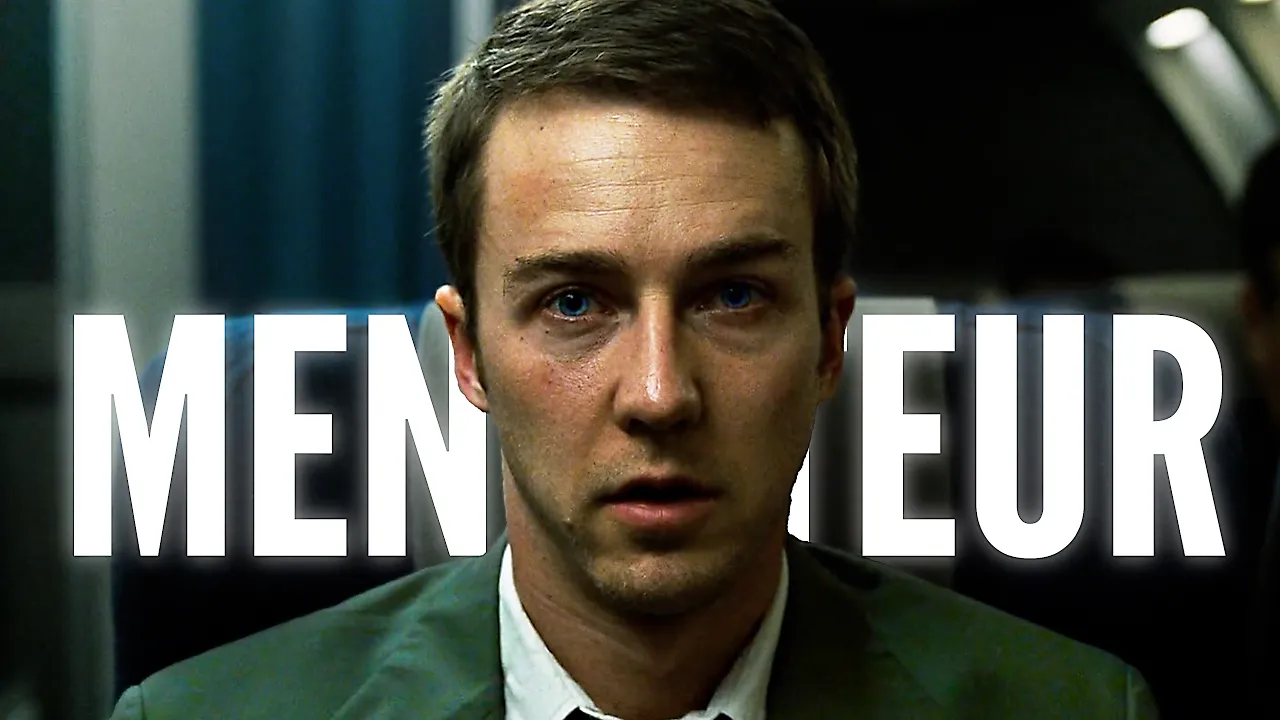






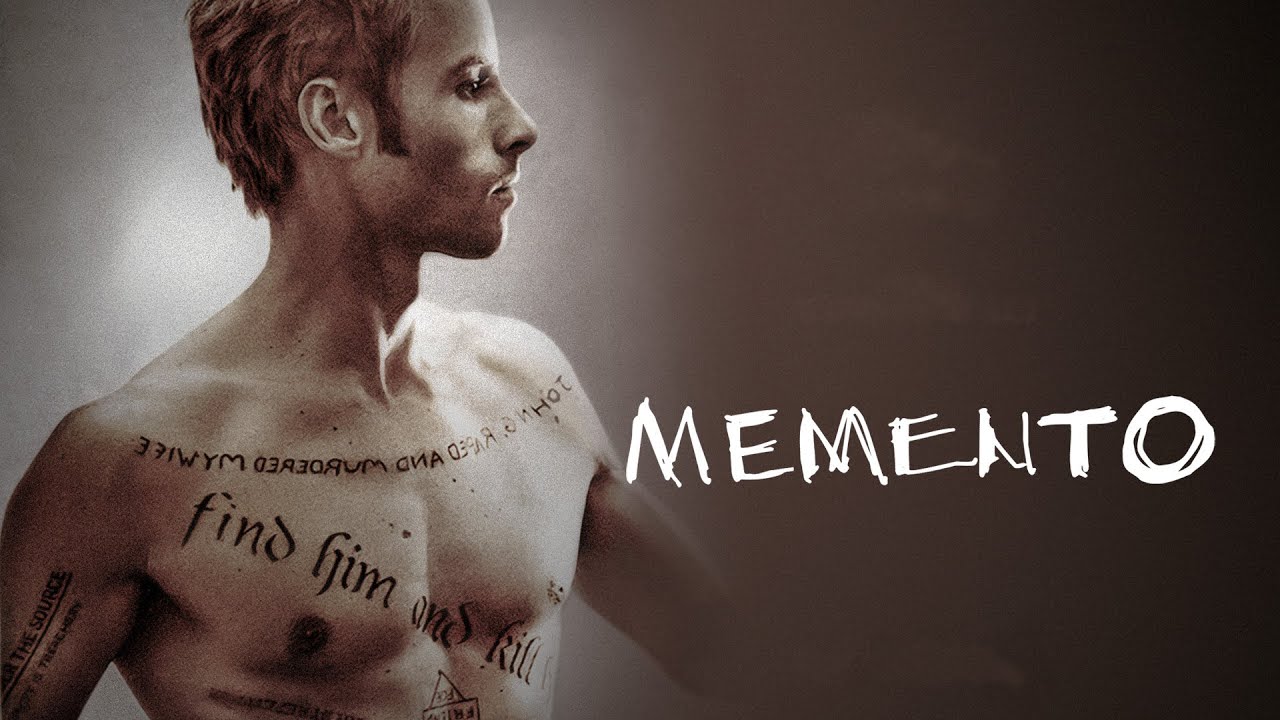
In Christopher Nolan's Memento, Leonard Shelby's short-term memory loss creates a paradox where his condition both enables and prevents self-knowledge: while he cannot remember his past actions, he relies on external reminders (notes, tattoos) to maintain his self-image as a wronged husband seeking revenge, demonstrating how individuals can become their own worst manipulators by constructing false narratives to preserve psychological comfort.
Memento Analysis: Leonard Shelby as a Self-Deceiving Manipulator
Added:Familiarity with the plot and unique reverse-chronological narrative structure of Christopher Nolan's film 'Memento' (2000).
An understanding of anterograde amnesia, specifically the neurological inability to create new long-term memories after the onset of brain damage.
Basic knowledge of John Locke's psychological continuity theory, which posits that personal identity is fundamentally constructed through memory.
Familiarity with psychological concepts of self-deception, cognitive dissonance, and the defense mechanisms the mind uses to cope with trauma.
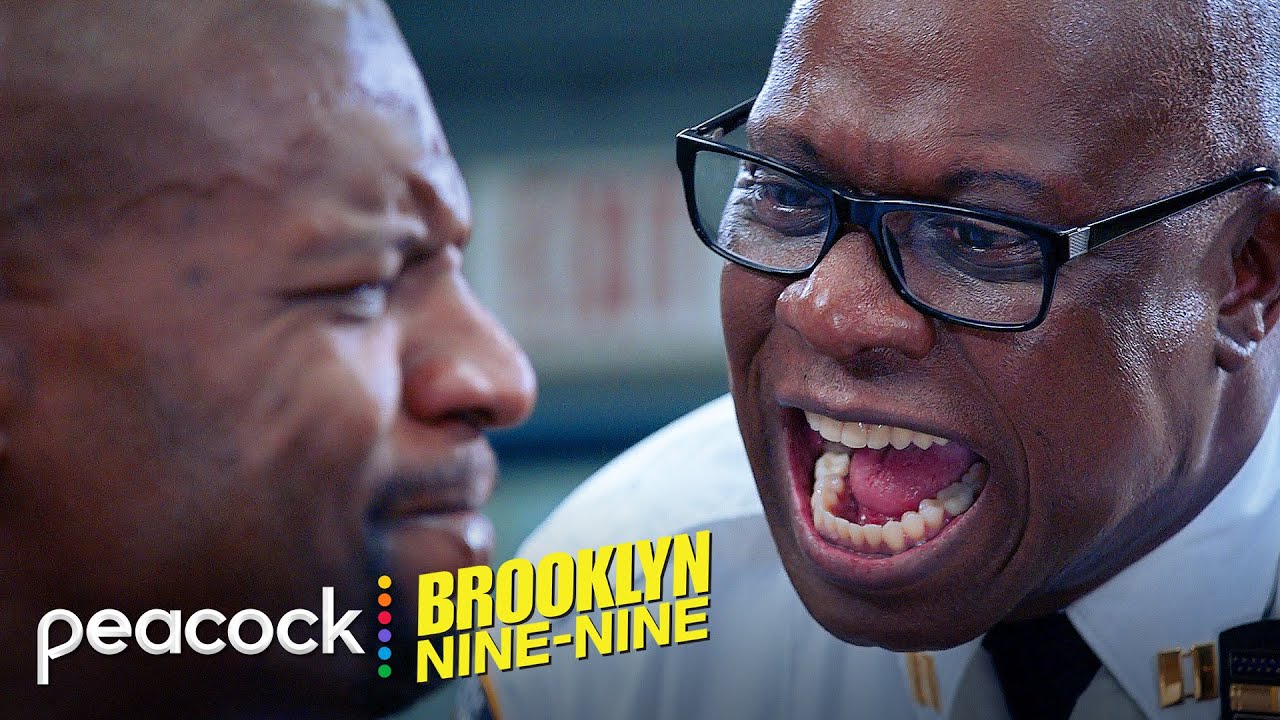
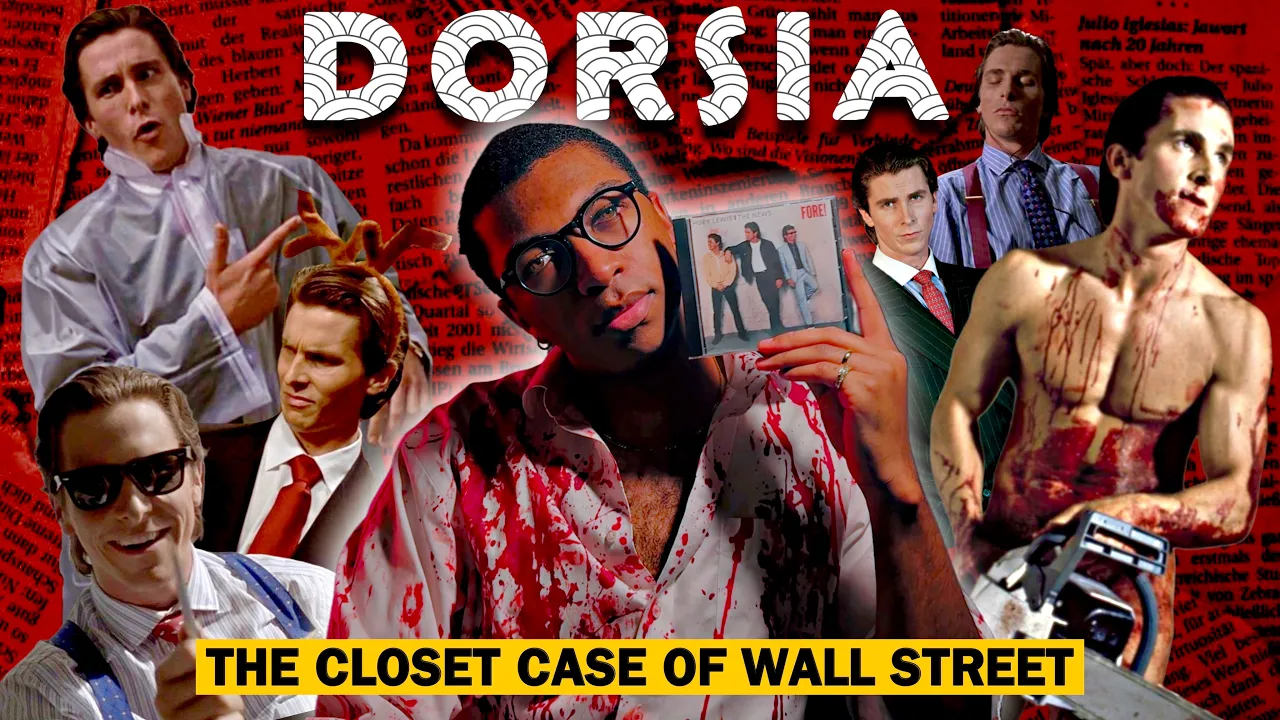
An advanced study of the 'unreliable narrator' literary device in film and literature, comparing 'Memento' to works like 'Shutter Island' or 'American Psycho'.
An exploration of the neuropsychology of confabulation, examining how the human brain unconsciously fabricates memories to fill cognitive gaps.
An investigation into legal and philosophical frameworks of moral culpability and agency in individuals suffering from severe memory impairments.
A semiotic analysis of physical records (tattoos, polaroids, notes) as externalized, manipulated proxies for memory and subjective truth.
579.9K views11.8Klikes26:15Original Release: 2024-06-01
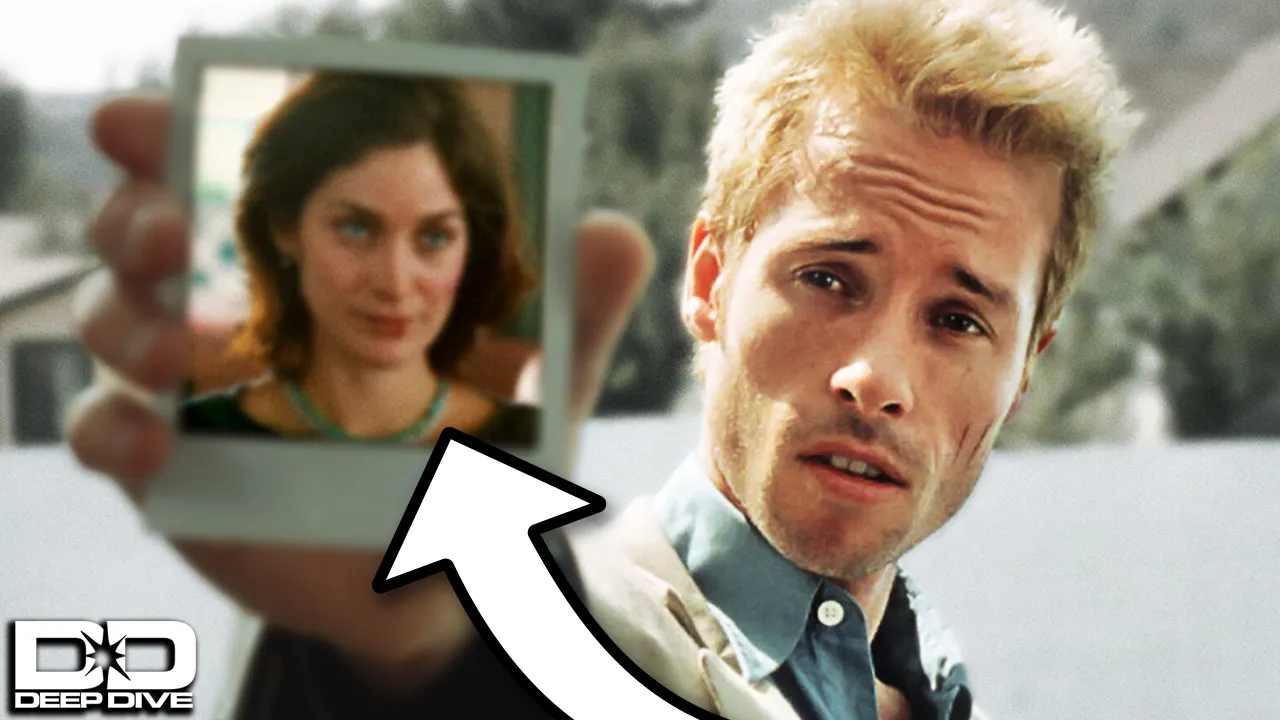
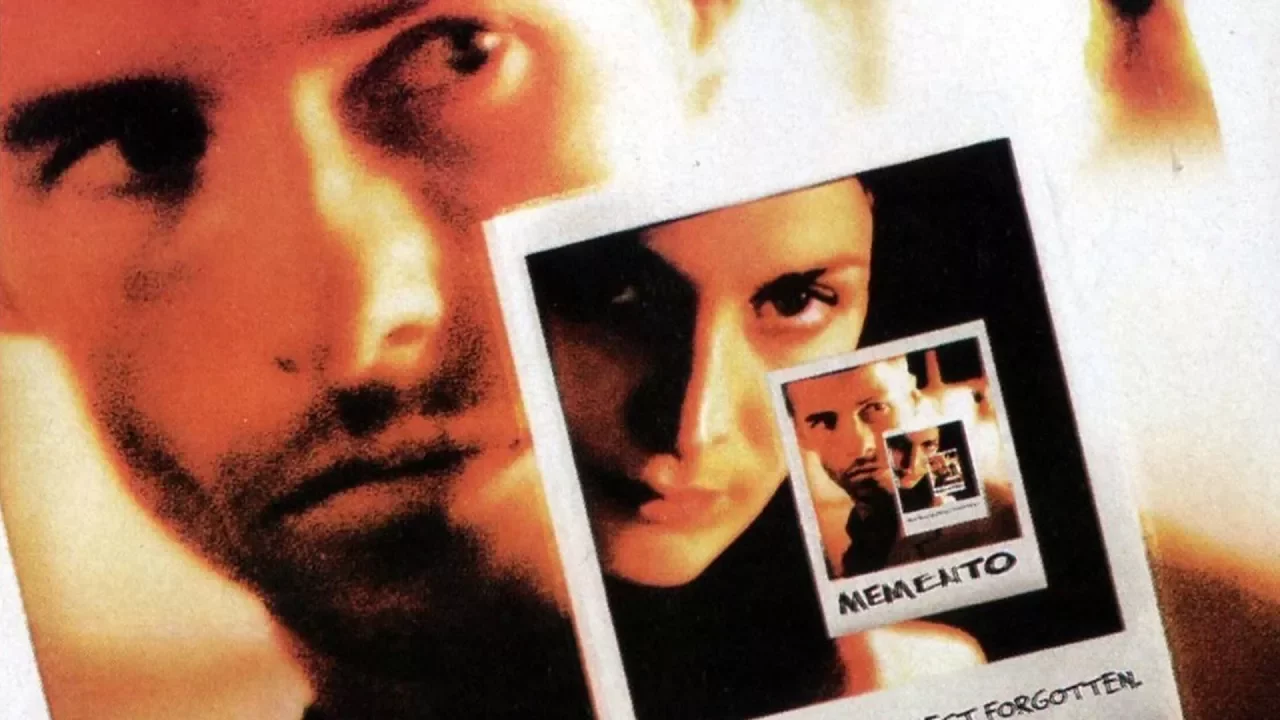
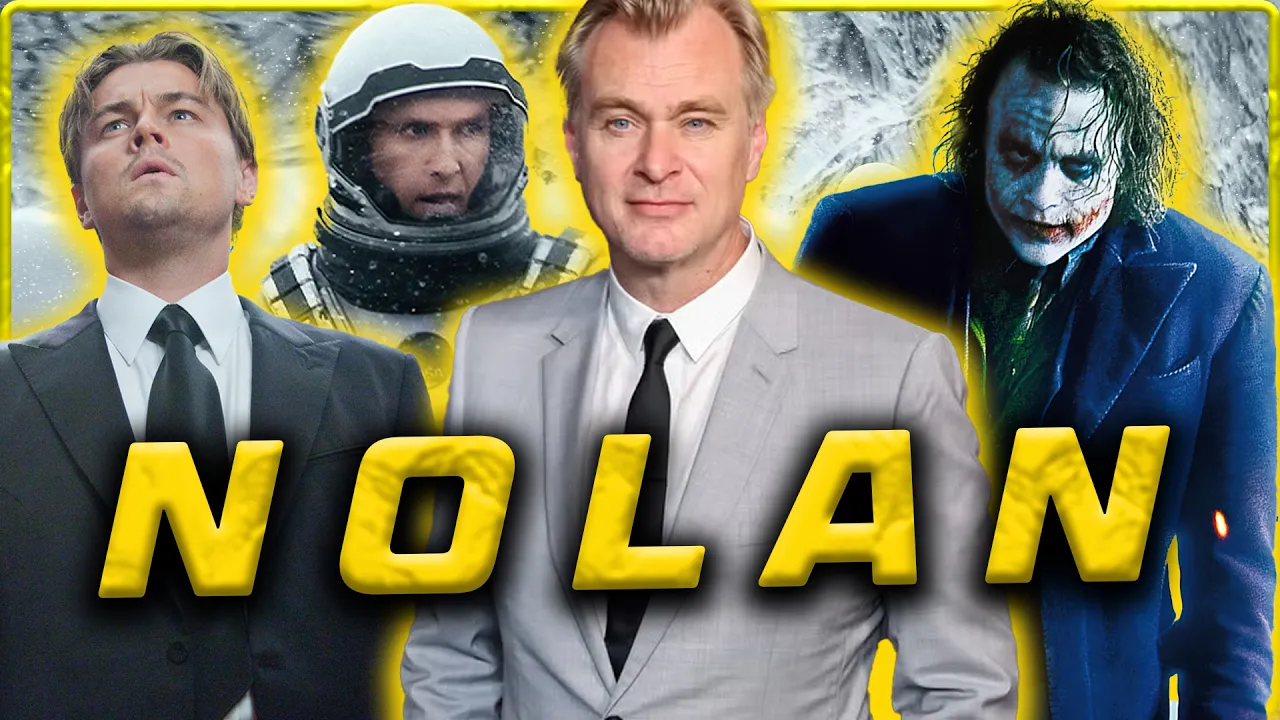
take a look at these two scenes the first from Martin scorsese's shudder Island you know this place makes me wonder which would be worse to live as a monster or to die as a good man now watch this scene from Christopher Nolan's momento you know I think I'd rather be mistaken for a dead guy than a killer might hang on to this for a while in both of these examples the protagonist presents two Paths of life he can either embrace the man he really is or continue living as someone he's not just a heads up full spoiler warning for shudder Island and momento in the first film we find DiCaprio's character Teddy after learning that he murdered his own wife his life as a detective was all a delusion an elaborate treatment plan to bring him back to reality why are you here there never was an insane patient hiding in the shadows it was him all along because I killed my wife this interaction between Teddy and Chuck is the final test to see if he regressed or if the treatment stuck at first it doesn't seem like it but then with the drag of his cigarette Teddy proposes The Dilemma to live as a monster or to die is a good man with this question he's revealing that he knows who he is and what he's done and he would prefer to be lobotomized than to live with that guilt the burden of self-loathing is too heavy to bear so he willingly takes the easy way out dying as an honorable detective trying to avenge his wife instead of living as the the monster in the mirror his true self similarly in the second film guy Pierce's character Leonard has been confronted with a disturbing reality for who knows how long he's been piecing together the clues to find the man who raped and murdered his wife now we're getting somewhere the same man responsible for giving him his present condition instead of insanity Leonard suffers from short-term memory loss I treating you okay I don't remember when the clues lead him to his Target and revenge is there for the take reality is thrown in his face look Lenny I was the cop assigned to your wife's case I believed you I thought you deserved a chance for Revenge I'm the one that helped you find the other guy in your bathroom that night we found him you killed him but you didn't remember so I helped you start looking again looking for the guy you already killed Revenge was satisfied a long time ago but what's worse is that his wife survived assault Leonard is the one who killed her that truth is too painful to accept so he continues in the LIE think I don't know my own wife just like Teddy when faced with the truth of who he is Leonard would prefer to perpetuate his own delusion in order to be happy do I lie to myself to be happy in your case Teddy yes I will in both of these films shudder Island and momento the protagonist is an reliable narrator whose perception of reality dramatically differs from the truth their conditions may be different but their coping mechanisms are almost identical single-handedly he is the one with blood in his hands crafting a mystery that can never be solved lus amazed with no end to keep him from ever facing the man he hates most himself the scariest part about it is he doesn't realize he's doing it it's a lot easier on your conscience to live in a world where you're the good guy trying to set things right and it's Poss too all you have to do is control the mirrors you allow yourself to look through for the purposes of this video we're going to focus on Leonard and unpack the implications of his particular condition you're just blissfully ignorant aren't you I have this condition yeah I know all about youring condition Leonard to do this we need to get inside his head and view the world as he sees it understanding how Leonard perceives reality allows us to see how the condition that torments him each day is also the very thing he needs to keep living his circumstances Doom him to a never- ending cycle of self-deceit and destruction but within that cycle he finds his purpose through Revenge we'll get to all of that in just a second but before we do let's talk about the film momento released in 2000 is Christopher Nolan's second feature film and my personal favorite of his filmography it stars Guy Pierce as Leonard Shelby with keran moss and Joe Pantano in supporting roles the original idea for momento actually came from the director's younger brother Jonathan Nolan who was working on a short story at the the time while we were driving from Chicago to Los Angeles he said I'm working on the story and it's about this guy with this condition you know he he can't make new memories and he's uh looking for Revenge he's looking for the guy who killed his wife I just thought it was such a fantastic idea Jonathan went on to publish his short story entitled momento Mory in Esquire magazine momento Mory is a Latin phrase that translates to remember that you must die for the film The Phrase was simplified to just momento meaning remember the Latin tense of the verb reads as a warning inferring a sense of urgency and Desperation which parallels the themes of the film I highly recommend you read the short story for yourself there's a link to it in the description the short story offers some valuable insight into Leonard's psyche so I'll periodically reference it to help understand his character a bit better the plot of the film follows an ex insurance agent who's fully devoted his life or what's left of it to finding the man who raped and murdered his wife I've told you this before haven't I a cop named Teddy is the closest thing Leonard has to a friend although his motivations are in question for much of the movie you know I've had more rewarding friendships than this one although I do get to keep telling the same jokes as Leonard Works to solve the case he gets mixed up with some ill-intentioned characters who prey on his weakness for their own benefit we'll still be best friends or maybe even lovers Christopher Nolan is obsessed with manipulating time in almost every one of of his movies he engages the Audience by subverting their Alliance on time's normal procession every hour we spend on that planet will be 7 years back on Earth that's relativity folks the dream your mind functions more quickly therefore time seems to feel more slow 5 minutes in the real world gives you an hour in the dream why don't you see what you can get up to in 5 minutes why does it feel so strange you're not shooting the bullet I'm catching it who there are many more examples but the point is momento has its own unique way of messing with time Nolan mirrors Leonard's disorientation and confusion through backwards storytelling effectively placing the audience inside his subjective mind while time progresses linearly it's the audience's person perception of reality that's changed the best way to control a viewer's perception is to provide only as much information as the characters are afforded to limit the context and my approach to doing that was to effectively tell the story backwards that way when we meet a character we don't know just like the protagonist how he's met that person whether he's even met that person before or whether or not they should be trusted that kind of thing within the backwards running subjective Narrative of the film there are black and white sequences breaking it up these pull the audience out of Leonard's head so we can see him in an objective light and the color sequence is the voice of the mind it's the first person it's very much his thoughts as he's thinking them in the black and white scenes they sound a bit like interview grabs to give the audience a little bit of information objective information about how this guy lives his life and what he thinks now pulling these parts together let's see what the timeline looks like drawn out best way to draw it is has a hair pin like that that's basically the end of the movie this stuff is the black and white stuff this is color and this is running backwards as a series of jumps and what we do is we cut between the two the whole way through so we alternate scene here scene there scene there scene there seene there seene there and then meet towards the end of the film editing the film in this way means that the beginning of the movie is actually the narrative end and we spend the runtime of the film figuring out how we got there the scenes play in Forward Motion but every following scene doubles back and ends at the point where the previous scene began it's a Leap frogging Motion where every scene ends with a cliffhanger the Cliffhanger or the question and then the answer and it's presenting that as an alternating Rhythm the whole way through the film repetition where scenes overlap helps the audience to orient themselves and place new new information in the context of what they already know the film provides you with just enough information to keep up putting the intellect of the audience to the test rather than spoon feeding Exposition the point of the film is to throw you into a sort of Little Land of Confusion and see how you deal with that as you watch the film as you engage with it you become part of the experiment your memory is tested your loyalties to certain characters are challenged and you're invited to question the reliability of both the main protagonist and yourself now back to Leonard Lenny our protagonist suffers from a form of short-term memory loss that prevents him from making new memories while still hanging on to his long-term memory now the doctors assure me that there's a real condition called anterograde memory loss or short-term memory loss it's rare while trying to save his wife the night of her assault Leonard was slammed to the ground causing permanent brain damage that incident is the last memory that stuck now his life is made up of fragments just a few minutes at a time completely detached from one another every time he wakes up or comes to his senses it's as if no time has passed from the incident I need late these increments of awareness last as long as he keeps his attention focused sometimes 10 minutes maybe 20 if he's lucky keep focused keep focused keep it in mind if something causes him to lose focus everything resets and whatever he was just doing is erased from his mind find a as you can imagine this makes it impossible to live a normal life let alone play detective you don't know where you are how you got there or what you were just doing minutes ago he destroyed my ability to live to make the best of his situation Leonard relies on his habits formed before the incident and the guidance of his most recent past self habit and routine make my life possible conditioning acting on Instinct everywhere he goes he takes pictures writes notes and for the really important things he gets tattoos he's effectively Outsourcing the work of his faulty brain to external reminders around him he lives for the sole purpose of getting revenge on his wife's as salent John G A man who no longer exists because Leonard already got his revenge he's hunting for ghosts but thanks to his condition and his pal Tedy he's able to find them so where are you you're in some motel room it feels like maybe it's just the first time you've been there but it's it's kind of hard to say I I don't know this is how Leonard begins his day with his condition though days aren't really a meaningful way to measure time the same moment could have occurred 10 times in a row and he'd be none the wiser you need a way to prevent yourself from getting stuck in a loop more than that you need a system that will help you move forward and do something with your life so how do you do that by setting yourself up for Success the next time you wake up here's an excerpt from the short story that describes this Dynamic this is the tragedy of of life because for a few minutes of every day every man becomes a genius moments of clarity Insight whatever you want to call them but then the genius the Savant has to hand over the controls to the next guy down the pike most likely the guy who just wants to eat potato chips and insight and Brilliance and salvation are all entrusted to a [ __ ] or a hedonist or a narcoleptic the only way out of this mess of course is to take steps to ensure that you control the idiots that you become the best way to do this is with a list so with the understanding that in a few short moments the next guy in line will pick up where he left off Leonard has to do his best to bridge the gap each note photograph and tattoo are Leonard's ways of capturing the attention of his future self and ensuring that that stranger will stick to the program in this world in the 10 minutes that you exist you are all that you have so you have to trust yourself interpersonal relationships are thrown out the window all the answers come from you what I haven't made a strong enough impression on you I wouldn't be too hard yourself this is an incredibly dangerous position to be in it completely detaches you from any external morality and puts the power of defining what is true in the palm of your hand the result is a life devoid of all consequences what good would prison do to a guy that can't even remember that he doesn't want to be there Leonard uses his condition against himself redefining reality for the next Blank Slate that wakes up that idiot won't know the difference anything negative or harmful Leonard does will simply be left to to fade into Oblivion cross out a few lines here burn some pictures there and voila an innocent man with a clean conscience the next guy down the line will make his own unbiased assessments based on the information gifted to him unaware of what was withheld you don't want the truth you make up your own truth like your police file it was complete when I gave it to you who took out the 12 pages with an unwavering Reliance on his lists and notes he trusts that his handwriting will direct him toward the truth because if he can't even trust himself he's as good as dead but of course he can trust himself why couldn't he it's not like he's killed somebody before or wait yeah he has he just doesn't realize that he has is there a difference well certainly the unreliable narrator particularly in Noir I think something fascinated by and finding a character creating a character who is by definition unreliable but he's fooling himself that he's not it should matter to Leonard that he's a killer but it doesn't how could it if he's totally unaware of who really is I am lonard Shelby I am from San Francisco that's who you were you do not know who you are what you've become since the incident he's both his greatest adversary and greatest Ally concealing the blood on his hands so he can live with authentic self-esteem Lenny come on you're not a killer that's why you're so good at it fortunately the world doesn't revolve around Leonard and though he may be oblivious to the damage he's done the repercussions still exist the real world goes on when Leonard resets providing a consistent unchanging Narrative of objective reality Leonard knows this or at least he tells himself he knows it he desperately needs to believe that his actions matter after he's forgotten them what we were trying to do is essentially present an idea of the tension between our subjective view of the world the subjective way in which we have to experience life and then our faith in an object of reality beyond that this tension is most clearly made manifest in Leonard's internal monologue at the end of the film I have to believe in a world outside my own mind I have to believe that my actions still have meaning even if I can't remember them I have to believe that when my eyes are closed the world still here do I believe the world still here this scene plays out like a series of self-affirmations I have to believe I have to believe I have to believe do do I believe it's ironic though Leonard's way of life is only possible because objective truth doesn't actually exist for him so as much as he may reassure himself that his actions have meaning and as much as he may truly believe they do give it enough time and he'll be repeating the same words driving away from another crime scene if his actions don't have meaning outside of his own mind then the pursuit of his purpose is vain and the only thing he's living for is taken from him you living only for Revenge it's a conflicting give and take the necessity of faith in objective truth without realizing that your way of life is only possible in its absence Leonard can't believe in anything he can't remember to keep believing in it whatever it was don't remember he's an anomaly physically existing in the world but in all other regards detached quoting from the short story your advantage in forgetting is that you'll forget to write yourself off as a lost cause he could do this till the day he dies the final remark Leonard makes in his monologue touches on an idea that I referenced earlier in this video we all need mirrors to remind ourselves who we are I'm no different whether they're literal reflections of our image or little things we put up around us to remind us of who we are everyone has Mirrors selfies social media the things we buy notes we write all of these things remind us of the person we are or the person we want to be seen as my name's Leonard Leonard's right we all do it it's not inherently wrong unless you're explicitly TR trying to convince yourself that you're someone you're not sounds kind of strange because for normal people like us it's basically impossible we have an enormous backlog of memories that we use to fact check who we are now to the person we used to be if I took a picture of a brand new Porsche 911 and labeled it my car I wouldn't begin leaping for Joy obviously I'd recognize that hey I can't afford that and falsify the picture with the awareness of who I am and the objective reality that I live in I can determine what is true and what is false Leonard is not afforded this luxury and that is where his statement is wrong he is different from us his mirrors don't abide by the same rules he trusts himself when he shouldn't he has no idea what kind of man he was when he wrote his notes to himself he's oblivious to the reality that he could ever lie to himself Leonard knows that other people pose a risk for manipulating him but he'll never realize that his biggest manipulator is himself for the most part Leonard functions adequately with his systematic life with his mirrors however a day awaits him when he least expect it where the stars align the clues come together and what do they form a true mirror not a mirror that Leonard made for himself a manipulated reflection of his subjective reality no Leonard arrives face to face with a true objective reflection of himself this is what happens during his confrontation with Teddy at the end of the film so you lie to yourself to be happy there's nothing wrong with that we all do it who cares if there's a few little details youd rather not remember [Music] I took that picture just when you did it in that moment where he sees the man he really is where he becomes that genius the svant he has a choice he can let the fire within him die accepting who he is and what he's done or he can pull out a pen and give himself some fresh Clues to keep the game a foot and keep the fire alive the choice he makes is no surprise it's the same choice that Teddy from shudder Island made the first route would leave him devoid of purpose a life of commercials and complacency a body existing in a room for that to really work Leonard would need a permanent reminder of Vengeance satisfied all tattoos and clues need to point to irrefutable unmistakable proof that his wife's rapist is dead each waking moment will still be met with the same invigoration for Revenge as before he'll just have to deal with that she's gone and the present is trivia which I scribble down hising notes but maybe he looks up at his ceiling and sees the words I did it in large letters and maybe after a few thousand times reading those words some other part of the body starts to get the message and remembering gets easier but that's not the path Leonard chose nor is it a path he would ever allow himself to take though he lives his life in pursuit of that dream where the Gap in his chest is filled and his Burning Heart can find rest when the cards are laid out before him he refuses it the weight of Truth feels too heavy he hates the man he really is 10 out of 10 times Leonard will prevent himself from ever becoming that man at the end of the film Teddy effectively summarizes Leonard's lifestyle you you're wander around you're playing detective living a dream kid a dead wife to Pine for a sense of purpose to your life a romantic Quest that you wouldn't end even if I wasn't in the picture this romantic Quest is where the paradoxical nature of Leonard's condition lies in spite of his suffering and selfs sabotaging Leonard's life would cease to have purpose without the tragic hand he was dealt that terrible incident that forever changed his and his wife's lives is what gives him purpose his life exists for revenge and he'll never be able to change that he can't heal he can't move on he can't find a new purpose probably burn truckloads of your stuff can't remember to forget you when nothing he does can ever stick it's only a matter of minutes before he finds himself waking up again with his wife's face burned in his mind freshly invigorated to get revenge in this way his condition extends an olive branch in forgetting what he's done he's able to keep going Revenge gives him something to strive for to feel valuable and Alive the anticipation to fulfillment keeps the fire burning within him it's dangerous to place your life's purpose in something with a definitive end I.E Revenge if all your waking hours are spent pursuing a single goal after a temporary high you could be left ier than when you began this is especially true for Leonard his long-term memory is permanently fixed so he can't chase new dreams his purpose was chosen for him and all he could do now is play his cards to the best of his ability in the way that will make him most fulfilled and ultimately can we blame him for that would you do any different wouldn't you try to put yourself in the scenario that made you the happiest and most fulfilled dealt a different hand with a few minor adjustments Leonard's life could actually be a benefit to society but as it stands men are being murdered for crimes they never committed on his account by simply changing his last remaining long-term memory the drive and passion that fuels his revenge could instead fuel a desire to save lives or reduce crime in another world momento could be a light-hearted medical show or a vigilante superhero film simply put the Leonard we have is probably the unluckiest man on the planet the rest of his life will be spent lying to himself to satisfy his need for murder he's a serial killer who thinks he's never killed before his situation is hopeless luckily he doesn't see it that way blindness to objective truth also means immunity to new pain and Lasting discomfort in the short story the protagonist is even boastful about his condition he says quote but you're different you're more perfect time is three things for most people but for you for us just one a singularity one moment this moment like you're the center of the clock the axis on which the hands turn time moves about you but never moves you it's lost its ability to affect you what is it they say that time is theft but not for you close your eyes and you can start all over again the excerpt radiates a wounded confidence a forced optimism that only exists as a result of his Misfortune but it only sounds that way because we are privy to his objective situation in his subjective reality things aren't so bad he really believes he's more perfect at least he did at the time he wrote it down to convince himself of it turns out if you never realize how incredibly misfortunate your life is your situation starts to seem pretty lucky he takes pride in his way of life he doesn't need his memory neither does the rest of the world all you need is fact look memory can change the shape of a room it can change the color of a car and memories can be distorted they're just an interpretation they're not a record and they're irrelevant if you have the facts Leonard's Reliance on fact prompts us to consider our own over Reliance on our potentially faulty memory this idea is supported throughout the film as various identical shots are repeated but with small changes to plant seeds of Doubt Leonard's life is one of Duality he's in constant conflict with the man he will become he stops himself from ever reaching the life he Longs for his condition keeps him trapped in a destructive cycle destroying his ability to live but within that cycle he created a way to thrive his condition is the worst thing that ever happened to him but since it happened it became the best thing understanding the implications of Len's condition allows us to peel back the layers of who he tells himself he is and reveal the Sinister manipulator he is beneath the surface even though that's the truth it's difficult to blame him to Leonard's knowledge the lying stealing killer from the past never existed and that old version of himself has no influence on the man he is now so with everything we know about him where does Leonard stand morally is he good or bad Justified or unjustified to answer this we need to ask ourselves what we value more objective truth or subjective truth from here the answer becomes clear individual truth can never supersede objective factual reality and indulging it harms the individual yes but to a greater degree it harms the people surrounding them in my opinion Leonard has to be held accountable for his actions he's proven repeatedly that given the choice he will enable himself to kill innocent men for the sake of his own happiness and unless he's forcibly stopped he'll gladly do it again thank you for watching [Music]
Up Next
7:38
Pioneers of Rocket Science: Inspirations Behind the Space Race
@knowledgehusk
265.8K views•2017-05-21

26:22
Walking in the City: Urban Rituals and the Flâneur in Contemporary India
@PSBTIndia
1.9K views•2016-08-02

9:49
FastAPI vs Flask vs Django: Choosing the Right Python Web Framework
@TechWithTim
302.5K views•2024-05-26

1:42
Game of Thrones Opening Credits: A Cinematic Analysis
@gameofthrones
46.3M views•2011-04-18
Related Study Plans & Knowledge Roadmaps
Structured learning paths in General & Interdisciplinary Studies
general-studies
Artificial Light: History, Tech & Human Impact
01The Pre-Electric Era: Fire, Oil, and Gas Lighting
02The Incandescent Revolution and Grid Electrification
03Gas Discharge and Fluorescent Illumination
+ 3 more learning modules
14h6 modules
Explore Roadmap
general-studies
Elevator Engineering: History, Physics & Cities
01From Hoists to Safety Brakes: The Dawn of Vertical Lift
02Hydraulic vs. Traction: The Engineering Physics of Elevators
03Modern Speed, Safety, and Algorithms
+ 2 more learning modules
12h5 modules
Explore Roadmap
general-studies
Rubber: Material Science, History & Geopolitics
01Origins of Natural Rubber & Mesoamerican History
02The Chemistry of Natural Rubber & Vulcanization
03The Geopolitics of the Rubber Boom & Colonization
+ 2 more learning modules
12h5 modules
Explore Roadmap
general-studies
Containerization: Evolution, Logistics & Trade
01Ancient Trade & Bulk Cargo: Amphorae to Barrels
02The Industrial Revolution & Cardboard Packaging
03The Containerization Revolution: Malcom McLean
+ 2 more learning modules
12h5 modules
Explore Roadmap