




![Un scanner 3D.. Parfait ? [Miraco PLUS]](https://i.ytimg.com/vi/9nsrvesbu6A/maxresdefault.jpg)




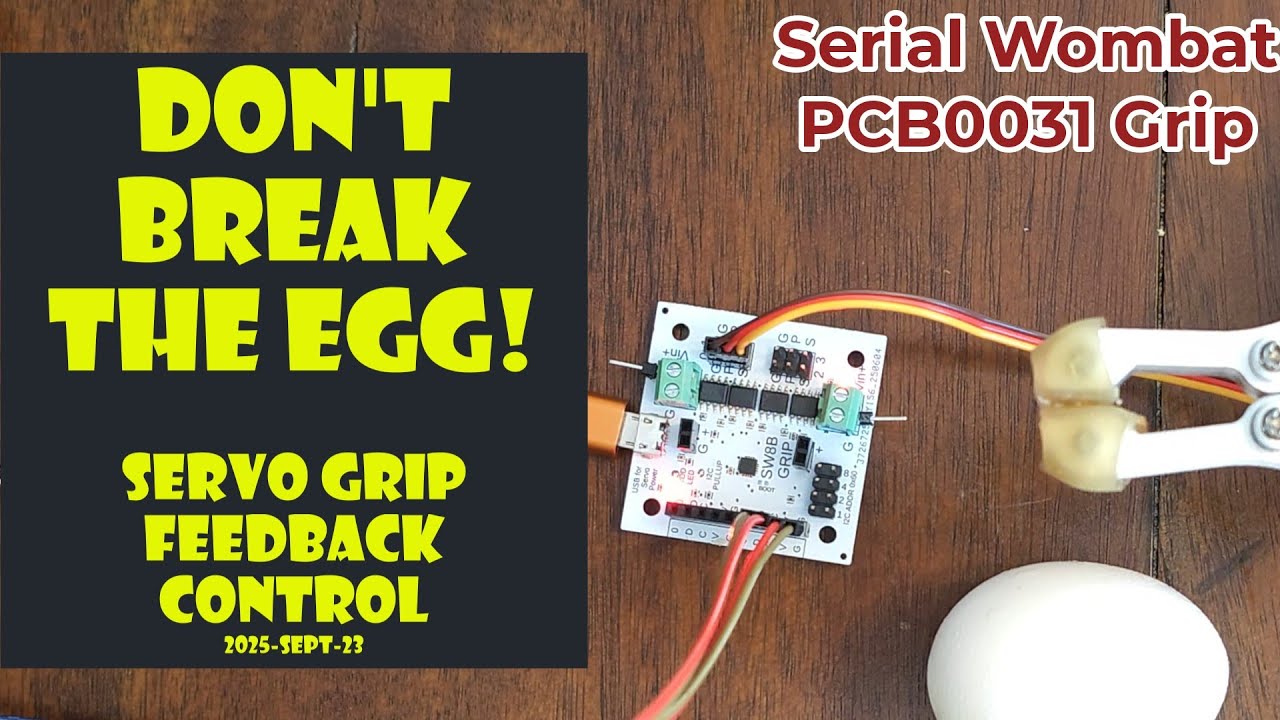
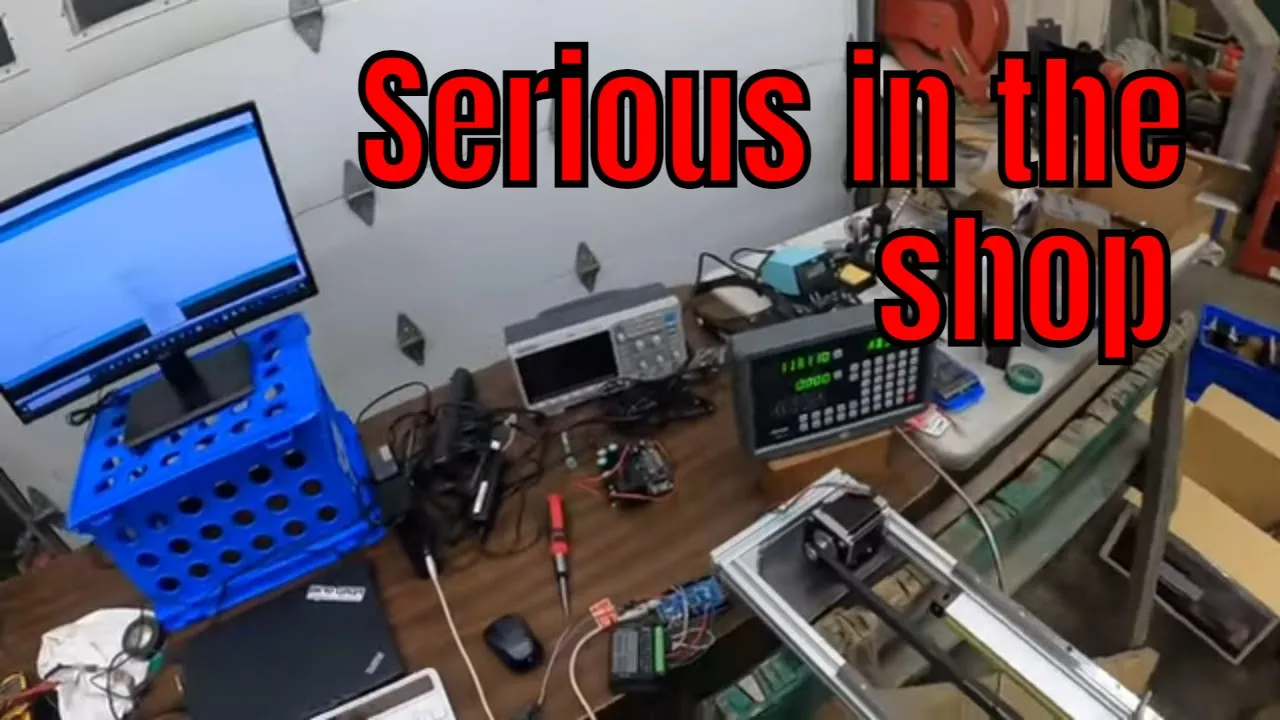
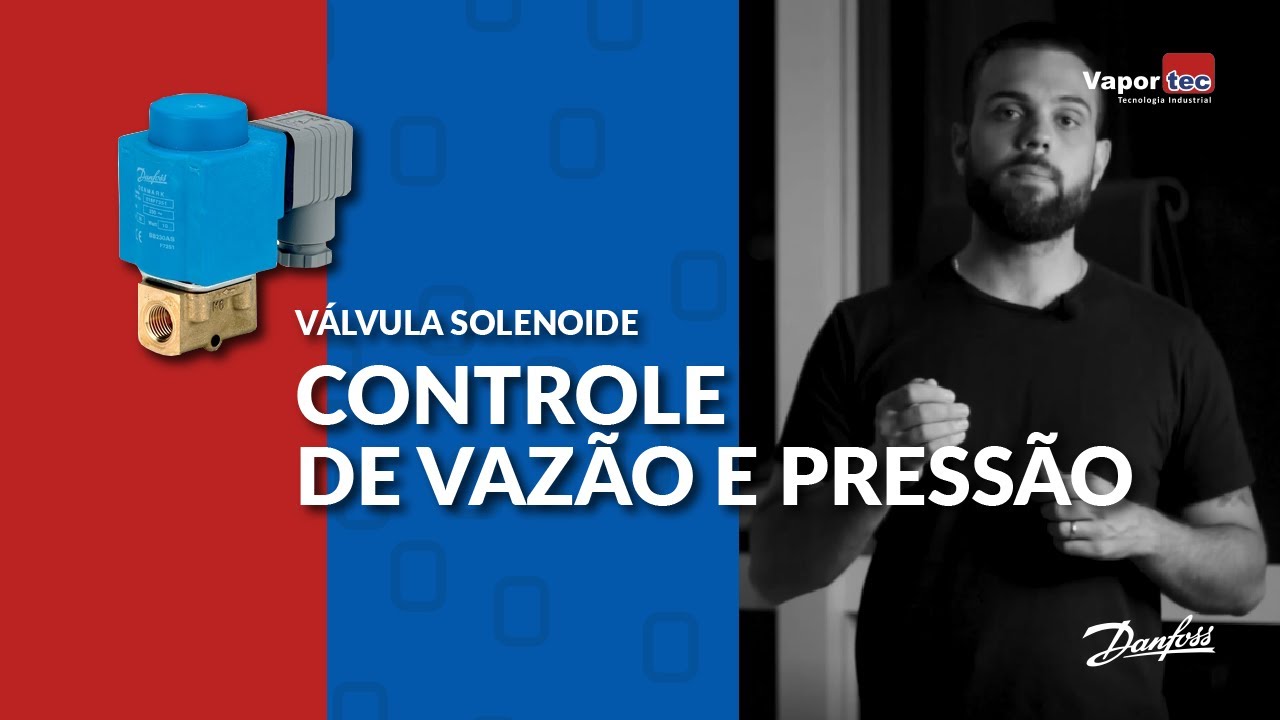

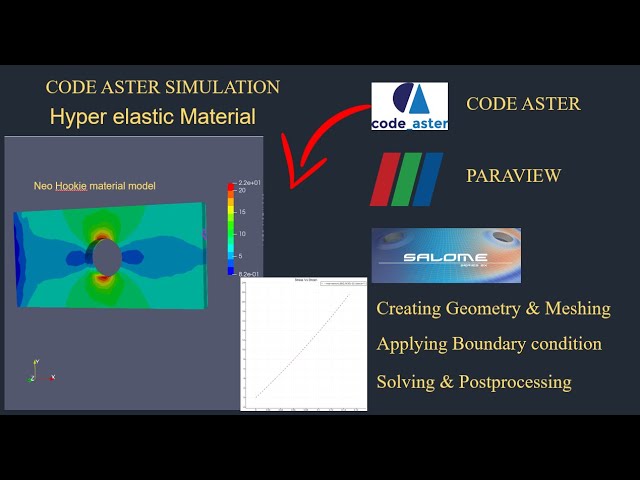









A soft robotic pneumatic gripper is created by casting silicone rubber into a mold with internal ribs, where one side contains fabric reinforcement to create the gripping surface; the gripper bends when pressurized air enters the hollow interior, causing the flexible silicone to expand and contract, allowing it to grasp objects of various shapes and sizes.
Design and Fabrication of a Soft Robotic Gripper: A DIY Guide
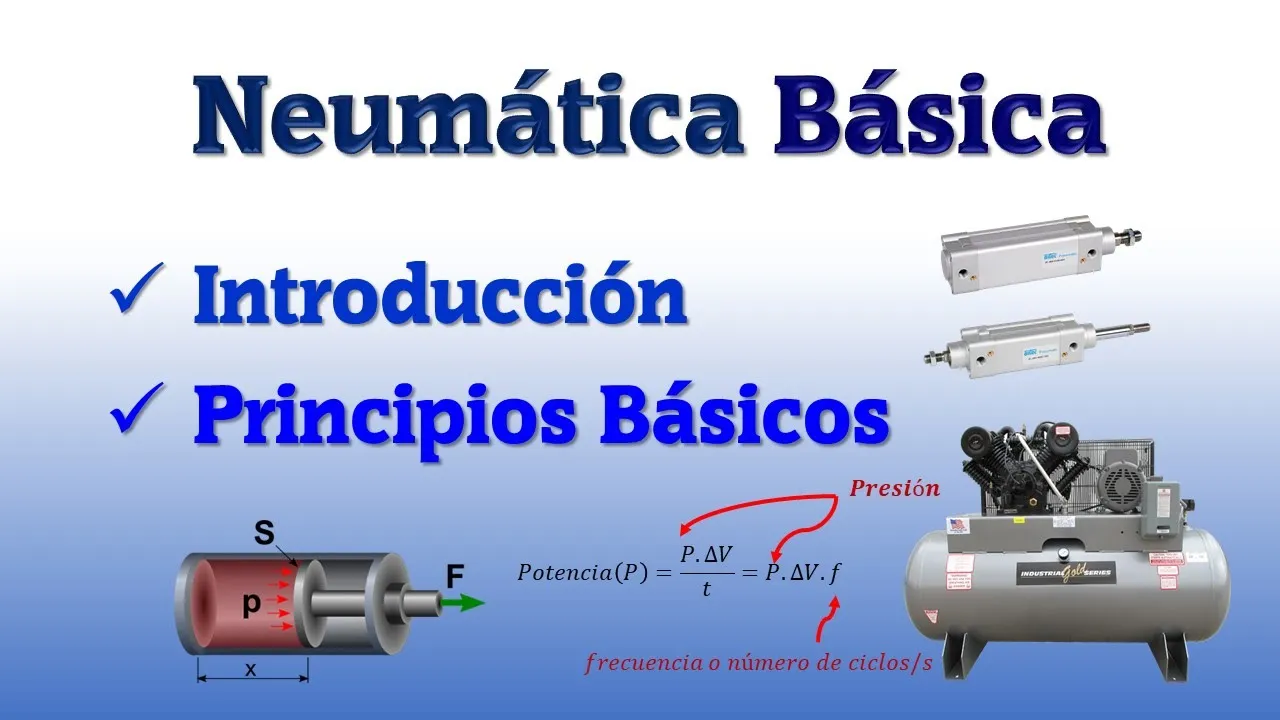
Added:Basic principles of pneumatics and fluid power, including pressure, flow rate, and force generation.
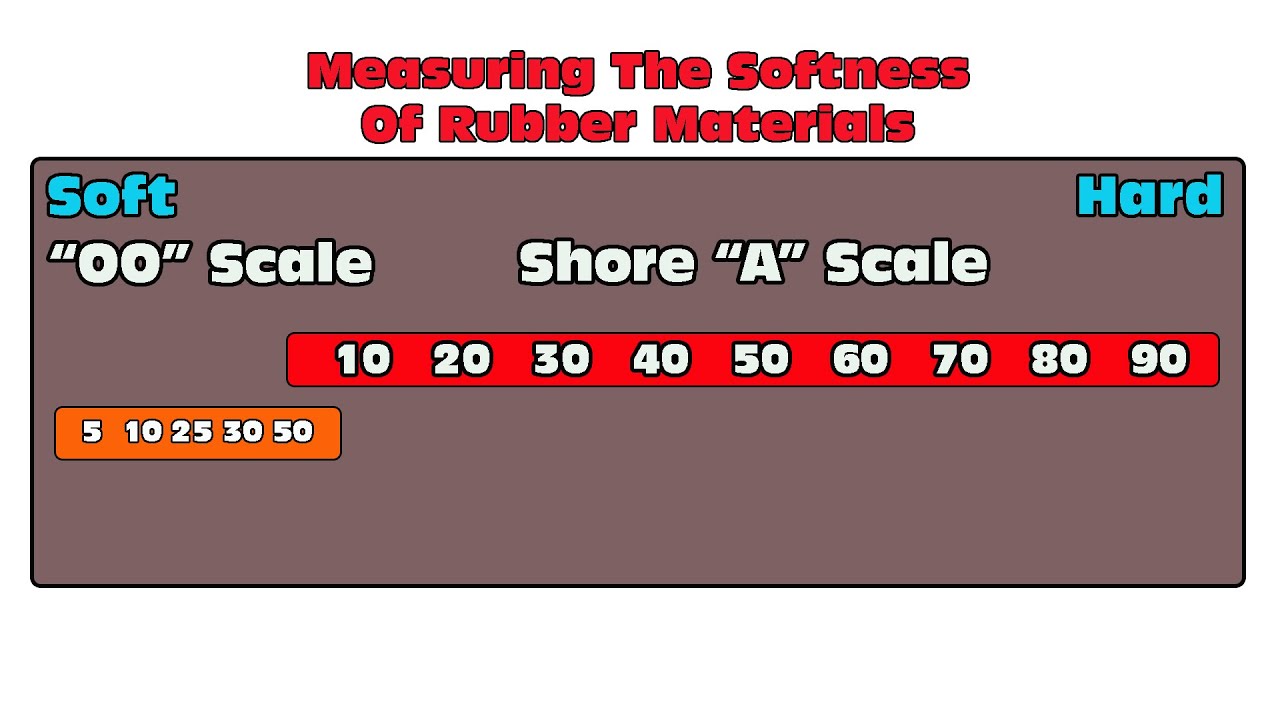
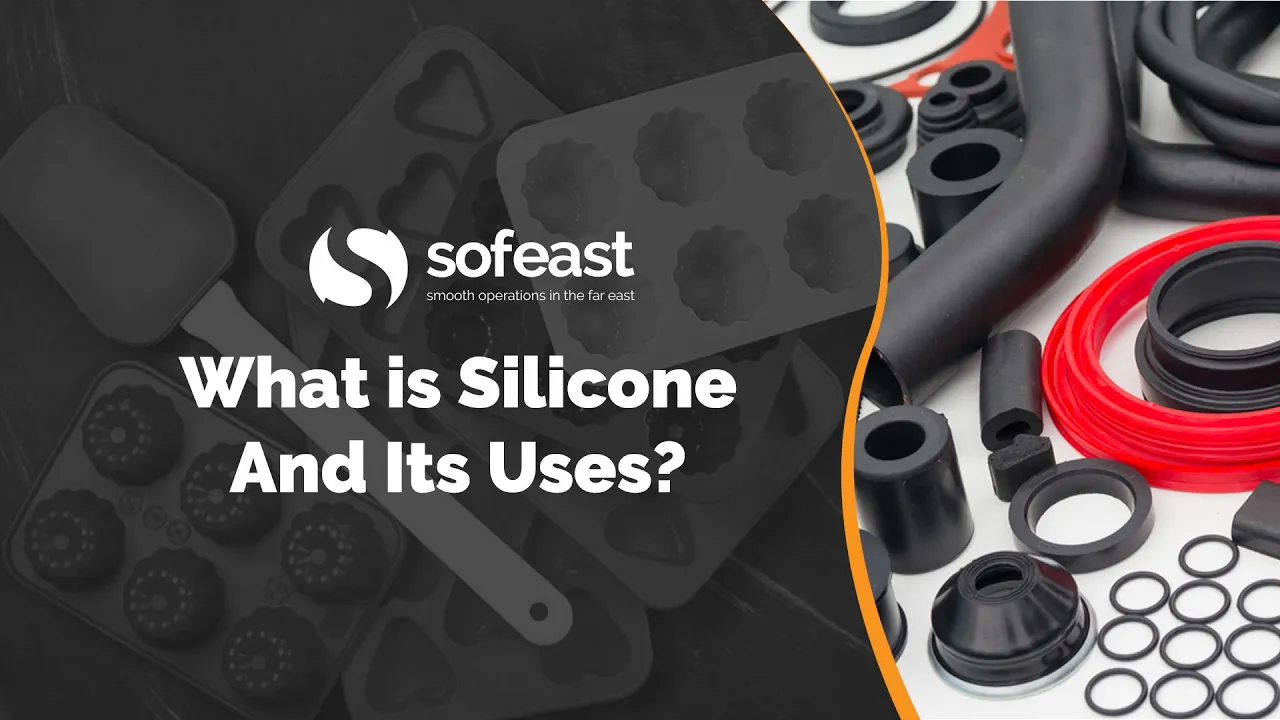
Fundamentals of materials science, specifically the properties of elastomers and silicones, such as Shore hardness and curing mechanisms.
Introduction to CAD (Computer-Aided Design) and 3D printing basics for designing and manufacturing negative molds.
Core concepts of soft robotics, including how hyperelastic materials deform under pressure compared to rigid body mechanics.
Feedback control systems implementation using microcontrollers, solenoid valves, and pressure sensors to automate the gripper.
Finite Element Analysis (FEA) for simulating hyperelastic material behavior to optimize gripper geometry before physical fabrication.
Integration of flexible or soft sensors (such as resistive or capacitive strain sensors) into the gripper for haptic feedback.
Exploration of advanced soft robotic applications, such as biomimetic locomotion or delicate payload handling in industrial automation.
22.2K views887likes17:49Original Release: 2024-12-21
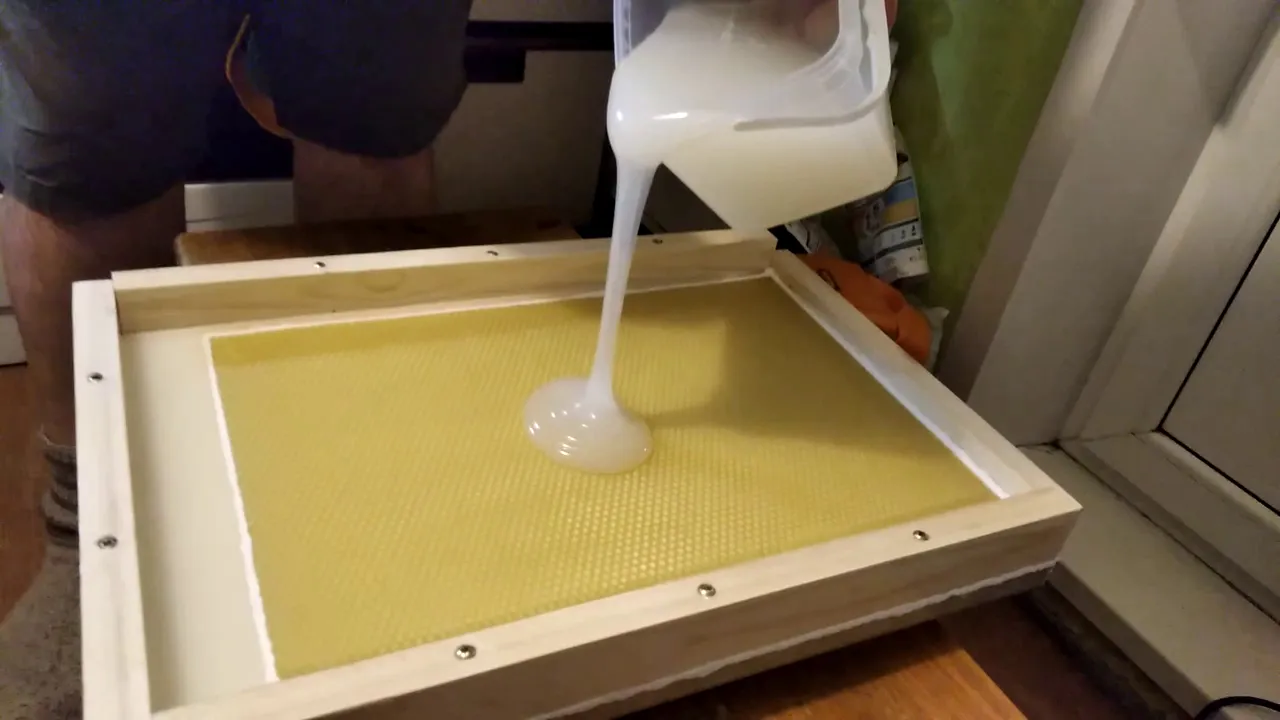
a few weeks ago I tried to make a soft robotic gripper and it was horrible since then I've made some changes it took me a couple of tries but I've managed to make it [Music] work the first major thing I changed was the silicone I switched from using silicone with Shore hardness 25A to 10 a because I had a problem that the silicone just wasn't expanding enough so the softw silicone should help I also bought mold release so I'll be able to take out the silicone easily once it solidifies I wanted to compare the new silicone with my last result so I just use the same mold I first appli the mold to release then I mix the new silicone and ped it into the mold I tried smashing the mold to get rid of any bubbles but it was pretty useless so I just push the two parts of the mold together and let it solidify after a few hours I opened the mold and I was really surprised by how well it went just kidding it was so bad I considered throwing it in the thrash and starting over but once I got it out it was pretty decent all right the top part is done this is the part that's going to expand when I pressurize the gripper and now I'm going to make the bottom side which won't expand so it will bend to that side to stop it from expanding I'm using this shitty orange fabric because that's all I have I've mixed some new silicone I pour it into the grip mold I've put the fabric onto the silicone I've ped even more silicone onto the fabric so it gets sandwiched in between the two silicone layers and then I've just inserted the top piece I read that silicone cures faster when heat it so I put it onto my 3D printers bed at about 70° once it was cured I took it out edit a cube and it was time to test it [Music] out all right this is much better than before I mean it leaks because I did an awful job sealing the cube but other than that it bends about 90° so I'm confident I can make a working gripper out of this this is 3 weeks later my laptop died so I wasn't able to work on any of my projects [Music] I also probably lost all the files as well so the CNC code the get models all of that is probably gone yeah set times I decided I'm going to work on the gripper first because I've barely even started so I haven't lost anything I've made some changes so before I explain what the [ __ ] I'm doing here I'm going to show you the cat since I had to model the mold again I used parametric modeling it's where you input parameters instead of exact dimensions so I've modeled this with a height of 30 mm and if I change it to 15 it's just going to update and I don't have to remodel it I also have other parameters for example the number of rips and you can see it just got longer this saves a lot of time but it's also harder to model because basically every time you update something it usually breaks since I could change the parameters easily I made the gripper shorter and wider so it would be easier to bend I printed the new mold and I noticed there's some stringing so to get rid of it I used a hot air gun from my new soering station the hot air melts the plastic strings which results in a better surface previously I had a problem with the air getting trap in between the ribs so I completely removed the top of the mold that way when I press the mold into the silicone bath the air has nowhere to get wrapped it was kind of annoying to rint the suspensions though by some miracle I've managed to get it out I'm surprised the ribs didn't break as you can see there are some bubbles so it's not airtight I'm going to have to put some more silicone onto it I've made the ribs really thin and the walls are also thin it's about a millimet so I hope this will be enough to make this bend over 90° when I was casting the grip aside the silicone started to cure very quickly which made it challenging to work with it might be stupid to cure the silicone this quickly but I don't want to wait a whole day just to make a half of this gripper because the prototyping would take ages since I had the silicone mixed I use this time to fix the Hol from the bubbles then I just pressed the two parts together and waited for them to solidify okay this is nice Definitely over 90° I tried to fix the leak with some super glue but it didn't really work I used a different glue and it was still pretty [ __ ] so in the end I just held the hole with my finger this is what I like to see constant progress in absolute terms this is pretty [ __ ] awful but since my first prototype was so [ __ ] relative to it this is great new design I made a cross-section wider and thinner since it helped last time I've decreased the number of ribs and I made the ribs thicker so it should be easier to take out I added air RS at the bottom of the mold these are just holes they are small enough so that the silicone doesn't flow out since it has a high viscosity but they are big enough so the air can escape this way I can make the mold from a single piece and I don't have to worry about the air getting tra in between the [Music] ribs because of the new design I was able to skim the top of the silicone so the silicone will sit flush with the top of the mold and I will have a better control of the top thickness this was the first time I took silicone out of mold and my fingers didn't hurt afterwards although the ribs are well spaced out so it will probably blow up like a balloon oh and I also had to clean this up a bit because the silicone got into the air runs which is fine I finally bought new fabric for the grip side I got enough for 10,000 grippers it's thin it doesn't stretch and it's full of these small holes so it will bond to the silicone well [Music] oh [ __ ] when I was taking the silicone out it wasn't solidified completely so now I had this grease on my fingers that's impossible to wash [Music] I've made a hole in the silicone and inserted a cube to test it out I already knew this was going to go [Music] great this is just a prototype and I didn't actually plan on gripping anything with it but as I saw the gripper bent I thought it would be able to grip a again or something so I've made it grab this craft white paint which I used for electr plating this reminds me of the octopus inspired festo gripper this gripper is great it works even on its own but I want to add two more fingers and make a proper grip out of it I have even bigger plants I will make a 4 degree of Freedom robot arm that will utilize this gripper so I will be able to move stuff around for the robotic arm I will order some pcbs from PCB way which is my sponsor here I could get away with not using pcbs because it's a simple circuit although if I had used them this whole agulara circuit would fit onto a little circuit board and for the robotic arm I will need the pcbs because doing it through breadboard would just be insane so next video I will be designing the pneumatic circuit the electronics designing the PCB and ordering it but if you want to get some pcbs now you can check out PCB way pcba way provides PCB assembly CNC Machining 3D printing and bunch of other stuff they have a Christmas sale right now and then till January 12th they will have a New Year's sale but now let's design the full gripper I'm modeling the new gripper so I cut out 120° Arc from the finger and I just need to copy it two times for that I tried using a circular pattern but the way inventory does it it doesn't really work so I decided I'm going to make an assemble and derive the part from it but then I thought to myself there has to be a feature for what I want to do and of course there is I just never looked it up so when you're making the circular pattern you can just change it from features to solid body and it does exactly what I want [Music] since I had to install Cora on a different PC and it had the wrong dimensions of my printer by default it cut off one of the fingers now since this is a gripper I want to use for my robotic arm I need to be able to mount to gripper to the arm and so I've made this mounting attachment the blue thing is the plastic mold and this circular thing is the adapter it's going to be filled with silicone all these fins are going to be under the silicone as you can see and the only thing that's going to stick out is this top piece which has a hole for pneumatic fitting and three holes for heated inserts I'm not sure if this will be WR strong enough but I don't have much space to work here because it's so fun and I wanted to make this simple like I could have designed something better if it was extended upwards but uh I want it to be as simple as possible so I opted for this simple option even though it's probably [Music] worse the core sits on a wedge so it's not touching the airway and when the air wants to get out it has to go through the airway up around the fence and up so I hope this will provide a decent seal unfortunately the hole in the middle of this core is too big so it doesn't sit on the back I'm going to have to reprint this I've just found another issue so the center hole is to supply the air and it's going to supply it through a Pneumatic fitting I I'm not sure how wide the pneumatic fitting is and it might interfere with the heat set inserts because they are so close so I'm going to increase this diameter the casting went well I kind of overestimated how much silicone I was going to need because the gripper seems to be really big but most of it is just a/ the mold so I had a ton of waste I again skimmed the top I forgot to mention that I've increased the the thickness of the top face it was 1 mm now it's 1.5 I did this to account for the Bubbles at the end I just inserted the core and let it [Music] solidify for the grip side I used the mold as a template to cut out the fabric I then offset the fabric by cutting it with scissors and when I was actually casting the grip side I just put the fabric onto the silicone and I didn't bother putting any more silicone onto the fabric because since it has so many holes I noticed it sucks up the silicone anyway so the top was covered with it when I took the gripper out of the mold I immediately noticed that the core doesn't stick to the silicone but this shouldn't be an issue because the way I've designed it the core has fins that that are sandwiched in between two silicone layers so the air pressure should press it up and it should form a decent seal I don't really have a way to test this because this Center hole isn't made for the Cube It's Made for an M5 heat set inserts and a Pneumatic fitting which I don't have right now so I'm going to print some adapter for the cube because I want to test this out now this is the adapter on the top it has a center hole that's big enough for the tube it's going to be clamped down to the core with three M3 bolts and in between these two parts there's silicone which I'm going to cast with the mold right here So the plan is the tube is going to be sealed with the Silicon ring and the M3 bolts are also going to be sealed because it's going to be glamed together [Music] I think the adapter connects the cube to the gripper wall but the core doesn't provide any seal the air just goes around it I mean I can take the core out with my hands because the core is quite small and the silicone is real stretchy so I'm going to use the adapter to seal off the core by connecting the silicone ring from the adapter to the gripper itself so what I have right now are two pieces of plastic and a silicone layer in between them when I tighten the bolts the plastic pieces get closer to each other and it squishes the silicone out but instead of clamping the cube it just pushes it out so I'm going to print a second adapter for this adapter that is going to get squished with the silicone and provide a better seal this second adapter worked so well that I even let out an audible reaction of course I've made a second version of the second adapter and it was still trash I have to take the loss I'm going to take out this adapter and just fill it with silicone the pump makes the camera Shake which is making this light speed travel effect I added a silicone cylinder to the top of the gripper so I can grap it with my hand better and then my pneumatic soft robotic gripper was finally finished let's leave this graphine pain okay probably not the best shape I bet it will be easier to grab when it's on its side still not as good as I hope for I'm going to try a different object these are my shitty for VR Googles and I'm going to lift them with this gripper [Music] not as versal as I hoped for but who would need to grip VR Googles anyway let's try something [Music] different now this is just perfect this gripper is honestly kind of fresh I can't mount it onto anything and some of the ribs snapped off because I haven't put silicone on top of the fabric so we didn't one well I have an idea of how I'm going to face the mounting issue but I'll have to remake this Grier next video I'm going to design a robotic arm for this gripper and that should come out soon because I have the components picked I just need to finish designing the PCB
Up Next

22:21
Programmable Air: Open-Source Soft Robotics Control
@crowd_supply
395 views•2019-07-12

12:54
Triumph of Orthodoxy Icon: Byzantine Art & History Explained
@BenCallan
2.1K views•2024-08-06

9:49
FastAPI vs Flask vs Django: Choosing the Right Python Web Framework
@TechWithTim
302.5K views•2024-05-26

1:42
Game of Thrones Opening Credits: A Cinematic Analysis
@gameofthrones
46.3M views•2011-04-18
Related Study Plans & Knowledge Roadmaps
Structured learning paths in General & Interdisciplinary Studies
general-studies
Elevator Engineering: History, Physics & Cities
01From Hoists to Safety Brakes: The Dawn of Vertical Lift
02Hydraulic vs. Traction: The Engineering Physics of Elevators
03Modern Speed, Safety, and Algorithms
+ 2 more learning modules
12h5 modules
Explore Roadmap
general-studies
Rubber: Material Science, History & Geopolitics
01Origins of Natural Rubber & Mesoamerican History
02The Chemistry of Natural Rubber & Vulcanization
03The Geopolitics of the Rubber Boom & Colonization
+ 2 more learning modules
12h5 modules
Explore Roadmap
general-studies
Containerization: Evolution, Logistics & Trade
01Ancient Trade & Bulk Cargo: Amphorae to Barrels
02The Industrial Revolution & Cardboard Packaging
03The Containerization Revolution: Malcom McLean
+ 2 more learning modules
12h5 modules
Explore Roadmap
general-studies
Textile Tech: Evolution, Labor & Global Impact
01Pre-Industrial Textiles: Handloom & Cottage Industry
02Mechanization: The Spinning Jenny to the Power Loom
03The Factory System & Global Labor Transformation
+ 2 more learning modules
10h5 modules
Explore Roadmap