![신기한 유럽 이야기. [유대인, 합스부르크, 메디치, 로스차일드, 스페인독감, 스페인제국, 베를린회담, 베를린장벽, 이스라엘, 영국]](https://i.ytimg.com/vi_webp/XJr4WQgLlOI/maxresdefault.webp)
















![[Express Biedrzyckiej] Radosław SIKORSKI, mec. Michał WAWRYKIEWICZ, Jan STRZEŻEK [NA ŻYWO]](https://i.ytimg.com/vi/yPhM8arXzk4/maxresdefault.jpg)





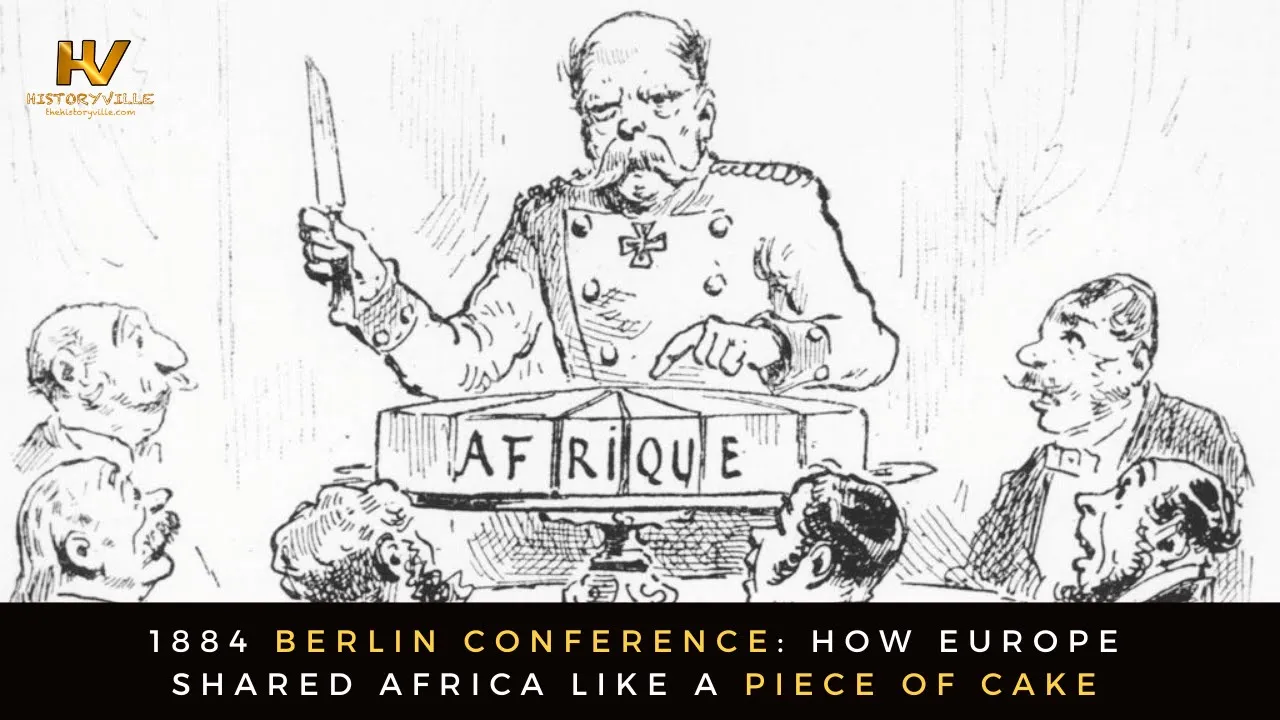
The borderless Africa alliance between Namibia, Zambia, and Botswana represents a movement to dismantle colonial-era borders that were artificially imposed during the Berlin Conference in 1884-1885, with the goal of enabling free movement of people, goods, and ideas across the continent; this initiative threatens Western economic interests by creating a unified African market capable of negotiating as a single bloc for resource control and development, prompting foreign intervention attempts to maintain exploitative relationships.
Borderless Africa Alliance: Namibia, Zambia, and Botswana Unite Against Colonial Borders
Added:The history of the Berlin Conference (1884–1885) and how European colonial powers established arbitrary borders that disregarded pre-existing African ethnic and geographical realities.
The fundamentals of regional economic integration and the role of existing sub-regional blocks, specifically the Southern African Development Community (SADC).
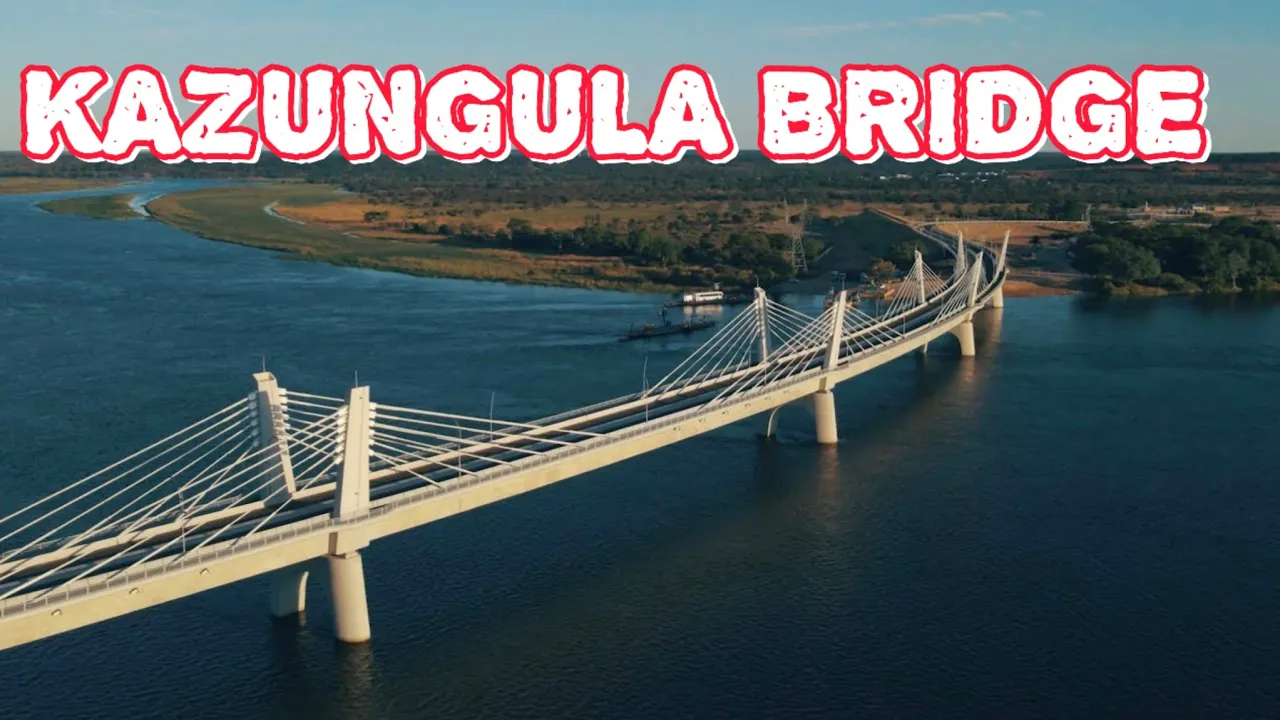
The basic geopolitical and economic profiles of Namibia, Zambia, and Botswana, including their trade dependencies and geographical connection points like the Kazungula Bridge.
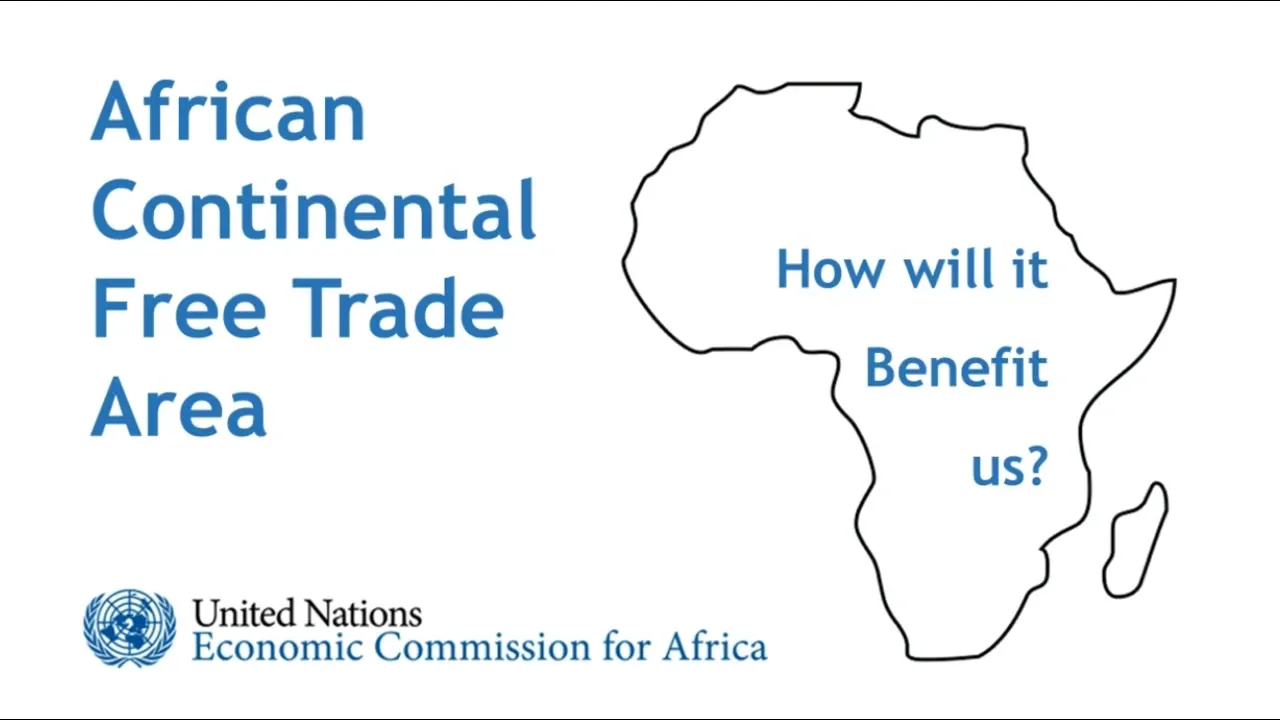
The core tenets of Pan-Africanism and the overarching goals of the African Continental Free Trade Area (AfCFTA) regarding the free movement of goods and people.
The operational and logistical challenges of implementing open borders, such as establishing One-Stop Border Posts (OSBPs) and harmonizing customs regulations.
The security, immigration, and sovereignty concerns associated with borderless agreements, including transnational crime prevention and labor market protectionism.
A comparative analysis of this African alliance with other global integration models, such as the European Union's Schengen Area or the East African Community (EAC).
The measurable economic impacts of border liberalization on local industries, supply chains, and GDP growth within the participating Southern African nations.
206.4K views5.8Klikes29:53Original Release: 2025-08-15
uh that Africa needs to uh re-engage among itself and uh decided on the best way we can save the people of our continent.
Uh we have all what it needed.
Uh over 60 years of Africa's uh independence.
I'm sure we have all the skills that is required and uh resources are still there. Uh there's nothing really that can prevent us. Uh what we need is just the political will and then to act uh on any decisions that we are taking uh which is aimed to save our people.
>> Comrades listen closely.
Last night as most of the world slept something historic happened in the heart of southern Africa. is uh part and parcel of the continent where all of us we are focusing on a common agenda of the Africa we want as we articulate it in agenda 2063 and uh with it is implementation plan.
Uh we are making progresses but uh we have a challenge uh because uh one factor in our first 10 years of implementation of agenda 2063 is the silencing of the guns.
But unfortunately we are moving very slow but uh we still believe we have a chance to reach that uh stage.
Namibia, Zambia, Batswana.
Three nations once divided by colonial borders have made a move so bold, so unexpected that it sent shock waves through foreign capitals from Washington to London. An overnight alliance has been forged. A pledge for a borderless Africa where people, goods, and dreams will move freely. But here's the twist.
As dawn broke over Lusaka, the United States was already scrambling.
Envoys were dispatched.
>> Uh I'll be very brief except to say that uh this experience is very val valuable to us. Uh as a leader of the Aspen Institute and as a former member of Congress, uh I spend I have spent a great deal of time working on issues as it relates to subsaharan Africa. our our program has been to Africa uh several times over the years uh and we have made this a priority. Quite often the United States uh is is accused of not showing up enough that we are not you know we are we are not present enough and um by proof of this delegation we just want everyone to know that we are here we care we're engaged and we are interested uh and we want to further uh develop this uh this this wonderful partnership uh between our uh two nations. Uh we are here in large part uh to discuss issues of global health, food insecurity and malnutrition uh agriculture uh the development assistance and also this general political environment uh in this part of the world. Uh so we are here to learn uh and uh and we are been just so uh so pleased by the the warmth and the hospitality of the Zambian people. Uh could could not be any better.
>> Calls were made. Pressure was mounting because to the exploiters of Africa, a borderless continent is their worst nightmare. This was not a decision taken lightly. For months, quiet talks were happening behind closed doors. Not in lavish hotels paid for by foreign aid, but in humble government halls and private homes away from the eyes of the world. Namibia, rich in uranium, diamonds, and rare earths. Zambia, the copper giant, holding the keys to the electric future. Batswana, the diamond capital of Africa, now led by a president unafraid to take on the global order.
These three leaders saw what so many have refused to see. That Africa's borders drawn by colonial hands are not lines of safety. They are lines of division. They keep farmers from selling their maze in a neighboring market without endless paperwork. They stop families from visiting relatives just a few miles away. They slow trade, weaken solidarity, and most importantly, they serve the interests of those who profit from a divided Africa. And so late into the night, the agreement was signed. A borderless alliance, free movement of people, free movement of goods, free movement of ideas.
Imagine this, brothers and sisters. A truck leaves Wind Hook in Namibia, loaded with fresh produce. It drives straight through Zambia to markets in the Congo. No border delays, no bribes, no waiting days for clearance.
A student in Gabberon, Batswana, decides to study medicine in Lusaka without paying outrageous visa fees. An entrepreneur in Lusaka opens a diamond polishing plant using stones from Batswana without any extra taxes.
This is not just an economic revolution.
This is a psychological revolution.
It says we are one people. It says the colonial map no longer defines our destiny.
It says, "Our future is not for sale.
The borderless alliance is not just about trade. It's about trust. It's about building a continent that sees itself as a family, not as strangers."
Now, let's talk about why the US is moving fast to stop this. For decades, Africa has been a playground for foreign powers.
They take our minerals at low prices, sell back finished goods at high prices, and keep us trapped in a cycle of dependency. A borderless Africa breaks that model. It creates a massive internal market, one that can negotiate as a block, produce for itself, and reject exploitative deals. If Namibia, Zambia, and Batswana succeed, the idea will spread. South Africa will join.
Angola will join. The Sahel Alliance will link with the South. Suddenly, Africa will be trading with itself more than with Europe or America. For Washington, this is an economic earthquake. They fear losing access to critical minerals. They fear African nations refusing military bases.
They fear that an Africa united will choose partners like bricks over the old colonial powers. So the US sends envoys not to congratulate but to control, not to support but to slow down. The language is always the same. We are concerned. We want stability. We are your partners. But behind those smiles is a desperate attempt to keep Africa's potential chained.
Right now, even as you watch this video, high level meetings are happening in Lusaka. The US delegation is offering development assistance packages, security cooperation, and joint infrastructure plans, all dressed in friendly language. But our leaders have seen this movie before. They know promises made in Washington often come with strings attached. They know that a handshake today can mean a debt trap tomorrow. And so Zambia, Namibia, and Batswana are standing firm. Envoys from the three countries are already planning joint railway upgrades, shared energy grids, and a digital payment system that works across all three nations without foreign currency.
This is real independence, not the flag waving kind. The kind that shows up in the bank account, in the factory floor, in the daily life of the people. Comrades, understand this. This alliance is not an isolated event. It's part of a bigger wave sweeping across Africa. From the Sahel Alliance in the north to East Africa's new railway projects to Southern Africa's push for clean energy and value added exports, the message is the same. Africa will not be a pawn anymore. The borderless alliance is just the first step.
Tomorrow it could be a single African currency.
Next year, a continental defense pact.
One day, a truly United States of Africa. This is our moment. The world will try to stop it. They will spread lies in the media. They will fund opposition movements. They will use sanctions, loans, and pressure. But if the people stand behind their leaders, nothing can stop the march toward unity.
So share this story. Talk about it in your homes, your schools, your churches and mosques.
Let every African child know the borders drawn by foreigners are fading. We are one people. We have one destiny and together we will make Africa great.
uh the diplomatic core US ambassador to represent the diplomatic core that are here the Cobalt um uh chief executive our partners in the mining sector. Just to be clear that Cobalt is in a joint venture with the Zambian government through our mining entity called ZCCMIH.
So we are partners in the project together with the US investment. I'm very pleased with that. some approach to our resource exploitation you know if you like opportunities.
Yes, brothers and sisters, welcome and greetings you all to make Africa great Namibia, Zambia and Bosswana shock the world by forming a borderless Africa alliance um tearing down colonial borders and plugging free movement of people, goods and idea. But one thing that has shocked many Africans is US to send special envoy to meet the president of Zambia, his excellencind.
Uh the question that Africans are asking themselves and on social media is why this time what US fearing from borderless Africa family friend fellow Africans we know that Africa Africa's border we are drowned by chronizers now they are being elized by Africans. So borderless Africa is a threat to those who have been exploiting this continent.
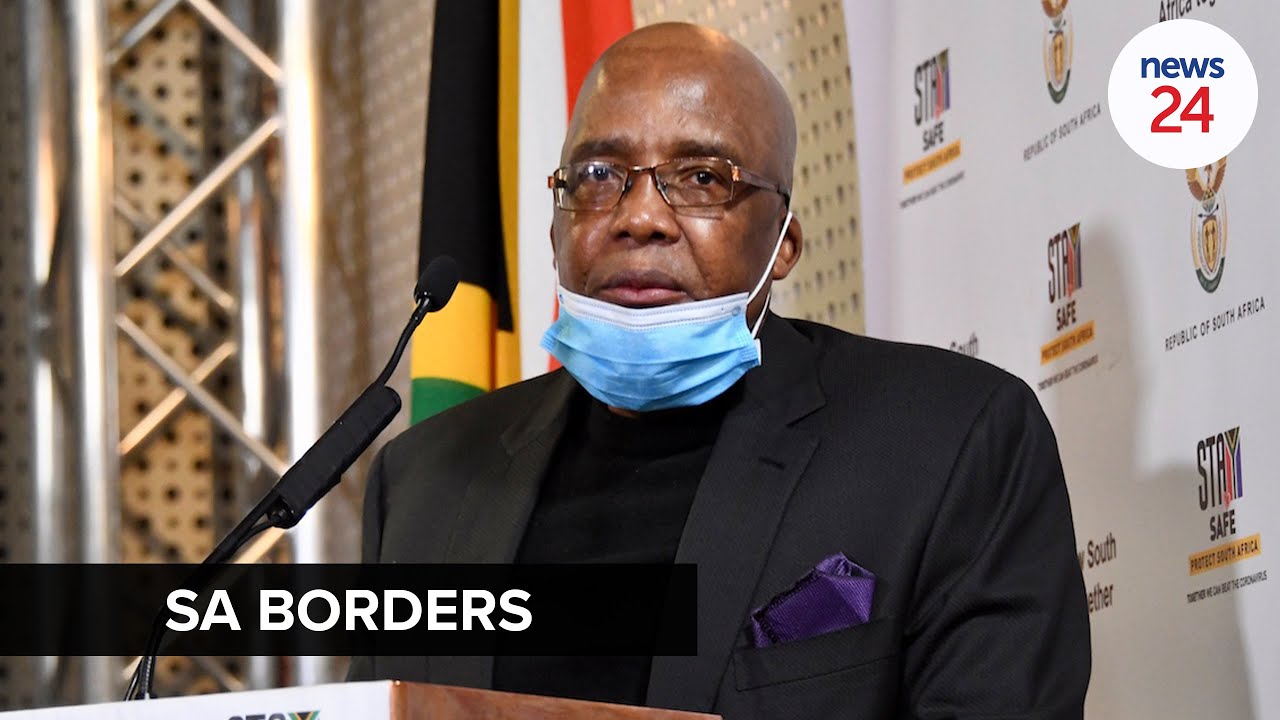
So that's why you see um those who have been exploiting this continent are not happy with borderless Africa. So family, friend, fellow Africans, let us listen uh what the president of Zambia, president Chile said to those American envoy who visited him. um my own colleagues, the cabinet colleagues that are here and the senior government officials, others, visitors um to Livingstone, to Zambia that may happen to be here. Uh let me also uh express uh first and foremost really appreciation to the Aspen Institute for deciding to host this meeting of this congressional team and others here uh in Livingstone.
a place that we call the home of the smoke that thunders uh in our local language here is called um which really simply means the smoke that thunders. So we're very very delighted that um uh you chose this location uh to host this very important meeting. uh we don't take this uh lightly because the choices were many uh for you to to have decided to to gather these honorable men and women. Uh and I'm very happy that some of you have brought your spouses here. Um this is well appreciated. Uh let me also indicate that um uh as Zambia we want to underscore our longstanding bilateral partnership with the US. Uh over many years these two countries have worked on our bilateral partnership and uh successive US governments have come and gone. successive Zambian government's administrations if I may say so come and go and um like yourselves uh you do alternate political parties which is important for democracy um enhancement of democracy deepening of democracy I am the seventh republican president here from four political parties it doesn't happen often on this continent so I think it's important for us to underscore the endur enduring partnership that has gone through various leaderships, various administrations and we value this partnership. Uh we would like this partnership to grow uh to be deepened.
We do understand the the new administration's trust on uh how they want to cruise these partnerships with countries across the world. But we want to ensure you to assure you that Zambia is committed to our relationship and also extending uh to for us on a regional basis um Sadik our regional group here the African continent. I think we would like to remain an integral member of uh the US uh uh relationship uh if you like a package of uh across the world and we do hope that um once the open session is over we'll talk a little bit more about the content of your meeting and also how we see things and how we could try and craft a common way forward going forward um of mutual value. I must also indicate to you that um reminder to you that our foreign policy under this government is anchored on peace, security, stability on one hand for economic and social development on another. very simple peace, security, stability. Uh because we know that uh where there's conflict, where there's instability, it takes away time, resources that are meant for enhancing the economic and social development tickets. And um we also um many Zambians know my view. My view is that instability anyway is instability everywhere. We've seen what the Ukraine Russia war has done to the whole world, to many of us, including Africa. And so the disruptions that arise from there and that's why we hold the view that it's important to have this peace, security, stability uh to anchor economic and social development on the other side and the benefits of that are clear for us jobs, business opportunities and indeed number three treasury revenue uh to support the weak, the sick, the hold to differently able in our societies. That's how we see it. So uh we want to reaffirm this policy and try and seek context put context to it with the rare opportunity that we have with this congressional uh team. And uh as the media leaves us we will also put context to what uh what I just said here. But um for us you know areas of health, agriculture, food security are very important, extremely important and uh we definitely want to hear more from you. But the issues of energy to us mining critical min which we host some of them copper cobalt nickel manganesees lithium group are very important to anchoring this um you know social site as it. So again we want to hear from the congressional group here US congressional group how you see our partnership uh you know being caved out of this mutuality if you like um make our economies greener very important um I would then once the media is gone we will highlight a few reforms that our government has put in place in order to help uh deepen our partnership US partner partnership especially on the side of investment, trade and other issues but we also know that you are putting in changes on your son on the trade side. How can we find common ground in those areas? I think I have said enough. Uh but uh we a democratic country. Zambia is not should not be defined as it has been done before uh with a negative narrative of being a land blocked country. We would like to be defined as a land linked country uh very central in southern Africa. 1 hour 40 minutes to Johansburg in South Africa. 40 minutes into Harare. Yes, you can walk to Zim here, but 40 minutes into a capital city. Roughly countries around us, 350 million people, you can access them by air, 2 and 1/2 hours maximum. And so I think this location is special. Maybe a choice of this location was delivered. So we support that. So thank you very much. Uh really a pleasure that I'm here. I must close by saying when I was notified of this meeting I did not hesitate uh to make a decision that I'll come and join you here rather than you traveling to Lusaka I said let me go and join them in Livingston so we can have this interaction so thank you very much thank you once [Applause] >> yes welcome back family friend fellow Afans that is the president of uh Zambia His Excellence President Akahinda.
But all in all, let us go back to our point the issue of borderless Africa. Uh as you heard my dear lovely family in the beginning that Namibia, Zambia and Botswana aiming to create a borderless alliance where people in those countries goods and ideas can move freely. Um we may ask ourself why borderless Africa is an unstoppable uh vision. uh of course our foreign fathers tried at their best uh to bring a borderless continent a united Africa but they didn't achieved at their lifetime but we the country election we are saying we are going to to fulfill the dreams of our founding fathers of creating a borderless Africa. So um the question here is why borderless Africa is unstoppable vision. First of all we must understand that these borders borders are artificial. They were never ours. These borders were not created by Africans.
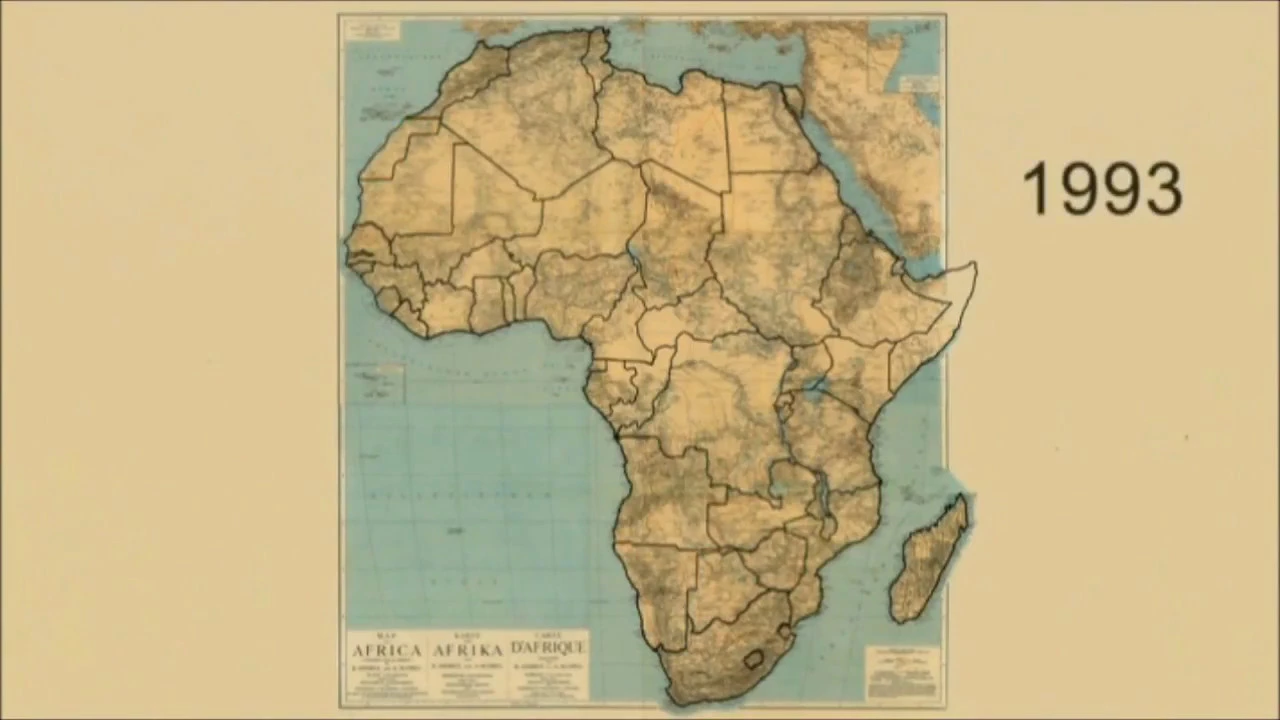
Europeans drew them at the Balin conference. All of us were familiar in 1884.
which rulers and pens divided or dividing uh communities, families and nations and for what to exploit Africa's resources without resistance. Today these borders still block trade. They keep Africans far from working freely.
They cost us billions every year in customs and uh blue basless Africa changes everything. Free movement of people and goods or free movement of people means no visas between these countries.
Good move freely cutting transport costs and boosting trade. Also ideas flow faster creating a panaffrican tech and innovation zone. This is why millions of Africans especially young people are cheering. They know a united Africa is a key to jobs, peace and prosperity. And this is just the beginning. Other countries from Kenya to Ghana are watching closely. We have seen leaders in Sahel. they have started this journey. So this is a time for the southern leader in Saddak region to start implementing a borderless continent. Um so what the US fear most we know that the United States did not wait within days invo to Lusaka the capital of Zambia pressure begin behind the scene.
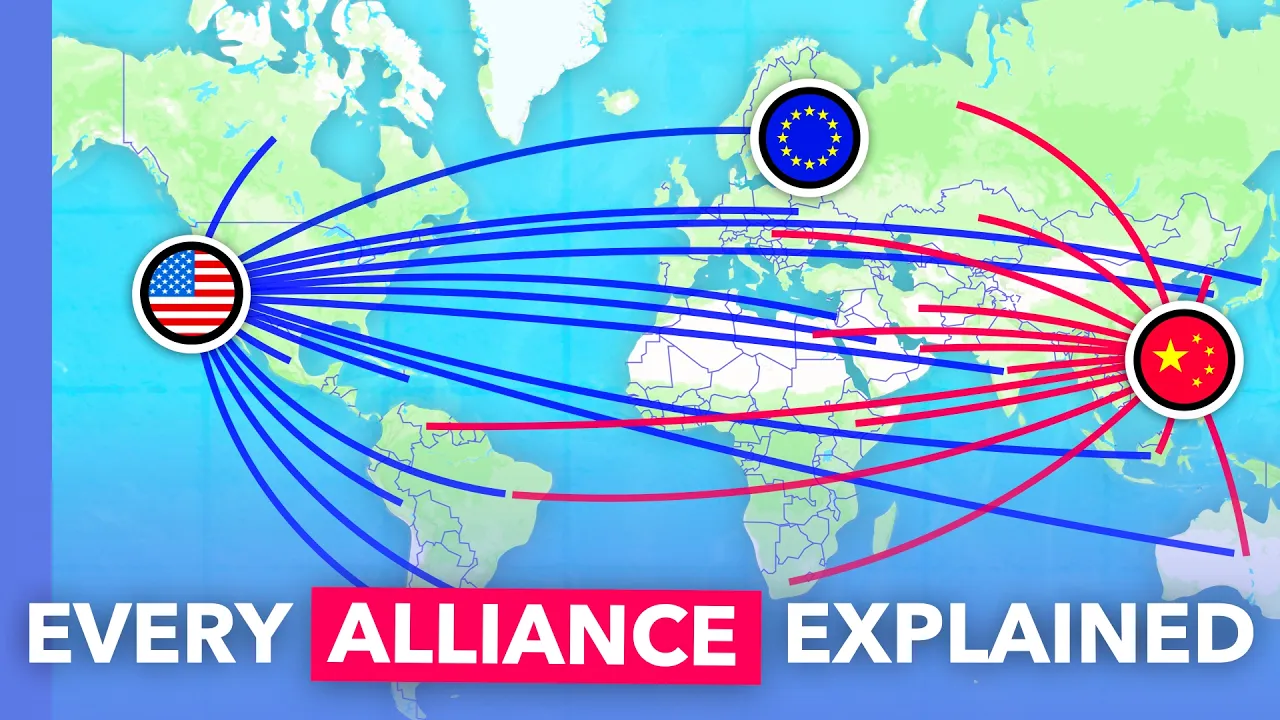
Why? Because borderless Africa threatens the hold order where Africa supply law materials and western power control the wealth. A united Africa can negotiate as one block.
No more divided and conquer.
Control its resources. Oil, diamond, lithium, ulanium. As you know that Namibia is lit in terms of uranium and natural gas. If you go to Botswana leach in diamond the city of diamond in the continent of Africa. If you go to uh Zambia famous and richest in copper. So if these countries can unite they can control their resources and that's what we see in Sahel that leaders in those countries they have decided to come together to unite and to take control of their natural resources building its own defense uh without foreign bases uh this terrifies Washington and blast cells to bl and bles the fear losing control of Africa's market They fear African unity because uh becoming a model for a global south. Uh so expect propaganda, expect pressure and also expect attempt to divide us. We have seen when Mahan and Bnafaso came together we see what's happening to these countries coup have been undermining and we have seen u several things to try to undermine what they have done but we know that no empire can stop people to determine to be free so this time Africa is saying we want to be free so the bigger pan Africa revolution. Namibia, Zambia, Botswana are not alone. This is for the entire continent. Across Africa, the dream of unity is rising again. The African continental free trade area is already the world's largest trade zone by membership. Visa-free travel is expanding and movement like equas integration east Africa community federation and now the borderless Africa alliance all point to one truth that the hedge of colonial borders is ending asqwam kuma said Africa must unite and now we are seeing it happening will there be resistance yes we know resistance will be there uh absolutely but The tide has turned. Africans are alasing the lines drawn by colonizers and lighting a new map of freedom, opportunity and dignity. If you believe in this vision, please share this video to other Africans and tell them that things started in Sahel. Now in the southern part, African leaders in uh Namibia, Botswana, Zambia are going to form a free alliance where people, goods and idea will move from one place to another in these countries. We wish other saddic countries to join to have a single block when we go out to negotiate not to go as Zambia as Botswana as Namibia when other nations want diamond. Botswana cannot negotiate as Botswana. It needs a block as the alliance to negotiate with the rest of the world or with other civilization. So if you can do so, we can defeat exploitation, we can defeat corruption, we can uh create wealth and prosperity to our people. And that's why we are calling a united Africa. a family, friend, fellow Africans. Um we know uh these delegations are not coming to visit. Maybe of course they come with ideas. We we are coming to support um development. We are development partners but there's no development partner who is coming to lose money without making profit. If Africans we think that there if someone who is somewhere there who will come to bring us success to bring us development we are not real realistic we are just dreaming so the only way for we Africans to achieve is to come together you you see these United States of America who are coming to us they're coming as a united it consist 50 something states of America and they come as a single block to negotiate to speak with us to speak with a small country Zambia. You see, so we want Africa to be united, Africans to be united. So it is possible. It is possible and no one can stop us from uniting this continent. We have started in Sahel. We want to move beyond Sahel to go to the East Africa. We want to see East African Federation also. We want to see Sale. If the entire continent leaders can wake up and see the importance of unity, I'm sure this continent in the near future will be united and become superpower. But they will try to do everything. They will try to resist to threaten the leaders who are calling unity of this continent.
They will blackmail them. But let us not fear. Let us move forward as Africans because death is there whether you accept whether you disagree if the time will come cannot stop it. So don't fear to lose while you know you will lose. So I think we need to do what is good in light for our people. When the is still will be written they will write our names in the book of history that we participated in uh uniting the people of Africa. So finally friend fellow Africans that's what is was happening in uh in southern part of the continent. So I think this is a time for Africans to come together. We know that political figures are still fearing a unity of Africa but let us tell me uh let me tell them that um there's nothing to fear.
Let us unite and bring the people of Africa together. If we can do so, this continent can move in the right direction. So up to that, if you have something to share with us, please do so through the comment section. I'm very happy to be with you in this time to share with you this good news from southern part of the continent. This is a revolution. No one can stop revolution. Levolution is in front of us. Thank you >> Africa.
>> Thank you. Thank you my fre.
Up Next

3:02
Direct vs Indirect Rule: Colonial Governance Systems Compared
@InternationalPolicyZone
833 views•2025-07-11

24:30
BRICS Pay and de-dollarization: A New Financial Order Emerges? | 55 chars
@DannyHaiphongYT
164.6K views•2024-10-22

7:33
Government Surveillance Methods: 10 Ways You May Be Watched
@BeAmazed
1.6M views•2017-04-09
10:19
Explaining the Saudi-Iranian Proxy Conflict in the Middle East
@Vox
18.2M views•2017-07-17
Related Study Plans & Knowledge Roadmaps
Structured learning paths in Political Science
political-science
Economic Statecraft: Sanctions & Chokepoints
01Foundations of Geoeconomics and Economic Statecraft
02The Mechanics of Weaponized Interdependence
03International Sanctions: Types, Implementation, and Efficacy
+ 2 more learning modules
12h5 modules
Explore Roadmap
political-science
Central Bank Independence: Politics & Policy
01Foundations of Central Banking and Monetary Policy
02The Time Inconsistency Problem & Inflation Bias
03The Delegation Model and Designing Independence
+ 2 more learning modules
12h5 modules
Explore Roadmap
political-science
Consociationalism: Power-Sharing & Stability
01Democratic Dilemmas in Divided Societies
02Introduction to Consociational Democracy
03The Four Pillars of Consociational Design
+ 2 more learning modules
12h5 modules
Explore Roadmap
political-science
Rebel Governance: Legitimacy, Economy & State
01Foundations of Rebel Governance and Statehood
02Establishing Political Legitimacy and the Rebel Social Contract
03Wartime Economies and Rebel Resource Management
+ 2 more learning modules
14h5 modules
Explore Roadmap