

























Healthcare markets fail to deliver efficient and equitable outcomes due to several economic factors including asymmetric information (patients cannot make informed choices), the principal-agent problem (conflicting interests between providers and patients), third-party payment (removing cost concerns from decision-makers), externalities (health decisions affecting third parties like vaccination benefits), imperfect competition (high barriers to entry), public goods characteristics (non-excludable services like epidemic control), uncertainty in treatment outcomes, and equity concerns; these market failures explain why the US spends more on healthcare than any other industrialized country yet achieves worse health outcomes, demonstrating that universal health coverage through government intervention is necessary to address these systemic inefficiencies.
Market Failure in Healthcare: Economic Principles Explained
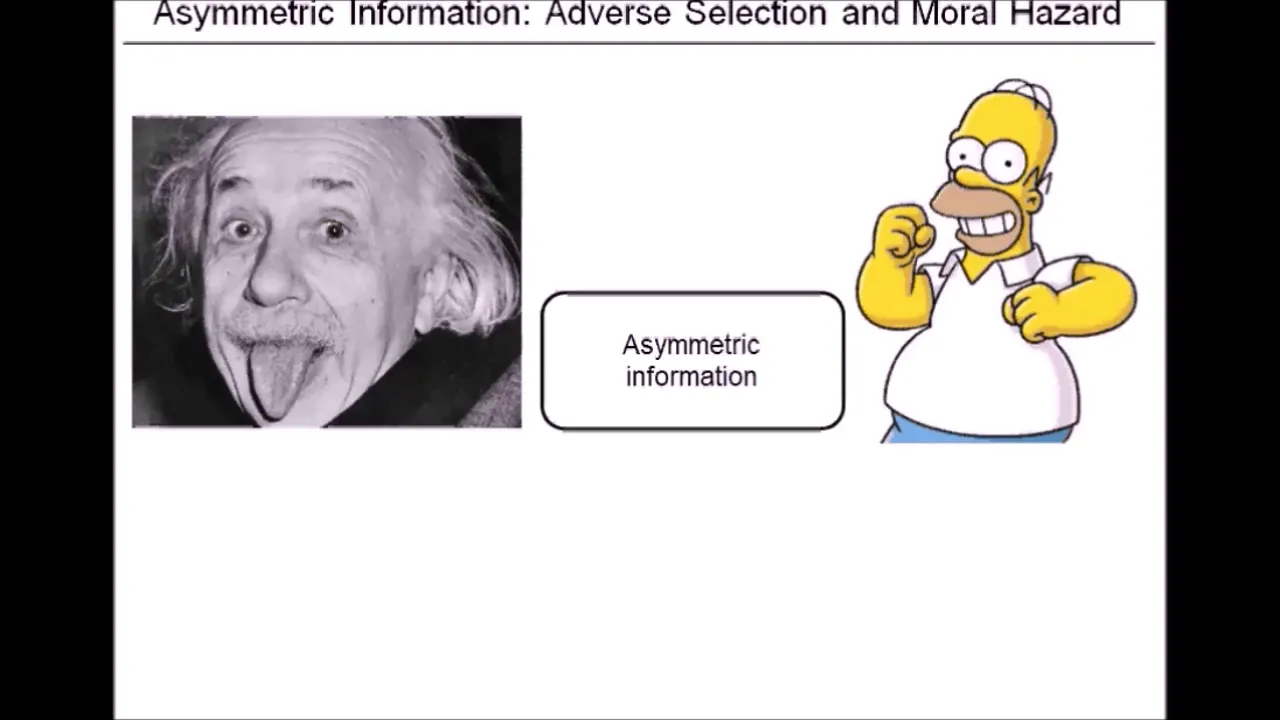
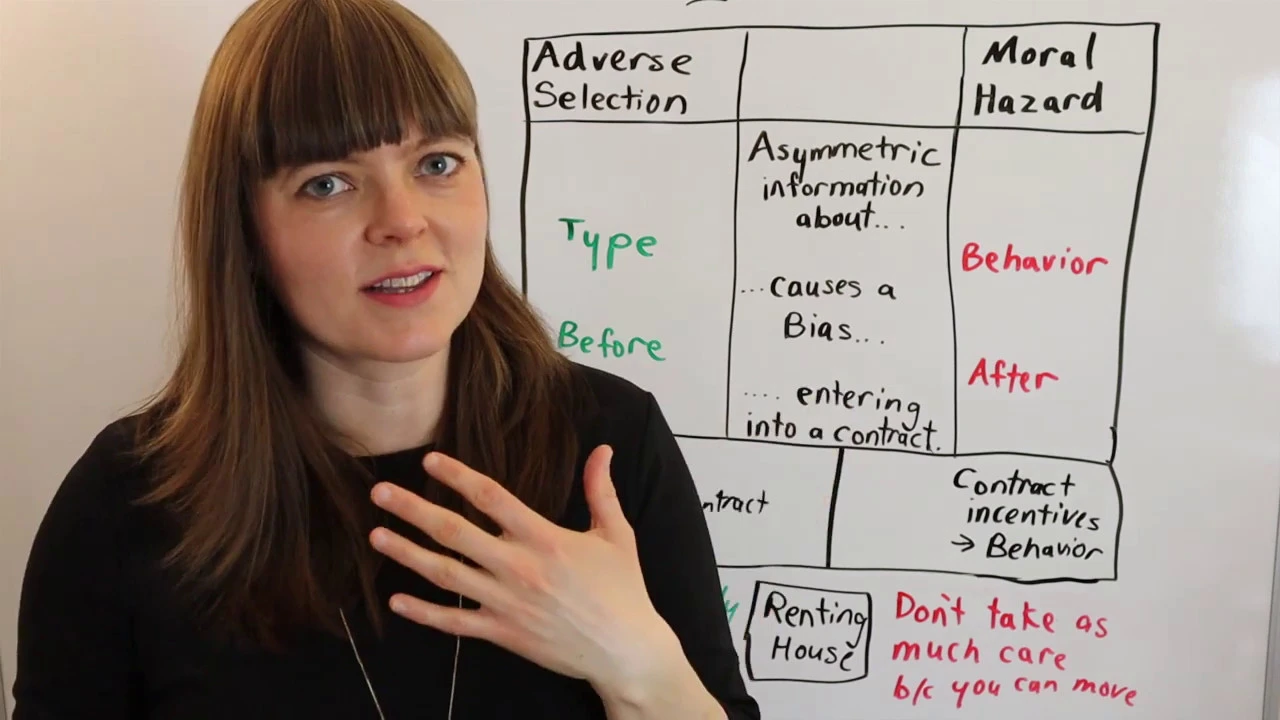
Added:it comes to healthcare expenditure the US is an absolute outlier outspending all other countries by a substantial margin so you'd expect Health outcomes in the US to be spectacular well no the U.S ranks lost out of all industrialized countries when it comes to composite Health outcome measures that include life expectancy infant mortality and the prevalence of chronic disease Etc and it also happens to be the only industrialized country that hasn't adopted the principles of universal health coverage instead the U.S relies principally on Private health care and Market forces to determine who gets what so why haven't Market forces delivered well it's not actually surprising at all let's look at some of the economics market failure is something that's well described by economists and it's what happens when markets fail to allocate resources efficiently and effectively let's look at some of the reasons why markets fail in healthcare the first one is asymmetric information patients and Healthcare Providers don't have equal access to information and this leads to inefficiency in decision making in other words because medical information is extremely Technical and most patients don't have the time to go out and get a medical degree the patient or the consumer is unable to make an informed choice about how much Healthcare to purchase and consume and this relates to the next problem which is often called the principal agent problem here we recognize that the interests of the healthcare provider and the patient may not be aligned and this leads to inefficiencies in treatment decision making and over utilization of services this is sometimes called the supplier-induced demand problem doctors and Healthcare Providers are often in a strong position to influence how much Healthcare the patient purchases Healthcare Providers are not only financially incentivized to sell more than is needed but also Under Pressure to do so out of fear of litigation that usually follows a disgruntled patient who feels that they didn't get enough and this relates to the next problem and just so that you know this channel is sponsored by nested knowledge that's a platform that supports systematic literature review and meta-analysis they're absolutely amazing check out the link in the description below and with that on with the lesson and that is that for markets to work you need to have rational consumers and sick people are often not rational patients being faced with all sorts of worst case scenarios they tended to overspend on health care for themselves and for family members oftentimes spending themselves into poverty for the same or very very marginal improvements in health outcomes or length of Life unforeseen Health expenditure is the number one reason for people being driven into poverty in the U.S the next problem comes from third party payment because insurance companies pay some or most of the bill neither the doctor or the patient and these are the two most important agents in the decision-making process in healthcare provision are terribly concerned with cost again leading to the propensity to oversell and over buy the next thing I want to talk about are externalities markets don't work properly where they are externalities and I just want to talk about what these are externalities are a cost or a benefit that gets incurred by a third party in other words somebody that's not directly involved with the transaction itself and these are usually not reflected in the price paid and we know that Healthcare decisions can often have consequences for other individuals or society as a whole such as vaccination which can lead to herd immunity and that benefits many third parties or antibiotic misuse which contributes to antibiotic resistance which can harm many third parties next there is imperfect competition and this is caused by barriers to entry into the market it takes a long time to become a healthcare provider many years of study to become a doctor this limits competition resulting in higher prices and reduced access to care the next reason why markets fail with respect to Health Care is the idea of if you're interested in global Health then Global Health 101 is an absolute must read I use this book all of the time the author Richard skolnick has got great insights his writing is extremely accessible he's got years of experience teaching Global Health highly recommend you buy this book click on the link in the description below okay let's get on with the video public goods so certain Healthcare Services like epidemic control or public health surveillance are what we call non-excludable and non-rival and basically it means that it's very difficult for free markets to provide these things efficiently next uncertainty Healthcare decisions often involve uncertainty regarding treatment outcomes costs and future health status and this makes it very difficult for individuals to make optimal choices and finally there are Equity concerns Market outcomes might not achieve socially desired goals in terms of Equitable access to health care and the distribution of resources we as Society might not feel that it's okay for a person to die because they couldn't afford certain treatments the free market how driver will happily let that person die if Market forces deem it to be the most economically efficient the alternative to relying on the markets to decide who gets what in my opinion is Universal Health Coverage trying to address market failures by government interventions through regulations and subsidies and insurance has been demonstrated not to work I hope you found this useful please stay and watch another video subscribe to this channel have a nice day [Music] fun fun
Up Next
Market Failures II: Informational Asymmetry | MIT 14.01
@mitocw
59.2K views•2020-07-16

Impact of Yuan in Indo-Russian Trade Amid Sanctions
@WION
261.9K views•2022-07-01
Behavioral Economics Explained: Rationality, Nudges, and Risk
@crashcourse
1.1M views•2016-03-12

The Age of Easy Money: Fed & Inflation | Full Documentary
@frontline
21.2M views•2023-03-15
Related Study Plans & Knowledge Roadmaps
Structured learning paths in Economics