









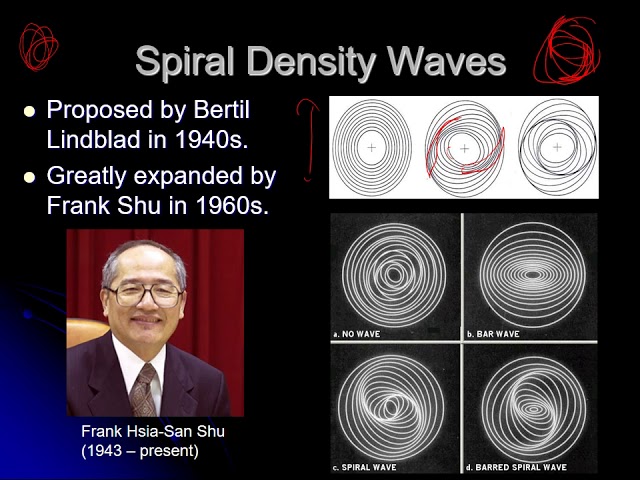
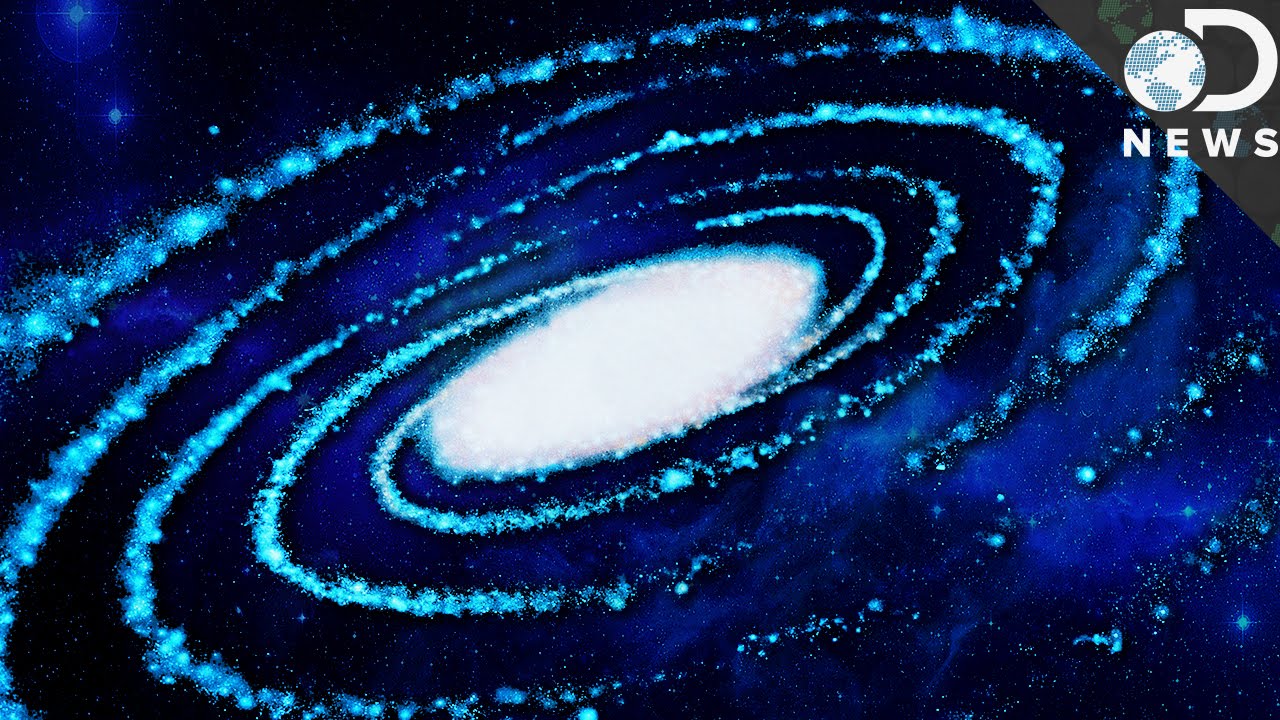
Density wave theory, proposed by C.C. Lin and Frank Shu in the mid-1960s, explains how spiral arms in galaxies are not material structures but long-lived density waves of compressed gas (with 10-20% higher mass density) that persist despite differential rotation; these waves catalyze star formation as gas clouds compress, with young massive stars forming behind the waves while older stars disperse throughout the disk, and the theory has also been successfully applied to explain spiral patterns in Saturn's rings.
Density Wave Theory Explained | Lin-Shu Model for Spiral Galaxies
Added:Basic structure of spiral galaxies, including the distinction between the stellar disk, bulge, halo, and spiral arms.
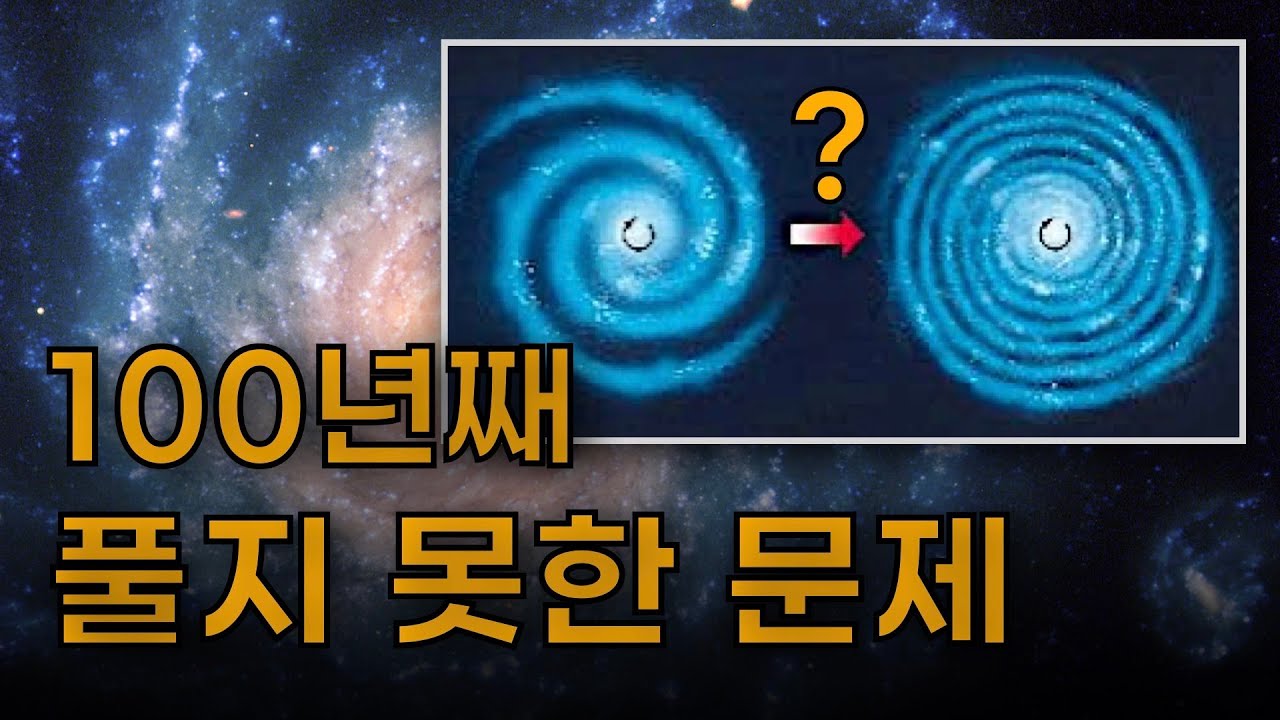
The 'winding problem' of galactic astronomy, which describes why spiral arms cannot be material structures due to differential rotation.
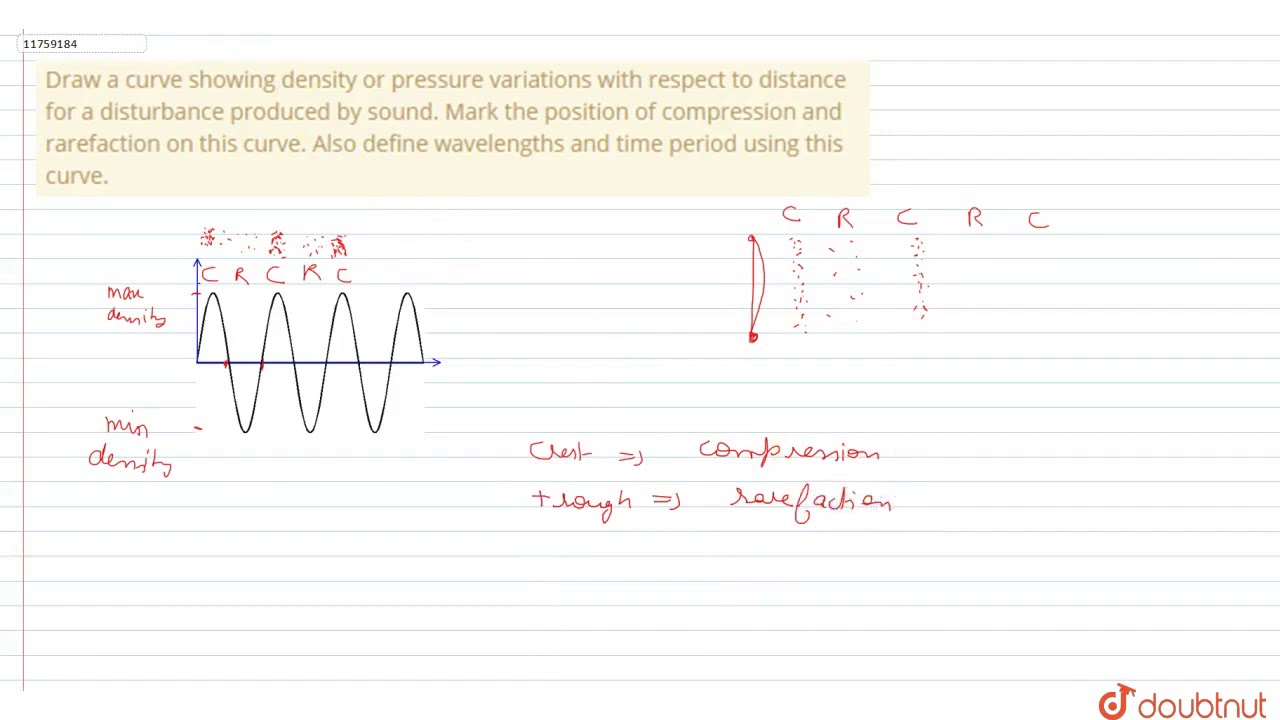
Fundamental concepts of wave mechanics, specifically how compression waves and density perturbations propagate through a physical medium.
Basic orbital mechanics and Newtonian gravitation, particularly how objects orbit within a shared gravitational potential well.
The role of density waves in triggering star formation by compressing giant molecular clouds as they pass through the spiral arms.
The dynamics of barred spiral galaxies and how central stellar bars can generate and sustain spiral density waves.
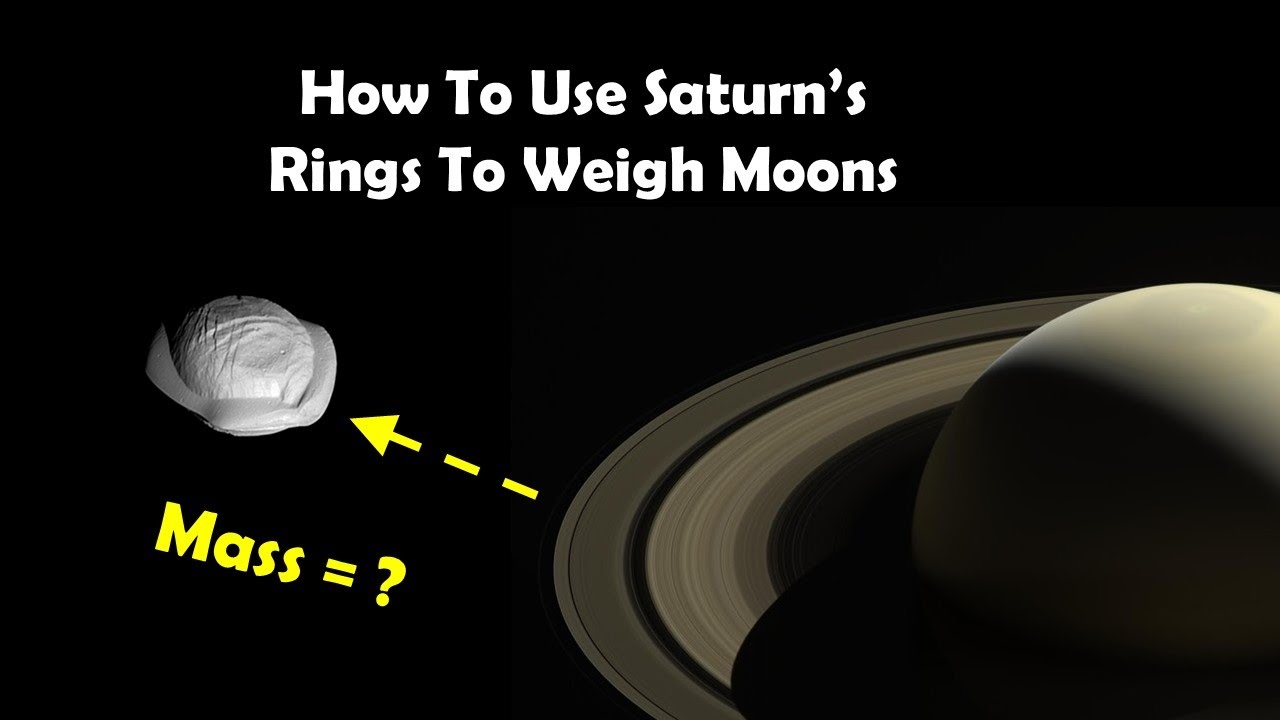
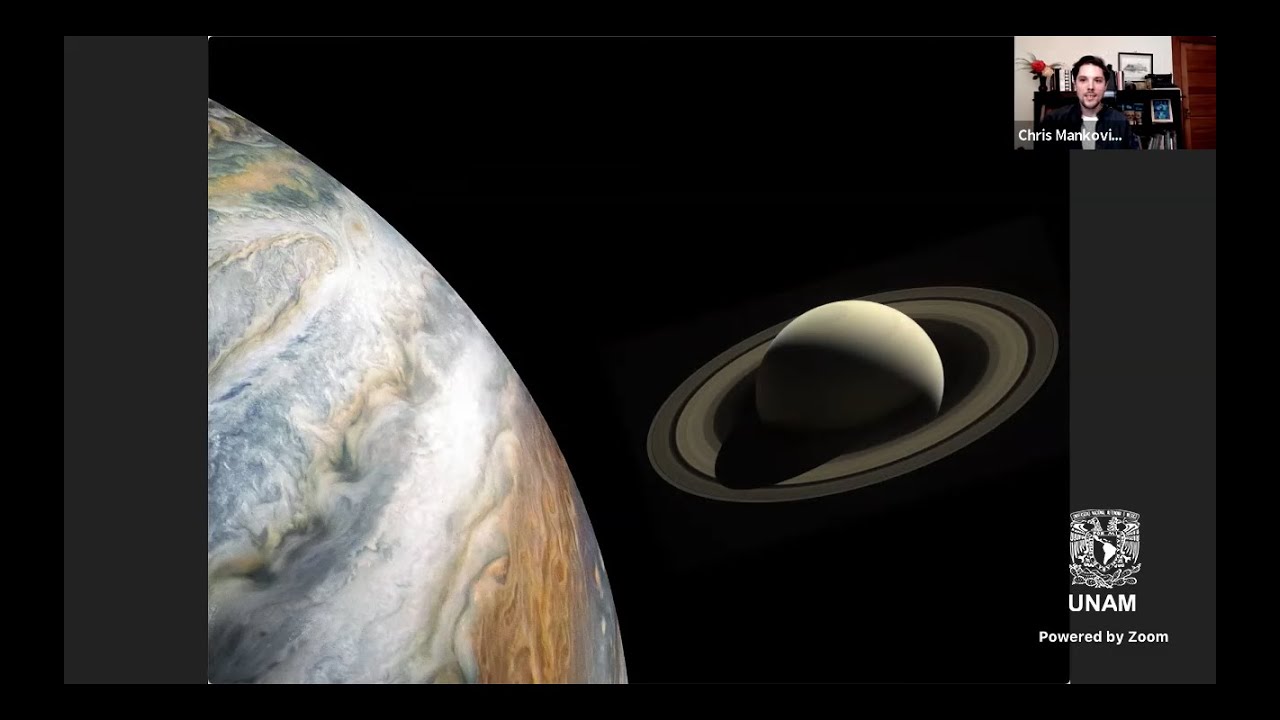
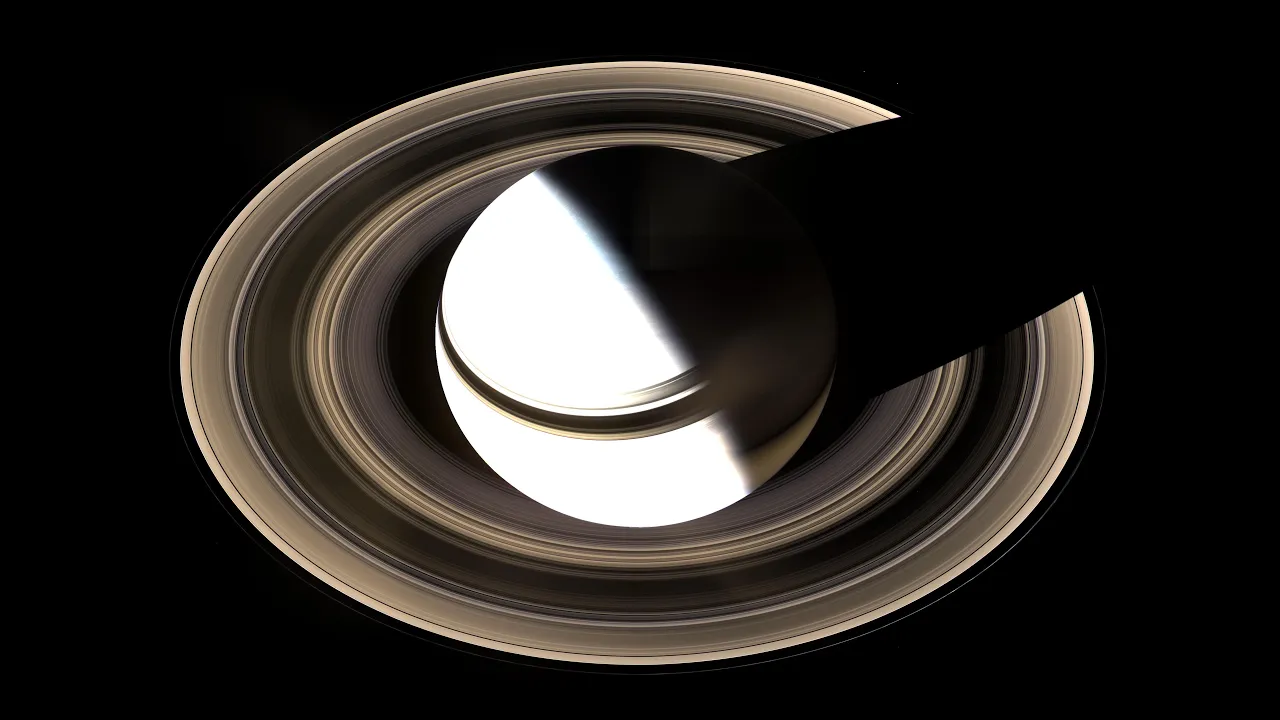
Application of density wave theory to planetary ring systems, specifically how resonant interactions with moons create spiral density and bending waves in Saturn's rings.
Alternative models of spiral structure formation, such as the Stochastic Self-Propagating Star Formation (SSPSF) model and tidal interaction models.
130 views1likes7:19Original Release: 2018-12-31
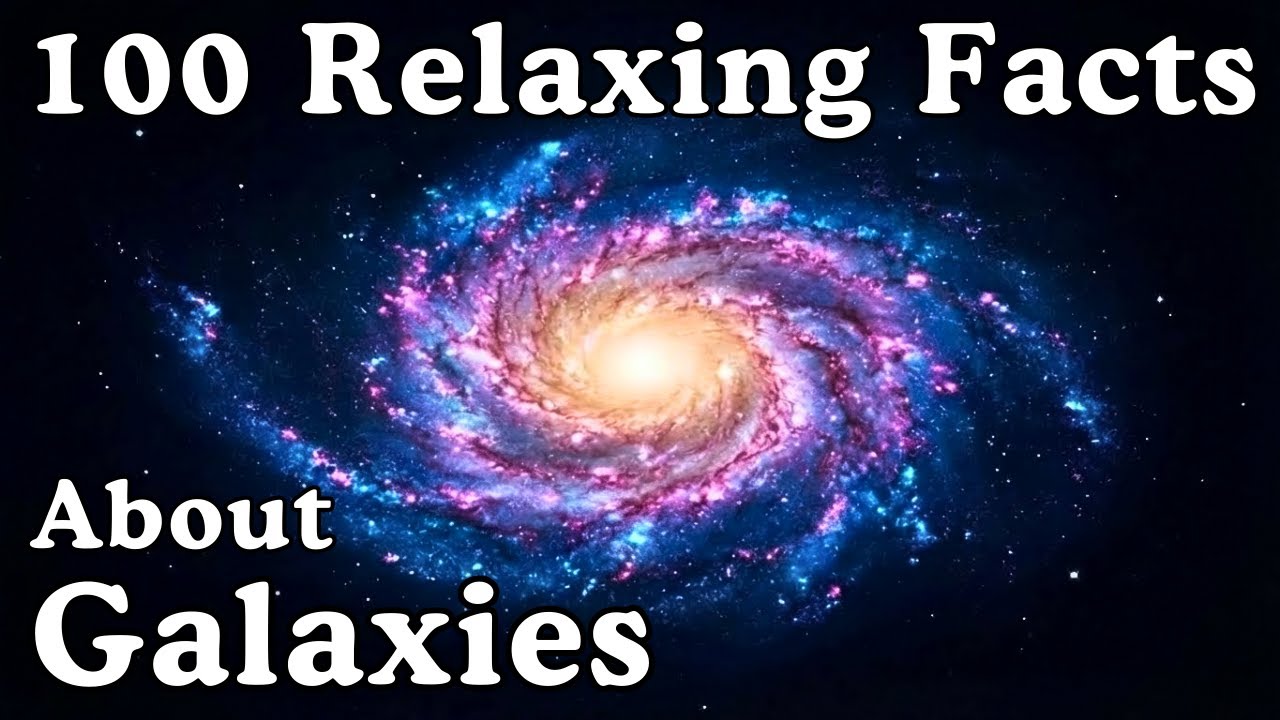
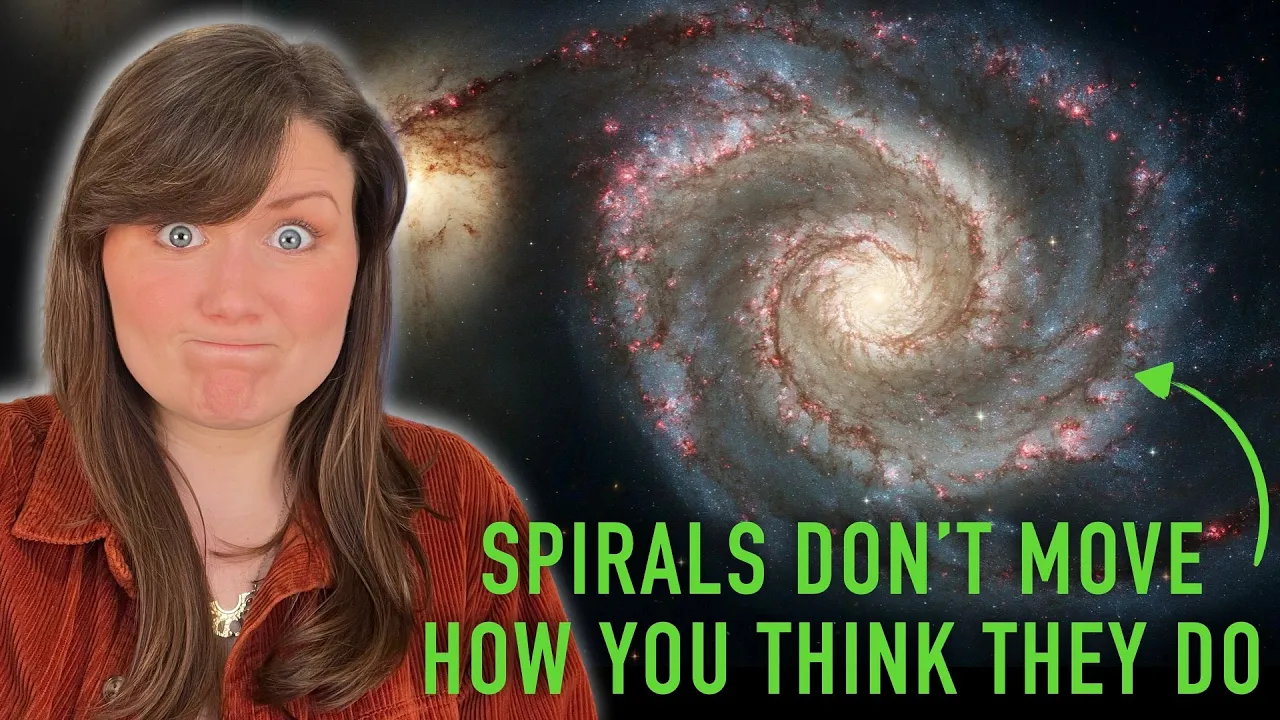
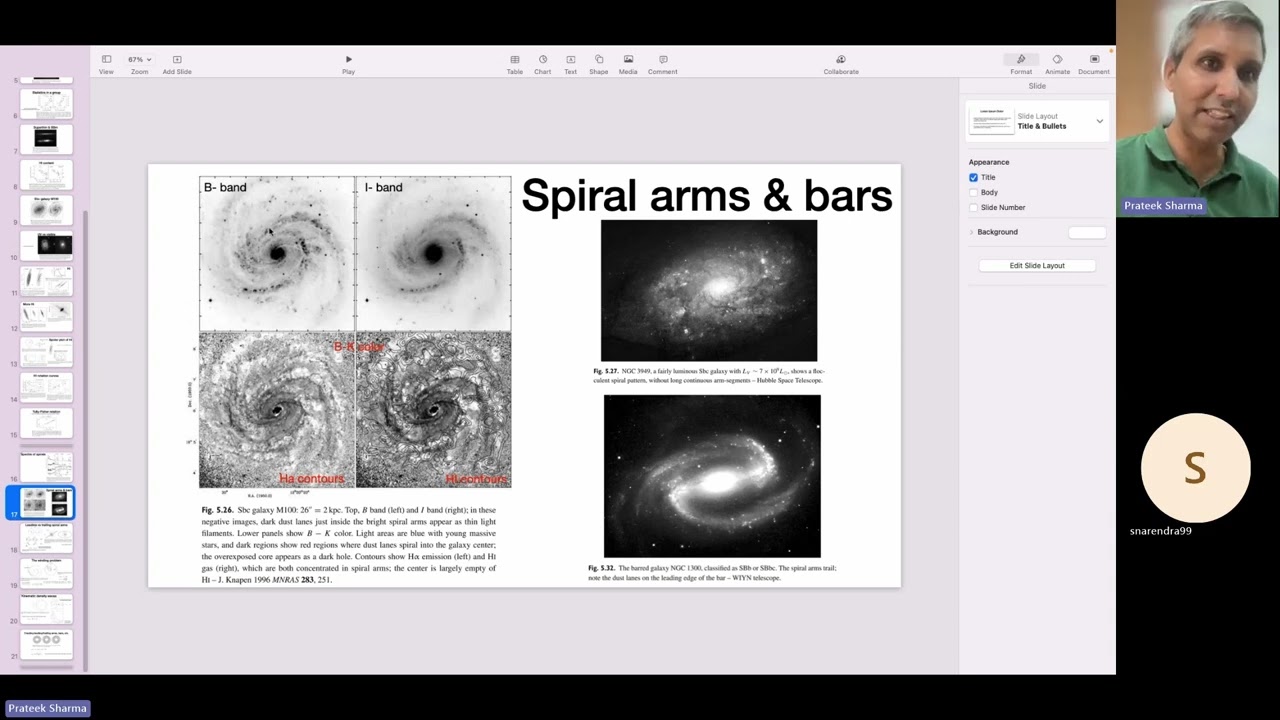
density wave theory or the Lin Shu density wave theory is a theory proposed by CC Lynne and Frank Shu in the mid-1960s to explain the spiral arms structure of spiral galaxies the Lin Shu theory introduces the idea of long-lived quasi-static density waves also called heavy sound which are sections of the Galactic disk made of compressed gas with about 10 to 20 percent greater mass density than galactic matter as they pressurize gas clouds they catalyze star formation the theory has also been successfully applied to Saturn's rings the theories primary competitor introduced in the 1970s was the self-propagating star formation model other explanations have arisen to explain the phenomenon such as dark matter topic galactic spiral arms originally astronomers had the idea that the arms of a spiral galaxy were material however if this were the case then the arms would become more and more tightly wound since the matter nearer to the center of the galaxy rotates faster than the matter at the edge of the galaxy the arms would become indistinguishable from the rest of the galaxy after only a few orbits this is called the winding problem Lin and xu proposed in 1964 that the arms were not material in nature but instead made up of areas of greater density similar to a traffic jam on a highway the cars move through the traffic jam the density of cars increases in the middle of it the traffic jam itself however moves more slowly in the galaxies stars gas dust and other components move through the density waves are compressed and then move out of them more specifically the density wave Theory argues that the gravitational attraction between stars at different radii prevents the so-called winding problem and actually maintains the spiral pattern the rotation speed of the arms is defined to be Omega G P display style Omega underscore GP the global pattern speed thus within a certain non inertial reference frame which is rotating at Omega GP display style Omega underscore GP the spiral arms appear to be at rest the stars within the arms are not necessarily stationary though at a certain distance from the centre RC display style are underscore see the correlation radius the stars and the density waves move together inside that radius stars move more quickly Omega greater than Omega GP display style Omega greater than Omega underscore GP than the spiral arms and outside stars move more slowly Omega Omega GP display style Omega for an M arm spiral a star at radius R from the centre will move through the structure with a frequency M Omega GP minus Omega R displaced I'll M Omega underscore GP Omega R so the gravitational attraction between stars can only maintain the spiral structure if the frequency at which a star passes through the arms is less than the epicyclic frequency Kappa our display style Kappa R of the star this means that a long-lived spiral structure will only exist between the inner and outer Lindblad resonance il R o L are respectively which are defined as the radii such that Omega R equals Omega G P plus Kappa M display style Omega R equals Omega underscore GP plus Kappa per meter and Omega R equals Omega G P minus Kappa M display style Omega R equals Omega underscore GP Kappa per meter respectively pass tol R and within the ILR the extra density in the spiral arms pulls more often than the epicyclic rate of the stars and the stars are thus unable to rear and move in such a way as to reinforce the spiral density enhancement topic further implications the density wave theory also explains a number of other observations that have been made about spiral galaxies for example the ordering of H I clouds and dust bands on the inner edges of spiral arms the existence of young massive stars and h2 regions throughout the arms and an abundance of old red stars in the remainder of the disk when clouds of gas and dust enter into a density wave and a compressed the rate of star formation increases as some clouds meet the Jeanne's criterion and collapse to form new stars since star formation does not happen immediately the stars are slightly behind the density waves the ha table stars that are created ionized the gas of the interstellar medium and form h2 regions these stars have relatively short lifetimes however and expire before fully leaving the density wave the smaller redder stars do leave the wave and become distributed throughout the Galactic disk topic application to Saturn's rings beginning in the late 1970s Peter goldrich frank Shu and others applied density wave theory to the rings of Saturn Saturn's rings particularly the a ring contain a great many spiral density waves and spiral bending waves excited by Lindblad resonances and vertical resonances respectively with Saturn's moons the physics are largely the same as with galaxies those spiral waves in Saturn's rings are much more tightly wound extending a few hundred kilometres at most due to the very large central mass Saturn itself compared to the mass of the disk the Cassini mission revealed very small density waves excited by the ring moons pan an Atlas and by high order resonances with the larger moons as well as waves whose form changes with time due to the varying orbits of Janus and Epimetheus topic see also barred spiral galaxy dark-matter galaxy Magellanic spiral galaxy spiral galaxy self-propagating star formation
Up Next
7:30
Living on Mars: Inside HI-SEAS Analog Astronaut Research
@Seeker
112.5K views•2021-11-14
61:17
First Billion Years of the Universe with the Square Kilometre Array
@iaaudc
121 views•2022-05-26

6:25
Kepler's Laws of Planetary Motion Explained (Educational Astronomy Video)
@Peekaboo_Kidz
404.9K views•2023-02-17
6:10
Gamma-Ray Bursts: Cosmic Snipers Explained | Astronomy
@kurzgesagt
15M views•2016-07-31
Related Study Plans & Knowledge Roadmaps
Structured learning paths in Astronomy
astronomy
Reionization: Pop III Stars, IGM & 21cm Line
01Foundations of Cosmology & the Early Universe
02Population III Stars & Cosmic Dawn
03Physical Mechanisms of Reionization
+ 2 more learning modules
17h5 modules
Explore Roadmap
astronomy
Planetary Rings: Dynamics, Roche & Resonances
01Foundations of Gravity and Orbital Mechanics
02Tidal Forces and the Roche Limit
03Structure, Composition, and Collisions
+ 2 more learning modules
10h5 modules
Explore Roadmap
astronomy
Asteroseismology: Stellar Waves, Ages & Cores
01Foundations of Stellar Astrophysics & Wave Mechanics
02Stellar Oscillation Modes: P-modes and G-modes
03Mathematical Framework of Asteroseismology
+ 2 more learning modules
35h5 modules
Explore Roadmap
astronomy
Adaptive Optics: Physics, Engineering & Control
01Foundations of Wave Optics and Wavefronts
02Atmospheric Turbulence & Optical Distortion
03Wavefront Sensing Technologies
+ 3 more learning modules
35h6 modules
Explore Roadmap