























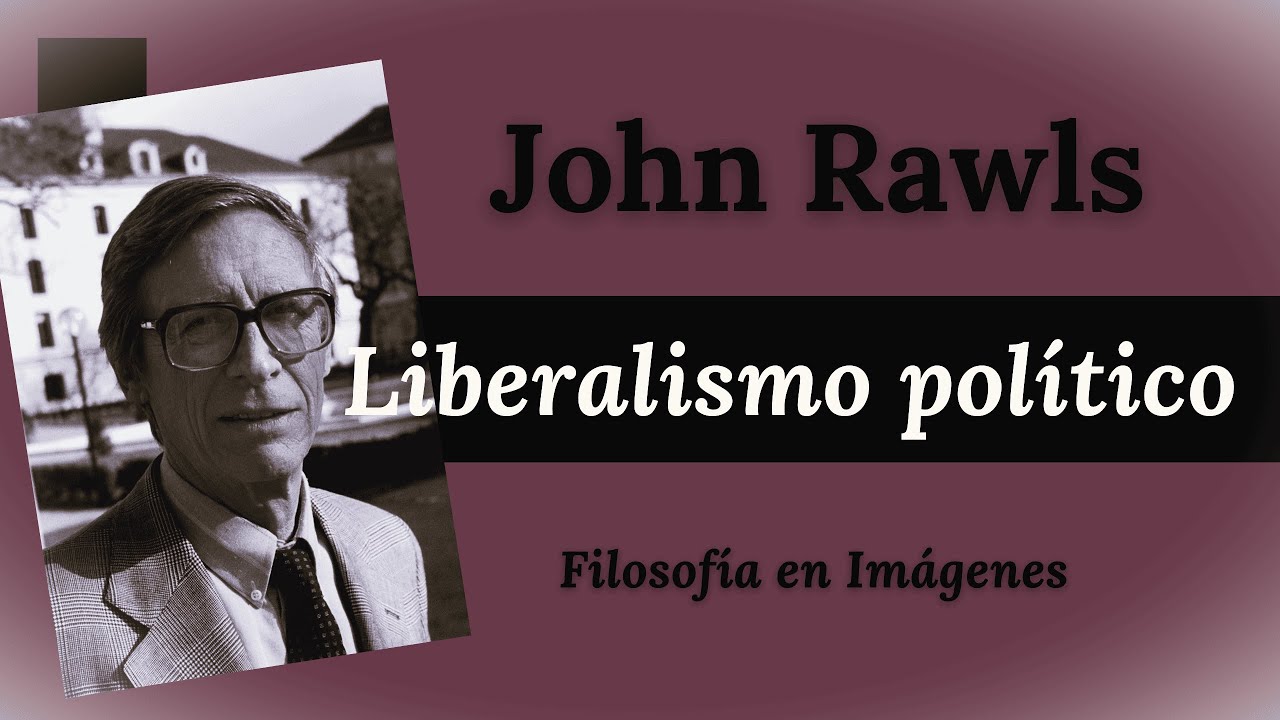


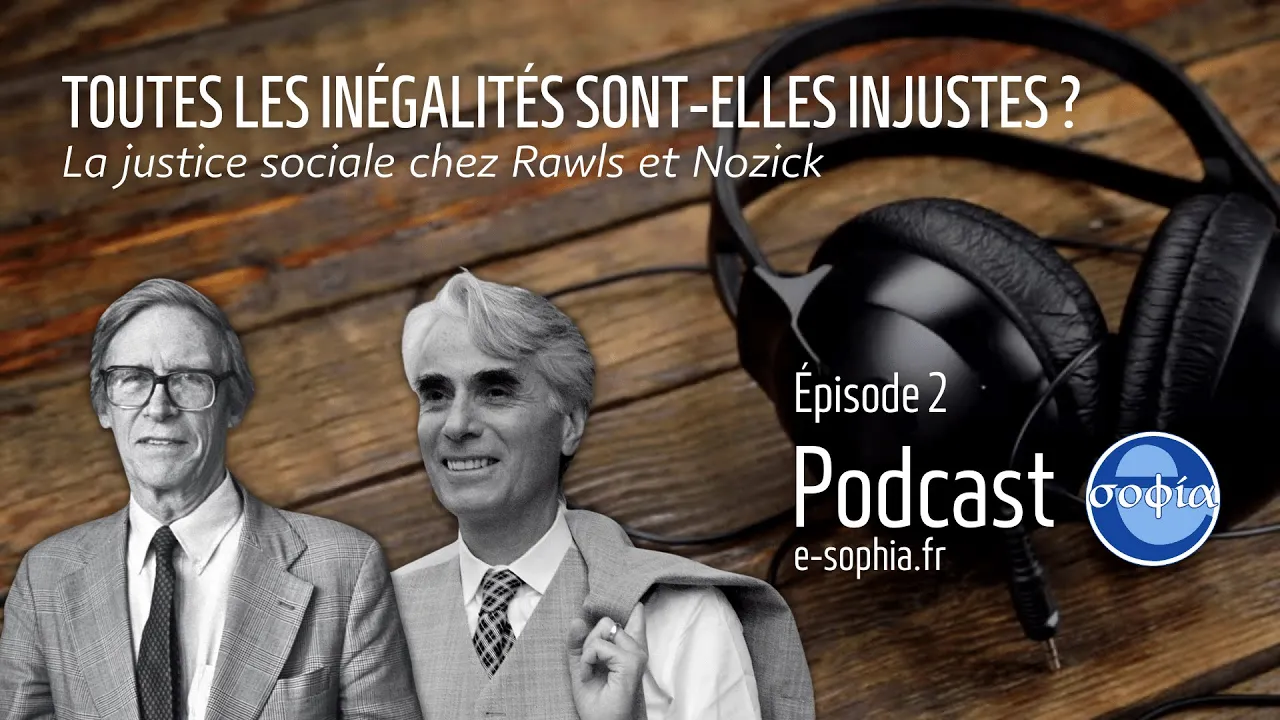
John Rawls, a 20th-century American philosopher, revolutionized political philosophy by proposing that justice should be understood through the lens of the 'original position' - a hypothetical scenario where rational individuals choose principles of justice from behind a 'veil of ignorance' without knowing their social status, wealth, or natural abilities. From this impartial standpoint, Rawls derived two fundamental principles of justice: first, each person has an equal right to a fully adequate scheme of equal basic liberties; second, social and economic inequalities should be arranged to benefit the least advantaged members of society (the 'difference principle'). This approach, known as 'justice as fairness,' challenges utilitarianism by emphasizing that certain rights are inviolable regardless of their impact on overall happiness, and it provides a framework for evaluating what constitutes a fair and just society.
Rawls' Theory of Justice Explained: A Philosophical Introduction
Added:the American philosopher John rules was one of the most influential political thinkers for late 20th century born in 1921 and died in 2002 he's responsible for a renaissance in political philosophy a theory of justice his magnum opus was published in 1971 and is a philosophy of what a just and fair society would look like before rules the dominant political philosophy for at least the previous 100 years had been utilitarianism there were and are many different forms of utilitarianism but they all have their foundations in a simple premise the greatest good for the greatest number in political philosophy this translates into something like but just society organizes its institutions norms and laws so as to achieve the greatest good for the greatest number imagine you're a civil servant you're tasked with mapping a bus route through several villages by which principles do you map the route so that it can pick up the greatest number this is the utilitarian approach the critics of utilitarianism and saw a problem but it seems to justify certain actions that most perceive of intuitively as unethical imagine a society where ten persons are held in slavery the slaves are unhappy but there's an increase in happiness for the remaining ninety percent in this instance the greatest good for the greatest number seems to justify slavery or imagine a surgeon with another doctor dying on the operating table the dying doctor needs new heart and the surgeon remembers that there's a homeless man outside the dying doctor is surely going to do more for others if he saved them the homeless man so the surgeon goes sedate the homeless man and kills him again utilitarianism seems to justify this Rawls thought that no one had accounted for this problem adequately the problem with utilitarianism is one of Rights that certain rights just shouldn't be violated no matter the benefit to others for example every village might have a right to be served on a bus route even if one of the villages is tiny in the brute becomes less efficient not picking up the maximum amount of people over all rules rights that we have an intuition that individuals have an inviolability founded on justice or as some say on natural rights which even the welfare of everyone else cannot override rules thought that philosophers had failed to account for this problem and that it needed to be included in a theory of what the model society should look like the question politically is how we organize what rules calls the basic structure of society how should institutions lose economic practices and rights be organized if we could start fresh the question is what is justice what is fairness if we accept that these things are in some way important what is it exactly that they mean he writes that justice is the first virtue of social institutions and that laws and institutions must be reformed or abolished if they are unjust he takes inspiration from the social contract tradition of enlightenment philosophers like Hobbes Locke and Rousseau they imagined what people would be like in a state of nature and how a society would come into fruition when they came together to cooperate rules argues we should partake in a similar thought experiment what he calls an original position what's chosen in the original position is the principles that free and rational persons concern to further their own interests would accept in an initial position of equality as defining the fundamental terms of their Association importantly in the original position we decide what the basic structure of society should look like from behind what rules calls a veil of ignorance he writes that among the actual features of this situation is that no one knows his place in society his class position or social status nor does anyone know his fortune in the distribution of natural assets and abilities his intelligence strengths and the like I shall even assume that the parties do not know their conceptions of the good or their special psychological propensity 'he's the principles of justice are chosen behind a veil of ignorance in other words the only way to theorize a just society is if we imagine that we don't know what place we take in it in this sense it's like dividing a cake when you know you'll be the last person to choose the slice you'll make sure the sizes are fair under the veil of ignorance a person can't choose low taxes because they're rich or high taxes because they're poor so how would you choose there's an element's roles here that could be described as liberal reason or liberal rationality he assumes that individuals in the original position will be rational individualist s' that they would choose in a way that rationally benefits them the most and rational here discounts gambling and looks to maximize gain in a mutually disinterested way critics have complained that this presumes individualistic values but role argues that even if you're more charitable than most or less materialistic which you wouldn't know at this point anyway under the veil of ignorance you would still choose to give whatever you rationally maximized away and so out of all the alternatives this principle would be chosen in the original position rules discusses a number of political or moral propositions that might be considered from behind a veil of ignorance he starts with utilitarianism but in addition to the problems we've seen there's another reason utilitarianism is unlikely to be chosen imagine two societies of 100 people in one society a 60% have a million dollars between them the other 40% has $10 between them in the second society 50% have $400,000 between them and the other half $600,000 they both have pretty much the same amount of money but it's spread in different ways utilitarianism though favors the first society because it has $10 more but this seems ridiculous to us surely everyone would choose the second society it seems unlikely rules rights the persons who view themselves as equals would agree to a principle which may require lesser life prospects for some simply for the sake of a greater sum of advantages enjoyed by others for these reasons rules dismisses utilitarianism he moves on to libertarianism what if we conceive of the basic structure as something approximating liberal free markets and unlimited property rights if this were the case we'd enter into society with two assets unnatural talents and the assets bestowed on us at birth inheritance family wealth education from parents and their peers etc which we benefit from by accident or good fortune and it's for this second reason that he rejects libertarianism he writes that intuitively the most obvious injustice of the system of natural Liberty is that it permits distributive shares to be improperly influenced by these factors so arbitrary from a moral point of view it hardly seems just nor efficient the person a from a rich background makes the most of his natural talents because their parents can afford education while person B cannot traditionally liberals have corrected for this through fair equality of opportunity Rolle says that those with similar abilities and skills should have similar life chances more specifically assuming that there's a distribution of natural assets those who are at the same level of talent and ability and have the same willingness to use them should have the same prospects of success regardless of their own your place in the social system but what about those talents and abilities we also come to have them by accident and good fortune not fairness and justice is it fair just that Sam is born good at mathematics and Sally born without legs or Jane with natural charisma and Tom with debilitating shyness furthermore in the original position we don't know what our natural talents are going to be we come then to equality of outcome if we don't earn our family fortune or natural assets then is it only just to share in the fruits of society equally roles considers this position but concludes that it wouldn't encourage harder work reward better musician say or innovators some people might simply want to work harder because they like work while others content with living a simpler life Rawls proposes an alternative the difference principle if we are reasoning from behind the veil of ignorance that we'd like more of life's what Rawls calls primary goods rights and liberties opportunities and powers income and wealth then we would choose a system that made everyone better off even if there are inequalities despite it being chance that we earn our natural abilities and so they have nothing to do with fairness yet is fair to use those natural abilities to the advantage of ourselves and everyone else in society he writes that the higher expectations of those better situated are just if and only if they work as part of a scheme which improves the expectations of the least advantaged members of society it's the difference principle also referred to as maximum maximize the minimum prospects that leads rules to his formulation of the two principles of justice as fairness the principles are in lexical order that is that the first should always be prioritized over the second they are first each person has an equal right to a fully adequate ski of equal basic liberties which is compatible with a similar scheme of basic liberties for all and second social and economic inequality set to be arranged so that they are both a to the greatest benefit of the least advantaged and be attached to offices and positions open to all under conditions of fair equality of opportunity the two principles though might generally be summed up like this he writes all social values liberty and opportunity income and wealth and the basis of self respect are to be distributed equally unless an unequal distribution of any or all of these values is to everyone's advantage for rules each part of justice as fairness grows out of this fundamental observation first you need basic liberties he says political Liberty the right to vote and to be illegible for public office together with freedom of speech and assembly Liberty of conscience and freedom of thought freedom of the person along with the right to hold personal property and freedom from arbitrary arrest and seizure as defined by the rule of law but then you need to be able to fully realize these basic liberties make sure positions are open to all and that each has the possibility of fully realizing their capabilities discrimination must be prohibited education provided for those that cannot access it this is the only way those basic liberties are protected similarly Rawls argue that in choosing an economic system we would adopt a maximum strategy that's maximizing the minimum possible position that we take and so we then choose the difference principle we choose the maximum strategy he argues because of the seriousness of the unrepeatable choice in front of us we don't know the probabilities of ending up rich or poor and elite or a discriminated against minority and the maximum principle guarantees the minimum rights and livelihood partake in a productive society it's important to understand though that for rules the difference principle is not a statement about taxation or public or private ownership of property although it does inevitably lead to those questions later on it's simply about the basic structure of institutions that they should be organized in a way that makes the least advantaged better off and that inequalities are justified only if the least advantaged are better off by them while rules has been hugely influential he has many critics too a frequent criticism has been that he is risk-averse that not everyone would play it safe in the original position and some would gamble for a more utilitarian society if the inequalities weren't too wide but he's also been praised for combining liberal individualist and egalitarian socialist values his model of fairness could be applied to a libertarian socialist society and a capitalist one although rules himself favored something like the former or a property-owning democracy where everyone not only had the rights to own property but really did had a hand in the means of production ultimately the two principles reflect that we are both social creatures and individualistic ones and I think this is one of a theory of Justices most important contributions to political thought the two principles are a product of the idea that there are parts of an individual that social life and politics wouldn't be possible without that then must be inviolable and which we wouldn't bargain away even for the sake of a richer society that we would only come to sign the social contract if it made us all better off hey everyone I feel very lucky to be able to say that I'm finally at the point where I can commit full-time to making these videos it's a great honor to be able to do that I absolutely love doing it I'm going to make two or three videos a month and continue to improve the quality and the research and do a few more experiments and chats and rambles in between but it is a time consuming job it's a full-time job and it is just me so unfortunately right now patreon is still the only way that then and I survive so if you get any value from these videos whatsoever then please consider pledging $1 or $2 on patreon if you pledge $5 or $10 or more even I will add your name to the credit I will put scripts and the audio and at some point the videos like early for patreon only so if there's anything you'd like to see there then please let me know but if you can't afford that right now then of course it's enough to just press like subscribe share and remember to click that Bell to be notified to new videos thanks so much for watching and I'll see you next time
Up Next
What's a Fair Start? Justice and Rawls' Theory | Harvard Ethics
@harvard
1.5M views•2009-09-09

John of Damascus on Holy Images: A Theological Defense
@BannedBooks
139 views•2026-04-25

Should We Destroy the Machines? Big Tech Surveillance Critique
@TheStoriesWeTell303
167.9K views•2025-11-30
The Myth of Sisyphus: A Greek Legend of Eternal Punishment
@TEDEd
8.6M views•2018-11-13
Related Study Plans & Knowledge Roadmaps
Structured learning paths in Philosophy