
















Neuroglia, or glial cells, are support cells in the nervous system that outnumber neurons and serve diverse functions including nutrient supply, structural support, myelination, and immune defense; the central nervous system contains four types—astrocytes (provide nutrients and support via gap junctions), ependymal cells (produce cerebrospinal fluid), oligodendrocytes (create myelin sheaths), and microglia (phagocytic immune cells)—while the peripheral nervous system contains satellite cells (provide similar support to neurons) and Schwann cells (create myelin sheaths).
Types of Neuroglia (Glial Cells) | CNS & PNS Support Cells Explained
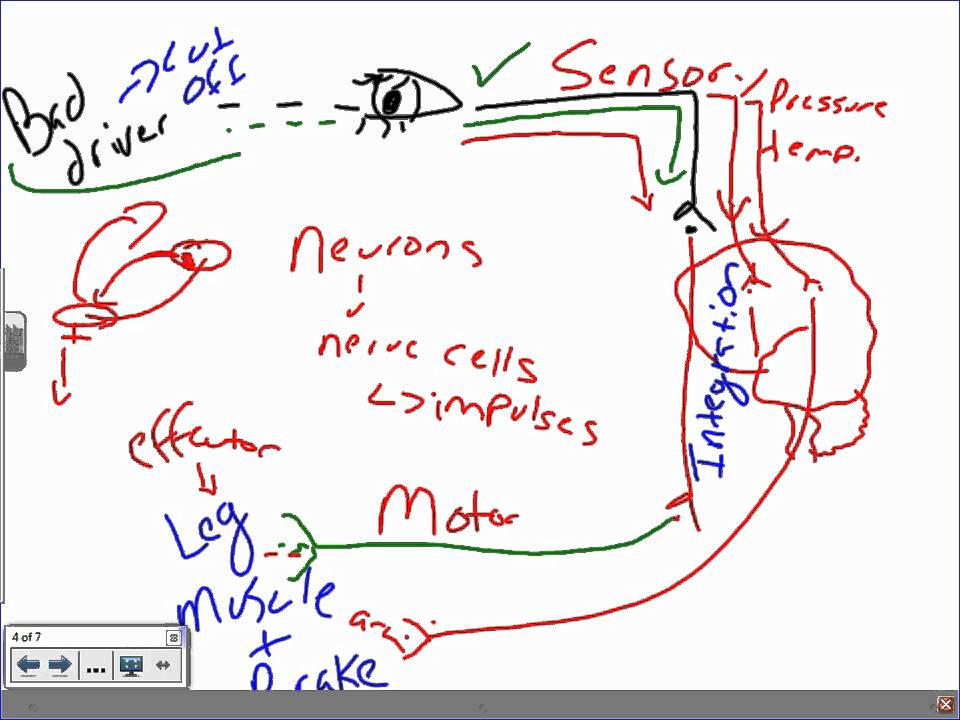
Added:The structural and functional division of the nervous system into the Central Nervous System (CNS) and the Peripheral Nervous System (PNS).
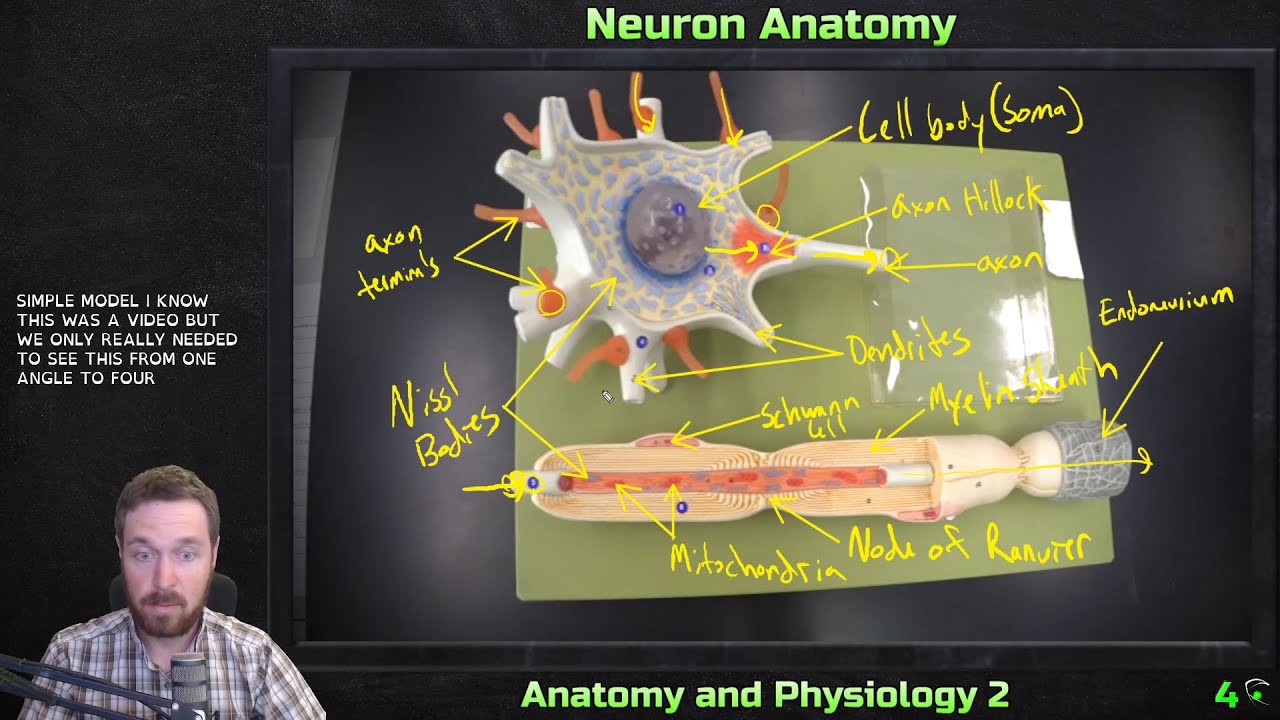
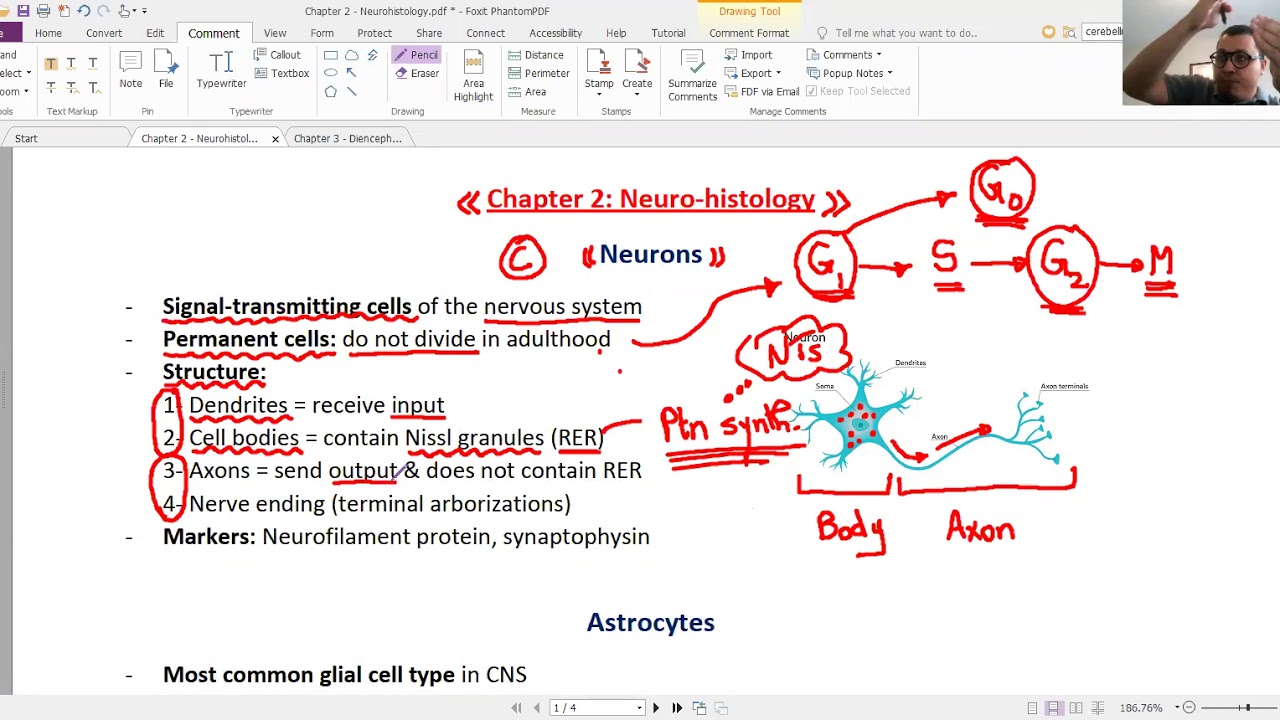
The anatomy of a standard neuron, including the cell body (soma), dendrites, axon, and myelin sheath.
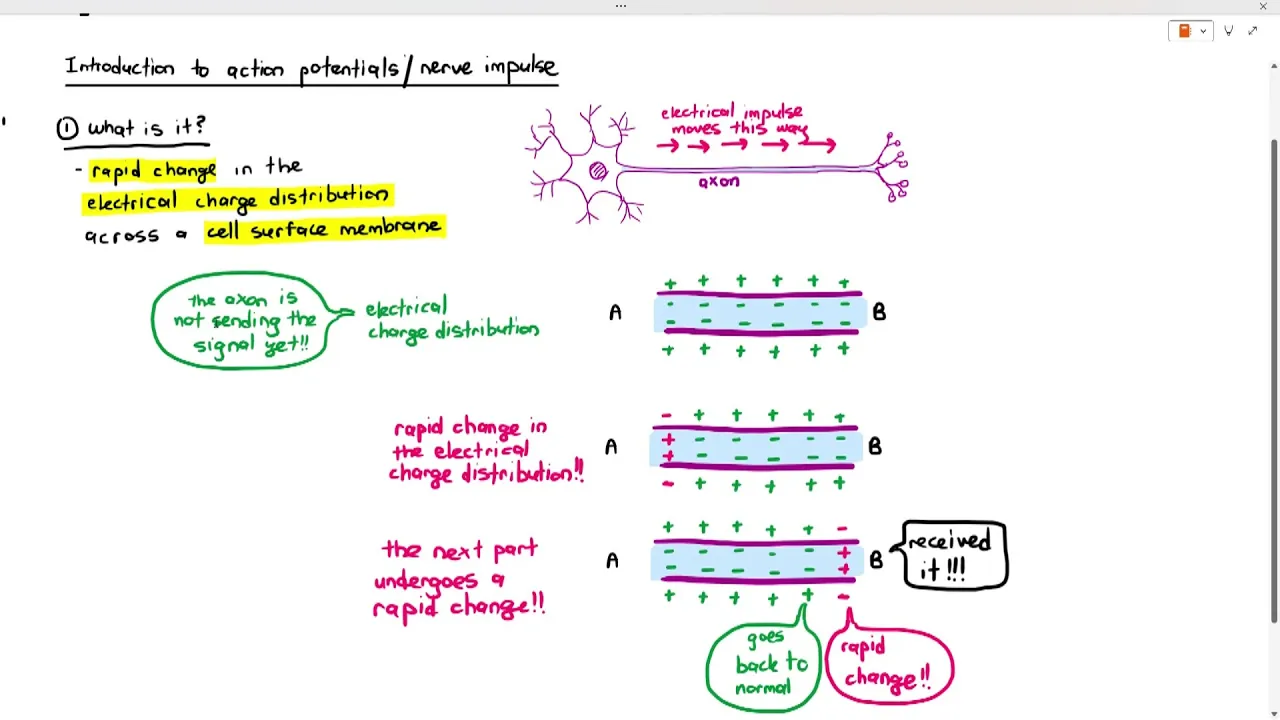
The basic mechanism of action potentials and how electrochemical signals are propagated along axons.
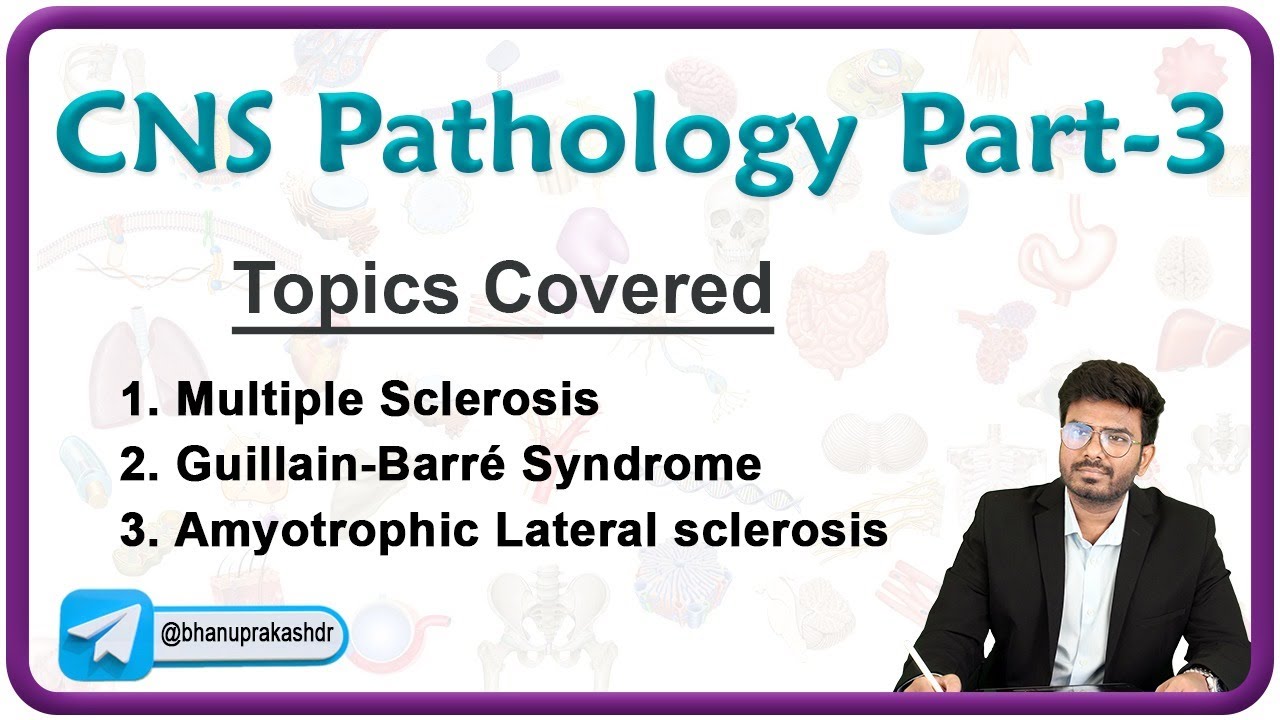
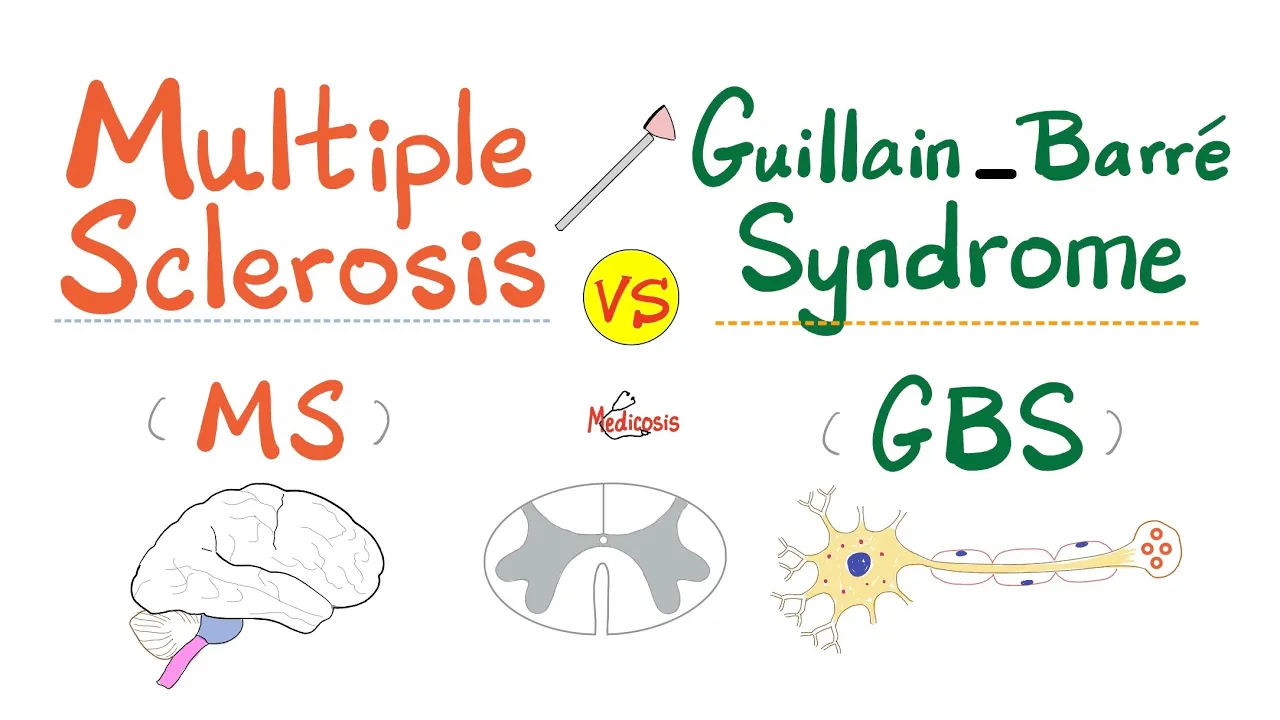
The pathophysiology of demyelinating diseases, such as Multiple Sclerosis (CNS) and Guillain-Barré Syndrome (PNS), caused by oligodendrocyte and Schwann cell dysfunction.
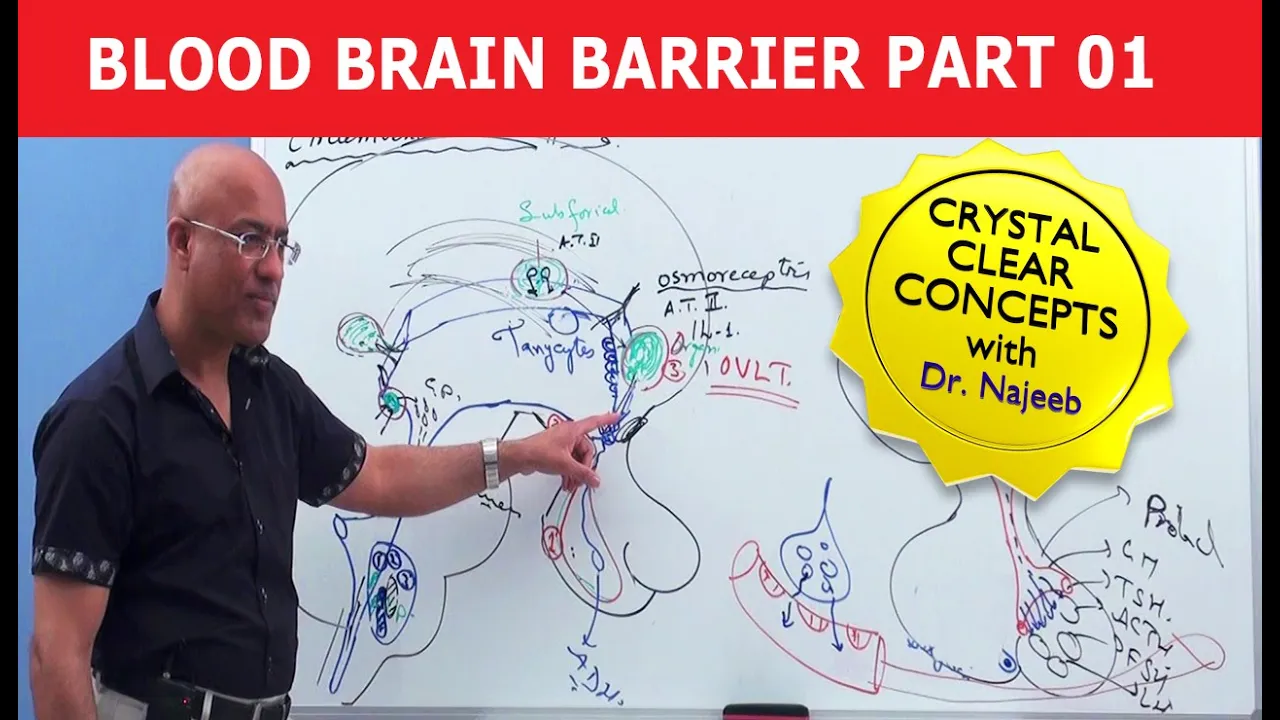
The detailed structure of the Blood-Brain Barrier (BBB) and how astrocytic foot processes regulate vascular permeability and drug delivery to the brain.
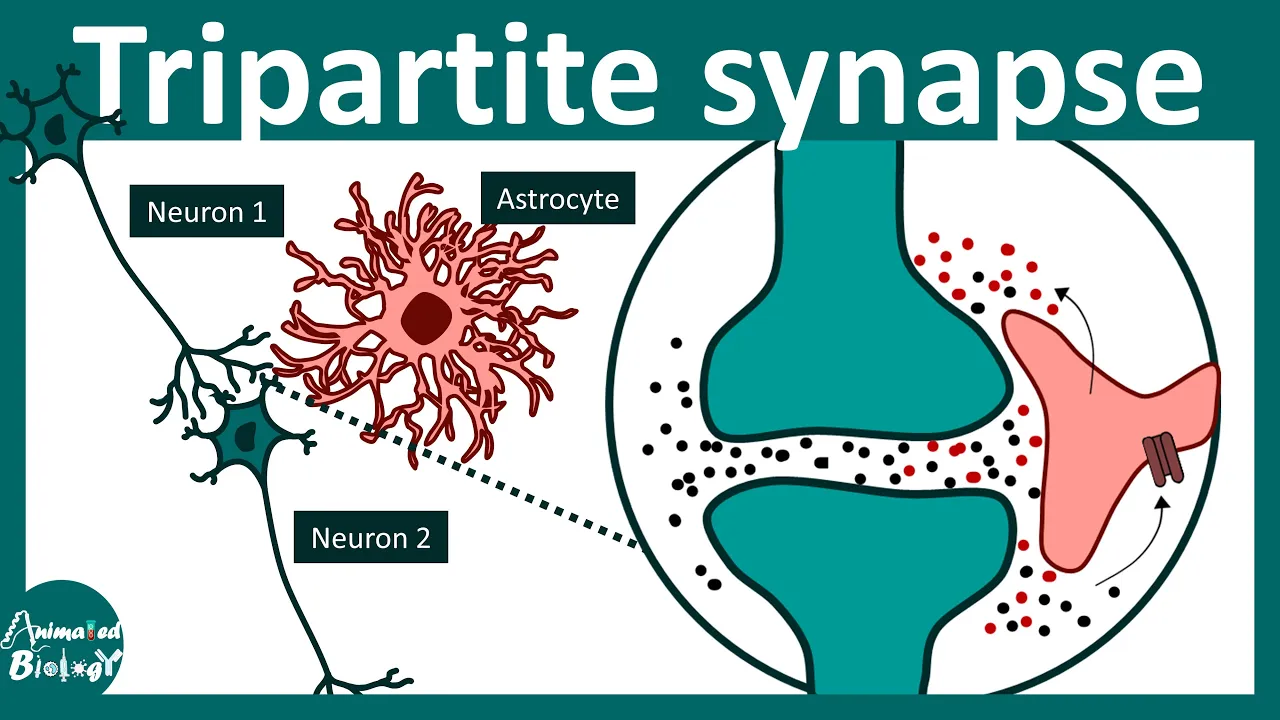
The concept of the 'tripartite synapse' and how astrocytes actively participate in neurotransmitter clearance (such as glutamate) and synaptic modulation.
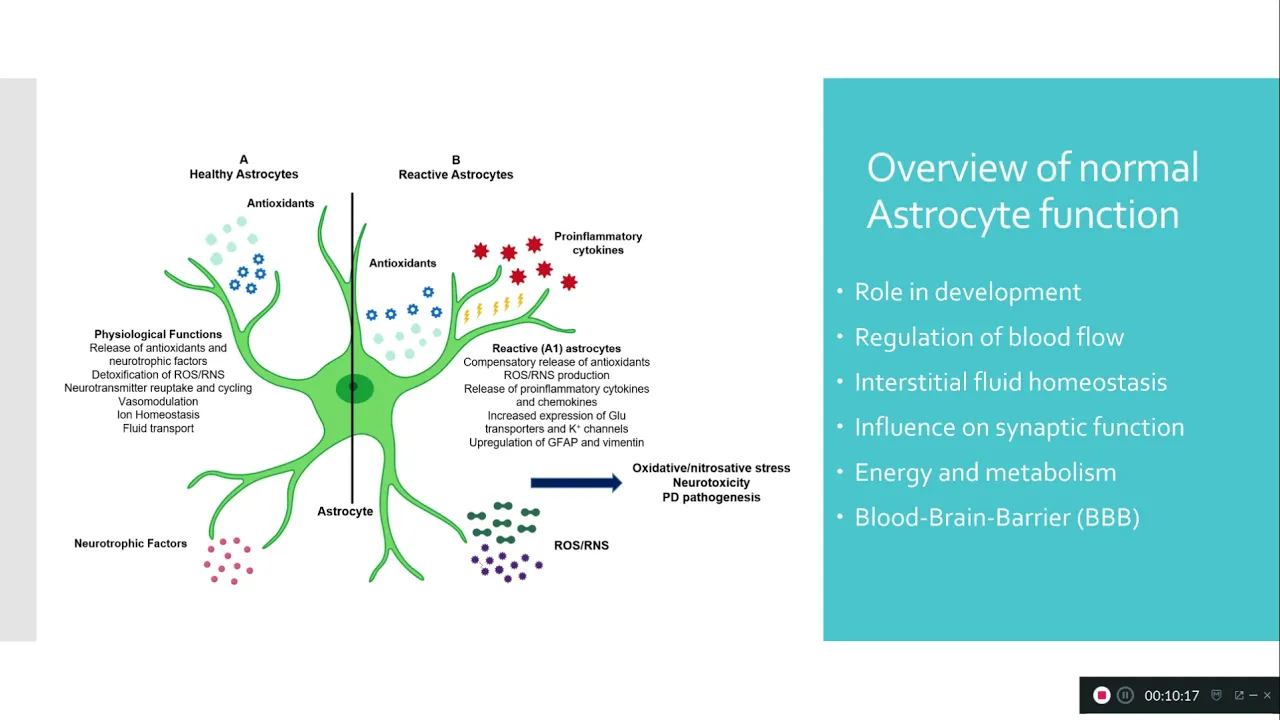
The cellular response to CNS injury, including reactive astrogliosis, glial scar formation, and the dual neuroprotective/neurotoxic roles of microglia.
76.8K views1.2Klikes7:45Original Release: 2014-09-20
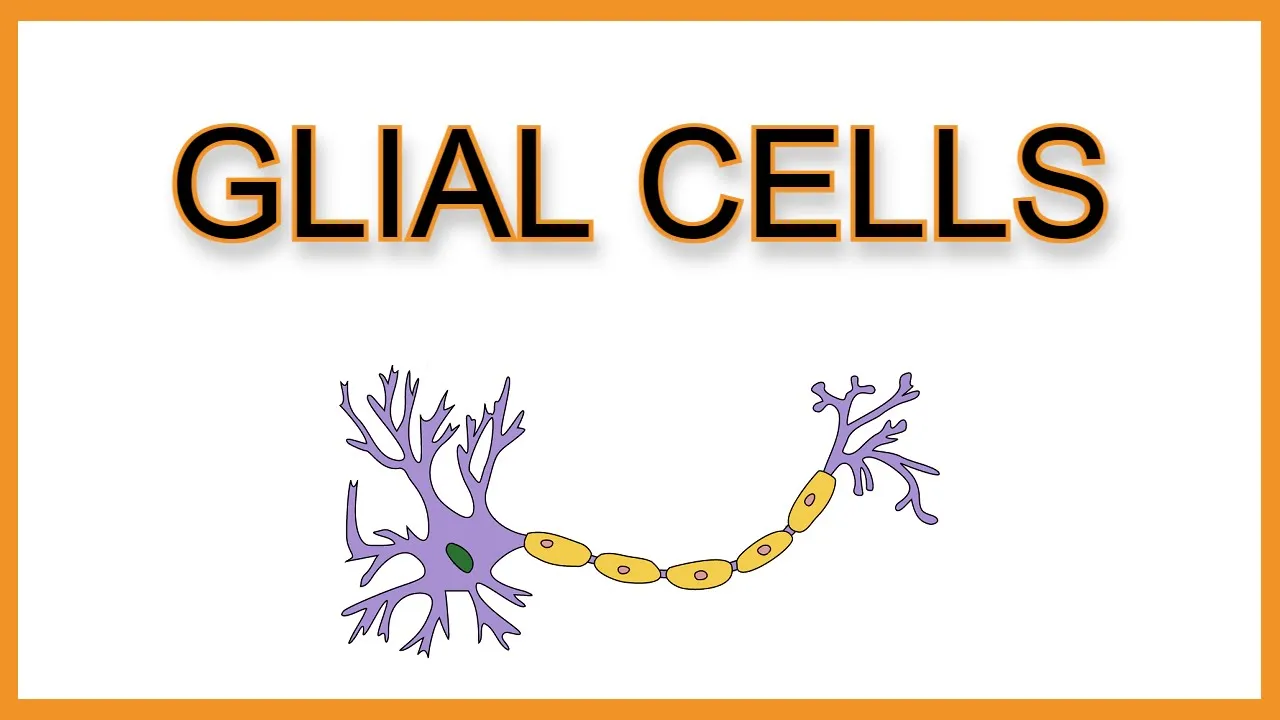
the nervous system is made up of a functional unit known as the neuron and the neuron is a specialized type of cell that is capable of accepting generating and sending electrical signals to other cells in the body and this is a very effective and efficient way of communicating between cells now the question is are there any other cells found inside our nervous system inside the body aside from these neurons and the answer is yes in fact we have many more of these other cells found inside our nervous system than our neurons now all these other cells fall into a category that we call neuroglia so neuroglia also known as gal cells are all the other cells aside from the neuron found inside our nervous system and the purpose of these other cells the purpose of neurona is to BAS basically uh increase the effectiveness and functionality of these neurons found inside our nervous system and to support these neurons in different ways so that's exactly why neuroglia or gon cells are commonly known as the support cells of the nervous system now generally speaking our nervous system can be broken down into two divisions we have the central nervous system which includes the brain and the spinal cord and we have the peripheral nervous system which includes everything else and these two divisions themselves contain their own different types of neuroglia so let's discuss the different types of neuroglia in the central nervous system as well as in the peripheral nervous system so within the central nervous system we have four major types we have asides we have endal cells we have alad dendrites and we have microglia within our peripheral nervous system we have satellite cells and Schwan cells so let's discuss the functionality and the structure of each one of these cells and let's begin with the aside so the aside contains a cell body as shown it contains the nucleus shown in blue and it contains other organel not shown it also contains these extensions and these extensions basically WRA around and connect to our neuron as well as blood vessels and they connect via Gap Junctions so basically the oxygen and the nutrients such as our glucose that is traveling through our blood can actually get to the neuron via these asdes on top of that the asdes are also capable of actually providing physical support to the neurons and they maintain the nutrient and ion concentration in and around our NE our neuron so let's move on to the second type of gleo cell in the central nervous system known as our endal cell now the endal cells are basically those cells that line the spinal cord as well as are found in certain sections of the brain and the entire purpose of these endal cells is to help generate the cerebral spinal fluid and in fact they use the Celia and the Celia move in a wavelike fashion as shown in a diagram so these are our endal cells so they contain the Celia that move and the movement of the Celia helps move our cerebral spinal fluid around our body so let's move on to the third type of support cell of the nervous system in the central nervous system known as alad dendroides now let's recall the structure of the neuron so the neuron contains the dittes which accept our signal we have the cell body which contains the nucleus and the organel we have the Exxon hilock which generates the electric signal and we have the Exxon we also have the Exxon terminal now the Exxon usually contains myelination and what the myin is it's is basically a special type of substance that's composed of protein and fat and these myin sheath or simply myin help insulate our axon and that means that increases the speed of propagation of the action potential along our axon now within our central nervous system the cells responsible for actually creating the myin around the axon are the liad ddes so they use these extensions to wrap around specific regions of the a on and actually create those myelin so let's move on to the fourth type known as microa so micro uh microa are those cells that differentiate from monocytes found inside the bone marrow so inside the bone marrow we have monocytes they become microa and then the microa travel to the brain and they basically function as macrofagos and that means they basically uh engulf different harmful types of things such as some type of harmful debris so if this is our debris floating around our neuron the microa basically eats up the debris and breaks it down so that it doesn't harmful uh it doesn't harm our neuron in any way so these are the four major types of neurog gal cells support cells found within our Central system let's move on on to our peripheral nervous system so basically we have satellite cells and Schwan cells now the function of satellite cells is very similar to the function of asides but the structure of satellite cells is somewhat different so the satellite cells actually cover the outside surface of the neurons and they basically provide a supply of nutrients and other things into our cells into our neurons on on top of that they also give structure and support to our to our neurons and they protect and cushion those neurons so that they aren't damaged in any way now Schwan cells are very similar to alad dendrites in a sense that they create the myelin on the neurons found in the peripheral nervous system so these Schwan cells basically attach physically attached to our sections on our axon and then they secrete that milein material onto our axon so these are the Schwan cells so notice that they're different from alod dentro sites which are separated from the axon so this is the body of the liad dentro side while this is the body actually attached onto the Exxon of that neuron so these are the four different types of gleo cells found in the central nervous system and these are the two different types of cells found within our peripheral nervous system so all these different types of cells are known as neuroglia gal cells or support cells of the neurons found in the nervous system of our body
Up Next
9:15
Glial Cells Explained: Astrocytes, Microglia, Oligodendrocytes & More
@DirtyMedicine
92.6K views•2021-12-02
21:55
Deciphering Neural Circuits Controlling Anorexia in Mice | Richard Palmiter
@AllenInstitute
2.3K views•2011-10-10

11:06
Myelination and Saltatory Conduction in Neurons Explained
@AKLECTURES
68.8K views•2014-09-19
13:03
How Exercise Benefits Your Brain: Science Explained
@TED
11.4M views•2018-03-21
Related Study Plans & Knowledge Roadmaps
Structured learning paths in Neuroscience
neuroscience
Appetite Regulation: Brain Circuits & Hormones
01Foundations of Endocrinology and Brain Anatomy
02Introduction to Energy Homeostasis
03Peripheral Signals: Leptin, Ghrelin, and Insulin
+ 2 more learning modules
14h5 modules
Explore Roadmap
neuroscience
Neuroeconomics: Value, Risk & Brain Mechanisms
01Foundations of Neuroscience and Brain Anatomy
02Introduction to Neuroeconomics and Subjective Value
03Dopaminergic Prediction Errors & Reinforcement Learning
+ 3 more learning modules
18h6 modules
Explore Roadmap
neuroscience
Spatial Navigation: Cells, Grids & Brain Maps
01Foundations of Brain Anatomy and Memory
02Place Cells and Head-Direction Cells
03Grid Cells: The Brain's Coordinate System
+ 2 more learning modules
12h5 modules
Explore Roadmap
neuroscience
BCIs: Neural Decoding & Prosthetic Control
01Neuroscience Foundations: How the Brain Signals Intent
02Signal Acquisition: Recording the Brain's Activity
03Neural Decoding: Translating Brain Waves into Data
+ 2 more learning modules
25h5 modules
Explore Roadmap