























The Mexican muralists José Clemente Orozco, Diego Rivera, and David Alfaro Siqueiros ('los tres grandes') profoundly influenced American art between 1925-1945 by introducing a new vision of socially engaged public art that connected art to society and addressed social issues, inspiring American artists such as Jackson Pollock, Jacob Lawrence, and others to transform elements of national history and everyday life into epic narratives of strength and endurance.
Mexican Muralists: How Los Tres Grandes Remade American Art
Added:The historical and political context of the Mexican Revolution (1910-1920), which catalyzed the Mexican Muralism movement as a tool for national identity and public education.
The core artistic ideologies of 'Los Tres Grandes' (Diego Rivera, José Clemente Orozco, and David Alfaro Siqueiros), particularly their focus on social justice, labor, and indigenous history.
The physical medium and historical tradition of fresco painting, understanding how painting directly onto wet plaster differs from traditional easel painting.
The state of American art in the early 20th century, specifically the rise of Social Realism and the influence of the Great Depression-era Works Progress Administration (WPA) art programs.
The direct technical influence of David Alfaro Siqueiros' experimental New York workshop on Jackson Pollock's transition to action painting and Abstract Expressionism.
The thematic and stylistic impact of Mexican Muralism on African American artists of the Harlem Renaissance, notably Jacob Lawrence and Charles White.
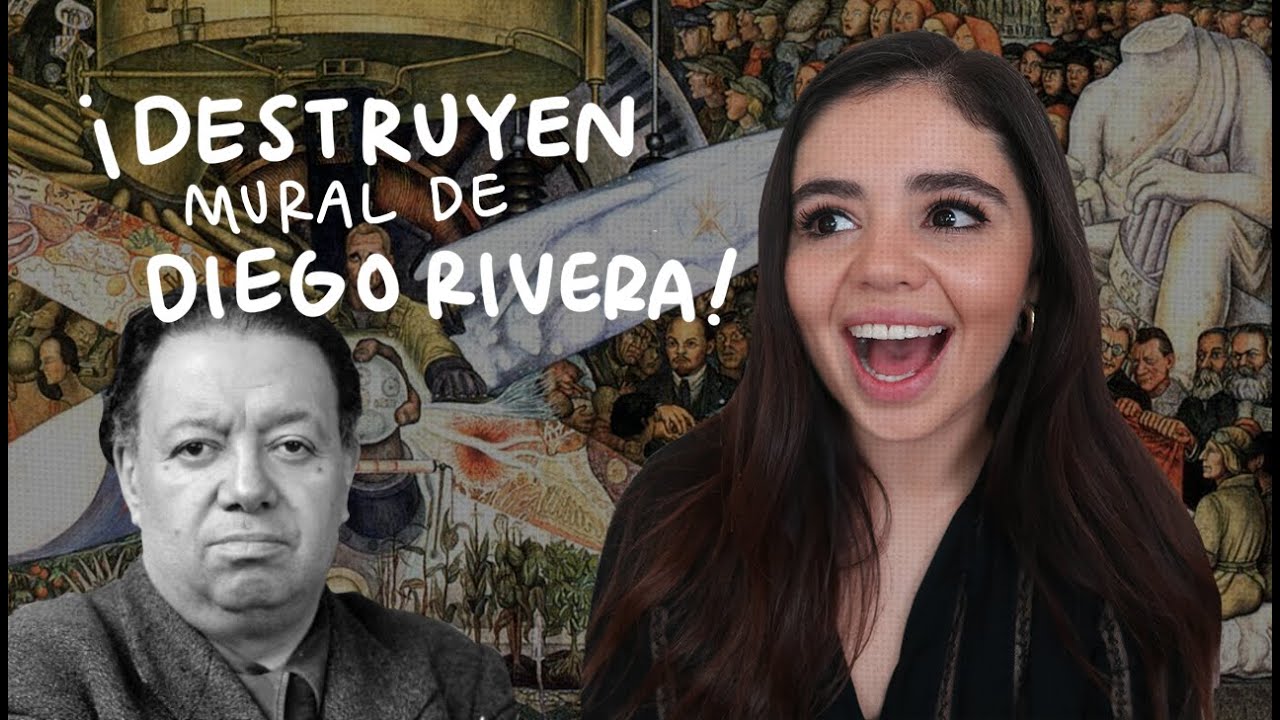
The history of censorship and political controversy in public art, exemplified by the destruction of Diego Rivera's 'Man at the Crossroads' mural at Rockefeller Center.
The rise of the Chicano Mural Movement in the US Southwest during the 1960s and 70s as a direct cultural and political legacy of the original Mexican muralists.
119.6K views1.1Klikes6:15Original Release: 2020-02-11
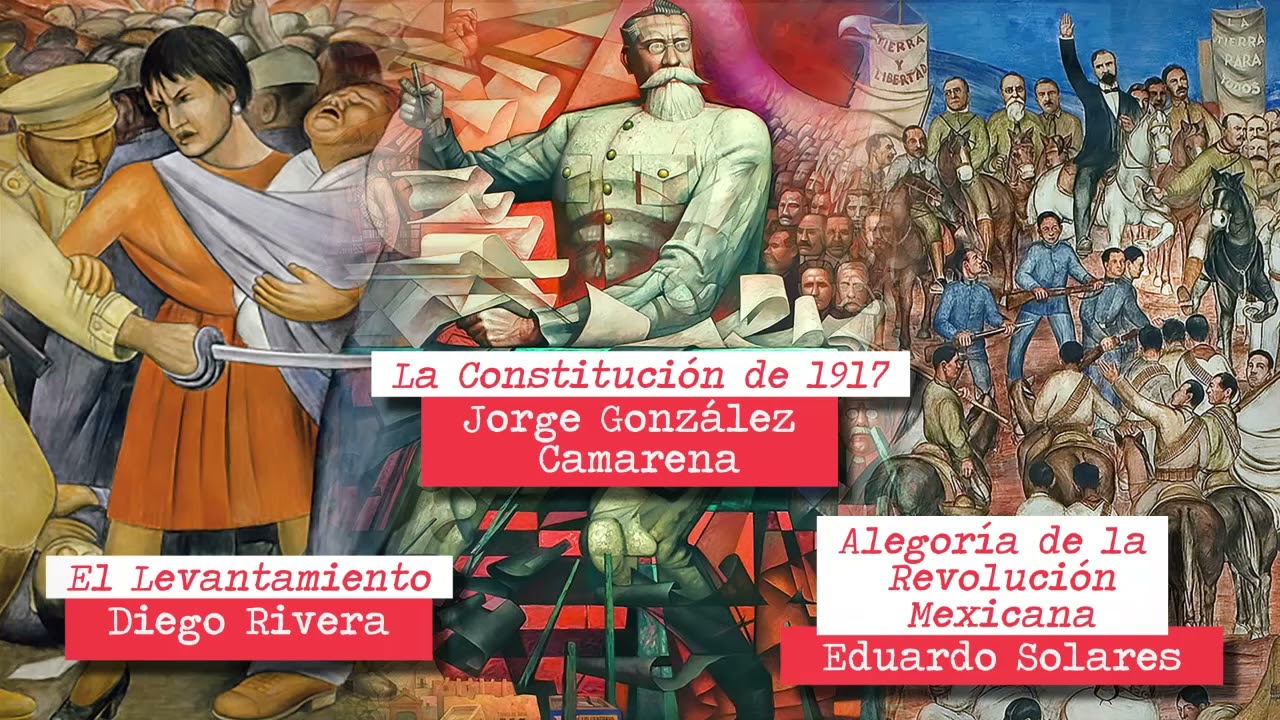
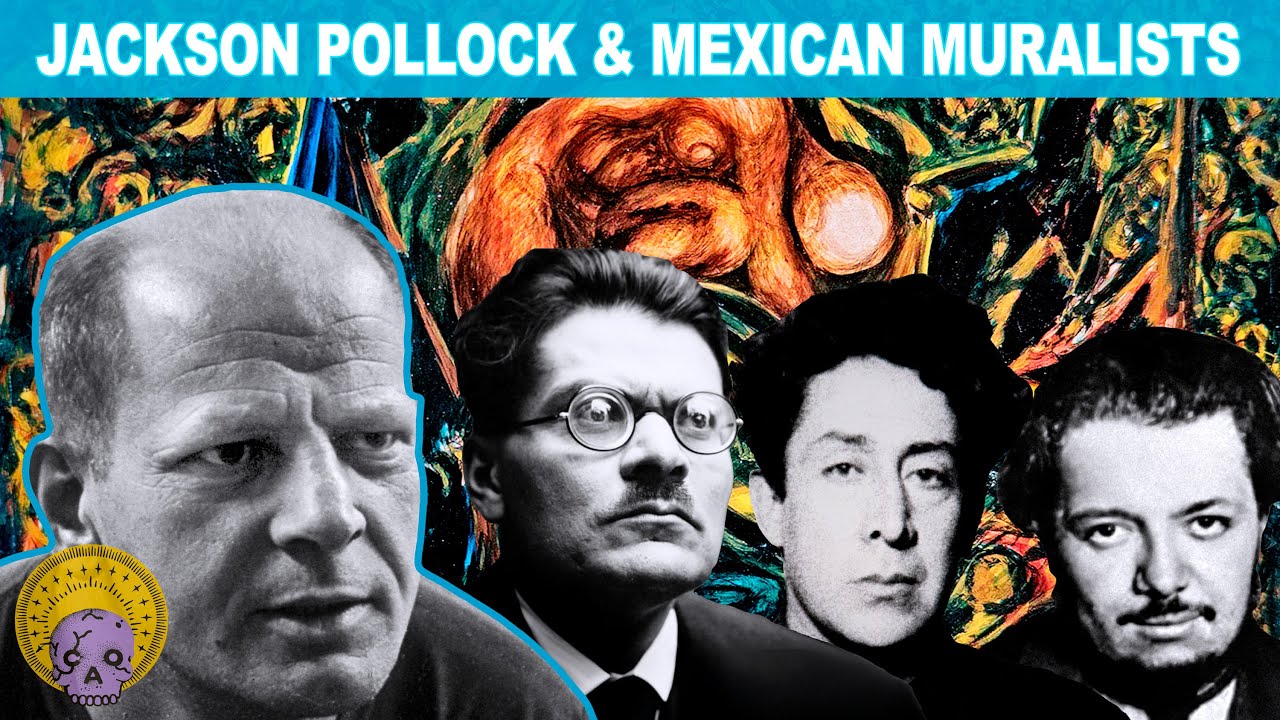
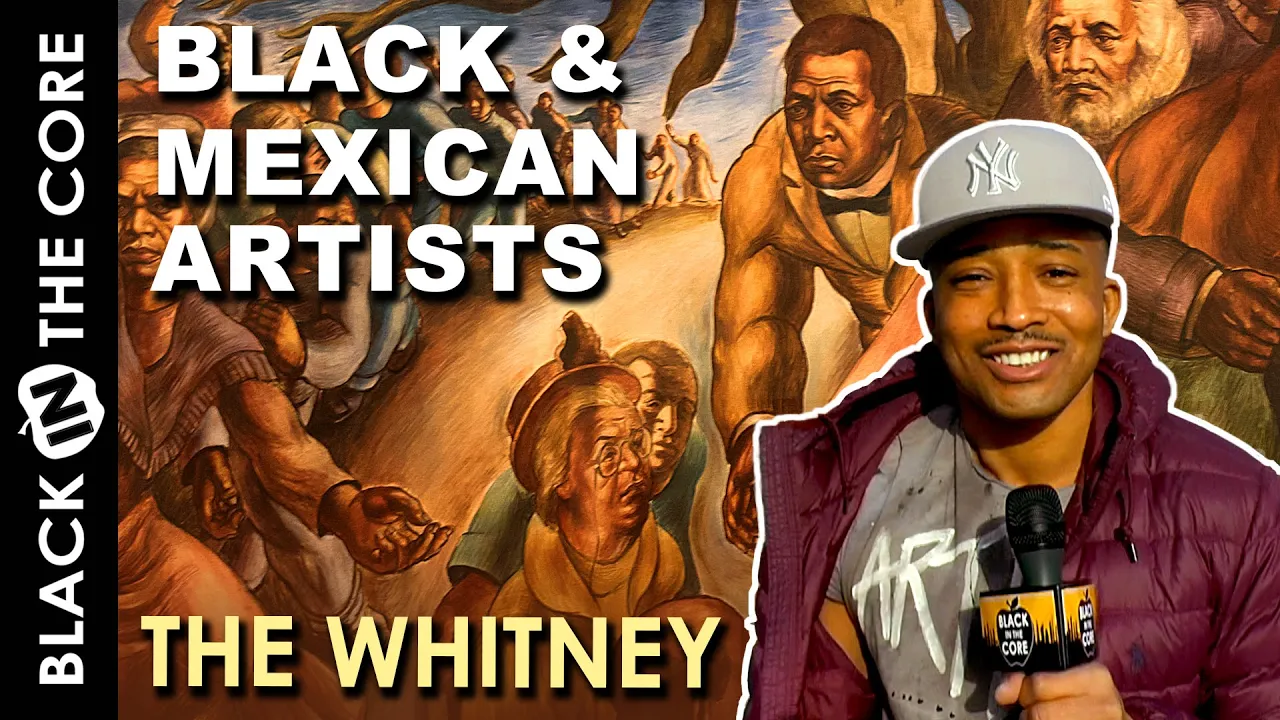
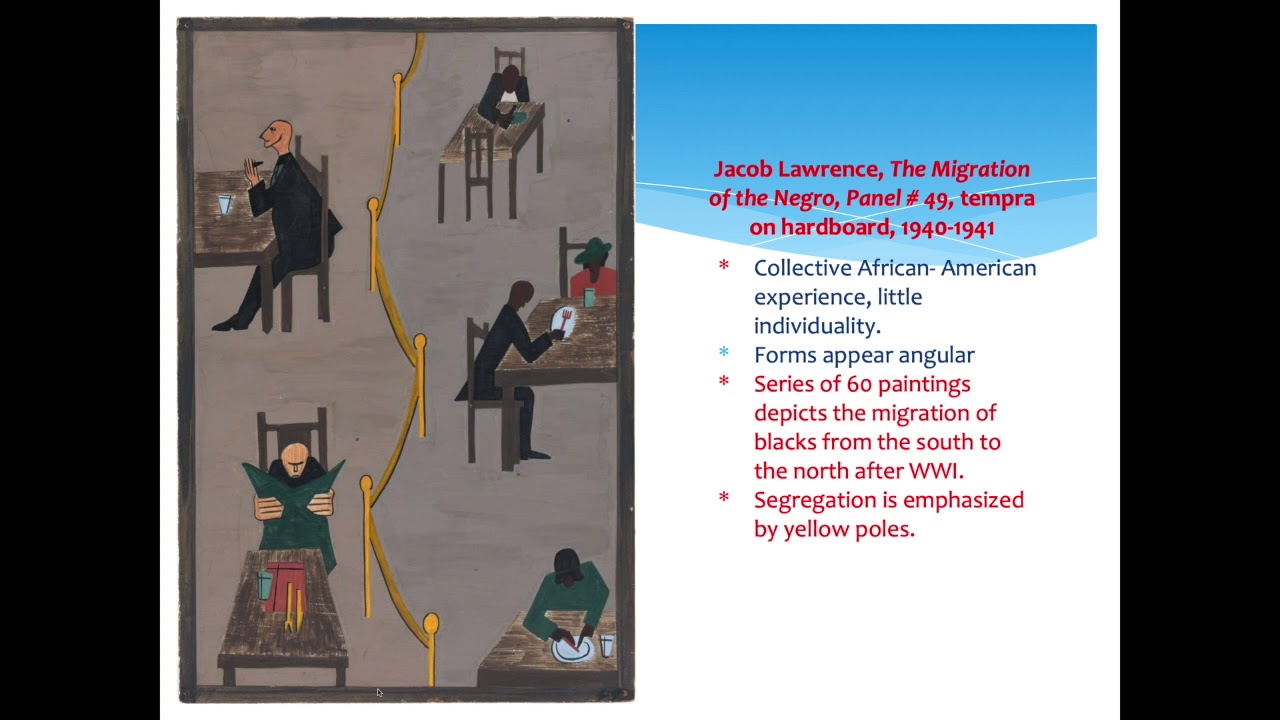
jose clemente orozco diego rivera Deville Alfaro Siqueiros the Mexican mural is known as los tres grandes they created monumental visions of struggle and heroic triumphs oppression a popular power but there's another side to these artists an untold story of cross-cultural exchange that would alter the course of American art in the 1920s a profound change swept across Mexican society a 10-year civil war had finally drawn to a close the new government enacted progressive social reforms that empowered workers and farmers but this transformative project wasn't so simple there was no shared culture no sense of a Mexican national identity people were fed up with others telling them what their identity was the government turned to the arts they commissioned grand public murals depicting the history and everyday life of the nation's people lost Ernest grandes rose to the task they were Radical they were revolutionaries at their time and they showed ideas that hadn't been seen before these depictions were represented at a monumental size and so people were able to see themselves represented in these works the heart of what we're doing belongs with people and we want real people to be engaged with real ideas artists including the Mexican painter Frida Kahlo the Italian photographer Tina Magothy and the Soviet filmmaker Sergei Eisenstein joined the vibrant avant-garde scene emerging in Mexico but it was the epic art of the muralist that captured the Americans imagination they'd never seen anything like that they began to flood us journals about what was called the Mexican Renaissance so it brought down New Mexico a huge number of American artists as political power shifted mural Commission's declined in los tres gündüz looked north to the United States the period when the Mexican muralist came to the US the country was going through the Great Depression so the Mexican Doradus came and they really provided a sense of encouragement to artists that were grappling with the depression and really provided a vision for an art that would be connected to society and that would have a social world jose clemente orozco was the first to come to the United States his mural for Pomona College in California depicting the mythical Greek Titan Prometheus caused a sensation the quality of the work and the strength of the expression was something that really hadn't been seen in America someone who really appreciated and fought the world of his work was Jackson Pollock Pollock went to Pomona College I call it kind of a pilgrimage to see Orozco's mural and Pollock was overwhelmed he said it was the best painting in the contemporary world and he kept an image of it in his studio throughout the 1930s jacob lawrence was also influenced by Roscoe whom he met while working on his migration series he admired the muralists commitment to public art that engage with social and political issues when I look at the migration series it is a call to action and it asked me to ask myself what am i creating that is monumental in scope that has the power to change through time Diego Rivera was a second of los tres grandes to arrive in the u.s. he's considered at that point the hero of the Western world he embodies the spirit of the Mexican Revolution inspired by his experiences in the US but even I gave expression to a new vision of modern American industry in a mural at the Detroit Institute of Arts his idea about creating a national epic was something that was very influential on American artists I think he understood politically the power of representation that even if it wasn't happening in society actually that it was an aspirational possibility Seguros was the last to arrive in the US he was a radical in every way what was most important was to produce not only revolutionary art in terms of content but also in terms of materials how the material was what contained the revolutionary potential as well like the techniques and the methods that you employed seguros quickly learned that his politics didn't always go over well with his American patrons his second u.s. Commission tropical America overlooked a touristic Olvera Street in downtown Los Angeles it wanted something kind of tropical almost like Brazil something exotic and being sick a dose he said I'm not gonna give that to them so he decided to paint a really shocking image and introduce figure B as a way of representing the ideals of anti-imperialism shortly after its unveiling tropical America was partly whitewashed two years later it was completely medial in 1936 he gave a set up his experimental workshop in New York City Jackson Pollock was one of the attendees they would put canvas on the floor and throw paint splatter it for things on the canvas that experience that he had of being free of all conventions really became the hallmark of Pollock the church style by the 1940s los tres grandes had moved back to Mexico and continued creating their monumental murals and works of art but the impact continued to reverberate through the work of the many artists whose lives they touched over the years this exhibition is really rewriting art history it's a testament to a huge amount of bonds that exist between the two countries the point of consideration for us as individuals as artists as a society when we enter a show like this in this political moment is exactly what we want from our [Music] [Music]
Up Next

65:43
Chicano Park (1988): A Documentary on Community Mural Art
@evanapodaca6294
286.2K views•2013-12-20

114:18
Christian Iconography: History, Theology, and Meaning | Fr. Panayiotis Papageorgiou
@Trisagionfilms
58.8K views•2020-02-21
7:48
Ukiyo-e Art: History, Woodblock Printing & Influence
@japanathand
6.3K views•2023-06-08

16:34
Earliest Depictions of Jesus in Art: 10 Ancient Images Explained
@UsefulCharts
5.9M views•2022-06-03
Related Study Plans & Knowledge Roadmaps
Structured learning paths in Art History
art-history
Gothic Cathedrals: Engineering, Light & Society
01The Birth of the Gothic: Romanesque to Suger's Vision
02The Structural Triad: Pointed Arches, Ribbed Vaults, and Flying Buttresses
03Theology of Light: Lux Nova and Sacred Geometry
+ 2 more learning modules
14h5 modules
Explore Roadmap
art-history
Pre-Raphaelites: Realism, Symbolism & Critique
01The Victorian Art Establishment and Academic Formula
02The Founding of the PRB and Radical Realism
03Medieval Revivalism and Literary Symbolism
+ 1 more learning modules
8h4 modules
Explore Roadmap
art-history
Street Art: From Subways to Art Market
01Subcultural Origins in Philadelphia and New York (1970s)
02The Subway Era and Style Wars (Late 1970s - 1980s)
03The East Village Scene and Early Gallery Crossover
+ 2 more learning modules
10h5 modules
Explore Roadmap
art-history
Classic Maya Art: Iconography, Glyphs & Ritual
01Foundations of Classic Maya Visual Culture
02Deciphering Maya Hieroglyphs & Text-Image Integration
03Sacred Geography and Cosmological Architecture
+ 2 more learning modules
14h5 modules
Explore Roadmap