









![Grade(5) | [32] | Unit(2) - Concept (3) - Lesson (4)](https://i.ytimg.com/vi/JgMnbypIQPA/maxresdefault.jpg)






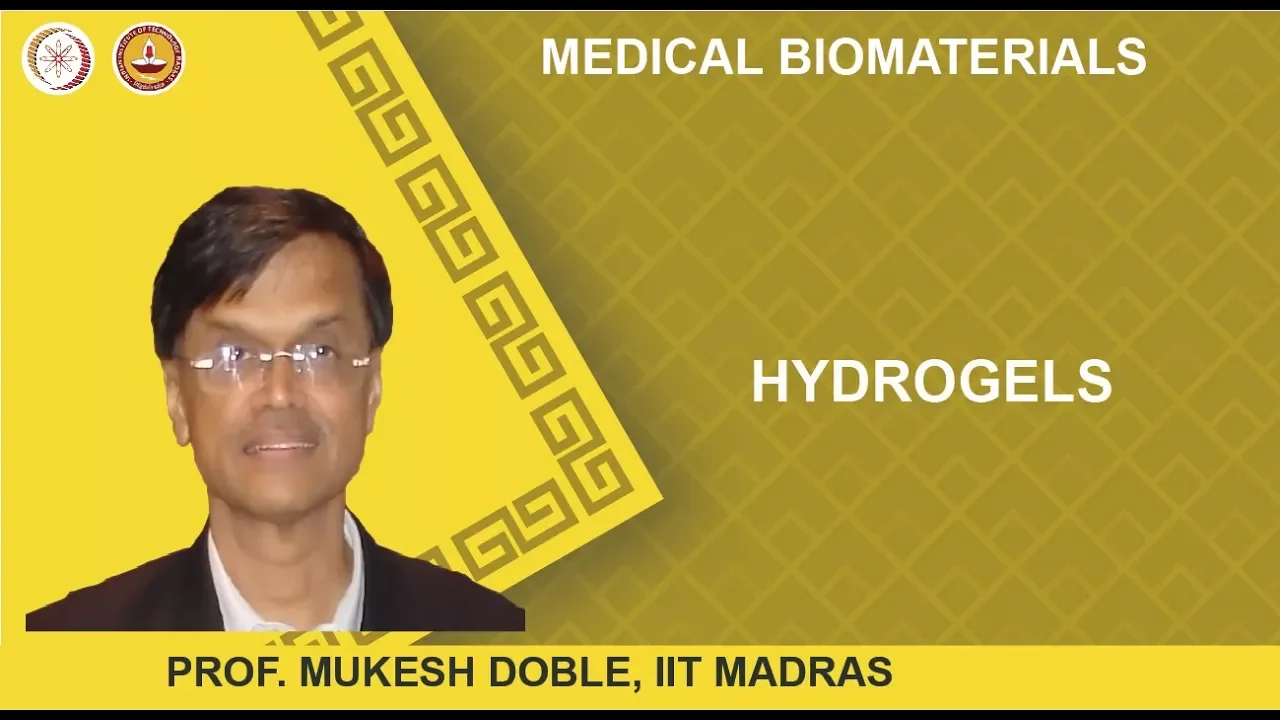




Hydrogels are sponge-like polymer networks that can absorb large amounts of water; they are created by mixing a polymer (such as polyethylene glycol diacrylate) with a photo initiator, thoroughly mixing the solution, and then exposing it to UV light which activates the photo initiator to form crosslinks between polymer chains, locking water molecules between the chains instead of allowing them to push the chains apart.
How to Make a Hydrogel: Polymer Science for Kids | Biomedical Engineering
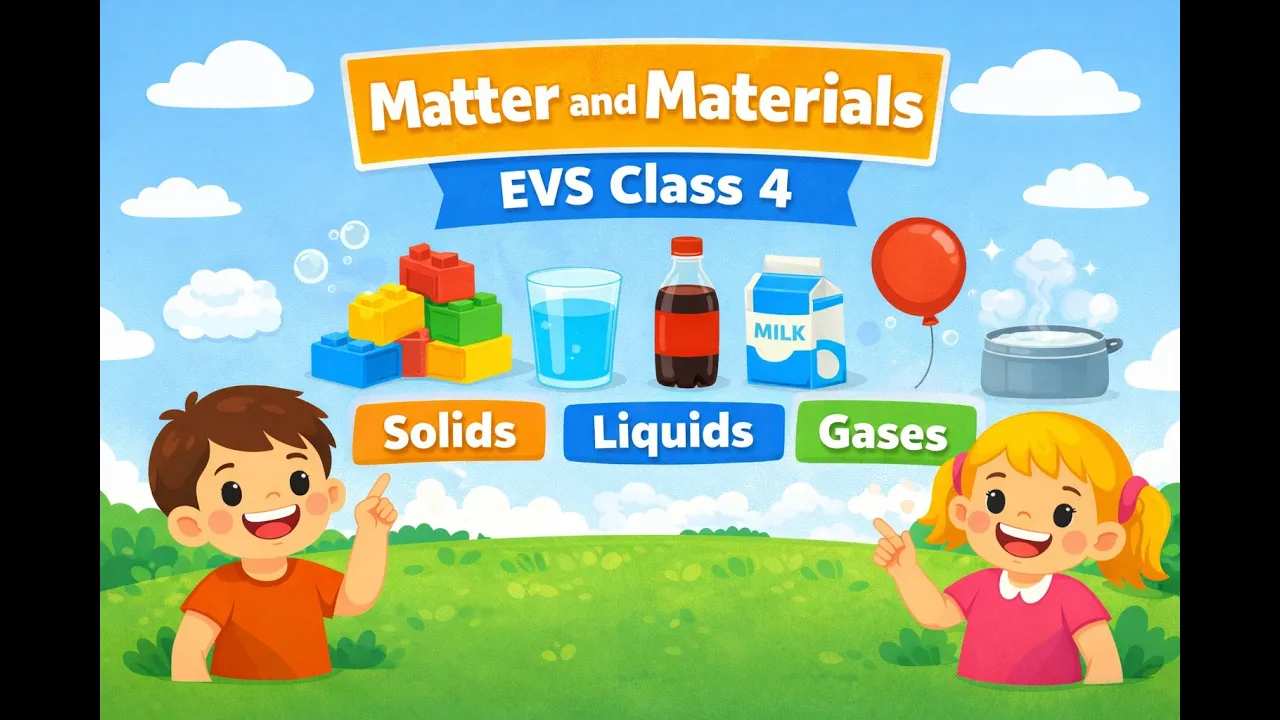
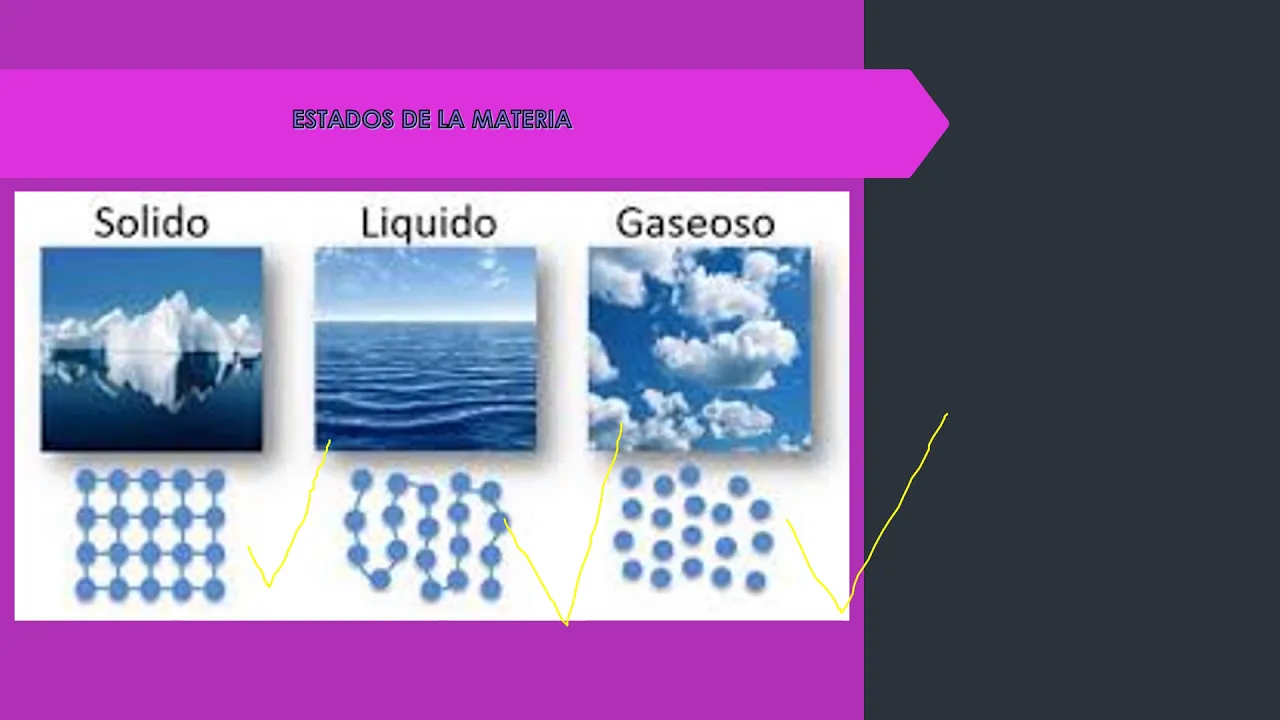
Added:Basic understanding of the states of matter (solids, liquids, and gases) and how materials can change between them.
The concept of atoms and molecules as the fundamental building blocks of matter.
An introduction to solubility and water absorption (how substances dissolve or soak up liquids).
The distinction between physical mixtures (like mixing sand and water) and basic chemical reactions.
The concept of polymer cross-linking and how molecular bonds give hydrogels their unique elastic properties.
The difference between natural polymers (like gelatin, pectin, and starch) and synthetic polymers (like acrylics and plastics).
Advanced biomedical applications of hydrogels, such as drug delivery systems, tissue engineering, and smart wound dressings.
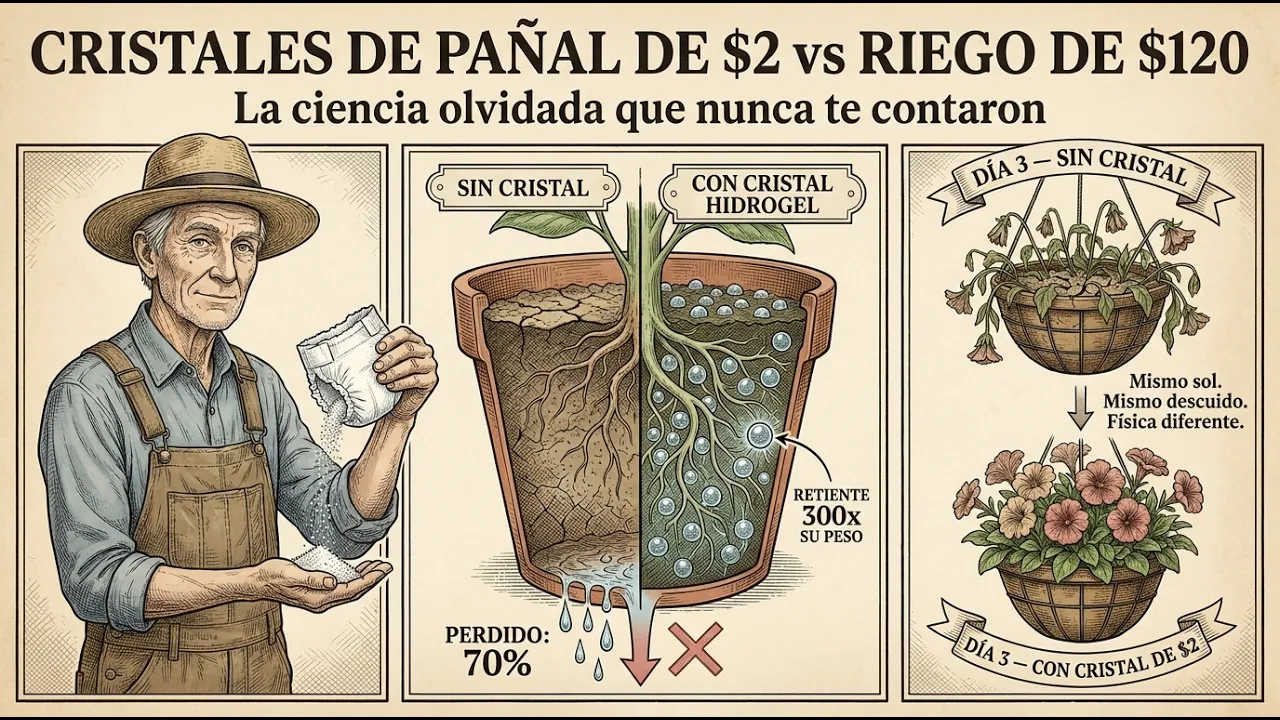
The role of superabsorbent polymers in everyday engineering, from diapers to agricultural water-retention systems.
30.3K views351likes5:18Original Release: 2015-11-02
[Music] thank you hello I'm Dr Joseph Freeman and today I'd like to talk to you about hydrogels a hydrogel is a group of polymer molecules that are linked together that act sort of like a sponge and that they can absorb liquid very readily hydrogels are everywhere they're in things you wear like contact lenses and they're also in things that you eat like gummy bears so let's say we have some polymer chains and just sending in a peachy dish on a plate and we decided to add water now what normally happens is that the water molecules will push the polymer molecules the polymer chains away from each other let's say we make a hydrogel it's making hot gel we form Bridges between polymer chains or polymer molecules to form these Bridges so that they're all linked together so now when we have water instead of pushing them apart what happens is the water stretches the chains and gets locked in between the chains so instead of moving apart the water that is now absorbed between the polymer chains so now some of our students are going to show you how to make a hydrogel first you'll start by blending a polymer with a photo initiator the photo initiator allows the polymer chains to stick to one another so we can form Bridges or crosslinks so we'll mix these two together thoroughly and then after mixing we'll subject the solution to UV light the UV light activates the photo initiator allowing the polymer chains to become sticky and stick together to form Bridges or crosslinks once they form those cross lengths our hydrogel is formed hey students right now we're adding the polymer into the vial the polymer consists of polyethylene glycol diacorated and now we're going to extract 20 milliliters of the photo initiator solution hold tight for a second now we're going to add the stir bar to the solution and we're going to take it over to the mixer to put the polymer into one solution so now I'm going to turn off the stir so that I can extract 15 milliliters of solution secure the top tightly so we can take it over to the vortex or to mix so now I'm going to put it in the vortexer and this hole Vortex the solution for four people for a few minutes we're now going to cut the solution into the place 12 seconds we'll now expose these this delight and to cross-link them and form behind each other we're not at the end of the process and after we have expose the plates to the using lights the liquid has crossed right and now the hydrogel as well now we'll show you what the hydro gels look like [Music] [Music] well that's it I hope you guys learned a lot about hydrogels and how we make them in the lab if you have any other questions or you're interested in biomedical engineering you feel free to look us up on our website which is listed at the bottom of the screen until next time take care and we'll see you soon [Music]
Up Next

2:00
Microfluidic Bioprinting for Vascularized Tissue Engineering
@JoVEJournal
623 views•2022-08-27

12:54
Triumph of Orthodoxy Icon: Byzantine Art & History Explained
@BenCallan
2.1K views•2024-08-06

9:49
FastAPI vs Flask vs Django: Choosing the Right Python Web Framework
@TechWithTim
302.5K views•2024-05-26

1:42
Game of Thrones Opening Credits: A Cinematic Analysis
@gameofthrones
46.3M views•2011-04-18
Related Study Plans & Knowledge Roadmaps
Structured learning paths in General & Interdisciplinary Studies
general-studies
Elevator Engineering: History, Physics & Cities
01From Hoists to Safety Brakes: The Dawn of Vertical Lift
02Hydraulic vs. Traction: The Engineering Physics of Elevators
03Modern Speed, Safety, and Algorithms
+ 2 more learning modules
12h5 modules
Explore Roadmap
general-studies
Rubber: Material Science, History & Geopolitics
01Origins of Natural Rubber & Mesoamerican History
02The Chemistry of Natural Rubber & Vulcanization
03The Geopolitics of the Rubber Boom & Colonization
+ 2 more learning modules
12h5 modules
Explore Roadmap
general-studies
Containerization: Evolution, Logistics & Trade
01Ancient Trade & Bulk Cargo: Amphorae to Barrels
02The Industrial Revolution & Cardboard Packaging
03The Containerization Revolution: Malcom McLean
+ 2 more learning modules
12h5 modules
Explore Roadmap
general-studies
Textile Tech: Evolution, Labor & Global Impact
01Pre-Industrial Textiles: Handloom & Cottage Industry
02Mechanization: The Spinning Jenny to the Power Loom
03The Factory System & Global Labor Transformation
+ 2 more learning modules
10h5 modules
Explore Roadmap