






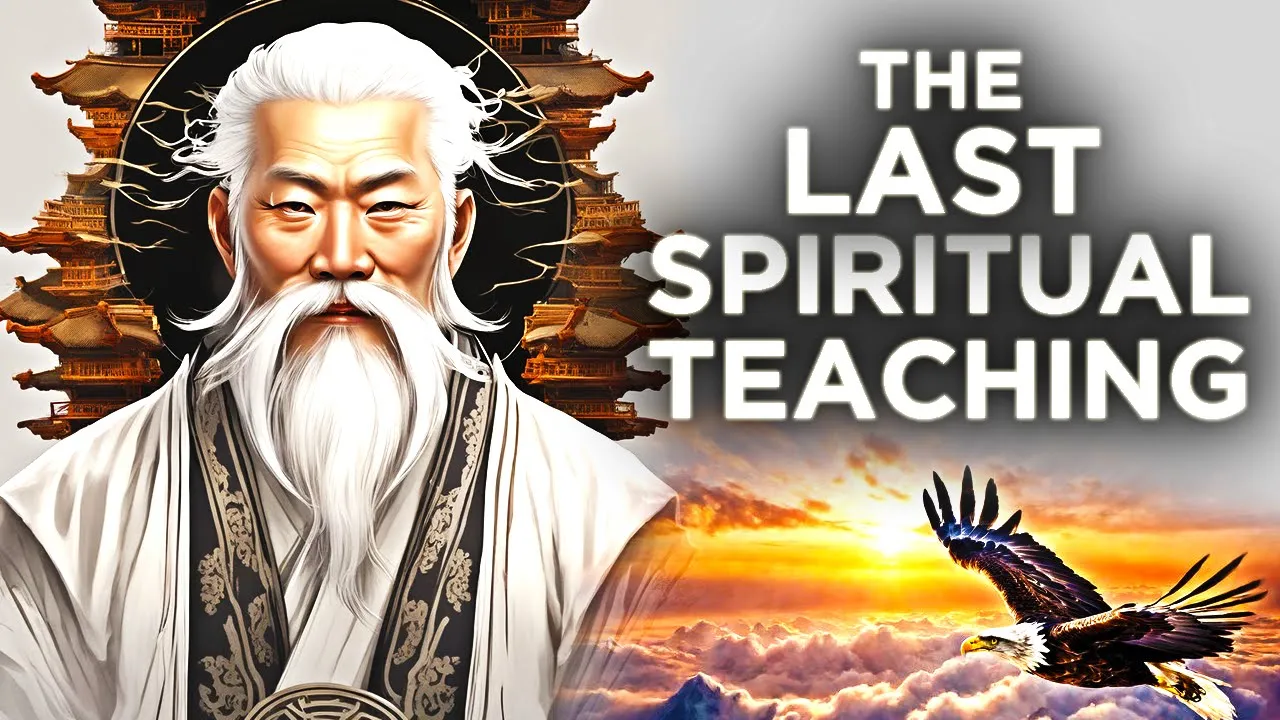




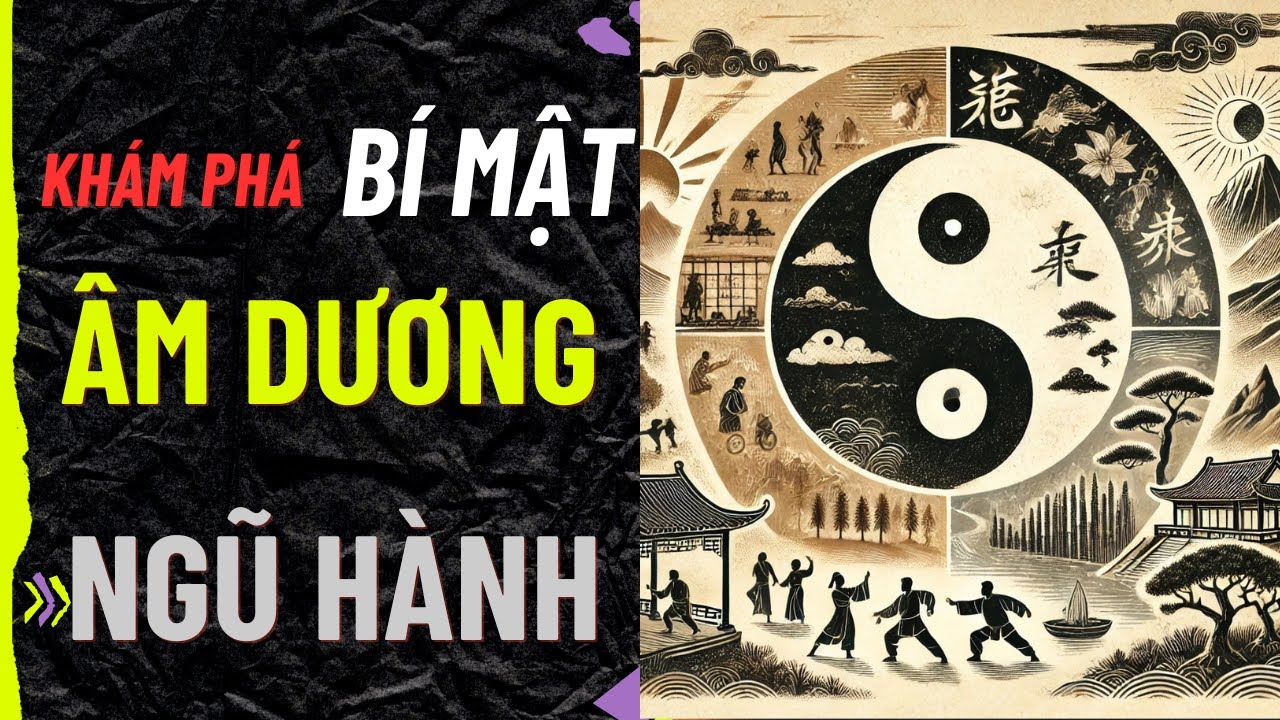


Taoism, founded by Laozi (6th-4th century BCE), teaches that the universe operates through the balance of Yin and Yang forces, and that humans should follow the natural order (Dao) rather than artificial social constructs, practicing 'wu wei' (non-doing) to achieve harmony with the natural world.
Introduction to Daoism: Laozi, Yin-Yang, and the Way
Added:The historical context of the Hundred Schools of Thought and the Warring States period in ancient China, during which Daoism emerged.
A basic understanding of how Eastern philosophical traditions approach metaphysics and ethics compared to Western philosophy.
Familiarity with contemporary rival philosophies of the era, particularly the core tenets of Confucianism such as ritual (li) and social order.
An in-depth study of the 'Zhuangzi', the second foundational text of Daoism, known for its parables, skepticism, and spiritual freedom.
The historical development and distinction between Philosophical Daoism (Daojia) and Religious Daoism (Daojiao), including practices of alchemy and longevity.
The practical application of Yin-Yang and Wu-wei in Traditional Chinese Medicine (TCM), Feng Shui, and internal martial arts like Tai Chi.
The syncretic integration of Daoism with Buddhism and Confucianism, which ultimately gave rise to Chan (Zen) Buddhism in China.
3.1K views0likes39:08Original Release: 2020-08-24
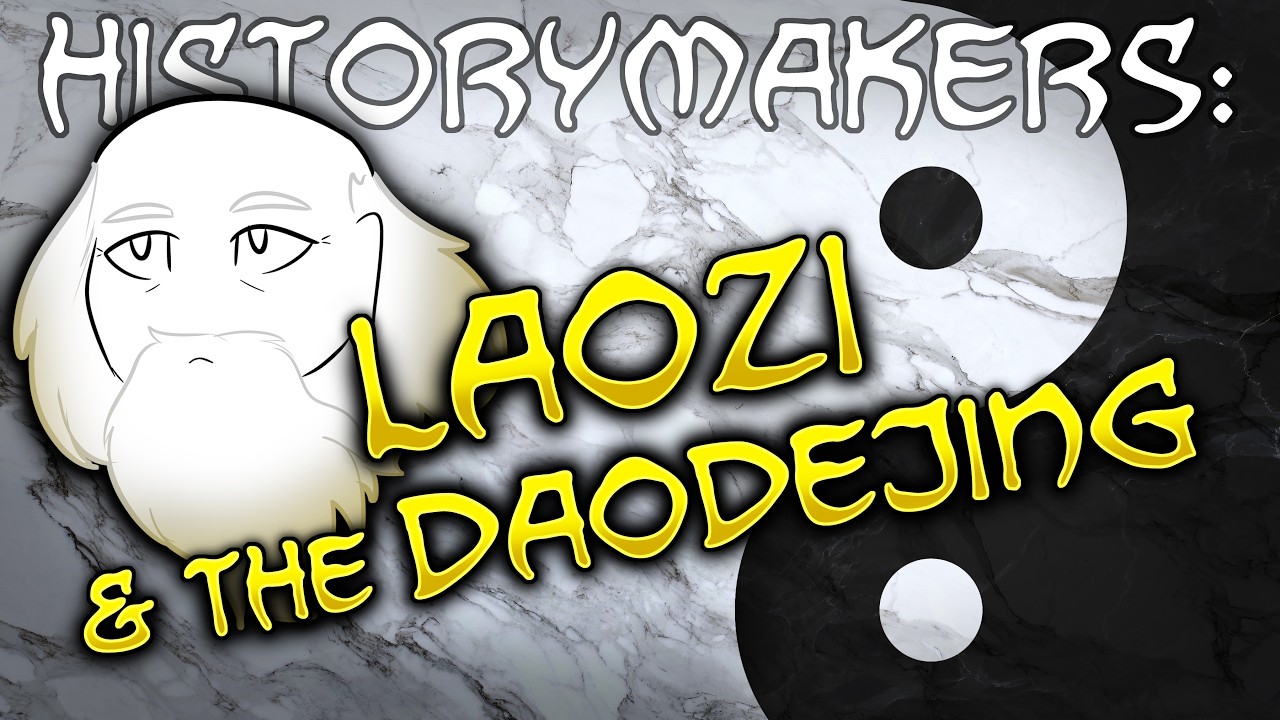
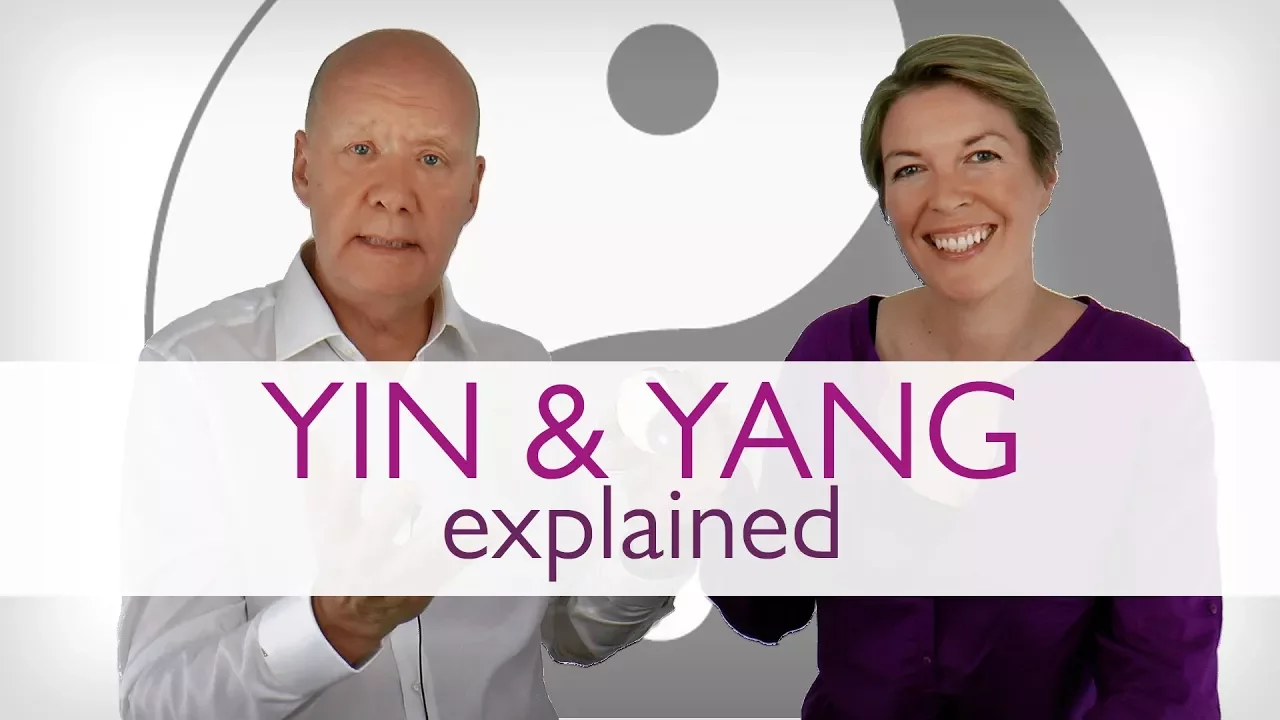
hello everyone and welcome to an introduction to taoism following the way a presentation for pitkin county senior services my name is thomas tazash and i will be your lecturer for our discussion today to begin our discussion of taoism we can start with the historical founder or at least the person who is attributed with the founding of taoism his name was laozi his dates are 6th century to 4th century bce and this date range is quite large because frankly we just aren't really sure what laotz's dates might have been it's possible that he was not even a real person some scholars have suggested that perhaps laozi is a combination of a few different people nevertheless within the chinese historic narrative laozi was a real person and his dates could have been anywhere between the 6th and 4th centuries bce lauza just means old master and that really is the only description of him that we have that he was an aged individual with great wisdom who wrote down the teachings that are now known as the data ching the general understanding of who he was is that he was a government official at some point and that he grew tired of looking around and seeing not only social unrest but also a decline in the moral integrity of the people in the government where he was working he finally became so fed up with his surroundings that he decided to leave so he left china and traveled to the west uh little is known about him after he left china once he departed through the western borders of what was then china he disappeared from history the story goes that having become disgusted with the corruption and decadence of the government he started traveling west and when he reached the border he was leaving through a guard post and one of the guards stationed there recognized him and said wait before you leave please give me your wisdom and so lao tzu stopped and started teaching this guard and the guard wrote down everything that lao tzu told him and that was all collected in the text that is now known as the doubt itching sometimes it's said that he was born old that lauzo was never a child he was always an aged person in fact if you look at the chinese characters that make up his name lao tzu another way that you can read it would mean old child so this notion that he was born an aged person is part of the myth of laozi a central concept within the data chain which latzo taught is balance and we might wonder what needs to be balanced the first answer is that yin and yam need to be balanced what we find expressed in the data ching and in later dallas texts as well is that the universe is comprised of many many forces but that when we look at those forces whether we see it as being things that exist in opposition or we could even think about the forces that create the universe as being the five elements what we find is that no matter what we think comprises the world the universe everything comes from these two primordial energies qualities of yin and yang that's what we find expressed in the data ching is that all things are a combination of yin and yang in different proportions and that those combinations of yin and yang are constantly seeking to find balance with one another in the image that you see here of yin and yang which you're probably familiar with you see two halves of a circle part is dark and part is light now each half looks like a comma or like a paisley and this is actually because the image is depicting movement those are swirling around one another so when you see the image of yin and yang you see that yin and yang are always in movement with one another an eternal dance looking for balance and in each side in the light side there is a dot of the dark in the dark side there is a dot of the light and this indicates that these two things are really not opposites they're complementary to one another and so young is often associated with light with masculine energy with warmth with fire with heaven or what is called tian which means order young is the active energy so it's associated with movement it's associated with the intellect and with logic and it's associated with being awake you know you're waking life as a complement to all of those qualities yin is associated with darkness with feminine qualities with coolness with water with the earth with chaos with passivity and stillness it's associated with intuition and with the sleeping state and also therefore with dreaming uh it's important in seeing yin and yang that we understand that they're not seeking to overpower one another their ideal state is to reach a state of equilibrium but all things are comprised of different amounts of yin and yang and therefore they're always seeking to find balance with one another and we could see that quest for balance that that desire or pursuit of balance as being one of the ways in which the practice of taoism really shows up in the way that it's lived in the world now you may have already listened to the lecture on confucianism taoism looks around and sees the world and it says that there is social chaos this is the same problem that we identified in our discussion of confucianism both taoism and confucianism look at the world and they see the same problem there is social unrest social chaos taoism argues that one of the problems that leads to this social chaos is that human beings don't behave in a natural fashion human beings are so busy engaging in the pursuit of wealth the pursuit of social status we're busy building societies and governments and things like that taoism says all of those things which we teach ourselves are really the heart of the problem if we look around at the natural world we don't see hierarchy we don't see large governments where corruption can flourish we see small groups of animals perhaps you know just little families of animals uh parent animals and their offspring we see animals doing what animals need to do to survive they don't congregate in large societies they don't build infrastructure they don't build bureaucracies they just interact with the seasons and with the environment in which they live and they find a way to be healthy and to survive in that space taoism says that that is a better teacher that's a better thing to educate yourself about than bureaucracy and you know the structures of government and filial piety all of those things taoism says are human constructs that actually take us away from the natural world in chapter 20 we're told give up learning and put an end to your troubles now in this verse laotz is not really suggesting that people shouldn't learn to read or that education in and of itself is a bad thing people should pursue the things about which they feel passionately but what he is saying here is that if you think that making yourself fit into a mold because at this point in china there's this desire for you know advancement through government jobs and things like that and this is one of the things laos is really reacting to is you know if you think that learning to fit into that constructed model of society is going to make you happy you're wrong you're better off looking to the natural world there's true happiness to be found there in chapter 18 he says when wisdom and intelligence are born the great pretense begins again here he's talking about a very particular kind of intelligence a very particular kind of learning and it's the kind of learning that leads to complicated government structures that leads to large cities where thousands of people are living and trying to compete with one another for resources and compete with one another for influence these are the things laos is pushing against he says that when human beings congregate in this way when we try to build these large societies we are opening the door to all of our worst qualities finally in chapter 28 or 48 he says in the pursuit of learning something is acquired every day in the pursuit of the tao every day something is relinquished the world is governed by letting things take their course it cannot be governed through interference here laozi is again pointing to the reality that the world has a natural order that it follows and when human beings attempt to subvert that order problems will arise now in that last verse or a chapter from the data chain we heard the comment that in the pursuit of the dao every day something is relinquished so what is the tao exactly most commonly this word is translated as the way or the path we could think of it as the natural order of the universe um it governs all things it is also the source of all things and really it is beyond any kind of description in the very first chapter of the qing we are told the tao that can be told is not the eternal dow the name that can be named is not the eternal name the nameless is the beginning of heaven and earth the named is the mother of the ten thousand things ever desireless one can see the mystery ever desiring one can see the manifestations these two spring from the same source but differ in name this appears as darkness darkness within darkness the gate to all mystery so in the first part of chapter 1 we're told the dao that can be told is not the eternal dow the name that can be named is not the eternal name the nameless is the beginning of heaven and earth so here we get right off the bat the idea that the tao itself is beyond human comprehension we can't talk about it we can't label it there's really no way for us to explain what the dao is but then we're told that the named is the mother of ten thousand things to understand this better we can jump ahead to chapter 42.
in chapter 42 we are told the tao begot one one begot two two begot three and three begot the ten thousand things the ten thousand things carry yin and embrace yam they achieve harmony by combining these forces so first we have the dao that which is limitless unnamed unnameable and that dao begot one and that one is the named now which we here reference to in chapter one the named is the mother of ten thousand things so the named now begot to i'm back in chapter 42 now the two are yin and yang so from the nameless dao comes the tao that is named from the tao that is named and conceived of come yin and yang two begot three so from yin and yam came three and those three things are heaven earth and humanity that's one way we could understand the three those three could also be past present and future so the three understandings of time those three could also be the three qualities of what are called the the three treasures of taoism compassion frugality and humility kind of three virtues that define [Music] goodness if you will from the three came the ten thousand things and that mirrors what we heard in chapter one the named is the mother of ten thousand things the ten thousand things refers to just the world you me rocks trees fish birds everything those are the ten thousand things so in 42 we get a very clear understanding of the way in which the the limitless the nameless truth of the universe gave birth to something that we can begin to understand or at least conceptualize and from that unity came yin and yang as primordial forces out of yin and yang doing their constant dance of balance emerged the three which are these three virtues of compassion frugality and humility and also the three solid objects or the three material things of heaven earth and humanity and then from heaven earth and humanity emerges the entire world all the ten thousand things now another concept that you'll hear referenced throughout the text of the data ching is de and they most often is translate translated as virtue we could think of it as ethics or morality we could simplify it and say that it's kindness certainly those three treasures of taoism compassion frugality and humility would be expressions of dei and what we find is if you get a translation of the dao de ching which there are many many many many translations of the darijing about the first half of the daodaiching is dedicated to discussions and descriptions of the dao itself and the second half of the text really deals with how to live out that path or that way and living out the dao is to express dei or we might think of day as dao in action another concept that we see show up in the dao da ching in many places is the idea of chi we could think of chi as kind of the energy that's created by the world that means it's also created by human beings and by natural objects and other living creatures it's very similar in many ways to the idea of the force in the star wars movies in uh star wars episode 4 obi-wan kenobi tells luke skywalker that it's an energy field created by all living things it surrounds us and penetrates us it binds the galaxy together uh in that quote obi-wan kenobi's talking about the force but we could just as easily apply that same description to chi um sometimes it's called bioelectricity because it's it's an energy field that actually modern science is attempting to measure in the human body if you know anything about the chinese practice of acupuncture the needles in acupuncture are placed along lines in the body that are called meridians and those lines are where chinese medicine says chi moves through the body so what is the importance of qi the importance of qi is that it supports our life um if your chi is strong you're healthy if your chi is weak you're sickly and tired all the time and since daoism seeks to enjoy life and to connect with the natural world one of the ways in which that connection with the natural world is expressed is through the cultivation and strengthening of chi within the body in many ways taoism especially in its earliest expressions [Music] isn't really interested in an afterlife uh but it's very interested in prolonging this life in some forms of taoism over time in china because again we're thinking about a religion here that's 2000 to 2500 years old um there were times where there was a real focus within taoist spirituality and religious practice where they focused on acquiring immortality and the central way to acquire immortality was to strengthen the chi in the body and to prolong youth and vitality so when we think about the ways in which taoist practices particularly practices that are focused on the cultivation of chi still exist in the modern world some of them are meditation practices you know similar not exactly the same but similar to buddhist meditation or hindu meditation but we also see the development in china of many martial arts i'm thinking here of tai chi or qigong which are considered to be quote unquote soft martial arts but also the development of more quote unquote hard martial arts like kung fu all of these martial arts have in their foundation an awareness of how to cultivate and harness chi in the body to promote vitality and energy strength health all of those things and those martial arts practices which again are still practiced today all over the world really do have their root in early taoist understandings of this energy of life or chi another important text in looking at taoism as a world wisdom tradition or as a chinese religious tradition is the text called the chuang si now the text takes its name from its author chuangxo lived 369 to 286 bce and he was a follower of laosa he was someone who subscribed to the views that were being taught by people who followed after loud so and were reading the data ching and other texts that were commentaries on the data the text of the chuang sa has a little bit more magical or mystical quality than what we find in the dhadi qing is mystical in its discussion of the dao itself but there's a lot of practical commentary in the dao de ching particularly in the second half where it talks about how to live according to day the chuanza really is more interested in the magic of the natural world we find references in the chuangsa to magical creatures such as a giant bird whose wingspan is so wide that you cannot see from one wingtip to the other and it lives uh on above this giant lake um over which it flies endlessly never landing you know so um just a much more magical quality to the chongzi and this text the trungsa really begins to dig more deeply into another taoist concept called which i will talk about in just a few minutes um another major concept that's presented in the trunks is the idea of the life of wandering what we find is that as taoism evolves it sort of evolves in a direction that is opposite to that of confucianism whereas confucianism is seeking to see people living in community building harmonious society taoism begins to advocate for a life of wandering in the mountains engaging with the natural world being kind of a free spirit in a lot of ways communing with the wind and with trees finding the will of the dao um there are many interesting concepts that are presented in the trunks and i want to touch in on two stories in particular the first story appears at the end of chapter 2 and it's commonly referred to as the butterfly dream once upon a time i chuangxa dreamt that i was a butterfly fluttering hither and thither to all intents and purposes a butterfly i was conscious only of my happiness as a butterfly unaware that i was strong sin soon i awakened and there i was veritably myself again now i do not know whether i was then a man dreaming i was a butterfly or whether i am now a butterfly dreaming i am a man between a man and a butterfly there is necessarily a distinction the transition is called the transformation of material things even though this story is quite short it's one of my favorite parts of the text i think because i just enjoy the question that's underneath this story which to me is how do we really know what is real in this story he says he dreamt he was a butterfly and it seemed very real and he was carefree and then he woke up and he was himself and it seemed very real but how does he know which one is really real and i think this is illustrative of the character of this text there's a sort of whimsical magical way of thinking about the world that sees beauty and wonder in everything and that isn't afraid to ask the question what if this whole thing is a dream and i'm really a butterfly asleep dreaming that i'm a man the other concept that i want to bring out clearly is this concept of [Music] most often it's translated as non-doing but that can be misleading isn't just doing nothing rather it is something similar to what we think of in the modern world as flow state and a great example is found in the trungsa in the story of cook ding prince when lay's cook was carving up an ox every touch of his hand every heave of his shoulder every step of his foot every thrust of his knee with the slicing and parting of the flesh and the zinging of the knife all was in perfect rhythm just like the dance of the mulberry grove or a part of the qing show symphony prince wenwei remarked how wonderfully you have mastered your art the cook laid down his knife and said what your servant really cares for is the dow which goes beyond mere art when i first began to cut up oxen i saw nothing but oxen after three years of practicing i no longer saw the ox as a whole i now work with my spirit not with my eyes my senses stop functioning and my spirit takes over i follow the natural grain letting the knife find its way through the many hidden openings taking advantage of what is there never touching a ligament or tendon much less a main joint a good cook changes his knife once a year because he cuts while a mediocre cook has to change his every month because he hacks i've had this knife of mine for 19 years and have cut up thousands of oxen with it and yet the edge is as if it were fresh from the grindstone there are spaces between the joints the blade of the knife has no thickness that which has no thickness has plenty of room to pass through these spaces therefore after 19 years my blade is as sharp as ever however when i come to a difficulty i size up the joint look carefully keep my eyes on what i am doing and work slowly then with a very slight movement of the knife i cut the whole ox wide open it falls apart like a clod of earth crumbling to the ground i stand there with the knife in my hand looking about me with a feeling of accomplishment and delight then i wipe the knife clean and put it away well done said the prince from the words of my cook i have learned the secret of growth in this story from the chuangsa we get a very clear understanding of what wu way is actually about cook ding never indicates that he is uneducated in fact he's very educated about his work he's been doing it for a long time he's developed great skill but he has learned how to let go of trying to make something happen he simply follows the natural flow of what he's doing what he is doing is cutting up an ox but he has learned how to step aside from his desire to control it he simply allows the knife to follow the natural flow throughout the texts of taoism particularly the data ching and the chuang sa we hear over and over again comparisons to water water is used as a metaphor for the way that the dow moves the way that a human being can become one with the dow because water follows the natural course it seeks the easiest route water is patient it doesn't try to burst through anything as a general rule of course there are examples of water being quite destructive but more often than not water follows the course of least resistance and over time wears down a clear and simple path all of this is an example of what is meant by wu way this notion of stepping into the current rather than fighting against the current um and it seems as you dig more deeply into these texts that what is at the heart of taoism is letting go of our individual sense of what needs to happen or what we think is best and turning over that control to the dow to the natural flow to the world itself so that we become participants in a larger flow rather than trying to always be in the driver's seat and this is really at the heart of taoism as a religious practice finding a way to step into that flow of the natural world wherever you are you might be stepping into the flow of the natural world in the middle of a very busy city or you might be stepping into the natural flow on the side of a mountain you know somewhere far away from civilization either way finding what is natural and i would even go so far as to say what is true in those moments that is [Music] uh it's also an expression of dei and it is finding unity with the dao and in taoism finding unity with the tao makes a person a sage they are essentially an enlightened person who has found freedom from fighting against the current of the world and that really is for many taoists the primary goal as i mentioned there are schools of taoism that are focused on prolonging life even even to the point of immortality but all of that really is in the service of having a long enough life that you can achieve the freedom that comes from becoming one with the down this has been an introduction to taoism following the way a presentation for pitkin county senior services my name is thomas dizash thank you everyone and we will see you next time
Up Next

24:50
Zhuangzi: The Sage of Uncertainty and Daoist Philosophy
@LetsTalkReligion
429.2K views•2020-12-13

164:01
John of Damascus on Holy Images: A Theological Defense
@BannedBooks
139 views•2026-04-25

68:32
Should We Destroy the Machines? Big Tech Surveillance Critique
@TheStoriesWeTell303
167.9K views•2025-11-30
4:57
The Myth of Sisyphus: A Greek Legend of Eternal Punishment
@TEDEd
8.6M views•2018-11-13
Related Study Plans & Knowledge Roadmaps
Structured learning paths in Philosophy
philosophy
Frankfurt School: Critical Theory & Culture
01Foundations of the Frankfurt School and Critical Theory
02Horkheimer & Adorno: The Critique of Instrumental Reason
03The Culture Industry and Mass Deception
+ 2 more learning modules
12h5 modules
Explore Roadmap
philosophy
Philosophy of Language: From Frege to Austin
01The Linguistic Turn: An Introduction to Language in Philosophy
02Gottlob Frege: Sense and Reference
03Early Wittgenstein: The Picture Theory of Meaning
+ 3 more learning modules
15h6 modules
Explore Roadmap
philosophy
Feminist Epistemology: Standpoint & Injustice
01Introduction to Epistemology and Feminist Critiques
02Sandra Harding and Standpoint Theory
03Donna Haraway and Situated Knowledges
+ 2 more learning modules
12h5 modules
Explore Roadmap
philosophy
Environmental Philosophy: Ethics & Deep Ecology
01Foundations of Environmental Ethics & Anthropocentrism
02Biocentric Individualism and Animal Liberation
03Ecocentric Holism and Deep Ecology
+ 1 more learning modules
10h4 modules
Explore Roadmap