


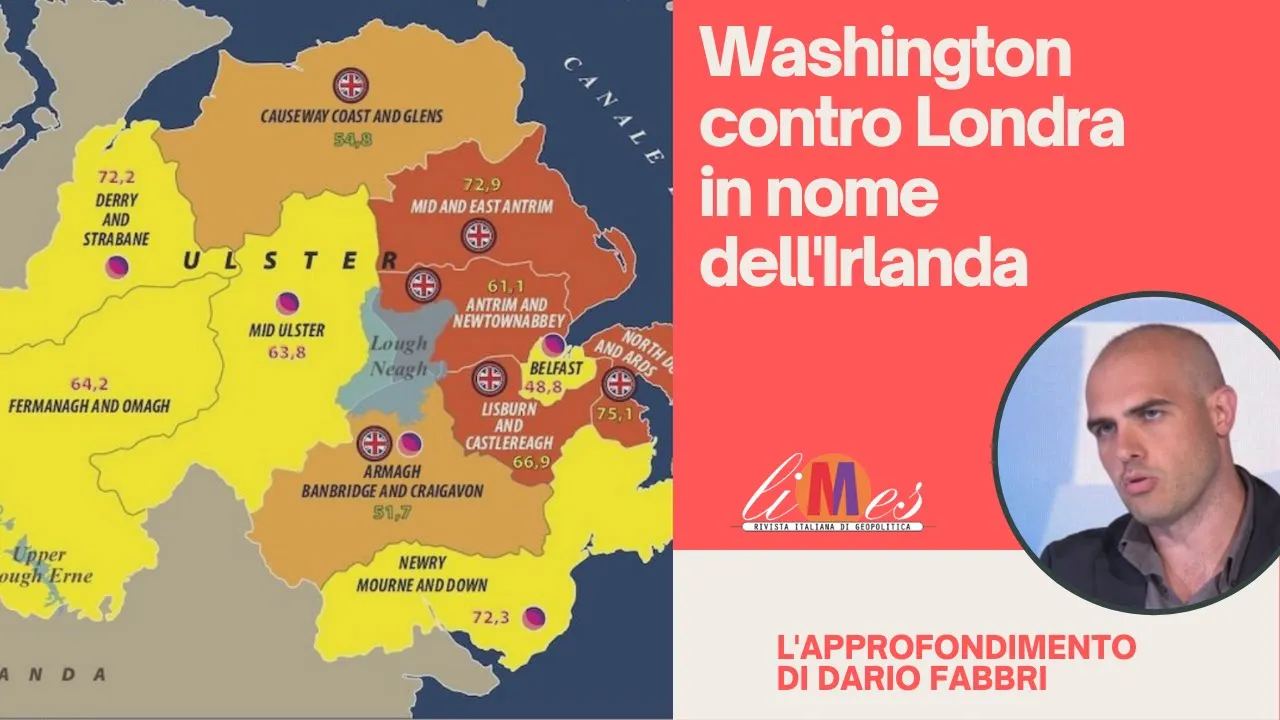


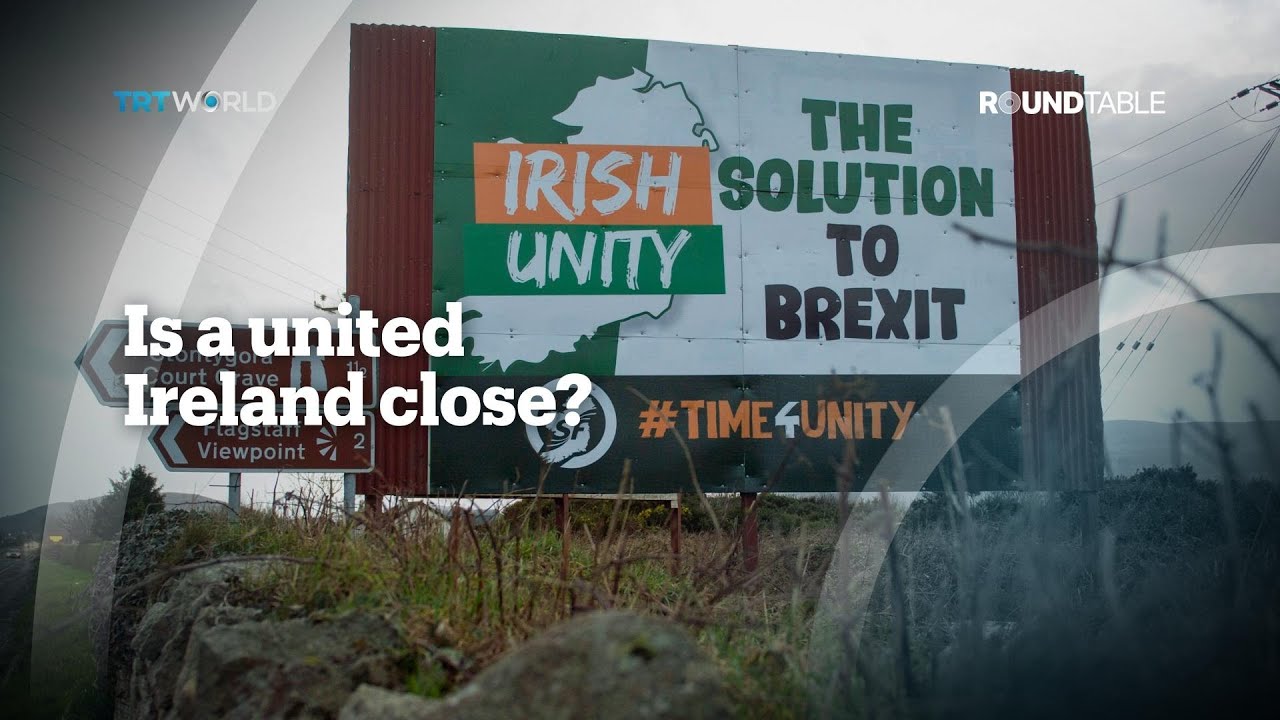
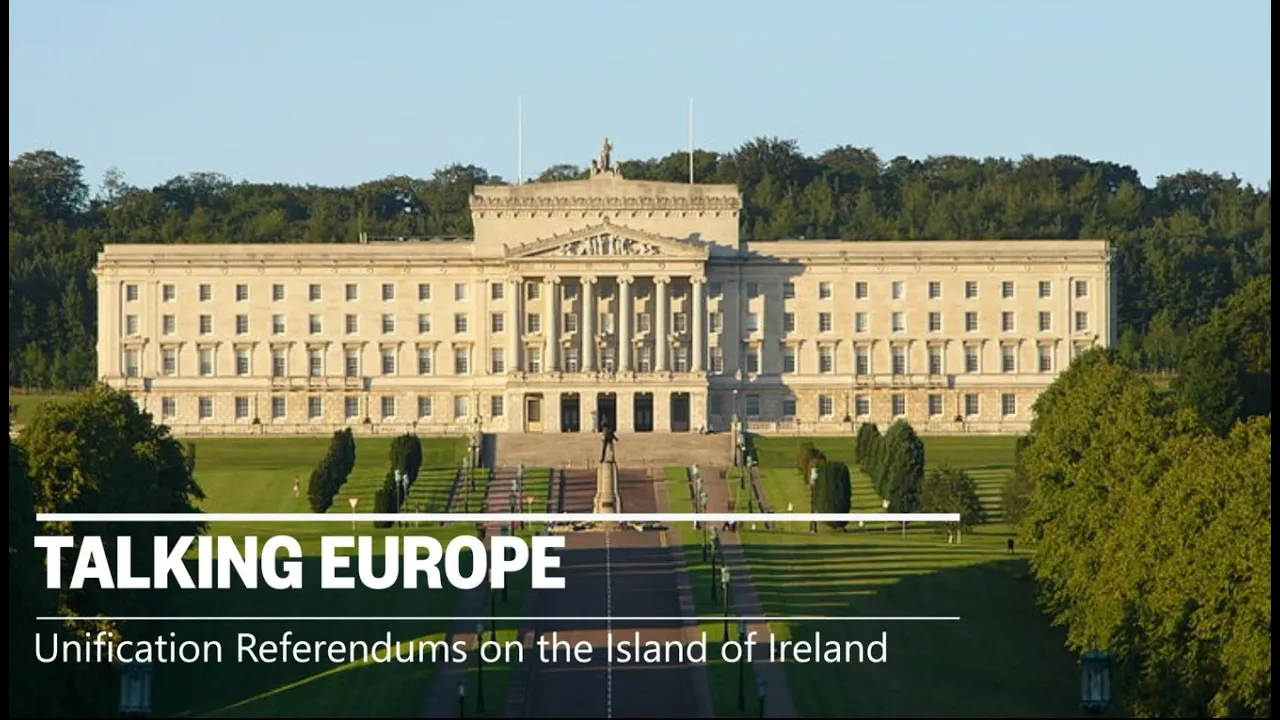






Sinn Féin's historic victory in Northern Ireland's regional elections marks the first time in over a century that a nationalist party has won the most seats, ending unionist dominance; this political shift is driven by generational changes where younger voters prioritize social issues like gay marriage and green policies over traditional sectarian divisions, combined with widespread opposition to the Northern Ireland Protocol which has fragmented unionist support and shifted votes toward centrist parties like the Alliance Party, creating a potential protracted stalemate in forming a power-sharing government under the Good Friday Agreement framework.
Sinn Fein's Historic Win in Northern Ireland: Explained
Added:The Good Friday Agreement (1998) and its mandate for a power-sharing executive between Unionists and Nationalists in Northern Ireland.
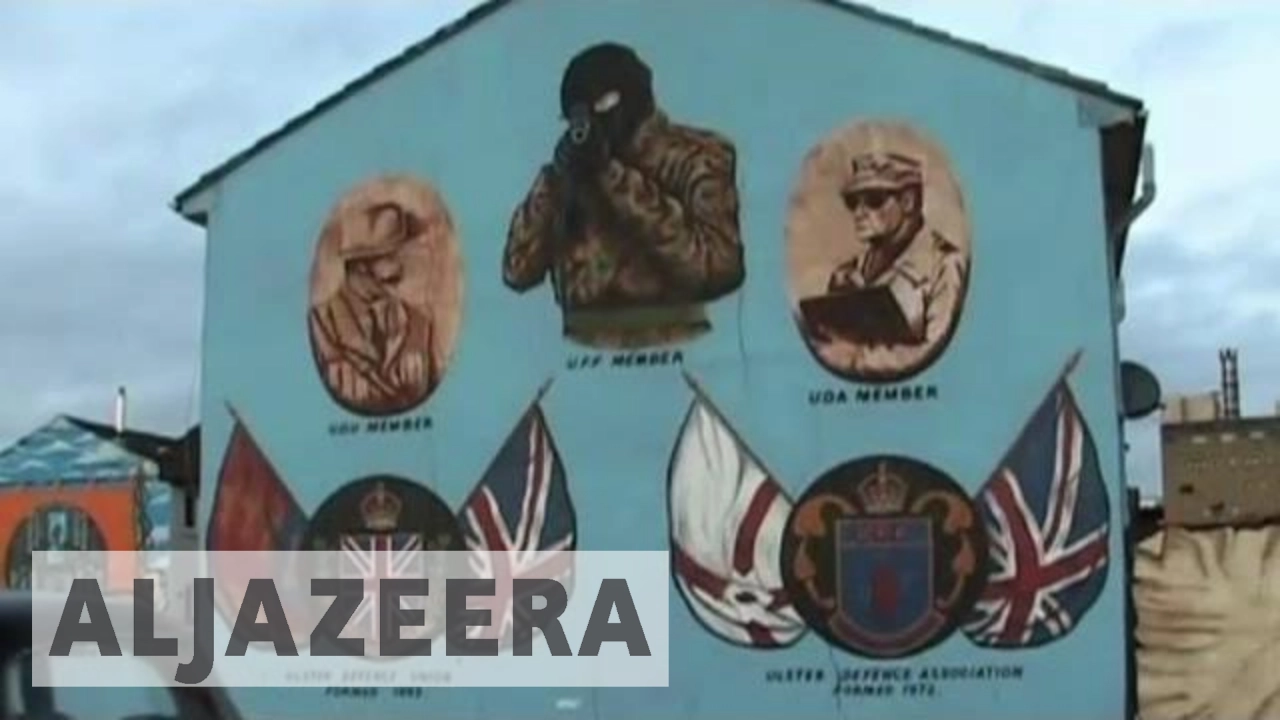
The historical context of 'The Troubles' and the sectarian division between Republican (mainly Catholic) and Unionist (mainly Protestant) communities.
The basic mechanics of Brexit, specifically how the Northern Ireland Protocol and the Windsor Framework created a regulatory border in the Irish Sea.
The origins of Sinn Féin as an Irish nationalist party and its evolution from its historical association with the Provisional IRA to a mainstream political force.
The legal and constitutional mechanisms required to trigger a 'Border Poll' (a referendum on Irish reunification) under the Northern Ireland Act 1998.
The practical socio-economic challenges of integrating Northern Ireland and the Republic of Ireland, including healthcare, currency, and taxation systems.
The electoral decline of traditional Unionism and the rise of 'neutral' middle-ground parties, such as the Alliance Party of Northern Ireland.
The comparative impact of Northern Irish political shifts on Scottish nationalism and the broader constitutional stability of the United Kingdom.
123.3K views1.3Klikes24:40Original Release: 2022-05-09
it's been the face of irish nationalism now for the first time sinn fein has won the largest number of seats in northern ireland's parliament but what's behind this political shift and what does it mean for the future of the united kingdom this is inside story [Music] [Music] hello there and welcome to the program i'm nastasia tay now the political landscape in northern ireland has changed for the first time sinn fein which wants to unite all of ireland has won the most seats in regional elections there and that's put an end to a century of dominance by unionists which support the british crown and constitution now both sides need to agree to form a new government the democratic unionist party traditionally the party with the majority wants to first address border trade agreements made after brexit the dup says the current deal technically leaves it out of the united kingdom the uk's northern ireland secretary is urging a power sharing government as soon as possible and sinn fein's vice president says they're committed to make politics work today ushers in a new era which i believe presents us all with an opportunity to reimagine relationships in this society on the basis of fairness on the basis of equality and on the basis of social justice irrespective of religious political or social backgrounds my commitment is to make politics work while shin fein is the only political party active in both the republic of ireland and northern ireland founded back in 1905 it's made up of irish republicans and democratic socialists who believe in a united island without british rule or influence it was once regarded as the political wing of the provisional irish republican army or the ira in 1919 its original members founded a legislative body known as the first dale and declared irish independence the uk outlawed the dale shortly after that and since the 2003 elections sinfain has been the largest nationalist party in northern ireland and has remained committed to irish reunification well let's now bring in our guests in belfast we have duncan morrow he's a professor of politics at ulster university in brussels nicholas white an international affairs strategist and senior director in brussels for apco that's a public affairs and strategic consultancy and in cambridge graham gudgeon a research associate at the university of cambridge and also a former special advisor to first minister david trimble in the northern ireland assembly a warm welcome to each of you thank you so much for joining us gentlemen now i want to start with why this is such a significant development these are regional elections polls like this don't necessarily always make the headlines of international news but party support in northern northern ireland really has potentially exit existential consequences here so looking at the design of northern ireland's very institutions it was predicated on this idea that the outcome of this very protracted peace process i'm curious um duncan do you think the good friday agreement could have predicted this well in some senses uh the good friday agreement is an electoral situation in which people go for uh if you like election and anything can happen at another level i think the presumption was that by this stage the border issue if at least would be would be much quieter and that there wouldn't be the same level of tension and we've seen an inflammation of that question again in the last four or five years since the brexit referendum and i think that this result is a complex one because at one level it doesn't change anything the the balance of power between the different groups in northern ireland hasn't changed dramatically except that there's a much bigger centrist group in the middle who belongs to neither than was there before but what has happened is that in our situation where two groups have to be together in the top office the first and deputy first minister uh the uh the nominations have swapped it used to be the unionist used to take the first uh minister post and now it's shin fein and where's where that is interesting i suppose is in the fact that sinn fein can at least claim that here's the party which uh exists to get rid of northern ireland is now the largest party in northern ireland and for unionists they find themselves as the deputy but in in real terms it doesn't actually make as much difference as it looks symbolically we'll get to some of the practical implications in just a minute but nicholas i want to ask you because there is an enormous amount of symbolism here um the fact that the party that was once the political wing of the ira is now in line to actually appoint the first minister the fact that the first minister could be a catholic did that play a part in driving votes well clearly it made a very important difference to sinn fein's campaign the idea that there was a chance that by voting for shin pain you could have a first minister from the nationalist side i think was a very strongly motivating factor and in fact i think the dep made a mistake here because they tried to campaign against it and i think that um nationalist voters perhaps felt more strongly about it than the gop's own target voters because the gp's vote went down and chin fans went up but we also have to be bear in mind that there's a comparative aspect here scotland for years has been run by the scottish national party whose whose job it is to to break up the united kingdom and create an independent scottish state they still haven't succeeded in doing it but they have succeeded in governing scotland graham i'll bring you in here because as nicholas just alluded to there a vote for the dup used to be a vote to keep sinn fein out of government now we've seen this huge shift in the political landscape a huge growth um as we were saying earlier in the center i see the alliance party won 17 seats so that's up from eight in 2017 and 13.5 percent of first preference votes are we in a sense seeing a normalization of irish politics so uh to a slight extent i think but we we shouldn't exaggerated i mean the alliance is only getting 13 and we don't know that this is really a long-term trend alliance tends to be a party that gets protest votes you know from people who are temporarily disaffected from the main parties so this may be a cyclical thing but or or it may be a long long a long-term structural change i rather suspect that it is i think there are quite a lot of young professionals both catholic and protestant in northern ireland who just get fed up of what they see as the the main parties banging on either about staying in the union or irish unity and they'd rather if they would concentrate on more bread and butter issues especially people who've got young families and they're interested in education they're interested in health in health issues so to stomach some extent that's happening but we shouldn't forget that north island politics is basically a zero-sum game uh northern either stays in the united kingdom or or it joins uh the republic of ireland it's one or the other it can't do both you know it can't be in the uk on weekdays and the irish republic at weekends or something of that sort so the the alliance's position is is not really a very strong of fundamental one but it's a satisfactory quite nice place for non-aligned voters who don't want to see themselves as extreme as to to be sure let me throw that back to you then nicholas do you think given the change that we're seeing in the electorate here and move towards the middle is this a move away then from sectarianism is uh of course the result of that is that the sectarian parties that represent unionists or nationalists then themselves become somewhat more hardline but anecdotally the the growth in the center ground has been latent for a long time many people in northern ireland are in mixed relationships their their spouse or their partner is from the other tradition to them and the traditional parties don't have anything to offer families in that situation and in particular they don't have anything to offer the children of parents who are from different traditions and that's been a very much a growing part of the community it's certainly not a majority but it's a growing part up until recently those people would probably not have voted at all and now they are voting and they're voting for the alliance party to a much lesser extent for other centrist parties and that that that i think is the situation that the framework where you started your very first question nastasia was about whether the structures of the good friday agreement are robust enough to accept this sort of um this this change of paradigm i think that's a very good question and i don't think we have the answer duncan you alluded there to the fact that sinn fein didn't actually um make huge gains they their share of the vote rose only little didn't gain any seats but what really led to the outcome that we're seeing was this this real decline for the dup in your mind what's actually led to that well i think there's a couple of things going on here i mean certainly my impression from belfast is that among under 40s the issue uh the issues have changed when i was growing up there was a much clearer line between if you like sinn fein who at that stage were closely associated with the ira and the constitutional parties i think for people under 40 i've really noticed not just that they come from relationships that go across the divide but that key issues have turned into social issues such as gay marriage such as green issues and so on and in many ways the unionists are isolated within that they've had to use what uh a special mechanism in our parliament to veto things on those kind of issues and i think that has been underestimated as a driver for uh younger voters into what might be called the alliance position and just one other thing to say there is that i think that group of people uh her voting center now were actually comfortable with some of the outcomes of of the good friday agreement in other words open borders in all directions and they were really driven the real the velocity in the centre's vote has happened absolutely in my view connected to the consequences of the choices around hard borders and and and very strong preference from that group to try and keep borders open as far as possible well let's then talk about brexit i see in the assembly elections in may 2016 now that was just a month before the brexit referendum the dup took 29 of the vote and this time it got 21 and of course when the uk left the eu it took northern ireland with and i want to take a look at the practical implications of that now that led to the creation of the northern ireland protocol which allows trucks to deliver goods without border checks when they cross from northern ireland into the republic of ireland which remains in the eu it was agreed that inspections would take place between northern ireland and mainland britain but critics say that effectively creates a new trade border in the irish sea and unionists insist it undermines northern ireland's place within the uk the protocol also protects the 1998 good friday agreement which includes the sensitive issue of removing all visible signs of a border between northern ireland and the republic of ireland now graham in your mind how much did brexit and the northern ireland protocol actually affect the outcome of this election well it has affected it i mean that the protocol is an issue and it's particularly an issue with the uh with the unionist parties who very much oppose having an internal customs border within the united kingdom it's hard to think of many other countries that have got an internal uh customs border of that sort which is a very unusual position and of course they they fear that's a step in the direction of a united island so they feel it weakens their position and it undermines the good friday agreement good friday agreement was based on the idea that both sides would have a check they they they could stop radical changes proposed by the other side what's happened here is the eu has come in with a protocol and driven what uh lord david trimble calls it coaching horses through the good friday agreement by not allowing that uh that check mechanism even in four years time that uh that form of check isn't there so the protocol is affecting it but it's important i think as duncan was suggesting that duncan morris suggesting at the at the beginning that the election results here aren't very much of a change uh shinto has become the largest party not because it's got any extra votes um but because the dup has shed votes to an even uh more pro-union party the the true unionist voice the tuv i think you got those if you had those votes together they come very close to uh to shin feins votes so there's there's a bit of there's a bit of fragmentation of the votes on the uh on the unionist side and even that doesn't matter too much in a uh pr-type election that we that we have in northern ireland so not so much has changed there's a lot of over excitement about this in the in the national international media um but i think as duncan was suggesting that the the the changes in this election are rather marginal still though we're now looking at a potential protracted stalemate as i understand it the northern ireland secretary is installment meeting the parties and there's huge disagreement about the protocol i see members of the dop holding strong saying things like either the secretary of state wants an executive or a protocol he can't have both they're currently refusing to nominate ministers to the executive and i see there's already been a threat from the british home secretary about trying to fix the protocol nicholas after six years of trying they haven't managed to fix the protocol so what are the chances of actually finding something acceptable now do you think you know we have two different fact we have two different political dynamics here which are interacting very unhelpfully the first is frankly the need of the british government to find a reason to fight with the eu and the protocol is as far as i can tell sitting in the in brussels being used purely artificially for that purpose the landing zone diplomatically for the protocol is very clear it's been quite clearly laid out in in discussions between both sides six months ago longer perhaps um so the the fact that no agreement has yet been reached is quite simply a political choice by british diplomats british officials doing the negotiations so that's one side of it the other side of it is the effect on northern irish politics and here i i really do have to disagree with with graham i'm afraid i think the the election results are very significant i think the fall in support for the dup is precisely because they did not do a good job of politics around the protocol they had the possibility to bring in a better agreement which theresa may negotiated instead they chose to torpedo it and to trust boris johnson who then came up with the protocol that they now say they don't like and it's true of course that the dup vote was which went to the the tuv the more hard line to uv that is an anti-protocol vote the tuv were only able to elect one member out of 90 in the assembly despite getting quite a lot quite a lot of votes nobody likes this position nobody is going to transfer votes to it so i think it's it's proved rather a vote loser for the gup it's been a series of mistakes and this is the latest of them and i think it's a real mistake to hold hostage the formation of the government of northern ireland over the issue of the protocol which is an issue that the government of northern ireland actually has no formal influence over duncan i'll bring you in here i see you nodding i'm curious as well if you think this is going to potentially further conflict not only in northern ireland but also um between westminster and brussels well it inevitably will and i think that the conflict over the protocol has been and over brexit has been uh latent since the brexit referendum the bottom line is that the uh united kingdom voted to leave but northern ireland uh voted to remain and since then that growth in the centrist vote has been very much a group of people who want to retain the relationship with the uh with the eu i i noticed last uh in the paper this week it said that for the first time ever in 2020 there were more applications for irish passports in northern ireland than there were for british passports and i think a lot of that to do with retaining rights such as freedom of movement within the eu and i do think that one of the lines in politics that has emerged is between the this new group of centrists and unionism around the issue of the protocol and i we how it's going to be resolved is very very difficult as nicholas said because as he said there are two issues interacting here the diplomatic level where it's negotiated but also the way in which it suggests that there's a dynamic in northern ireland which is now playing its way out in the fact that we may not have a government for months indeed graham i'll let you respond to both of those thanks very much uh i mean nicholas who's points i think we're we're kind of standard brussels position in a way and we can pronounce understand why while he's making those points but it's ridiculous to say that the uk government is looking for a reason to oppose or upset brussels the uk government would like nothing more than to have this problem off their hands but unfortunately they can't ignore it because now the unions are in a position to say look either you have the good friday agreement and its institutions assembly and north south north-south institutions or you you have the protocol but you're not getting both so the uk government has to do something about that what it looks like they're choosing to do is they're already working on legislation to hand power over the protocol to uk ministers so uk ministers will then be able to override it this will lead to a row uh with with the eu because the eu is showing no flexibility what the eu did here would have exploited a period if i may continue uh the eu exploited a period of great um political weakness and division within the uk to come up with a solution which was with which nationalists in northern ireland were completely happy and unionists were completely unhappy and in the situation of northern ireland you just can't get away with that it's unsustainable and therefore the the protocol has to change whether brussels likes it or not and it will change duncan go ahead the the difficulty that i see for graham's position and i don't agree with them is that actually this election confirmed that the majority in northern ireland quite quite substantially are in favor of retaining the protocol and if there was a vote in the northern ireland assembly it will be it would be a majority vote now i do think there is a problem but it's not shared across the community and what could be done there the difficulty being that the form of brexit that boris johnson chose also had no cross-community support and that the options which might have had cross-community support were removed during the negotiations so we're kind of unraveling the wheel here i suspect that if there is an intervention which causes anything like a trade war between the european union or uh anything to disrupt the open border in the south of ireland that it will actually cause more problems rather than less so i'll be interested to to see how it goes on but i think to suggest that this wouldn't have wider diplomatic consequences for the uk with america and with europe is would be a mistake and i don't that's why i think that while they say this they constantly the government says it will bring legislation but doesn't actually do so well a number of countries have already come out asking for a power sharing government to be put together as soon as possible and i want to take a bit of a step back here because we are in a stalemate and and i want to clarify something for our viewers that may be a little misleading we have this first minister position and a deputy first minister position but they are essentially equal position so there is no government unless the dup and shin fein actually agree now that all looks fairly tenuous at the moment i see they have something like six months to agree on something i mean what happens if that doesn't actually work out nicholas oh the legal position is clear that there will be another election the political position of course is much less clear if it's not possible to put together a a government in northern ireland because one of the parties has got a completely detached reason for not wanting to go in then that raises questions about whether the devolved institutions the regional government structures established by the good friday agreement can be sustained i think it's very dangerous for the dup to do that from their own perspective because the alternative to having a devolved government is going to be continued rule directly from london with strong input from dublin and that is precisely the situation that was set up in 1985 under the anglo-irish agreement which the dep found intolerable now they appear to be working to bring it about again it's very strange well there's also been plenty of talk about potential reunification and obviously sinfain has been very vocal on that graham can i ask you then how likely do you think a united island is because despite all the speculation we've heard i do get the sense that and we're quite a long way from enough support for a move like that that's quite right we're we're an awful long way um polls differ a lot on how much support there is for united island inside north island uh i mean polls have shown differences between 25 and 45 but i think if we say probably 30 percent support we're we're not far wrong therefore if there was a border pole um the the pro union pro stay in the uk faction would win by uh uh by a margin of two to one and for that reason of course shin fein didn't call don't press for a border pole immediately they're talking for talking about the border pole perhaps within about five years but this is the role in five years in five years it'll be they'll still be calling for it within five years because they just can't get a majority for it i'm sorry i i don't want to to end our discussion without asking a question which i know some of our viewers may be wondering given the history of ireland and and what's happened on the island duncan i have to ask is there any kind of a risk here ever returned to militancy do you think well part of the issue is it can never be totally ruled out and there's always saber rattling on the side i have to say one thing i would say is that there is no support for it there is absolutely clear that none of the political parties have gone down the road of suggesting that there should be any support for that and there's definitely no popular support for it but what we also know is that that's not always where it comes from it sometimes comes from political instability which starts something that people respond to and then escalates up so i would say to you that it's not something that i think we should overly fear and on the other side the difficulty is it can never in northern ireland be entirely ruled out simply because there are people who are uh always always agitating for that kind of thing well we'll keep an eye on how this all plays out especially over the next six months or so in the meantime though thanks to all of our guests duncan morrow nicholas white and graham gudgeon and thank you too for watching remember you can see this program again anytime by visiting our website that's aljazeera.com and for further discussion do go to our facebook page that's facebook.com forward slash aj inside and you can also join the conversation on twitter our handle is at aj inside story from me anastasiotay and the whole team here in doha bye for now you
Up Next

46:44
Balkans Geopolitics: Potential Conflict Zones in Europe
@RealLifeLore
1.9M views•2024-01-26

24:30
BRICS Pay and de-dollarization: A New Financial Order Emerges? | 55 chars
@DannyHaiphongYT
164.6K views•2024-10-22
27:35
Bosnia's Dayton Peace Accords Crisis: Silajdzic Interview | Analysis
@aljazeeraenglish
64.1K views•2025-03-16
10:19
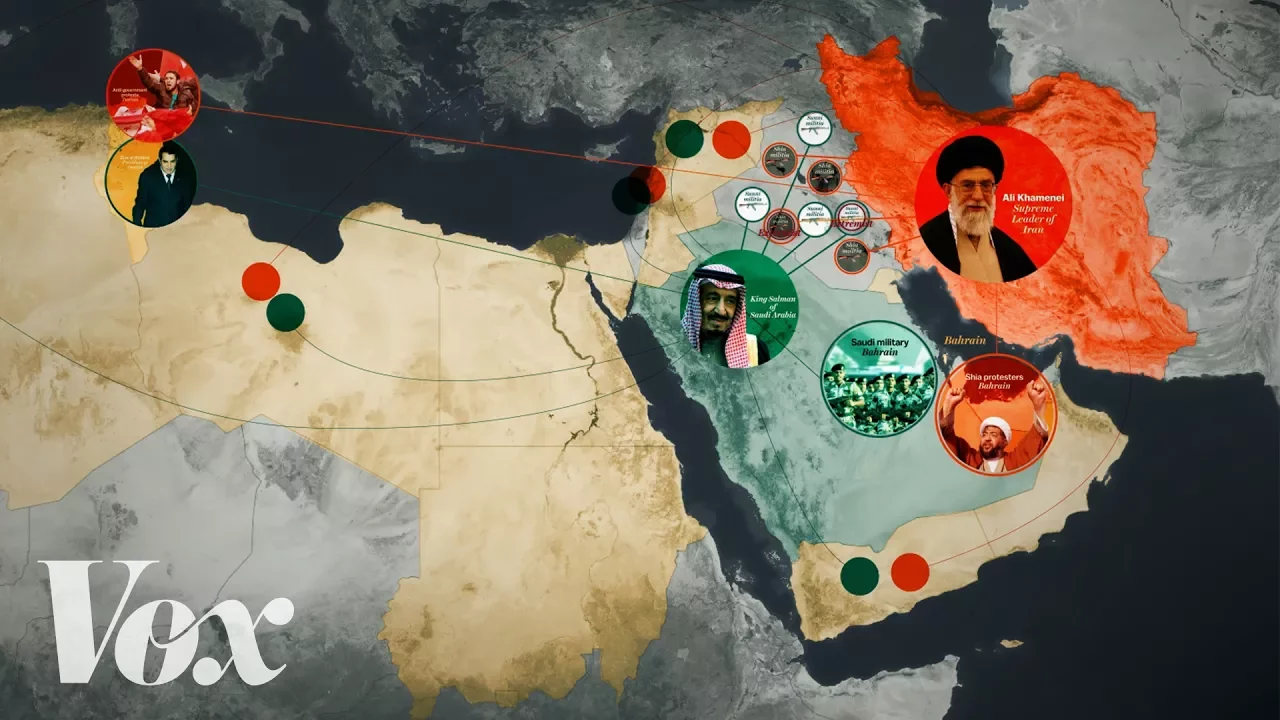
Explaining the Saudi-Iranian Proxy Conflict in the Middle East
@Vox
18.2M views•2017-07-17
Related Study Plans & Knowledge Roadmaps
Structured learning paths in Political Science
political-science
Economic Statecraft: Sanctions & Chokepoints
01Foundations of Geoeconomics and Economic Statecraft
02The Mechanics of Weaponized Interdependence
03International Sanctions: Types, Implementation, and Efficacy
+ 2 more learning modules
12h5 modules
Explore Roadmap
political-science
Central Bank Independence: Politics & Policy
01Foundations of Central Banking and Monetary Policy
02The Time Inconsistency Problem & Inflation Bias
03The Delegation Model and Designing Independence
+ 2 more learning modules
12h5 modules
Explore Roadmap
political-science
Consociationalism: Power-Sharing & Stability
01Democratic Dilemmas in Divided Societies
02Introduction to Consociational Democracy
03The Four Pillars of Consociational Design
+ 2 more learning modules
12h5 modules
Explore Roadmap
political-science
Rebel Governance: Legitimacy, Economy & State
01Foundations of Rebel Governance and Statehood
02Establishing Political Legitimacy and the Rebel Social Contract
03Wartime Economies and Rebel Resource Management
+ 2 more learning modules
14h5 modules
Explore Roadmap