
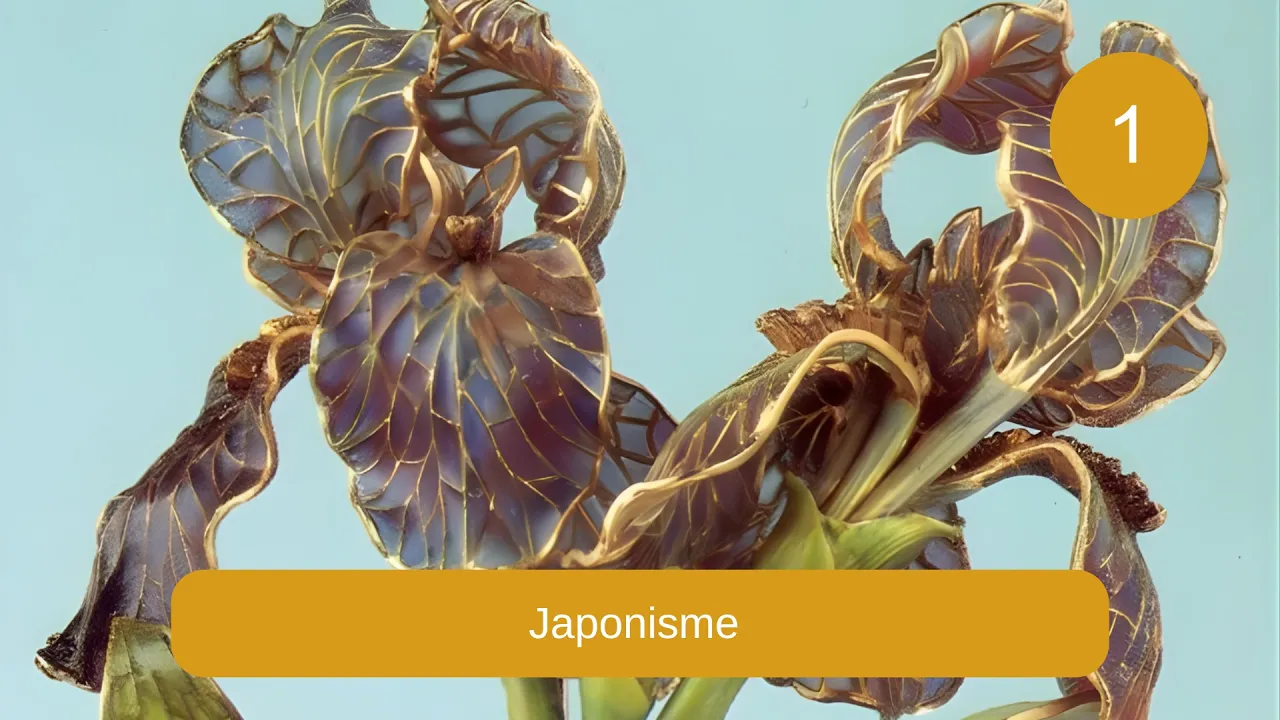
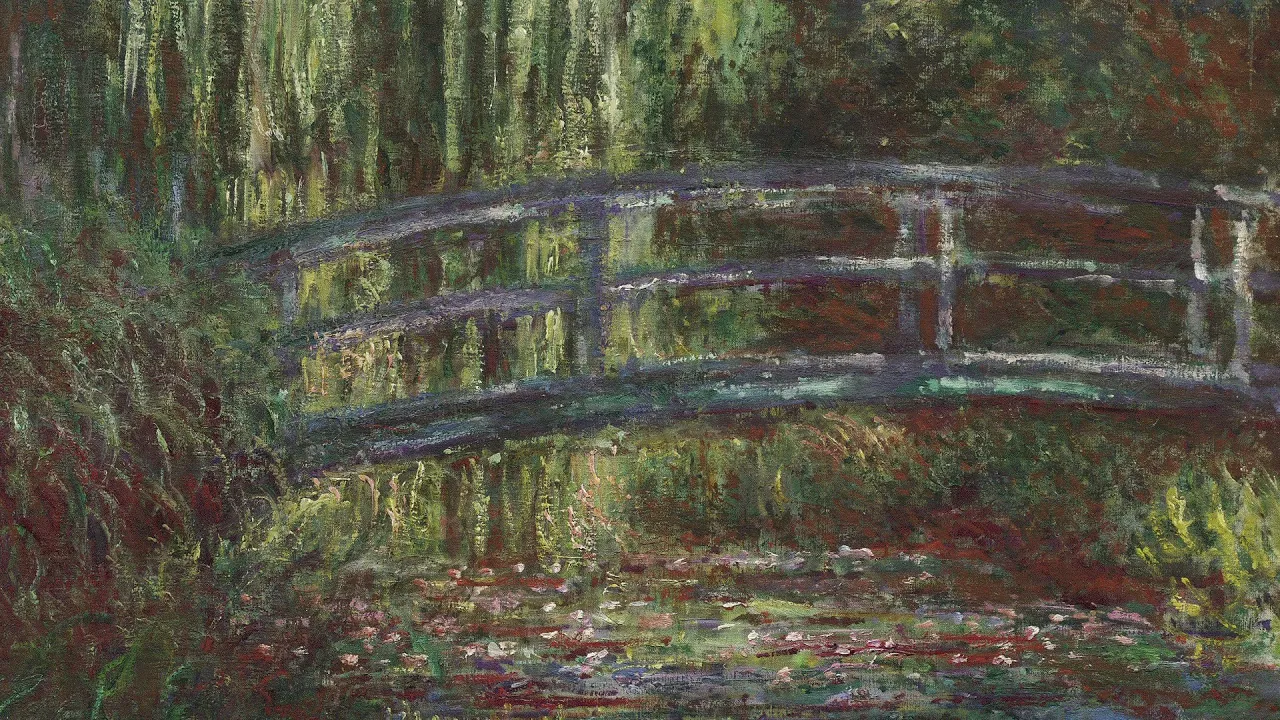
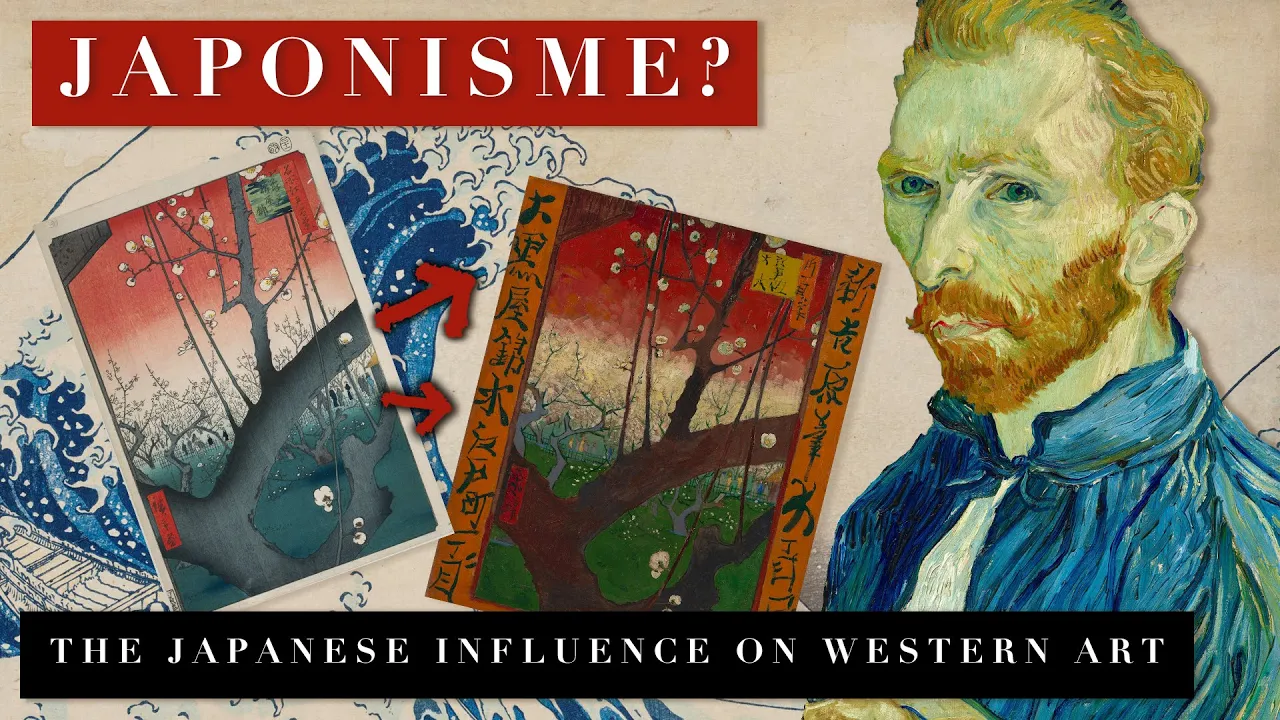












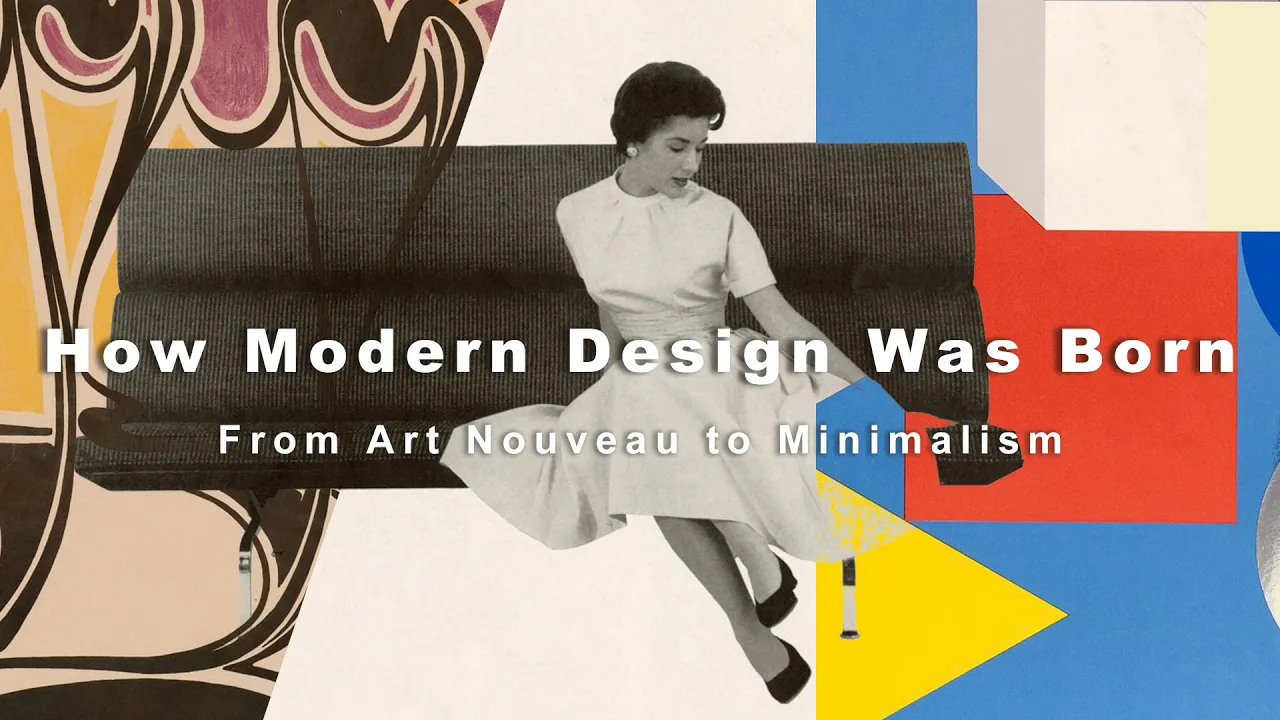
Siegfried Bing, a Jewish businessman from Hungary, played a pivotal role in bringing Japanese aesthetics to Western art through his Paris gallery L'Art Nouveau, which combined the Arts and Crafts movement's emphasis on handmade craftsmanship with Japan's naturalistic design principles, ultimately influencing the Art Nouveau movement that dominated European design from 1890-1914.
Art Nouveau Origins: Siegfried Bing and Japanese Influence
Added:Understanding of 'Japonisme' and the late 19th-century Western fascination with Japanese aesthetics.
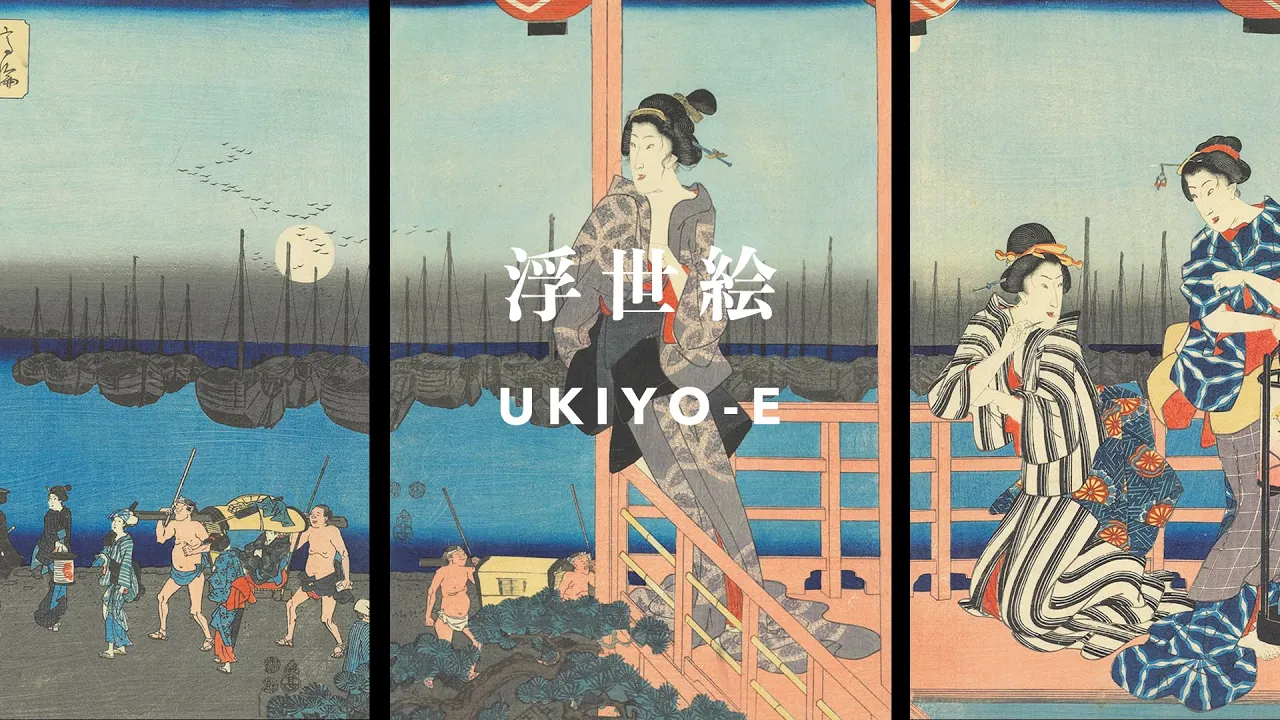
Basic familiarity with Japanese Ukiyo-e woodblock prints and their distinct stylistic features, such as flat color planes, asymmetrical compositions, and nature motifs.
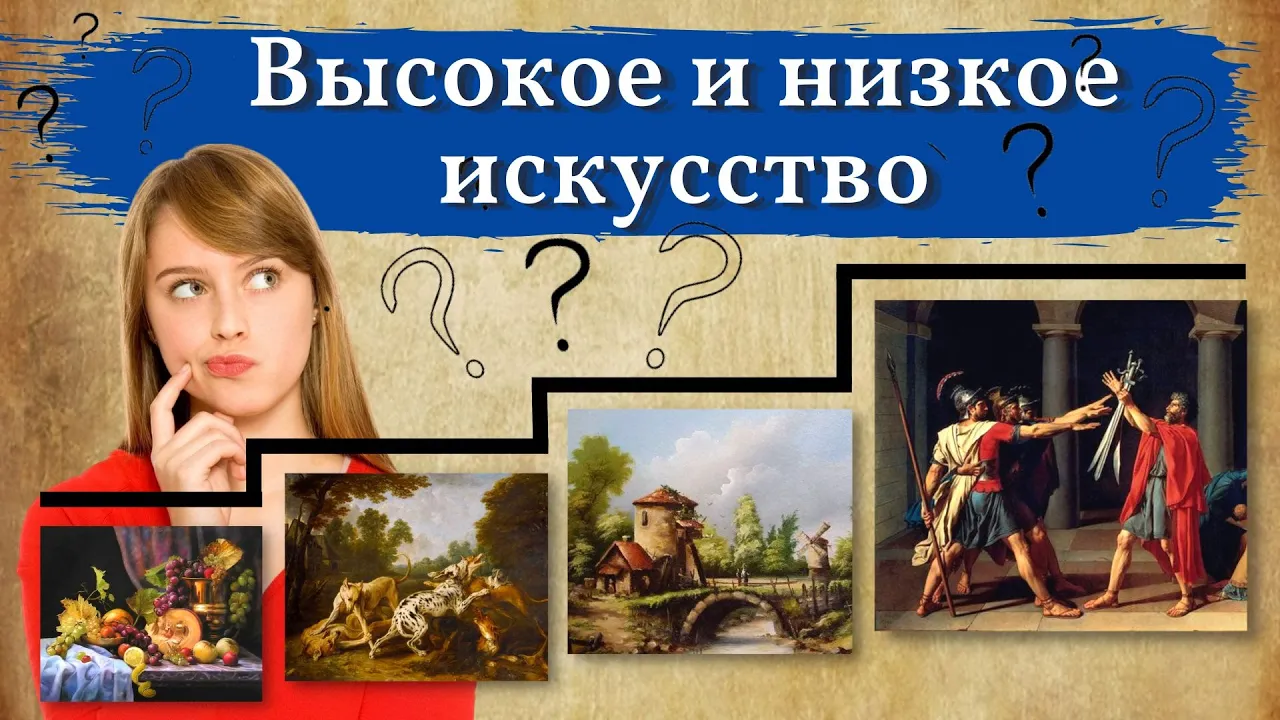
An overview of the historical context of late 19th-century European art and the growing rebellion against rigid academic art traditions.
The core principles of the Arts and Crafts movement, which advocated for the unification of fine art and functional design.
In-depth study of Siegfried Bing's influential Paris gallery, 'Maison de l'Art Nouveau', and the specific artists he promoted.
Investigation of regional adaptations of Art Nouveau, such as Germany's 'Jugendstil', Austria's 'Secession', and Spain's 'Modernisme'.
Analysis of prominent Art Nouveau designers and architects who integrated Japanese-inspired organic forms, including Hector Guimard, Victor Horta, and Louis Comfort Tiffany.
Tracing the evolution from the organic, flowing lines of Art Nouveau to the geometric, functional designs of Art Deco and the Bauhaus movement.
1K views13likes1:30:58Original Release: 2016-03-17
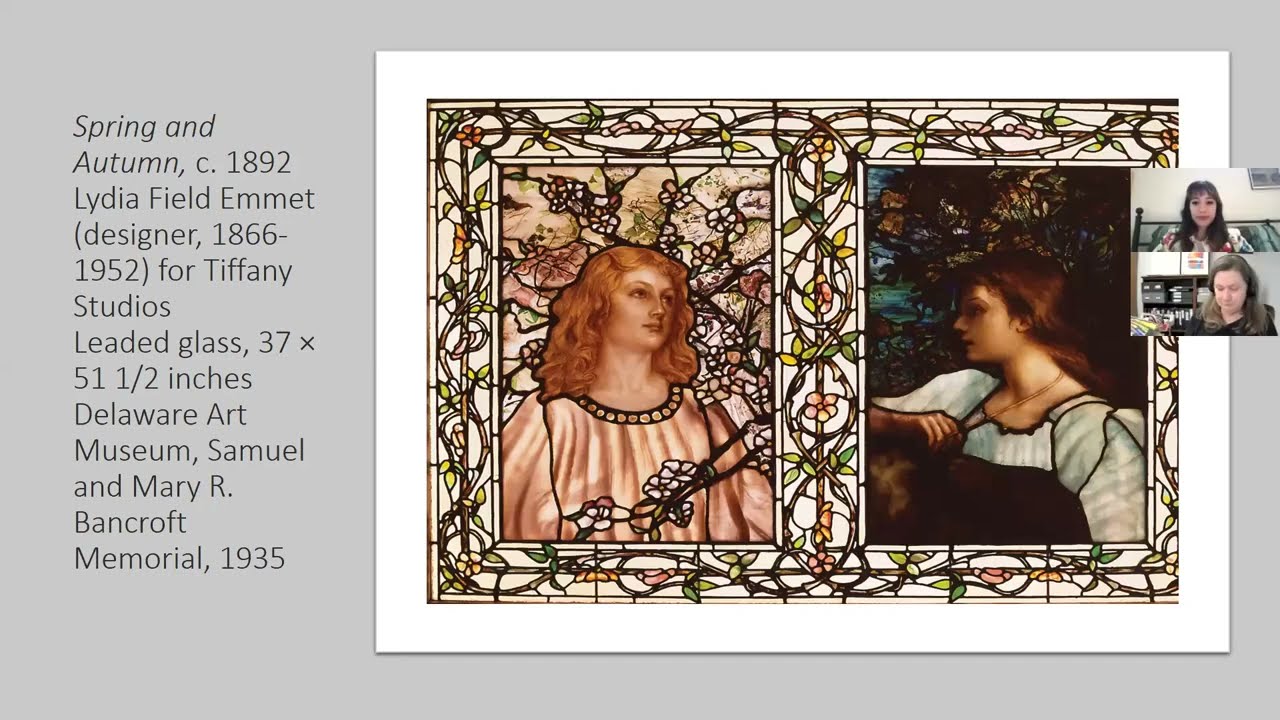
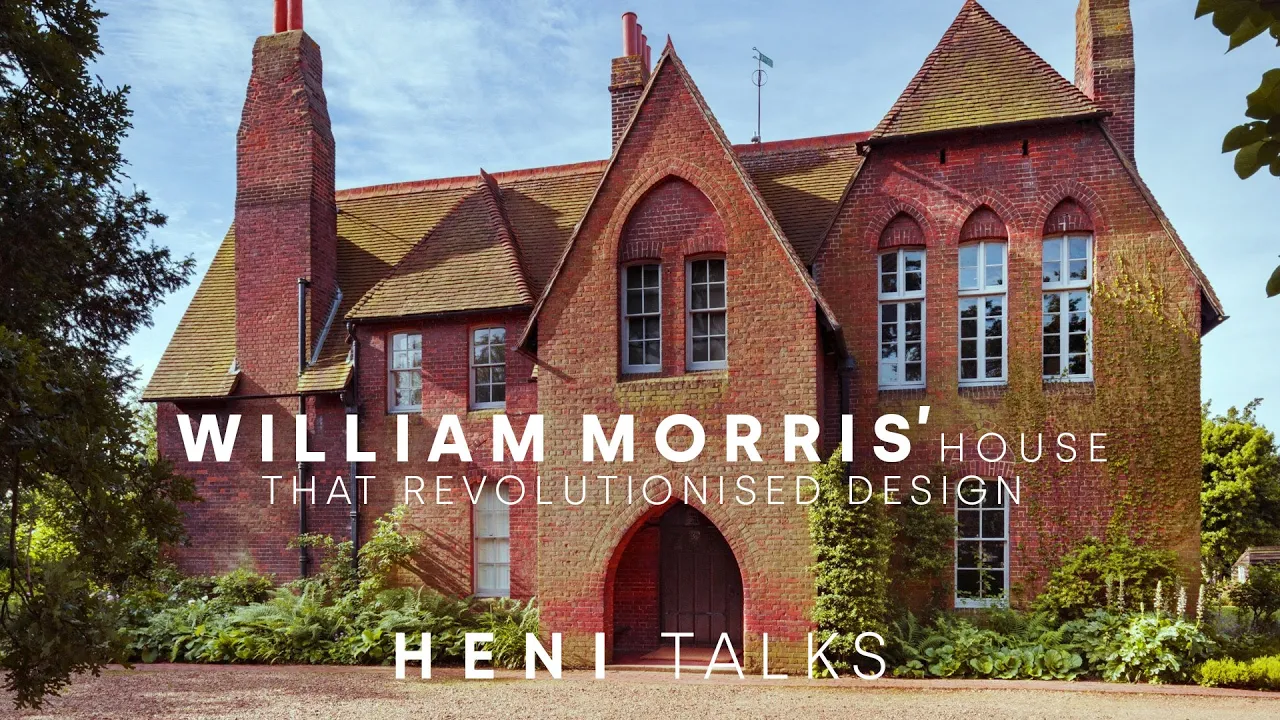
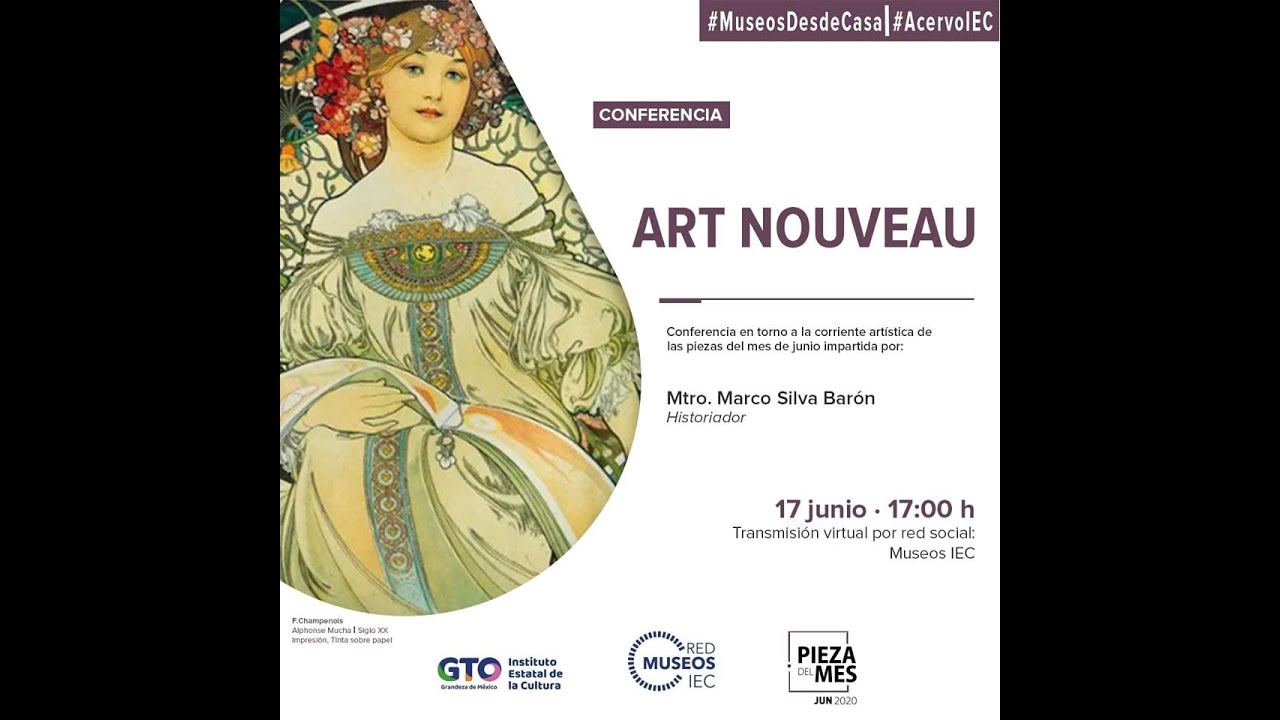
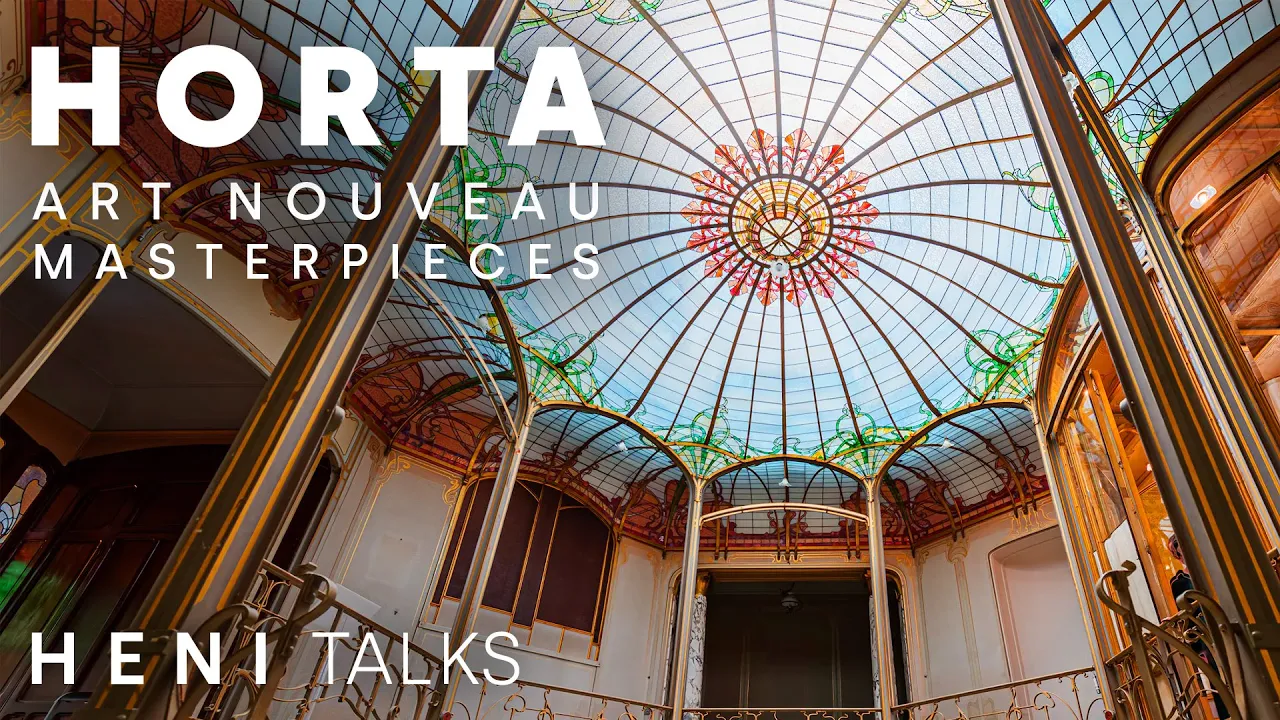
well I was born in Toronto oh okay there you go tell you about this um I sent you some books or DVDs that I found incredibly interesting and easy to get and many of these items are available through the Sarasota library system so you don't even have to Pur them if you don't want to but just to tell you you fill you in everyone knows I'm guessing that books have an ISBN number and sometimes they have two ISBN numbers depending on where they're published some are for European I think so I I went ahead and give you both of them I'm not sure which one is the American one so last time we talked about how important it was for uh the the state of Israel to get itself together with art and craft and and a means of expressing themselves and a way for them to create an economy so craft obviously is an important way to create an economy and more and all all of these things work together in creating an identity so you have to have h a clear connection to these things they represent who you are they tell you what's expected of you art tells you what's expected of you art creates order in the world it helps you think of uh it helps you think in that it orders your thinking even according to the way novels are written according to the way various ways that the Arts create an individual is done through the Arts politics is defined through the Arts and the Arts are extremely important in representing to a person what is expected of them in their culture how they can evolve as a human being how they can become more cultured how they can serve their civilization so uh we talked about the influences that came into this thinking during the time that the first Zionist uh organization came together 1890 something that's when Hodor har Herzel had this important meeting in basil Switzerland that was the first meeting of the zionists and Martin Boer who was extremely important philosopher in general he's known for the book called I and thou which is extremely complicated goes way beyond my capacity to understand but I'm sure it's important anyway so but what what what the the um one of the great contributions that he made at that moment because at the time that that first Zionist organization congregation got together they decided what the flag of Israel was going to look like so what did they choose as their flag the Star of David and a prayer Shaw a prayer Shaw from the synagogues that's what the Israeli flag is it's a prayer Shaw wiped with blue stripes and then they chose the shield of the Star of David because anyone that went to battle in the ancient world had a shield and you had a shield that represented which country you were fighting for and so David's Shield had the the Star of David what came to be known as the Star of David so you see how these symbols how symbols play such an important role in a person's identity those two symbols putting them together had a powerful uh impact on people if you have the kind of flag that brings you to your knees you would be willing to Die For Your Country this is very important because we know war never goes out of style so that was determined at that Congress the other thing that was determined around that time is which language the Jewish world was going to adopt and they decided by a vote of 51 to 49 51 was Hebrew 49 was German they were going to adopt German as the language of Israel because that was the language that had the most prominent authors at the time they were going to be a first ruled Nation from the get go and the way you get to be a first rued nation is to have intellectuals and scientists and Engineers that's how you become a first world nation so they chose Hebrew which had a problem because no one had written a modern Hebrew yet Hebrew was the language of 2,000 years ago before Renaissance before the industrial revolutions before all these things that happened that you need new and words that represent ideas very clearly you're using an ancient language that has to be modified and elevated to the present day this is an enormous linguistic undertaking and the man that did that was a gifted scholar by the name of something something but he changed his name to the son of Judah the son of Judea Ben Yehuda elezar Ben Yehuda the word Ellie even the name Ellie has in it God right so he is the Son of God I mean the name is connected to God the first name and the son of Judea well he then went about dedicated something like 37 years of his life to writing the modern Jewish dictionary and his little boy was the first boy the first child in Israel four or five years old that was only spoken Hebrew to spoken only Hebrew and uh then so mod Hebrew became the international well the the the the language of the country you have to have these incredible tools and you have to have those people that you know create these incredible tools for a nation to move forward but of course they're very smart in Israel because they know the lingua franka one of the important lingua francas of the world is English in particular American English today so everyone practically in Israel is bilingual what we have then in this list is that Association of the ideas that Boer brought to the consciousness of those people that were together as Israel the the world of Israel the Jewish world is known as having uh very little art because we're not supposed to make greater images the other big problem was that Jews had to deal with a lot of anti-Semitism and we saw last time that many Jews converted to Christian religions so that they could be invited to learn their prey in Guilds and eventually with revolutions happening all over the European World in particular 1848 where there were Revolution strike points all over the European continent there was a tremendous move toward democratization of thinking and there was less anti-Semitism toward the Jews because there was so much more consideration going on around just building countries that were becoming democratized and throwing off monarchies with a monarchy what you have is you have structure you know who the go-to guy is that's the minister of this and the minister of that when you bring in democracies this creates a lot of chaos because you don't know who's going to be in charge of what and how you create a meritocracy all of these things take hundreds of years to work out and one of the ways that Boer was propos osing to these people that we um bolster the Jewish identity was to get into place arts and crafts and a visual representation of what we are meant to do in this world so they founded the school that is known as betal betal is uh in Jerusalem as it has various satellite places you know Andre k Mark he taught at he said he had a grand old time when all the girls were anyway and he's one of the professors that teaches foran well anyway so is named after the man from the Bible that created the Ark of the Covenant he's the man that was the Craftsman the the man that worked with gold uh so you know Jews work with gold um he made the Ark of the Covenant which had two poles on it that the Jews carried read the uh Ten Commandments and you know this is a I for sure but anyway and so we believe this you know but some people believe this he carried the Ten Commandments in the stone in this golden box wherever they went and this was the holiest thing they owned and it was the uh Arona KES the holy closet where we keep the Tores today William Morris then was the man in the British world and all of the various philosophers in the uh European world were concerned about how you bring to the average person the definition of their political world that's what the job of the Arts is to define the politics that they live under that's one of the great products of the art world is it creates this framework for what it is that's possible in our world and it's done first through literature we said that moments ago and by not so uh so William Morris is one of these people that is interested in the philosophy of Art and in the philosophy of crafts what it means to a nation and how the nation can evolve when art is made with spiritual undertones and real clear intent he founded the Arts and Crafts movement and he was wealthy enough to create a big company and I'll show you again the things that that company did for the uh British World they tried to protect the Craftsman that was one of the intensive that philosophy to protect the Craftsman and to further his skills to pay him well and to create the kind of objects that are really meaningful that are Handmade by a loving person that has the skill and the will to make beautiful objects that will make your life more aesthetically pleasing that was an important thing because I'll show you some pictures of how the Interiors of homes looked before this philosophy started to gain ground because they were doing through Furnishings creating order and a home that was a sanctuary the idea that we have today a home is not just a place it's a sanctuary in which you could have spiritual relationship with your things that are minimal so today our aesthetic sense is not to have your house on right our spiritual sense tells us that less is more but that's because we were taught to think that way if less is more there's not a lot of clutter and your home is a sanctuary a spiritual place and if you buy things from TJ Maxx it can still be pretty but the things that you really really love are the ones you bought in an art show that a Craftsman made because they have the heart of that artist in it this was defined by William Morris and Company this is why he's important so we can see here the first two are William Morris arts and crafts home and the second one is Art and socialism that in addition to that what we will see today is seek free Bing who happen to be a very secretive man there's not too much known about him he was a very lowkey guy but he was the man that admired William Morris very much he loved uh everything to do with arts and crafts and philosophy and all of these wonderful ideas but he fell madly in love with all things Japanese so he brought these two ideas together and he created one of the most important addresses in Paris a uh gallery called Lavo and this new art was supposed to represent not only the philosophy and the ideals that we have in Western culture but the Simplicity and the inherent beauty of the art forms that are natural from the Japanese World what we had to work at in the West Was to create beautiful objects that we would live with intimately and enjoy and the Japanese world this wasn't even a concept that was talked about it was simply done it was so much a part of their nature the way that a stone is put in a zen garden is done in a delicate manner because it's all about balance and serenity and what he noticed was that even ladies Combs were beautifully carved Little Boxes for hat pins or or hair pins or any or buttons or whatever it was that people had but in Japan but they had something you know similar little boxes made of poison as think was decorated just so simple and so delicate and all of it represented nature forms and shapes he loved everything to do with all of these elements because the overriding philosophy of the 1900s is the philosophy of Romanticism and Romanticism was had nothing to do with romantic love it had everything to do with the deification of nature so all of these elements come together at the same time and we'll see how it's done so when japanism came to America it was done initially kind of by accident because America had to do business with Japan we'll see why and then the japanism that comes to the Western World will have even more impact right away because in this 1800s moment America is not yet industrialized it's just working on it but the European world is already well on its way AR Nuvo this book is a very good book because it just shows you how pervasive Ark newo became it showed up everywhere nature forms and shapes were just part of everything wallpaper rugs it became one of those moments in history that um saw this application in every way that it could possibly be done because it was so relaxing and it was well you know we are all inspired by Nature because of its natural beauty and because we generally cannot control nature until we have global warming of course uh then these DVDs are killer when I tell you killer I am so serious Paris was a woman brilliant about how women are going to create the modern art world and then Picasso naturally he'll be very important we'll talk about him and ger Stein and Alfred steets how this notion of Modern Art will Liberate the 20th century it'll be one of the most important events in the 20th century abstract art is going to break away from anything that ever happened prior to that moment in history 1907 and it will liberate everyone because abstract art represents something that doesn't really exist in reality it represents a thought an idea and emotion and if you say that a museum can have in it abstract art and in another room rubben you are saying they are equal in their impact and we'll see how important that will be uh PA and Andy more so we'll do that toward the end but um if you can you will enjoy enormously this the only DVD that I've ever found on SE freed Bing which will give you hours of pleasure just looking at what he did and how he did it and how um how sincere it all was it's just touching from the very beginning uh it's called Mr B and Lavo and hard to Res you I'm going to send it I'm collecting it okay did you get that print out I got a mic but I don't have a printer here but I'll I'll put it out yeah and I will add a few more things as I remember them and find them so Mr Bing and La was directed the director I think perhaps even the writer of it is uh franois Ley l v i e that's how they spell in French I'm going to send it to you but it's called Mr B and AR and um yeah so I think we're ready to kind of start then and and you know I I don't know if I start way too early in history to kind of bring you up to the present but see I'm I'm obsessive and and I just have to tell you everything don't ask me about my grandchildren um I just have to tell you everything about everything oh and by the way Mark is making a video today for the people that couldn't um couldn't attend and Mark is my best friend he's my husband he he's very very nice to me most of the time if you have a telephone please turn it off okay what what I would am going to attempt to cover today is uh let's see change taking place in society promote new ideas in the arts arts often join new ideas with the classical world this is one of the way we what we that artists redefine their ideas is always being uh a tied to the classical world but we see how they change it and we'll continue to see that throughout the next lectures and then what the important points I want to make is uh what were the changes taking place that were so uh definitive in their way there were aggressive and sweeping political changes were being manifested uh the def the deification of nature was an answer to industrialization and urbanization women's roles in society were being redefined and artistic output and daring commentary was encouraged because Art became a marketable commodity so as I said what is one of the earth shattering moments that happened at in the 18 17 late 1700s 1800s is America was able to Institute a democracy that hadn't existed in the western world for some, 1500 plus years this was a big big thing it was such a big thing that we know that after our Revolution was over in 1783 in 17 1989 just six years later we see the French Revolution the French Revolution was going to have many problems because they had to unseat a monarch and there are very few people in the world that can afford to pay for war that can feed an army that can clothe and arm and feed an army the consequence was that it actually took them until 1781 to have a proper democracy because the government that is in France today is known as the fifth Republic which means that they had to unseat four monarchies they kept coming back and commandeering their position according to familial connections and the financial position that they were in and able to do it so they had to unseat four more monarchies to finally bring the um democracy to the French world that exists even today the idea though didn't seem that it would be so so incredibly difficult they didn't know that this is what their future held for them because the ideas of the Age of Reason and the Age of Enlightenment which fueled our American um Revolution and the French Revolution were going to uh dominate their thinking and they had to have young men willing to Die For A Cause that they weren't sure was going to come to pass so one of the ways that they did this is we said you know art has powerful components and one of the ways that they did that is Jau made paintings like this at the time that those men that were trying to bring about a true democracy and unse Louis the 16th and Marie Antoinette they had to make these kind of paintings to get young men energized to the point where they would be willing to died for a cause that was not yet sure they do this by going to the classical World often because the classical world the Greek and Roman classical World represents Geniuses that were incredibly powerful that had long lived institutions the Greek Golden Age the Roman golden age were incredibly powerful conquering Nations that stayed in place for many hundreds of years if you tell stories from the foundation of Western civilization and you tell young men that you can be connected to this great history one of the ways you do it is by making representations of stories that took place during that classical age this happens to be a story of three sons and her their name was hori I believe is how it said they were part going to ser for the Roman Legions or a legion and you can see the father there who is handing them the three swords as they are swearing an oath to the French Revolution to bring about democracy as these young men were going to defend democracy in Rome the father has already spilled a lot of blood for his Nation he's covered in bread and he now is issuing uh you know this this decree that the sons must go and defend democratic ideals and of course we know that the generations there are well aware of the fact that their sons or fathers or brothers may not come back the way that he creates this story though because David worked for the revolution that was the you know the monarchy and he also worked he was an independent person in many ways whoever wanted him to make a painting he made a painting so here what we have then is not only are we connected to the story because this is known as the oath of the herad which people would have probably known about but you have the colums from the Greek world and the arches of the Roman world so this connection to the ancient world says to young men be a hero like these men before you you will be tied to history as well you will be remembered as one of the great warriors when the French Revolution did take place and one of the men that became the dominant force in making this democracy work so everyone thought was going to be Napoleon Napoleon in fact uh wanted right away to be known as the great uh judge and the great leader of the French World he was going to in you know write the Napoleonic Code he was going to do various things that were not only going to make democracy the way of the government of France but he was going to conquer the rest of the world he was going to be like Alexander the Great though you can see very clearly he is on tentative ground all his Force has to do is move one quarter of an inch and it's all over so you see David works for everyone but he also tells you some big truths with some little lies here and all the other thing very important is AA puts Napoleon seated there in a way that only great judges sit like Moses Michelangelo's Moses like Zeus that sat on a throne like Abraham Lincoln sit on a throne those people that want to create a just World sit therefore what we have is we have this repres ation of a man who is a Conquering Hero and also a man that is going to Institute a new government which is going to serve the people problem is he had a huge ego and apparently he had a Napoleonic complex so what he did was when it looked like he wasn't going to be reelected by Democratic process he simply crowned himself Emperor another duy painting in which he now is going to be the dictator of not only the French world but the European world and if you dare stand up to him and his ottoman soldiers who were considered to be the best soldiers in the world they were mercenary soldiers for anyone that would employ them he simply walked into Madrid and started these men just started with these swords cutting people's heads off that were in their way if they were going to stand up to them and if you dared live through this debacle you were going to get it the next morning so this kind of uh destruction of innocent people that didn't even know why or who was there because don't forget the Spanish world had been commandeered by the Moors for hundreds of years so they didn't know if the Arabs were back they didn't know exactly who they were even fighting against but why were these people with these coming to Madrid destroying their people if they indeed were trying to protect their people they too were mowed down by Napoleon's armies in addition to that what happens is that there's something very shameful even after Napoleon is done away with and sent to the island of Alba and various other two islands I think and he manages to get off but there was an event that took place that was absolutely riveting as a story and Corruption at its worst and and absolute shame and Scandal for the French World and that was this painting that was uh commemorated here by Jero called The Raft of the Medusa the raft of the Medusa was a story in which a uh large frig which I'm not sure FR a Bo a big boat was crossing the ocean and there were various officers that were staying in the upper decks and this and that and then the crew was at in the bottom and they hit something and the boat started to add water and when it did the officers who are of course always sworn to protect everyone on board first and then last they took the lifeboats and everyone else was left to fend for themselves about 150 men ended up on this large raft that they happened to create from breaking a wall away from the boat and to survive the 15 days that they were on the water to survive they had to commit cannibalism uh maybe 12 to 15 people survived and those revolutionaries that were against the new monarchy that had taken over after Napoleon disappeared um were so reviled by all this that they um asked Jer Co to make this large large painting which is something like 24t across and they particularly made it so large to insult the government all the more because something is far more realistic when the people in it are about your size if you've ever seen this at the L it's enormous and it is a a a a story of real tragedy and the kind of corruption that takes place when only some people count and others don't in fact some of the people that survived were the ones that modeled for him and here you can see he's painting them in a very heroic way like warriors with muscles because 15 days with no food or water you don't look like this the was that this is one problem that the government is having many problems that the government is having there are lots of revolutionaries that want to bring democracy and they want to change the world that they live under and at the same time the beginning of the 1800s in the French World already in the Europe in the British world we have a lot of industrialization that's taking place and at this time 1820 or so 1818 we have massive industrialization that's taking place all over the European world and these kind of foundaries that have to burn 24 hours a day are putting lots and lots of people to work but at minuscule wages and whereas people were effectively slaves to the land and a feudal system they are now slaves to a machine in foundaries made little tiny bits of money living in these kind of slums all over downtown areas close to the foundaries and close to their locations of work this one happens to be in the New York area but this is the way all of these uh areas of downtown centers looked and then eventually you get the kind of Revolt from workers that are being exploited in the United States we see these kind of worker strikes these kind of worker strikes were taking over all over the European world and the effect of these kind of worker strikes is those powerful people that control the factory systems employed private police force that didn't have to answer to a government and Pinkerton police beat the the heck out of you if you weren't going to get back to work you can't just bring you know a to a halt with 400,000 people walking off the job one day and that's the kinds of things they were doing to impress their employers that they wanted to raise in the United States it brings about the Progressive Era which comes relatively late but America is growing and growing and growing so you finally get these kind of uh you know photographs and stories of people that are living on the edge of poverty what kind of calamities they have to experience every day so in America we have this to deal with as a result of all of the uh the problems created by industrialization now the European world had same problems but at least in our country we were living in a democracy in the European World they were living largely in the 1800s under modern peace still when you start to get paintings like this by freed drift for example what you see is the awesomeness of Nature and how little man is in comparison to the Grandeur and the great spirit of nature friedr was a sincerely uh like a sincere and wonderful representative of this new idea that came to be known as Romanticism which had to do with the deification of Nature and the revulsion of mankind toward man-made institutions that c kept impoverished people down so man-made institutions would be institutions that have to do with uh government in which the laws are written to better the wealthy institutions in the church in which only some people are rewarded and most people that are working low on the scale of the church like the Vicor gets virtually nothing whereas the Reverend gets everything but the Reverend bought that position and he will never again pay tax because he bought that position in the military you bought positions though you may not have gone to an academy one day in your life you never again pay taxes because why you pay a fortune for that position and then all the underlings who eat rotten meat but you eat caviar because you have money all of these institutions keeping people married that have money the men can have a mistress but this is the business of incorporating two families all of these man-made institutions because of the revulsion of what we see in the paintings of those people that have nothing and then those people that have [Music] everything this turning away from this rigged system became known as Romanticism and in Romanticism what happens is first you start to get paintings of the glory of nature because man cannot manipulate Nature Nature has its own laws that we have to knuckle under to and man is not supreme but we all know that mankind must be intertwined with nature we must have nature and we must live in it well so to accommodate ourselves into this picture of what the reality is you can't just be spiritual and think of nature as a wonderful thing you have to be intertwined with nature and be one with nature consequently you see paintings in which farmers and the proportion of man to Nature becomes more equal but this aversion toward the people that have everything makes the arts move toward people that have nothing because they look like they are Incorruptible because they have nothing to be corrupted with so we start to see that kind of representation in art where those people that have been Anonymous forever those people that are working in the wheat fields and breaking their back collecting wheat are shown in the heroic position because if you notice in the pediments of the paron people were shown in profile so he is very specifically painting profile but in addition to that in the background you can see that there are Hills mountains of wheat that men in three piece black suits are controlling because this system is rigged and the man on the low end of the totem just barely survives so and this is the European world is making its move in this way in the United States we made our move through the writings of transcendentalists who were already in the 1800s writing about how this country is being mowed down and how Lumber is being destroyed and you know how trees are being destroyed and are what will happen to our country in 1800 they were writing transcendentalist core beliefs are that man transcends the physical world through his instincts and intuition rather than through the doctrines of established religions and a man when he feels close to Nature is more spiritual and therefore can be more authentic they did not believe in fact we know these were primarily unitarians they were primarily unitarians and their expression shows up in the work of the Hudson River School the awesomeness of nature and the way that this idea as the United States you know and the European world is always very tightly intertwined because our immigrants are all coming from the European world and you know primarily and they're bringing those same philosophies and ideas with them to America so what we see in the French World as a way of bringing nature back to cities that are being gobbled up by slums and factories is this is the way architecture is starting to look architecture moves away from classical pieces like the Paragon and Pantheon and does in its way those designers that are doing this kind of thing are bringing nature back to the city centers because nature is so far away Farms places where you grow you know where the trees grow all of these are moving further and further and further away from City centers and this is the response but in addition to that of course you see a lovely woman's face there whose hair comes down a little bit like a helmet if you noticed she's a bit of a warrior if you will but we'll see what she's going to do in the next few decades she'll accomplish a lot and then if the interior the interior must match the exterior so therefore you're going to have this kind of look so what you get is one of those first times in history the very first time you get the idea of design for a purpose is William Morris this is the next level that will come from the interest of Oriental uh motifs in the love of Nature and in design in Furnishings in which your home can be a restful place now in addition to all this do you have any questions you want to take a little break and questions or are you all cool with everything okay so now what is going to happen in America that is going to bring many of these aspects together that will result in this in France in the 1830s or so even maybe 1840s Commodore Perry who was working for the United States a US citizen was involved he was a naal officer and he was involved in what was going to happen in the United States when we were beginning to build railroad veins the the the railroad systems that we built in the United States were minimal initially and what we have is railroad systems that are going to be running there through the uh 13 states or you know the Northeast Corridor primarily as the South in other interests and the United States knows that it cannot become a world power without having significant transportation systems at at this time because we have such a large country we have have to have extensive railroad systems when this is a fact and everyone wants you know through that doctrine of manifest destiny they want to keep going from the Atlantic to the Pacific and when this is the case and all of the minerals that are required to build railroads are all located in this location Pittsburgh all these areas where you have coal and iron ore uh then the only way that they're going to make this happen to go from this East Coast to the West Coast is if the United States sends Commodore Parry across the water they're going to send him from that San Francisco area to the straightest line they could possibly make in which they would find a port of call or where our Sailors and Merchant Marines can rest and also where they might have uh coal and iron ore to sell us as it happened it was Japan had it not been Japan they would have continued probably to Korea but what we have then is this understanding that Japan has the minerals we need has the raw materials and then the men that come here in the great numbers that come here will bring something back to their loved one in the United States and they will bring some little boxes made of poison a or they will make you know things lovely little things for their loved ones this will be the first time that America will be exposed to the Oriental Arts this is about 1840 so what will happen as a result of this uh Association and cooperation with the two countries is that we will be able to begin to build the railroad from that San Francisco area and they will meet in Utah eventually when that golden goes in in 1869 and we have this important uh documents that have already made all this happen we even are introduced to the way that they make art which is significantly different than the way we make art and these kind of wood blocks were representational of the document that was signed and the man Commodore Perry is a man sitting in the center no standing sorry must be standing as something around him and this is another General perhaps that was working with him and then we have the official from the Japanese world that Convention of Kanagawa 185 there were many decades then that we were going back and forth to the Japanese world and so we became well schooled in the Oriental arts and that's when japanism came to America but in this 1855 period is when we know that we have the Crystal Palace Exposition that takes place in London which is a magnificent business opportunity this is the reason it was put on it was a huge exhibition for the purpose of import export nations from all over the world were invited to show their Wares here there were 14,000 exhibitions or items on exhibition and at least half of them were from the British crown countries in England the result was that everyone became more and more interested in arts and crafts and they and of course you can only have this happen if industrialization does happen industrialization is not all bad indust industrialization means there are people that have more money to spend because they do there's interest around Gathering these kind of knickknacks and having your home you know this Museum if you will of little things that you're buying that you confirm to yourself you really made it you live in a nice house as sometimes it can go very very wrong very wrong but still to some people this was their taste they were more happy to show the world all of the lovely things they could buy but the Arts and Crafts movement created a uh a moment in which people started to ask questions about the benefit of Art and what does art actually do for mankind how important is it and how does this fit into the big scheme of things so this is one of those moments in which we get that classic argument that asks the question question of the value of Art and some people said Art For Art's Sake is important you just must make art because it's beautiful it's lovely to own whereas these two men who are John Ruskin and who's this other man can't John rusin and Matthew Arnold they were utilitarian philosophers who thought things that have utility are worthwhile making and when people are starving in the Streets of London what's the point of making pretty things so they represent the counter philosophy to utilitarianism and make objects that people can use they don't have to necessarily be pretty uh but uh then they will go against the French who have their own philosopher writing this concept of art should be made because it has spiritual components Etc and then we have William Morris with of the many men that will found with him the William Morris company that will go about taking stories from the Arthurian Legends let's say and creating these kind of Interiors for wealthy people it has the connection of the ancient world the connection that this is one of those moments of history where they have a democracy shortlived democracy King Arthur and so on and it also creates opportunities for crafts people to have jobs it protects the craft in that people will be purchasing these things and so it works very well and they had nothing but acrimonious feelings toward machine made rubbish what the William Morris company wants to do then is it wants to make everything far more simple far more sedate your home is not a place that just has junk in it it's a home where you can rest and relax and in this of great industrialization with a lot of people moving a lot of noise around you that has never been present before a lot of uh motion a lot of trains a lot of a lot of extraneous things that people don't even know exactly how they're going to cope with The Changing Times your home must be a sanctuary because where else can you relax so this philosophy it comes to pass in a meaningful way in which that are good at doing various things with wood work or tile work as everything that was made in this house excuse me this is prior to electricity being invented as the means of lighting a home but everything in this home that's so simplified in this way was all made by the William Morris company and they worked in every art form imaginable they were interested in making stained glass but stained glass right now is just being painted it's just that's being painted we will see what Tiffany will do with it they will also create the mors chair which is really interesting because this is the first time that you don't have to sit in a 90° angle in a chair so it tells you people have time to relax if you have a loungy chair people have time to relax and you could move it you know with the rod you could move the rod in the back of the chair to make it at different angles so what happens is this application of a philosophy is coming out through ART and it's coming out in a way that's meaningful and utilitarian and appropriate and though William Mars himself was a genius beyond words in which he would for example translate uh Icelandic folk tales in his spare time so he's a man that has respect for everything and one of the things he has biggest respect for is intellectual you know evolution of a person so he begins to decorate these his company begins to decorate books in this way that even a book is a jewel to own this became interesting in the United States to Albert hubber if some of you have been to East Aurora New York where there was a very large Association of American Artisans that fell under the title of Roy Croft maybe some of you have heard of this but Roy Croft houses were similar in many ways Roy Croft interior design was similar in many ways to William Morris simple simple but William Morris was all about everything being handmade and having the spirit and the love and the touch of the of the uh Craftsman but Roy coft was more practical and they did a lot of things with machines first and then the Craftsman finished it you can see this is a compatible picture that we saw moments before with William moris and what we will see with Louis comfor Tiffany who while the French World in 1871 till 1914 is experiencing the Bell Epoch era we are experiencing the Gilded Age so the Gilded Age is first going to be defined by those robber barons that can afford to have beautiful things and then more and more people are going to want to Pur things as they get wealthier the result of America becoming industrialized and Powerful Charles Lewis Tiffany the father of Lewis Comfort Tiffany uh has a store first that is a fancy Goods Emporium a fancy Goods Emporium was a place where you bought beautiful things that were decorative items for your home and his son leis comfor Tiffany who will be gifted way imaginable as a Young Man decides to get together with this woman whose name was Candace wheeler who's the American mother of interior design and he gets together with this other painter Samuel Coleman who painted in the Hudson River style for a time and also various other styles and then this man Lockwood DeForest who was a painter himself but was more interested from a practical point of view of interior design to wood carving and metal smithing and together the four of them create the ls comfor Tiffany Company when he's just in his 20s or early 30s and for example they get these kind of major commissions this is the home of Mark Twain They also decorated the White House for important feds and they did all kinds of things and their grand work one of their grand grand works is the decoration of the Palmer Hotel in Chicago all of this done by Louis the Louis Comer Tiffany Associated artists everything that was made for this hotel and this is the first hotel that will have electric lights in it because first you have to convince the public the house is not going to go up in a fire so birth of Palmer permitted the Palmer House Hotel to be uh connected electrical this is a picture of it having been done redone now at the cost of many millions of dollars but all of this Mosaic work the painting all of these decorative elements for the United States we didn't have art newvo that looked flowery and Whiplash ours looked more rigid if you will but it was decorative because it was more connected to the classical World Lis comert Tiffany was not kind of a Loosey Goosey guy you know Whiplash this and that but later of course he's going to be very much intertwined with art newo gallery with seek freed being so he's going to change his style but so this is how everything looks at the moment and he will eventually meet this man so let's take a 10-minute break and when we come back we can talk about how this continues to grow yes please what did the americ do to get they ripped them off Roy the in fact they said World War II was Revenge even for way back then because what they would have should have paid them hundreds of dollars for they paid them so the man that was invested in every way imaginable in making Aro a dominant Force which of course he didn't know founded this gallery that it would have the impact that it had but he was bringing so much together so his name was seek free Bing and he's the man there on the left sitting in a like a pagota style that was built in his backyard I believe where he invited people to have tea with him he was so faced with all things Japanese uh he came from a Jewish Family from hurg and his father was a ceramics manufactur so he was interested in Ceramics to begin with and then when he went to the Japanese world and was introduced to the kind of motifs that they used he was even more enamored with it and uh he made extensive use of molds and shapes that he brought from the Japanese world and his father's company and also was just a major importer to the European world and he PR that magazine called you know the and it was printed on a very regular basis introducing the Western World to their art forms how they made screens uh why they used certain shapes how their existence was very much part uh very much part of the nature that was around them and how they brought nature into to their life and it's interesting that you brought up I'm sorry I forgot your name Barbara oh Barbara us to just said she loves Frank Floyd Wright well of course the big secret of this lecture is Frank Floyd Wright and way down toward the end how he is going to take these ideas and in his way more rigid way but a more applicable to Everyday Life way he's going to also fall madly in love with all of these things related to the Oriental world uh being in the 19 excuse me in the 1850s or 60s or so he he was already so taken with all of this information coming from the Oriental world that he visited the Orient and stayed for a year he couldn't get over how they lived how the house was simple and small and had light in it and it the gardens even the way the stones were placed the way step everything was done in a way in which they communed with nature every moment of the day and they even took um natural materials nature shapes to continue to elaborate on this theme in the pottery they used in the teacups that they used to drink so he was that inspiring in this case a french glass maker and Furniture designer by the name of Emil gal and here what we can see is e East Meets West in many ways but this pervasion pervasive intent in bringing nature to the world is going to be the whole reason for being for Tiffany Tiffany's works though he will be America's Michelangelo because he will be able to do everything imaginable including pH and painting and of course he's going to create the kind of stained glass that the world has never seen before because he will do it and because he will eventually inherit millions of dollars from his father and be so dedicated to the Arts that he will die a popper there will not be even one project that he will ever do in which he made a profit he always had to go into his pocket because he was interested in supporting Craftsmen and supporting female crafts women too who wanted to work in the Arts and here you can see he's applying the ideas that will come from the Japanese World more flowy more Whiplash more of these kind of seny designs and he will become a major glass manufacturer he's going to set up a huge I think in Corona Queens is that right Queen's huge glass manufacturing company employing hundreds of people and here what you can see is the detail now this kind of glass is manufactured in variegated shapes and sizes and um finishes so that it all looks natural and he will have these pieces of glass made and sheets in thousands of colors i k you not thousands of colors so that you can create shading that's necessary so that it will look authentic and it will not be painted it will be embedded in the glass and he will pay for lots of patents as well he will patent the the only thing that will be painted by the way in his works is the faces and he will paint the faces and they will be embedded in glass as well he was an innovator in every way imaginable and he even invented this kind of fluorescent blast iridescent glass that he initially began to experiment by taking spy know taking Butterfly Wings off butterflies because there's dust that's fluorescent on their wings and he will crush millions of wings of butterflies but eventually they will do this with a chemical process they call favil favil yeah thank you I couldn't favil glass and he will work in Pottery all of these motifs then come to the American World from Innovations done at Tiffany Studios and uh the influence of the Arts and Crafts movement which will be infused with new ideas that come from the Japanese world as well expanded the vocabulary in the exposition of 1900 the universal Exposition Lou comfor Tiffany will show his windows to the world which you can see in Winter Park here and they are astounding to the extent that he want something like 57 ribbons or gold medals for his work so the kind of work that he will do and the kind of work that deil gal and Sean Dom maybe you've heard of him as well the fact that nature will become dominant in all of these uh objects of art they will make their way into costume jewelry and even hood ornaments for cars and they will be part of Ornamental Iron all of this will be the result of japanism coming to the American World and then coming to the European world so Clint clearly we can see he adored all things Japanese not only the fact that they made their art two dimensional whereas in the western world we are used to seeing our arts in three dimensions and I'll show you some examples of that but what happens with uh C fre beinging is he became the last word for if you want to get this kind of modern art style Furnishings objects of art paintings even Fabrics all these things that you could get through a big retail store uh later he has in his Gallery which he has to EXP moved to another location and he becomes a consumate businessman that is in love with the spirituality of art when he went on his trip and continued to have these connections with the Japanese World what was obvious to Western artists is that they made their art in a way in which they didn't use perspective that we are used to scene that looks like this in the Western World We like to tell a big story and we have this we are butress by all things Greco Roman as this is what was respected in the great art schools that were first in the Roman and Florentine world and later the French World the Roman world was the head of art for 300 years and then the principal players in the art world then were the French for 300 years so we um are always taking from the foundation of Western Civilization therefore when we make these kind of paintings the introduction of focal point perspective during the Renaissance uh makes us create kind of a window to the world this is how we see the world the world looks natural to us this is the way the human eye sees so consequently we are telling the stories in a way in which the world continues Way Beyond the picture in the Oriental World they make the kind of representations in which there is the illusion of perspective so that Mount Fuji is way in the background there and this tsunami the story that's taking place there of people being caught in the ship and all this business is a story about the uh you know thunderous uh presence of nature how powerful it is and the whole story is about this Great Wave we tell stories about great people they tell stories about the greatness of nature which fits very beautifully with Romanticism but what you have is this introduction of a new vocabulary and the art world looks like this it's two dimensional it has all of these curly cues and waves and though their art is principally involved with their deification of nature their natural relationship to Nature and they like to use gold motifs in very often it's kind of this kind of addition of this golden element of luxury and they like just simple stories about a bird a plant a group of flowers so we see that artists can move Beyond these kind of stories and say even though renoa tells you this story with focal point perspective of the mulon galet then just a few years later we see that it is being significantly flat not so much di menion here it's more flat and takes more from the influence of the Oriental world when you get to these kind of works here that you see that have all of these golden attributes we will eventually find this in Clint all of the gold but but before we get to Clint we see that American women and European women were absolutely crazy about everything to do with the Oriental art world and galleries were springing up everywhere and these lovely girls that are wearing corsets that have painting couches in case they can't breathe are even willing to bend all the way down to look at all the detail here and the screens and all of these shapes that come from the Oriental world uh the the wood carvings all of this telling you that this is We are Becoming significantly intertwined with East and West even in something as simple as a portrait like this of a Zola uh we can see that man has that screen in there he has the in well the shape from the Oriental world he has a man in the kodo so all of this is making its way and a Zola I'm sure you're aware the that he played a significant role eventually of um of the in the D Affair yes he's the one that wrote that article accusing the French government of corruption anti-Semitism toward Emil Sola I mean excuse me um D drivers but so this is also one of the reasons that man makes his portrait he admired him all along and every artist must have a good so a writer is very important to an artist but he did this because he represented this man uh he thought that he was on the right side of various questions and eventually we will know that this is in fact true in this situation what we see with Vincent Van go who was selling Hing hoping to sell I should say through the art nuo gallery some of his artwork but nobody purchased it but you can see that he too is becoming significantly influenced by this Oriental design and um it it's part of his language then he's he's able to incorporate his work and being aesthetic of that that japanism that comes to uh Vienna and the European world we begin to see in the works of Clint and certainly we know that his work is representational of the beautiful fabric that came from kimonos of the Oriental world and a Del block Bower you see has all these combinations of the Oriental motifs with all of the decorations all of the gold but Clint must tell you that he knows all of our history from the beginning of time so naturally she is the Mona Lisa of the viones world she sits in about the same posture the way that they created drama in their work was in the body posture itself and in using deep colors so that when the Japanese were making this kind of art it too began to filter into the uh the artistic work of Jules Shere and to lose the TR because this became an important art form advertising became a very important art form because it was business and art but because of people's love for the Oriental wood block this is of course why we begin to see that and then the gestures that are represented in some of these works are what con convey the dynamic aspect of it Jean of real by the way is the woman that is placed in this painting practically taking up more space than just about anyone else and she is very comfortable there in the table in the in the bless dress the white hat and she's very comfortable as this is really a beautiful picture of what democracy should look like lots of people from all walks of life very wealthy people in the background that have all the proper clothes on they would never in their Wildest Dreams be seen out of public without a three-piece suit ey collar hat and gloves and then you see these two people sitting in undershirts she is escon in that place there very well ascon as renoa said that we can learn many things from many people no matter what walks of life they come from even those people that throw their skirts up and show you their Bloomers but still what is uh important and so just incredibly beautiful about this aspect is we start to see this these kind of dynamic poses and Stories being told in this way and this happens largely in the European World whereas we have a lot of pressure on us in America because Lis Comfort Tiffany is doing so much in the arts and craft but when uh we see that this kind of room that is in the Smithsonian that was designed by James mfield Whistler is in every way representational not only AR because it's inspired in every way by the shapes of the pottery Porcelain by these kind of screens with the gold ctif and then you even have v as mother nature and that kind of stealing that is kind of a web design a spider's web design though not to forget in a very prominent location we get this beautiful American gate sh William Mara Chase was doing this kind of work uh where he is including this East and West idea with the silks of Japan the uh woman here has probably adopted that hairstyle from the gisha as well as I believe the Gibson Girl starts to wear her hair in that way that these flowers are indigenous to that part of the world so what happens is is uh the standards as they were are going to change dramatically the standards as they were for hundreds of years thousands of years all over the world were that you teach Architects to design the greatness of the Greco Roman world and so that anything that comes out from the Western World should be replicating the greatness of the Ancients well this gets extremely tiresome besides which you can't build buildings that have a lot of unique ideas if you're constantly staying with this rigid style so we start to see this artistic movement um take its its form and shap in architectural design and that though nature always inspires us we begin to see in this art Nuvo period which is usually 1890 to 1914 the next big period is going to be Art Deco and Art Deco will also be inspired by nature in many ways but it will be far more geometric and machine made materials will determine how you will design a building because you will have to have very large Open Spaces to accommodate many thousands of people walking through your doors every day whether it's skyscrapers or uh train stations it will be done geometrically because to continue to make these kind of designs will be enormously expensive so that art info when you have these kind of security doors or Windows as beautiful as they are are extremely costly because nothing is mach made here it's all handmade and it's all made specifically to be used in one building only it will have to eventually go way beyond that you see flower motifs here nature forms and shapes all expensive later there will be there will be far more machine tooling that will turn that out but AR nuo is one of the first movements because it became dominant nature forms designs became dominant in everything it came to be known as a giz gazam is the word that um Vagner came up with so he said it was a term in which a comprehensive work of art Embraces all of the Arts whether it's designing hair pins or designing architecture and we know that Vagner designed his staging his costuming for his uh actors and he wrote the music and the labretto genius he was but unpalatable here again we see Hector GMA is known for making this kind of style which came to be known as Aro in Paris and also style Metro when they had to finally make this uh first underground Metro stations in the major ariso before the next big Exposition that was taking in place art newvo was popular at this time so we get all of these decorative elements AR Novo was big in Belgium as well though in this case in the Victor hor to house the exterior was somewhat less uh kind of imbued with nature forms and shapes on the exterior but interior it looks like we were walking through so these kind of structural motifs are used to be utilitarian and very beautiful and to keep you connected to light and this is what makes everything more natural according to the Japanese aesthetic uh so there will be lots of use of these kind of Lights now these skylights and the motifs all representative of nature forms the furniture will look like this and all of this combination of work then shows you that everything is well married this went all over the world because it it was an opportunity for for Architects to go beyond uh you know the the neoclassical representations of buildings in the Spanish world it was known as modernis modernism and uh you can see even in the Familia sag sag Familia Church this these look like stalagmites and statites basically kind of dripped in this way and uh in the German World it was known as secession style or the young style yage so that when you see these kind of buildings right next to each other which is a very big part of the European landscape makes it so interesting this is the kind of construction that takes a lot of Craftsman's hours a lot of individual work this one has far less work in it because you can decorate the building with paint probably it's done Fresco kind of so becomes part of the basry you can add decorative elements at the street level decorative elements in this case perhaps to to protect a skylight but less work and less money is invested because at this time the Craftsmen are going to demand more pay there are going to be unions all over the world so the Craftsman is going to demand more pay and the consequences that Architects will have to think of ways that they can make more simple things and keep the cost down and you've been there I saw that yeah and style Liberty in Italy is there I think it's wonderful to discuss what happens in this carol I'm sorry I'm doing a repeat of another lecture which was part of something else but this you know that all comes together all the time so how can you stay away from it what you see is the laia of all places is one of the countries that has something like 800 art UVO buildings though our nationalism was also a very big part of the way the European world was being defined so though the one hand you can see that there are lovely motifs and lovely things here that are nature inspired we also now get these female bodies intertwin because female bodies have lots of curves so they fit very nicely with whbl lash designs but that kind of romantic nature feminine inspired coupled with nationalism we see here in which we saw this woman with helmet like hair here who is more gentle and maybe a little bit more held back this one is very much sure of herself square jaw eyes that are serious a helmet and you can see that this architect then is taking from these ideas that are becoming modern but women are changing so dramatically and the role of women is changing so dramatically that for the first time in history they do not have to be Reliant or answered to a man they can support themselves they don't necessarily have to marry they have problems which are told and discussed in these kind of books as to what choices women should make what choices men should make in respect to women and we know that this interest in becoming uh labor leaders in demanding birth control in the fact that women even become major athletes will lead to their position in the world their their prestige in the world and their ability to Define themselves so when you see this kind of work that was done many thousands of years ago in the Egyptian world where this idea came from to have these kind of large pieces of sculpture the Egyptian World eventually makes its way into the Greek world but here what we see is not only do we have a warrior who is strong and sure of herself we also have these maidens who are pregnant with new ideas and they're also have a laurel wreath because a great Olympian Warrior would get a laurel wreath if he won so they consider themselves to be winners they are now winners and they are very sure of themselves square jaw like the Statue of Liberty and they even have the Garo component there that you can see and they even have the association of the peacock which comes down to us from the peacock that was Hera's bird Hara was the Supreme goddess of all the goddesses and gods her husband was Zeus he was a l but she is shown with a peacock he is always shown with an eagle so what we have then is this wonderful kind of representation in which this takes from all the ancient world brings it way forward and makes us see what a modern woman looks like because a modern woman is a woman that is far more relaxed she no longer wears a corset she no longer does things that you have to in fact she might even decide because she's supporting herself to begin to smoke and if you don't like what she does she has this ASP on the front of her forehead there that will bite you well and good if you have anything to say in the negative what's The Fringe called on the woman's hair fringe bangs her bangs are an ask or a little curl they C so they're moving away from this girl who was all tied up nice nice and tight and uh corset and you know everything is covered but the de colage of the woman was permitted to be shown because that was your calling card you showed the boys in the back room here what you can see is these women are traveling together now it's appropriate foren travel if they have a chaperon they can go different parts of the world but don't get ahead of yourself and go along without a chaperon because you are sure to encounter a large dog that's going to bite your leg and see even something as simple as simple as simple as this this is trying to sell you a cuso bicycle right but how does this artist connect you to the ancient world what does he do he has a Greek temp background you see he wants you to know that he too knows art history though he is a lowly olymp graph designer and then one of the most compelling aspects of this is mad butterfly well this is a story because so many men from the Americas were going to Japan and they were being intertwined with these young girls that wanted desperately some of them to a FIA house which they visited and they were when you signed a marriage contract in Japan it lasts 999 years they had fun with these girls for a short time so now we know of course why Mr Pinkerton has his name his name is Benjamin Franklin pink why do you think the Pinkerton police he brutalized her just like they brutalized people and then to add insult to injury Benjamin Frankin clever very clever when Frank Lloyd Wright was in his let me see he was born 1860 something so we're talking he's in his 30s when this Colombian Exposition takes place and when he does that he's already enamored with japanism in fact he was a man that never had enough money ever ever ever because he spent it more quickly then he made it so he was a man that traded in Japanese screens for a long time and he would Design Homes in a way that he could sell that person that was buying the home design and the building from him a nice location to put up a very large Japanese screen in this Exposition there was a large Japanese representation of houses and all kinds of artifacts that came from there because he was enamored with this style of life because his parents were and family were big Universalist unitarians so they are already champions of Emerson and thorough when America was living in this way and we know that inter with this story of America living in this way because we came from Europe and this is how we lived in Europe uh we have the introduction of Modern Art 1907 all of these angles all these things that begin to happen that we finally get the answer of Frank Floyd Wright to the way we live in America can have these deep overhangs just like Japanese houses do and we can have this kind of simplified look we can live in a home that has lots of light that shows the beauty of the wood grain that has built in furniture that is highly simplified compared to the way that the Victorian home looked in many cases so that by the time that we get Frank lyd right he has adopted and adapted various key points from this Japanese world so much so that it became second nature for us to think that this was an appropriate way for us to live because this is the 1920s Bungalow and it is the way that we live today built-in Furniture simple space that creates a sanctuary for you as much light as we possibly can get into the house recessed lighting all of these innovations that come from Frank right interpretation of what the Japanese world was like so I hope what I've done is explained these significant points as to what happened at this time because we're going to move on to Modern Art next time and we'll talk about all of those people that are going to redefine the 20th century related to abstract ideas the aggressive and sweeping political changes that were being manifested brought about changes the deification of nature was an answer to industrialization and urbanization women's roles in society were being redefined and you saw it in art artistic output and daring commentary was encouraged because Art became a marketable commodity all right so we're all all right thank you so much and see you next week if some of you know someone that missed a class today we'll get this on the on YouTube as soon as possible so they can watch
Up Next

76:05
Klimt, Ornament, and Viennese Modernism: Art History Analysis
@mfaboston
47.5K views•2018-03-20

114:18
Christian Iconography: History, Theology, and Meaning | Fr. Panayiotis Papageorgiou
@Trisagionfilms
58.8K views•2020-02-21
7:48
Ukiyo-e Art: History, Woodblock Printing & Influence
@japanathand
6.3K views•2023-06-08

16:34
Earliest Depictions of Jesus in Art: 10 Ancient Images Explained
@UsefulCharts
5.9M views•2022-06-03
Related Study Plans & Knowledge Roadmaps
Structured learning paths in Art History
art-history
Gothic Cathedrals: Engineering, Light & Society
01The Birth of the Gothic: Romanesque to Suger's Vision
02The Structural Triad: Pointed Arches, Ribbed Vaults, and Flying Buttresses
03Theology of Light: Lux Nova and Sacred Geometry
+ 2 more learning modules
14h5 modules
Explore Roadmap
art-history
Pre-Raphaelites: Realism, Symbolism & Critique
01The Victorian Art Establishment and Academic Formula
02The Founding of the PRB and Radical Realism
03Medieval Revivalism and Literary Symbolism
+ 1 more learning modules
8h4 modules
Explore Roadmap
art-history
Street Art: From Subways to Art Market
01Subcultural Origins in Philadelphia and New York (1970s)
02The Subway Era and Style Wars (Late 1970s - 1980s)
03The East Village Scene and Early Gallery Crossover
+ 2 more learning modules
10h5 modules
Explore Roadmap
art-history
Classic Maya Art: Iconography, Glyphs & Ritual
01Foundations of Classic Maya Visual Culture
02Deciphering Maya Hieroglyphs & Text-Image Integration
03Sacred Geography and Cosmological Architecture
+ 2 more learning modules
14h5 modules
Explore Roadmap