















A systematic approach to reading and responding to government solicitations involves using structured capture question worksheets to extract key information (solicitation number, response date, set-aside status, NAICS code, scope, evaluation factors, and pricing requirements) and applying a standardized proposal template with sections for company profile, technical approach, past performance, and pricing to ensure all requirements are addressed efficiently.
Reading and Responding to RFPs in Government Contracting
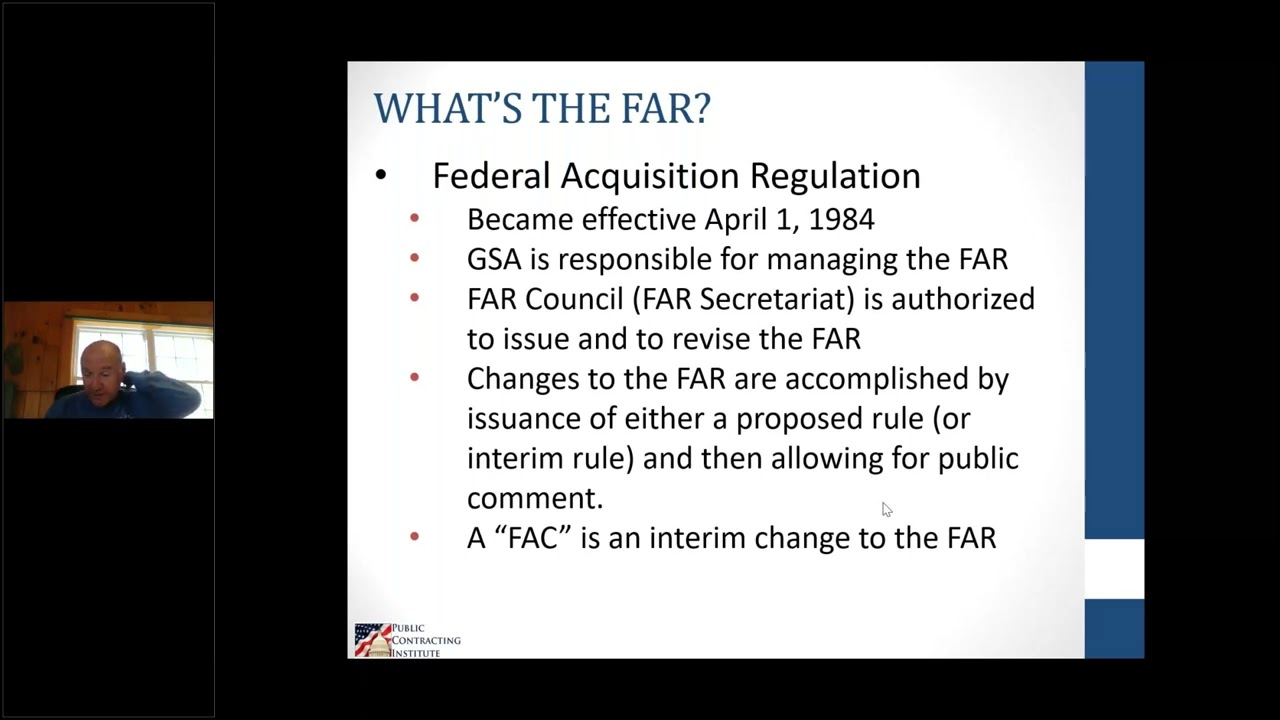
Added:Understanding of the Federal Acquisition Regulation (FAR) framework and how it governs government purchases.
Familiarity with standard government contracting terminology (e.g., SAM.gov, NAICS codes, RFQ vs. RFP vs. RFI).
Basic knowledge of the federal procurement lifecycle and the role of a Contracting Officer (CO).
Awareness of business positioning tools, such as Capabilities Statements and past performance records.
Mastering the creation of compliance matrices and proposal outlines based on Section L and Section M of an RFP.
Developing competitive pricing strategies and cost proposals (e.g., Firm-Fixed-Price vs. Cost-Reimbursement models).
Studying advanced proposal management methodologies, such as the Shipley method for proposal development.
Navigating the post-submission phase, including oral presentations, Best and Final Offers (BAFO), and contract negotiations.
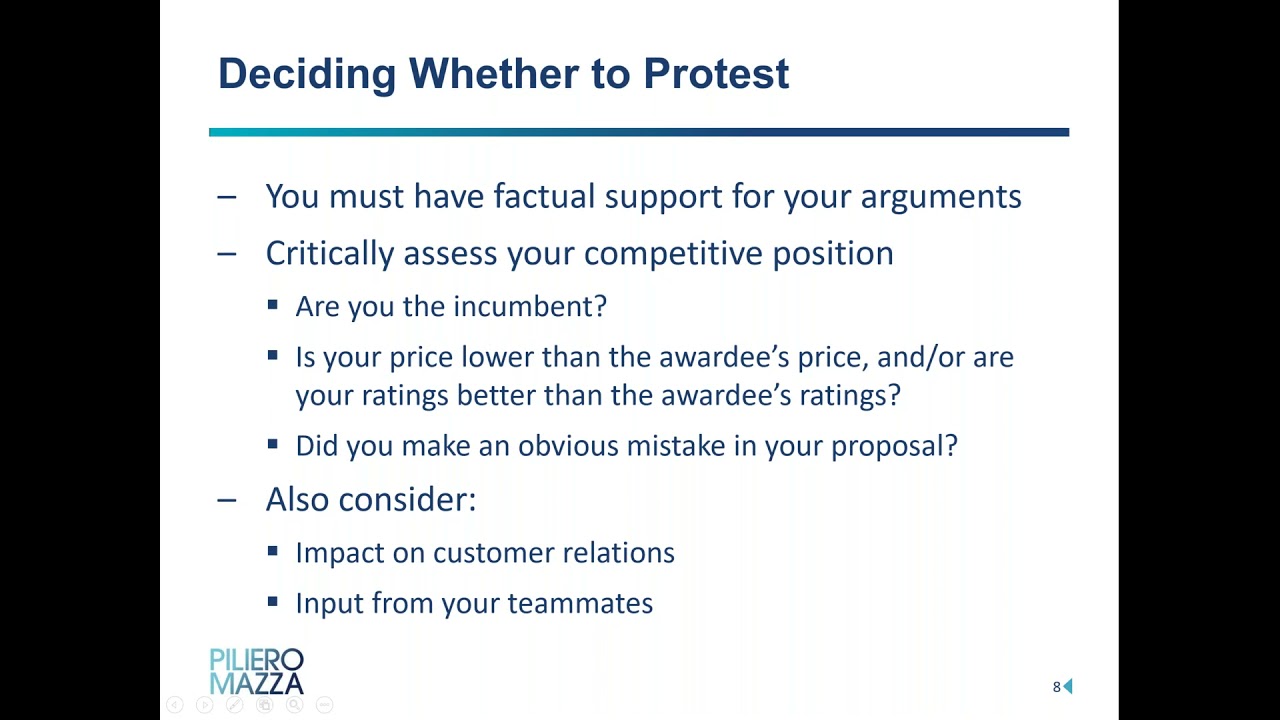
Understanding the post-award debriefing process and the fundamentals of filing a bid protest.
22.3K views544likes1:17:26Original Release: 2019-10-09
[Music] hey you're welcome guys Derek James here and I'm your host today on episode 1 of FBO live where I demonstrate how to read and respond to fu opportunities so that you can grow your very own government contracting business those of you in the facebook group and who have been following me for a little bit you probably have seen some of the other episodes that I've done FBO lie of reading rfp's i've done a dozen or so screen recording is kind of getting used to the format so today is actually the official day 1 of the show I will be streaming primarily on YouTube and podcasts so podcast is new so shout-out to you guys listening on podcasts be sure to check out the links down in the description for the downloads from today's episode and I will show you guys what we'll be using going forward with the show there's two different download templates that we'll be using on a regular basis and those downloads will be made available to you at the end of the episode if that's something that you guys would like for practice or if you're interested in a particular you know opportunity we looked at or if you're in that field it would be good for you guys to have those templates if you're new to this it kind of shows you you know what if a bosal template layout can look like and gives you practice with some of the capture questions pretty straightforward stuff and you'll see what I'm talking about in a minute but on today's episode I already have an opportunity to teed up for sign language translation services in San Diego so let's get into okay guys so first things first as mentioned I have two documents that we'll be using in today's episode and if you listen our podcasts don't worry I got you I will be talking through everything I'm pretty good at saying things as I go and narrating I'm sort of doing that on purpose but um any of you guys listening on podcasts don't worry I have links in the description in the podcast as well that you can get your hands on though the worksheets if interested but this first sheet is just capture questions is what I have it titled and it basically gives us places to fill in some of the basic high-level information that I want to find and pull quickly when I'm trying to you know essentially bid no bid an opportunity so you see here you know solicitation number response date set aside makes code these first four just I did a little fact check things to to pull off off the top that we can pied gather in the first 60 seconds of looking at the opportunity then we have a place to write in the scope all these boxes here or fillable and then proposal requirements like I've mentioned before technical past performance and pricings form the core of any solid RFP proposal and so I have fillable spots to put in a little bit of information for each of these as well as what procurement strategy whether it's going to be LptA or best value that's definitely something that we want to know when is I captured in this high-level capture questions worksheet and on the sidebar here you just have a place to put Contracting Officer point of contact place performance period of performance if there's a questionnaire a due date and that any amendments or side visit details so this is just a quick little one pager that I've you know it's it's basically reflected off of the questions that I asked myself and so I decided to create this and use this on FBO live episodes to get you guys in a regular pattern of looking for certain things so that you can practice finding them and get get better at finding them in quicker and learning where to look and so that was really the goal behind this is just to create a recurring exercise that we do every episode so you're gonna get used to you know hearing these things if you're watching on YouTube seeing these things and then on the the second document I did this a few times on my later uploads when I was kind of so getting used to doing you know the FBO live reading rfp's I actually have a proposal template here and that proposal template we're going to actually be filling out on today's episode you know again this is not a full-blown proposal whatsoever and it's not supposed to be there's supposed to be a a skeleton a template a layout and then for you guys listening you know essentially what it consists of it I got a cover page then the second page I have a bit of like a a you know it's like a cover letter slash company profile this is where I like to have all of the company specific information like you know socio-economic set asides your full list you know your company address and then a cover letter basically writing a short paragraph to contract just crop to the contracting officers rather or just officer write you know explaining solicitation and and basically the components that are going to be in your fourth coming proposal and you get a better chance at what I'm talking about if you get to see it but then after I've got a short table of contents it's a clickable interactive table of contents and then our our main core like I said a spot for a technical approach with a few subsections past performance with three past performances and then a standard pricing proposal with a spot for any assumptions or clarifications if you need to expand on that other than lastly a heading for other attachments if you need to reference or insert so that's what I have in the second document and we'll be going through that today we're we probably won't use it all you know again I just put all that in there as you know kind of like a space you know a filler if you will and so we'll just tailor this to whatever is needed by the opportunity we're looking at today again the sign language services and on every episode I won't you know go through like this length of explaining just because this is episode one so I'd do it for the first few episodes otherwise we'll just be getting right into the opportunity but you know I just want you guys to understand kind of the process and the practice will be able to be going through here instead of you know I'd do all the stuff on my head and so I decided it would be good to get it out of well I'm refering to the checklist again the first document I do this in my head so I figured it'd be good to put it on paper on paper so that you know exactly what I'm you know kind of thinking at where I'm going with things then in terms of the proposal template so many people have asked me do you have any sort of you know layout or anything that I could you know have so you know both of these I'll be making available to you for a small donation at the end of the show to support the show I think there's gonna be like $5 or something like that but you know it'll be all linked up in the description and you can get this completed proposal template layout as well as the you know the checklist so you can start doing this on your own if you like this or you can you know create your own thing but again this is just to help you guys so without any further explanation I think we've adequately covered everything I'm really excited to get into the first opportunity well I shouldn't say the first today's opportunity rather again last thing I'll say is those of you who have seen some of the other uploads I've done I do three four five solicitations just in one setting but I have to go through them a little bit quicker so now I'm shaking that up a little bit and I'm just focusing on one so hopefully the one that I picked is a good one and that's what I'm gonna spend more time you know filling out this questionnaire sheet and the proposal template layout so that hopefully it'll be more valuable to you guys to see me go into more depth on one solicitation versus you know just going high level with you know three four or five so um let's get into it so we have you know I've said that three times right sign language services translation services in San Diego and while I've got this I will be filling out this the sheet now that I've got the sheet so I've got the solicitation number it's right here so go ahead plug that in response date well this was posted yesterday on the 8th and the response date is October 16th so they're giving you about a week to respond to this set aside the total small business set-aside and then away there we go and then in terms of Naik's code we've got five four one nine three zero professional scientific and technical services so as you can see here you know easily filled out the first four boxes of the capture questions we got those those answers right off the cuff you know that should be something that you guys pull like right away it should take ten seconds that's you know crucial information that you will need to know it's kind of like once you know it it's it's like okay good to know you don't really do much with those necessarily but you do need to know them like if it's set aside for a woman-owned and you're not woman-owned you want to know that right away so that you don't spend any more time on it right or if there's a response date is in like two days and you just found this you know that you may not have enough time to respond to it so you may not want to you know waste your time and then you know even with an Xcode if you don't have this particular next code updated in your Sam profile and you're gonna bid on this you need to update it before you send your submission you need to add the snakes code five four one nine three zero two your Sam profile so that if you get awarded you're found to be you know acceptable of performing under the snakes code so like I said quick facts right off the bat we we completed that really quickly scope we know that this is sign language translation services that's all we really know so far I haven't even gone off of the the FBO posting page yet now let me see if there's any other information I can get we know the point of contact is a Micah Sandusky contract specialist you know I'll add that to the sidebar here just in case you know we decide we want that as you see there's not much other information there's a link here if you guys are listening on podcast I know you can't see it it's gonna take us to a place called SPAWAR so some of you who are familiar and seasoned you'll know what that means but you know if you didn't catch it this is for the Department of the Navy and so that's SPAWAR is actually going to take us to this Navy specific it actually takes us off of FedBizOpps used to be called an echo but I think that's that's different there's there's an echo and SPAWAR and there's this a few then the Navy and some of the other DoD branches have their own websites so this just takes us off to this other spam or website where they just have the details of the solicitation posted here so it's really not that big of a deal as you can see they've kind of repeated themselves with some of the basic information that we just pulled from ffb oh you know they've got the set-aside Contracting Officer name phone number email response date all that good stuff so I didn't have the attachments which is what I'm really interested in so it looks like they got a solicitation they've got a statement at work they've got a nad-rid professional conduct download and then they've got professional sign language interpreting agencies and then professional sign language interpreting PDF so probably just a few supporting documentation my guess is the solicitation and the statement of work are the two documents that you know we'll probably spend the majority of our time in today trying to you know gather the rest of this information um and then it'll pod just be more you know job specific you know sign language interpreting cific and these other two documents but I'm ain't just open the solicitation so let's get that pulled up so I've got that pulled up competitive quotes are being requested it's a request for a quote you know they're straight up calling this RFQ instead of a RFP that tells us that there's probably not going to be a huge amount of proposal requested or required it's going to be more technical and um you know pricing only letting us know the next code all good stuff that we already know to be eligible for award course must be must provide all the items of quantities listed below so here they have a description of requirements they've got a cleanse zero zero zero one through five basically a base plus four options and for each of those it says not to exceed 350 hours so that's telling us that that's that's super part time I mean I don't even know if you would call it part time I mean a standard years nineteen twenty hours so this is just basically as as needed basis let's see what else I have to say here the expected period of performance is twelve months date of award through twelve months after so whenever was awarded plus twelve months and then for an additional twelve month option periods will commence after that the anticipated place of performance is San Diego which they're not telling us exactly where but we'll just add place to performance and the side bar here we kind of already knew that based on the title but and then also the period of performance is twelve months after did they use the acronym yeah now they didn't so it's just twelve months after date of award plus four 12-month options that's our period of performance so you know this is you know there's a week we said this about a week to respond to this thing I think it was October 16th yeah so I mean maybe they'd have this thing up and going sometime in November I mean that would give them a solid month to evaluate offers and award a contract it sounds like this may not be a existing contract because if they did they would probably have more of a hard start date because that would mean the previous contract was ending and so that they don't want there to be a gap in service at least if they can help it sometimes it happens anyways but so far just based on this first page of the solicitation and it looks like there's only there's only four pages that this whole thing so we're getting you know a lot of good information just off of this first page but based off of this it's looking like it may be a new need but I can't guarantee that but so far it doesn't seem like there's an existing contract so um let's see what else we have government will award a firm fixed price okay well that's good to know for a fixed price just means you tell them a solid number you know how much money and you have to if you get awarded for that amount you have to do it for that amount if you do it for less good for you that's a savings they're not gonna take money back usually it's a form that's a firm fixed price resulting for the solicitation most advantage to offer to the government as defined as evaluation factors for award this is all you know boilerplate stuff that I don't even usually read out loud complete quote must be received for consideration yeah we know we know all that a complete quote includes a response and submission to each of the following okay so they've got five things here number one general information they want to know your name address Duns case code tax ID all that good stuff so your company information is number one that's easy and so I want to look at our so we have general information it's filling in our boxes as we go now I'm at the technical box under the proposal requirements so this is not going to include a technical response it's just going to be these things it says number two is GSA contract number four all items proposed that are on a GSA Schedule this could be not act applicable if you don't have a GSA Schedule they're just saying if you do what's the schedule and could these services be procured under that particular schedule okay but but here's more of the the technical they want a staffing plan so that is and would actually fall under technical staffing plan outlining proposed interpreters and they want to make sure that they have the the registry of interpreters for the deaf certifications in the offer must address and meet the requirements and specifications is defined as being technically acceptable under factor one below so we'll take a look at that in a minute but staffing plan well that's good to know and before a price quote submit complete pricing for each individual line item under the description of requirements and again those were just the base plus four years and they want a firm fixed price so there's not a whole lot of detail there we can go ahead and I guess I'll add that to our pricing component in our worksheet description of requirements base plus four firm fixed price okay I think commercial warranty if available provide the length of terms of the workmanship in any manufacturer warranty and or services proposed included in the proposed purchase price so this seems rather like boilerplate to me like I don't know that you have a a workmanship warranty I definitely know you wouldn't have a manufacturer warranty because this is a services based contract and what are you going to warranty so to me this is a boilerplate probably something they should have taken out but for whatever reason they decided to leave it in there in terms of a proposal response there's nothing really to to do there unless you happen to have something I mean I guess where it says or services proposed included in the proposed purchase price so if there's some sort of like additional complementary or supplementary service that you'll automatically be providing I don't know I would I'm trying to think like I don't like scheduling or sort of coordination or education or something like I don't know like I just don't know maybe if you have something like that that would be a good spot for it but I don't think that you would so hey you guys this is you know episode one the FBO live show this is something I'm gonna be doing hopefully on a regular basis you have to bear with me as my voice gets stronger right now you kind of hear me taking a lot of drinks of water my voice is not used to it but I will get used to it for sure so just bear with me if there's any breaks in silence as I get a drink of water it's also that time of year where the sniffles are going around I've been doing an excellent job at taking my vitamins and trying to stay away from sick people at the gym and all that good stuff so I'm feeling feeling pretty good so far but just yeah if I take any breaks just just know that so um that's all that we had here for the technical you know documentation to respond to now going to what they were talking to the evaluation factors super important so evaluation factors for Ward basis for award the government will award a contract resulting from the solicitation but blah factor one technical acceptability the government will evaluate the quote to see if the following specification requirements are met so they want inclusion of a staffing plan with at least two interpreters okay so working in San Diego County okay so that is that is specific so I'm actually gonna take out what we had added before you know that company information that's gonna be on our cover sheet that's gonna be on every proposal like that's not a like a part it's not its own section adding your company information that's in the cover page and the company profile but this is specific so I'm adding that to our technical proof of local office within San Diego County Wow so that's also very specific if you don't have a a business address within San Diego County it does not appear that you will be bidding on this or at least not winning it and then documentation of staff certifications for those interpreters I mean that's some very specific and I'd like to see specific I love specific because it tells me like a lot of tells me a lot of information it tells me a lot of people are not going to be able to bid on this right you have to look at the other side of the coin how many people have a an address in San Diego period I mean it excludes most of most of the country you know not even the entire state of California can bid on this only that in that County so that means for those of you watching like this is or listening and this is not going to be something you act we bid on him which is fine because I'm really not doing these expecting that you guys are all gonna run out and go and bid on these these are examples these are exercises and this is something really you know cool for you guys to see because they don't see it that often they're actually being extremely exclusive which I love to see because it also tells me like hey I just have no chance of bidding on this if I don't have an address there because you know sometimes it's tough and you're you're torn you're like do I bid on this or not you know it's a lot of work and you know I don't know maybe we can make a good case but maybe we can't you know we don't have great passive formats but I know we could do a hell a good technical write-up you know and then you're like torn do I bid on it or not well hey there's there's no there's no being torn there's no tear adhere guys like if you do not have your your address there there is just no chance in hell that you are gonna you know be able to win this thing so it's clarity you know clarity is one of the most valuable things in an RFP it just lets you know what's going on so that's great so we added those new details replace those new details and the technical section of our capture questions and kind of took out those previous generic statements which sometimes is all that you have which is why I put it in there when we first found it but now we got further clarification moving on factor to price so um they're gonna evaluate the total price that's determined to be fair and reasonable so that means I don't know let's just see what else I say the price quote shall include a unit price for each item and a total firm fixed price for all line items the total firm fixed price shall include all taxes and fees so I'm going to replace that information and to our pricing and I'm gonna go ahead and make these I'll make these boxes a little bit bigger and I'll probably reduce the size of the scope box just to make everything a little bit nicer so you can see that in the capture questions the the boxes I pre-populated and they're a little small it doesn't contain everything so you know get to know I will make those a little bit bigger next time around and when you go to get get this as a download if you want this as a download they will already be adjusted for that so don't what you worry about that but so this is interesting that I wanted to come in on this pricing part real fast because they're saying the quote shall submit a unit price for each item and a total firm fixed price for all line items so I want to scroll back up to page 1 of the solicitation where they had the cleanse zero one three zero five not to exceed three hours each so we know that you're gonna be pricing probably 350 hours like that's probably the number of hours you're gonna base your price offer because that's gonna be not to exceed number but when they're seeing a unit price I don't know exactly what they mean you know they could mean your hourly rate and then the multiplier of three hundred fifty hours and then that's just extended out for each option year as well that's one thing that they could do or they could be saying each Clin is its own unit and so they want the price for each Clin which is understandable so it would be you know your base rate times the hourly rate and then they want the aggregate of all of those added up you know on some your grand total line item so those are the difference between those two or just you know just very small the two things I said it's almost the same thing that I just said but it's slightly different so my guess is it's one of those two you know the prices shall include a unit price for each item ain't a total firm fixed price for all line items the total firm fixed price shall include all applicable taxes and fees so it's not super clear to me what I would do since you know they did give us a bit of this you know layout but they haven't give us a table so what I would do is and I'll show you guys just so that I'll show you guys in the proposal template under the pricing section what I would do is just kind of include everything so you want to do a show your show the number of hours show your billable rate and then what that's going to total up to mm-hm and then do that for for the base plus for the option years and then do a grand total as well adding all of those up doesn't sound like they have any travel some things to local to San Diego County travel would be like $0 but you kind of do that you know you know do the both method you know have your cake and eat it too kind of thing that way you've covered your basis and you're not missing anything there's not a whole lot like that you could miss like there's just they're just talking about the unit price in the total firm fixed price so we'll just you know we'll give them both and you know I will actually fill that out in the table probably pretty soon here as we finish going through the solicitation eligible offers must be updated and Sam questions due date must be received by October 10th at 11:00 a.m. okay so you could I mean if you wanted to you could always ask that question I'm just gonna add because we do have that in the sidebar here and I capture questions worksheet questions due date so you have well today's October 9th so you have today and tomorrow morning to submit questions and so if you even wanted to submit sort of clarification question regarding the pricing it's kind of that you know what we were just debating through you could submit that question I don't see any questions and answers posted but I'm sure they'll wait until the deadline is over and then the PI posted on Thursday or Friday and that's another good point you know be on the lookout you know for the questions because other bidders your competition are also going to ask questions and you want to see what the questions they asked for in case you missed something and you also want to see what the answers are in case you know you I don't know basically you just wanna know what the answers are so that you're not in the dark you want to have as much information as your competition and if you don't read the questions and answers you know you they could have added something a clarification and you could you know you could even quote it wrong or you know you just you don't know you just don't want to miss that okay cool so good information telling us the point of contact is Micah Sandusky we already know that attachments you know they're telling us there's the nad-rid which we didn't get into but we'll take a peek at probably here in just a minute then they've got provisions and clauses which you want to take a peek at and yeah guys that's it that's all four pages of the solicitation let's see what else I got as you see we we expanded on some of the key information there and then we kind of just quickly sped through the rest so now I have a statement of work open that and that is a whopping page and a half I love seeing that my guess is it's not gonna be a whole lot of new information here this is a service acquisition to obtain interpreting services for the Deaf and for hard of hearing employees at the naval information warfare Center Pacific so that's a more specific not Pacific but specific Pacific that's a more specific place of performance so I'm actually going to update that so it's not only San Diego County but now you know cuz you want to know right if you're you're if you're in interpreting business you want to know of course but if you're in a professional services business and you're gonna be providing interpreters and you're gonna be recruiting you're gonna be talking to candidates you need to know exactly where to tell them their prospective job would be right so that's that's a good piece of information obviously aside from you know the start date and all that good stuff contractors shall provide the following support services by providing certified and qualified sign language interpreting services using the most appropriate linguistic modality for meetings conferences seminars reviews briefings trainings other visual services contractors shall respond confirming interpretive services within 48 hours so they have a request you need to let them know within 48 hours again this is kind of shaping the pricing of the requirement if you recall there's a not to exceed number and that number was 350 hours a year so they're gonna have these you know meeting seminars you know briefings almost sounds like these interactions with the public you know and maybe that's what this is is we we begin to understand what this is may be either having these meetings with the public or or some you know members I'm not sure how large the setting would be but you know there may be people that are hard of hearing but you know they did reference employees so my guessing it really isn't I'm just trying to think I try to like paint a picture of this in my mind and it really helps me to understand the requirement you know that you otherwise have no idea of but they did you know mention employees so that they probably know that they have some deaf and hard of your employees and this is probably just for when there's you know again meetings briefings and trainings you know within the naval information warfare Center Pacific you know base agency what have you they're going to have these surfaces available for them at that location under these pretenses so but you're gonna need a 48 hours they're gonna pick up the phone all you say hey we have an event going on we need your guy or gal there for interpreting you know it's gonna be it's gonna be two and a half hours you know you know that'll be offset from your your 350 hours billable for the year and you know that's you know kind of I think we have a pretty good pretty accurate you know picture painted of what this is probably going to look like contractor provided provided interpreters she'll be nationally certified any good standing with certification entity and then they want your search so certifications included referenced in document one two three yes so they want your certs so now I'm gonna start transitioning since you know past performance that have had made no reference to it and they did say this is a request for quote so my guess is they do not want past performance pricing strategy um we know this is firm fixed price they haven't said if it's gonna be best value or LptA but my gut is leaning towards LptA because they're saying whatever submission is most of the final language again but they did make it sound like it was based on being technically acceptable and again since this is RFQ another RFP there's not a huge proposal required um they're basically gonna want to see you know your staffing plan they're gonna want to see your certifications your company information and your pricing and probably that's about it so as long as your certs are in good standing you know yeah and your business address they want to see that you have all that probably whatever the most competitive price is going to be is going to be the the awarded bidders so let's see what else contractor contractor provided interpreters shall adhere to the red coat of contact got it contractors shall provide a staffing plan outlining the contractors staff interpreters years of experience and certification status as well as number of outside agency interpreter okay that's interesting I mean is this this was not in the contractor she'll have let me just finish this contractor she'll have an office location was in with in San Diego we know that but this whole thing about a staffing plan outlining contractors interpreter years of experience so this must be again more specific what they want in their staffing plan which is cool I mean that's cool I'm actually happy to find this however this probably should have been in the solicitation instead of the statement of work as part of you know an evaluation factor or you know instruction to offer was what to include in your submission you know if they want this you know this kind of drives me crazy whenever they just hide stuff um and this is hidden but I'm gonna copy and paste that and now we're gonna start working within our our proposal template now so I had already teed up a staffing plan subsection so now I'm just copying and pasting that the contractor shall provide a staffing plan so that we know that's in there with staffs interpreter years of experience and certification status as well as number of outside agency interpreters my guess is if you have you know if you are a professional services agency you've done some sort of staffing before you probably have some sort of staffing plan already created so you would include you know you would take that chunk and put that in here into your staffing plan you know I have subsections that I use and have sometimes seen you know in a standard staffing plan if you don't have that you know we have recruiting and retention as a section onboarding and off-boarding employees employee time keeping in HR portal you can expand on how you handle conflict resolution those are some things that you can include but you also want to be sure to include this sentence that we just copied paste it in there as well so going back to the same going to work feeling pretty good pretty solid about what we're needing to do for this travel on multiple trips are required within San Diego trips outside San Diego are not anticipated so travels going to be local they are not including funding for travel so contractors shall be cleared on classified so you have to worry about it clearance they just need their daily badge placed performance we already know I mean you see here we're getting close guys are getting very close so that's essentially the end of the statement of work and probably the two most important documents of this RFQ as promised I want to take a peek at these three other documents the first one is the code of conduct and just see if there's anything it stands out again these are probably certifications and codes and documents that govern professionals who work in this space and they would probably already be familiar with the national code of ethics and sorts of things so that does look that like that's exactly what this is I'll crap that I just closed out the hole alright yeah no big deal let me just open spade or a backup so that's probably what that is and probably the same for these other two documents the second one is this professional sign language interpreting agencies and they're just talking about the the duties and the responsibilities governed there and I would definitely pie read this more carefully or thoroughly I should say if I was actually bidding this but for now we know that this is here and you know appreciate them for including that I always like them to include this information like even if we don't take a look at it it's not like I'm I'm not devaluating it you're like not devaluating the value wing is what I'm trying to say not devaluing it it's great information it's really good to have in there and when you I always say it's like when you when you need it you're you glad that you have it otherwise you don't need it and it's just there and that's fine so that's all three of those documents guys so that means all that we are left with is the solicitation is they going to work which we've thoroughly gone through neither those were very long so I think we are pretty much good to go to start mm-hmm filling out our proposal template you know I did not get that super clarity on the procurement strategy as we were talking about LptA or best value they didn't include anything else I'm still leaning towards LptA again think about your competition they're gonna be doing the same thing you know they're going to be providing professionals in San Diego County interpreters but it's really going to be probably price driven and if they've got you know decent experience that's only gonna benefit you so I will there it is okay now moving on to the start filling out this proposal template layout for the solicitation you know hope you guys are feeling good I I hope you feel a little bit confident like hey we just walked through that entire you know RFP we now I do see what the you know important information was that Derek called out you know I can you know I can do this I think I could do this on my own right and you know all I did was go through the the capture questions worksheet right and and you can do exactly the same thing so you know on this postal template layout you know company name whatever your company name is opportunity title you know this is sign language services in San Diego let's just call it it's on leverage services parenthesis San Diego cool yeah I fits in there it looks good solicitation number I'm trying to type as much of this in so that you know I obviously I prefer copy and paste it's a little bit quicker but since I'm gonna make these available to you guys I want the formatting to be to be nice and it only takes you know an extra minute or two Micah Sandusky is a contract specialist and you know this is exactly you know what you guys will be doing and you can you can totally do this street address 53 five sixty whole Street you know and when I you know make these documents available you know I don't lock anything this is all 100% editable you know it's just supposed to be useful for you guys 9 2 1 5 2 just finishing the address all right so that's our cover page I guess we can update the date October 9th cool and that automatically pre-loaded our company name and the title so cover page is finished you know I only took a quick minute just apply take another few minutes were onto the the company you know summary page that I talked about at 9th then you would have your your company information here your Duns your cage on whatever your socio-economic statuses are as well as you know primary point of contact name phone and email so I'm not gonna you know fill that out you guys could fill that out people's response to know this is to the Navy to provide always yes soundly which translation sign the language translation services and this is to the naval information Warfare Center Pacific so there you go and some of this in from other information will be a little bit repeat like the solicitation number let me see if I can this copy pasted on yep and then the next code again for this was five four one nine three zero for professional scientific and technical services very good so as you see you guys like we're already almost halfway done with this the second page contracting office address again and this is in San Diego California of course so I want you guys to feel empowered you know this is this is you know not going to be a full-blown proposal but once you get the skeleton laid out it's you know that's the hard part it's like what do I write and weave and we just answered that they it's it's really not that bad and if you're you know you don't come from writing background don't worry about it like the guys and gals who put these solicitations together most of them don't come from a writing background either you know like it's it's it's all good just give them what they're asking for it a lot of it is just plug and play and that's you know and this is you know in all fairness this is an RFQ so it's request for a quote instead of a request for proposals so it is a little bit easier um but it's the same you know it's the it's the same premise okay cool so we are almost done filling out this second page and then I'll be able to be a little bit you know more more vocal just again filling in these mundane details but they are you know important nonetheless now I'm just filling out the the final you know little introductory paragraph and trying to talk at the same time and the Knicks code again was five four one nine three zero so now the very last sentence of this please find our proposal to include passive formats and pricing in accordance with this RFP we're gonna take pass performance out please to include our we're gonna say staffing plan and pricing proposal because those are the two areas of a focus and then respectfully you know your name so I mean look at that it probably took what five minutes and we've filled out the first two pages table contents you know this is clickable and we'll update this kind of last so now we're actually moving on so now we're at our technical approach and this is going to be a staffing plan as well as I think I want to include the certifications in our technical approach because that's what they've asked for so um yeah that's song language so I have kind of this you know template boilerplate first paragraph you know ABC LLC is pleased to offer techno approach to provide sign language interpreters services this will be to support the Navy San Diego please please find our staffing plan and proposed resume for candidates to fill this position I mean if that's fine we honor the right of first refusal so you know that I would take out because they're dishonest there's not incumbent employees our seven plan and proposed employee resume follows so to that I want to add you probably do want to include the resumes for your interpreters because that's also going to reflect you know this three years of experience which is what they're asking for in the staffing plan and you also be able to see their certifications on the resumes as well but you probably don't want the resume and a copy of their certifications our staffing plan proposed employee resumes certifications as follows so we kind of have our technical approach teed up here it's a staffing plan resumes and certifications is are gonna be the three subsections so again our staffing plan you know you can use these sub settings I'm gonna leave them in there the sub sections for recruiting and retention onboarding employ timekeeping conflict resolution if you have your own staffing plan to feel free to use that but I'll read it one more time what they gave us specifically contractor shall provide a staffing plan outlining the contractors staff interpreters years of experience and certification status as well as number of outside agency interpreters as well as number of outside agency interpreters so I'm not exactly what that means what is outside agency maybe those are interpreters that don't work directly for your agency but they're more like on a I don't know like a 1099 or something uh maybe if you're in this particular field you you know let me see here but they're asking as well as a number of outside interpreters so I mean I would just I would read this as number of number of interpreters and what I would probably do is I would talk generally about the number of interpreters because what are they saying for this they want two interpreters with at least two staff interpreters working in San Diego I mean part of me wants to lean into this saying what they mean by that is the number of proposed interpreters because they're only telling you at least two mm so we're not telling you how many and then you know however many you have will be the number of resumes inserts for each that you have to provide and honestly that's that's kind of where I'm going and interpreting this you know if you wanted to ask that RFI you could submit that question before tomorrow to Micah Sandusky but I think you're going to be okay but that's yeah that's kind of where I'm headed with this number of proposed interpreters will be included yeah yeah I think that's where we might go with that so we're going to delete this paragraph now because you don't want that included in your proposal template layout um so you have a staffing plan which how do we want to lay this out because they said they wanted that within your staffing plans so let's go ahead so we're gonna add number of proposed interpreters as a you know essentially a section within the subsection or a paragraph whatever you want to call it and if you want to use all these you can use all these otherwise I would you know delete whatever ones you don't want to use these recruiting and retention these other ones I've supplied you conflict resolution employee timekeeping but the first one being number of proposed interpreters as the first point to talk to you in your staffing plans since they've specifically called that out I think that's how I want to handle that the next resumes this is where you know this is the next subsection under the technical approach after your staffing plan and this resumes is where you will attach the resumes you'll you know you'll include the resumes for each proposed candidate based off of this number of proposed interpreters and you know expand on that you know give them a few sentences at least and then have the resumes in this subsection to line up with whatever you stated and then we'll do one more section this is happening here okay for certifications because I want you to have your certifications within your your technical approach with the resumes I want that to all be together for you I think that's pretty pretty tight I think that's what you would want to do here in this section is say I'm thinking about the address because that was you know the next thing that we're talking about I want you to mmm where do you want to include this I'm actually wanting you to include it in the number of proposed interpreters and business address because this is really gonna go hand in hand I know they're two different things that's kind of weird to combine but you're gonna go on to say ABC LLC proposes three interpreters to you know complete like it's spell complete the requirement in accordance with the statement of work ABC or I should say as acquired ABC I'll see what's called ABC has a current business operating address located with in San Diego County at you know one two three San Diego Street San Diego some of it you know something letting them know the number of n the number of interpreters and the location located within San Diego County and then you could go on and say all interpreters you know work within the San Diego County you know area I don't wanna say limits all entrepreneur business in you and are certified and experienced at providing such services and again I'm just you know we're not writing a hope of Boulder here guys I'm just showing you a little bit just so that you call it those specific things the rest of it can be rather you know boilerplate and and you know copy and paste on maybe some of the proposals that you have so I would do something to this effect just to make sure right off the bat BAM you know they open your staffing plan and and there you go they get hit with the information exact information that's gonna let them know whether you are you know able to even bid on this requirement so that they don't have to to search for it you may even you know you're you know if you have this if you have multiple business locations you know even in your company information up here I would definitely put your San Diego location again any other spot to you know put that as you can see I'm not shy at duplicating information you know I put the solicitation number and here a number of times the next code number of times I'm trying to build confidence in contracting to let them know that we know what the hell we're doing and you know that we you know we even know what an X code is you know just like letting them know that we're so far past this that they know who they're dealing with they're not dealing with some brand new contractor that you know is gonna you know make a lot of mistakes and you know have a curve on you know on their dime you know it said give give them the confidence that you know we know what we're doing so I think that's you know that's what I want to show you for some of those points in the staffing plan use the rest of the boilerplate resumes we've touched on certifications we've touched on on past performance we're gonna go ahead and delete that because they have not asked for it if you want to put it in there you I mean you can but it's not an evaluation factor you're not being rated on it and you're not supposed to be rated on it instead you know what what they're asking for is the experience of your interpreters and yeah I guess we need to um yeah let's go ahead I'm gonna I'm gonna bold that and then what what I want you to do is undo the resume section before each resume for our candidate so you know have please find the resume for our proposed candidate so you can change that to please find our resume for you know sign language interpreter you know you say number one I think go on to say you know interpreter number one has 15 years experience providing services in the San Diego in the Greater San Diego area and then you know further expand on that a little bit based on whatever's in their resume and do that for for each so you know number two and number three do the same thing so just give them a little bit of that so that you're you're calling out the experience that they've asked for it and if you want you can also tie that up and include that somewhere here in your staffing plan as well you know you they haven't given you a hard you know structure that's why I'm kind of you know just thinking out loud with these things because you can be a little bit flexible but whatever you decide to do make sure that you you know you call it out and that they don't you know you put it somewhere that makes sense they don't have to you know look too hard for it call it out so you know they know that you have it you don't want to be thrown out because they couldn't even find an answer that you gave them so we are winding down guys let me see here it's been well I think it's been around 45 minutes or so but this last part within the technical Y of your certification so go ahead and include the certifications for each of your interpreters as well yep and so you can just preface that with a please find our certifications you know in accordance with what was the what was that acronym it was the the nad-rid I believe it was nad-rid and San Diego County because I think they have to be you know certified each county has its own certification this resume okay cool yep so you do that from certifications you put the and then you'll just add spaces for that you can now fill out both of the interpreter certifications for each of the the interpreter candidates people you know you know I'm talking about right for each of the interpreters individual interpreters the last thing we have the pricing proposal here um get this ready to go and then we should be pretty much finished I have to relay this out I'm glad that we were able to find everything that we needed I'm glad and hopefully you guys found this to be you know confidence building is again a big part of the the mental game that I'm always preaching about once you get out of your own way you can do almost anything so that we know that they've given us all right one thing at a time here so they've given us the five you know cleanse if you will right my spelling is being tested today all right there you go so we know it's a one base year for twelve months and then a four option years as well I mean a good contract to have they've given us the Clin you know structure here three and you know this pricing table it's just that this is just all old stuff so you know don't worry about it so I will you know I'm going to take out some things to you know make this table match what we need it to I'm going to take out some things like the travel update the cleanse two zero zero zero one through zero zero five we know a number of hours is not to exceed 350 so we can update that yep not to exceed 350 and this is we know the description is sign-language wonder how many times I've written this and then the period of performance is 12 months after date of contract award so we can go ahead and update that as well so I'm gonna quickly refer to the yeah they're calling it option your one so I'm just going to include that so there's no confusion I'm gonna include that in our pricing clean table structure just you know call out option years one two three or four yep one two three four okay perfect um so we have a quantity and a unit column in this table I don't think we need both you just need somewhere to put your base or I should say your billable rate and to me I know if I try to take something out of this table it's gonna be I think it's going to be hectic I think it's going to reformat the whole table wrong um but I'll try it yeah I know it's gonna do it I'll take out the quantity and just leave the unit to the cells to the entire column yeah that wasn't good so all right well that's a little bit better okay you guys listening he can't see we've managed to update the table so what we're doing is we're doing ours not to exceed 350 for each pricing Clin and then for the unit that's gonna be your your your billable hours so I don't know say your number is 47 dollars per hour so for your not-to-exceed let me see here so we'll just do some quick math pulling out my calculator forty seven dollars times three fifty you know just for round numbers that would be sixteen four fifty four they if I could put my dollar signs in the right spot Jesus I've got them in the back of the number instead of the front my lord right so um you know at forty seven dollars and hours you know you max out the not to exceed number at three fifty so that puts you at sixteen thousand four fifty for the base here and again this isn't clerk does not include any taxes forty seven I just made that number up with you know a little bit of the knowledge that I have you know I didn't see anything about this being an SGA wage contract we can take a peek at that once I finish this table um if so we'd have to go through and find the wage determination and check out and see what the pricing the minimum pricing would be for that but for the sake of round numbers right now I'm just gonna do it aggregate you know I extended the sixteen thousand four hundred fifty across all the option years you know they said they wanted that aggregate number as well so we're gonna give that to them as a grand total of eighty two thousand two hundred and fifty if you have any pricing assumptions or clarifications you can add those I'm gonna delete this other attachments section because there shouldn't be any because we've included the certifications for the interpreter services within the within the staffing plan technical section okay yes so for the proposal template I'm essentially gonna stop here I mean we're not doing you if a complete proposal um although you know we got halfway done with it you know we have the pricing table and you know where to put your certifications your resumes and your staffing plan layout to include your address and years of experience those things that they've called out I'm gonna go ahead update this ooh updating my my table here just need to why is it being like that I think we need to put a space there or something table of contents are always a crazy thing right that didn't work try and see if that fixed it if not I will just you know update this table offline so that we don't have to spend too much time with me messing with that but um yeah the the table will reflect the staffing plan the resumes and the certifications who maybe it's this one that I wasn't doing oh it's sweet yeah I can fix this I was literally just doing the fixing the wrong thing that's why I wasn't working okay that should work now there we go perfect so we have technical approach and a pressing proposal that's all that we needed and then we have our cover company profile and then our cover page so let me just take one quick peek here guys and then we will be wrapping up I want to make sure in the clauses that they didn't have a service contract Act we're gonna turn that down so it's not coming up in the control f-find I see just doing it quick glance through here not seeing it not seeing surface contract act I don't think it's in here so if in fact it's not in here then yeah you can pay your people what you would normally pay them you know odds are you're not gonna be ripping them off paying a very small below minimum wage anyways or anything you like that because these are professionals in the industry and you know they're not gonna work with you or work for you um if that is the case so again guys here is the capture questions we've completed this yeah there was no site visit or amendments yet if they post questions and answers after the 16th that will that might be a an amendment and then we've we've gone through we updated the entire proposal template this was was pretty cool this was a good one wasn't too crazy again it was an RFQ rather than RFP although you know it did have a little bit of a staffing plan that we had to pay attention to so that's gonna be it for this opportunity guys I just got a few things share if you'd like to get a free download of my book winning government contracts which shares my personal government contracting journey to winning 32 federal contracts worth over 15 million dollars or if you're interested in any of my gov con courses you can check those out at the links in the description both on podcast or on youtube and also don't forget to join our facebook group community where you can interact and ask questions to me and hundreds of other members we have in there I think we have around 350 members but this is a group this isn't a Facebook page it's a group so there's active members in there that you can ask questions and interact with um as well and then lastly if you would like the copies of this proposal template layout that we've you know filled out today and the capture questions I'll have a link for that as well in the descriptions um and that's just gonna be you know at a downloadable just for a small donation of five dollars to help support the show you know so that I'm you know not just you know doing this talking to myself I know this you know helps a lot of people but any support you guys from my way this is super appreciated and you can get those downloads by doing that way I'll have the links that will be I'm taking you back to my website gov kit method which is where I'll be putting all that up too so that's it for me today guys do something today that you will thank yourself for tomorrow and be blessed until next time guys we'll see you
Up Next

57:30
Guide to State and Local Government Contracting Opportunities
@EricCoffie
10.4K views•2021-05-17

26:22
Walking in the City: Urban Rituals and the Flâneur in Contemporary India
@PSBTIndia
1.9K views•2016-08-02

9:49
FastAPI vs Flask vs Django: Choosing the Right Python Web Framework
@TechWithTim
302.5K views•2024-05-26

1:42
Game of Thrones Opening Credits: A Cinematic Analysis
@gameofthrones
46.3M views•2011-04-18
Related Study Plans & Knowledge Roadmaps
Structured learning paths in General & Interdisciplinary Studies
general-studies
Artificial Light: History, Tech & Human Impact
01The Pre-Electric Era: Fire, Oil, and Gas Lighting
02The Incandescent Revolution and Grid Electrification
03Gas Discharge and Fluorescent Illumination
+ 3 more learning modules
14h6 modules
Explore Roadmap
general-studies
Elevator Engineering: History, Physics & Cities
01From Hoists to Safety Brakes: The Dawn of Vertical Lift
02Hydraulic vs. Traction: The Engineering Physics of Elevators
03Modern Speed, Safety, and Algorithms
+ 2 more learning modules
12h5 modules
Explore Roadmap
general-studies
Rubber: Material Science, History & Geopolitics
01Origins of Natural Rubber & Mesoamerican History
02The Chemistry of Natural Rubber & Vulcanization
03The Geopolitics of the Rubber Boom & Colonization
+ 2 more learning modules
12h5 modules
Explore Roadmap
general-studies
Containerization: Evolution, Logistics & Trade
01Ancient Trade & Bulk Cargo: Amphorae to Barrels
02The Industrial Revolution & Cardboard Packaging
03The Containerization Revolution: Malcom McLean
+ 2 more learning modules
12h5 modules
Explore Roadmap