


![Triads and Seventh Chords (Tertian Harmony) - Overview [Soft Spoken]](https://i.ytimg.com/vi/mme5X5yRrfs/hqdefault.jpg)


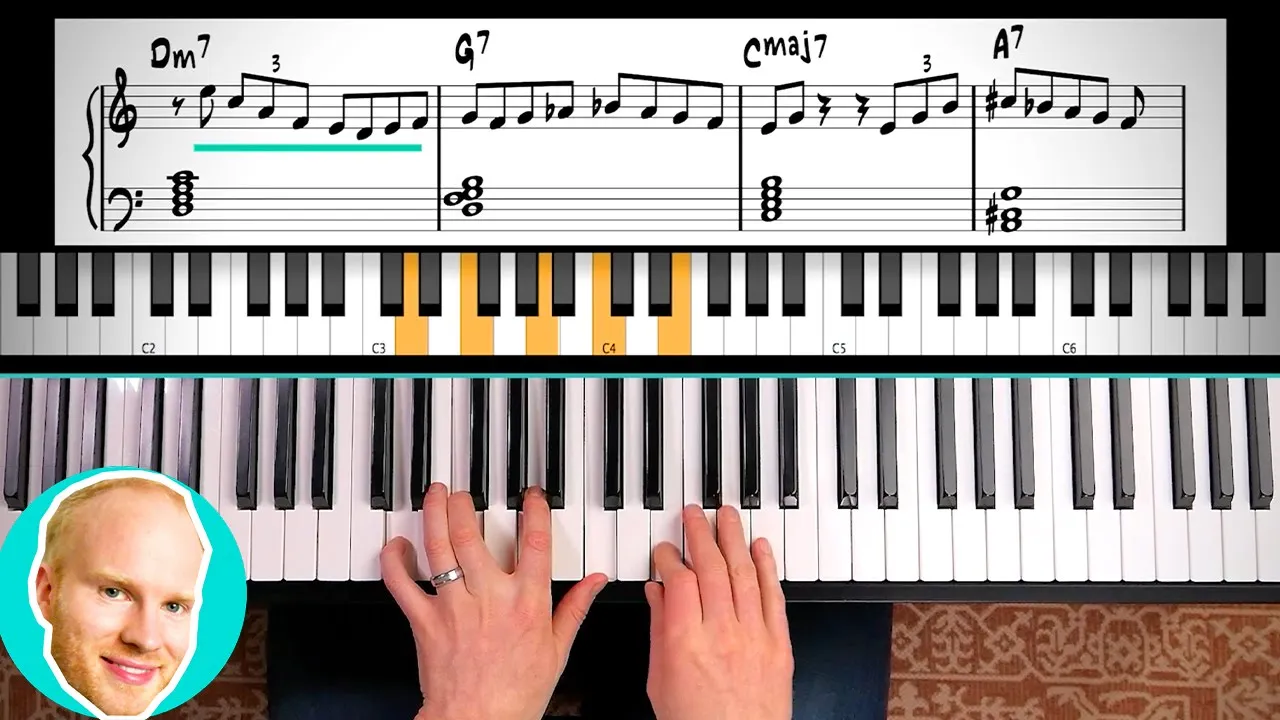






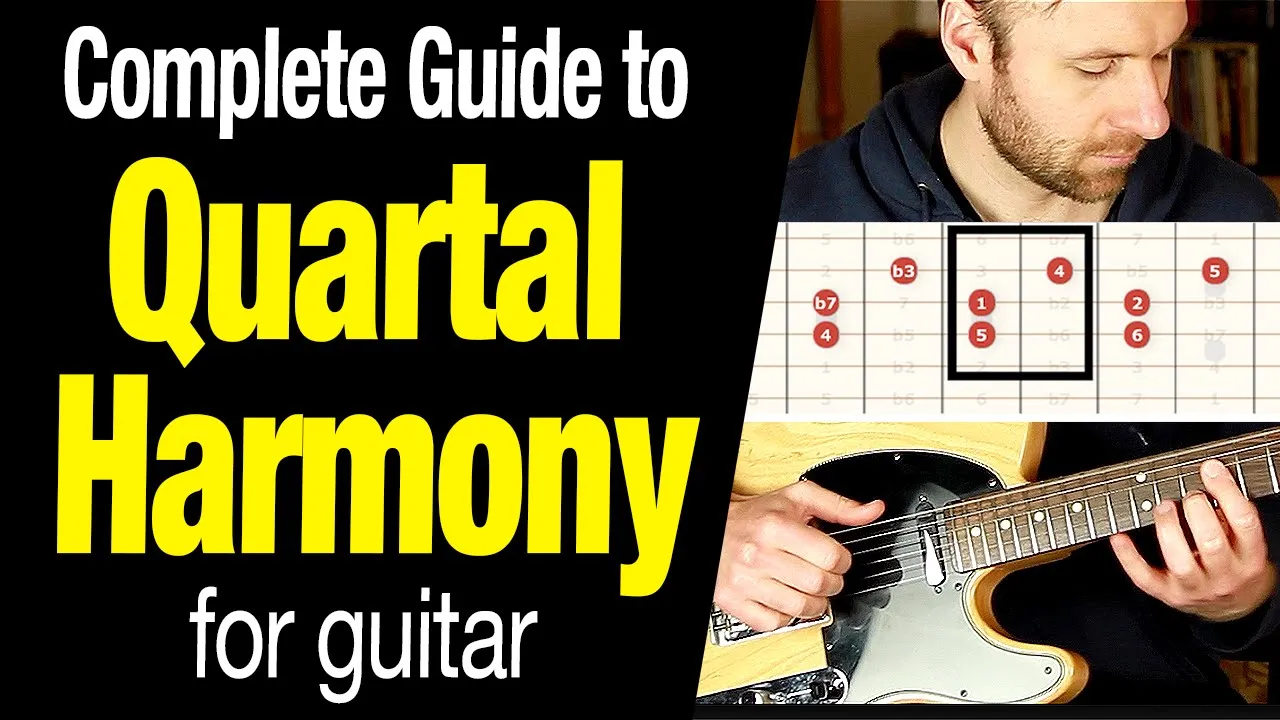



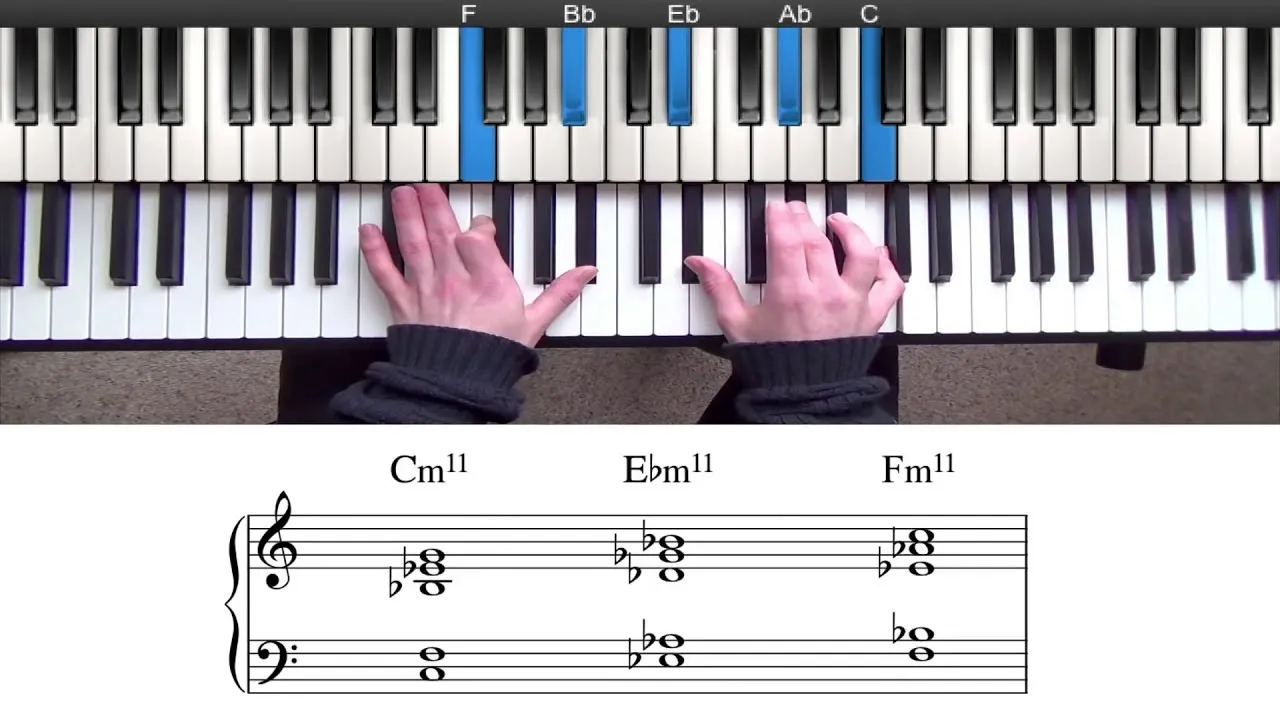




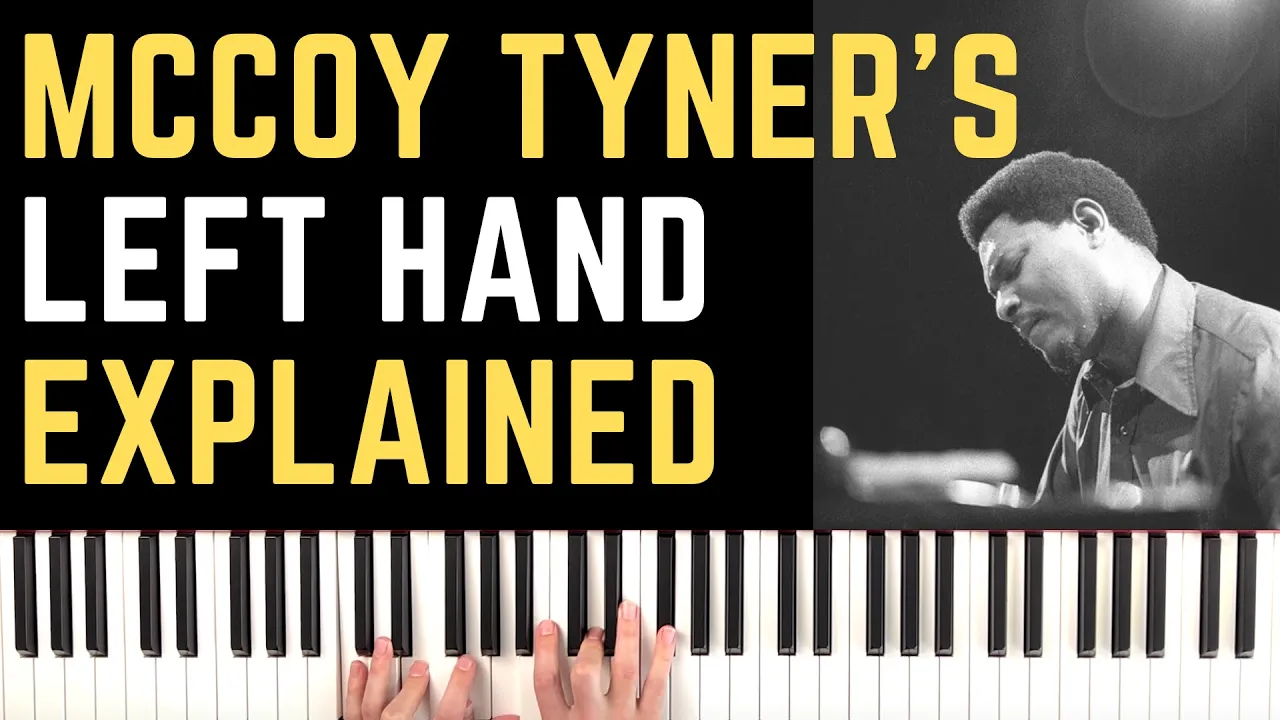


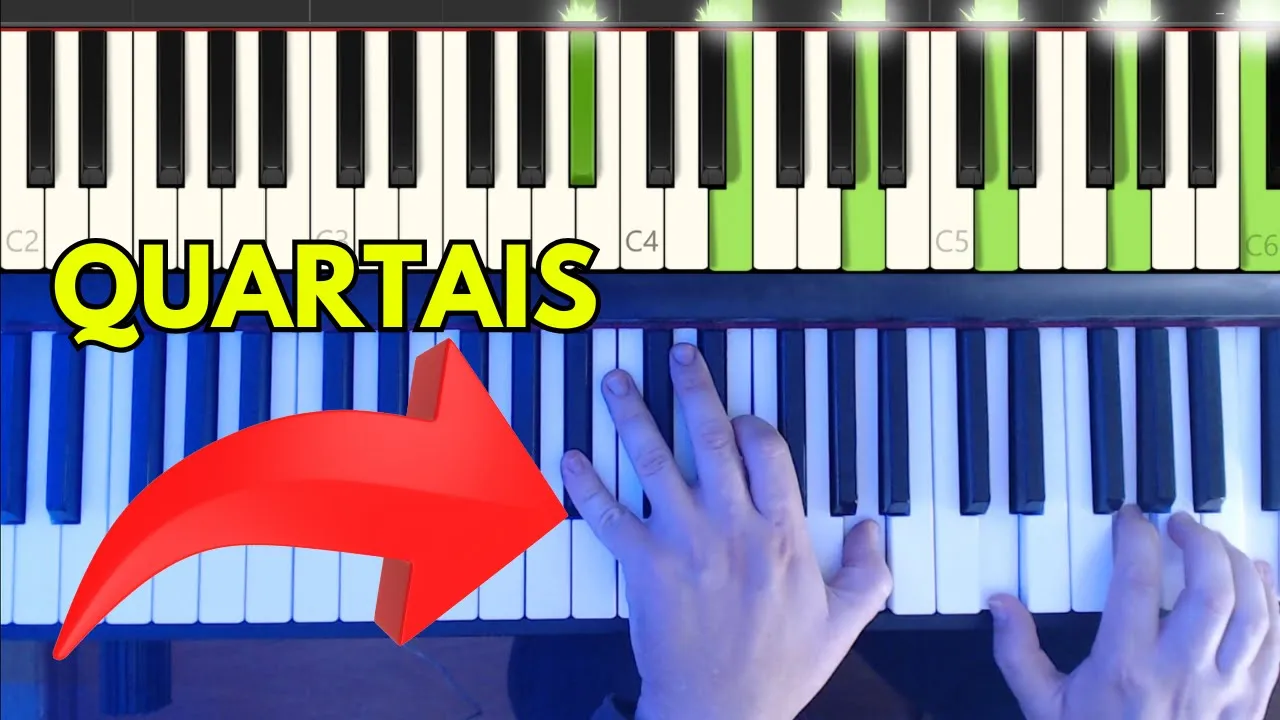

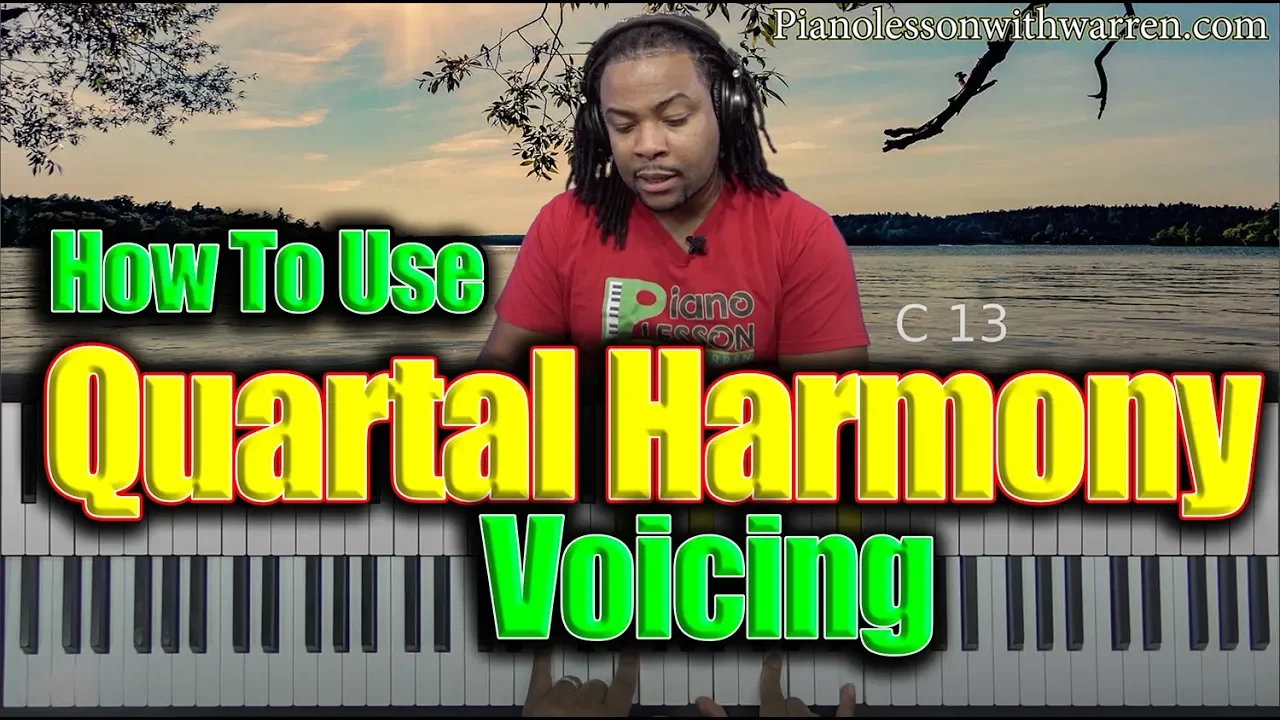
Quartal voicings, also known as power chords, are piano voicings built on fourth intervals (R-4-5 or R-2-5) that omit the third, creating harmonically ambiguous sounds; these voicings, popularized by jazz pianist McCoy Tyner in the 1970s, can be applied to major, minor, and dominant seventh chords to create melodically active and angular-sounding accompaniment patterns that propel music forward.
Quartal Voicings on Piano: Jazz Theory and Application Tutorial
Added:Understanding of basic interval theory, specifically perfect fourths, augmented fourths (tritones), and perfect fifths.
Familiarity with standard tertiary harmony, including major, minor, dominant, and half-diminished seventh chords.
Basic knowledge of jazz harmony and common progressions, specifically the diatonic ii-V-I progression in major and minor keys.
Fundamental keyboard proficiency, including basic hand independence and the ability to read lead sheets.
Exploring Modal Jazz improvisation and comping concepts, applying quartal voicings over static modal frameworks (e.g., Dorian or Phrygian).
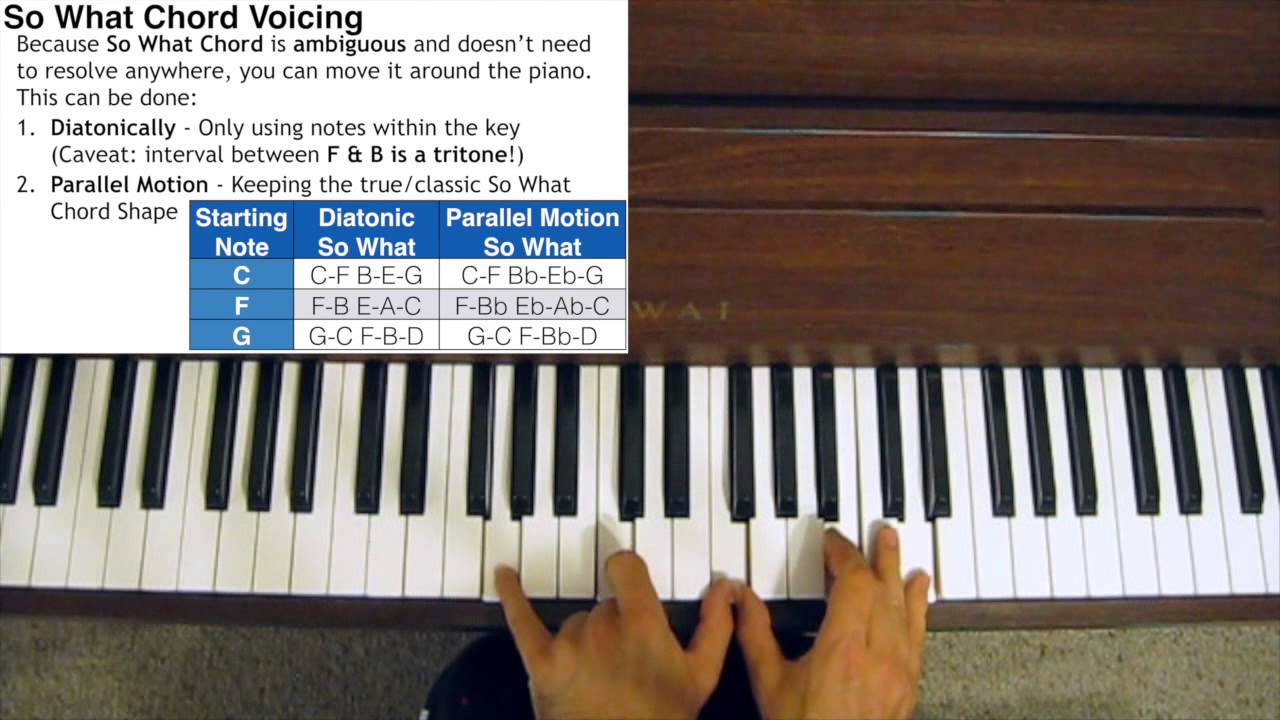
Mastering 'So What' voicings, a specific five-note quartal-based structure popularized by Bill Evans.
Applying chromatic planing and 'side-slipping' techniques to shift quartal structures parallelly for modern, 'outside' jazz tension.
Integrating pentatonic scale patterns and fourth-based melodic lines in the right hand to complement McCoy Tyner-style left-hand comping.
Adapting quartal and power voicings into contemporary genres such as Fusion, Neo-Soul, and Modern Gospel keyboard playing.
35.5K views1.1Klikes6:51Original Release: 2019-01-13
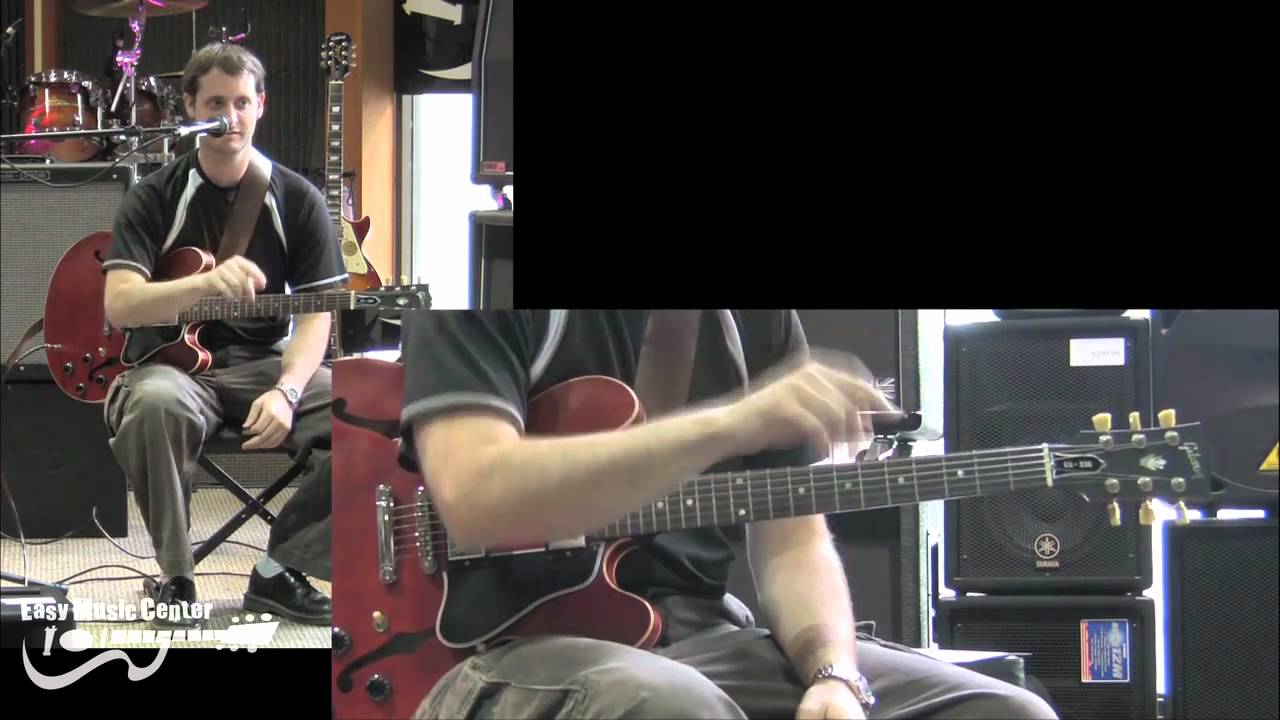
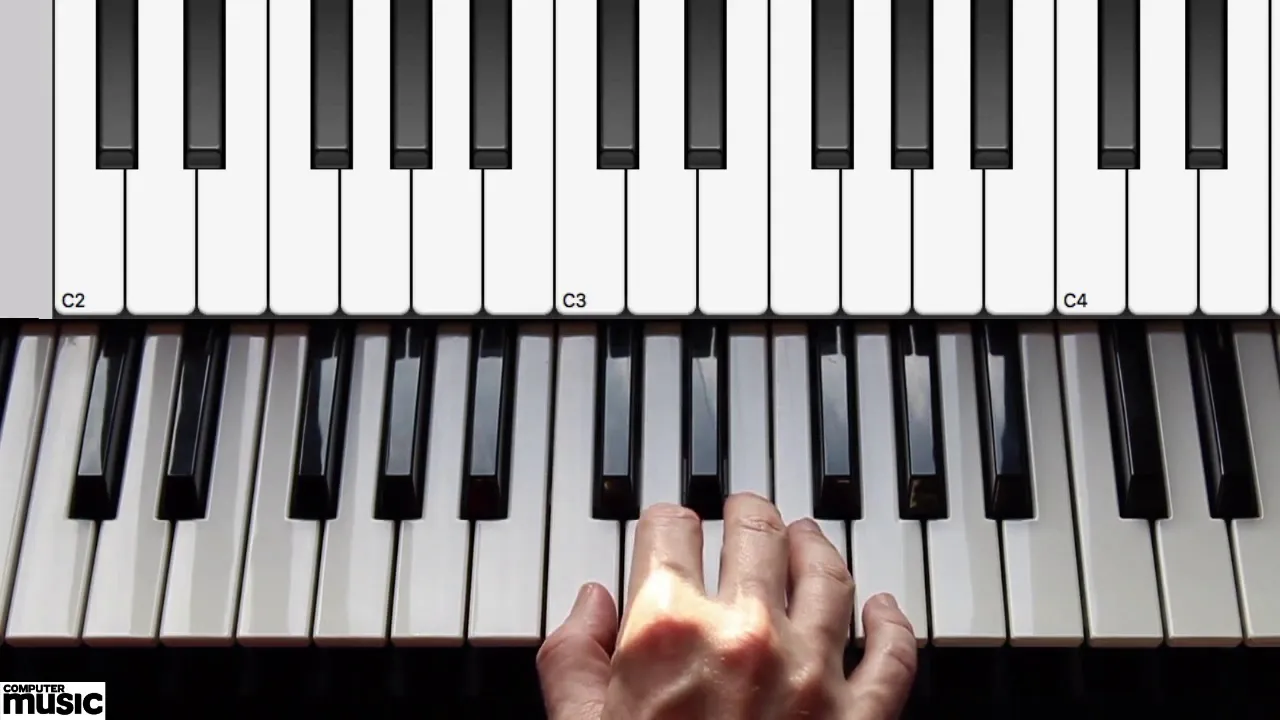
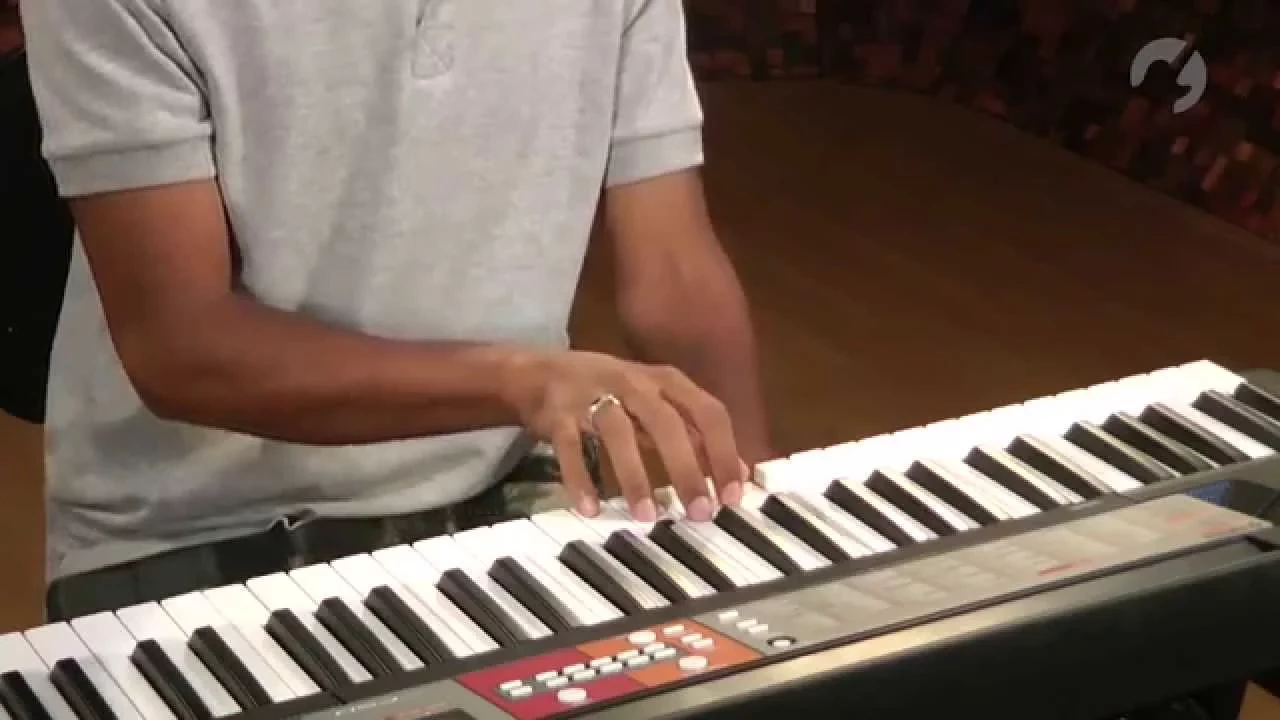
[Music] hello this is jovino Santos Nat for piano Groove and in the short master class we're going to talk about power quarts I just started by playing a few power quarts uh let me Define that first because a power chord is something that's often known uh in the guitar the rock guitar world because it's a chord you can play with a distorted guitar and be able to create a very big sound with that because this chord like or so normally for the piano this is a voicing that I call 1 4 5 8 if you think of this as being a c chord you understand that there's no third if you think of being an F chord there's also no third if you think of being a G chord there's also no third no third so all these chords are this is what's known as a quto Triad so it's a Triad that does not have a three has a one four and a five of course it could be also one a two and a five which is just a different inversion of another power chord so every time you have three notes with a fourth in between them and these are great voices for the left hand of the piano if you follow a musician such as McCoy Tiner he he pretty much made a trademark of his plane that they always used a and also the time of the M especially you know makan was playing at a time uh in the 70s people using a lot of suspended fourth chords but the purpose of what I want to show you today is really that the power cord can be used as a really useful um tool for developing major chords minor chords All dominant seventh chords not just for a suspended chord because being a chord to it's often used for suspended chords as in whereas I have no fourth but for instance my chord would be a G minor 7th right there's a number of power chords that would fit perfectly here for instance uh and I use those as I I like to think of my power chords as being all starting on the fifth my thumb on the fifth so this would be a B flat see this is a c this is a d and here's a f so this is pretty much a pentatonic [Music] approach then it go back so this is an interesting way to create chord voices which are melodically active so if I think I'm playing chords that are playing a Melody so I'm making my chord sing and then even if I don't double the octave [Music] go G minor let's do the same thing now with a major chord let's take a D major 7 so it's a power chord so this is a way that you can actually by using power chords you can expand a minor chord um a major chord also dominant seventh chords like for instance if you use this chord C7 13 with a a sharp 11th or flat five how you want to call it look at this so there's some really interesting power chords this is a great way for you to add your plane and uh often if your plane as a left hand and accompaniment to your improvisations let's say I'm going to pick a tune that goes uh this is autumn leaves so if I'm soling over that I can think [Music] you see I hope you notice that I use a lot out of [Music] this make sure when you're are practicing you explore different configurations different voices of quartal Triads or power chords however you want to call them they can be used on the right hand to generate interesting melodic chord voices or also on the left hand to create shells that are propelling the music forward because sometimes you don't need necessarily have to use the third or the seventh on the left hand for instance in my my B flat major 7th this is only the third the sixth and the ninth but if I the seventh you can also create interesting superimpositions look at this one beautiful chord this is two power chord superimposed and there's a lot more options if you start exploring using your ears and using the shapes of your hands because once you get a shape for parkour that pretty much remains unchanged throughout the keyboard so hopefully this was useful to you if you like to know more about this make sure to participate in our forums and communicate back thank you so much this is jovino Santos Neta for piano Grove
Up Next

17:36
Quartal Chord Voicings for Jazz Piano | PianoGroove.com
@WalkThatBass
58.6K views•2016-03-26

12:54
Triumph of Orthodoxy Icon: Byzantine Art & History Explained
@BenCallan
2.1K views•2024-08-06

6:03
Herbie Hancock Minor 11th Voicing: Jazz Piano Chord Construction
@PianoGroove
223K views•2015-01-18

1:42
Game of Thrones Opening Credits: A Cinematic Analysis
@gameofthrones
46.3M views•2011-04-18
Related Study Plans & Knowledge Roadmaps
Structured learning paths in General & Interdisciplinary Studies
general-studies
Elevator Engineering: History, Physics & Cities
01From Hoists to Safety Brakes: The Dawn of Vertical Lift
02Hydraulic vs. Traction: The Engineering Physics of Elevators
03Modern Speed, Safety, and Algorithms
+ 2 more learning modules
12h5 modules
Explore Roadmap
general-studies
Rubber: Material Science, History & Geopolitics
01Origins of Natural Rubber & Mesoamerican History
02The Chemistry of Natural Rubber & Vulcanization
03The Geopolitics of the Rubber Boom & Colonization
+ 2 more learning modules
12h5 modules
Explore Roadmap
general-studies
Containerization: Evolution, Logistics & Trade
01Ancient Trade & Bulk Cargo: Amphorae to Barrels
02The Industrial Revolution & Cardboard Packaging
03The Containerization Revolution: Malcom McLean
+ 2 more learning modules
12h5 modules
Explore Roadmap
general-studies
Textile Tech: Evolution, Labor & Global Impact
01Pre-Industrial Textiles: Handloom & Cottage Industry
02Mechanization: The Spinning Jenny to the Power Loom
03The Factory System & Global Labor Transformation
+ 2 more learning modules
10h5 modules
Explore Roadmap