
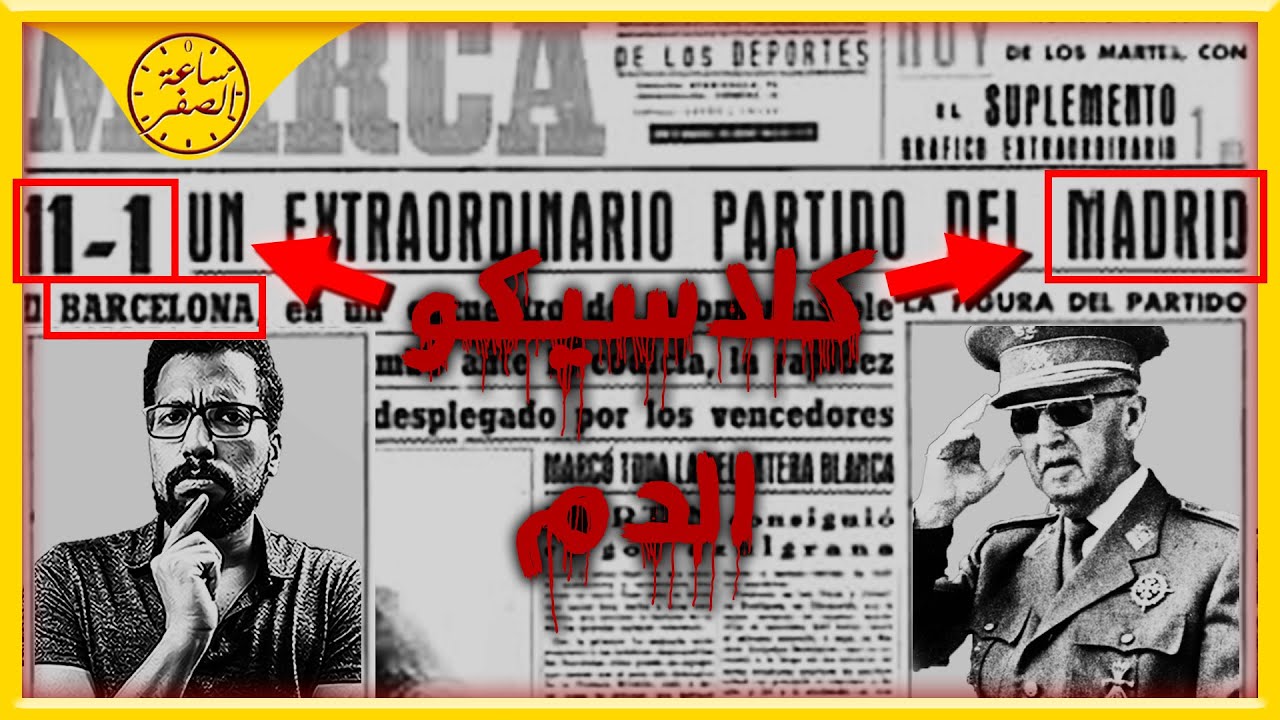













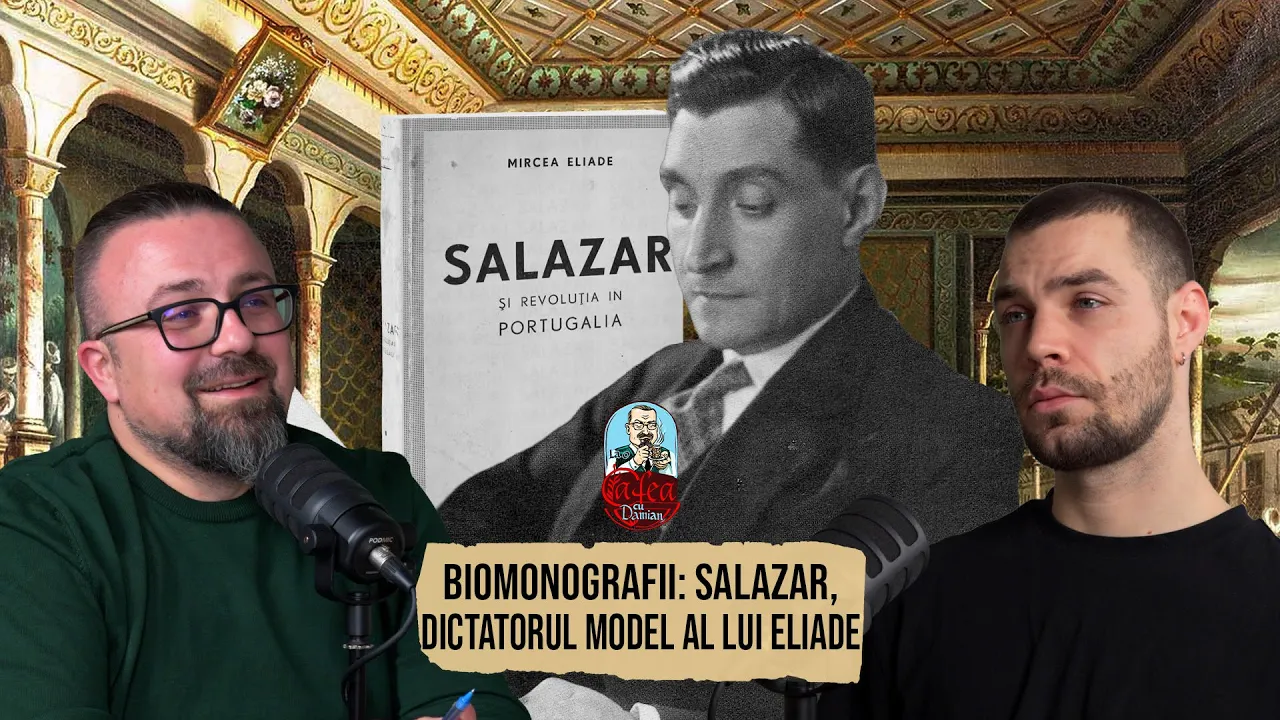


The Franco dictatorship, established by General Francisco Franco after the Spanish Civil War ended in 1939, lasted 36 years until his death in 1975; based on three ideological pillars—traditionalism, anti-communism, and Catholicism—with the Phalange as the sole political party, Spain initially faced international isolation after WWII but gradually gained recognition from 1950 onward, leading to a democratic transition that produced the 1978 Constitution and a parliamentary monarchy under King Juan Carlos I.
Franco's Spain: Dictatorship and Legacy (1939–1975)
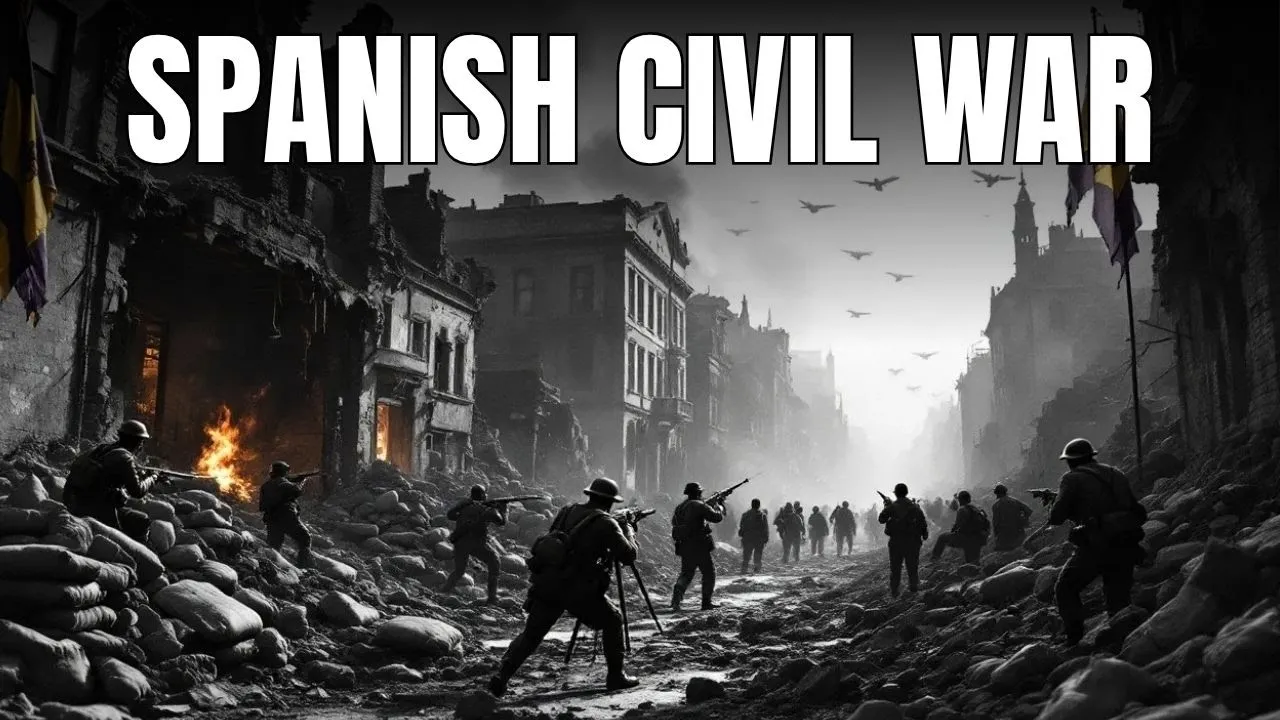
Added:The origins, factions, and outcome of the Spanish Civil War (1936–1939), which directly enabled Francisco Franco's rise to power.
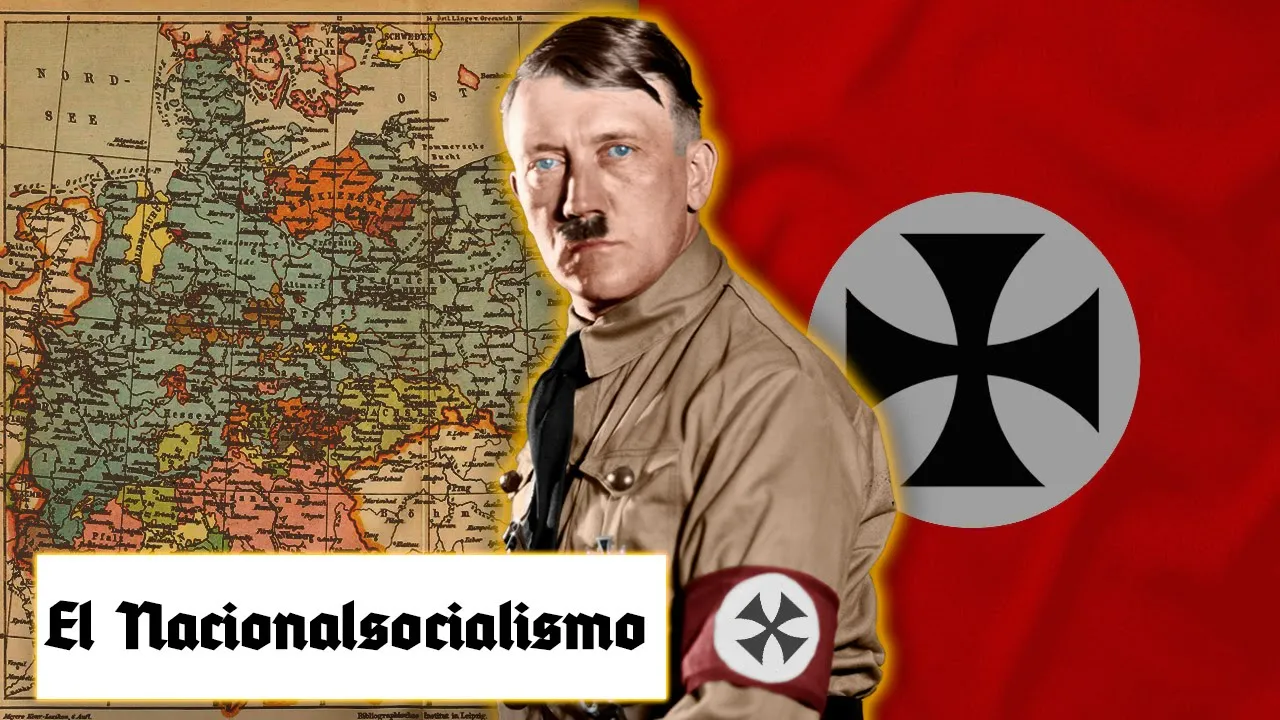
The ideological landscape of 1930s Europe, specifically the characteristics of fascism in Italy, National Socialism in Germany, and traditionalist conservatism.
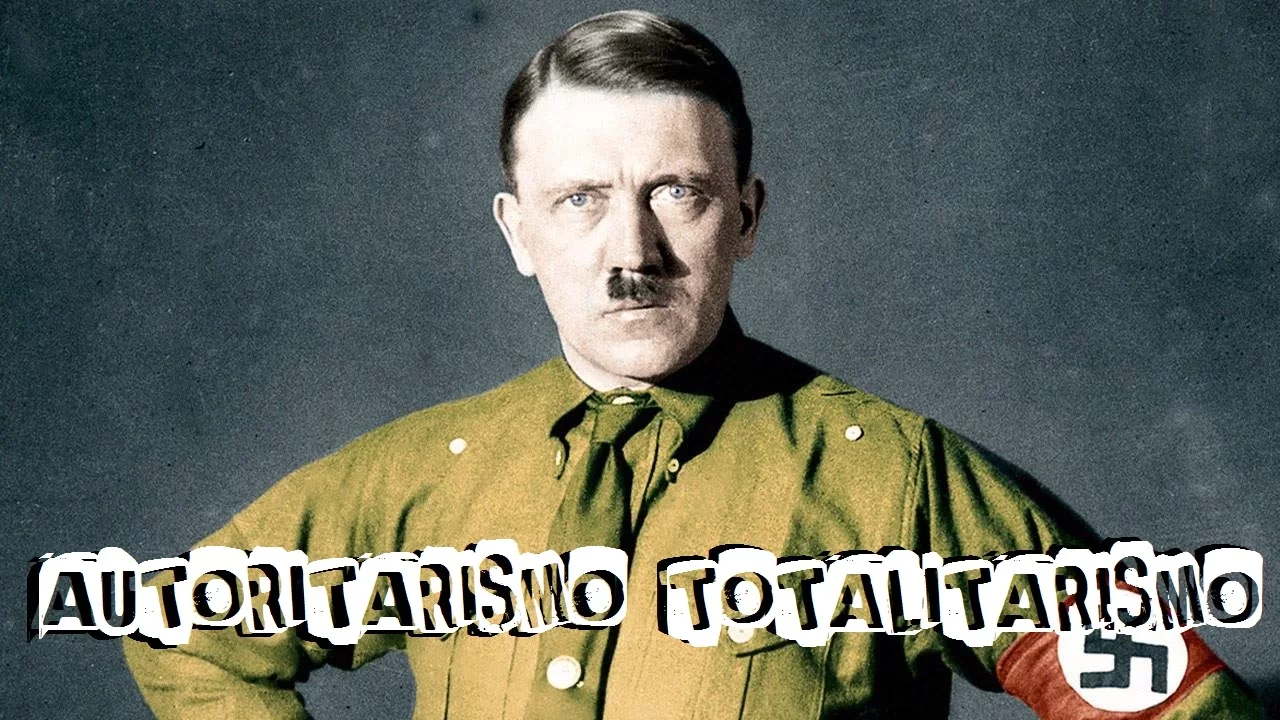
Basic political science distinctions between authoritarianism, totalitarianism, and military juntas.
The historic influence and social standing of the Catholic Church, the military, and the landowning elites in Spain prior to 1939.
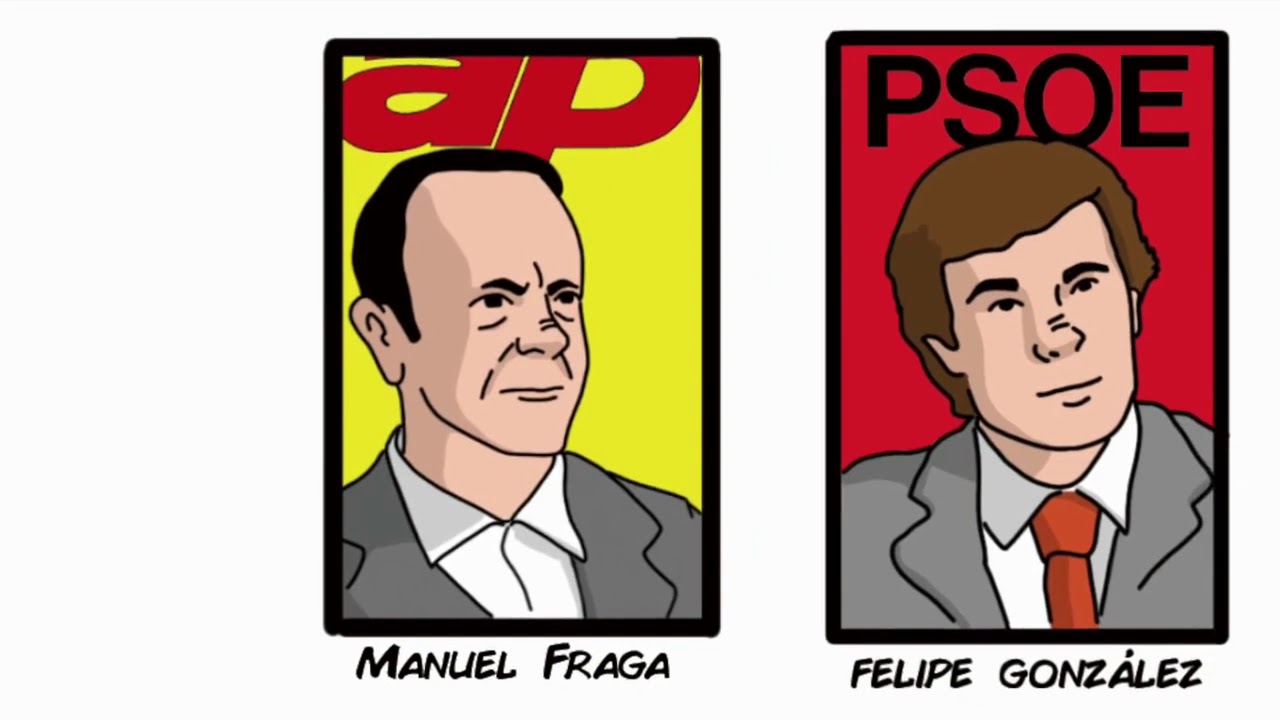
The Spanish Transition to Democracy ('La Transición'), analyzing how Spain peacefully dismantled the dictatorship and established the 1978 Constitution.
The concept of the 'Pact of Forgetting' ('Pacto del Olvido') and contemporary political debates in Spain regarding historical memory and exhumations.
Spain's integration into modern international frameworks, such as its entry into NATO (1982) and the European Economic Community (1986).
A comparative study of other mid-to-late 20th-century transitions from dictatorship to democracy, such as Portugal's Carnation Revolution or Argentina's democratic transition.
73K views1Klikes6:31Original Release: 2021-02-03
the franca dictatorship in 1939 once the spanish civil war had ended a military dictatorship was set up in spain over which general franco held all the power as reflected in the fundamental laws of the kingdom where he was the head of state and government head of the army and head of the only political party the phalange the franco dictatorship lasted for 36 years until his death in 1975.
francoism the name given to the dictatorship of general franco was underpinned by three ideological pillars traditionalism an ideology which was conservative in character characterized by the defense of institutions like the church the family order and propriety anti-communism a rejection of political parties especially those of a marxist ideology the catholic religion is the root of the spanish nation and centralism as the operational structure of the state in the first years of francoism all these ideological values were enforced by the spanish phalange also known as the national movement which was the only official political party the phallenge was founded by jose antonio primo de rivera in 1933.
in 1939 it represented the political arm of the franco regime however from 1945 onwards it began to lose political influence in favor of other groups such as the military the traditionalists or the technocrats concerning foreign affairs the franca dictatorship adapted itself to the evolution of the international situation during the second world war while spain declared itself neutral it clearly sided with the axis powers germany and italy who had significantly contributed to the nationalist victory in the civil war the franco-regime sent the blue division made up of nearly 50 000 soldiers who aided the german army to the russian front once the second world war was over the franco dictatorship was subjected to a hard international isolation by the victorious countries unsurprisingly spain didn't benefit from the marshall plan set up by the united states to finance the reconstruction of europe neither was it admitted to the united nations which was created in 1945 however from 1950 onwards the franco regime started to be recognized abroad the military alliance was signed with the united states with four military bases established in spain as well as the concordat treaty with the vatican in 1955 with the admission of spain to the united nations as a full member and with the visit to spain of general eisenhower the president of the united states the international isolation of the francois dictatorship came to an end the 36 years of the franco dictatorship can be divided into three phases the post-war years the years of economic development and the crisis and end of francoising in the first years of the post-war a repression of the opponents of the regime took place among whom figured a guerrilla movement the maki who fought the francoised army in the civil guard in the mountains politically even some key government positions were occupied by generals in this period there was a severe economic crisis whose greatest manifestation were rationing books economic development took place in the decade of the 60s with the stabilization plan of 1959 carried out by the government known as the technocrats which opened up the spanish economy to the outside world the conversion of the spanish currency to american dollars opened a way for more imports spanish gdp began to grow at a rate of over 10 percent per year opposition to the franco regime came mainly from the communist party which concentrated its efforts on the university environment and above all on the trade unions with the creation of the workers commission trade union in 1960 and the miners strike in asturias in 1962 at the end of the 60s the basque independence organization known as etta appeared which would soon become a terrorist group the crisis and the end of francoism came with a steady deterioration in the health of general franco which meant planning for the continuity of the dictatorship admiral carrero blanco was named president of the government in 1973 however that same year he was assassinated by etta in september of 1975 the political tension in the country reached its flash point with the death sentence and execution of five activists from the terrorist organizations of frapp and etta on the 20th of november 1975 general franco died thus opening up a new era in the history of spain the democratic transition started which would result in the spanish constitution endorsed by referendum in 1978 and the establishment of a parliamentary monarchy led by king juan carlos the first
Up Next
52:18
Franco's Spain: Legacy of a Forgotten Dictatorship | History Documentary
@SLICEHistory
267.9K views•2025-05-23

33:02
The Great Schism of 1054: Causes and Consequences
@SacredCathedrals
113.5K views•2026-02-19
91:57
The Geopolitics of the Ukraine War and the Rise of Global Autocracy
@JordanHarbingerShow
468K views•2025-04-19
17:05
Understanding the Cold War: Superpower Conflicts and the Road to Détente
@OverSimplified
46.1M views•2019-01-24
Related Study Plans & Knowledge Roadmaps
Structured learning paths in History
history
Byzantine Iconoclasm: Theology, Art & Politics
01Foundations of Byzantium and Early Christian Images
02The First Iconoclasm: Leo III and the Crisis of Images
03Empress Irene, Nicaea II, and the Second Iconoclasm
+ 2 more learning modules
9h5 modules
Explore Roadmap
history
Iranian Revolution (Causes, Events & Legacy)
01The Pahlavi Dynasty and the Roots of Discontent
02The Spark of Rebellion and the Rise of Khomeini
031979: The Fall of the Shah and the Climax of the Revolution
+ 2 more learning modules
8h5 modules
Explore Roadmap
history
Mali Empire: Mansa Musa, Trade & Timbuktu
01Foundations of the Mali Empire
02The Trans-Saharan Gold and Salt Trade
03The Reign and Pilgrimage of Mansa Musa
+ 1 more learning modules
6h4 modules
Explore Roadmap
history
1947 Partition: Politics, Borders & Legacies
01Foundations of British India and the Divide
02The Political Negotiations and the Mountbatten Plan
03Drawing the Boundary: The Radcliffe Line
+ 2 more learning modules
8h5 modules
Explore Roadmap