










![Les clés du regard [5] - Jan van Eyck](https://i.ytimg.com/vi/Tkq8LkUyV5o/maxresdefault.jpg)




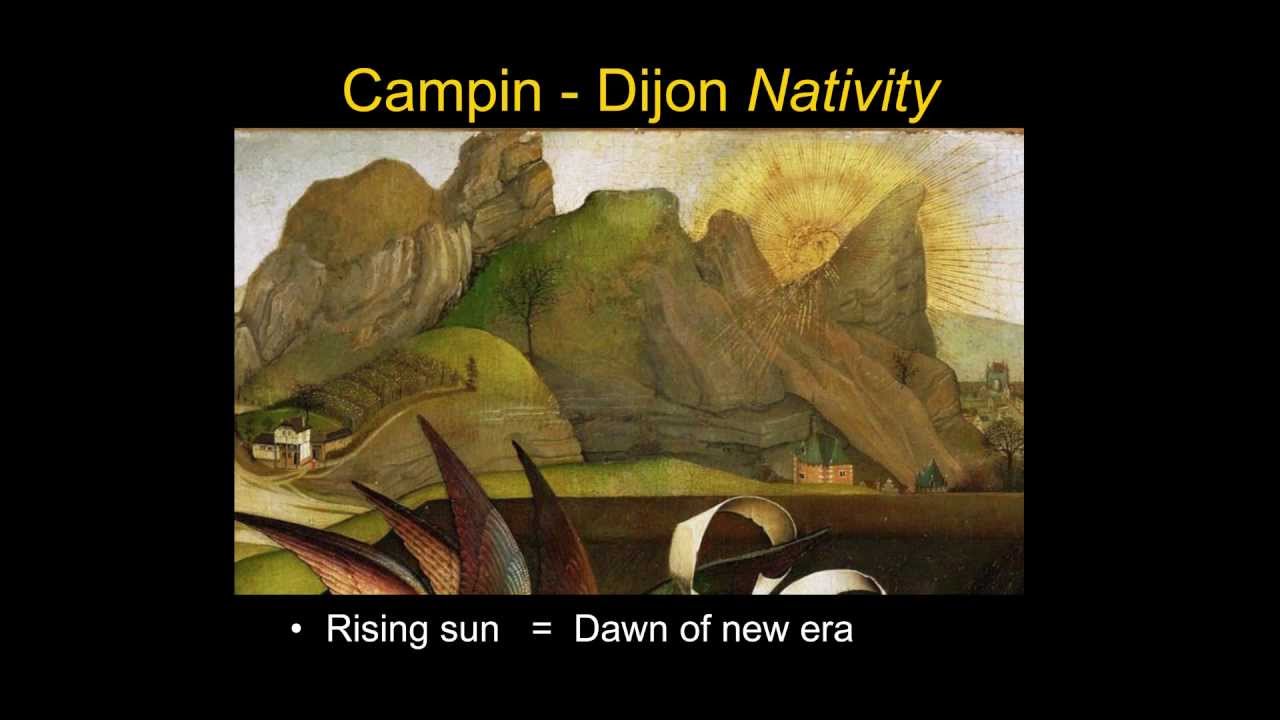


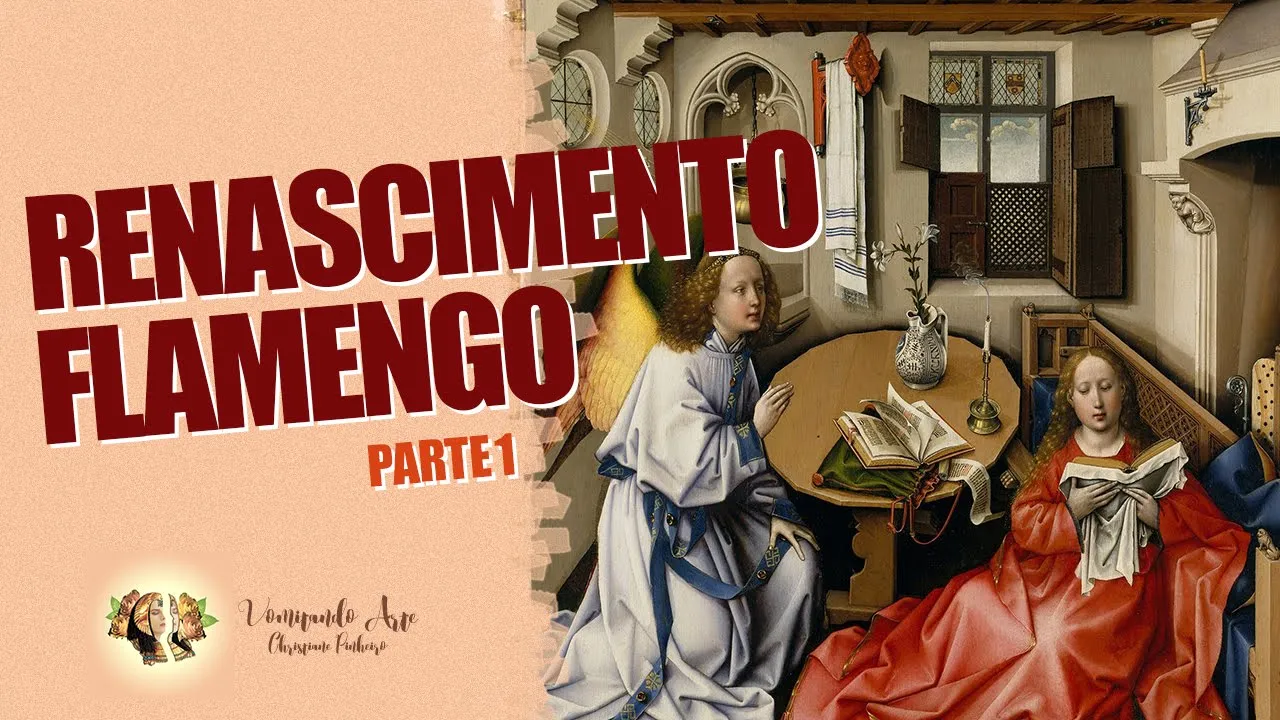
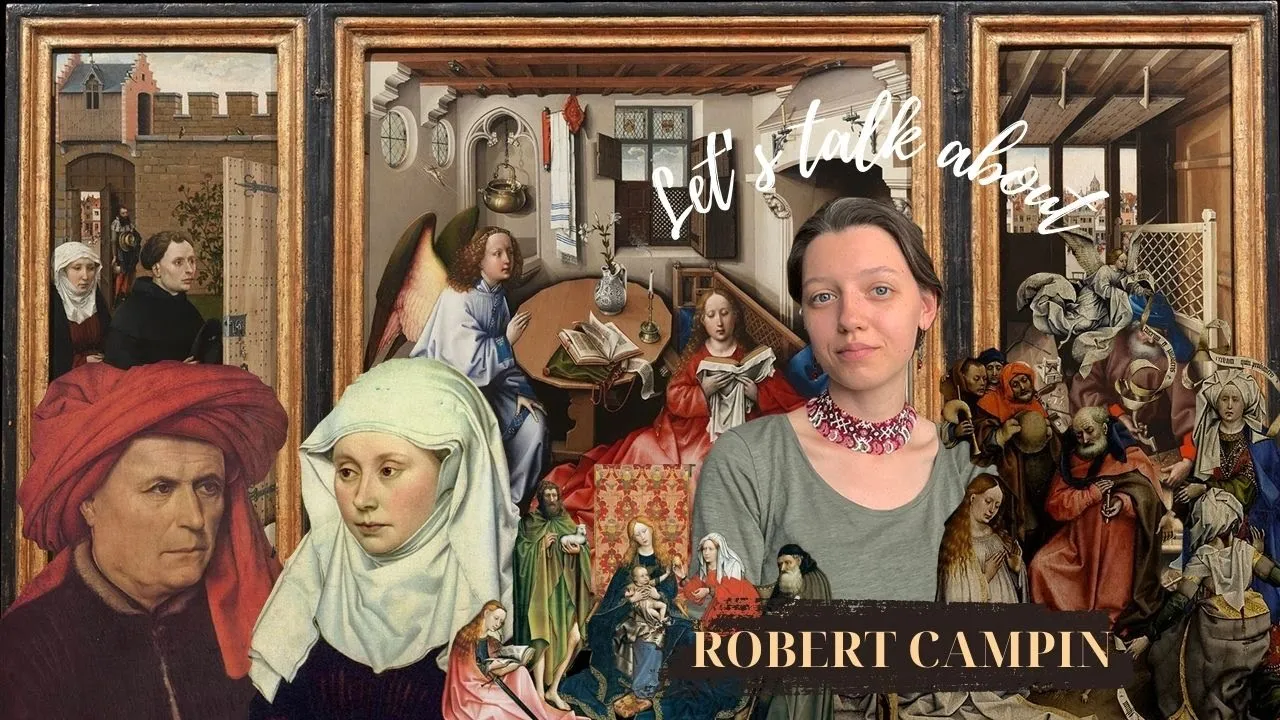
The Merode Altarpiece (c. 1425-28) by the workshop of Robert Campin exemplifies Northern Renaissance art through its exceptional naturalism, detailed observation of everyday objects, and integration of symbolic meaning within a domestic setting; unlike Italian Renaissance art which emphasized rational space construction, Northern artists used oil paint to achieve remarkable realism in textures, light reflections, and minute details such as rusted nails and candle smoke, transforming mundane household items into profound spiritual symbols that guided viewers from physical observation to theological contemplation.
Workshop of Campin, Annunciation Triptych (Merode Altarpiece)
Added:Understanding of the biblical narrative of the Annunciation, including the roles of the Virgin Mary and the Angel Gabriel.
Basic knowledge of the distinction between the Northern Renaissance and the Italian Renaissance, particularly regarding geography, medium, and stylistic focus.
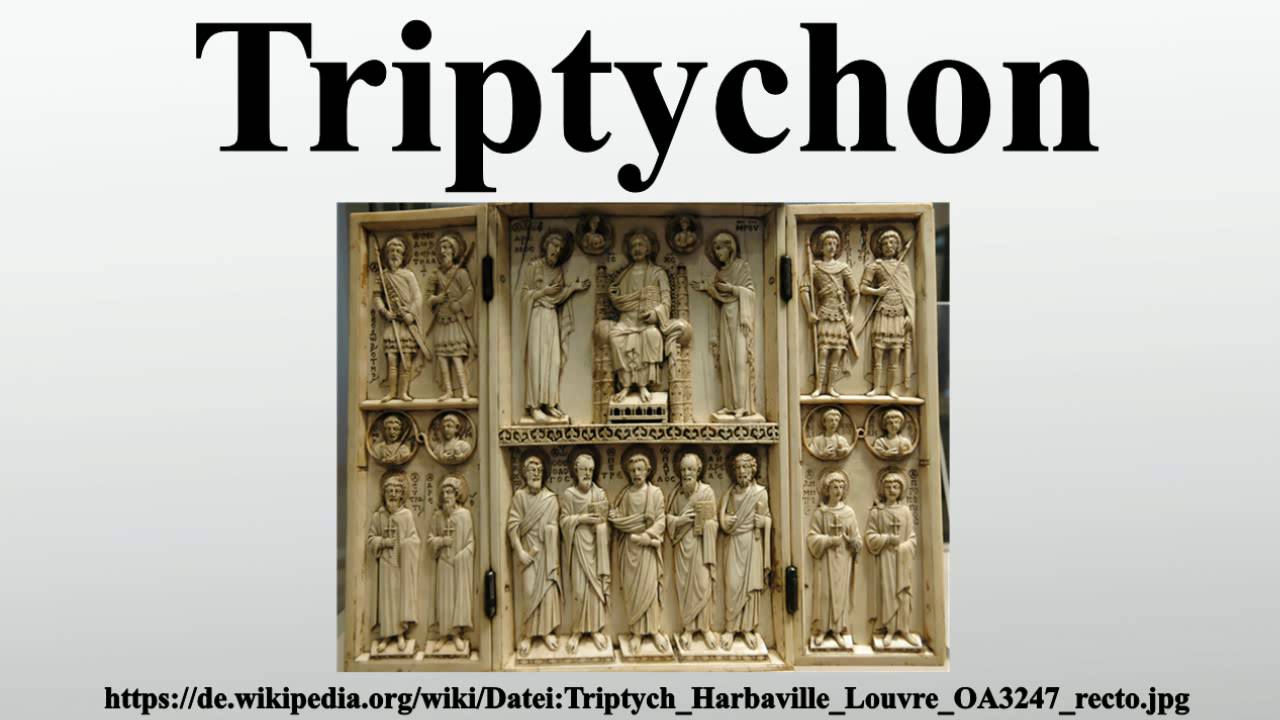
Familiarity with the format and function of a triptych as a three-paneled altarpiece used for both public and private devotion.
An introduction to the concept of 'disguised symbolism,' where everyday domestic objects in Flemish art carry deeper theological meanings.
An in-depth study of Jan van Eyck and Rogier van der Weyden to compare their handling of detail, space, and emotion with Robert Campin's workshop.
Exploration of the technical shift from tempera to oil paint, focusing on how Flemish masters used glazes to achieve unprecedented realism, light, and texture.
Investigation into the art-historical debate surrounding attribution, specifically the identity of the 'Master of Flémalle' and the collaborative nature of 15th-century workshops.
Analysis of how the Devotio Moderna movement and changing religious practices influenced the demand for highly realistic, domestic devotional art in the Low Countries.
183K views1.2Klikes11:52Original Release: 2016-02-24
(soft piano music) - [Voiceover] We're in the cloisters, which is part of the Metropolitan Museum of Art in upper Manhattan looking at one of their treasures.
This is a painting that for a long time was known as the Merode Altarpiece, but is now known as the Annunciation Triptych.
And for a long time too we thought that the painter was Robert Campin, but now the current thinking is that this is from the workshop of Robert Campin.
Campin was a very successful painter in Tournai in Northern Europe.
He had assistants and apprentices and obviously a large workshop.
Tournai was part of the Burgundian Netherlands, this tremendously wealthy place where luxury goods were being produced, where there was a level of mercantile activity that had been rare during the medieval era.
So we have all of this new-found prosperity here in Northern Europe, and there's an increasing interest in commissioning paintings as aids in prayer for people to use in their homes.
Look at the scale of this painting.
This is not a grand altarpiece, this painting is only about two feet tall.
Because it's a triptych, it can be folded up and almost put under one's arm and carried to another room.
And what's fascinating is that the central scene of The Annunciation looks like it's taking place in the living room of someone who lived in this area of Northern Europe in the 1400s.
So hold on.
We're seeing the archangel Gabriel and the virgin Mary, and a scene that would have taken place 1500 years before this painting was made, and yet we're seeing them in a modern context.
And when we first say this it sounds like it's meant to secularize this scene, to bring it into the real world, but actually the opposite is true.
This biblical scene of the annunciation is taking place in a Flemish household precisely to make these figures of Mary and Gabriel closer to us, to make our prayer more profound, to bring us closer to God.
We know something about the order in which this was painted.
The annunciation was painted first, and possibly on spec, that is, it was painted in the hopes that somebody would come along and want to buy it.
And we know that the donor was added and then he was married, and the woman was added.
And the gatekeeper behind her was also added at that time.
And it's interesting to think about this being painted on spec.
Normally paintings are commissioned, but here, in an increasingly trade-oriented culture, it makes sense that artists would start painting things in the hope that they would get patrons.
Let's start on the left.
Let's start with the donors.
When we say donors we're referring to the patrons, the man and his wife who commissioned this painting, and they're shown kneeling, which is a typical position and makes it easy to recognize them as donors.
They're set within a walled garden which has important symbolism in late medieval and rennaissance art which often refers to Mary's virginity.
In Latin this is known as the hortus conclusus, a closed garden, but we know we're in the northern renaissance because we've got an incredible amount of detail.
When we think about the Italian Renaissance we think about artists paying real attention to a rational construction of space, and an interest in the anatomy of the body, but here in the north, the artists pay attention to everything, whether it's the nails or the bolts on the door or the plants in the foreground or the birds that are on the ledge of the crenelated wall in the background.
I particularly love the rose bush and the foliage in the very foreground, but you mentioned the nails that hold those planks of wood together that make up the door, and if you look at those nails, each one is defined by a bit of a shine and a bit of a shadow, and we can even see traces of rust that is staining the wood below, so we understand that this door is old and has rusted.
The level of detail is astonishing.
And an interest in light, which we'll see throughout this triptych, this is one of the things that the artists of the northern renaissance can do because they have oil paint, they can paint texture and light reflecting on surfaces like metals in a way that artists of the Italian Renaissance, who didn't yet have oil paint, couldn't do.
And we can see that beautifully if we look at the key in that door, we can see that the key has a shine and it is casting a shadow.
But this is the large door in the foreground.
We can see that level of detail even in the door in the background, and beyond that, we see a Flemish city.
And figures on horseback, and figures in a doorway, and another woman sitting on a bench.
The artist is paying attention to everything equally when you would think that some things would be more important than others.
So let's move on to the Annunciation scene in the center.
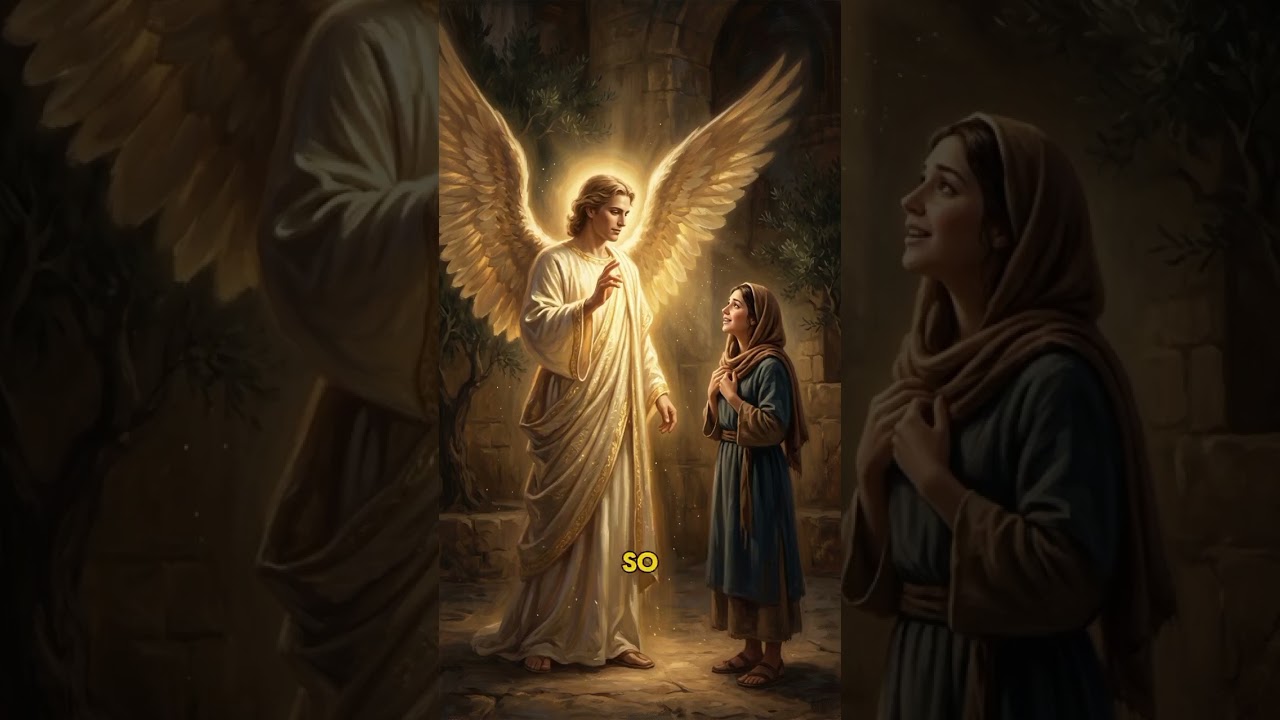
The archangel Gabriel has just appeared to Mary and is announcing to her that she will bear Christ, that she will bear God.
This is such a beautiful example of early northern renaissance painting, easily identified by the way in which the drapery that's being worn by Gabriel the archangel on the left and the virgin Mary on the right is portrayed, look at the sharp folds, the complexity of the way in which that thick fabric falls on the floor.
It's not actually the way drapery falls.
The cloth is thick and it largely obscures those bodies.
When you look at this painting you're struck immediately by how much stuff, how many things there are in this small room.
A bench and a table and a vase and a candle and a towel or shawl in the background and a basin and candles and a fire screen and a fireplace, there's a lot here.
Remember, this painting would not have been looked at as we now look at it.
We go into a museum, we may spend a few minutes looking at it.
This was a painting that would have been seen over and over again, and so there is, I think, a real effort to maintain an interest, to develop one's focus.
And so we can say that everything in this painting, or most things in this painting, would have led the viewer from these physical objects to spiritual ideas.
And in fact, everything in this painting has a purpose, has a meaning.
And of course much of that is lost.
This painting is hundreds of years old, and art historians speculate about the original meaning of these things.
But we can recognize some things with certainly.
So, for example, that shiny pot in the background that reflects the light from those two windows, that is a symbol of the virgin Mary, of her purity, of her sinlessness.
Perhaps the most obvious symbol is the representation of a small figure holding a cross that seems to be gliding down golden rays that come through the round window that is closest to us.
It is heading right for Mary, and this is the holy spirit, but it's unusual because normally we would expect to see a dove, a symbol of the holy spirit.
This is the moment when God is made flesh, when one world ends and another world begins, the world where it's possible for human beings to be saved because of Christ's death on the cross.
And so a lot of the symbols that we see here have to do with this idea of the incarnation of God and of Mary's virginity.
So what's astounding here is the level of realism.
The candlestick and the candle, and that's exactly what happens to the smoke when a candle is just snuffed out, it goes straight up and then it curls back and forth on itself.
It's so carefully, minutely observed.
There are places, for example in that basin in the niche on the wall where we see a double shadow because there are two slightly different sources of light, so we have incredibly carefully observed items, but the space of the room doesn't make sense.
Well, it doesn't make sense to us since we live after Brunelleschi developed linear perspective in Italy, actually an idea that's just developing as this painting is being made, but those ideas have not been transmitted up to the North yet.
So the result is that the floor is too steep, the space is not mathematically accurate according to the rules of linear perspective.
We're looking at the top of the table and the side of the table at the same time, that bench is rather thin and elongated, but none of this is anything negative, what we have in the Renaissance is this interest in naturalism.
Whether you're in northern Europe in the Burgundian Netherlands, or whether you're in Italy, but a realism that's expressed very differently in each place.
For me the distortions of space actually work very well here.
They create a kind of telescoping that brings me in, it creates a kind of closeness to the forms, and makes this sumptuous interior even more available.
And that makes sense given the purpose of this painting, which was to aid in private devotion, that it would draw you in, that you would need to spend time focusing on these things which appear to be everyday objects, but which are also symbols of theological, spiritual ideas.
Imagine what it must have been like to make this painting.
Imagine holding a brush with a single hair on it in order to render the Virgin Mary's golden hair, and I think that emphasis on making is probably most evident in the panel on the right, where we see Joseph, Mary's husband, a carpenter, who is in the act of making.
And he's surrounded by his tools, so just like the scene of Annunciation in the center, there's so much to look at here.
Art historians have spent a lot of time trying to decipher what each object means.
We're relatively confident that the object that's out the window and the object that is to Joseph's right are mouse traps.
Saint Augustine said that the cross of the lord was the devil's mouse trap, the bait by which he was caught was the lord's death.
So even as we're seeing a painting that is celebrating the coming of Christ, we see references to Christ's death.
And we also have other references to Christ's death, likely in the objects that surround Joseph.
We've got wood on the floor next to him and an axe, perhaps a reference to the cross that Christ was crucified on, or even the fact, to me, that Joseph is boring holes in wood reminds me of the holes from the nails that Christ received in his hands and feet.
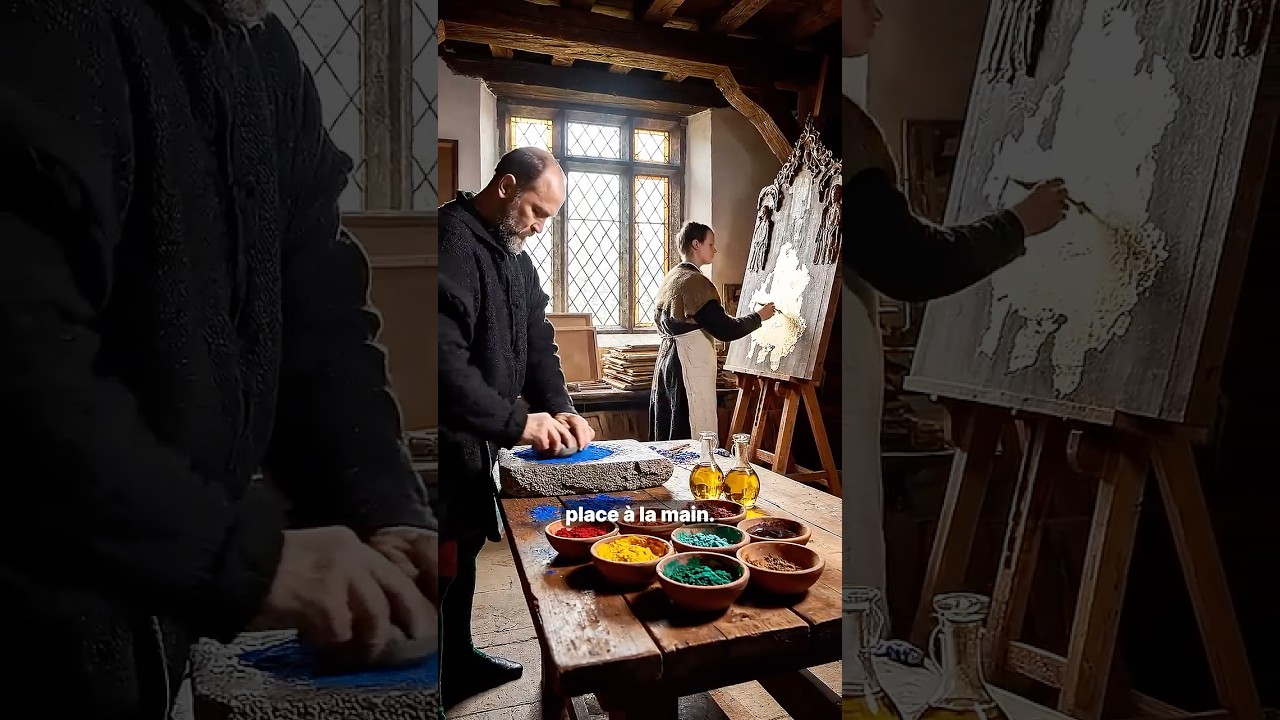
What that workshop reminds me of is that this is an object that was made by hand, that this is not an artist who went to the art supply store and bought his paints and bought a pre-stretched canvas, this is actually painted with oil on panel, and so it is made of wood, it was crafted.
I think there is a kind of pride here in the reference to Joseph as a carpenter, and the artist here as a maker as well.
When we look closely at the Joseph panel we see an open doorway, and the shadow on the wall is a sort of odd shape.
There's all of these wonderful observed moments.
If you look at the shutters that are open against the ceiling, you can see nails, and you can see actually the stain marks from the rust of those nails, because of course, naturally, they would be down and outside.
And so you can imagine someone in the 15th century looking at these details, looking at the axe, the wood, the tools, even that object that looks like a cross on the work table, and being led from these objects to ideas about Joseph and Christ's sacrifice on the cross and humanity's redemption.
If we look through the window we can see this prosperous city with merchants and people strolling and goods for sale.
The mouse trap is out of Joseph's window because it's for sale.
So the naturalism of the Renaissance, serving that mercantile culture and their interest in things, but also used here to aid devotion.
(piano music)
Up Next
12:57
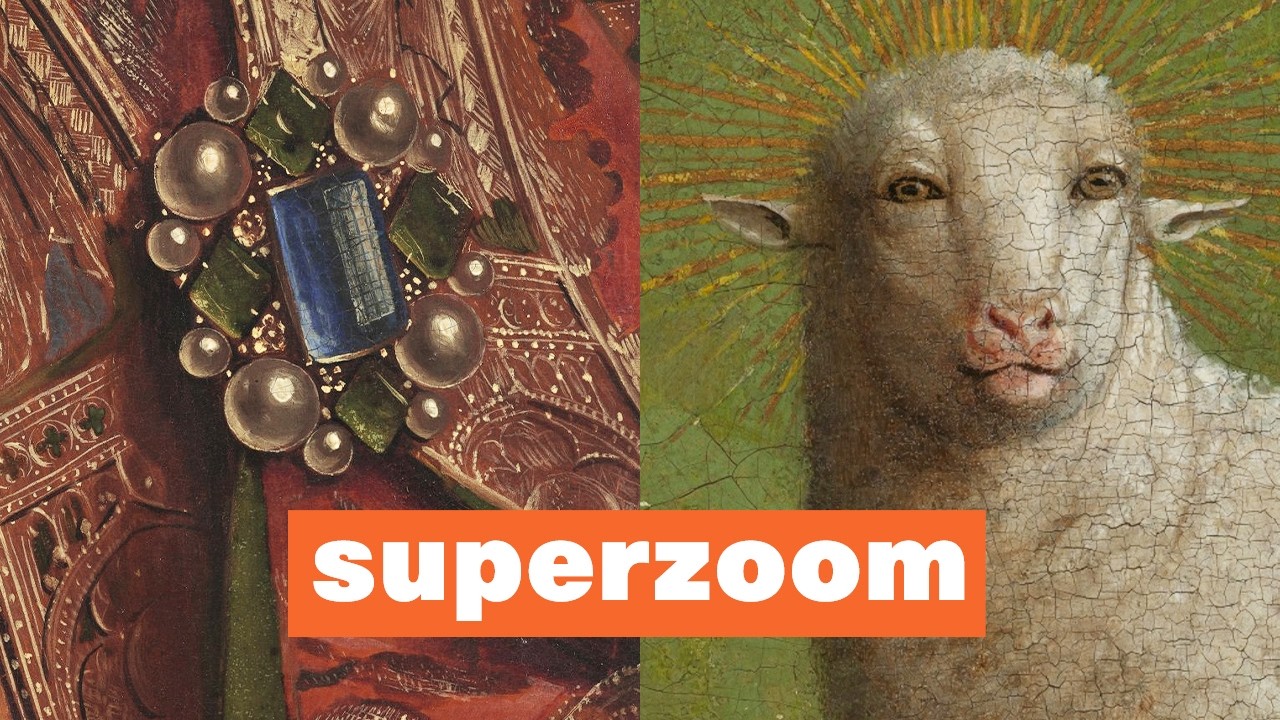
Why Jan van Eyck's Ghent Altarpiece Is a Masterpiece of Detail
@TheGaze
39.9K views•2026-02-13

114:18
Christian Iconography: History, Theology, and Meaning | Fr. Panayiotis Papageorgiou
@Trisagionfilms
58.8K views•2020-02-21

10:26
Redgrave's The Sempstress: Victorian Social Realism, 1846
@smarthistory-art-history
3.2K views•2011-10-22

16:34
Earliest Depictions of Jesus in Art: 10 Ancient Images Explained
@UsefulCharts
5.9M views•2022-06-03
Related Study Plans & Knowledge Roadmaps
Structured learning paths in Art History
art-history
Gothic Cathedrals: Engineering, Light & Society
01The Birth of the Gothic: Romanesque to Suger's Vision
02The Structural Triad: Pointed Arches, Ribbed Vaults, and Flying Buttresses
03Theology of Light: Lux Nova and Sacred Geometry
+ 2 more learning modules
14h5 modules
Explore Roadmap
art-history
Pre-Raphaelites: Realism, Symbolism & Critique
01The Victorian Art Establishment and Academic Formula
02The Founding of the PRB and Radical Realism
03Medieval Revivalism and Literary Symbolism
+ 1 more learning modules
8h4 modules
Explore Roadmap
art-history
Street Art: From Subways to Art Market
01Subcultural Origins in Philadelphia and New York (1970s)
02The Subway Era and Style Wars (Late 1970s - 1980s)
03The East Village Scene and Early Gallery Crossover
+ 2 more learning modules
10h5 modules
Explore Roadmap
art-history
Classic Maya Art: Iconography, Glyphs & Ritual
01Foundations of Classic Maya Visual Culture
02Deciphering Maya Hieroglyphs & Text-Image Integration
03Sacred Geography and Cosmological Architecture
+ 2 more learning modules
14h5 modules
Explore Roadmap