





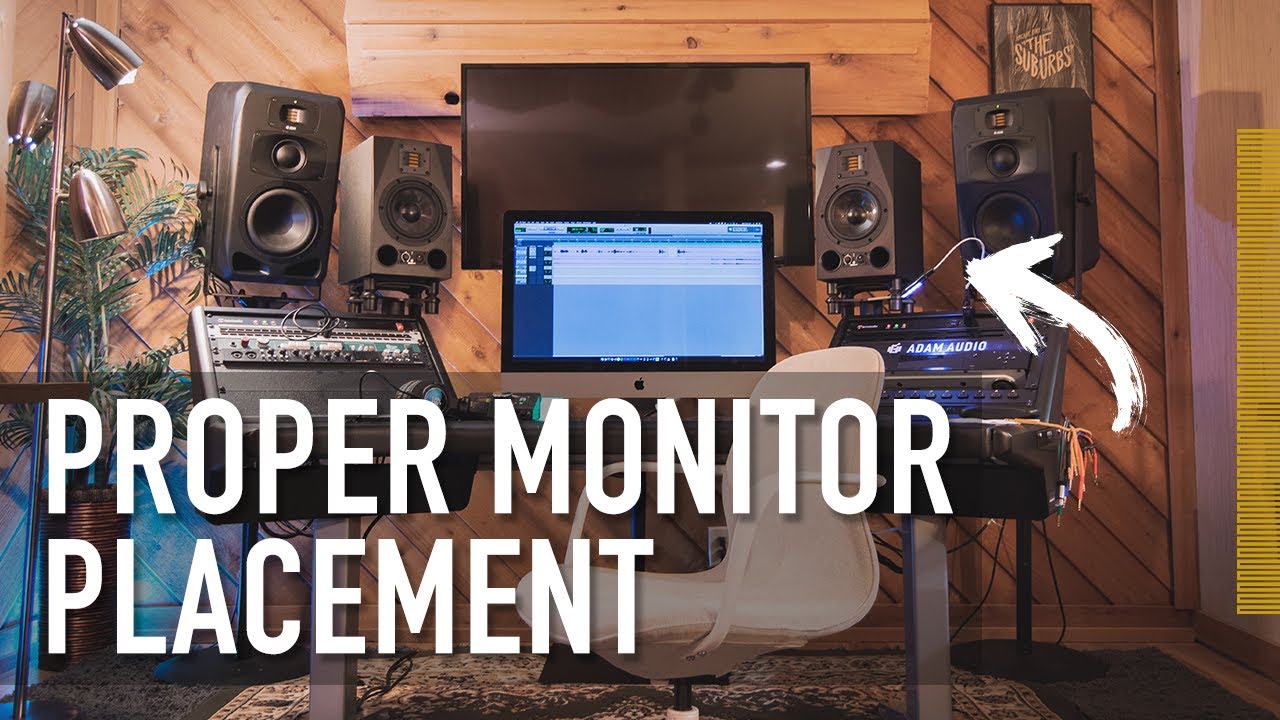












To achieve optimal sound quality in a listening room, follow these five steps: (1) Select a room with favorable dimensions that distribute standing waves evenly; (2) Position speakers and listening spot using measurement tools to minimize room mode effects; (3) Install bass traps in corners and broadband absorbers on walls and ceiling to treat standing waves and reduce RT60 decay time; (4) Add diffusion panels to maintain natural sound character; (5) Apply room correction software to fine-tune the frequency response. Proper positioning alone can significantly improve frequency response before any physical treatment is added.
Room Acoustics: Step-by-Step Listening Room Setup & Treatment Guide
Added:Fundamental wave physics, including how sound wave frequency (Hz), wavelength, and amplitude interact with physical spaces.
The basic principles of sound propagation, reflection, absorption, and transmission when encountering different boundaries and materials.
An understanding of basic audio concepts, such as speaker dispersion patterns, frequency response curves, and the 'sweet spot' in a stereo field.
Introduction to psychoacoustics, particularly how the human brain perceives direct sound versus early reflections and reverberation.
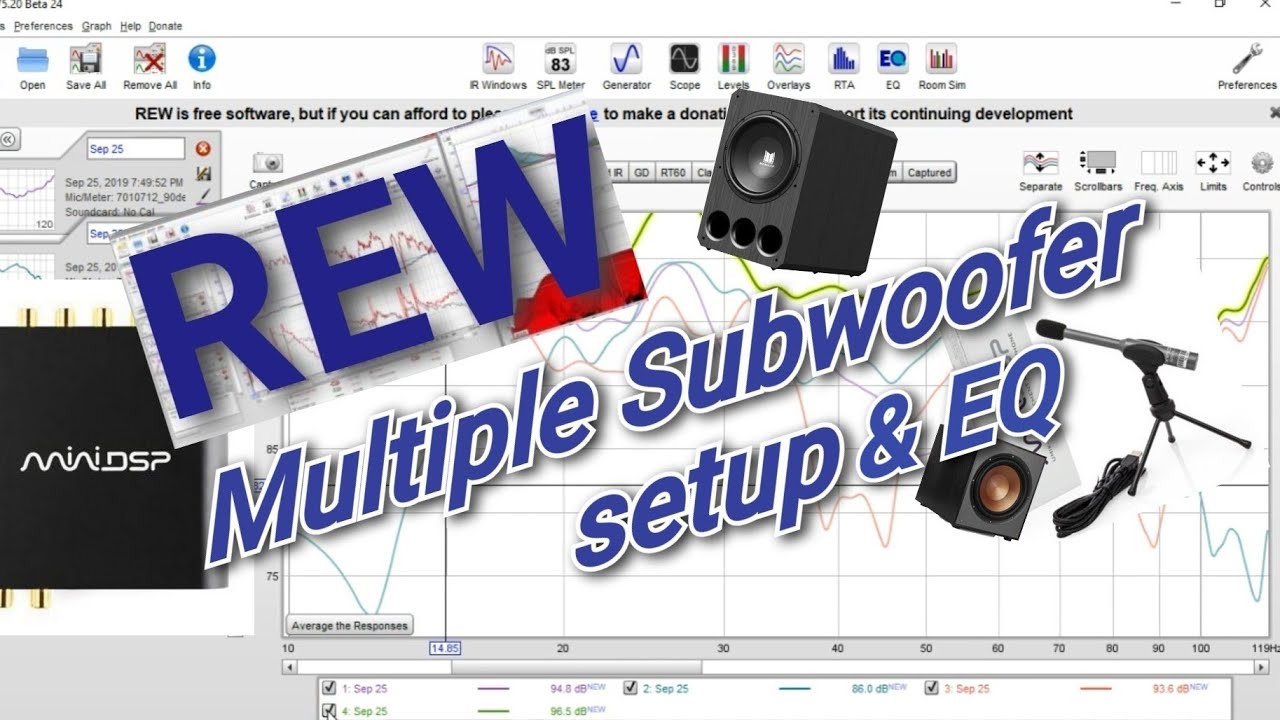
Advanced acoustic measurement techniques using specialized software (like Room EQ Wizard) and calibrated microphones to analyze impulse response and RT60 decay times.
The design and implementation of acoustic diffusers (e.g., QRD or skyline diffusers) to manage flutter echoes without deadening the room's energy.
Architectural acoustics and sound isolation (soundproofing) principles, focusing on decoupling, mass, and damping to prevent sound leakage.
Multi-subwoofer optimization (MSO) and advanced low-frequency management to achieve a consistent bass response across multiple seating locations.
164.1K views5.4Klikes20:57Original Release: 2023-05-28
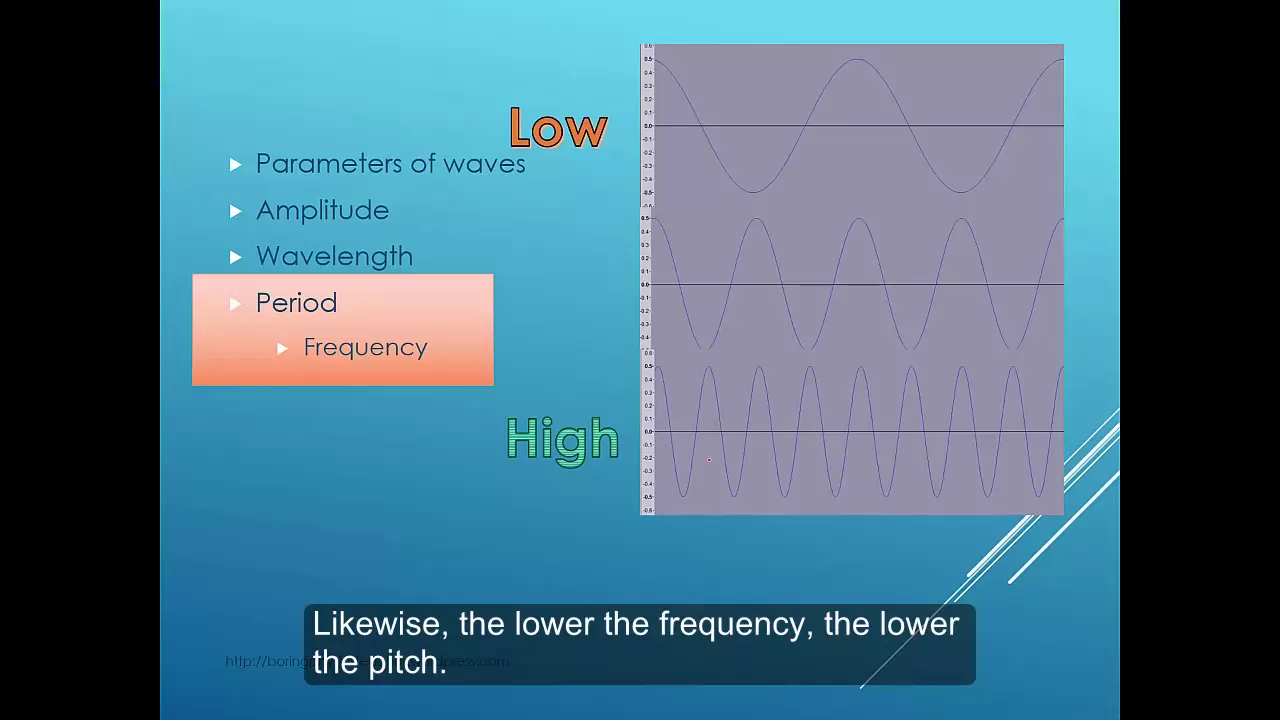
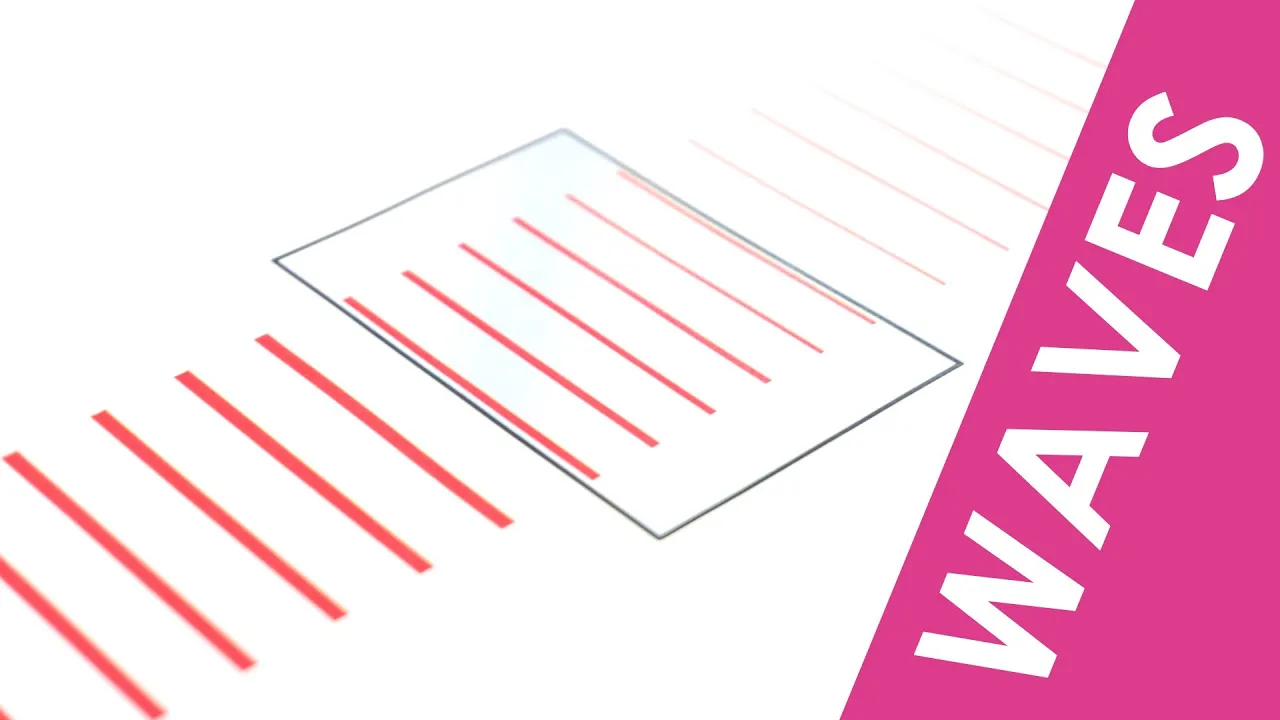
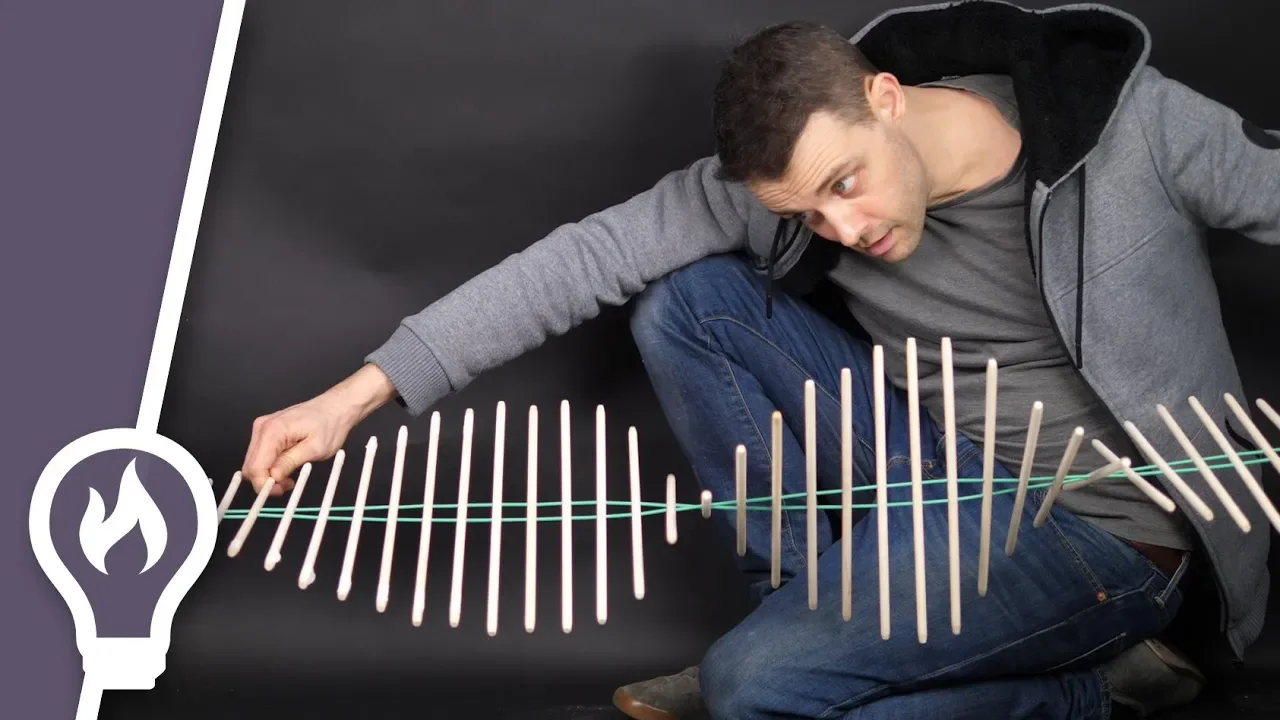
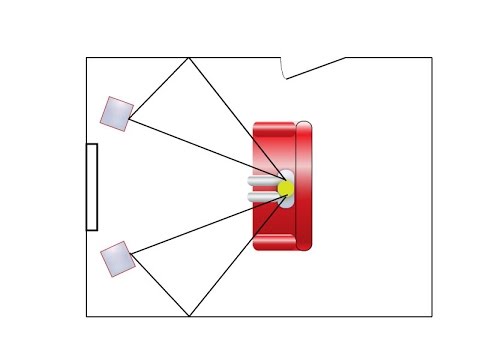
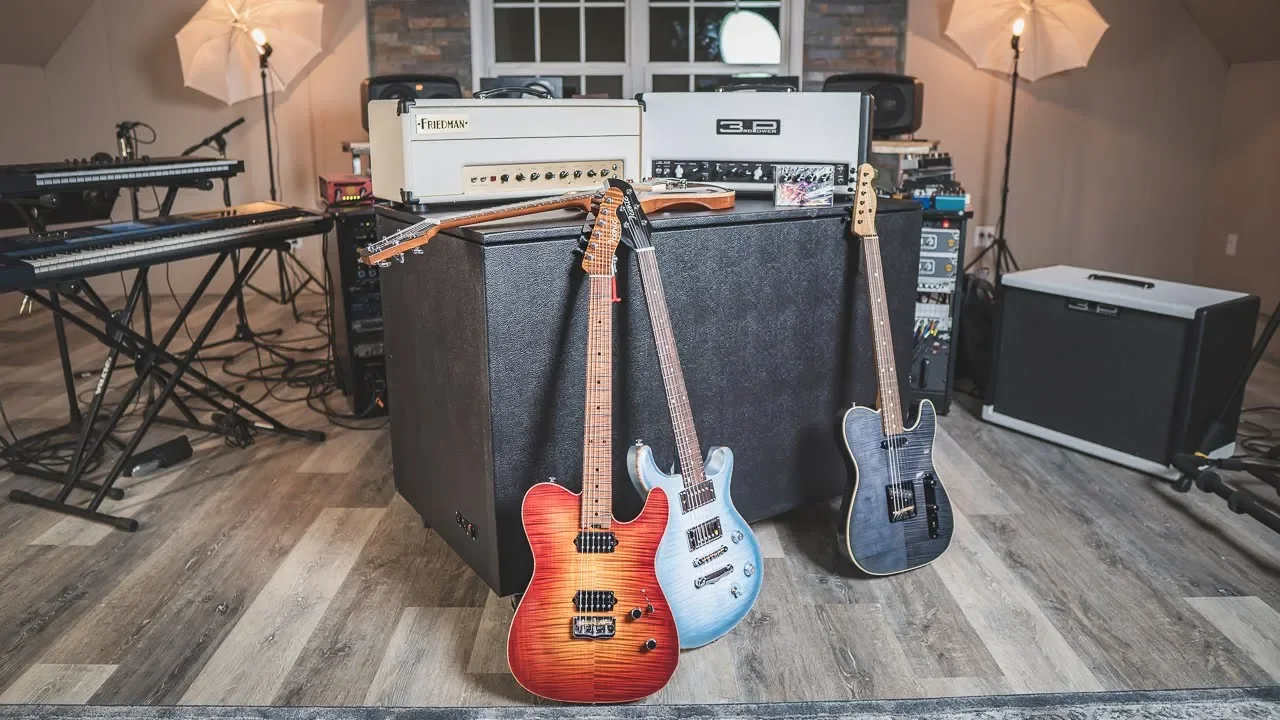
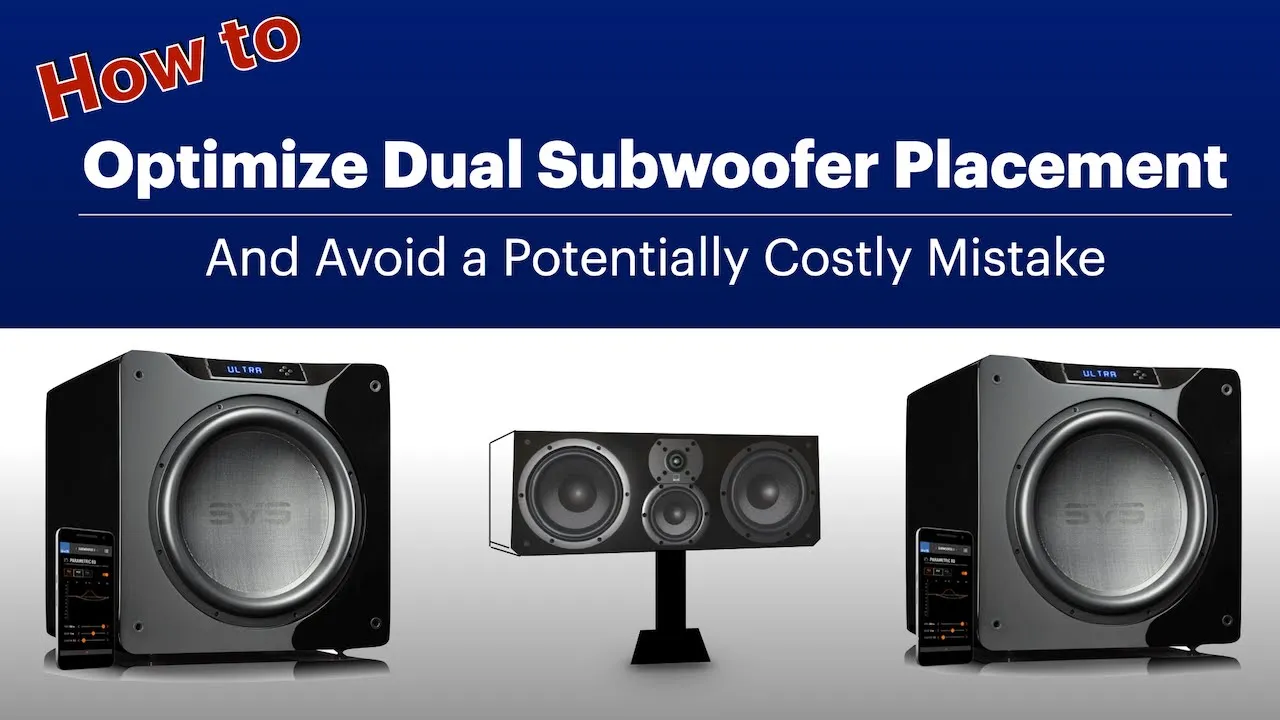
okay what this is like kind of wild there are sounds touching my ears right now and the speakers are all the way over there dude I've heard a lot of speaker systems this is really really up [Music] there something that we often take for granted when using headphones is just how easy it is to get them sounding as they should you put them on your head and that's it but with speakers things can get a little bit more complicated and even the very best speakers in the world can sound terrible if the room that they're in isn't up to the task or even if they're just positioned badly in a good room but this video will not just be a lecture on the theory behind room Acoustics and treatment this is my new Listening Room it's where I'm going to be spending time reviewing decks amps and speakers but whil it sounds pretty awesome now it did not when I started and so I'm going to show you with measurements how I turned it into a fantastic listening space and we're going to do this in four main steps we're going to talk about picking the right room to start with how to position things properly Within how to treat standing waves and room modes and how to treat Reflections and Decay we'll also touch a little bit on room correction as a cherry on top but this is your step-by-step guide to making your room sound excellent I'm golden sound and you're watching the headphone show by headphones.com making a room sound great is not a case of just buying a load of treat M slapping it on the walls and calling it a day how you set up that treatment as well as your speakers and listening position makes all the difference but the very first step to attaining a great sounding Listening Room is to pick the best room to start with because some rooms will be very easy to treat and others will be hugely problematic without vast quantities of treatment so why is this and how do you know whether a room is going to be ideal let's have a look if I play a low frequency tone through the speakers and measure the volume at this point in the room it's quite loud but then I take one step and it drops by almost 10 DB well this is due to the first of the two big acoustic issues that we'll talk about in this video Standing waves also referred to as rub modes a standing wave is what happens when the length of a wave matches with the length of the medium it's traveling through and reflecting at the other end in this case the sound in the air in our room there's points where the amplitude of the two waves combin to create a larger amplitude and points where they cancel each other out you can see this with a rope or Slinky fixed at one end send a way through it at the right frequency and as it reflects back it combines with the wave in the other direction and creates a wave that appears to be standing in place rather than moving continuously hence standing wave and you can also do this with multiples of that frequency as sound travels through the room and reflects back the other way there will be a frequency with a wavelength that matches the dimensions of your room and you get the same effect there'll be positions in your room where the room modes cause a big increase in certain frequencies and then you take a step or two in one direction and the volume drops massively this is a problem problem because we want to listen to the music as close to as intended as possible we don't want the room itself coloring things by massively boosting or canceling out certain frequencies the length of my Listening Room is about 7 m and using a calculator we can see that the frequency of sound in air with a wavelength of 7 m is about 50 HZ so we'd expect that even if we're using completely flat speakers we'll have remotes at 50 HZ and multiples of it 100 150 and so on but there's also going to be REM modes caused by the width and the height of your room so if you want to see where all of your R modes are put your Dimensions into a tool like amrock which is linked in the description this will tell you what frequency your R modes are and show you a visual representation of where those standing wave Peaks will be in your room ideally you want your room modes to be as evenly spread out as possible if you've got multiple room modes at or close to the same frequency it's going to be harder to treat and square rooms in particular are the worst for this because well you'll have the same frequency standing wave in two different directions which makes it really hard to fix so if you do have a choice as to which room you're going to put your listening setup in plug your dimensions for the potential rooms into a tool like this and see which one has the most ideal distribution of room modes you can also treat and alleviate standing waves with a few different methods but before that you should start by setting up your speakers and listening position such that the standing waves are as small a problem as possible in the first place so let's talk about [Music] positioning good positioning can take your system from having an in room frequency response with big problematic Peaks and nulls to one that's relatively even no treatment no changing gear just putting things in the right spot now quite a lot of you watching may not have too much flexibility with where you can actually place your speakers or your listening position if you're in your living room for example and if that's the case you've kind of just got to work with what you've got but if you do have some flexibility with where you can put things or if you're fortunate enough to have a dedicated room here's what you do I would highly recommend that you get a measurement microphone as it's going to be incredibly useful in dialing in your room the umic is a good USB powered measurement mic but if you have an audio interface I would strongly recommend getting an XLR based one such as the sonar works xf20 as this is both cheaper and it will allow for some more flexibility with room correction tools later down the line let's start by finding the ideal listing spot in your room now if you have a standard rectangular room your listening spot should probably be placed facing the shortest wall and either 38% of the length of the room back from the front wall or 38% the length of the room away from the back wall if you're able to use most of the room for your listening setup this position in theory minimizes the impact of room modes in a standard rectangular room but if you don't have a rectangular room or you just want to verify that this is the best listening spot in your room here's what you do start by placing a single speaker in the very corner of the room this is going to deliberately excite as many of the room modes as possible so that we can find a point in the room for listening where those standing waves balance out in a way that gives us the most even frequency response to work with with your speaker in the corner use a tool such as room EQ wizard to play white noise through that speaker with a range of 10 HZ to about 500 HZ we're focusing on low frequencies here and you don't want to deafen yourself with high frequency noise then open up the fft or real-time analyzer and I'd recommend setting the smoothing to something moderately low or to Psycho acoustic for this step and slowly walk down the center of your room with the measurement mic held at the height your ears will be when you're seated in the listening position and find the point where the first few hundred Hertz are as even as possible you're not looking to get it flat that's effectively impossible at this stage you're just trying to find a point in the room where the frequency response is relatively even and you don't have any big Peaks or nulls if you can keep everything within Plus orus 60b or so you're doing quite well if you don't have a measurement mic which I really recommend that you get one it will make a big difference but if you're doing this by ear then play something with some very low frequency content which you know very well and just listen for where it sounds most correct But whichever way you're doing it be patient and take it slow 10 cm can make all the difference once you think you found an ideal spot set the fft to run a few averages and perhaps turn the smoothing down bit as well then whilst the fft is averaging slowly move the microphone around your potential spot in a 30 cm or so sphere this just checks that the result you're seeing is going to translate to what you're hearing because there can be some situations where a very finite fixed spot might produce a different result than an actual moving average around it but once you found your ideal spot place a marker on the ground and this is going to be your listing position so with the listing position located now we need to find the ideal position for the speakers themselves take your speaker out of the corner and move it to a potential location then repeat the measurement technique where you move the microphone around the listening spot whilst the fft runs a few averages and do this for a few locations to try and again find a spot that provides the most even lowend response this part can take some time so be patient the sound will be worth it I personally like to start by placing the speaker in the Cardis golden ratio setup which is where you place it such that the center of the driver is 276 times the width of the room away from the sidew wall and 447 times the width of the room away from the front wall this does lead the speakers quite far out so if you're limited on space this might not be an option but if you do have the space for this give it a go because that with some potential small tweaks if needed can yield some really great results whilst you're trying out different potential positions for your speakers you'll probably notice that as you move them closer to the wall you get more subbase presence but a potentially less even response overall and this is due to sbir or speaker boundary interference response which is where sound from the speakers bounces off the nearby wall and then comes back and combines constructively or destructively with the speakers own response creating big Peaks and nulls if you are not planning on adding a subwofer or DSP correction to your system then you'll probably want to place the speakers closer to the wall to reinforce that subbase extension but you'll also need to play about carefully with the distances to either wall just to tune that lowend response but if you are planning on adding subwoofers to your setup which even if your speakers go all the way down to 20 HZ you should more on that later then you probably want to bring the speakers away from the wall both to minimize the effects of sbir and to leave more room for treat M once you found an ideal spot place the speaker there and angle it towards the listening position double check that you're happy with the result and if you are measure the exact distance from both walls and place the second speaker in the mirrored position opposite test the newly positioned speaker just to make sure that the response isn't differing greatly from the other one which can happen in some asymmetrical rooms or if you've just got a lot of furniture in your room that can happen too and if that does happen you might just need to play about with positioning a bit to find something that works for both speakers but if not and if all is looking good you've now found the optimal placement for speakers and listening position to mitigate the effect of standing waves to the greatest extent with no treatment just proper positioning these are the measurements of my room we'll talk more about the rt60 and waterfall graphs in a bit but we've also got a bit more work to do on the frequency response itself and standing WS so let's talk about treating standing waves in Rim [Music] modes there's a few ways to actually deal with standing waves the first is that rather than just letting those waves bounce back off the wall we can use acoustic absorbers to absorb the energy and reduce the amplitude of the reflected wave acoustic absorbers come in many shapes and sizes but they are not all the same some like the foam panels that you'll often see on Amazon are only effective at very high frequencies and so whil they can be useful for getting rid of that higher frequency echoey sound if you're just trying to record vocals for example for a Listening Room they're kind of pointless and I going to do nothing at lower frequencies whatsoever for lower frequency treatment we need physically larger absorbers any decent manufacturer of acoustic treatment should provide information about how effective their products are at different frequencies and for treating R modes we are looking primarily at lower frequencies so we need Bas traps I'm using gik acoustic treatment in this video for transparency gik did provide a discount on this treatment but it was not free and this video is not sponsored you can actually contact G with information about your room and they will give you free acoustic advice on how to treat it effectively if you're interested and their products seem to offer more for the money than what you get with many competitors which is why I went with them again not sponsored they just genuinely make really good stuff and the free acoustic advice is a nice cherry on top the most effective place to put base traps is in the corners of your room as this is where the highest concentration of energy from standing waves will be whilst we're talking about Bas traps here's a little installation tip because I've got a bit of a problem which some others might as well I've got a door in the corner of my room and I want to put a bass strap there but I also want to be able to access that door easily without lifting heavy bass traps every single time if if you've got the same issue just grab a package Dolly and you can put the Bas traps on that and roll them away easily whenever you need to access it but once you've done that if you still have space in your room and budget it may also be worth putting additional bass traps or Broadband absorbers on both the walls and the ceiling for further treatment once the Bas traps and Broadband absorbers to treat room modes are installed it's actually worth doing another set of measurements just to check that no new issues have cropped up now that might sound strange but actually it's because sometimes in fixing one issue you can unmask another so if you had a 12db null caused by the width of your room by fixing that you might unmask the fact that the length of the room was causing a 6db Peak at the same frequency so you had a null before you fixed it and now you've got a peak instead so do another set of measurements and you might need to play about with moving some Bas traps from one wall to the other to get an even response you can also correct some R modes using DSP if you have say a r mode causing a 6db Peak at 100 HZ you can just EQ down 100 HZ content by 60b though DSP is not a substitute for actual physical room treatment and it cannot fix all issues for example a null particularly one caused by the speaker being close to the wall SBI it can't necessarily fix that because there might be a null but if you increase the amplitude of that frequency you also increase the amplitude of the wave coming back and canceling it out so it still cancels itself out that's part of the reason why if you can you should have your speakers further away from the wall to minimize the effects of SBI you can also use subwoofers carefully placed to actively cancel out those standing waves when most people think about a subwoofer they probably think about either adding more bass or filling in for a smaller speaker that can't go low enough by itself and those are good uses for them but even if your speakers go all the way down to or past 20 HZ you will still benefit from a subwoofer subwoofers are one of the most powerful tools you have to even out your base response and fight standing waves especially since they can work at much lower frequencies than what most bass traps are effective down to no matter how low your speakers go or how good they are it's actually almost impossible to get a truly even lowend resp response in any real room with just two sources you'd need more than that to even out your standing waves we will have videos on both the proper use of subwoofers and DSP Rim correction coming so get subscribed to see that but as mentioned the most important thing you can do is to position things correctly first you're going to need a lot of treatment if your positioning is giving you a 12 DB peak in my Listening Room by positioning things right we got a response that looks like this and then just after installing Bas traps in the corners it did improve additional base traps on the walls and SE in helped further and now the frequency response is starting to even out quite a lot but whilst our frequency response is now looking pretty good and in fact with a bit of room correction we can actually make it essentially perfect our rt60 Decay and waterfall measurements are still showing long Decay times so let's talk about the second big issue Reflections and [Music] Decay when sound comes out from your speakers it's not just going straight to your ears sound is hitting the walls and bouncing all around the room and this acoustic energy takes time to dissipate and has a negative impact on sound quality the simplest way to show this is simply to stand in your room and do the clap test you can hear the Echoes and reverberation within the room and just how different it sounds once we've got the treatment we can measure the Decay time using free software such as room EQ Wizard and it can be shown either on a waterfall graph or the rt60 measurement which tells us how long it takes for each frequency to decay by 60 DB this is the measurement that we're going to be focusing on the correct amount of Decay time is going to depend on the size of your room who you ask and what you're going to listen to Because if you primarily listen to acoustic and classical music you'll probably want something a little bit higher to keep things sounding Airy and open if you listen to more percussion heavy music or synthetic and electronic music you'll probably want something a bit lower to keep it sounding as tight clean and controlled as possible though generally the ideal Decay time for a Listening Room is probably going to be somewhere in the ballpark of point 25 to.5 seconds with no treatment at all this room had an rt60 time of almost 1 second it was sounding echoey and just bad and after putting in the corner base traps too it's still very close to that because we don't actually have much of the surface area of the room covered in absorption material if we look at the impulse response we can also see here that after the signal direct from the speakers themselves there's Reflections from the walls ceiling and floor that arrive later and this has quite a detrimental effect on sound quality so to fix this we need more acoustic absorb so that rather than just reflecting off the surfaces the sound is mostly absorbed you want to start by placing absorbers at the primary reflection points in your room these are the most important because it's where the sound comes from the speaker reflects directly off a surface and straight into your ear you can find these by sitting in your listening spot and having someone move a mirror over the wall until you can see the speaker driver that is your primary Reflection Point and make sure you check for both speakers as well not just one and the side walls are not the only primary Reflections there are also primary Reflections on the front and back walls walls as well as the floor and ceiling so if you're able to treat all four walls but also try and put something on the ceiling to cover that primary reflection and if you're able to lay down a rug the thicker the better with the primary Reflections covered in some rooms that might be enough but depending on how effect of your treatment is the size of your room and what rt60 time you're aiming for or prefer more might still be needed in which case more absorbers can be added to reduce the rt60 time even further another practical tip for you actually if you're installing a number of panels and you're trying to get everything neatly aligned without putting countless Nails in your walls trying to get it right get some zip ties heavy duty ones you can get these fairly cheap on Amazon and these will let you make really fine adjustments to get everything perfect really helpful comparing this room before and after installing treatment for Reflections and Decay we can see a massive Improvement in rt60 Decay time which also shows on the waterfall graph and our impulse response as a result also looks far cleaner and subjectively this transfers to a better perception of detail more Precise Imaging better layering it's just better you can also add some diffusers which instead of reflecting the sound directly like a wall or absorbing it like an absorber it scatters it in random directions this can help make a room sound more lively and open but it generally works better in larger rooms and should be used in conjunction with absorption there's not really a right answer as to when to start adding diffusion instead of absorption though so it might just take a bit of playing about in your room to see what works for your preferences the best you can also get some products that do both I've got some gik panels that are absorbers but have scatter plates under the fabric to partially diffuse as well and some of their impression series products that have partial diffusion face plates though I mostly got these over full absorbers because let's be honest having a great looking room also puts a smile on your face it's not all about the sound an important lesson that I learned whilst doing this is don't ignore your ceiling it is not just your walls that reflect sound your floor and your ceiling too as well and a lot of audio files online will talk about the benefits that they got from putting a rug down but no one talks about treating their ceiling and the differences that I heard once I did that were really quite substantial with just the walls treated this is how the room measured and with the ceiling treated as well there is a definitive Improvement and I found subjectively that it really helped with the perception of distance the layering the variation in depth that the speakers could present was really quite drastically improved once I treated that ceiling so do not ignore your ceiling and before you go spending loads of money on a new amp or cables or whatever it is think about spending some money on actual treatment it makes a big difference so at this point we found the ideal positioning in our room to get an even frequency response we've treated standing waves to reduce those and we've got a healthy mix of absorption to get rt60 Decay time down and some diffusion to keep things sounding natural and open and I've got to be honest it's sounding fantastic and hopefully at this point your room will be as well but there is one thing now that you can do to take it up to the next level which is room correction unless you are sitting in an anaco chamber there is going to be some coloration from your room remaining that you can address the most basic way to address this would would be to just take a measurement and then add some EQ filters to correct your frequency response for any remaining Peaks and nulls room EQ wizard can actually generate these for you automatically there's a tutorial Linked In the description but there are also some very effective tools that will comprehensively correct the frequency response and phase and timing of each speaker such as dir sonar works and audio lens we will have a full video coming on DSP room correction in future so again get subscribed to see that but after room correction I'm now getting an in room response that looks like this so that's how you make a room sound great find the optimum listening position and position for the speakers treat the room to reduce the effect of low frequency standing waves and then use a combination of absorption and diffusion to get the Decay profile down to your preference all you need now is a comfy chair something to drink and of course some good music hopefully this video was helpful and if you are setting up a Listening Room of your own and you want to share it or you need any questions answered or advice then join the headphones.com Discord server and I and other Wiggly air enthusiasts will endeavor to help or join the headphones.com Forum I'm uh Keen to get to enjoying the setup so until next time [Music]
Up Next
14:59
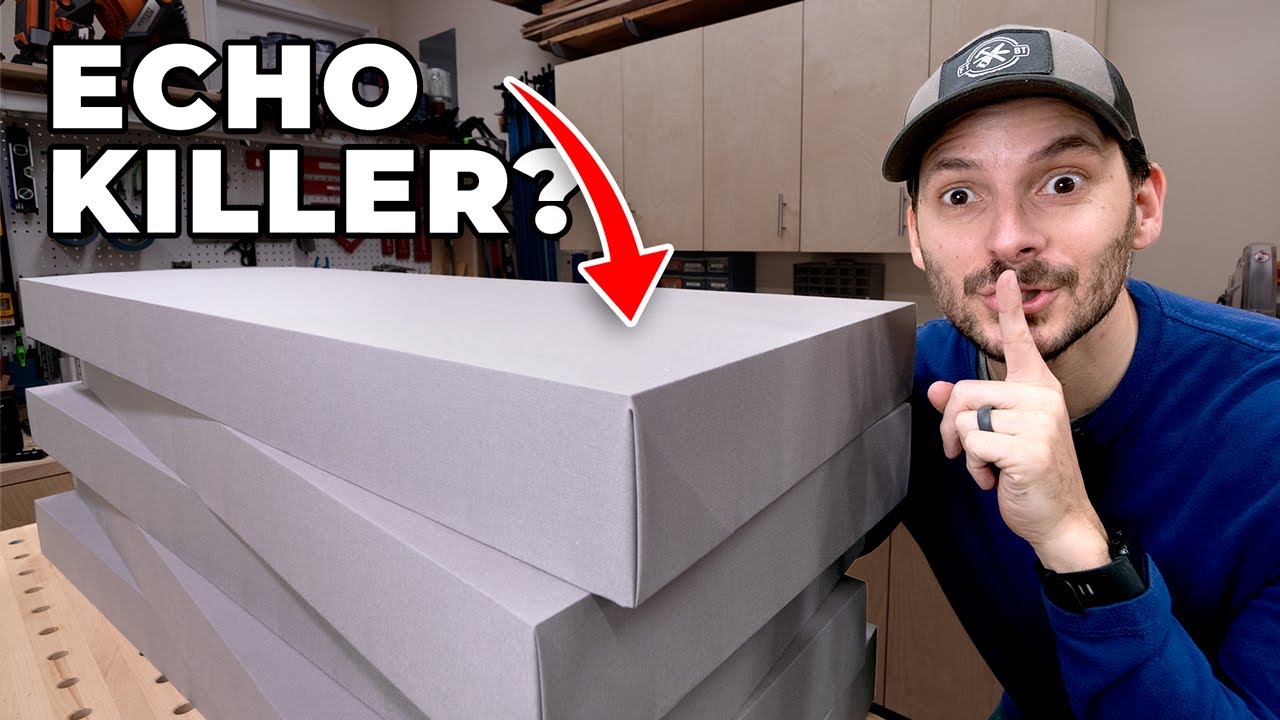
DIY Acoustic Panels for Echo Reduction: A Cost-Effective Guide
@Fixthisbuildthat
1.7M views•2021-11-29

12:54
Triumph of Orthodoxy Icon: Byzantine Art & History Explained
@BenCallan
2.1K views•2024-08-06

9:49
FastAPI vs Flask vs Django: Choosing the Right Python Web Framework
@TechWithTim
302.5K views•2024-05-26

1:42
Game of Thrones Opening Credits: A Cinematic Analysis
@gameofthrones
46.3M views•2011-04-18
Related Study Plans & Knowledge Roadmaps
Structured learning paths in General & Interdisciplinary Studies
general-studies
Elevator Engineering: History, Physics & Cities
01From Hoists to Safety Brakes: The Dawn of Vertical Lift
02Hydraulic vs. Traction: The Engineering Physics of Elevators
03Modern Speed, Safety, and Algorithms
+ 2 more learning modules
12h5 modules
Explore Roadmap
general-studies
Rubber: Material Science, History & Geopolitics
01Origins of Natural Rubber & Mesoamerican History
02The Chemistry of Natural Rubber & Vulcanization
03The Geopolitics of the Rubber Boom & Colonization
+ 2 more learning modules
12h5 modules
Explore Roadmap
general-studies
Containerization: Evolution, Logistics & Trade
01Ancient Trade & Bulk Cargo: Amphorae to Barrels
02The Industrial Revolution & Cardboard Packaging
03The Containerization Revolution: Malcom McLean
+ 2 more learning modules
12h5 modules
Explore Roadmap
general-studies
Textile Tech: Evolution, Labor & Global Impact
01Pre-Industrial Textiles: Handloom & Cottage Industry
02Mechanization: The Spinning Jenny to the Power Loom
03The Factory System & Global Labor Transformation
+ 2 more learning modules
10h5 modules
Explore Roadmap