






![Tabletop Turing Machine [Maker Update] | Maker.io](https://i.ytimg.com/vi/Fmz2CILTRGg/maxresdefault.jpg)
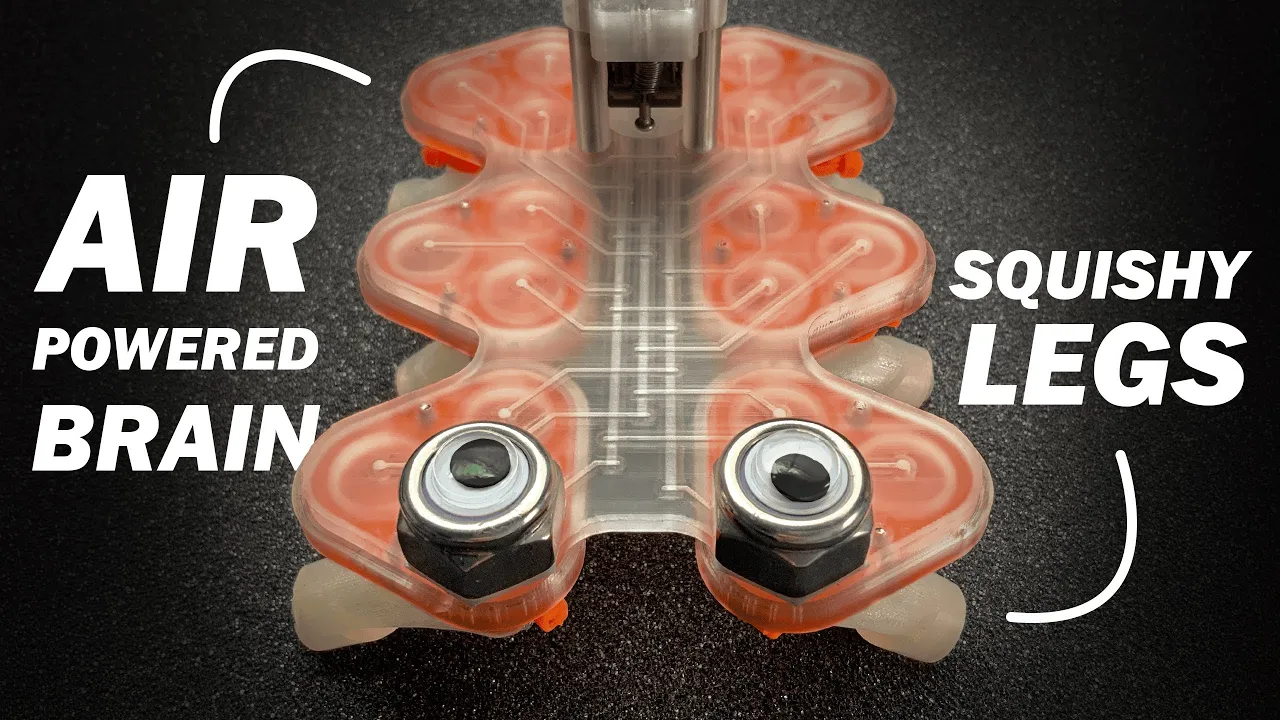

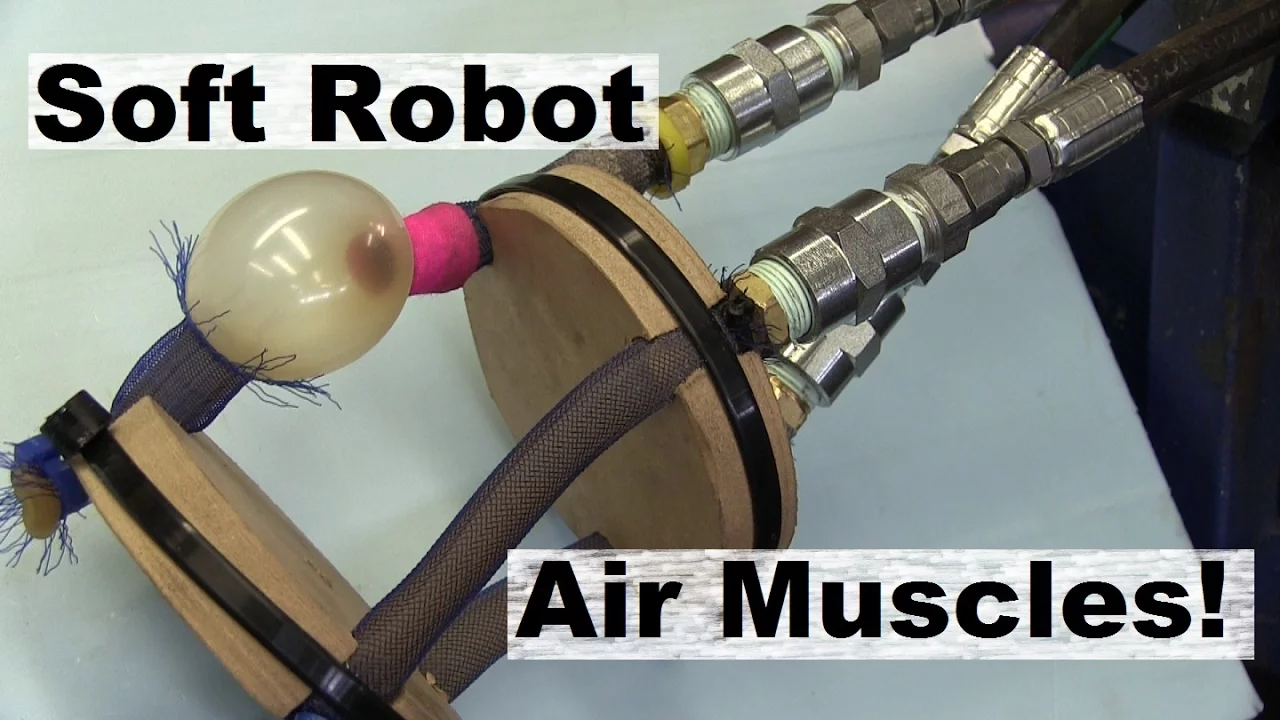

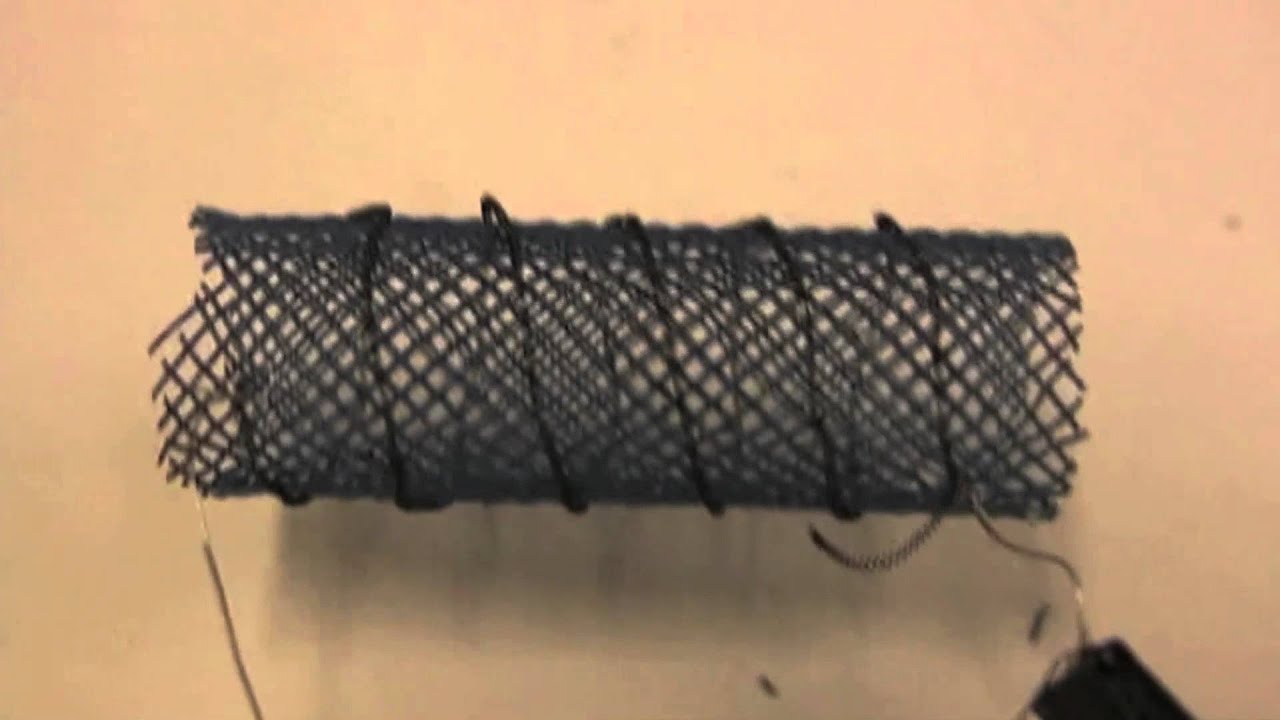

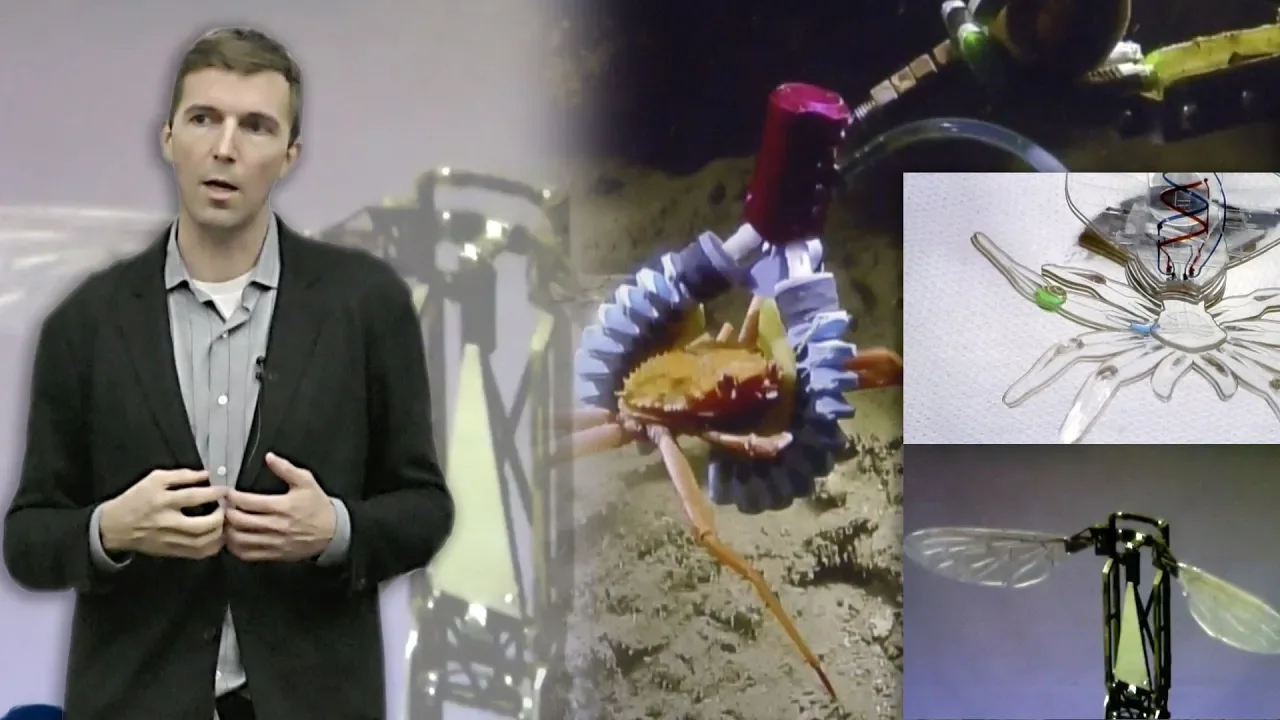





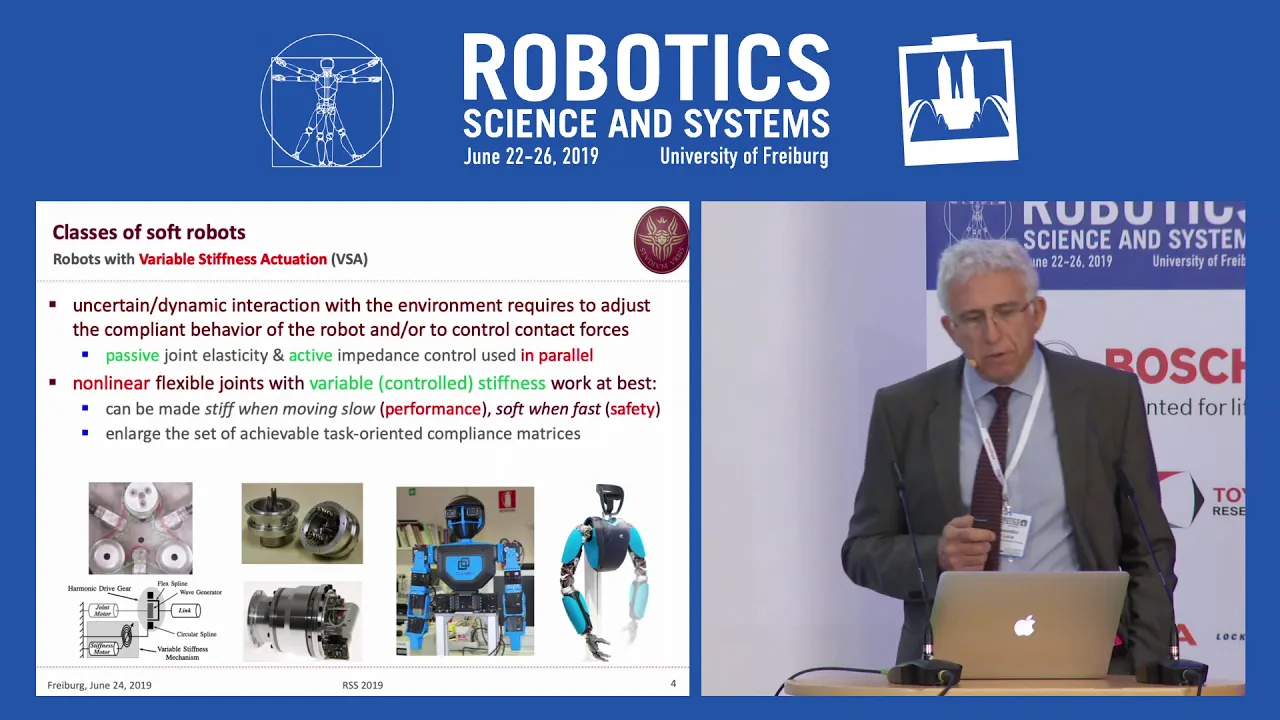


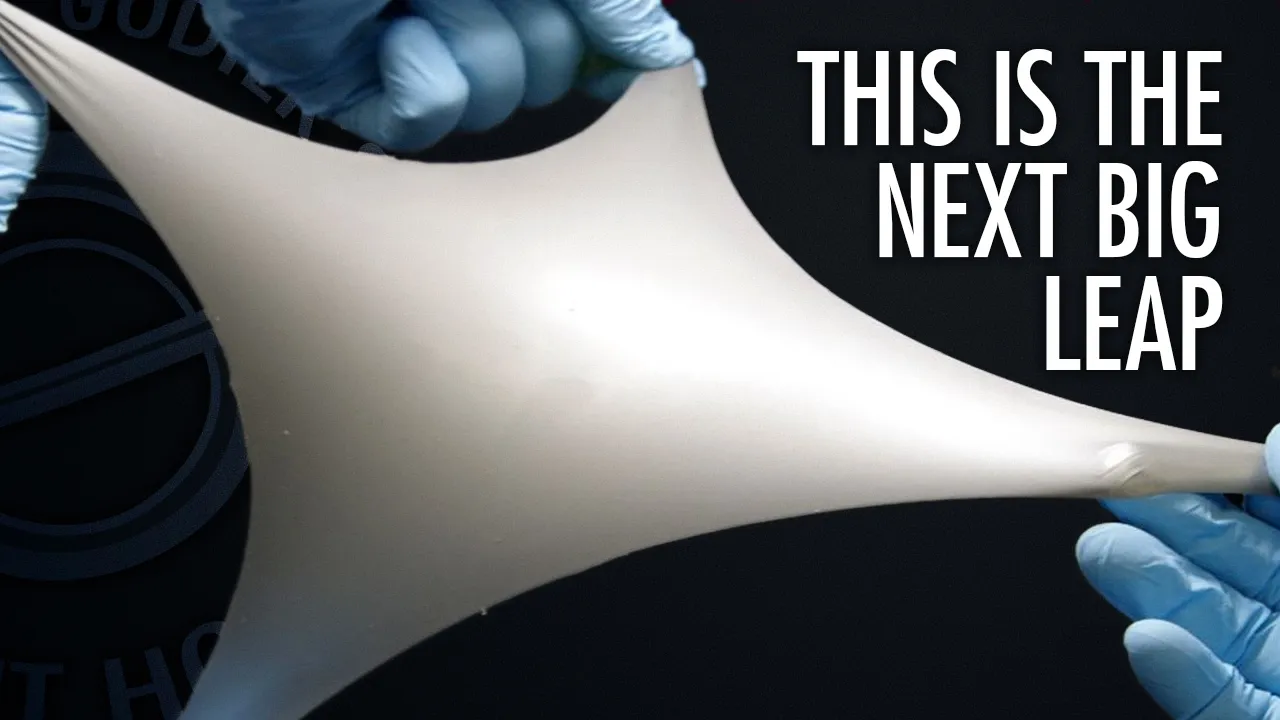


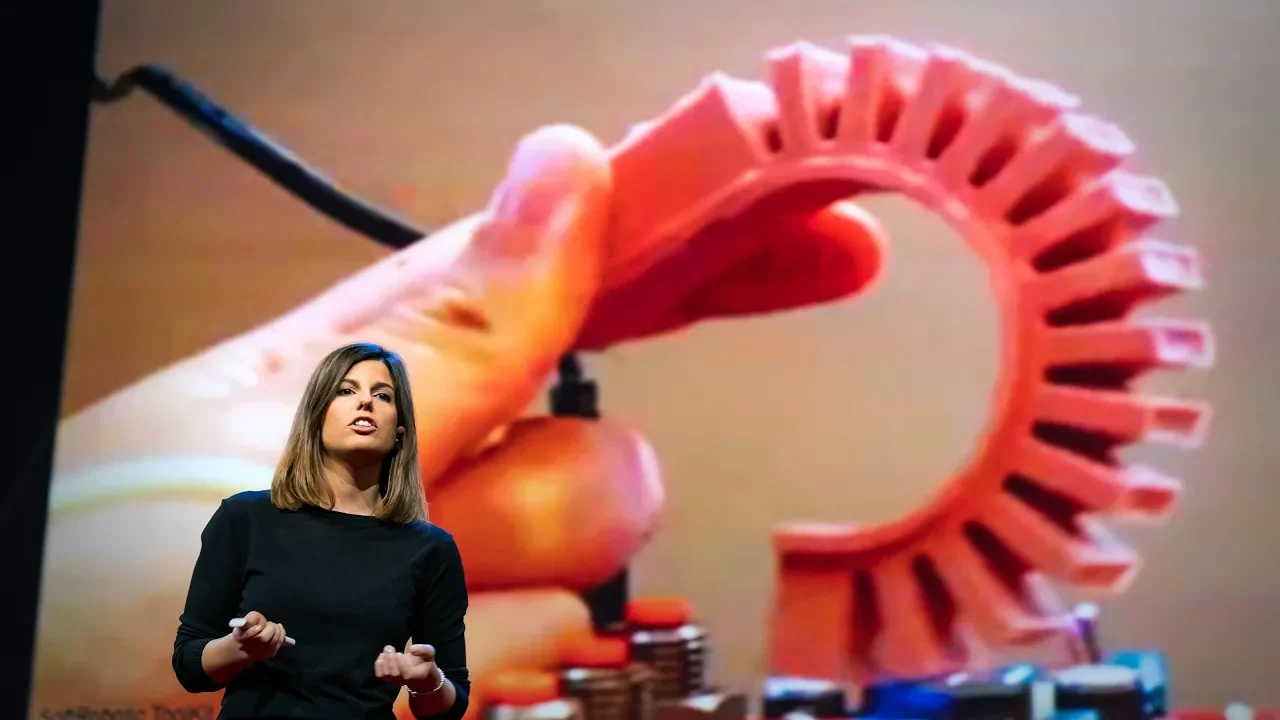



Soft robotics is the design of robotic systems composed at least partially of flexible or stretchy materials like fabrics or rubbers, which enables complex motions through mechanical programming using simple inputs such as cable pulling or air pressurization, with applications in medical surgery for tissue manipulation and rehabilitation devices for physical recovery.
Soft Robotics Workshop: Harvard & UTEC in Peru
Added:Basic concepts of robotics and actuation, specifically the contrast between traditional rigid-bodied robots and compliant mechanisms.
Fundamental material science, including the properties of elastomers, polymers, and viscoelastic materials.
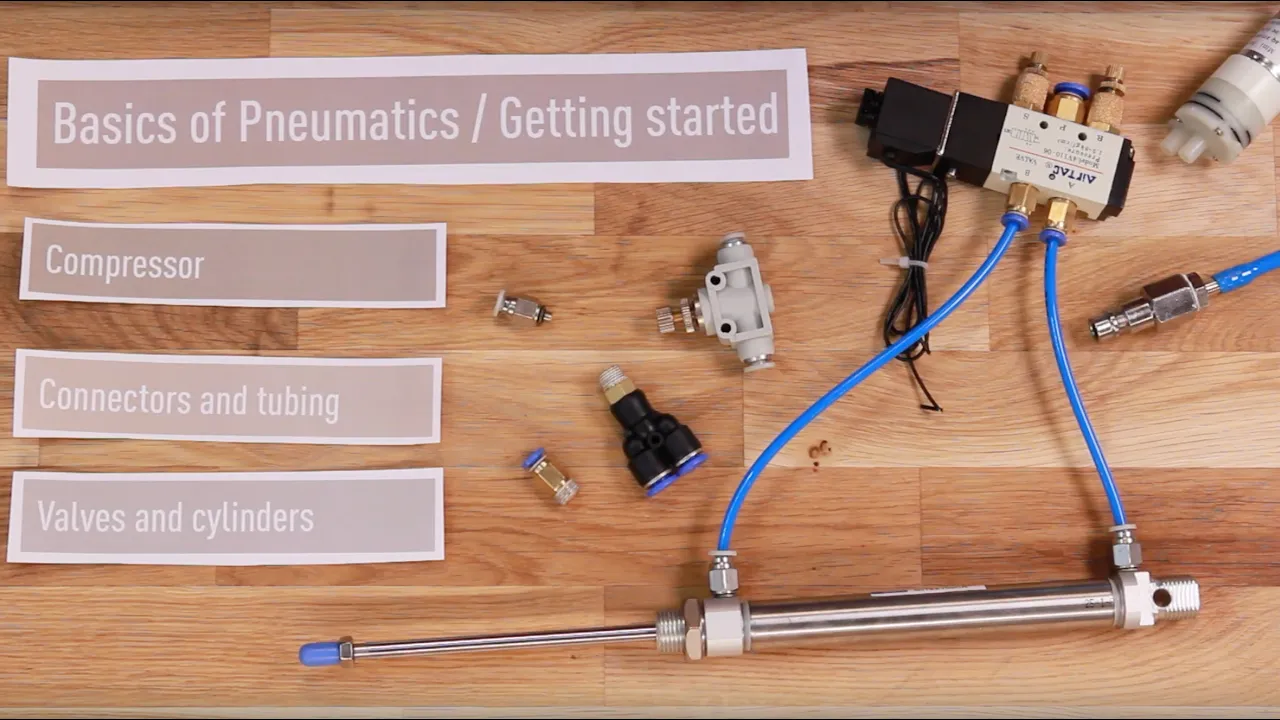
Introduction to fluidics and pneumatic systems, as many soft robots rely on pressurized air or fluids for movement.
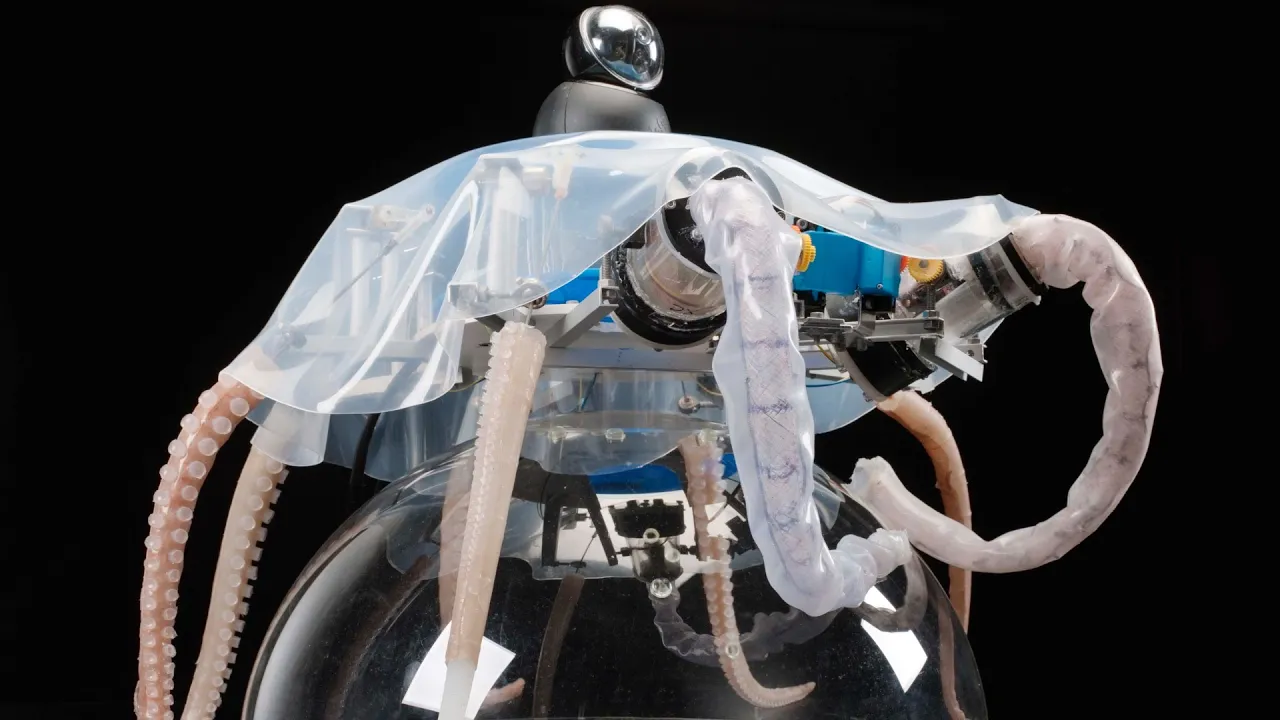
The concept of biomimicry, particularly how biological organisms like octopuses or earthworms inspire soft robotic locomotion.
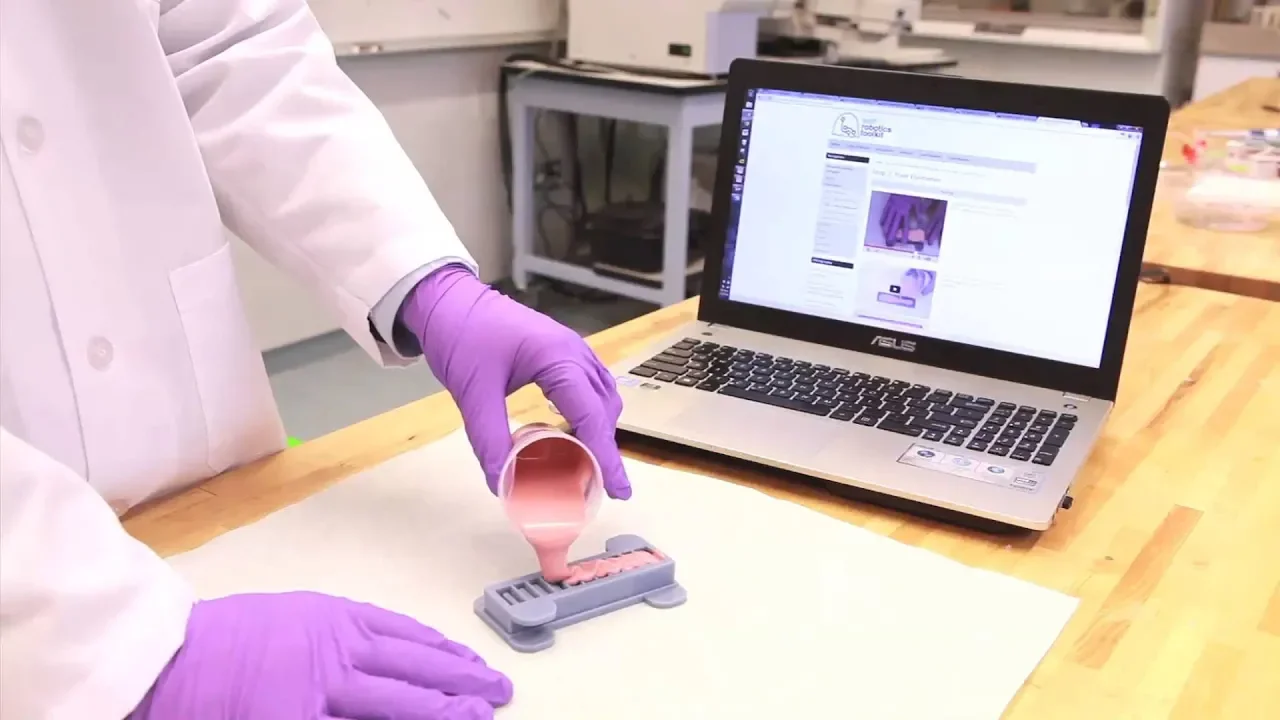
Advanced fabrication methods for soft actuators, such as soft lithography, 3D printing of flexible filaments, and multi-material molding.
Control theory and modeling for soft robots, focusing on handling infinite degrees of freedom and non-linear deformations.
Biomedical applications of soft robotics, including minimally invasive surgical tools, soft prosthetics, and wearable assistive exosuits.
Global collaboration and open-source hardware design, exploring initiatives like the Harvard Soft Robotics Toolkit to democratize technology access.
2.2K views24likes4:53Original Release: 2016-11-10
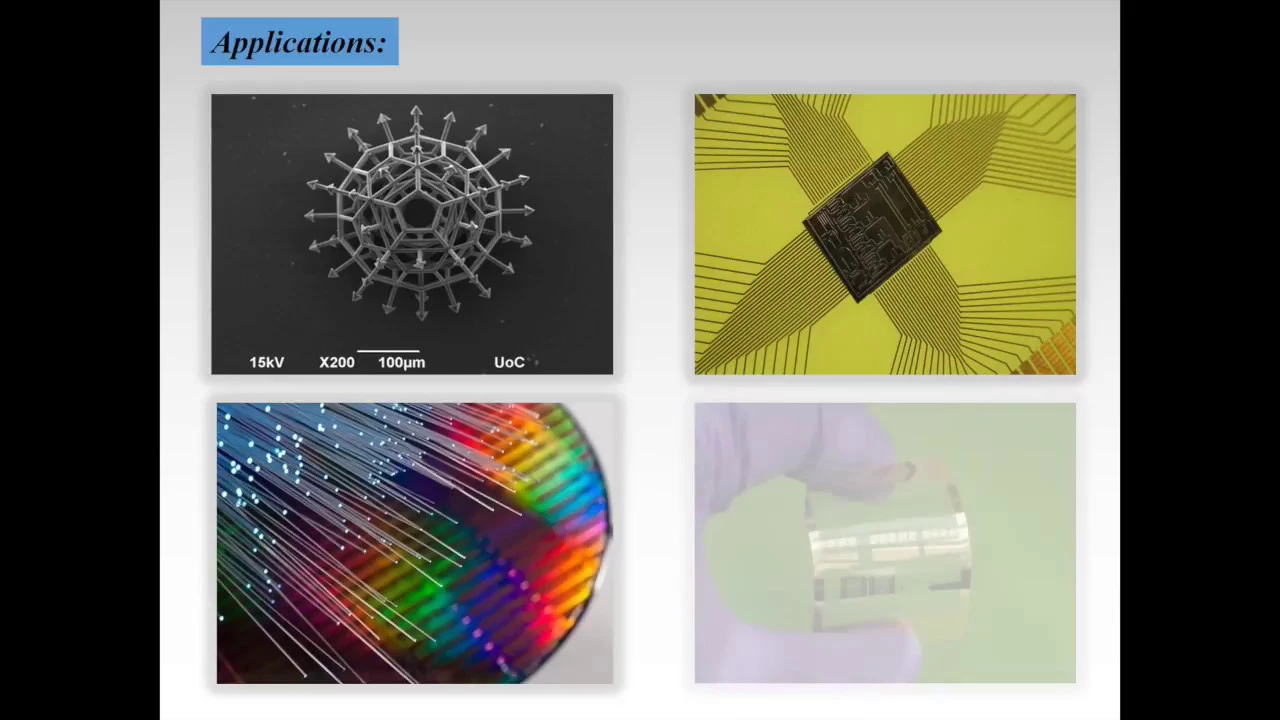
este full caso de un tener que se sorrow yo ello norcia technology ax engine area robotic arrest and NCR mundial yes take a seat ololo system --is vanna's our robot is housed in the roboticus muy amplifier desu the system as many calls as industrialists eat a meal erotica esta tomando el campo en la educación o como robot Rita look at even a Mossad workshop in robotic hablan de la musica blanca es el uso de materiales blonde dos para crear robots no material on dos palmas de señor centuries yucca horas que solo mekinese musketeer an opportunity around robots yeah interact welcome to Antonio I'm here to speak talking about soft robotics which is the design of robotic systems composed at least partially of materials that are flexible or stretchy so like fabrics or rubbers the ideas have been around for a long time and like you know a hundred years even there's been you know some of these ideas around and but recently like maybe in the last decade there's been an explosion in interest so more and more people are getting interested and largely that's because the materials and the equipment needed to produce these soft robotic devices or is it's now more accessible than it used to be so things like low-cost 3d printers low-cost laser cutters low-cost CNC Mills and you know soft tissue inside the body without damaging it so it helps surgeons to be able to manipulate tissue without causing damage to the patient and there's a lot of work on external devices so assistive devices to help people with physical rehabilitation so again there's been a lot of work in this area some of the work at Harvard has focused on the lower limb and assisting the ankle and the hip during walking or on the upper limb and you know assisting the hand during grasping top robotic for cane workshop the poor technique Harvard to a thousand e solo un poco como hacer up to a lotus if some esto so it was a tomato if you sooner and back say I did see Wayne birthday insula centimeter movimiento que hacen esto se todo en bas de este principio Eric a Radian a nosotros ahora más un proyecto mi casa punto de una Mia Desiree ah was a prick toe para ayudar a la resuscitation Carly oh come on now entonces básicamente local super ecto Sierra tango Haruna manera de que cualquier persona puede rallies are s bacteria tac cigar movido lo que dicen ammos era como una bomba en la que había UN Oso sequoias Yoel piaba el corazon kmut area el movimiento castle are manos allah or a release hezakiah ya see polio Vosseler mafia one of the interesting things about soft robotics is that we we can mechanically program how a soft robot moves so depending on the materials we selects and the shape and with a relatively simple input such as like pulling on a cable or a pressurizing the air inside a chamber we can get quite complex motions so from mechanical engineers that's interesting because now we move control away from computation and coding and we move it into a more like mechanical design muscle can own a protest ease they deliver us okay capo is a Russa but I you got a gente que que puedo ver perdido parte de mano or every other song yes I go see him play outside of forget consistently this 102 toss this a lot of kosaki gets a airing is a theorem if you know the servomotor is okay can you relax film Eurotrip que hace que por ser para para ser momentum assassin I have no concept of ever DiMaggio a soul okay embrace your picking a gun okay so is the mecca llama your pero esto pero super team
Up Next

86:23
Soft Robotics: Bridging Materials, Design, and Versatility
@RoboticsInstituteGermany
1.2K views•2025-11-28

58:25
MathWorks Virtual RoboSub Simulation Environment | Webinar 2026
@RoboNationInc
209 views•2026-03-10

11:04
How to Build a Self-Balancing Robot: Arduino Nano & MPU6050
@easytechzones
16.8K views•2022-03-09
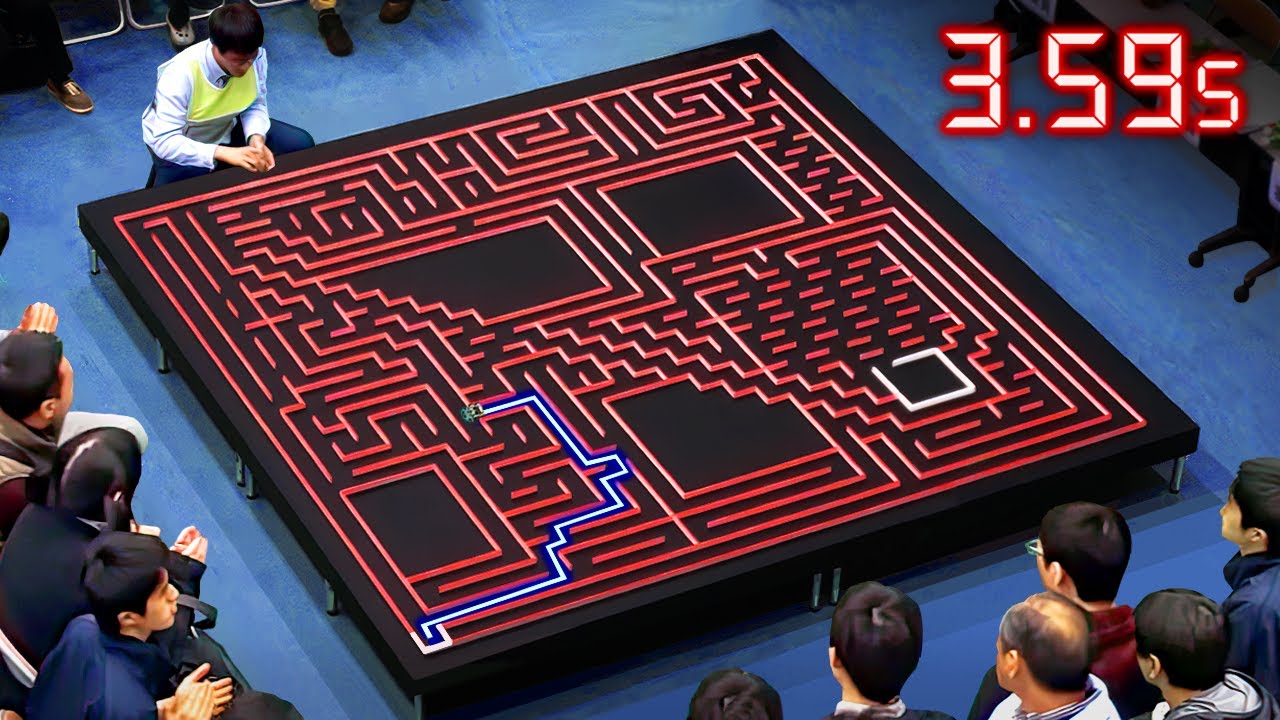
25:22
Micromouse: The Fastest Maze-Solving Robots on Earth
@veritasium
23.5M views•2023-05-24
Related Study Plans & Knowledge Roadmaps
Structured learning paths in Robotics
robotics
Building Delta Robots: Kinematics & Pico
01Foundations of Delta Robots & Mechanical Design
02Electronics and Microcontroller Setup with Pi Pico
03Delta Robot Kinematics and Coordinate Math
+ 3 more learning modules
65h6 modules
Explore Roadmap
robotics
Building Ballbots: Dynamics, Kalman & LQR
01Embedded Electronics & Omniwheel Actuation
02Ballbot Kinematics & Rigid Body Dynamics
03IMU Sensors & Kalman Filter State Estimation
+ 2 more learning modules
42h5 modules
Explore Roadmap
robotics
Micromouse: Hardware, PID Control & Flood-Fill
01Electronics & Teensy Microcontroller Basics
02Sensors and Actuators: Motors, Encoders & IR
03Precision Movement: Implementing PID Control
+ 2 more learning modules
35h5 modules
Explore Roadmap
robotics
CDPR: Kinematics, Arduino & Winch Control
01Foundations of Arduino & Basic Electronics
02Stepper Motors and Winch Mechanics
03Kinematics of 2D Cable-Driven Robots
+ 2 more learning modules
28h5 modules
Explore Roadmap