

















Solar storms, particularly coronal mass ejections (CMEs), pose significant threats to modern technological infrastructure by inducing geomagnetically induced currents (GICs) that can damage power transformers and disrupt electrical grids; historical events like the 1859 Carrington Event and the 1989 geomagnetic storm demonstrate the potential for widespread power outages, while modern mitigation strategies including improved forecasting, transformer hardening, and grid management based on geological factors (such as rock conductivity affecting current flow) can help reduce vulnerability to these space weather phenomena.
Carrington Event Preparedness: Assessing Solar Storm Threats to Modern Infrastructure
Added:Understanding the physics of Coronal Mass Ejections (CMEs) and solar flares, including how solar plasma and magnetic fields travel through space.
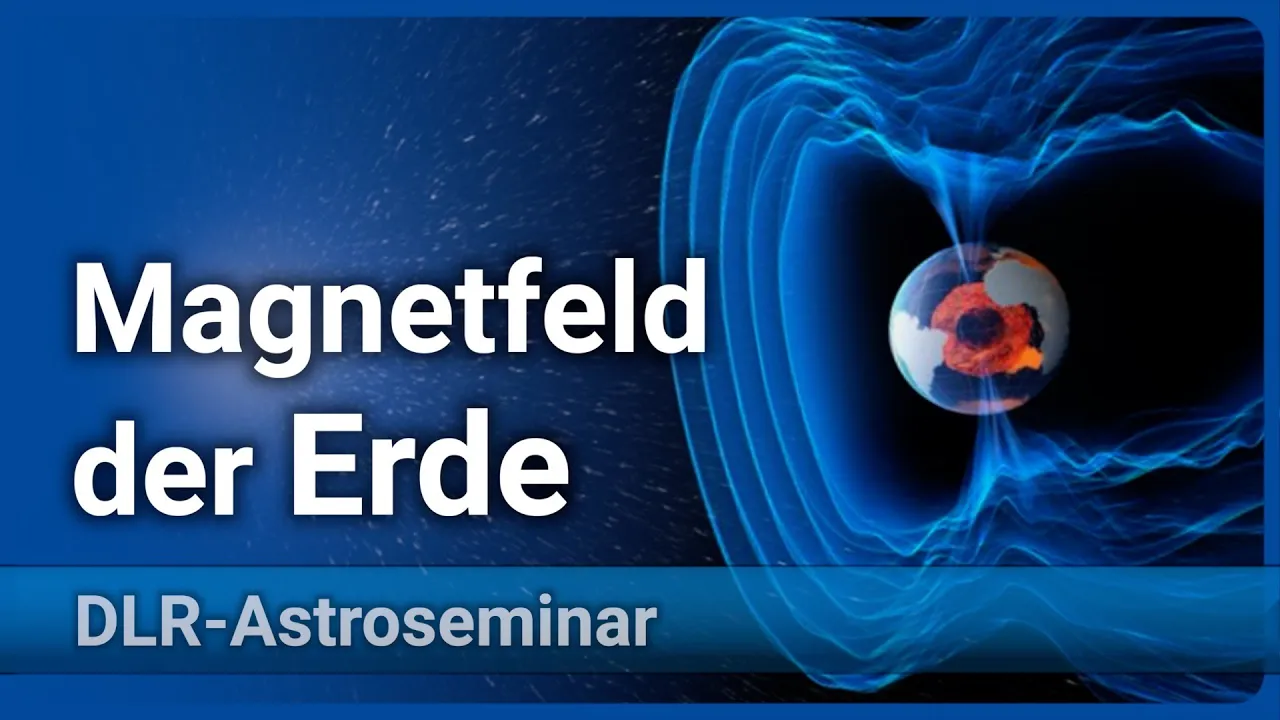
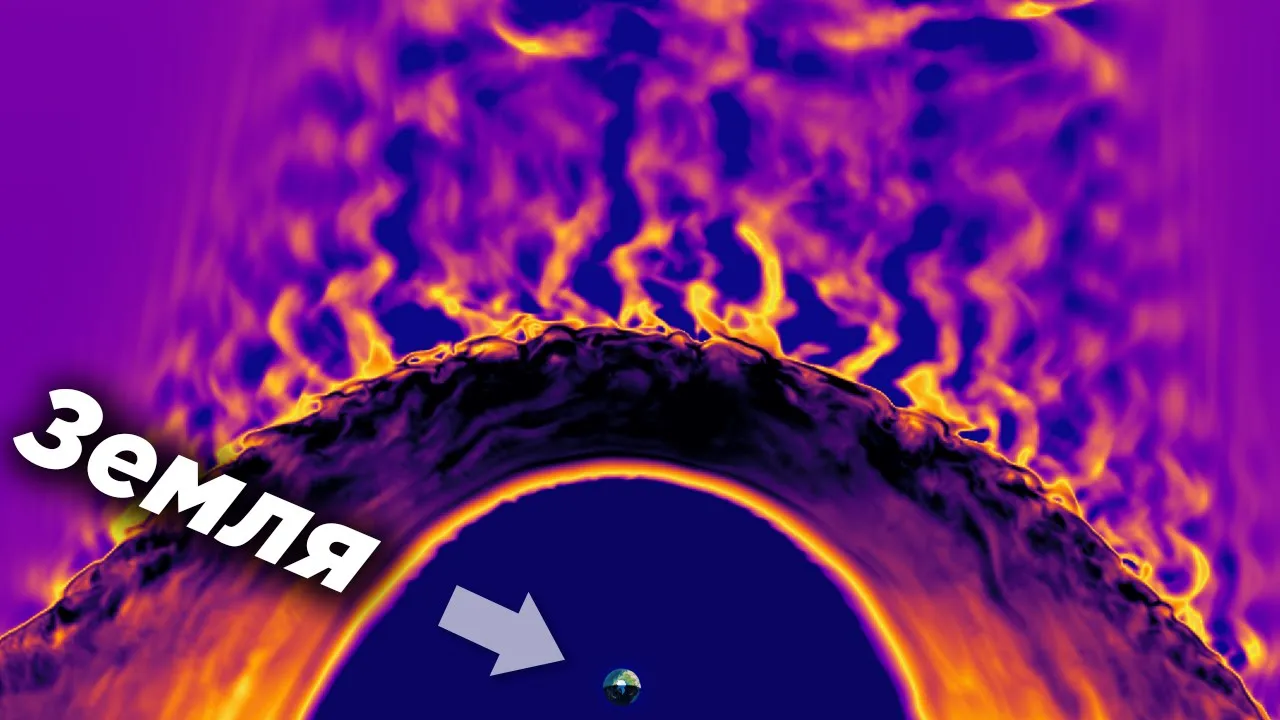
The structure and function of Earth's magnetosphere, specifically how it interacts with the solar wind and creates geomagnetic disturbances.
Faraday's Law of Induction, which explains how a changing magnetic field induces electrical currents (Geomagnetically Induced Currents, or GICs) in long conductors.
Historical context of the 1859 Carrington Event, including its impact on 19th-century telegraph technology as a baseline for modern vulnerability.
Advanced grid-hardening engineering, such as installing series capacitors and neutral blocking devices to mitigate Geomagnetically Induced Currents (GICs) in transformers.
The science of space weather forecasting, including satellite-based early warning systems (like DSCOVR) and predictive magnetohydrodynamic (MHD) modeling.
National and international infrastructure policy, specifically critical infrastructure protection standards (such as NERC reliability standards in North America).
Aerospace design and mitigation strategies for protecting orbital assets, including radiation hardening, redundant systems, and satellite safe-mode protocols.
880.4K views27.6Klikes17:40Original Release: 2020-07-19
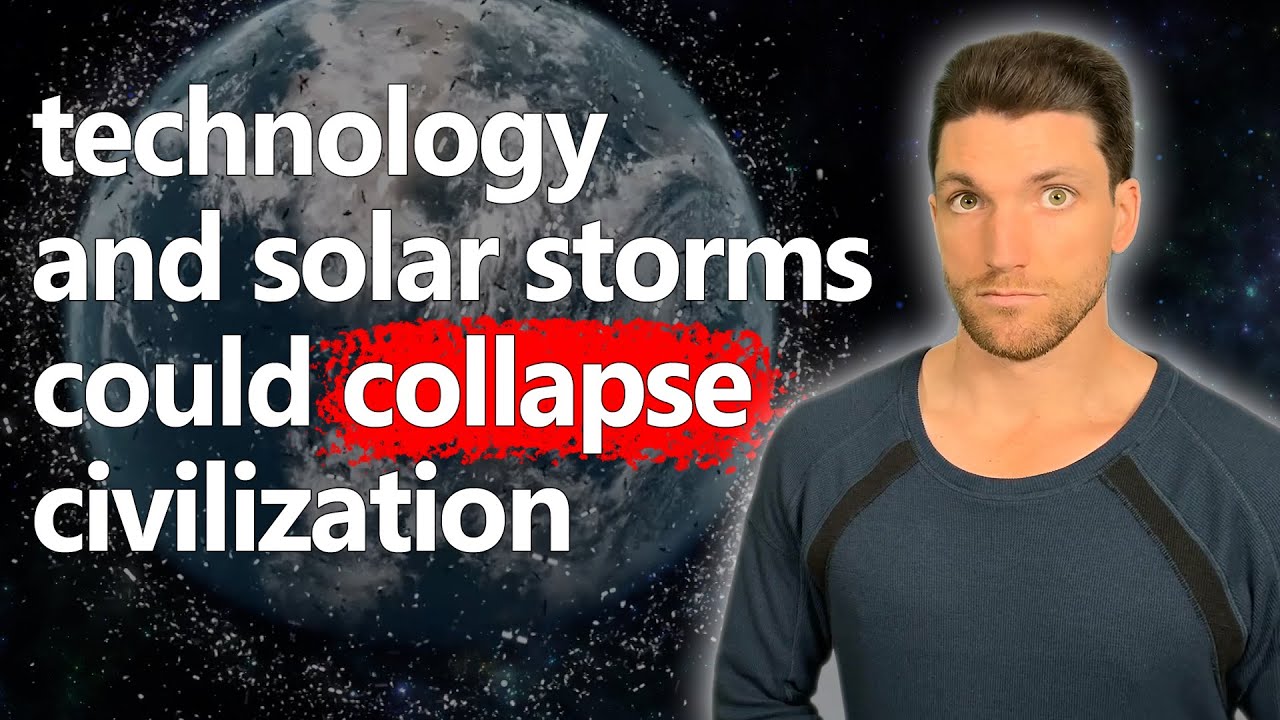
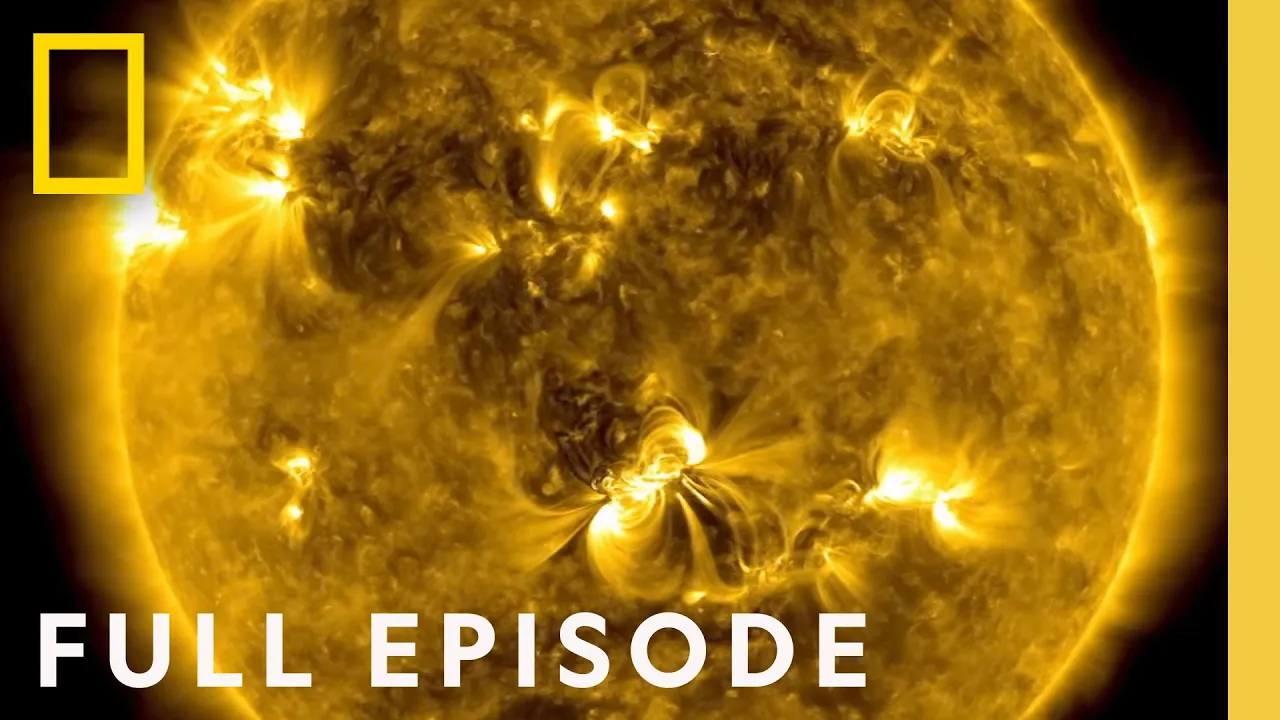
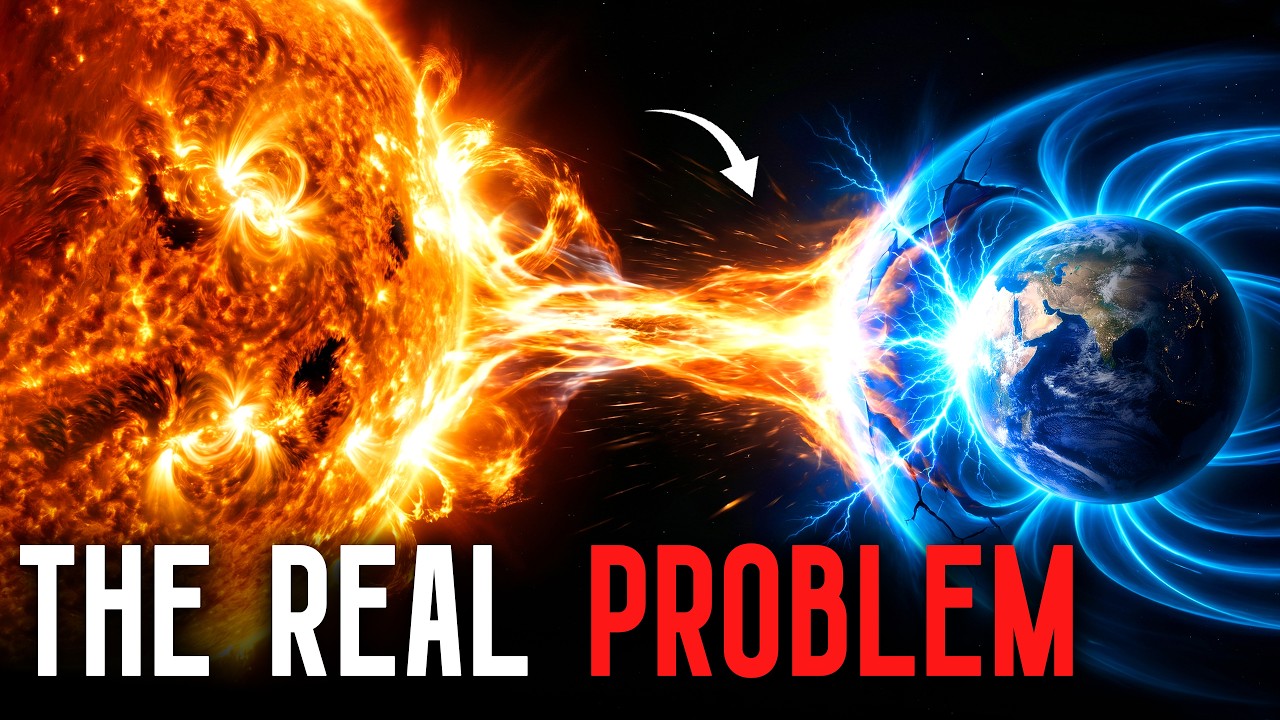
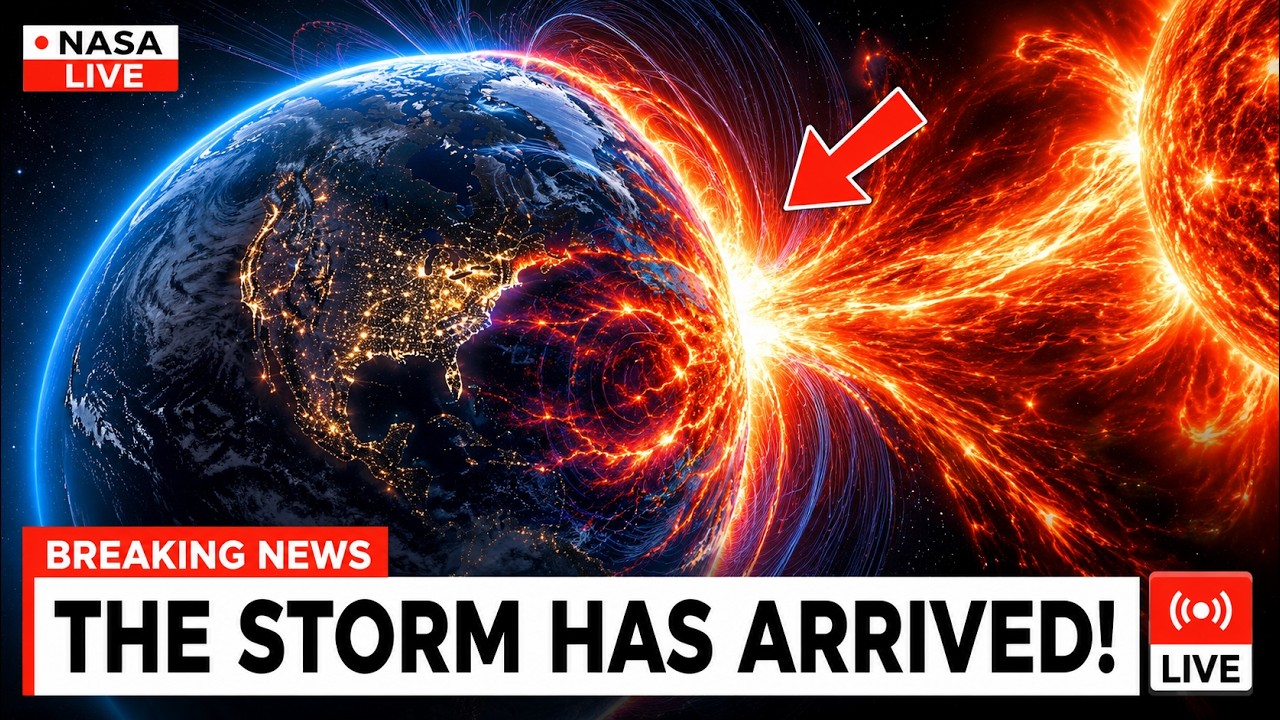
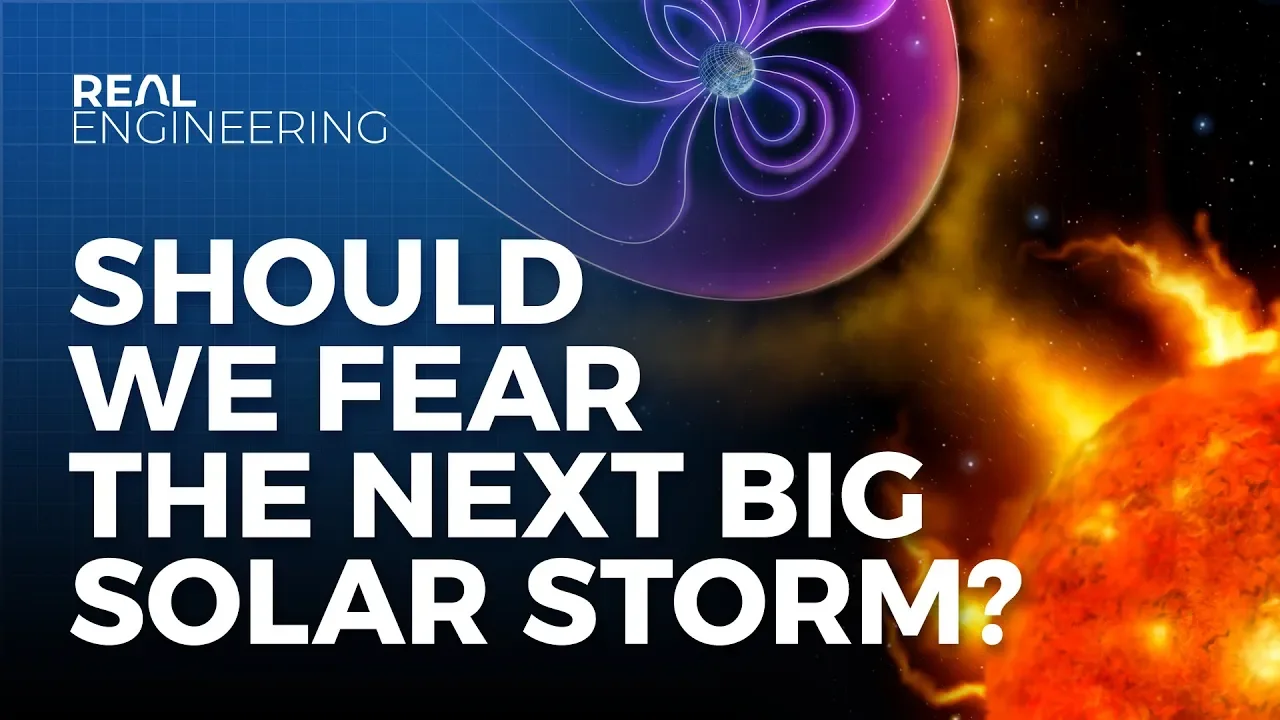
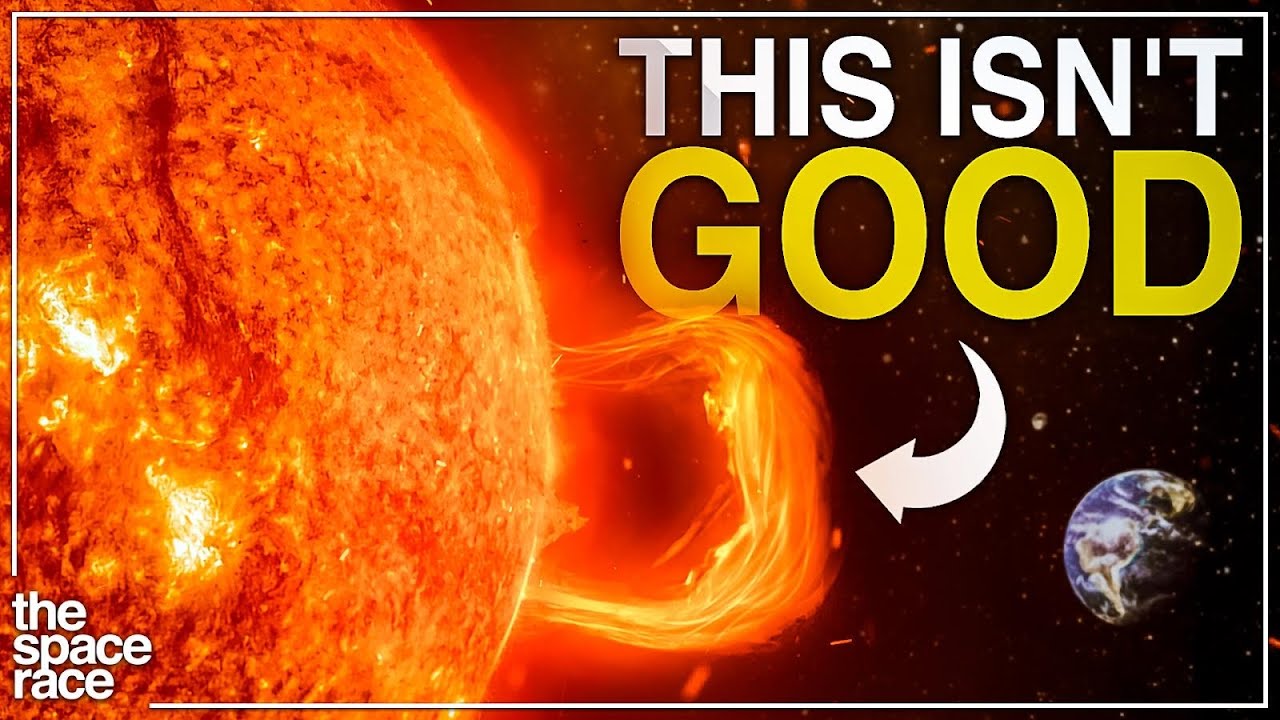
preparedness is one of those attributes which has been sorely tested in recent times and in many ways it's been found wanting but there are many bullets out there with our name potentially on them one of which we've touched on before namely solar storms and the cmes or coronal mass ejections that usually follow shortly afterwards these have the potential to create havoc with our modern technological lifestyle not only affecting satellites but also power generation and all the knock-on effects that losing eva could bring one of these cmes even affected the operation of the us navy in the vietnam war so i thought it would be interesting to see just how prepared we really would be and would it really be as bad as the popular media makes out [Music] this video is sponsored by brilliant just as the earth has weather so does the sun but on a much much larger scale whereas our weather systems are restricted to the earth the sun's weather affects the whole solar system and when the sun sneezes in our direction we catch a cold the earth is exposed to a continuous stream of energetic charged particles called the solar wind that travel at up to 3.2 million kilometers per hour and flow out into the solar system to well beyond the outer planets as these particles are affected by magnetism some are trapped by the earth's magnetic field and channeled to the poles where they interact with the oxygen and nitrogen in the upper atmosphere to create the auroras of the northern and southern lights now the sun rotates once every 27 days but different areas of the sun rotate at differing speeds this causes the sun's magnetic field to twist and contort the sun also goes through cycles of activity approximately every 11 years during these periods of peak activity the solar maximum disturbances in the sun's surface called sunspots become much more common along with these are more violent disturbances called solar flares if a flare is powerful enough it will often eject huge quantities of plasma or charged particles that make up the sun's surface or corona these are called the coronal mass ejections or cmes during a solar flare initially there is a sudden burst of x-rays and ultraviolet light which reaches the earth in about eight minutes this interacts with the ionosphere and can affect radio communications about 30 minutes later a flood of high-energy electrons and protons traveling at nearly the speed of light hit the earth's magnetic field and any spacecraft which is outside its protection this can cause computer errors and failures of electronic circuits causing satellites to glitch or fail and exposing astronauts to high levels of ionizing radiation these charged particles are drawn towards the magnetosphere and channeled down to the poles creating intense auroras that can be seen much farther from the poles than normal in the most violent solar flares huge magnetic loops bulge up from the sun's surface that are many times the size of the earth when these loops break a billion tons or so of plasma are ejected into space this is the coronal mass ejection if the earth is in the wrong place at the wrong time then this along with part of the sun's magnetic field will come barreling through space to hitters in between about 14 and 40 so hours later it's the polarity of the cme's magnetic field which can do so much damage when it gets to earth if it's opposite to the earth's magnetic field the two are drawn together like two magnets dumping energy all around the earth if they are the same then they will repel each other and the damage will be much less the problem is that cmes travel at a very high speed and it's only in the last 15 minutes or so but we know what their polarity is so it leaves very little time in which to prepare when a large cme hits the earth's magnetic field it's a bit like a hammer hitting a bell the magnetic field rings compressing and stretching and when a magnetic field line breaks the charged particles trapped in it travel back to earth creating auroras and inducing electrical currents into the earth's surface and anything running over it like power lines ones that run north to south parallel to the earth's magnetic field are the most affected those that run east to west are less so this fluctuating magnetic field can induce dc voltages into the high voltage ac power lines causing step-down transformers to saturate and overheat and even burn out in a matter of seconds to help protect the transformers against geomagnetically induced currents giant capacitors that block dc but allow ac to flow are installed however series capacitors are very expensive and while they may protect one power line the dc could end up being re-routed and concentrated into unprotected lines causing more damage than if capacitors weren't used in the first place although there are backups if too many fail then entire grids can shut down because there is much more interconnectivity than ever before with smaller grids sometimes from other countries being linked together to form super grids a shutdown in one area could ripple through and cause power outages hundreds or thousands of kilometers away cmes hit the earth all the time with about two per week on average but these are small and we barely notice them it's when a really big one comes along but we have a problem now we've been watching the sun for long enough to know that the largest the sun can produce will be about three times the largest we have seen so far but these are extremely rare in the order of about one every few thousand years the first recorded cme to cause as a problem was the carrington event a super solar flare was seen by the british astronomer richard carrington on the 1st of september 1859 over the next couple of days there are reports of amazing auroral displays around the world as the northern lights reached as far south as mexico cuba and hawaii and the southern lights as far north as queensland australia the cme reached the earth in 17.6 hours after carrington saw the initial flare which was quicker than the usual day or two this is because cmes sometimes come in a series of bursts with the first usually being smaller but clearing the way of cosmic debris allowing following ones to arrive faster there was also very little in the way of electrical infrastructure at the time so the telegraph system was the first to show the electrical effects with sparks jumping from switches shocking the operators and even powering sections of the routes when the battery power was removed there have been several super storms since the carrington event though none as large but one which stands out was the march 1989 geomagnetic storm which blacked out large parts of canada and very nearly blacked out the northeastern united states this was memorable because it was the first to have a big impact on our modern infrastructure and it revealed the very real threat that space weather and things like cmes could have here on earth since then our power usage has increased but our understanding of how solar storms affect us earwindhurf has also increased with much of this data coming from a lucky escape the earth had in 2012.
there's more on that in the moment geomagnetic storms and cmes are measured using the dst or the disturbance storm time index in fact it's only been since 1957 but we've had proper records of the dst before then we had to rely on a few magnetometers scattered around the globe the dst index measures the ring current around the earth which is created by solar protons and electrons trapped by the earth's magnetosphere the ring current produces a magnetic field that protects the lower latitude regions around the equator but is also opposite to the earth's magnetic field so during geomagnetic storms and cmes an increase in the amount of charged particles being trapped here weakens the earth's geomagnetic field the dst is measured in nanoteslas the lower the negative dst value the weaker the earth's magnetic field and the more the earth is affected by the solar storm the typical quiet time measurement of the dst is between plus and minus 20 nanoteslas an intense geomagnetic storm might decrease that to around minus 300 nanoteslas the carrington event was believed to have been between minus 900 and minus 1 750 nanoteslas the reason for this wide range is because of the very limited data that was recorded in 1859 so much of it had to be guesstimated from other sources and observations from things like auroras at the time although dst is a good measurement for recording events for measuring real-time changes in the magnetic field like the electrical grid companies need to know the kp index is used this uses continuous measurements from 13 different measuring stations in the auroral zones around the world the kp index utilizes a quasi-logarithmic scale from one to nine where one is calm five is a solar storm and nine is an extreme solar storm the map showing here is what the kp index would need to be for you to see the aurora overhead at a given location now in 2012 we dodged a carrington event sized bullet when a minus 1200 nano tesla cme crossed the earth's path the lucky thing for us was that it was a week late if it had happened seven days earlier it would have been a direct hit but what it did hit was probably the best equipped satellite for this very issue the stereo a solar observatory this is one of two nearly identical satellites designed to image the sun and in particular things like solar storms and cmes the data collected from this event gave us a huge amount of information about cmes and greatly increased our knowledge on how to protect our earth-based systems one of the reasons why canada was affected so much by the 1989 storm was its normally location near the aurora zones and also the long stretches of power lines that they have the longer the lines the more electrical energy can be induced into them but it's now being discovered that the type of rock the lines run over can also make a big difference it's not just metal power cables that magnetic disturbance can induce power into it's the ground itself in recent years it's been found that the type of rocks under where you live can magnify the effect a cme can have on things like the power grid by up to 100 times igneous and metamorphic rocks have a very high electrical resistance whereas sedimentary rocks which have water in them have a very low electrical resistance and allow electrical currents induced into them to flow now whilst it might seem that highly resistive rock like igneous and metamorphic ones would be a good thing they act like a giant insulator but the power lines that cross them provide a short circuit through their ground connection allowing currents to build up and flow through them to damage things like the transformers the north eastern united states was also badly hit by the 1989 storm and was on the verge of a shutdown and again much of our areas covered by the appalachian mountain range which is igneous and metamorphic in its makeup in the united kingdom the highland area of scotland is igneous and metamorphic rock whereas the further southeast you go into england it's mostly sedimentary rock so scotland could be more affected than england in recently declassified u.s navy documents the crew of a task force 77 aircraft saw a group of 20 to 25 magnetic sea mines which were laid by the us off of the coast of vietnam at haifang detonate over a 30 second period on august 4th 1972 at the time there was no obvious reason as to why this should have happened the mines had a self-destruct feature built into them but it was not set to go off for another 30 days or so however the u.s navy noticed an x-class solar flare had been detected earlier that day and in a record 14.6 hours a cme hit the earth although the dst value for this cme was only minus 125 nanoteslas it's thought the speed at which it hit the earth's magnetosphere caused it to compress in a similar way to a larger storm and this rapid change in the earth's magnetic field is what triggered the magnetic mines by mapping the resistance of the rocks and the local magnetic hot spots in the u.s and other countries it's possible to work out where large currents could build up and thus make provisions in the power grid connectivity here in the uk the national grid has been replacing high voltage transformers with newer designs which are more resilient to extra current surges the strategy in the uk is that if a large cme is expected and the polarity is opposite to that of the earth they will turn on as much of the 8 000 kilometers of uk power lines as possible to dump the extra energy over the entire system and drain it back to earth rather than allowing it to overload a few key system areas causing costly and lengthy repairs places like the us canada and even australia where there are very long high voltage cable runs which run north to south over varying geologies are more susceptible even with blocking capacitors installed early warnings from satellite observations will be key in knowing which parts might be affected more than others and as such which to protect or temporarily shut down to avoid long-term damage with our much increased knowledge of how solar weather affects us here on earth and how the earth itself reacts it's much less likely that even a carrington class event would have much of an impact on countries like the uk which have prepared for this type of situation but in the end it's down to the individual countries and their power companies to make sure that when the once in a hundred year cme comes along the lights won't go out electricity is the basis of our society so any loss has an immediate and profound effect a carrington level event was once seen as having the possibility of putting us back into the steam age but without any steam engines so understanding how we can mitigate the threat from the sun is vital but this knowledge doesn't come from just paying lip service to it you have to go out there and find it out now our sponsors brilliant can help you develop your knowledge skills so that you can be prepared for what may come brilliant is a problem-solving website and app that can help you develop your learning skills by breaking down complex problems into small easily understandable parts then putting them back together to show the overall solution build up to reach the conclusion there are loads of great interactive courses covering things like fuel and electrical power generation from solar to nuclear to even power from space this hands-on active learning approach is great for curious people like you who want to understand the world so if you want to support curious droid and get unlimited access to all of brilliant in-depth math and science courses head on over to brilliant.org forward slash curious droid to get 20 off of their annual premium subscription
Up Next
13:55
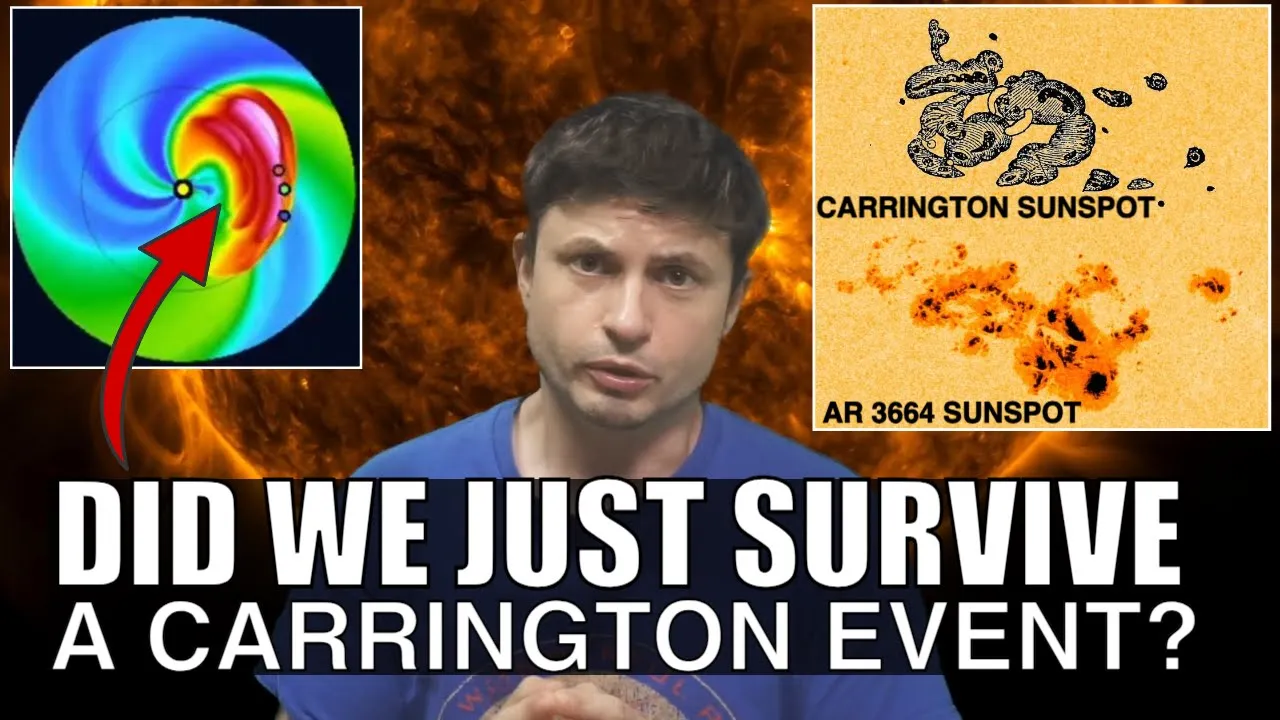
The 2024 Geomagnetic Storm: A Carrington Event Analyzed
@whatdamath
1.2M views•2024-05-16
61:17
First Billion Years of the Universe with the Square Kilometre Array
@iaaudc
121 views•2022-05-26

6:25
Kepler's Laws of Planetary Motion Explained (Educational Astronomy Video)
@Peekaboo_Kidz
404.9K views•2023-02-17
6:10
Gamma-Ray Bursts: Cosmic Snipers Explained | Astronomy
@kurzgesagt
15M views•2016-07-31
Related Study Plans & Knowledge Roadmaps
Structured learning paths in Astronomy
astronomy
Reionization: Pop III Stars, IGM & 21cm Line
01Foundations of Cosmology & the Early Universe
02Population III Stars & Cosmic Dawn
03Physical Mechanisms of Reionization
+ 2 more learning modules
17h5 modules
Explore Roadmap
astronomy
Planetary Rings: Dynamics, Roche & Resonances
01Foundations of Gravity and Orbital Mechanics
02Tidal Forces and the Roche Limit
03Structure, Composition, and Collisions
+ 2 more learning modules
10h5 modules
Explore Roadmap
astronomy
Asteroseismology: Stellar Waves, Ages & Cores
01Foundations of Stellar Astrophysics & Wave Mechanics
02Stellar Oscillation Modes: P-modes and G-modes
03Mathematical Framework of Asteroseismology
+ 2 more learning modules
35h5 modules
Explore Roadmap
astronomy
Adaptive Optics: Physics, Engineering & Control
01Foundations of Wave Optics and Wavefronts
02Atmospheric Turbulence & Optical Distortion
03Wavefront Sensing Technologies
+ 3 more learning modules
35h6 modules
Explore Roadmap