














![Why working in Japan is (no longer) impossible [React vid]](https://i.ytimg.com/vi/fKTa8imNPvY/maxresdefault.jpg)















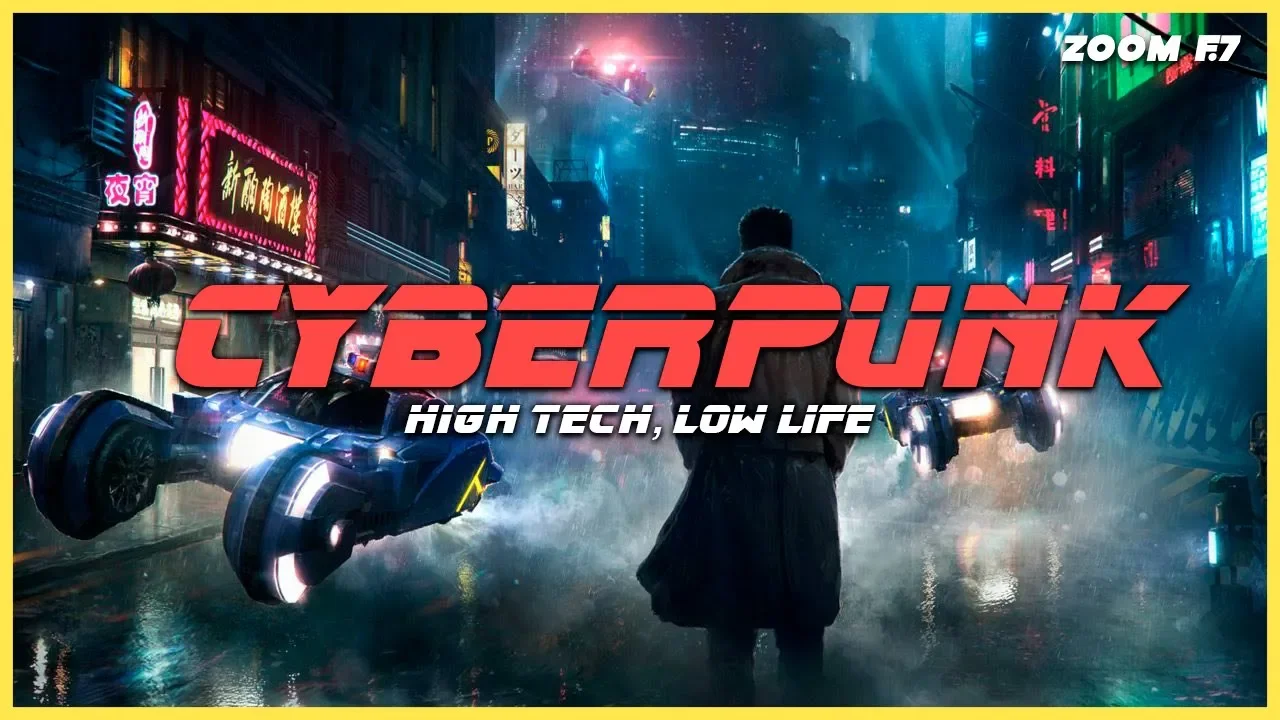
Cyberpunk, a science fiction sub-genre defined by 'high tech, low life' aesthetics and neon imagery, manifests differently across cultures due to distinct historical and social contexts. In American cinema (Blade Runner, 1982), cyberpunk reflects late-stage capitalism and corporate power anxieties stemming from Reaganomics, where deregulation and trickle-down economics created unchecked corporate influence. In Japanese cinema (Akira, 1988), cyberpunk embodies postmodern Japanese society's struggle between tradition and modernity, influenced by nuclear warfare history and a generation gap characterized by nihilism and materialism. Both films share universal cyberpunk conventions but diverge in thematic focus, demonstrating how cultural traditions and historical experiences shape the interpretation of shared genre elements.
IB Film: Cyberpunk in Akira & Blade Runner
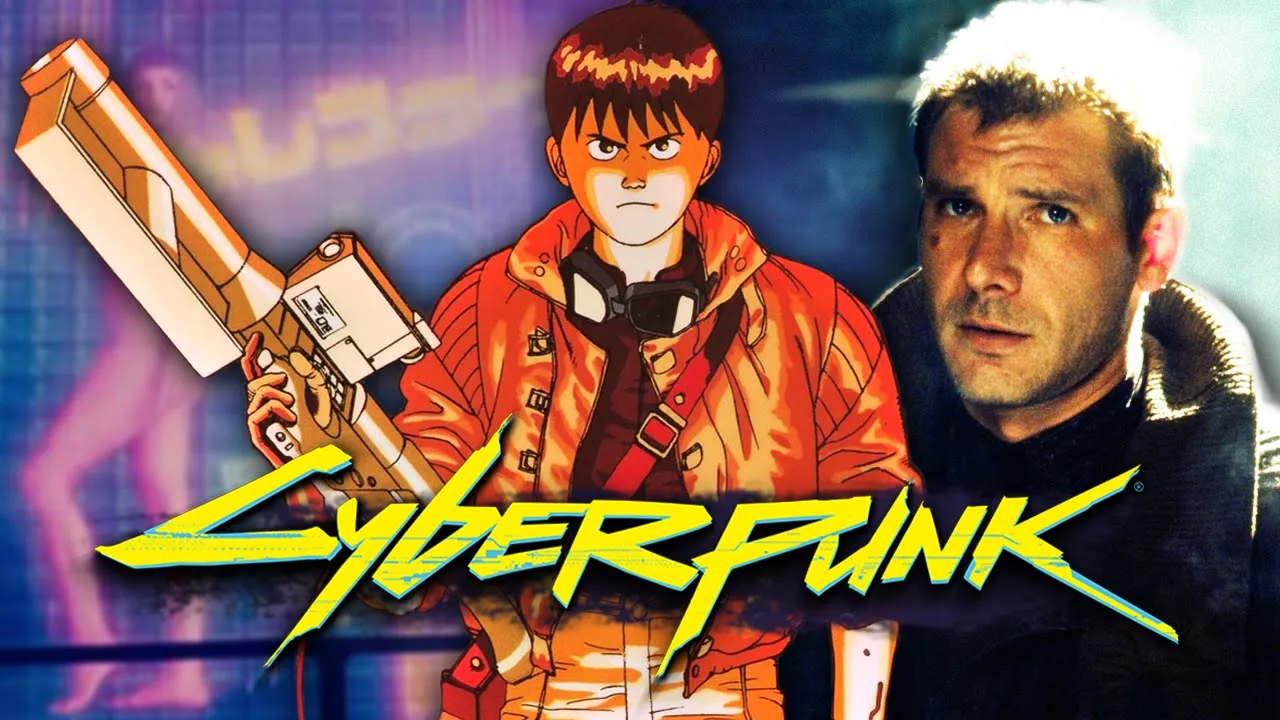
Added:for this comparative study we'll be asking the question how is the xyron sub-genre depicted in two films from two different cultures first it is important to define what in satified sacrum is a science fiction sub shop developed in literary and film productions from the 1980s predominantly from Ridley Scott's film Blade Runner and a novel Neuromancer Hyborian Gibson from these works the foundation of the sub-genre was established that expanded across the borders of countries and the paradigm of cyberpunk films the universal aesthetic conventions were created based on the idea of high tech low life combined with neon reminiscent of the 1980s however in the case of themes depicted and cultures it's where they begin to diverge yet there is one uniting factor that they deal with postmodern pursue that though society don't say that that cyberpunk is postmodern science fiction by one Gibson hence in this comparative study we'll be looking at two films from the two culture have been influential on the paradigm of a sub genre from the American and Japanese conferences for the Americans a key film and their contribution to the sub-genre they'll be examined in this compared to study is Ridley Scott's Blade Runner rounds made in 1982 despite being stuck in the future the film's depiction of cyberpunk along somatic lines is different by societal issues in the postmodern American society there are prevalent in 1980s such as the power the corporations and late stage capitalism 1980 American President Ronald Reagan issued a new economic reform the reduced government involvement in the economy that includes a tax cut of 25% and relaxing regulations on corporations the goal of this new policy was a stimulate economic growth and job creation by giving the wealthy and the corporation's more money to invest and more freedom to achieve those investments thus this proves Nolan's trickle-down economics since wealth would trickle down from the upper class down to lower classes with as a new interpretation of laissez-faire capitalism which for dudes government bomb in the economy that which led to anxiety the American public of the Corporations power in babe becoming less and less accountable to the government to the point where have become completely independent Ridley Scott's Blade Runner the Tyrell corporation embodies the American anxiety of corporate power than its unchecked firstly we can see the depiction of Tyrells pure power and influence as symbolized with their with the size of their headquarters in Los Angeles the building is a gigantic pyramid like structure that towers over the rest of the other city that's sheer size of Oaks a sense of power that kemon essence of the ancient Egyptian pyramid secondly the lack of corporate liability independence from the American government is alluded in the main conflict of the film the main character Burt Deckard is a task to retire / kill a group of Nexus 6 Androids to have gone rogue and have come to earth Tyrell corporations were the creators of the Nexus 6 androids which are essentially a slave labor force to support the human afloat colonies whose conflict shows a lack of corporate regulation since they are not held responsible for the rogue androids leaving the local government aka Deckard to clean up the mess the second issue articulated in Blade Runner thanks to the issue of corporate Tommy and eight engineers Reaganomics is a late-stage capitalism which can be defined in an article by the Atlantic as a catch-all phrase for the indignities and absurdities of our contemporary economy effects yani inequality in super-powered corporations in a shrinking middle class one key proponent of de-spawn capitalism is pervasive nature of advertisements which is also originating from the anxieties over the effects of Reagan's policies the deregulation of corporations it allowed them to have their freedom on who they could advertise to if it's children this anxiety for face of advertisement is shown in Blade Runner with giant video screens advertising products such as paint pan American Japanese food and coca-cola adverb blinks beckoning the population of Los Angeles to migrate offworld not to mention the street side advertisements and neon all with the goal of having their consumers buy their product yet how does this all relate to the sub-genre cyberpunk well one can determine this by looking at the technology how enables corporations to gain power with manufacturing androids and how it allows pervasive advertising all across the city but it's a limiting point of view since one can argue that advanced feature istic technology can be any commit anything cyberpunk and thus attractive to the ability to differentiate between anything else within the greater sci-fi genre however another appropriate way to view this is the cultural depictions of cyberpunk and revisiting the phrase of high-tech lowlife now this can correlate with the implicit effects of late-stage capitalism inequality as dr. Eldon Tyrell loud as it is luxurious Victorian sweet well the rest of the population of Los Angeles including Deckard live in squalor in decaying parts of the city rustling - in fro to make meets end while only to return home and cramped living spaces in overcrowded city this lowlife along with the high tech that general public has access to yet cannot advance due to the may corporate monopolies and the income inequalities caused by that limited mission for profit for Jeffrey and cyberpunk the key film now be observance the fair of study its ketsu roads Ultimo's Akira made in 1988 it reveals the culture of a postmodern Japan one still looking back on tradition and continuing mala also observing new problems that face their society in the case of tradition we see the continuation of a medieval tradition of Japanese apocalyptic future fiction accentuated by nuclear warfare Japanese consul big fiction has started since the beginning with the Middle Ages with concept of motto or forgetting of the Buddha's teaching and decline in Dharma leading to a of decadence and destruction this pre-modern apocalyptic fiction would continue into Japanese society lover postmodern Japanese society with this apocalyptic fiction that is found in Akira has become quite different thanks the Second World War in the onset of the new clue of nuclear warfare with the bombings of Nagasaki in Hiroshima this words effect on Japanese society cannot be in the stated since it led to a radical shift in post-war Japan from being a nationalistic and puerile istic military nation to a Democratic Republic that was new to him through any ability to fight lootings to the war and post-war era can be seen akia since it's the opening sequence in 1988 Tokyo being destroyed by a massive nuclear like explosion but only a massive crater being left behind with the dying remains of the old city as well as the climax of the film with the got like spirit of Akira transporting the duo's mutated form to somewhere possibly auto-playing the existence or dimension yet is ambiguous this act transportation creates a nuclear like explosion one similar to the one in the beginning of the film that involves New York Tokyo destroying it utterly however the destruction of the atomic bomb in addition to Japanese and politic fiction as a new interpretation I'm sure brings something different in relation to this problem the generation gap with the wrong set of 1980s a generation a generation gap was formed in which a new generation came up out with no personal memory of the bombings of Nagasaki Ocean this new generation was defined as Shinji Neelu who grew up in society peace and stability was letting the whole ideals of hyper materialism in nihilism the generations characterized by home atoll with the main characters kinda tip sorrel and the fellow members of their biker gang their nihilism is shown through your destructive tendencies with them fighting other biker gangs ran rebelling against their own education for no regard of their own well-being and as well as fetishism for their bikes as important material possessions coming back to house plates of sauropod the lowlife high tech aesthetic conventional as well as late-stage capitalism that produces income inequality and degradation is clearly shown in Occident however Ultimo's Neo Tokyo its itself embodies a pre-modern apocalyptic conception of Louisville with the decadence thanks to materialism and the lack of Dharma leading to violence and decay only to all the ended with the cataclysmic explosion which birth post partnership and thus Iquitos depiction of cyberpunk along somatic lines it's a reflection of Postma and Japanese society and when is a blend of the past president in conclusion we can see that despite the united state hakeem conventions are present in sire function as a sub-genre across cultures we do see a clear thematic difference due to cultural and pronunciation the creators and main the audiences of certain cultures have different anxieties traditions and histories which are manifested in both in the post bond realities that they face
Up Next

German Expressionism's Enduring Influence on Film Style
@ThomasFlight
781.3K views•2022-02-22

Visual Analysis Essay: How to Analyze Graphic Novels in College Writing
@nataliepleimann5941
1K views•2020-10-14
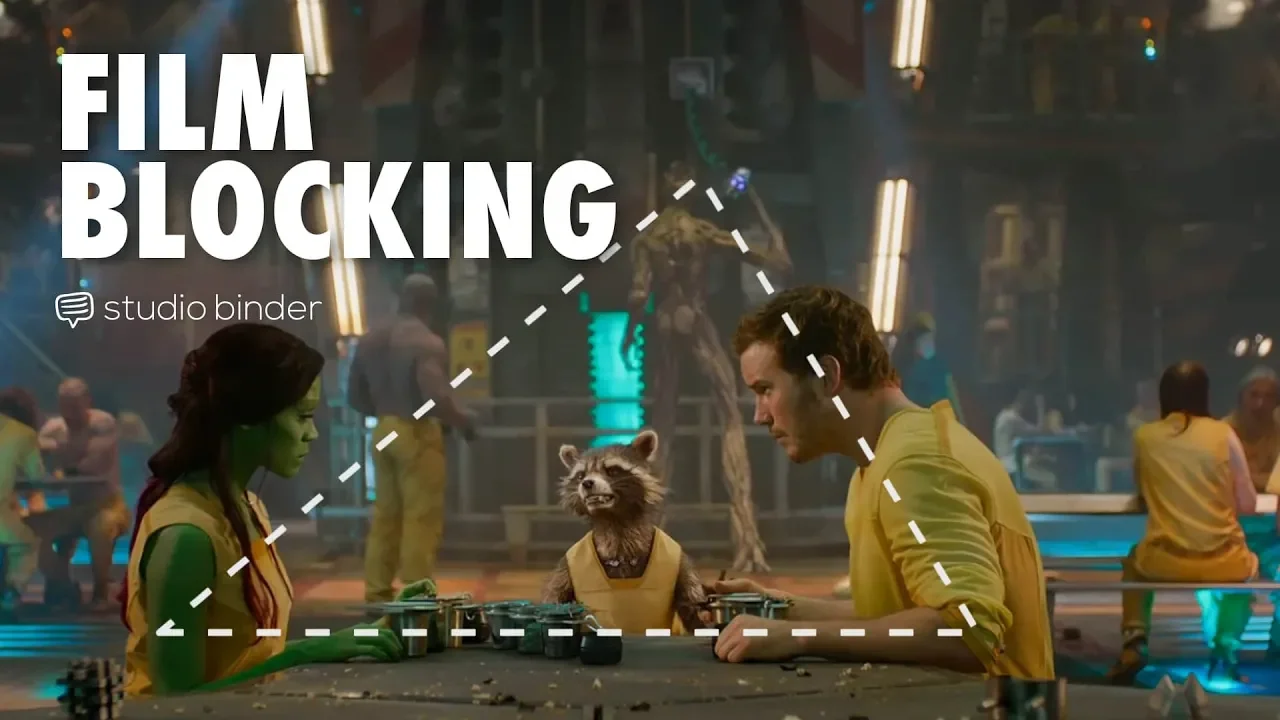
Film Blocking Techniques for Directors: Space, Shapes, Lines
@StudioBinder
1.9M views•2018-07-23

Evolution of Darth Vader: Anakin Skywalker's Animated Journey Across Star Wars Films
@TellItAnimated
13.4M views•2019-03-30
Related Study Plans & Knowledge Roadmaps
Structured learning paths in Film Analysis