This video demonstrates a restriction digest protocol used to determine genotype at the OXTR locus by digesting amplified DNA samples with restriction enzymes, specifically BAMH H1, which shows alternative digestion patterns; key procedural steps include keeping enzymes on ice to preserve activity, carefully adding 10 μL of amplified DNA to labeled tubes followed by 1 μL of restriction enzyme while accounting for the enzyme solution's glycerol viscosity, centrifuging to collect solutions, and running the thermocycler with heated lid enabled to complete the digestion reaction.
Restriction Digest Protocol for Genotyping | OXTR Gene Analysis
Added:Deep Dive
Basic principles of DNA structure and molecular biology, including how restriction enzymes (endonucleases) identify and cleave specific recognition sequences.
Biology Biotechnology Principles part 7 (Restriction Enzymes ( recognition sequence) class 12 XII
95.1K
Restriction endonucleases recognize specific base pair sequences on DNA to determine cutting sites. Each enzyme has a unique recognition sequence that acts as a molecular address tag; when encountered, the enzyme cleaves DNA at predetermined positions. For example, Bam HI recognizes GGATCC and cuts between the G bases, while Eco RI recognizes GAATTC and creates sticky ends by cutting between G and A. These sticky ends have single-stranded overhangs with unpaired bases that can anneal with complementary sequences, facilitating DNA cloning and recombinant DNA technology.
Click to watch →
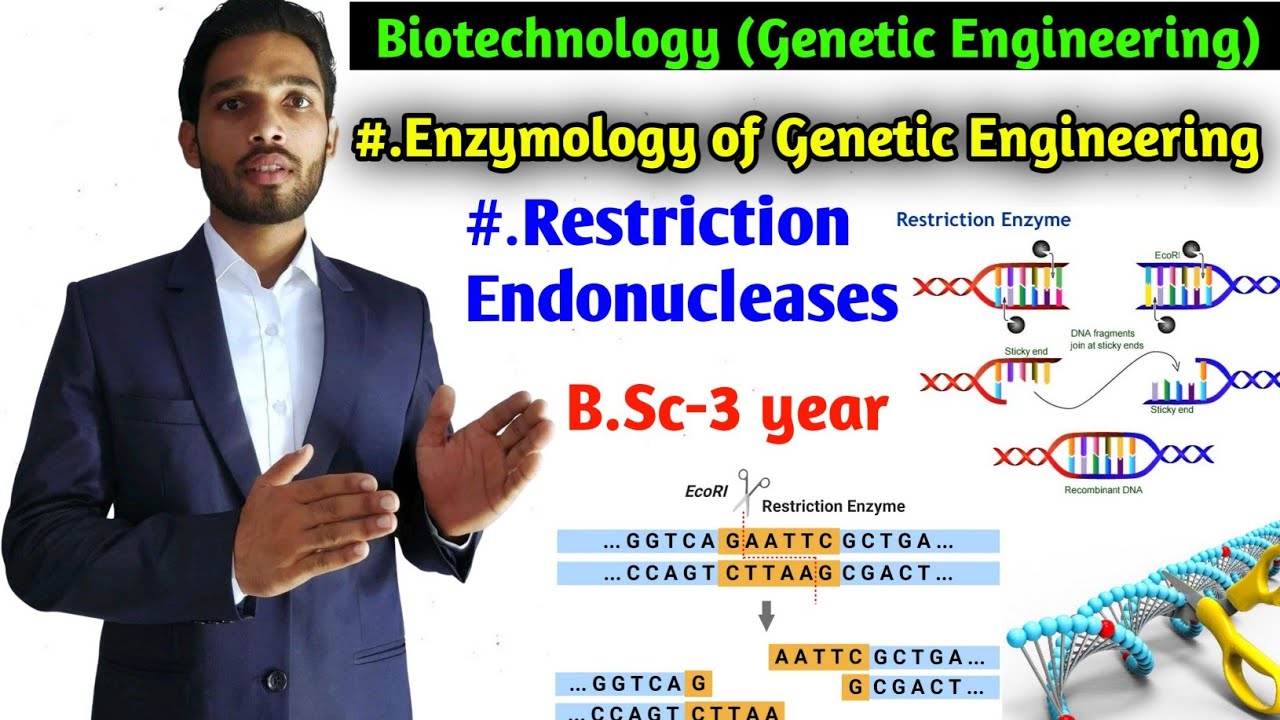
Restriction Endonucleases enzymes || Types and Nomenclature of restriction enzymes||B.Sc 3 year
74.5K
Restriction endonucleases recognize specific DNA sequences called recognition sites (also called target sites). These are palindromic sequences that the enzyme identifies before cleavage. The enzyme first recognizes the sequence, then cuts both strands of DNA at or near this site. The cutting can occur exactly at the recognition site or slightly offset, depending on the enzyme type.
Click to watch →

Restriction endonuclease enzyme | Mechanism | Briefly explained | Bio science
22.9K
Restriction endonuclease enzymes are nucleases that cleave double-stranded DNA at specific recognition sites called restriction sites. These enzymes naturally occur in bacteria and archaea, serving as a defense mechanism against viral infections. The key feature of restriction sites is their palindromic nature—nucleotide sequences that read identically in the 5' to 3' direction on both DNA strands. For instance, the sequence GAATTC on one strand has the complementary sequence CTTAAG on the opposite strand, yet both read GAATTC when scanned from 5' to 3'. This symmetry enables restriction enzymes to precisely identify and bind to these specific locations for DNA cleavage.
Click to watch →
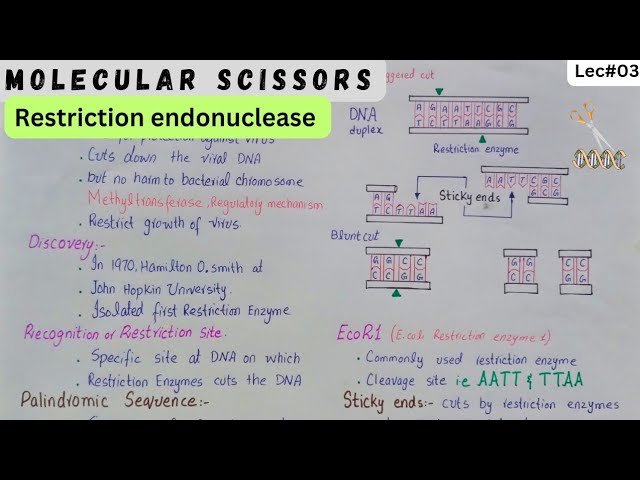
Molecular scissors restrictions endonuclease | cloning of gene | class 12
16.4K
Restriction endonucleases are bacterial enzymes functioning as molecular scissors that cut DNA at specific recognition sites. Discovered in 1970 by Hamilton Smith, these enzymes serve as bacterial defense mechanisms against viral infection by recognizing palindromic DNA sequences (4-6 base pairs) and cutting viral DNA while protecting bacterial chromosomes through methylation. There are two cutting patterns: sticky-end cuts (staggered, producing single-stranded overhangs) and blunt-end cuts (parallel ends). Approximately 400 restriction enzymes exist, with 20 being most frequently used in genetic engineering. Sticky ends enable complementary DNA fragments to join easily, facilitating recombinant DNA construction.
Click to watch →
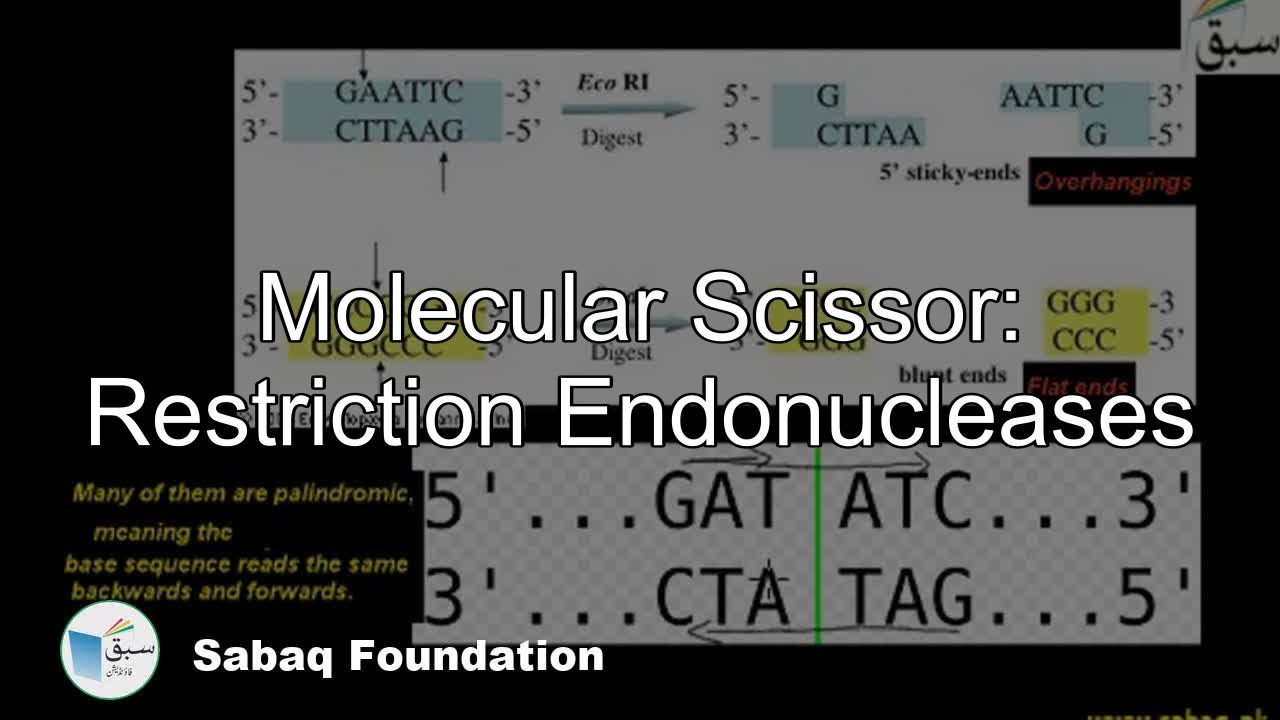
Molecular Scissor: Restriction Endonucleases, Biology Lecture | Sabaq.pk
11.6K
Restriction endonucleases, also known as molecular scissors, are enzymes that cut DNA at specific recognition sequences containing particular nitrogenous base arrangements (A, T, C, G). These enzymes, found in bacteria as a defense mechanism against viruses, recognize palindromic sequences and cleave DNA at precise locations, producing either sticky ends (with overhangs) or blunt ends (without overhangs). For example, EcoRI from E. coli recognizes GAATTC and produces sticky ends, while SmaI from Serratia recognizes CCCGGG and produces blunt ends.
Click to watch →
Deep Dive
The concept of Polymerase Chain Reaction (PCR), as the OXTR gene region must typically be amplified prior to performing a restriction digest.

PTC Lab Overview
864
PCR (Polymerase Chain Reaction) is used to amplify the DNA sample, creating many copies of the specific gene region. After amplification, a restriction digest is performed using a specific endonuclease enzyme that cuts DNA at particular sequences. This enzyme is designed to cut specifically at the TAS2R38 locus.
Click to watch →
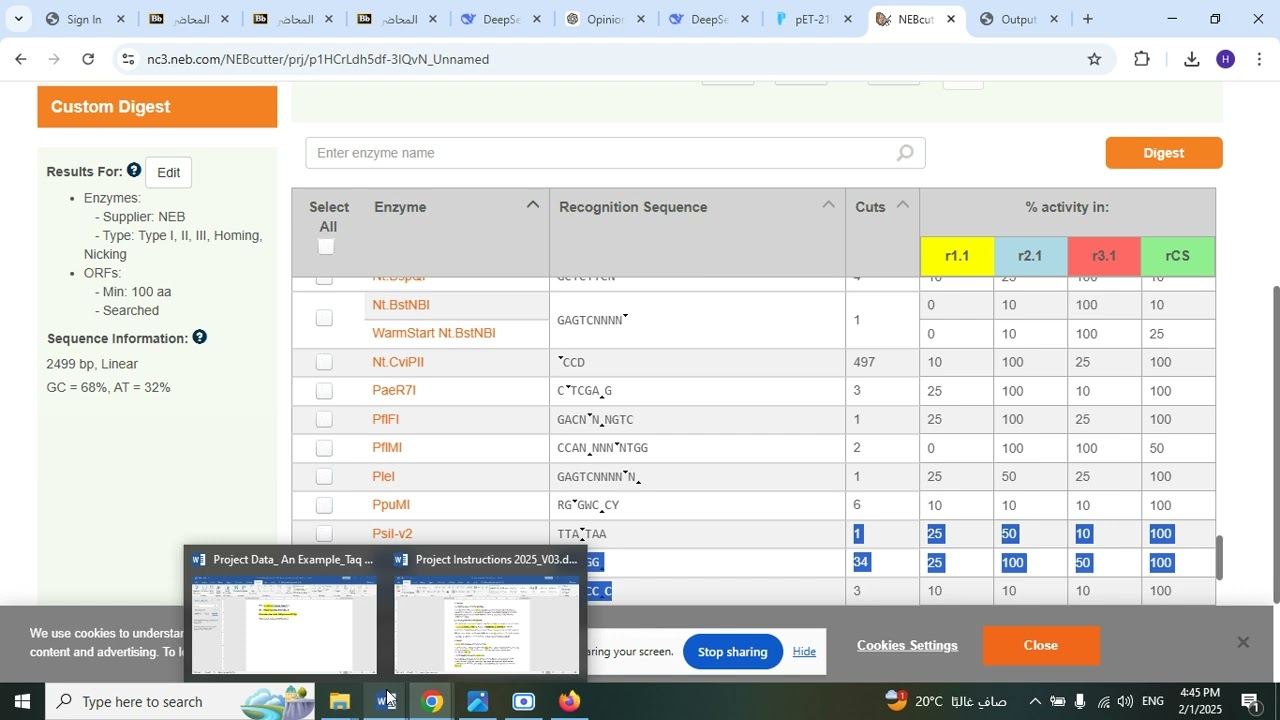
Demo2: Gene of interest preparation
322
PCR amplification uses forward and reverse primers (~20 nucleotides each) to generate the gene sequence. The expected PCR product size is calculated by counting total nucleotides (e.g., 2515 nucleotides). Restriction enzymes are selected to cut at vector sites but not within the gene. Bioinformatics tools verify that restriction sites are present in the vector but absent in the gene sequence. The gene is inserted between restriction sites in the vector, with flanking sequences (~20 nucleotides) at each end. This ensures the complete gene sequence is preserved in the recombinant DNA molecule.
Click to watch →

Gene Cloning with the School of Molecular Bioscience
241
The Polymerase Chain Reaction (PCR) amplifies specific DNA sequences through thermal cycling: denaturation at 95°C separates DNA strands, annealing at 60°C allows gene-specific primers to bind, and extension at 72°C synthesizes new strands. Each cycle doubles DNA, and 30-40 cycles produce exponential amplification. Restriction enzymes then cut both the plasmid and gene insert at specific sites, generating sticky ends that can base-pair together for cloning.
Click to watch →
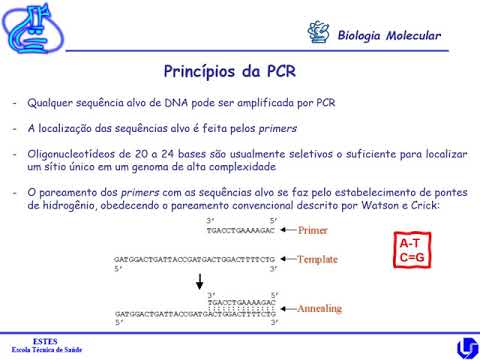
Aula 6 Principais Técnicas de Biologia Molecular
3.5K
PCR-RFLP combines PCR amplification with restriction enzyme digestion. Restriction enzymes cut DNA at specific recognition sequences. A restriction map shows where enzymes will cut a given DNA sequence. For example, a 42 kb fragment digested with EcoRI might produce 10 kb, 18 kb, and 14 kb fragments. Different enzymes produce different fragment patterns. The number and size of fragments depend on restriction site locations. PCR-RFLP is used for genotyping, disease detection, and parasitic infection identification.
Click to watch →

DNA TECHNOLOGY1. Part3
111
PCR (Polymerase Chain Reaction) is a thermal cycling technique that amplifies specific DNA segments through three repeated steps: denaturation at 95°C separates double-stranded DNA into single strands by breaking hydrogen bonds between base pairs; annealing at 50-65°C allows primers to bind to complementary sequences on the template strands; and extension at 72°C enables Taq polymerase to synthesize new DNA strands complementary to the templates. Each cycle doubles the DNA amount, so after 30 cycles, a single DNA molecule can produce over one billion copies. Restriction enzymes are bacterial proteins that recognize specific DNA sequences (typically 4-8 base pairs) and cut DNA at precise locations, functioning as molecular scissors. These enzymes have three key properties: specific recognition (each enzyme recognizes only one particular sequence), palindromic sequences (the recognition sequence reads the same forward and backward), and repetitive cutting (they cut at every occurrence of their recognition site). Together, PCR and restriction enzymes enable scientists to amplify, analyze, and manipulate DNA for applications in medical diagnosis, forensic science, and genetic research.
Click to watch →
Deep Dive
Fundamentals of agarose gel electrophoresis, including how DNA fragments separate by molecular weight and how to interpret band patterns.

Agarose Gel Electrophoresis
1.7M
Agarose gel electrophoresis separates DNA fragments by applying an electric current through a gel matrix; since DNA carries a negative charge, it migrates from the negative electrode (black) toward the positive electrode (red), with smaller fragments moving faster than larger ones, allowing visualization of DNA sample separation patterns.
Click to watch →
How to Make an Agarose Gel
74.3K
Agarose gel electrophoresis separates DNA fragments by size using an electric field. DNA's negative charge causes migration toward the positive electrode through a porous agarose mesh. Smaller fragments move faster than larger ones. A 1% gel uses 0.5g agarose in 50ml buffer. Critical distinctions exist between agarose (high-purity, for gels) and agar (lower purity, for petri dishes). TBE buffer maintains neutral pH, stabilizes DNA via EDTA, and provides electrolytes for current flow. Consistent buffer selection throughout the protocol is essential for successful results.
Click to watch →
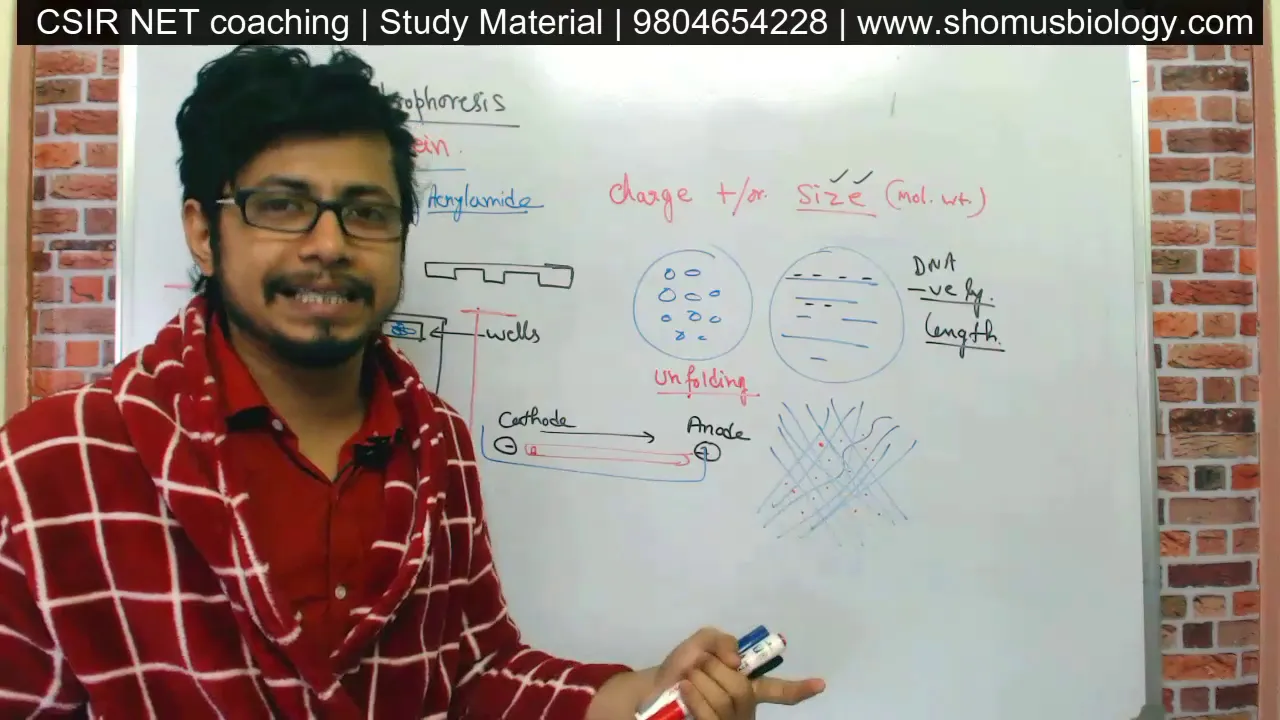
Gel electrophoresis procedure explained | agarose gel electrophoresis of DNA
264.4K
Agarose gel electrophoresis separates DNA fragments based on their size (length) because DNA is uniformly negatively charged due to its phosphate backbone, allowing smaller fragments to migrate faster through the gel matrix pores while larger fragments move more slowly; the gel is prepared by dissolving agarose powder in buffer solution, heating to 40°C, and cooling to form a semi-solid matrix with pores whose size depends on agarose concentration, and DNA bands are visualized after staining with DNA-binding dyes like ethidium bromide under UV light.
Click to watch →

Topic 8 A level Biology - THIS IS THE OLD VERSION. NEW VERSION LINK IN THE DESCRIPTION
176K
Gel electrophoresis separates DNA fragments by size. DNA samples are loaded into wells in an agarose gel submerged in buffer. An electrical voltage is applied: DNA carries negative charge due to phosphate groups and migrates toward the positive electrode. Smaller fragments move faster through the gel matrix. Alkaline conditions separate DNA into single strands. After electrophoresis, DNA probes hybridize to VNTRs, and visualization (X-ray for radioactivity, UV light for fluorescence) reveals band patterns for comparison.
Click to watch →

NEET 2025 Biology: Biotechnology Principles & Processes | One Shot | New NCERT 360° | Seep Pahuja
268.3K
Agarose gel electrophoresis separates DNA fragments based on size. The gel matrix acts like a sieve, allowing smaller fragments to move faster while larger fragments move more slowly. DNA is negatively charged, so it migrates toward the positively charged anode when an electric current is applied. Samples are loaded into wells at the cathode end. After electrophoresis, the gel is stained with ethidium bromide and viewed under UV light, causing DNA bands to fluoresce orange. The desired fragment is then extracted from the gel using a blade.
Click to watch →
Deep Dive
An understanding of genetic variation, specifically Single Nucleotide Polymorphisms (SNPs) and how they can alter restriction enzyme recognition sites.

PCR Genotyping
56.1K
RFLPs depend on single nucleotide polymorphisms (SNPs) to create detectable differences. A SNP can disrupt a restriction enzyme recognition site, such as changing GAATTC to GTATTC, which prevents the EcoRI enzyme from cutting that DNA molecule. PCR primers amplify across the region containing the potential restriction site. Without restriction enzyme treatment, PCR products from both alleles appear identical in size. However, when the restriction enzyme is added, only the chromosome with the intact recognition site gets cut into smaller fragments, while the chromosome with the disrupted site remains uncut. Gel electrophoresis reveals this difference as two distinct bands: the cut fragments running faster and the undigested fragment remaining larger.
Click to watch →

Human DNA testing: Taster lab
541
Two PCR reactions produce different target sequences: one 221 base pair product and one 303 base pair product. The single nucleotide polymorphisms (SNPs) between taster and non-taster alleles alter restriction enzyme recognition sites. For Fnu4H1 enzyme, the taster allele contains a perfect recognition sequence (GCTGC) that gets cut, while the non-taster allele has a TA base pair instead of CG, destroying the restriction site. This allows researchers to distinguish alleles based on whether the enzyme can cut the DNA.
Click to watch →
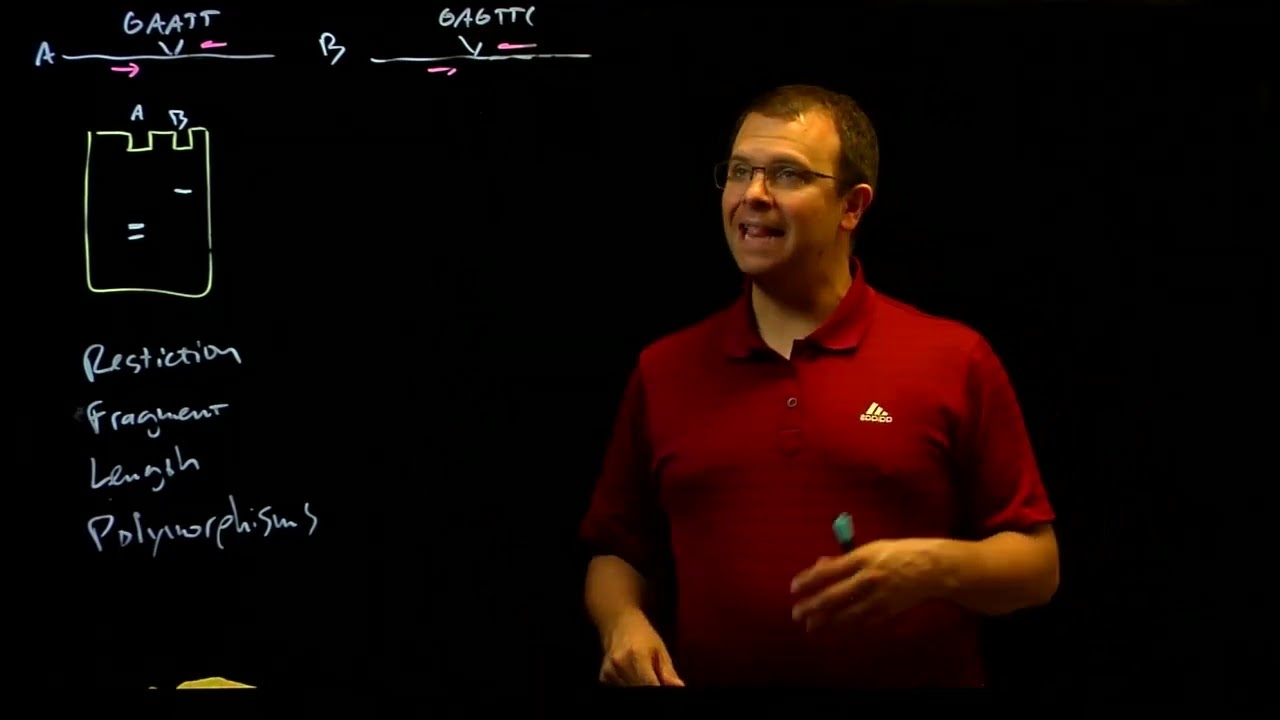
Single Nucleotide Polymorphisms (SNPs)
672
Single Nucleotide Polymorphisms (SNPs) are genetic variations where a single base differs between individuals, such as one person having an A and another having a G at the same genomic position; these SNPs can cause RFLPs (Restriction Fragment Length Polymorphisms) when the single base change disrupts a restriction enzyme recognition site, causing PCR-amplified DNA to produce different fragment lengths on a gel, with approximately 10 million common SNPs identified in humans and detection methods including DNA microarrays for efficient genotyping.
Click to watch →

Restriction mapping 2 | METHODS IN BIOLOGY | CSIR-NET LIFESCIENCE DEC 2025 #apnasapnajrf
1K
Single nucleotide polymorphisms (SNPs) can create or destroy restriction sites. If a mutation changes a nucleotide within a restriction site sequence, the enzyme may no longer recognize and cut at that site. This changes the restriction digestion pattern, which can be used to detect genetic variations. In heterozygous individuals, both normal and mutated alleles produce different band patterns.
Click to watch →
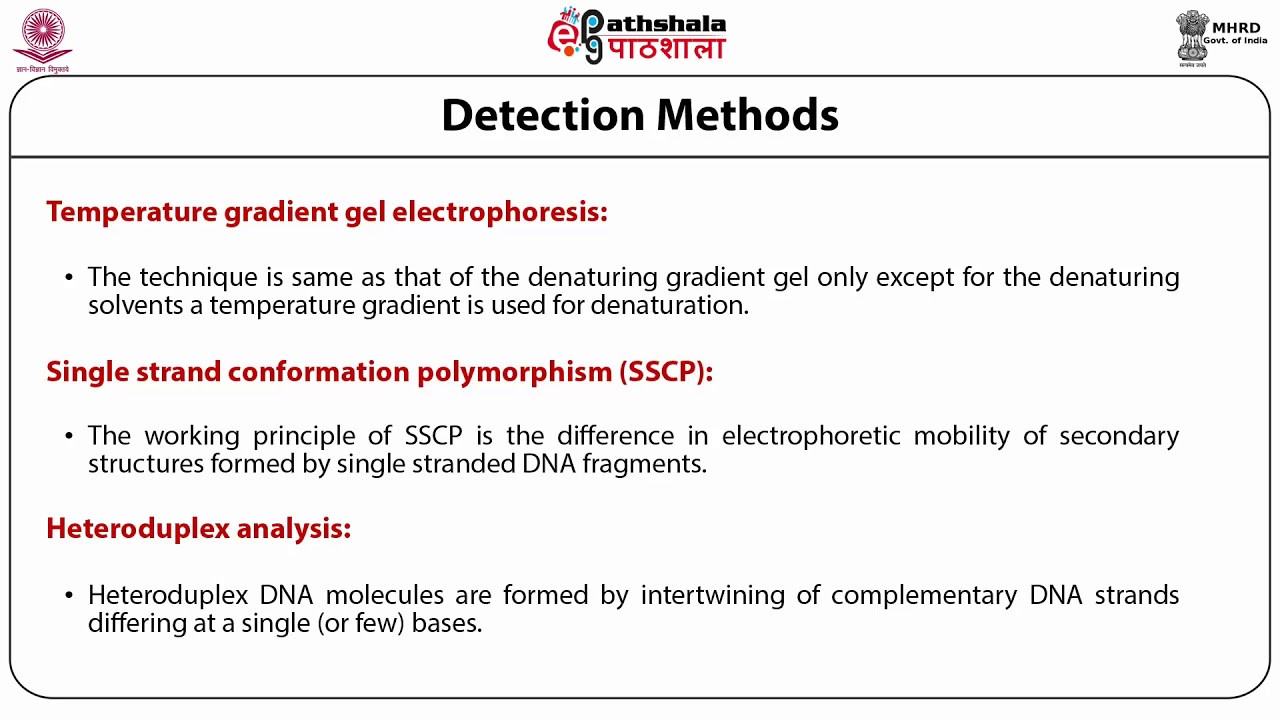
34.Genetic markers in anthropological research
489
Single Nucleotide Polymorphisms (SNPs) are the most prevalent polymorphisms occurring by single base substitution, with transitions being more common than transversions. When SNPs lie in restriction enzyme recognition sites, they become RFLPs. About 10 million SNPs are catalogued in dbSNP. Mini-satellites are tandem repeats of 10-60 base pairs resulting from unequal crossing over. Short Tandem Repeat polymorphisms (STRs) consist of 1-6 nucleotide repeats and form the first PCR-based markers. SINEs (Short Interspersed Nuclear Elements) like the Alu family (500,000 copies in humans) are widely used in genome diversity studies.
Click to watch →
Prerequisite Knowledge
- Concept 01Basic principles of DNA structure and molecular biology, including how restriction enzymes (endonucleases) identify and cleave specific recognition sequences.
- Concept 02The concept of Polymerase Chain Reaction (PCR), as the OXTR gene region must typically be amplified prior to performing a restriction digest.
- Concept 03Fundamentals of agarose gel electrophoresis, including how DNA fragments separate by molecular weight and how to interpret band patterns.
- Concept 04An understanding of genetic variation, specifically Single Nucleotide Polymorphisms (SNPs) and how they can alter restriction enzyme recognition sites.
Subsequent Learning
- Step 01How to analyze and interpret gel electrophoresis band patterns to accurately determine homozygous dominant, heterozygous, and homozygous recessive genotypes.
- Step 02The physiological and behavioral implications of the OXTR (oxytocin receptor) gene variants in human psychology, empathy, and social bonding.
- Step 03Troubleshooting restriction digest protocols, including addressing issues like star activity, incomplete digestion, and improper buffer conditions.
- Step 04A comparison of Restriction Fragment Length Polymorphism (RFLP) analysis with modern genotyping technologies such as TaqMan qPCR assays and Next-Generation Sequencing (NGS).
Sample prep
Enzyme digest
Incubation
Sample prep
0:01Playing Section
- 1
Amplify DNA samples at OXTR locus.
- 2
Label new tubes for digest reactions.
- 3
Keep enzymes on ice to preserve activity.
Modern High-Throughput Genotyping (qPCR and NGS) vs. RFLP
While Restriction Fragment Length Polymorphism (RFLP) using restriction enzymes is a classic, cost-effective method for teaching basic molecular biology, it is largely considered obsolete in modern genetic research and clinical diagnostics. Critics point out several significant limitations of RFLP for genotyping genes like OXTR. First, the process is highly labor-intensive, requiring PCR amplification, overnight enzymatic digestion, and gel electrophoresis. Second, it is prone to "incomplete digestion," where the restriction enzyme fails to cut the DNA fully, leading to false heterozygous determinations and diagnostic errors. Modern alternatives, such as TaqMan real-time PCR (qPCR) genotyping assays, Sanger sequencing, and Next-Generation Sequencing (NGS), offer superior options. These high-throughput techniques provide higher accuracy, faster turnaround times, require less starting DNA, and eliminate the subjective interpretation of gel bands. Consequently, while RFLP remains a useful educational tool, modern molecular genetics has shifted toward automated, probe-based, or sequencing-by-synthesis technologies for reliable genotyping.
Deep Dive
How to analyze and interpret gel electrophoresis band patterns to accurately determine homozygous dominant, heterozygous, and homozygous recessive genotypes.
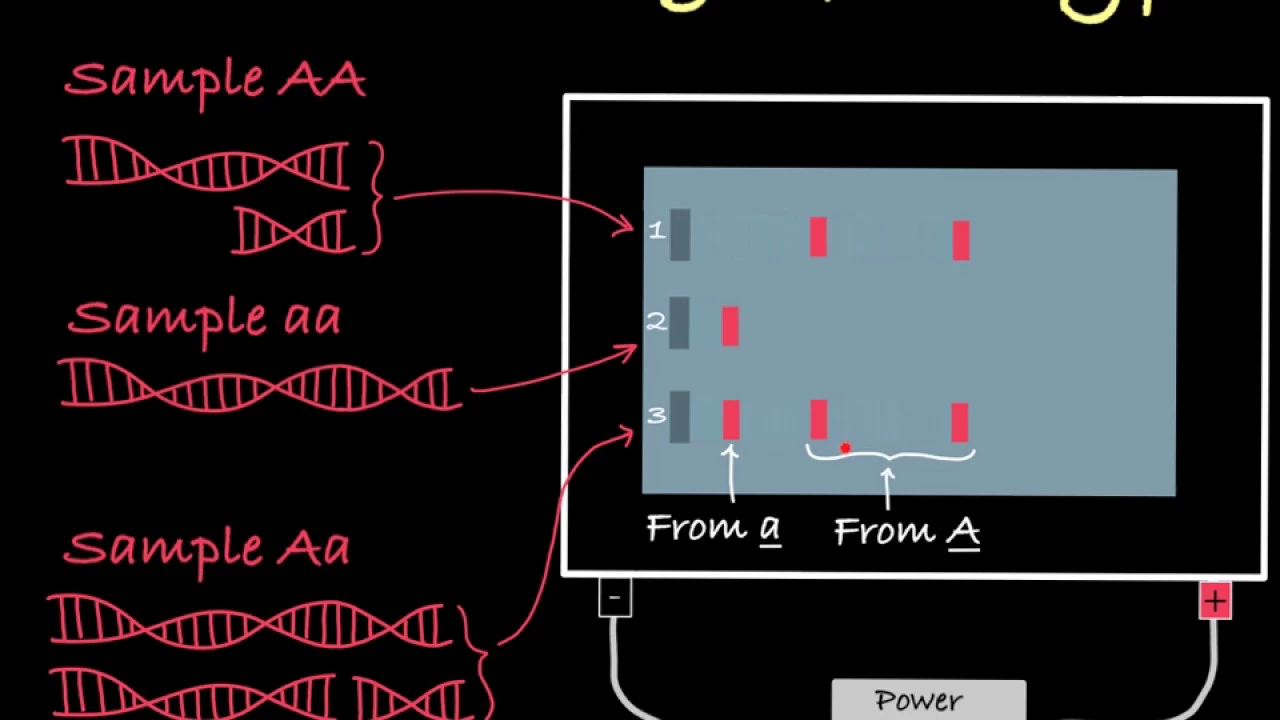
Gel Electrophoresis to Determine Genotype
81.6K
Gel electrophoresis separates DNA fragments by size, allowing determination of genotype when combined with restriction enzyme digestion; if one allele contains a restriction site and the other does not, homozygous AA produces two bands (cut fragments), homozygous aa produces one band (uncut fragment), and heterozygous Aa produces three bands (two cut fragments plus one uncut fragment).
Click to watch →
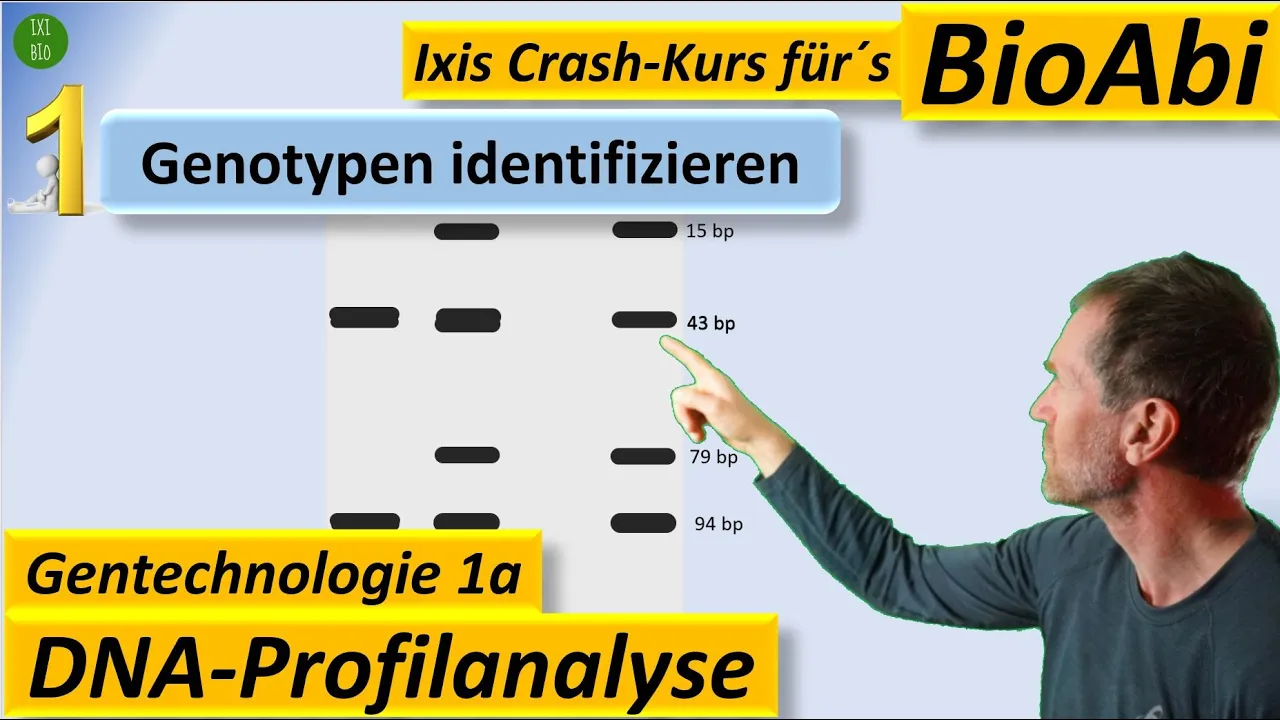
Gentechnik 1 DNA-Profilanalyse - Genotyp-Bestimmung (PCR, Restriktionsenzym, Gelelektrophorese)
44.2K
Genotypes are identified by analyzing how restriction enzymes cut DNA. For autosomal recessive inheritance, mutations alter recognition sites. Homozygous dominant individuals produce three fragments (two copies of each), heterozygous carriers produce four fragments (two from each allele), and homozygous recessive individuals produce two fragments. The band pattern on gel electrophoresis reveals the genotype: affected individuals show two bands, carriers show four bands, and unaffected individuals show three bands. This allows genetic diagnosis without direct DNA sequencing.
Click to watch →

Live الوراثة البشرية
119.1K
To interpret electrophoresis results: (1) Compare the band pattern to known standards, (2) Identify which alleles are present, (3) Determine the genotype based on the pattern. For example, a single band indicates homozygosity, while two bands indicate heterozygosity. The position of bands corresponds to fragment size, allowing identification of specific alleles.
Click to watch →

الاستعداد الوطني ، تصحيح وطنيات الوراثة البشرية svt fabour
15K
Electrophoresis is used to confirm genotypes: it separates DNA fragments based on size, different genotypes produce different band patterns, homozygous individuals show one band, and heterozygous individuals show two bands. Electrophoresis provides 100% accurate genotype confirmation. To determine which chromosome carries a disease: if an individual has one allele, the disease is X-linked; if an individual has two alleles, the disease is autosomal. To determine if a disease is dominant or recessive: if an affected parent has an affected child, the disease is dominant; if healthy parents have an affected child, the disease is recessive. To determine if a disease is sex-linked or autosomal: if an affected male has two alleles, the disease is autosomal; if an affected male has one allele, the disease is X-linked.
Click to watch →

Bio2Lab StudyingDNA
269
This section explains how scientists analyze genetic variation using restriction enzymes and gel electrophoresis. Restriction enzymes like Eco-R1 recognize specific DNA sequences (e.g., GAATTC) and cut DNA between base pairs. Different genotypes produce distinct fragment patterns: homozygous individuals without cut sites show one long fragment; heterozygotes with one cut site show two fragments; homozygotes with cut sites show two different fragment lengths. Gel electrophoresis separates these fragments by size using an electric current—larger fragments move slower through the gel matrix. A DNA ladder provides size markers. Scientists identify genotypes by comparing band positions rather than intensities, as intensities vary with extraction efficiency.
Click to watch →
Deep Dive
The physiological and behavioral implications of the OXTR (oxytocin receptor) gene variants in human psychology, empathy, and social bonding.

DNA + Traits of Paleolithic European (Oase 1)
2K
The OXTR gene (oxytocin receptor) influences social bonding and empathy. The Oase 1 individual carried two variants associated with higher levels of empathy in this gene variation. This finding suggests the individual likely possessed enhanced social cognition and prosocial behaviors, which would have been advantageous for survival in small social groups during the Upper Paleolithic period. The absence of sociopathic tendencies indicates normal or above-normal functioning of the oxytocin system.
Click to watch →

DNA results of Bronze Age Iranian (sha006)
1.1K
The individual is predicted to have higher or average levels of empathy based on OXTR gene variants. OXTR (oxytocin receptor) gene variants influence social bonding and empathy. This demonstrates how genetic testing can predict personality-related traits based on specific gene variants.
Click to watch →

Linking Genes, Brain and Behavior in Autism Spectrum Disorder (2013)
513
The oxytocin receptor gene (OXTR) encodes a key regulator of social and affiliative behavior. The A allele is associated with social deficits, empathy problems, attachment issues, and increased autism risk. Structural studies show decreased hypothalamus and medial prefrontal region volume in carriers, along with decreased amygdala activation during face matching tasks. This gene exemplifies how social circuitry abnormalities may contribute to autism through effects on social motivation and emotional processing.
Click to watch →

Ancient DNA Reveals the Origins of Modern Human Traits – The Genetic Keys to Our Evolution
2.1K
Oxytocin is central to emotional bonding between lovers, friends, parents, and children. Its receptor gene OXTR affects how people experience empathy, trust, and social warmth. Variants in OXTR are linked to how easily individuals form emotional connections and how deeply they feel social pain. Ancient DNA reveals that populations living in cooperative bands where social ties were essential for survival showed higher frequencies of OXTR variants promoting bonding and empathy. This supports the idea that love in its many forms was selected for as a biological trait, not just a cultural one.
Click to watch →
Genes That Control Mood, Anxiety, and Stress: Beyond MTHFR
1.4K
The OXTR gene (oxytocin receptor) influences how we experience trust, empathy, and social bonding. Oxytocin serves as a powerful emotional regulator, and OXTR determines how well we respond to its signals. Variants in this gene affect sensitivity to social cues, with some versions linked to autism traits while others are associated with heightened empathy or social anxiety. This gene shapes our fundamental ability to form and maintain social connections.
Click to watch →
Deep Dive
Troubleshooting restriction digest protocols, including addressing issues like star activity, incomplete digestion, and improper buffer conditions.

Star activity
15.9K
Star activity is a phenomenon in restriction enzyme digestion where enzymes cleave DNA at non-canonical sites when optimal parameters are not maintained. A standard digestion mixture contains DNA template, restriction enzyme, and buffer. Critical parameters include enzyme concentration, pH (optimal 8.0), ionic strength, and reaction time (2-4 hours for small DNA, longer for large segments). Even small deviations from optimal enzyme concentration or pH can cause dramatic changes in enzyme behavior, leading to non-specific cleavage. This phenomenon is also called relaxed activity and is particularly important for researchers working with restriction enzymes daily.
Click to watch →
Assemble restriction digestion assay
5.1K
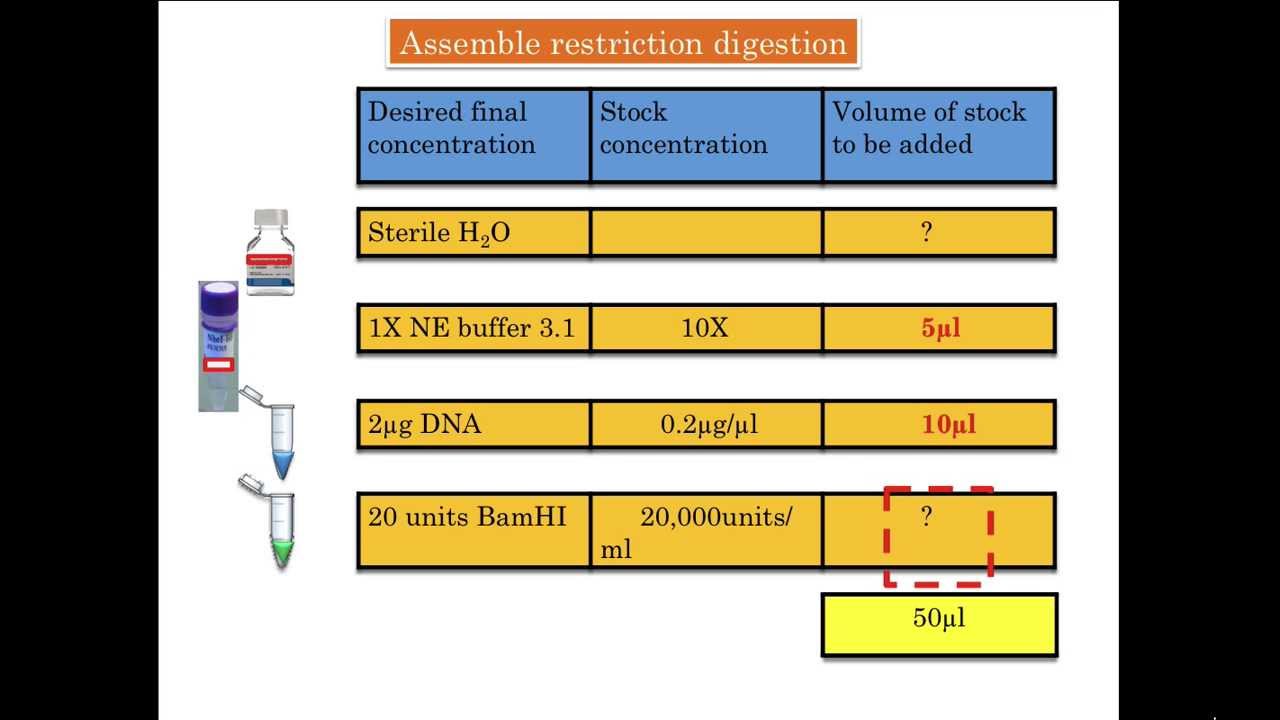
Restriction digestion is a fundamental molecular biology technique requiring restriction enzyme, buffer, DNA, and nuclease-free water. All materials should be kept on ice during preparation. Star activity is a critical phenomenon where enzymes lose specificity when glycerol concentration exceeds 5%, causing non-specific cutting. Commercial enzymes contain 50% glycerol as antifreeze to protect against freeze-thaw damage. To prevent star activity, enzyme volume must not exceed 10% of total reaction volume. Setting up restriction digestion requires a systematic three-column calculation approach: reagents with target concentrations, stock concentrations, and calculated volumes. The total reaction volume is typically 50 microliters. For buffer dilution, use C1V1 = C2V2 formula. For DNA, use ratio and proportion based on stock concentration and desired amount.
Click to watch →

Back to Basics with Thermo Scientific - Episode 2: Molecular Cloning
957
Fast digest restriction enzymes complete digestion in 5-15 minutes versus 60+ minutes for conventional enzymes. All 176 fast digest enzymes use a universal buffer system eliminating buffer optimization. Green buffer format contains loading dye showing digestion progress through blue/yellow band migration. Recommended digestion times apply to all template types (PCR, plasmid, genomic DNA). No overnight digestion is required, eliminating star activity risks. All DNA modifying enzymes remain fully compatible with fast digest buffer.
Click to watch →
Types of Restriction Enzymes | Star Activity | Isoschizomers, Neoschizomers, Isocaudomers | PhD/JRF
701
Star activity is a phenomenon where restriction enzymes cut DNA at non-specific sites under non-optimal conditions. This occurs when conditions deviate from standard buffer conditions, such as incorrect pH, high salt concentration, or improper enzyme concentration. Star activity produces unexpected fragment patterns and should be avoided in cloning experiments. The frequency of restriction sites in DNA can be calculated using the formula: Frequency = 1 in 4^n, where n is the number of base pairs in the recognition sequence. For example, a 6-base recognition site occurs approximately once every 4,096 base pairs. DNA methylation can prevent restriction enzymes from recognizing their target sequences, which is the basis for restriction-modification systems.
Click to watch →

Lab Demo: DNA Forensics Restriction Digest
1.5K
In DNA forensics, restriction digest is a laboratory technique where restriction enzymes cut DNA at specific sequences; the protocol involves adding buffer to create optimal conditions for enzyme activity, adding restriction enzymes to DNA samples (except the uncut control), using centrifugation to ensure all components settle at the bottom of tubes, and incubating samples at 37°C for at least 10 minutes to allow the enzymes to cut the DNA into fragments for analysis.
Click to watch →
Deep Dive
A comparison of Restriction Fragment Length Polymorphism (RFLP) analysis with modern genotyping technologies such as TaqMan qPCR assays and Next-Generation Sequencing (NGS).
restriction fragment length polymorphism (RFLP) |Principle | applications | limitations
110.7K
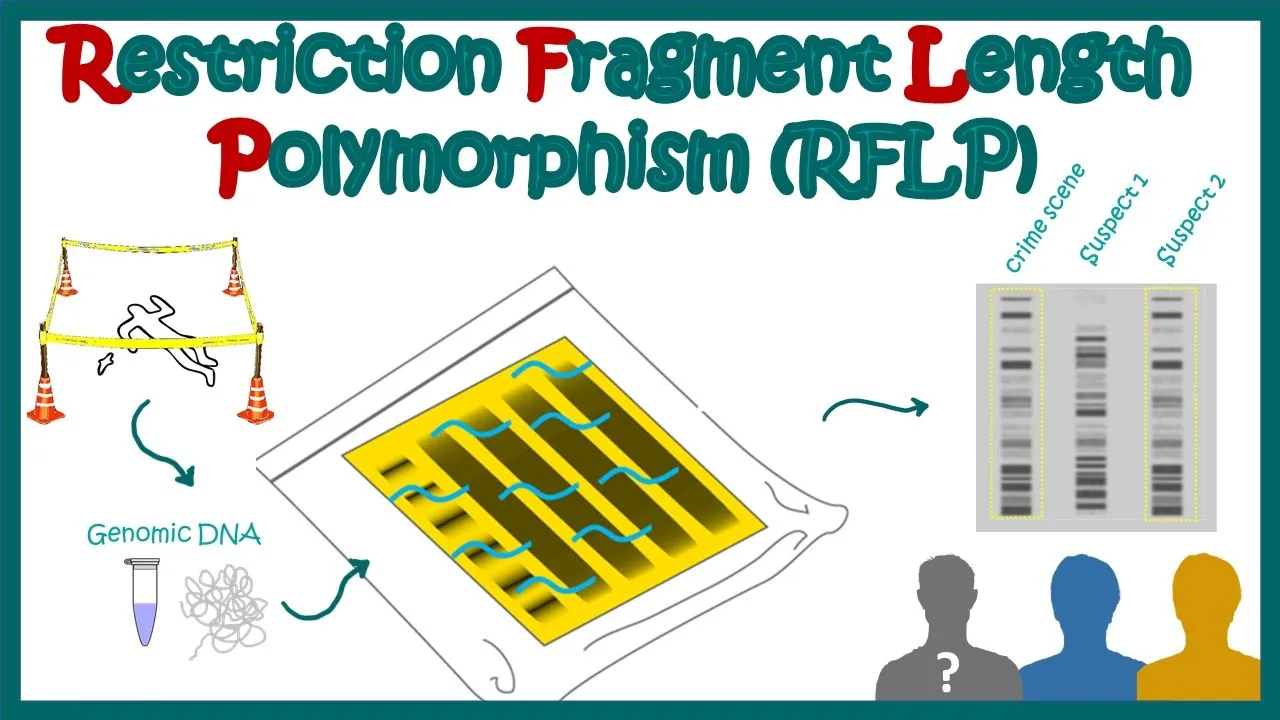
RFLP has several significant limitations: (1) It is extremely slow compared to modern techniques, (2) Southern hybridization requires large amounts of starting DNA, which is problematic in forensic cases where only trace amounts of DNA may be available from crime scenes, (3) The technique became less practical with the development of faster alternatives.
Click to watch →
Vídeo 3 Polimorfismo dos fragmentos de restrição
12.1K
Restriction Fragment Length Polymorphism (RFLP) is a DNA analysis technique that uses restriction enzymes to cut DNA at specific sequences, allowing differentiation between alleles that differ by single base pairs; the technique involves PCR amplification of a target region, digestion with restriction enzymes, and separation via agarose gel electrophoresis to visualize distinct fragment patterns that indicate different genotypes.
Click to watch →

Genome Organisation | Molecular Biology I Target JRF 2025 | CSIR NET Life Science I Unit 3
3.2K
RFLP (Restriction Fragment Length Polymorphism) is suitable for small segments (1,000-10,000 base pairs), while Next Generation Sequencing (NGS) is preferred for large-scale genome-wide SNP detection due to its accuracy and speed.
Click to watch →

Restriction fragment length polymorphism
34.6K
While RFLP pioneered DNA profiling for widespread application, its practical limitations drove the development of faster alternatives. Traditional RFLP requires substantial DNA quantities, extensive processing time (up to one month), and complex laboratory workflows including probe labeling, electrophoresis, blotting, and autoradiography. The Human Genome Project accelerated the transition toward single nucleotide polymorphism (SNP) analysis, which proved more efficient for genome-wide studies. Variable Number Tandem Repeat (VNTR) analysis evolved from RFLP-based methods to polymerase chain reaction (PCR)-based approaches, offering improved speed and sensitivity. Terminal Restriction Fragment Length Polymorphism (T-RFLP) emerged as a streamlined technique for characterizing microbial communities through fluorescently labeled PCR products followed by restriction enzyme digestion and DNA sequencer visualization. Additionally, Cleaved Amplified Polymorphic Sequence (CAPS) analysis provides rapid detection of specific polymorphisms by amplifying across altered restriction sites before enzymatic digestion. These modern approaches maintain the fundamental principle of detecting genetic variation through restriction enzyme-mediated fragment analysis while overcoming the throughput and resource constraints of classical RFLP protocols.
Click to watch →
#ekdinkarajapathologynotes #molecularpath #moleculardiagnostics #chimerism analysis #geneticmarkers
689
Chimerism analysis employs multiple techniques categorized as non-molecular (red cell phenotyping), cytogenetic-based (FISH), and molecular methods (STR, VNTR, RFLP, qPCR, ddPCR, NGS). STR PCR uses 12-24 markers with 1-5 ng DNA input and 1-5% sensitivity. VNTR PCR uses 5-10 markers with 100-250 ng DNA and 1-5% sensitivity. RFLP uses restriction enzymes with high DNA input and 5-10% sensitivity but is labor-intensive. qPCR uses 10-50 SNPs with 20-300 ng DNA and 0.01-0.1% sensitivity, offering high sensitivity but requiring more DNA. ddPCR uses 10-30 SNPs with similar sensitivity but is low-throughput. NGS uses 24-210 SNPs with 5-50 ng DNA, providing high sensitivity, throughput, and accuracy but at higher cost and complexity.
Click to watch →
Sample prep
Enzyme digest
Incubation
Sample prep
0:01- 1
Amplify DNA samples at OXTR locus.
- 2
Label new tubes for digest reactions.
- 3
Keep enzymes on ice to preserve activity.
Modern High-Throughput Genotyping (qPCR and NGS) vs. RFLP
While Restriction Fragment Length Polymorphism (RFLP) using restriction enzymes is a classic, cost-effective method for teaching basic molecular biology, it is largely considered obsolete in modern genetic research and clinical diagnostics. Critics point out several significant limitations of RFLP for genotyping genes like OXTR. First, the process is highly labor-intensive, requiring PCR amplification, overnight enzymatic digestion, and gel electrophoresis. Second, it is prone to "incomplete digestion," where the restriction enzyme fails to cut the DNA fully, leading to false heterozygous determinations and diagnostic errors. Modern alternatives, such as TaqMan real-time PCR (qPCR) genotyping assays, Sanger sequencing, and Next-Generation Sequencing (NGS), offer superior options. These high-throughput techniques provide higher accuracy, faster turnaround times, require less starting DNA, and eliminate the subjective interpretation of gel bands. Consequently, while RFLP remains a useful educational tool, modern molecular genetics has shifted toward automated, probe-based, or sequencing-by-synthesis technologies for reliable genotyping.
Basic principles of DNA structure and molecular biology, including how restriction enzymes (endonucleases) identify and cleave specific recognition sequences.
The concept of Polymerase Chain Reaction (PCR), as the OXTR gene region must typically be amplified prior to performing a restriction digest.
Fundamentals of agarose gel electrophoresis, including how DNA fragments separate by molecular weight and how to interpret band patterns.
An understanding of genetic variation, specifically Single Nucleotide Polymorphisms (SNPs) and how they can alter restriction enzyme recognition sites.
How to analyze and interpret gel electrophoresis band patterns to accurately determine homozygous dominant, heterozygous, and homozygous recessive genotypes.
The physiological and behavioral implications of the OXTR (oxytocin receptor) gene variants in human psychology, empathy, and social bonding.
Troubleshooting restriction digest protocols, including addressing issues like star activity, incomplete digestion, and improper buffer conditions.
A comparison of Restriction Fragment Length Polymorphism (RFLP) analysis with modern genotyping technologies such as TaqMan qPCR assays and Next-Generation Sequencing (NGS).
65.5K views595likes5:49@jacksonlaboratoryOriginal Release: 2015-07-02
[Music] In this example, DNA samples in which the OXTR locus has been amplified will be digested with restriction enzymes to determine genotype. First, the amplified samples are needed including the negative control. The appropriate restriction enzyme is also needed. In this case, the variant being studied in the OXTR gene demonstrates alternative digestion by BAMH H1. Enzymes must stay on ice at all times or they may lose their cutting activity. Obtain as many new tubes as you have DNA samples. As always, mix the amplified samples and collect the solution in the centriuge.
[Music] Make Make sure your new tubes are labeled and transfer 10 microL of amplified solution into the corresponding tube.
[Music] I don't [Music] Amplified samples can be put in the fridge at this point. Do not throw them away. They will be needed as a comparison and control during gel electropharesis. Add one microL of the restriction enzyme to each tube. Be aware of the small volume but also the viscosity of the enzyme solution. Enzyme solutions typically contain glycerol, a very thick solution. It will stick to the tip, which could cause the addition of more than is needed into the [Music] reaction. Wipe the tip on the edge of the tube before dispensing into your sample.
[Music] Repeat this process for the remaining samples.
[Music] Cap the tubes and label them to distinguish from the amplified samples.
[Music] mix and centrifuge to collect the solution.
[Music] Place the samples in the thermosycler if necessary, which for OXTR it [Music] is run the cut program, remembering to enable the heated lid and watch for errors until the cyclinger has reached temperature.
[Music]
Up Next

6:44
Plasmid DNA Maxiprep Kit Protocol: Step-by-Step Guide
@cusabio1387
231 views•2024-07-12

12:54
Triumph of Orthodoxy Icon: Byzantine Art & History Explained
@BenCallan
2.1K views•2024-08-06

9:49
FastAPI vs Flask vs Django: Choosing the Right Python Web Framework
@TechWithTim
302.5K views•2024-05-26

1:42
Game of Thrones Opening Credits: A Cinematic Analysis
@gameofthrones
46.3M views•2011-04-18
Related Study Plans & Knowledge Roadmaps
Structured learning paths in General & Interdisciplinary Studies
general-studies
Elevator Engineering: History, Physics & Cities
01From Hoists to Safety Brakes: The Dawn of Vertical Lift
02Hydraulic vs. Traction: The Engineering Physics of Elevators
03Modern Speed, Safety, and Algorithms
+ 2 more learning modules
12h5 modules
Explore Roadmap
general-studies
Rubber: Material Science, History & Geopolitics
01Origins of Natural Rubber & Mesoamerican History
02The Chemistry of Natural Rubber & Vulcanization
03The Geopolitics of the Rubber Boom & Colonization
+ 2 more learning modules
12h5 modules
Explore Roadmap
general-studies
Containerization: Evolution, Logistics & Trade
01Ancient Trade & Bulk Cargo: Amphorae to Barrels
02The Industrial Revolution & Cardboard Packaging
03The Containerization Revolution: Malcom McLean
+ 2 more learning modules
12h5 modules
Explore Roadmap
general-studies
Textile Tech: Evolution, Labor & Global Impact
01Pre-Industrial Textiles: Handloom & Cottage Industry
02Mechanization: The Spinning Jenny to the Power Loom
03The Factory System & Global Labor Transformation
+ 2 more learning modules
10h5 modules
Explore Roadmap